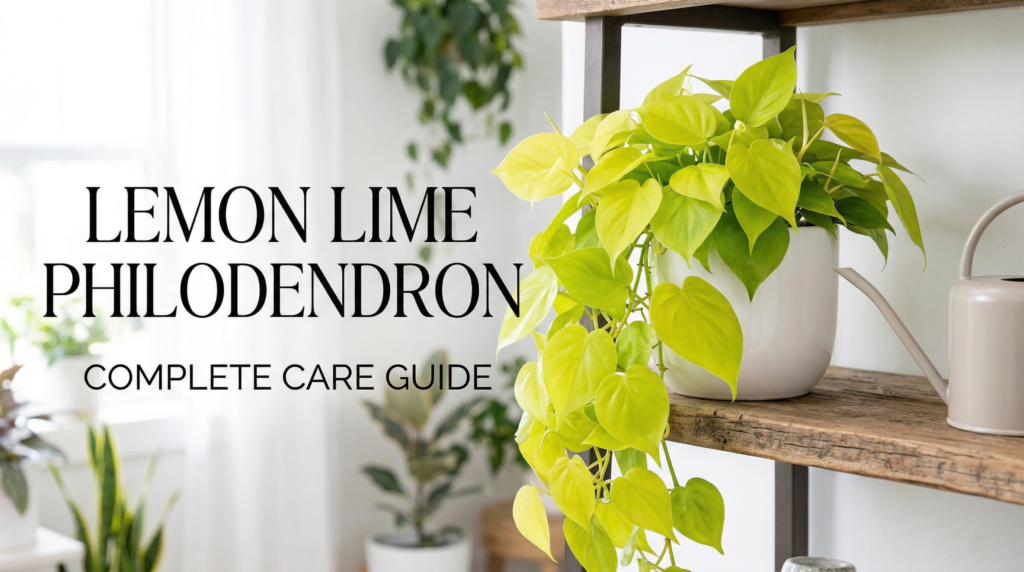
The Lemon Lime Philodendron is a stunning indoor plant that adds vibrant hues of green and yellow to any room. With its striking, heart-shaped leaves and easy-to-care-for nature, this plant has become a favorite among plant enthusiasts. If you’ve recently added this beautiful plant to your collection, you’re likely wondering how to care for Lemon Lime Philodendron to ensure it thrives. Whether you’re a beginner or a seasoned plant parent, this comprehensive guide will help you provide the ideal environment for your plant, ensuring it flourishes in your home.
In this article, we’ll break down expert care tips for growing a healthy, beautiful Lemon Lime Philodendron. From the basics of light, water, and temperature to advanced tips on pruning and propagation, you’ll have all the information you need to nurture your plant and keep it thriving year-round. Let’s dive into the details to help you master the art of Lemon Lime Philodendron care.
What is Lemon Lime Philodendron?
Aesthetic Features
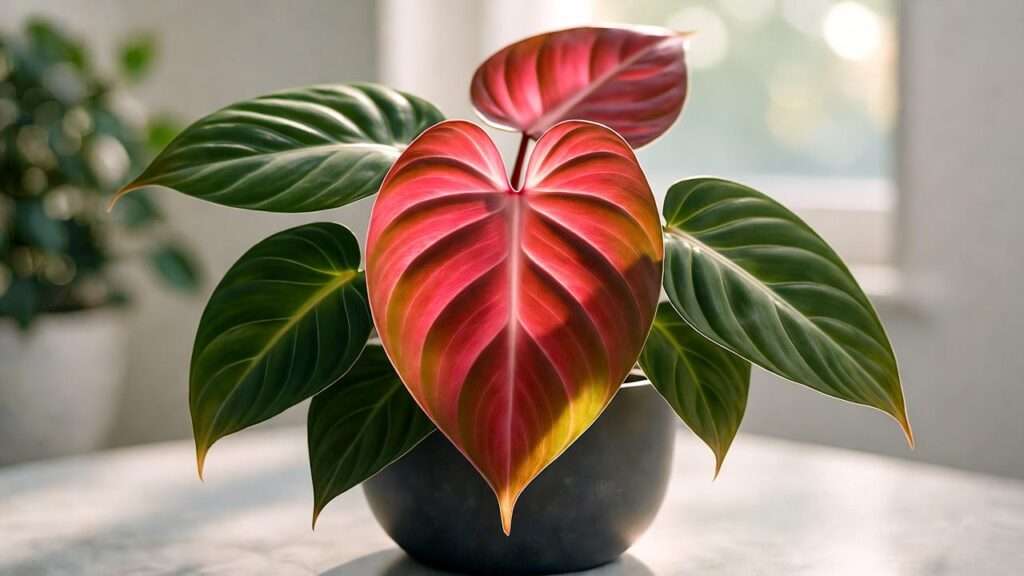
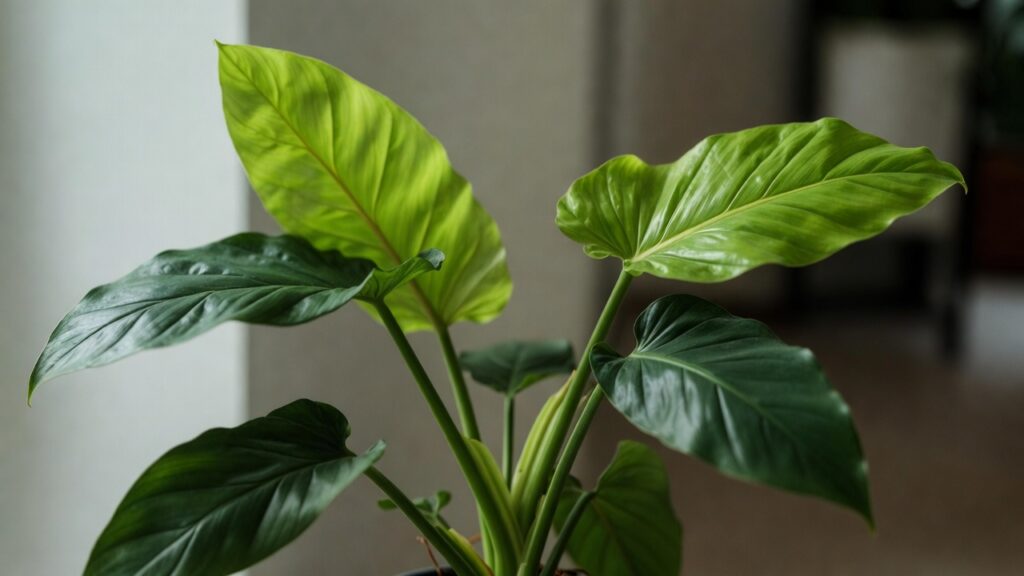
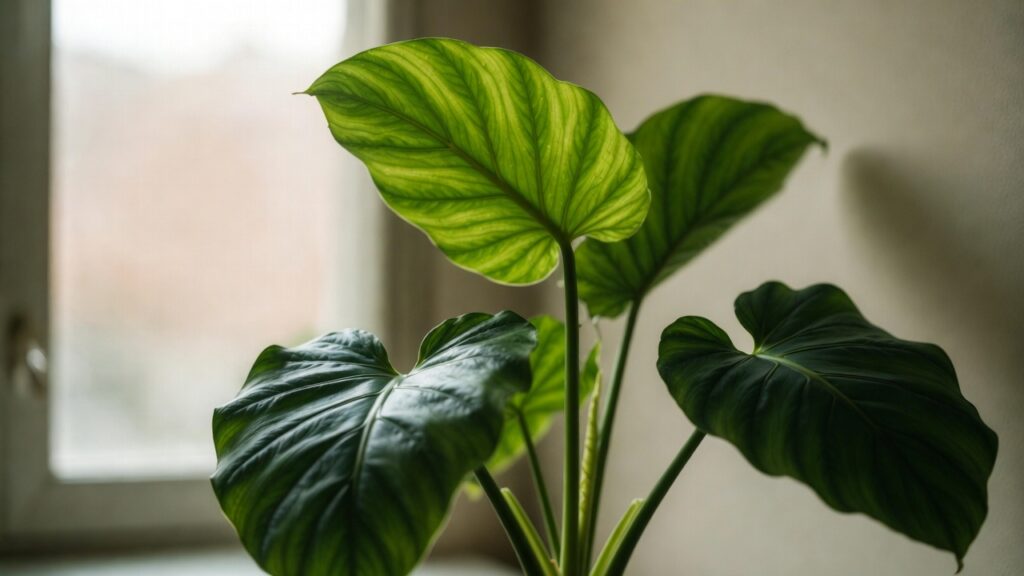
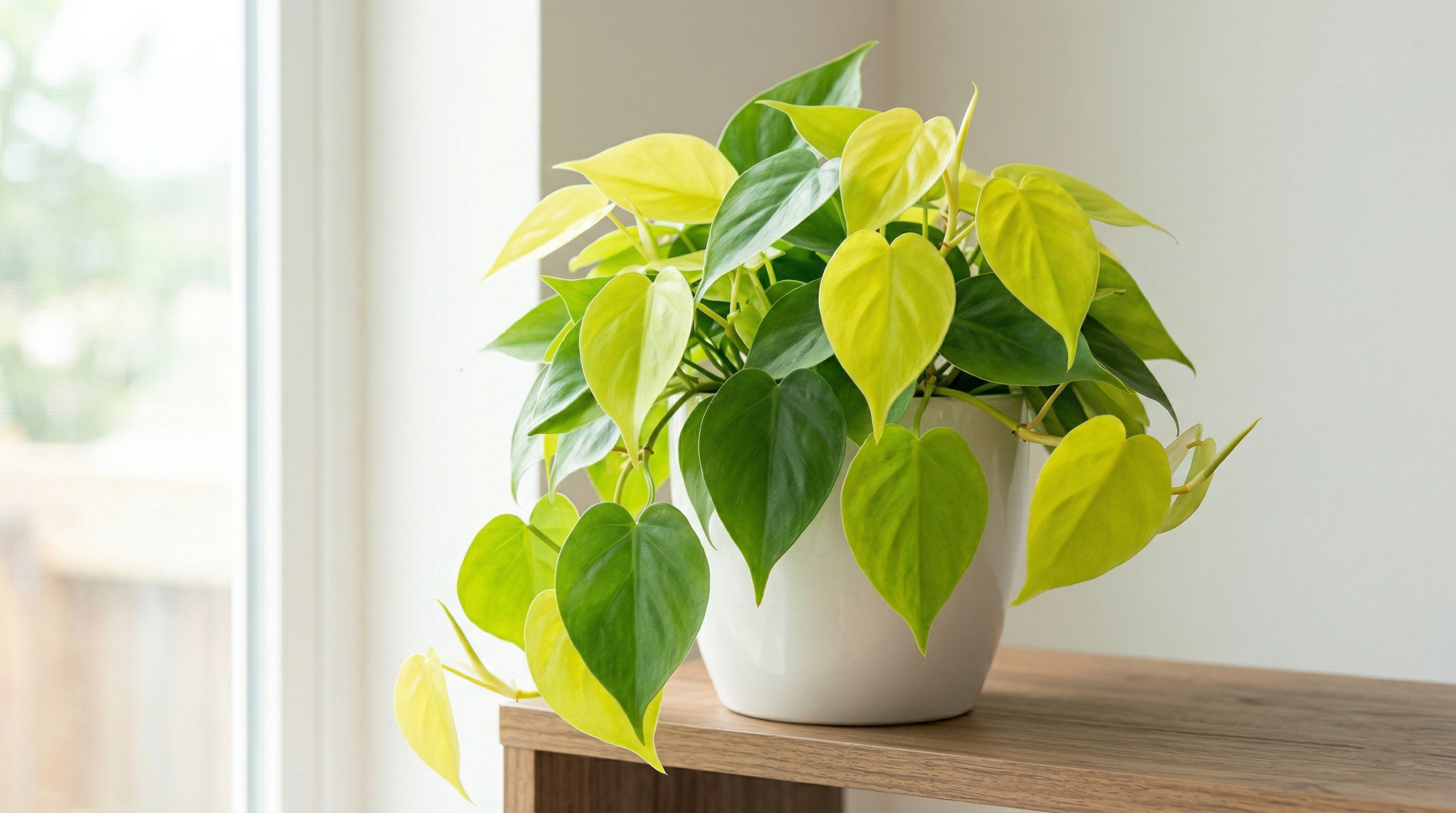
The Lemon Lime Philodendron (Philodendron hederaceum ‘Lemon Lime’) is known for its bright, chartreuse-colored leaves that make a statement in any room. The leaves have a soft, heart-shaped appearance, making this plant one of the most visually captivating varieties in the Philodendron family. As the name suggests, its vibrant green and yellow tones resemble a refreshing citrus blend, giving it a fresh and lively look.
This vining plant is an ideal choice for hanging baskets, shelves, or as a trailing feature in pots. It can grow several feet long, making it perfect for filling spaces and creating a lush, tropical atmosphere in your home.
Plant Origin and Varieties
The Lemon Lime Philodendron is a cultivar of the Philodendron genus, which is native to tropical regions of Central and South America. Like many other Philodendrons, it thrives in warm, humid environments and can be grown both indoors and outdoors in the right climate.
There are many varieties of Philodendrons, but the Lemon Lime variety stands out due to its unique color and adaptability. Unlike other Philodendrons that have darker, solid-colored leaves, the Lemon Lime Philodendron’s leaves exhibit an eye-catching combination of light green and yellow, giving it an attractive, multicolored appearance.
Why It’s a Popular Indoor Plant
There are several reasons why the Lemon Lime Philodendron is so popular among indoor plant lovers:
- Low Maintenance: The plant is known for being forgiving, making it perfect for both beginner and experienced plant parents.
- Tolerant to Different Lighting: While it prefers bright, indirect light, it can adapt to lower light conditions without significant damage.
- Air Purifying: Like many other houseplants, the Lemon Lime Philodendron helps improve indoor air quality by filtering out toxins.
- Aesthetic Appeal: Its vibrant, lively colors make it a beautiful addition to any space.
The Basics of Lemon Lime Philodendron Care
Light Requirements
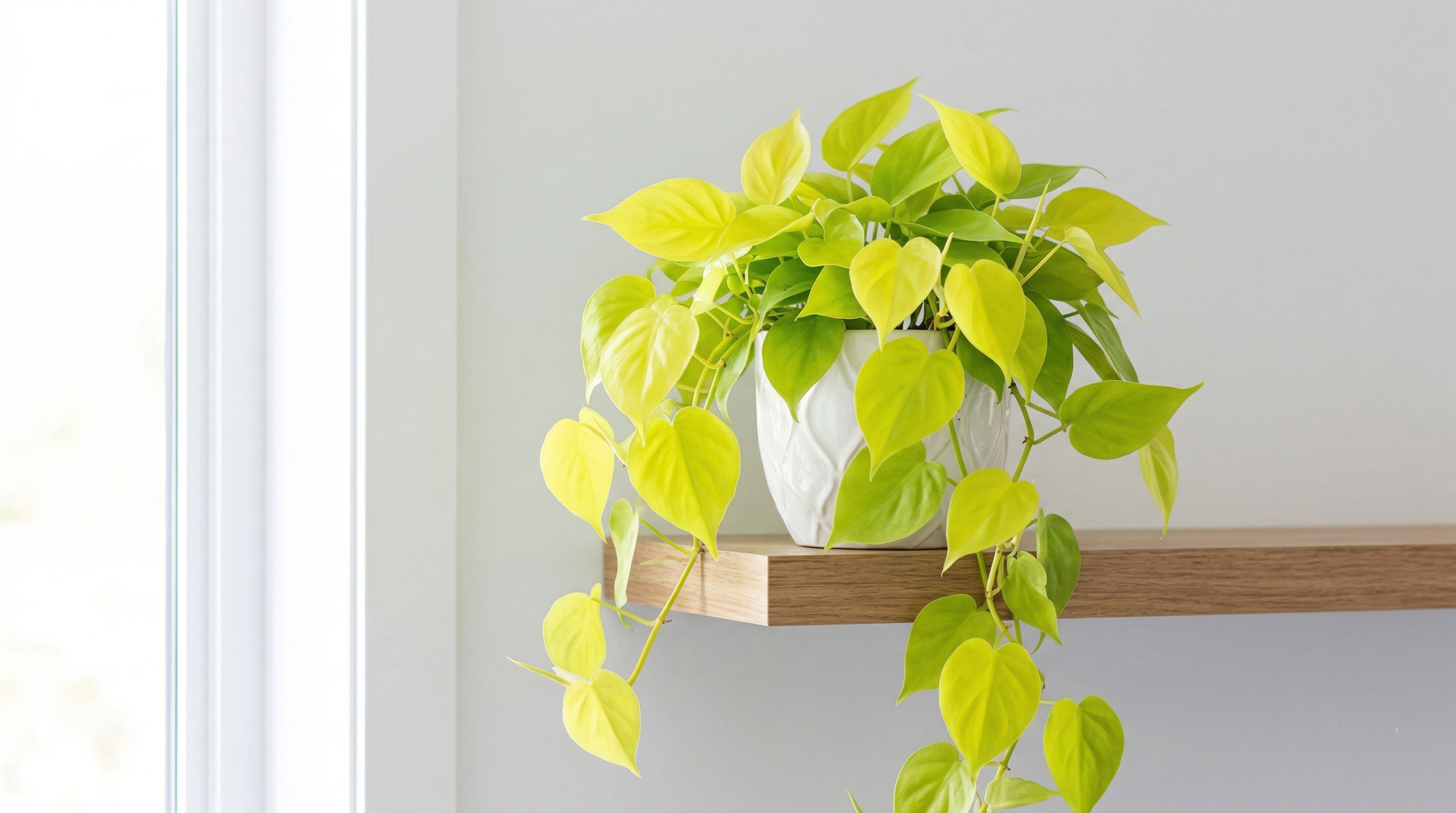
Lemon Lime Philodendrons thrive in bright, indirect light. This means that a spot near a window with filtered sunlight is ideal. If you place your plant in direct sunlight for extended periods, the leaves can become scorched, resulting in brown or crispy edges. Too much direct sunlight can also cause the vibrant yellow hue to fade.
However, this plant is fairly adaptable and can survive in lower light conditions, though its growth may slow down. If you’re noticing slower growth or fading color, it might be a sign that the plant isn’t receiving enough light. In rooms with limited natural light, consider using grow lights to supplement the plant’s light requirements.
Watering Tips
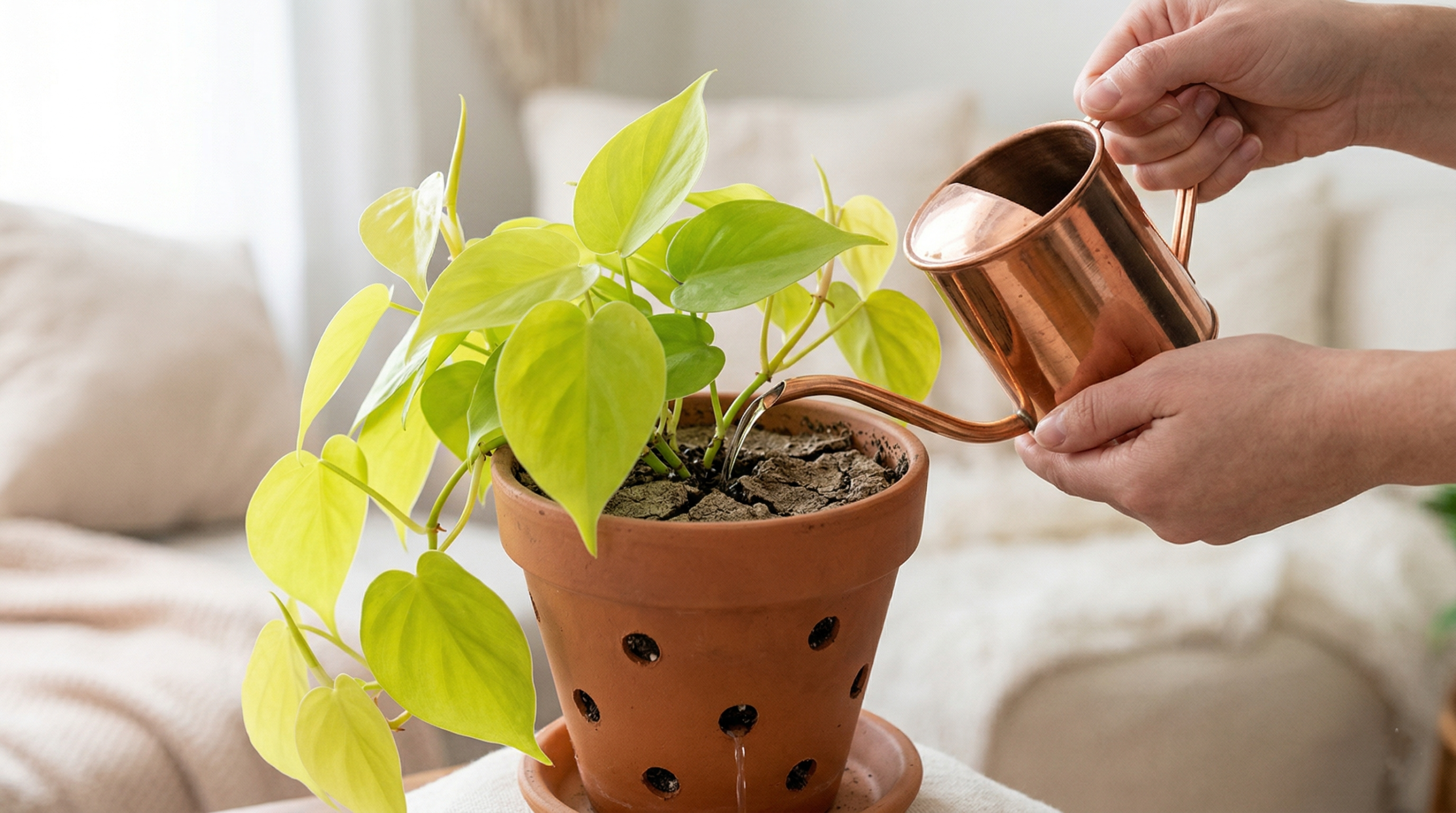
One of the most important aspects of Lemon Lime Philodendron care is watering. Overwatering is a common mistake among plant owners and can lead to root rot, a condition that causes the roots to decay and negatively affects the plant’s health. To avoid overwatering, make sure the soil dries out slightly between waterings.
A good rule of thumb is to allow the top 1-2 inches of soil to dry before adding more water. During the growing season (spring and summer), you’ll likely need to water your plant every 7-10 days, but always check the soil moisture before watering. In the winter, when the plant’s growth slows down, reduce the watering frequency.
When watering, be sure to water thoroughly until the excess water drains out from the bottom of the pot. Never allow the plant to sit in standing water, as this can promote root rot. If you’re unsure whether the plant needs water, it’s better to underwater than overwater.
Ideal Temperature and Humidity
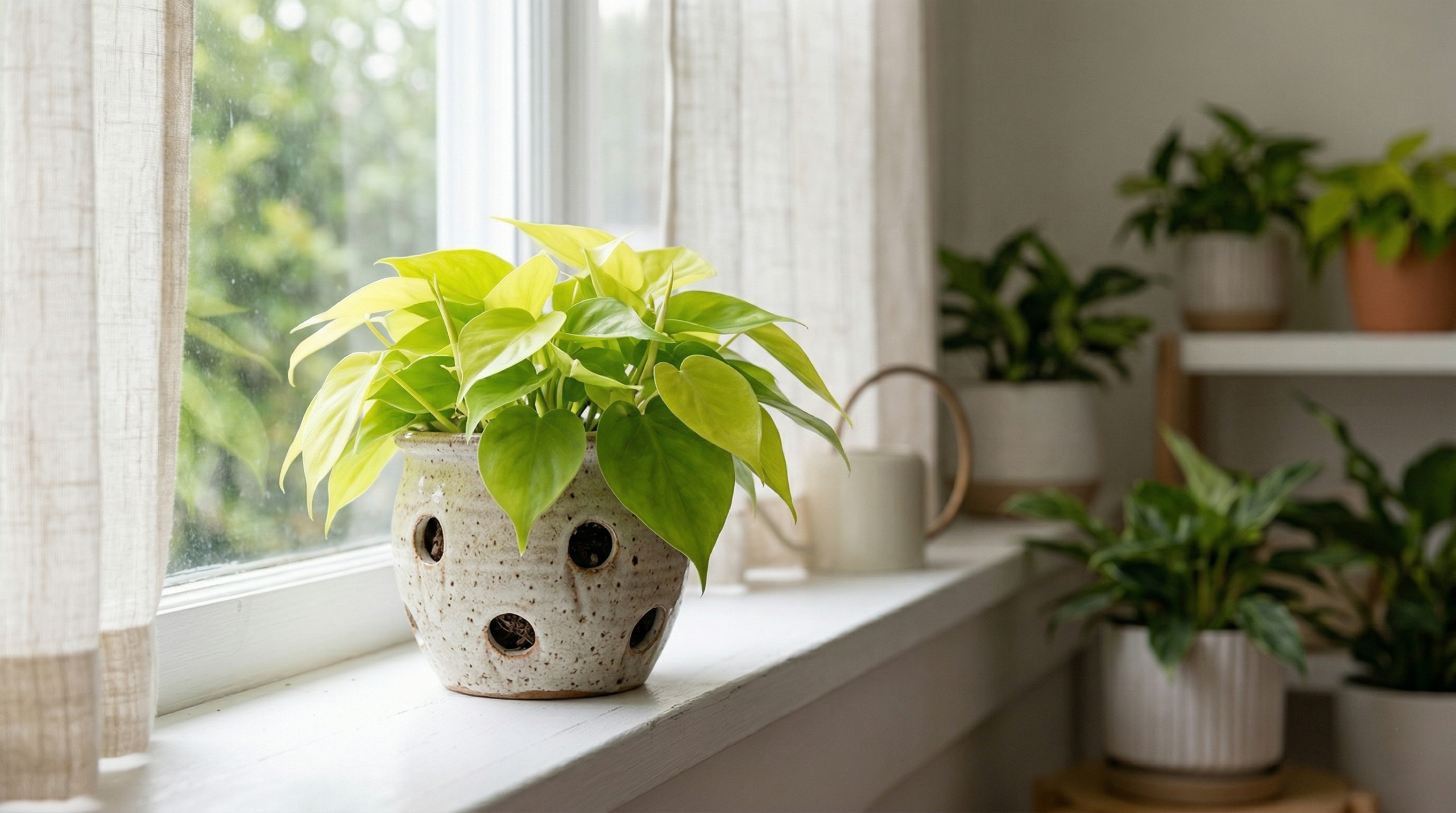
As a tropical plant, the Lemon Lime Philodendron thrives in warm temperatures. The ideal temperature range is between 65°F and 80°F (18°C to 27°C), though it can tolerate slightly cooler temperatures. It’s important to keep the plant away from cold drafts or air conditioners, as sudden temperature fluctuations can stress the plant.
Humidity is another crucial factor for optimal growth. While the Lemon Lime Philodendron can tolerate average indoor humidity levels, it thrives in a more humid environment. To increase humidity, you can mist the plant occasionally, place it on a humidity tray, or use a room humidifier. If you live in a particularly dry climate, these measures can help prevent leaf edges from turning brown due to dry air.
Advanced Care Tips for Thriving Plants
Fertilization Tips
Fertilizing your Lemon Lime Philodendron ensures it has the nutrients it needs to grow strong and vibrant. During the growing season (spring and summer), fertilize your plant every 4-6 weeks with a balanced, water-soluble fertilizer. Opt for a fertilizer that is high in nitrogen to promote healthy leaf growth.
It’s important to dilute the fertilizer to half strength to avoid burning the roots. In the fall and winter, when the plant’s growth slows down, reduce or stop fertilizing altogether. Over-fertilizing can lead to nutrient imbalances and cause damage to the plant.
Pruning and Propagation
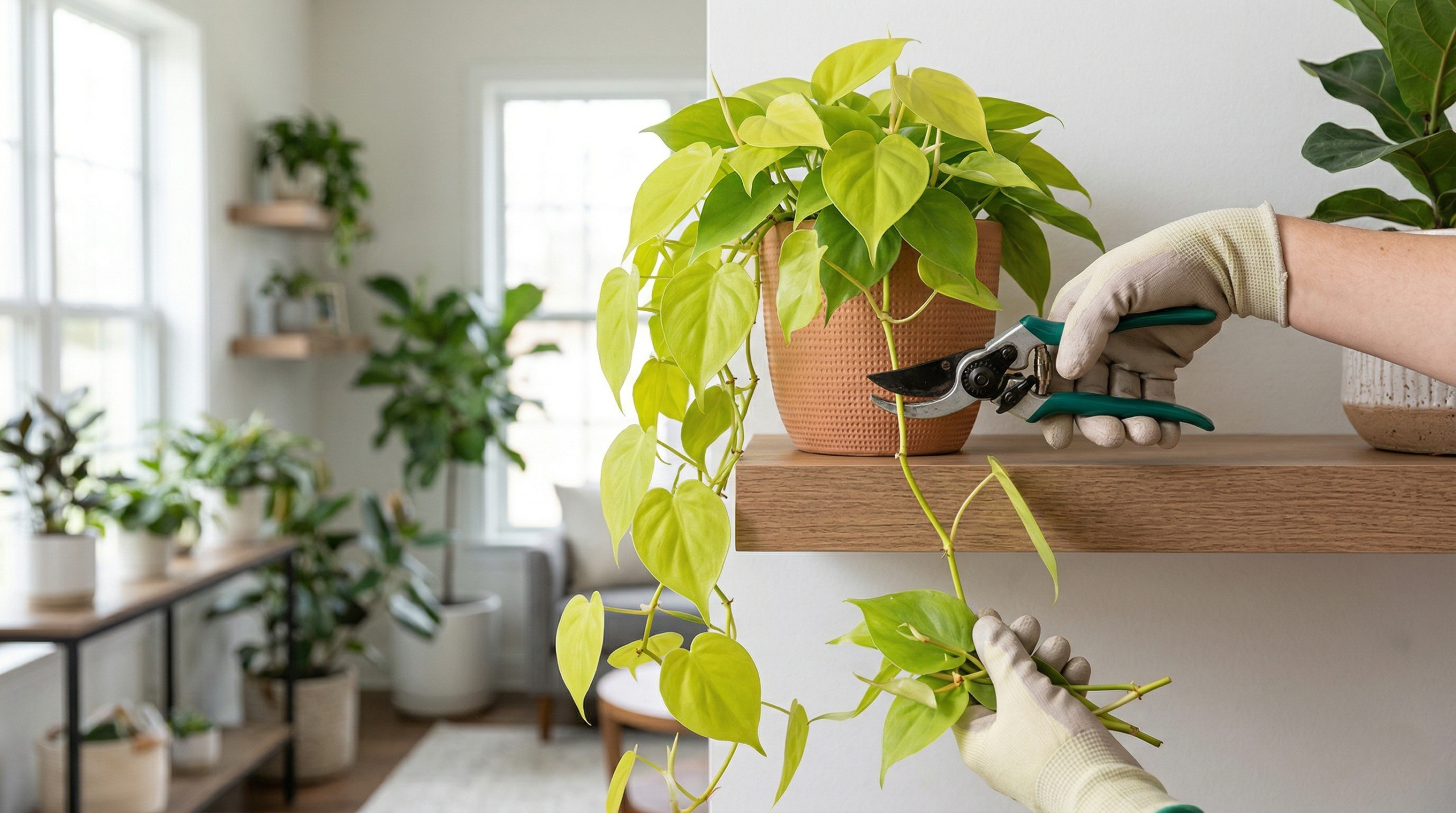
Pruning your Lemon Lime Philodendron not only keeps it looking tidy but also encourages new growth and prevents leggy stems. Trim back any long or unhealthy vines using sharp, clean scissors or pruning shears. Be sure to remove any yellow or brown leaves as well.
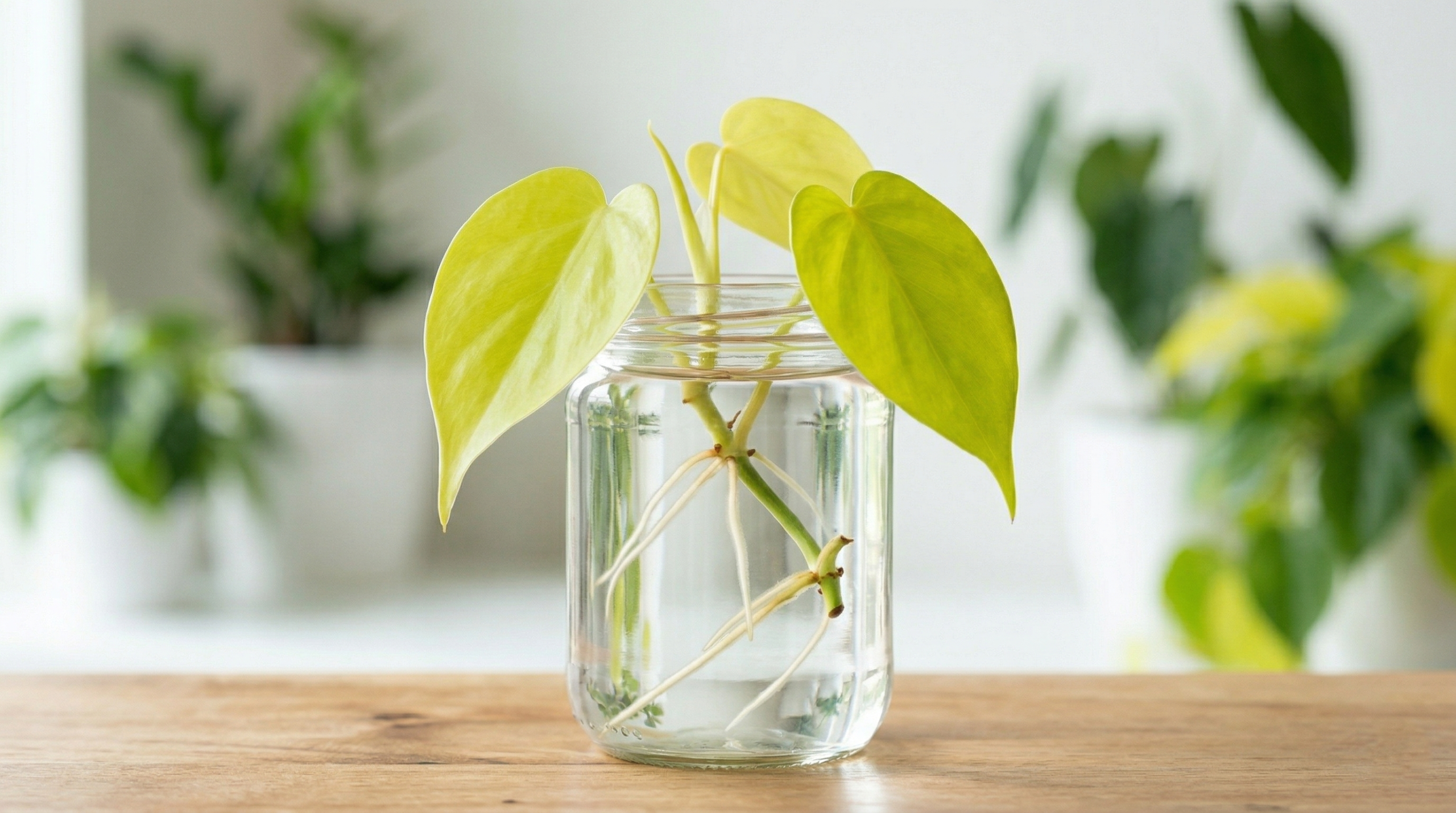
To propagate the plant, take a cutting that includes at least one node (the small bump where a leaf grows). Place the cutting in water or moist soil, and in a few weeks, it should develop roots. Once the cutting has grown enough roots, transplant it into a separate pot.
Propagation is a great way to multiply your Lemon Lime Philodendron and share the love with friends and family!
Re-potting Strategies
Over time, your Lemon Lime Philodendron will outgrow its pot, and re-potting is necessary to ensure continued growth. Signs that your plant needs re-potting include roots emerging from the drainage holes or the plant becoming top-heavy and unstable.
When re-potting, choose a pot that is 1-2 inches larger in diameter than the current one. Be sure to use fresh, well-draining potting mix, as this will provide the plant with the nutrients and aeration it needs for healthy root growth. Be careful not to bury the stem too deep when re-potting, as this can lead to rot.
Common Issues and How to Solve Them
Yellowing Leaves
Yellowing leaves are one of the most common issues with Lemon Lime Philodendrons, and they can be caused by several factors. Overwatering is the most common cause of yellow leaves, as the roots become waterlogged and can’t properly absorb nutrients. Yellowing can also occur if the plant isn’t receiving enough light, or if there is a nutrient deficiency.
Solution: Ensure your plant isn’t being overwatered and that it’s getting adequate light. If yellowing continues, consider using a balanced fertilizer to address potential nutrient deficiencies.
Leggy Growth
Leggy growth occurs when the plant stretches towards the light, resulting in long, spindly stems with few leaves. This typically happens when the plant isn’t getting enough light.
Solution: Move your Lemon Lime Philodendron to a brighter location with indirect light. If the plant is already leggy, you can prune it back to encourage denser growth. Be sure to give it more light to prevent it from becoming leggy again.
Pest Control
Lemon Lime Philodendrons are relatively pest-resistant, but they can occasionally fall victim to common indoor plant pests such as aphids, spider mites, and mealybugs. These pests can cause damage to the leaves and stems, leading to yellowing and distortion.
Solution: Regularly inspect your plant for pests, especially the undersides of the leaves. If pests are present, treat the plant with insecticidal soap or neem oil, and wipe down the leaves to remove any pests. Always isolate infected plants to prevent the pests from spreading to your other plants.
Root Rot
Root rot is a serious issue that occurs when the roots are constantly exposed to excess moisture. It can lead to wilting, yellowing leaves, and a foul smell emanating from the soil.
Solution: If you suspect root rot, remove the plant from its pot and inspect the roots. Trim away any rotting or mushy roots, and repot the plant in fresh, well-draining soil. Be sure to allow the soil to dry out a bit before watering again.
Ideal Environment and Placement Tips
Best Locations in Your Home
For optimal growth, place your Lemon Lime Philodendron in a bright spot with indirect light. The best locations are near east- or west-facing windows, where the plant can receive bright light without being exposed to direct sunlight. A north-facing window will work as well if the light is filtered.
Avoid placing the plant in low-light areas, as this will slow down its growth and result in pale leaves. If natural light is insufficient, consider supplementing with a grow light.
Using Decorative Pots
The right pot can elevate the appearance of your Lemon Lime Philodendron. Choose a decorative pot that complements your home’s style, but ensure that it has drainage holes. Proper drainage is critical to prevent water from accumulating at the bottom of the pot, which can lead to root rot.
Frequently Asked Questions (FAQ)
How fast does Lemon Lime Philodendron grow?
The Lemon Lime Philodendron is a fast-growing plant when it receives the proper care. Under optimal conditions, it can grow several feet each year. With the right balance of light, water, and nutrients, you’ll see new growth regularly, especially in the spring and summer when the plant is in its active growing phase.
Can I grow Lemon Lime Philodendron in low light?
Although the Lemon Lime Philodendron can tolerate low light, it will not thrive in such conditions. In low-light settings, the plant’s growth will be stunted, and its vibrant color will fade, resulting in a more dull appearance. To maintain its striking yellow and green foliage, aim to provide the plant with bright, indirect light.
What’s the best way to propagate a Lemon Lime Philodendron?
The best way to propagate a Lemon Lime Philodendron is through stem cuttings. Take a cutting that includes at least one node (the small, raised area where leaves and roots grow). Place the cutting in a glass of water or directly into moist soil. Once the cutting has developed a strong root system, you can transplant it into a separate pot.
This method is relatively simple and gives you the opportunity to grow multiple plants from a single parent. It’s a great way to share the beauty of the Lemon Lime Philodendron with others or expand your own collection.
How often should I prune my Lemon Lime Philodendron?
Pruning your Lemon Lime Philodendron every few months is a good practice to maintain its shape and health. Remove any dead, yellow, or damaged leaves and trim back long, leggy stems to encourage bushier growth. Pruning also helps prevent the plant from becoming too unruly and ensures it remains visually appealing.
Additionally, if the plant becomes too large for its pot or growing space, consider trimming it back to help manage its size and keep it looking its best.
Is the Lemon Lime Philodendron safe for pets?
No, the Lemon Lime Philodendron is toxic to pets. Like many other varieties of Philodendrons, it contains calcium oxalate crystals, which can cause irritation to the mouth, throat, and stomach if ingested. If you have pets in your home, keep the plant out of their reach to prevent accidental consumption. Symptoms of poisoning in pets include drooling, vomiting, and difficulty swallowing.
Expert Insights and Pro Tips
How to Use Support Structures for Climbing Vines
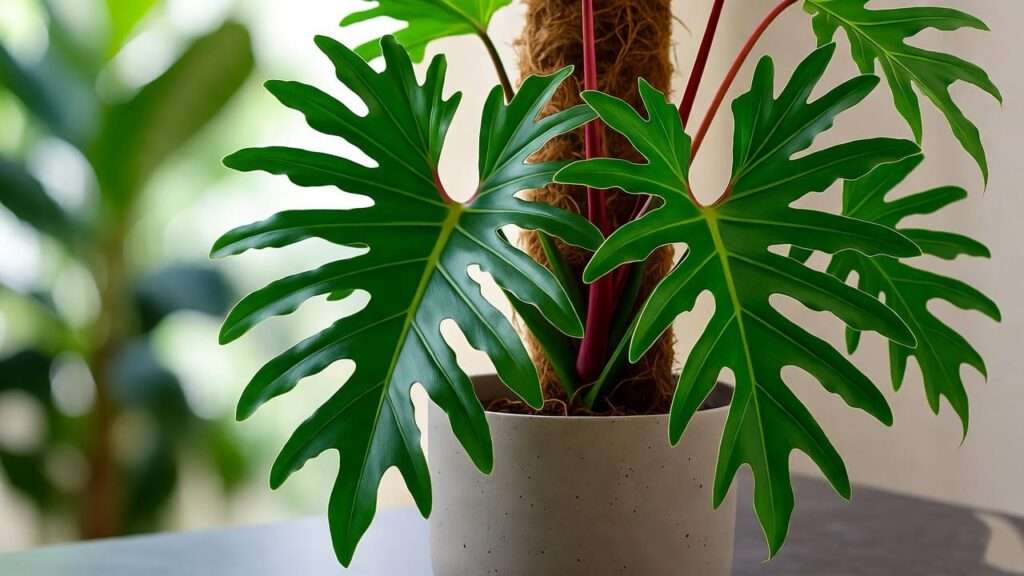
While the Lemon Lime Philodendron is primarily a trailing plant, it can also be trained to climb with the help of support structures. Using a moss pole, trellis, or similar support system can help the plant grow upward, creating a stunning vertical display. The plant will naturally attach itself to the support as it grows, creating a more structured look.
To train your Lemon Lime Philodendron, gently tie the vines to the support using soft ties or plant clips. As the plant grows, continue to guide the vines along the structure, and prune back any excessive growth to maintain a balanced appearance.
Combining Lemon Lime Philodendron with Other Plants
The Lemon Lime Philodendron pairs beautifully with other indoor plants that have complementary aesthetics and care needs. Consider grouping it with plants that have contrasting foliage colors or textures, such as the dark green ZZ plant (Zamioculcas zamiifolia) or the peace lily (Spathiphyllum).
When grouping plants together, make sure they share similar care requirements, particularly in terms of light, water, and humidity. This way, all plants can thrive in the same environment without one outcompeting the other for resources.
Conclusion
Caring for a Lemon Lime Philodendron is a rewarding experience for plant enthusiasts of all levels. With its vibrant foliage, easy care requirements, and versatile growth habits, this plant can thrive in almost any indoor setting. By following the expert care tips in this guide, you’ll be able to nurture a healthy and beautiful Lemon Lime Philodendron that will bring joy to your home for years to come.
Remember, the key to success is providing the right amount of light, water, and nutrients, along with regular pruning and pest control. With patience and attention, your Lemon Lime Philodendron will become a thriving focal point in your home, adding both beauty and air-purifying benefits to your living space.
So go ahead, start implementing these care strategies, and watch your Lemon Lime Philodendron grow into a lush, vibrant addition to your indoor garden!