Few houseplants combine elegance, charm, and manageability quite like the lemon button fern. With its delicate, rounded fronds and subtle citrus scent, this compact fern has become a favorite among indoor plant lovers—but it also has a reputation for being finicky. Browning tips, wilting fronds, or slow growth often leave owners wondering what they’re doing wrong.
If you’ve struggled to keep a lemon button fern looking lush and vibrant, you’re not alone. The good news? These problems are almost always tied to a few correctable care issues. This comprehensive guide breaks down exactly how to care for a lemon button fern indoors, based on real-world experience, horticultural best practices, and what actually works in typical home environments.
By the end of this guide, you’ll know how to grow a healthy, full, and thriving indoor fern—even if you’ve failed with ferns before.
Table of Contents
ToggleWhat Is a Lemon Button Fern?
Botanical Overview and Origins
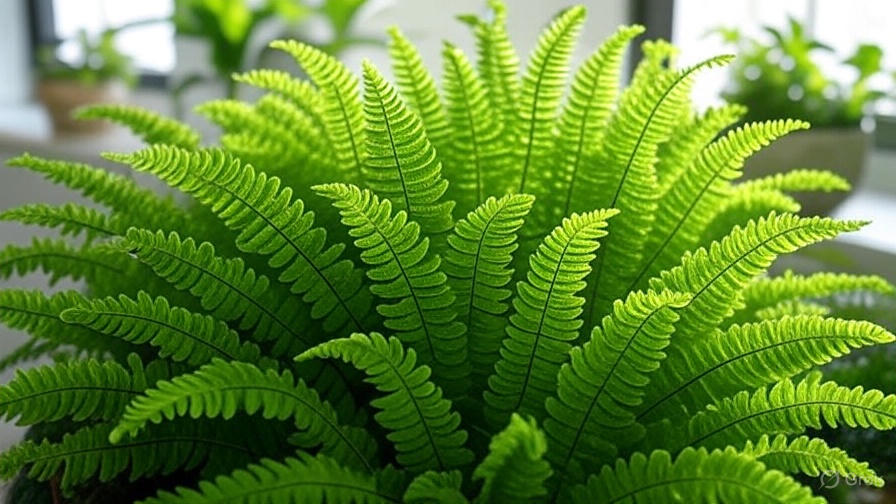
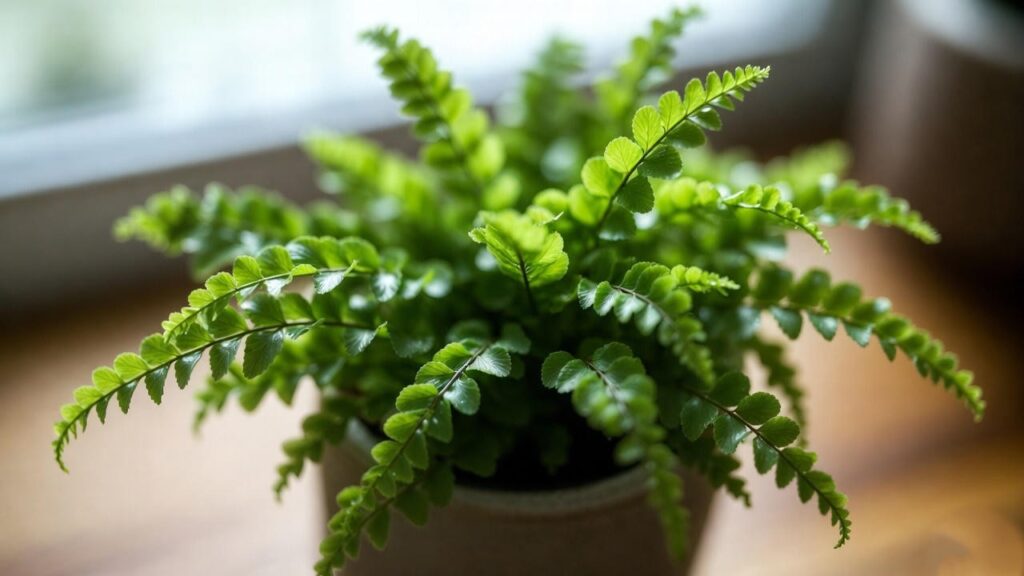
The lemon button fern (Nephrolepis cordifolia ‘Duffii’) is a compact variety of sword fern, prized for its small, rounded leaflets (“buttons”) and manageable size. Unlike large Boston ferns, this variety stays neat and contained, making it ideal for indoor growing.
Native to tropical and subtropical regions, lemon button ferns evolved in warm, humid, filtered-light environments—conditions that strongly influence how they should be cared for indoors. Understanding this natural habitat is key to preventing the most common houseplant problems.
Why Lemon Button Ferns Are Popular Houseplants
Indoor gardeners love lemon button ferns because they offer:
-
A refined, decorative look without taking up much space
-
A softer texture compared to stiff-leaf houseplants
-
Non-toxic foliage, making them safer for homes with pets
-
A faint lemony aroma released when fronds are gently brushed
Despite their delicate appearance, they can be long-lived and resilient when their core needs are met.
Lemon Button Fern Care Requirements (Quick Overview)
Before diving deep, here’s a clear snapshot of what your lemon button fern needs to thrive indoors:
-
Light: Bright, indirect light
-
Water: Consistently moist soil (never soggy)
-
Humidity: Moderate to high (50–70% ideal)
-
Temperature: 65–80°F (18–27°C)
-
Soil: Loose, well-draining, moisture-retentive mix
-
Fertilizer: Light feeding during the growing season
Each of these factors plays a role in frond health, color, and growth rate—and ignoring even one can lead to visible decline.
Light Requirements for Lemon Button Fern Indoors
Best Light Conditions
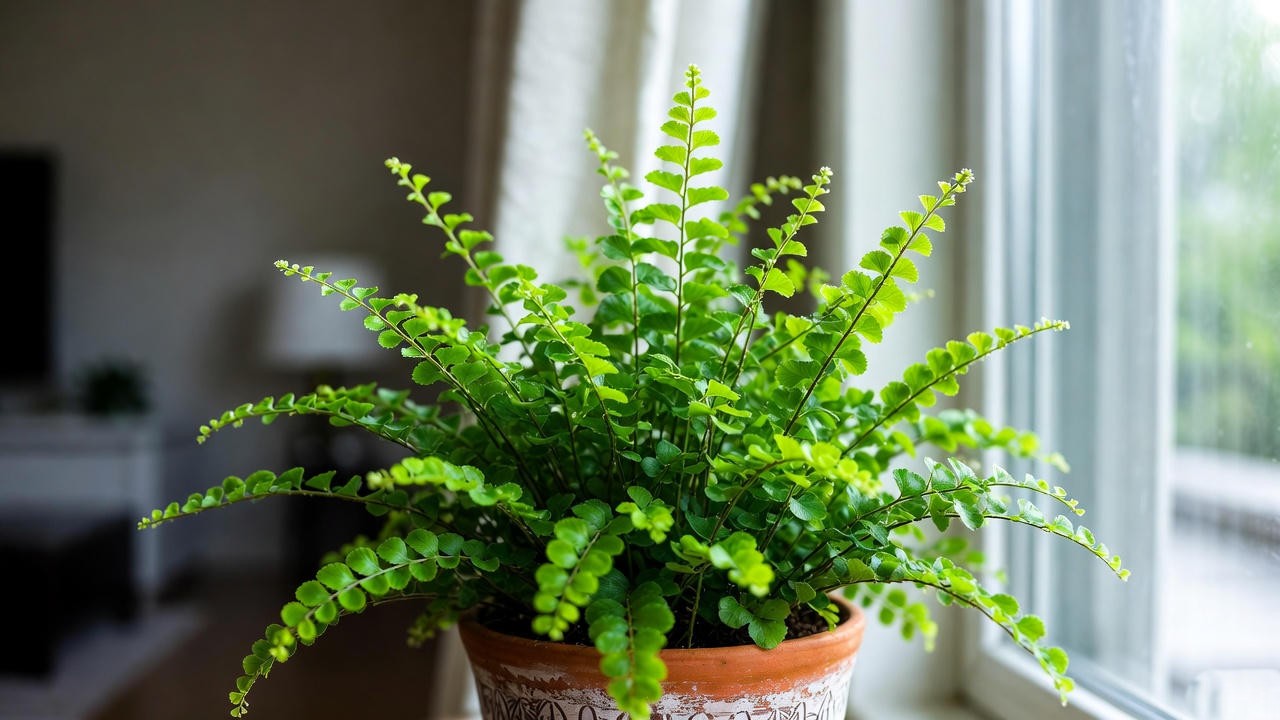
Lemon button ferns grow best in bright, indirect light. Think of light filtered through sheer curtains or reflected off nearby walls. This mimics the dappled forest light they receive in nature.
Direct sunlight is a common mistake. Harsh rays can scorch fronds quickly, leading to faded color, dry patches, or crisp edges. On the other hand, deep shade slows growth and weakens the plant over time.
Low-Light Tolerance: Myth vs. Reality
While lemon button ferns are often labeled as “low-light plants,” this can be misleading. They tolerate lower light better than many houseplants, but they do not thrive in it.
Signs your fern needs more light include:
-
Sparse or elongated fronds
-
Slower new growth
-
Dull, washed-out green color
A bright room without direct sun is usually perfect.
Ideal Placement in Your Home
Some of the best indoor locations include:
-
A few feet away from an east- or north-facing window
-
Bright bathrooms with natural light
-
Kitchens with filtered sunlight and added humidity
Rotate the pot every few weeks to encourage even growth.
How to Water a Lemon Button Fern Correctly
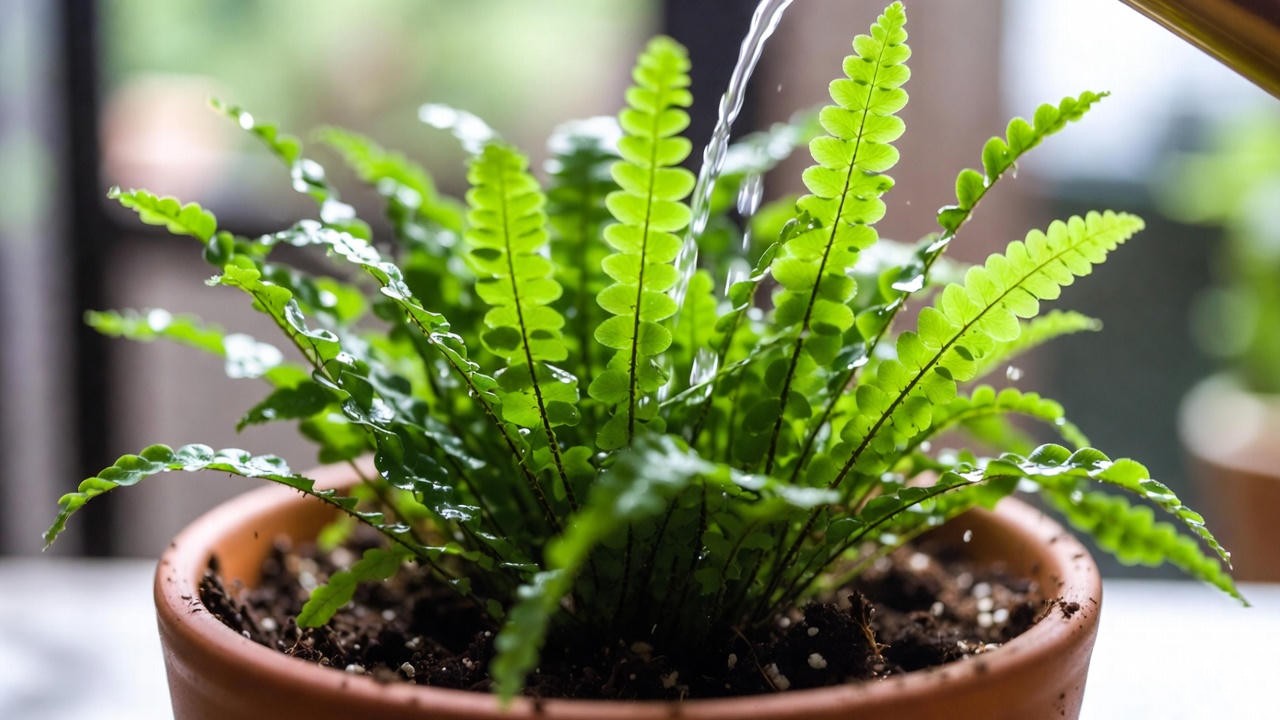
Watering is where most lemon button fern problems begin—and end.
How Often to Water
Lemon button ferns prefer evenly moist soil, not wet and not dry. Allowing the soil to dry out completely causes stress, while constant sogginess leads to root rot.
A reliable approach:
-
Water when the top ½–1 inch of soil feels slightly dry
-
Water thoroughly until excess drains from the pot
-
Empty the saucer to prevent standing water
During warmer months, this may mean watering once or twice a week. In winter, frequency typically decreases.
Best Water Type for Lemon Button Ferns
These ferns can be sensitive to chemicals and salts found in tap water. Over time, mineral buildup may cause browning tips.
If possible:
-
Use filtered or distilled water
-
Let tap water sit overnight before use
This small adjustment can dramatically improve frond health.
Signs of Overwatering vs. Underwatering
Overwatering symptoms
-
Yellowing fronds
-
Soft or mushy stems
-
Musty soil smell
Underwatering symptoms
-
Crispy, brown leaf edges
-
Wilting despite moist air
-
Fronds dropping prematurely
Catching these signs early makes recovery much easier.
Humidity Needs: The Secret to Lush Growth
Humidity is the single most overlooked factor in lemon button fern care.
Ideal Humidity Levels
Aim for 50–70% humidity. Most homes sit well below this, especially during winter or in air-conditioned spaces.
Low humidity often results in:
-
Brown or crispy tips
-
Curling fronds
-
Stunted new growth
Easy Ways to Increase Humidity Indoors
Practical solutions include:
-
Running a small humidifier nearby
-
Grouping plants together
-
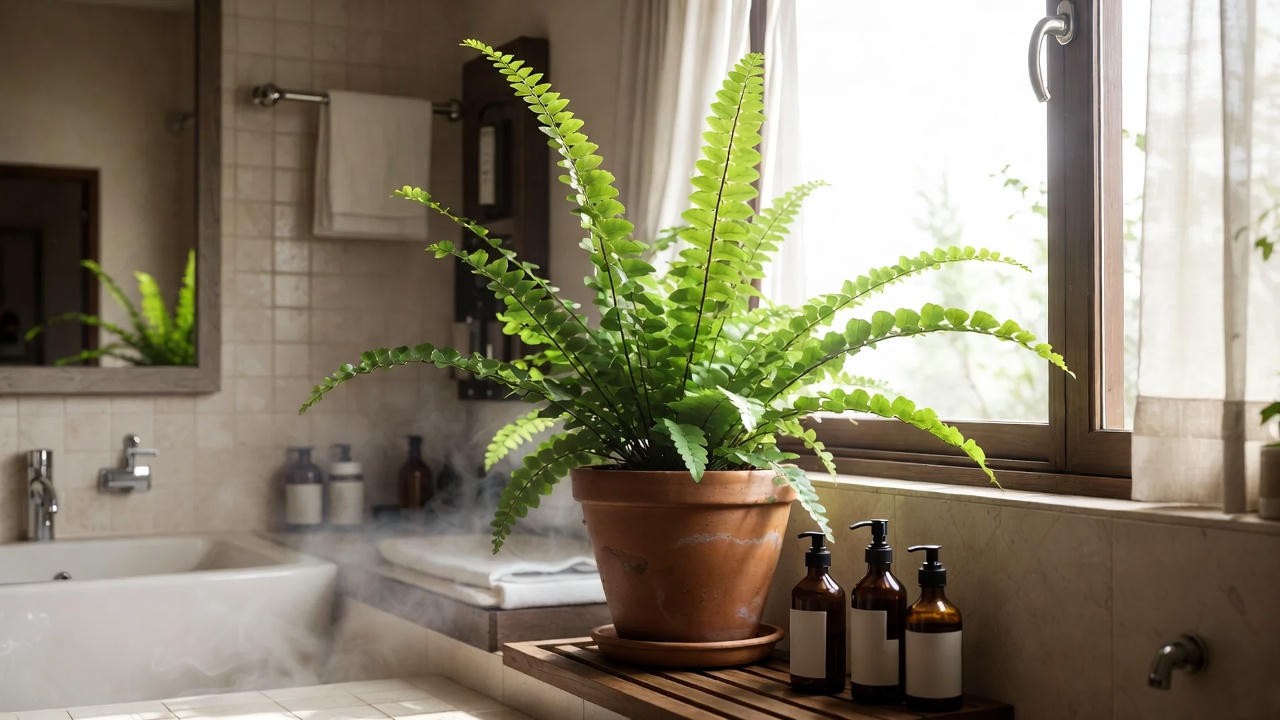
Placing the fern in a naturally humid bathroom
-
Using a pebble tray (with the pot above water level)
Light misting can help temporarily, but it should never replace consistent humidity.
Best Soil and Potting Mix for Lemon Button Fern
Ideal Soil Composition
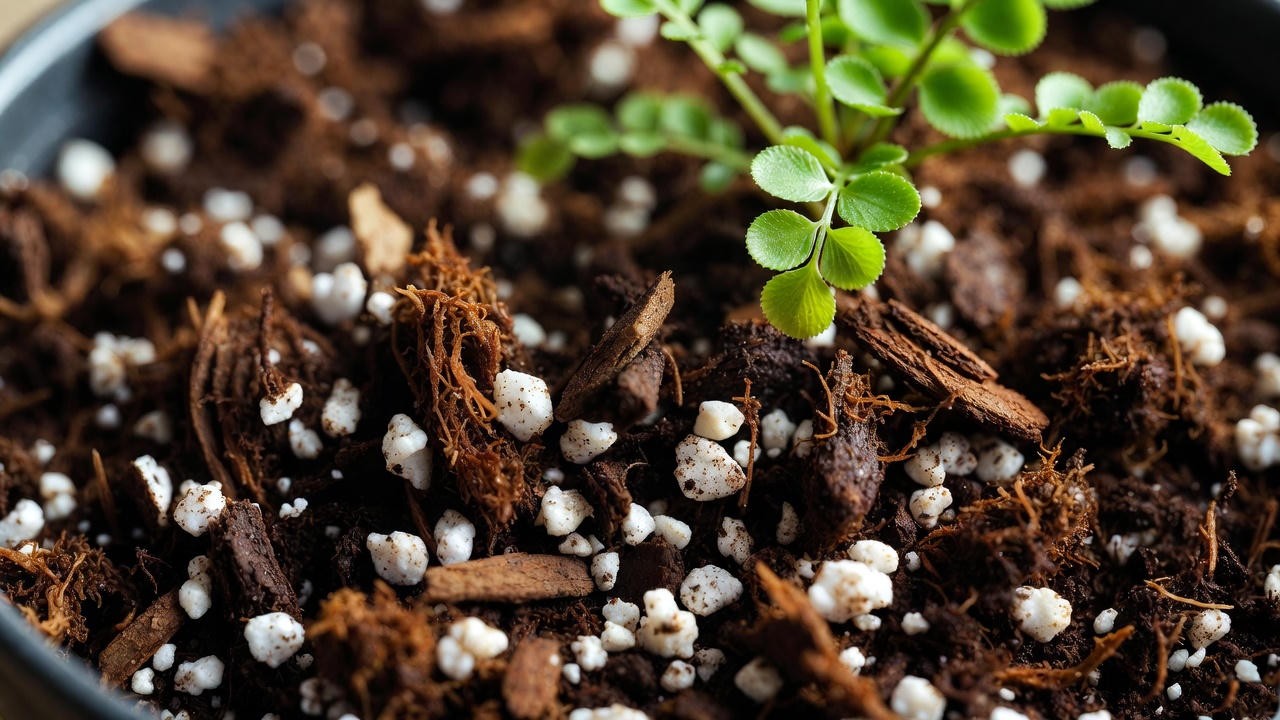
Lemon button ferns need a soil mix that retains moisture while draining freely. Heavy, compacted soil suffocates roots and causes decline.
A high-quality mix might include:
-
Peat moss or coco coir for moisture retention
-
Perlite or pumice for aeration
-
Fine pine bark for structure
Pre-mixed indoor fern or African violet soil often works well with minor adjustments.
Choosing the Right Pot
Always use a pot with drainage holes. Plastic or glazed ceramic pots retain moisture better than terracotta, which can dry soil too quickly for ferns.
Choose a pot only slightly larger than the root ball—oversized pots stay wet too long and increase the risk of rot.
Temperature and Indoor Environment Preferences
Lemon button ferns thrive in typical household temperatures, but they dislike sudden changes.
-
Ideal range: 65–80°F (18–27°C)
-
Avoid cold drafts, heaters, and AC vents
-
Protect from temperatures below 55°F
Consistent conditions promote steady, healthy growth.
At this point, we’ve covered:
-
What a lemon button fern is
-
Light, watering, humidity, soil, and environment needs
The next sections will dive into:
-
Fertilizing correctly
-
Pruning and repotting
-
Troubleshooting common problems
-
Growth expectations, pet safety, FAQs, and expert tips
Fertilizing Lemon Button Fern the Right Way
Fertilizing is helpful—but only when done correctly. Lemon button ferns are light feeders, and too much fertilizer can cause more harm than good.
When and How Often to Fertilize
Feed your lemon button fern only during its active growing season:
-
Spring through early fall
-
About once every 4–6 weeks
Do not fertilize in winter, when growth naturally slows. Feeding during dormancy often leads to salt buildup and root stress.
Best Fertilizer Types for Lemon Button Ferns
Use a:
-
Balanced liquid houseplant fertilizer (e.g., 10-10-10 or 20-20-20)
-
Diluted to ¼ or ½ strength
Always water the plant lightly before fertilizing to prevent root burn. Organic or seaweed-based fertilizers are excellent gentle options.
Avoid:
-
Slow-release pellets (too strong for ferns)
-
Full-strength chemical fertilizers
Signs of over-fertilization include brown tips, yellowing fronds, and white crust on soil.
Pruning, Grooming, and Ongoing Maintenance
Regular grooming keeps your lemon button fern attractive and encourages healthy new growth.
How to Prune Dead or Damaged Fronds
Prune as needed throughout the year:
-
Use clean, sharp scissors or pruning shears
-
Cut brown or yellow fronds at the base
-
Never remove more than 20–25% of the plant at once
Removing damaged fronds allows the plant to redirect energy into fresh growth.
Keeping the Plant Compact and Healthy
To maintain a neat appearance:
-
Remove weak or leggy fronds early
-
Gently dust leaves with a soft brush or damp cloth
-
Avoid leaf shine products (they clog pores)
Healthy lemon button ferns should look full, soft, and evenly green.
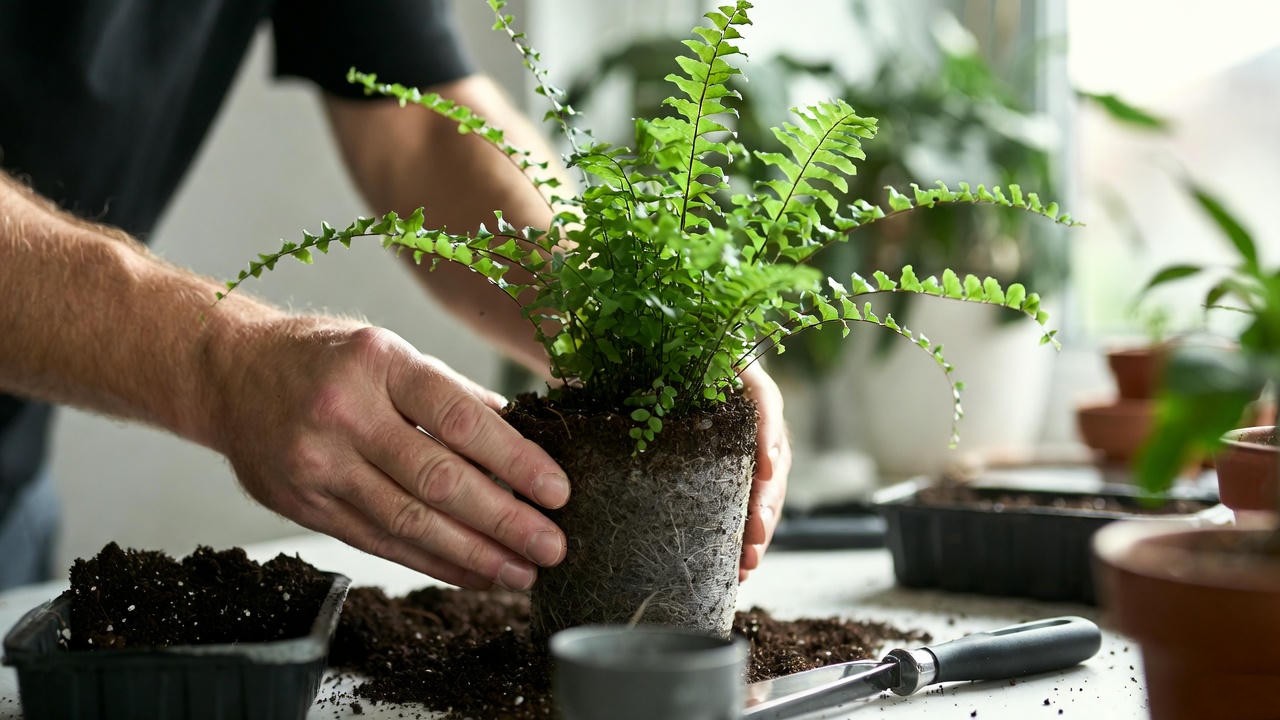
Repotting Lemon Button Fern
When to Repot
Lemon button ferns prefer being slightly root-bound, but they still need occasional repotting.
Signs it’s time:
-
Roots circling the pot or emerging from drainage holes
-
Water running straight through without absorption
-
Slowed growth despite proper care
Typically, repot every 1–2 years, preferably in spring.
Step-by-Step Repotting Process
-
Choose a pot 1–2 inches wider than the current one
-
Prepare fresh, well-draining soil
-
Gently loosen roots—do not pull aggressively
-
Replant at the same soil depth
-
Water thoroughly and place in indirect light
Expect mild stress for a week or two; avoid fertilizing for at least a month after repotting.
Common Lemon Button Fern Problems (and How to Fix Them)
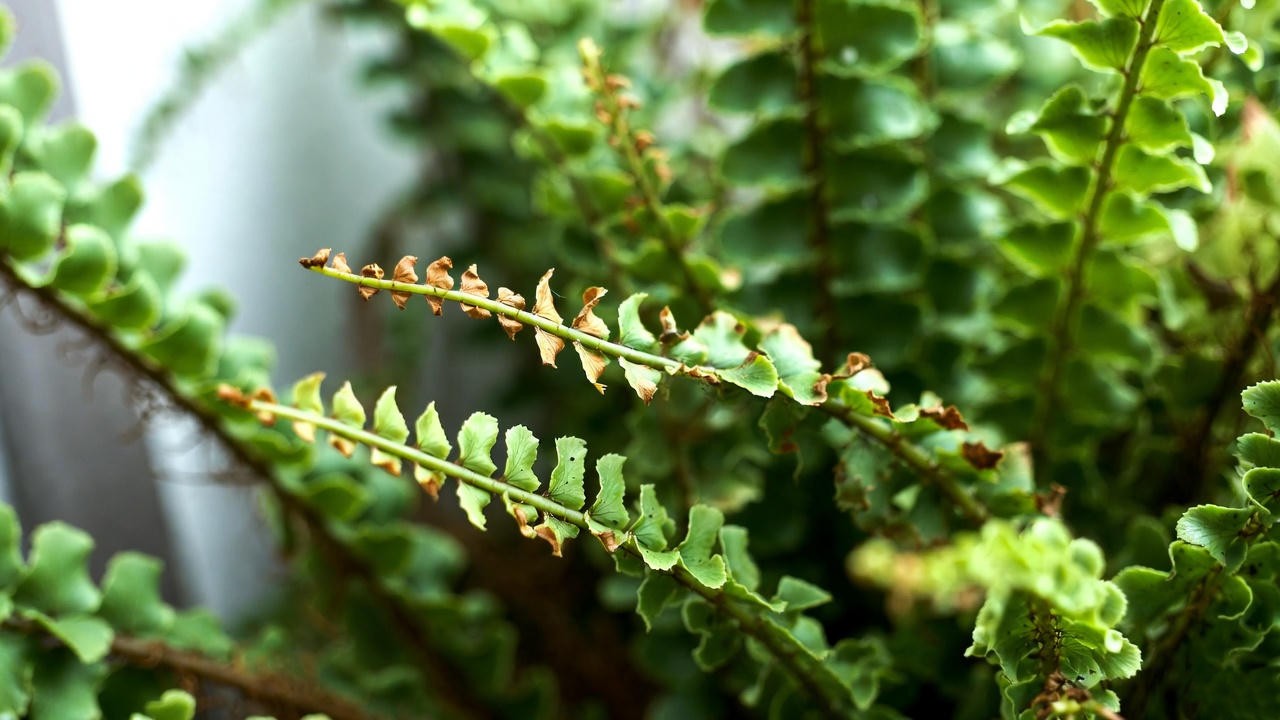
Most issues come down to water, humidity, or light. Here’s how to diagnose and fix them.
Browning or Crispy Fronds
Likely causes
-
Low humidity
-
Underwatering
-
Mineral buildup from tap water
Solutions
-
Increase humidity to 50%+
-
Water consistently
-
Switch to filtered or distilled water
Yellowing Leaves
Possible reasons
-
Overwatering
-
Poor drainage
-
Excess fertilizer
Fix
-
Check soil moisture and drainage
-
Reduce watering frequency
-
Flush soil with clean water to remove salts
Wilting or Drooping Fronds
Often caused by:
-
Dry soil
-
Temperature stress
-
Root issues
Rehydrate slowly and ensure stable temperatures.
Common Pests
Lemon button ferns may occasionally attract:
-
Spider mites (fine webbing, speckled leaves)
-
Fungus gnats (from overly wet soil)
Treatment
-
Isolate the plant
-
Rinse foliage thoroughly
-
Use insecticidal soap if needed
-
Let soil dry slightly between waterings
How Fast Does a Lemon Button Fern Grow?
Lemon button ferns have a moderate growth rate indoors.
-
Expect steady frond production in spring and summer
-
Growth slows significantly in winter
-
Healthy plants gradually become fuller rather than taller
Growth depends heavily on humidity, light quality, and consistent care.
Is Lemon Button Fern Safe for Pets and Children?
Yes—lemon button ferns are considered non-toxic to cats, dogs, and humans.
That said:
-
Ingesting foliage may still cause mild stomach upset
-
Place plants out of reach of persistent chewers
This makes them a popular choice for pet-friendly homes.
Expert Tips for Thriving Lemon Button Ferns Indoors
Based on long-term indoor fern care experience:
-
Prioritize humidity over misting
-
Never let soil fully dry out
-
Avoid moving the plant frequently
-
Use smaller pots rather than oversized ones
-
Observe the fronds—they communicate problems early
Most “difficult” ferns fail due to environment mismatch, not neglect.
Lemon Button Fern vs Other Popular Indoor Ferns
Compared to Boston or maidenhair ferns, lemon button ferns are:
-
More compact
-
Easier to manage indoors
-
Less prone to dramatic collapse
They’re ideal for plant owners who want fern beauty without constant struggle.
Frequently Asked Questions About Lemon Button Fern Care
How often should I mist my lemon button fern?
Light misting helps temporarily, but humidity control is more effective.
Can lemon button ferns live in bathrooms?
Yes—bright bathrooms are often ideal due to natural humidity.
Why does my lemon button fern smell lemony?
The scent comes from natural oils released when fronds are disturbed.
Can lemon button ferns grow outdoors?
They can grow outdoors in warm, humid climates but are best kept indoors.
How long do lemon button ferns live indoors?
With proper care, they can thrive for many years.
Conclusion: Is the Lemon Button Fern Right for You?
If you’re looking for a graceful, compact houseplant that rewards attentive care, the lemon button fern is an excellent choice. While it does require consistent moisture and humidity, it’s far from impossible—even for beginners willing to learn its preferences.
Once its environment is dialed in, this fern becomes a reliable, long-lasting indoor companion that adds softness, texture, and calm to any space.