
Are your indoor plants struggling to thrive?  If you’re relying solely on natural sunlight, you’re not alone—many indoor gardeners face this challenge. Without enough light, plants can become leggy, weak, and even stop growing altogether. But here’s the good news: LED grow lights for indoor gardening are revolutionizing the way we grow plants indoors.
LED grow lights provide the perfect solution, offering customizable light spectrums that mimic the sun’s natural cycles, ensuring your plants get exactly what they need to flourish. Whether you’re growing herbs on your kitchen counter or creating a small vegetable garden indoors, these lights can boost growth, enhance health, and improve yields—all while being energy-efficient. Curious how? Keep reading to discover the top benefits of LED grow lights and how they can help you grow healthier, happier plants right in your home! 
What Are LED Grow Lights and How Do They Work?
LED grow lights are specially designed lighting systems that provide the perfect light spectrum for plants to thrive indoors. Unlike traditional light bulbs, which emit a broad spectrum of light, LED grow lights are engineered to focus on the specific wavelengths plants need most for photosynthesis.
How Do They Work?
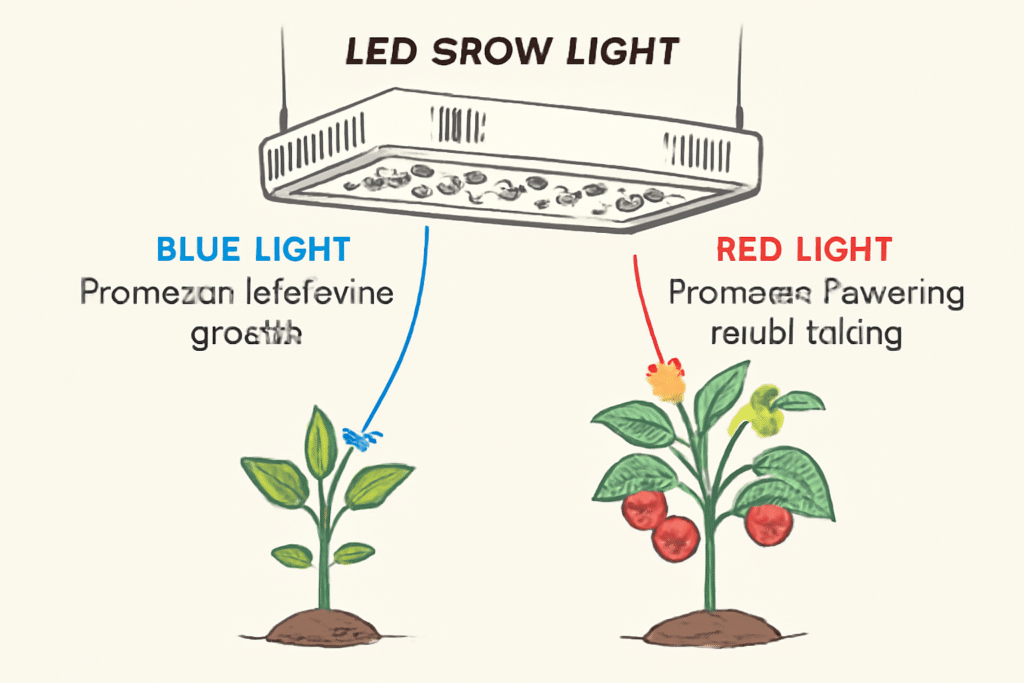
LED grow lights work by emitting light in certain color ranges, including blue and red light, which are essential for plant growth. Blue light promotes strong vegetative growth, while red light encourages flowering and fruiting. The combination of these wavelengths mimics natural sunlight, ensuring plants get the light they need throughout their growth stages.
- Blue Light (400-500nm): Promotes leaf and stem growth, helping your plants grow strong and healthy.
- Red Light (600-700nm): Encourages flowering, fruiting, and overall plant development.
The technology behind LED lights allows them to be energy-efficient while producing less heat compared to traditional lighting options like fluorescent or incandescent bulbs. This means you can keep the light closer to your plants without the risk of burning them, promoting more efficient and healthy growth.
Key Benefits of LED Grow Lights:
- Energy-efficient: LED grow lights use less power, reducing your electricity bill while providing optimal light for plants.
- Long-lasting: With a lifespan of up to 50,000 hours, they outlast many other types of grow lights.
- Customizable light spectrum: You can select the right spectrum for each plant’s specific needs, whether it’s for leafy greens or flowering plants.

Top Benefits of LED Grow Lights for Indoor Gardening
LED grow lights are changing the way we grow plants indoors, offering a range of benefits that traditional light sources simply can’t match. Let’s dive into the top reasons why you should consider adding LED grow lights to your indoor gardening setup.
1. Energy Efficiency: Save Money and Power 
One of the biggest advantages of LED grow lights is their energy efficiency. LED lights use up to 50% less energy than traditional grow lights, which means you can keep your indoor garden well-lit without running up your electricity bill. This is especially important for gardeners who have multiple plants or large setups. 

2. Promotes Faster, Healthier Plant Growth 
LED grow lights provide the perfect light spectrum for plants, ensuring they get exactly what they need for each growth stage. Blue light supports strong vegetative growth, while red light encourages blooming and fruit production. This results in healthier, more robust plants that grow faster and produce better yields. Whether you’re growing herbs, flowers, or vegetables, your plants will thrive with the right light!

3. Full Spectrum Light for All Growth Stages 
Full-spectrum LED grow lights mimic natural sunlight, offering the complete range of light your plants need to grow. From seedling to full bloom, these lights promote balanced growth at every stage of development. Full-spectrum LEDs are ideal for year-round indoor gardening, ensuring your plants have the light they need regardless of the weather outside. 

4. Low Heat Emission: Safer for Your Plants 
Unlike traditional bulbs, LED grow lights emit very little heat. This means you can position the lights closer to your plants, ensuring they get the optimal amount of light without the risk of overheating. Less heat also creates a more comfortable environment for both plants and gardeners. No more worrying about burns or stressed plants!

5. Long Lifespan: More Light, Less Maintenance 
LED grow lights have a long lifespan, often lasting up to 50,000 hours. This means fewer replacements and less hassle over time. With proper care, you can enjoy years of reliable, efficient lighting for your indoor garden without constantly worrying about changing bulbs.
6. Customizable Light Spectrum for Different Plants 
Different plants have different light needs. With LED grow lights, you can adjust the light spectrum to match what your plants require. For example, leafy greens may benefit more from blue light, while flowering plants thrive with red light. This flexibility ensures you provide the best conditions for each plant, boosting both health and yield.
How to Choose the Best LED Grow Light for Your Indoor Garden
Choosing the right LED grow light for your indoor garden can make a big difference in the health and growth of your plants. With so many options on the market, it’s essential to know what features to look for. Here’s a guide to help you select the best LED grow light that suits your needs.
1. Light Spectrum: Match It to Your Plants’ Needs
Different plants require different types of light. When choosing an LED grow light, consider the spectrum it provides:
- Full Spectrum: Best for all-around growth, this spectrum mimics natural sunlight and supports plants through every growth stage.
- Blue Light (400-500nm): Ideal for vegetative growth (leaves and stems), great for leafy greens.
- Red Light (600-700nm): Promotes flowering and fruiting, perfect for plants like tomatoes or flowers.
If you’re growing a variety of plants, a full-spectrum light is a great all-in-one option.
2. Wattage: Ensure Enough Power for Your Garden
Wattage indicates how much power the light uses and how intense it is. For indoor gardens, the general rule is:
- Smaller Gardens (under 2 square feet): Look for lights with 15-30 watts.
- Medium Gardens (2-4 square feet): Opt for lights with 50-150 watts.
- Larger Gardens (more than 4 square feet): Choose lights with 200 watts or more.
Remember, more wattage isn’t always better—choose based on the size of your garden to avoid wasting energy.
3. Coverage Area: Get the Right Fit for Your Space 
Consider the area your LED light will cover. Each light has a specified coverage area, which is important for ensuring all your plants receive enough light. A typical LED grow light can cover between 1 and 4 square feet depending on its power. Make sure the light’s coverage matches the size of your garden for optimal results.
4. Quality and Durability: Look for Reliable Brands 
Investing in a high-quality LED grow light ensures that it will last for years and provide consistent performance. Look for well-known brands with positive reviews. Trusted brands often offer warranties and customer support, giving you peace of mind.
5. Adjustable Features: Flexibility for Your Growing Needs 
Some LED grow lights come with adjustable features, such as dimming options and adjustable hanging heights. These features are great for tailoring the light to your plants’ specific growth stages. For example, you can dim the light for seedlings and increase intensity as your plants mature.
6. Heat Management: Avoid Overheating Your Plants 
Although LEDs generate less heat than traditional lights, you still need to consider heat management. Choose lights with built-in cooling systems (like fans or heat sinks) to ensure they don’t overheat your plants. Overheating can stress your plants, so proper airflow and cooling are essential.
7. Budget: Balance Quality and Cost 
LED grow lights come in a wide range of prices. While it’s tempting to go for the cheapest option, investing a bit more in a quality light can save you money in the long run through energy efficiency and durability. Look for a light that provides the best balance between quality, features, and price.

Practical Tips for Using LED Grow Lights Effectively
Using LED grow lights correctly can make all the difference in how your plants grow. Here are some practical tips to help you get the most out of your LED grow lights and ensure your indoor garden thrives.
1. Position the Lights at the Right Distance
The distance between your LED grow light and your plants plays a crucial role in their growth. Too close, and you risk burning your plants; too far, and they won’t get enough light. As a general rule:
- Seedlings: Keep the light about 12-18 inches above the plants.
- Mature Plants: Place the light 18-24 inches away.
Monitor your plants’ reaction—if they seem to be stretching too much, they may need more light, so adjust accordingly.
2. Adjust Light Duration: Simulate Daylight 
Plants need a regular light cycle to thrive. Too much light can cause stress, while too little can slow growth. Most indoor plants need between 12-16 hours of light per day. Use a timer to automatically turn your LED grow light on and off, mimicking natural daylight and helping your plants stay on a consistent schedule.
3. Keep an Eye on Plant Response 
Regularly check how your plants are reacting to the light. If they’re growing too tall or becoming “leggy,” they might need more light. On the other hand, if they’re showing signs of stress (like yellowing leaves), they might be getting too much light. Small adjustments can make a big difference, so observe and tweak as needed.
4. Ensure Proper Air Circulation 
Even though LED lights produce minimal heat, proper airflow is essential. Without enough circulation, the area around your plants can become too humid, leading to mold and mildew growth. Make sure your growing area has enough ventilation, especially if you’re growing many plants in a small space.
5. Use Reflective Surfaces to Maximize Light
To get the most out of your LED grow lights, use reflective materials (like Mylar or white paint) around your growing area. These surfaces bounce light back onto your plants, maximizing the light exposure and ensuring that every plant receives an even amount of light.
6. Keep Lights Clean for Maximum Efficiency 
Dust and debris can accumulate on your LED grow lights over time, blocking the light from reaching your plants. Make it a habit to clean your lights regularly with a soft cloth to keep them working at their best. A little maintenance goes a long way in keeping your lights efficient and effective.
7. Monitor Light Spectrum for Specific Growth Stages
LED grow lights often allow you to adjust the spectrum (blue for vegetative growth and red for flowering). Make sure to tailor the light spectrum to your plant’s specific needs:
- Vegetative Stage: Use blue light to encourage strong stems and leaves.
- Flowering Stage: Switch to red light to promote blooms and fruiting.
Changing the spectrum based on growth stages helps your plants reach their full potential.
Common Mistakes to Avoid When Using LED Grow Lights
While LED grow lights are a great tool for indoor gardening, many beginners make mistakes that can hinder their plants’ growth. Here’s a list of common errors and how to avoid them, so your plants can thrive!
1. Placing the Lights Too Close or Too Far
One of the most common mistakes is positioning the LED grow light at the wrong distance from the plants. If the light is too close, it can burn your plants; if it’s too far, they won’t receive enough light.
- Solution: Keep the light about 12-18 inches above seedlings and 18-24 inches above mature plants, adjusting based on how your plants respond.
2. Using the Wrong Light Spectrum for Your Plants
Different plants need different types of light at various growth stages. Using a light spectrum that isn’t suitable for your plants can stunt growth and affect yields.
- Solution: Use blue light for vegetative growth (leafy plants) and red light for flowering and fruiting. Many LED lights allow you to adjust the spectrum to suit the needs of your plants.
3. Leaving the Lights On for Too Long 
While it might seem like more light equals better growth, leaving LED grow lights on for too long can stress plants and disrupt their natural growth cycle.
- Solution: Most plants need between 12-16 hours of light a day. Use a timer to ensure your plants get a consistent light cycle, mimicking natural sunlight.
4. Ignoring Heat Buildup in Small Spaces
Although LED lights produce less heat than other grow lights, they still generate some warmth. In small, enclosed spaces, heat can accumulate and stress your plants.
- Solution: Ensure proper ventilation and airflow in your growing space to prevent heat buildup. Use fans or keep the growing area well-ventilated to keep temperatures in check.
5. Not Cleaning the Lights Regularly 
Over time, dust and debris can accumulate on your LED lights, blocking light and reducing their effectiveness. Dirty lights can make your plants receive less light, slowing their growth.
- Solution: Clean your LED grow lights regularly using a soft cloth to ensure they stay efficient. This simple step helps your plants get the full benefit of the light.

6. Overwatering or Underwatering Plants 
While LED grow lights provide the perfect light for your plants, they don’t control water levels. Poor watering habits can undo the benefits of great lighting.
- Solution: Be mindful of your plants’ water needs. Use a moisture meter or check the soil regularly to ensure you’re neither overwatering nor underwatering.


Enhance Your Indoor Gardening with LED Grow Lights
LED grow lights are a game-changer for indoor gardening, offering numerous benefits such as energy efficiency, faster plant growth, and the ability to tailor the light spectrum to your plants’ specific needs. Whether you’re growing herbs, flowers, or vegetables, the right LED grow light can significantly boost your indoor garden’s health and productivity.
By understanding the key factors in choosing, using, and maintaining your LED grow lights, you can create the perfect environment for your plants to thrive—no matter the season. Avoiding common mistakes, such as incorrect light placement or improper watering, ensures that your plants get the best possible care.
Investing in quality LED grow lights is an easy way to elevate your gardening game, save money, and grow healthier plants all year round. Ready to get started? Your indoor garden is waiting to flourish under the perfect lighting!
Happy gardening! 