Struggling to keep your fern alive no matter what you try? You’re not alone. Many indoor plant lovers bring home a beautiful fern—only to watch it slowly turn brown, wilt, or lose its lush appeal. The good news is that the leatherleaf fern is one of the most forgiving and adaptable ferns you can grow indoors—if you understand what it really needs.
Unlike fussier fern varieties, the leatherleaf fern offers durability, elegance, and long-lasting greenery. But improper watering, low humidity, or poor lighting can still cause problems. This guide will walk you through everything you need to know about leatherleaf fern care, from basic maintenance to expert-level tips—so your plant doesn’t just survive, but truly thrives year-round.
What Is a Leatherleaf Fern? (Plant Overview)
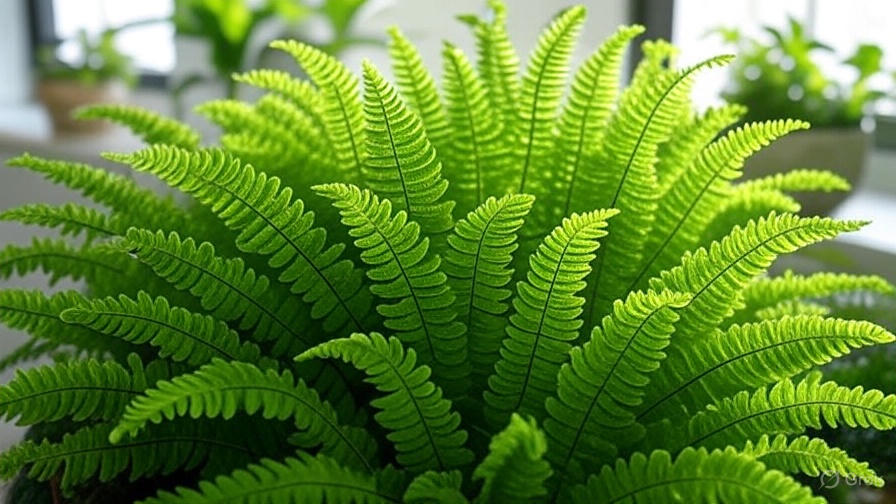
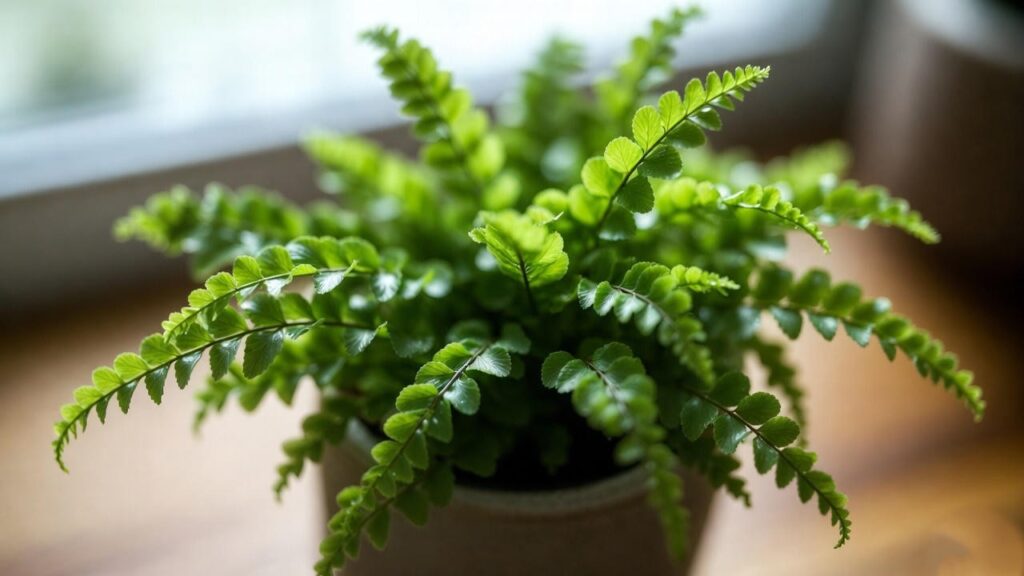
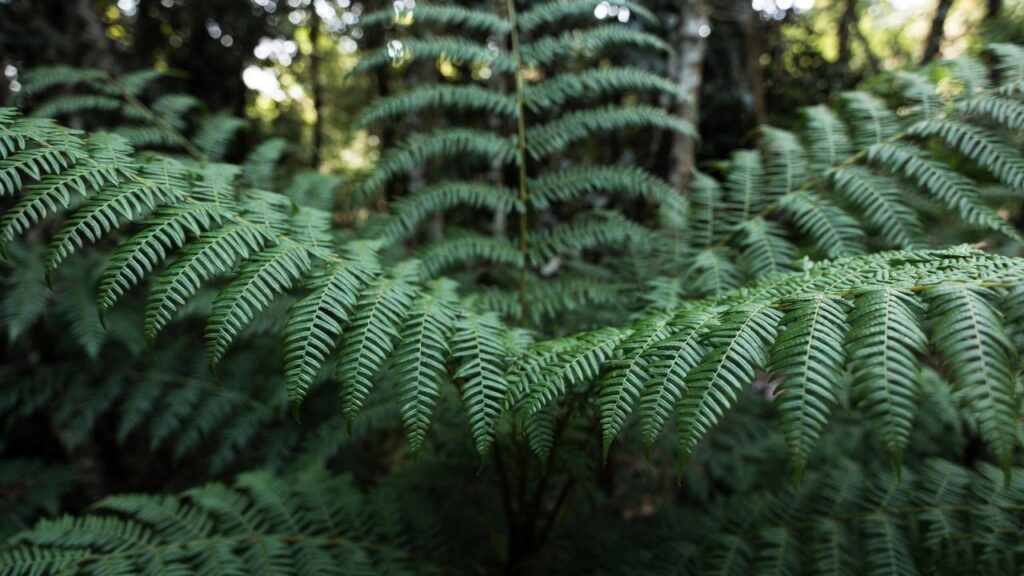
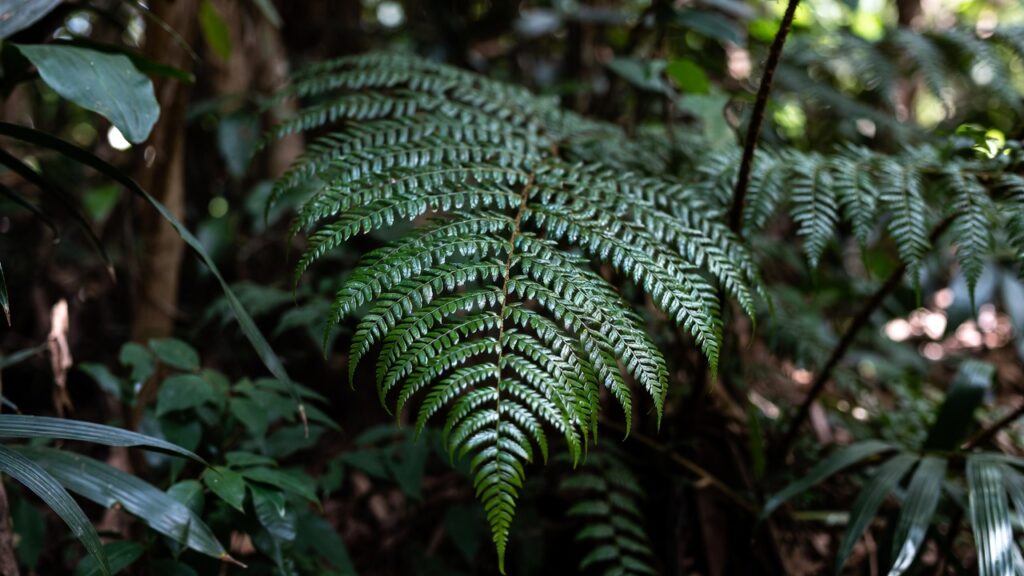
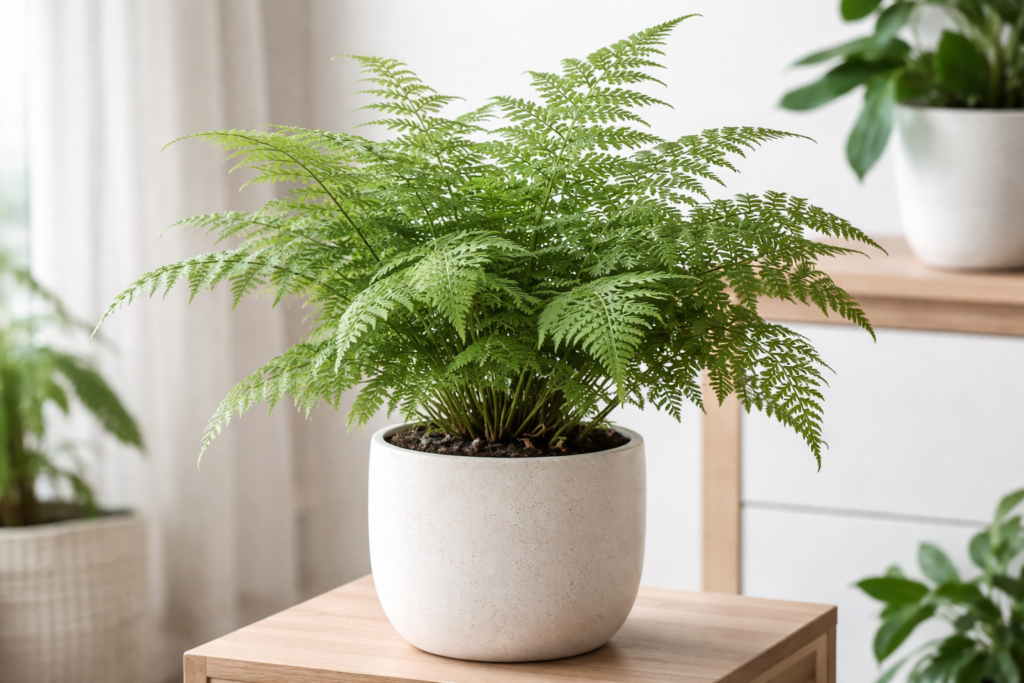
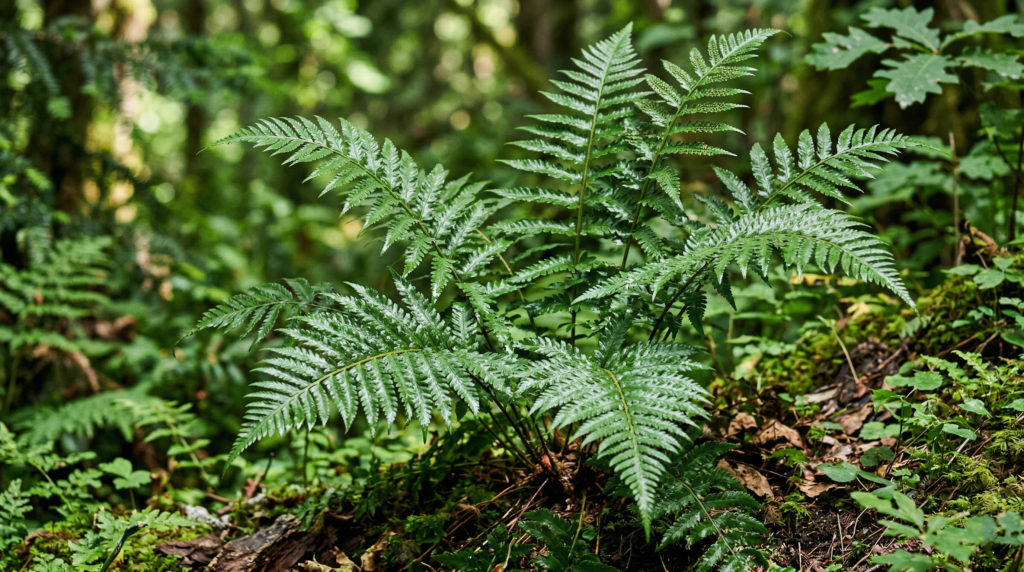
The leatherleaf fern (Rumohra adiantiformis) is a tropical fern native to regions like South America, Africa, and parts of Asia. It thrives naturally in shaded forest floors where humidity is high and sunlight is filtered.
Its resilience in diverse environments is one reason it has become a favorite among indoor plant enthusiasts and florists alike.
Why It’s Popular as an Indoor Plant
- Known for its long-lasting, leathery fronds
- Frequently used in bouquets and floral arrangements
- More tolerant of indoor conditions than many other ferns
- Requires less maintenance compared to delicate fern varieties
Key Characteristics at a Glance
- Leaf Type: Dark green, glossy, leathery fronds
- Growth Habit: Upright and slightly arching
- Size: Typically 1–3 feet tall indoors
- Growth Rate: Moderate
Ideal Growing Conditions for Leatherleaf Fern Indoors
Creating the right environment is the foundation of successful leatherleaf fern care. Fortunately, this plant is adaptable—but it still has preferences.
Light Requirements
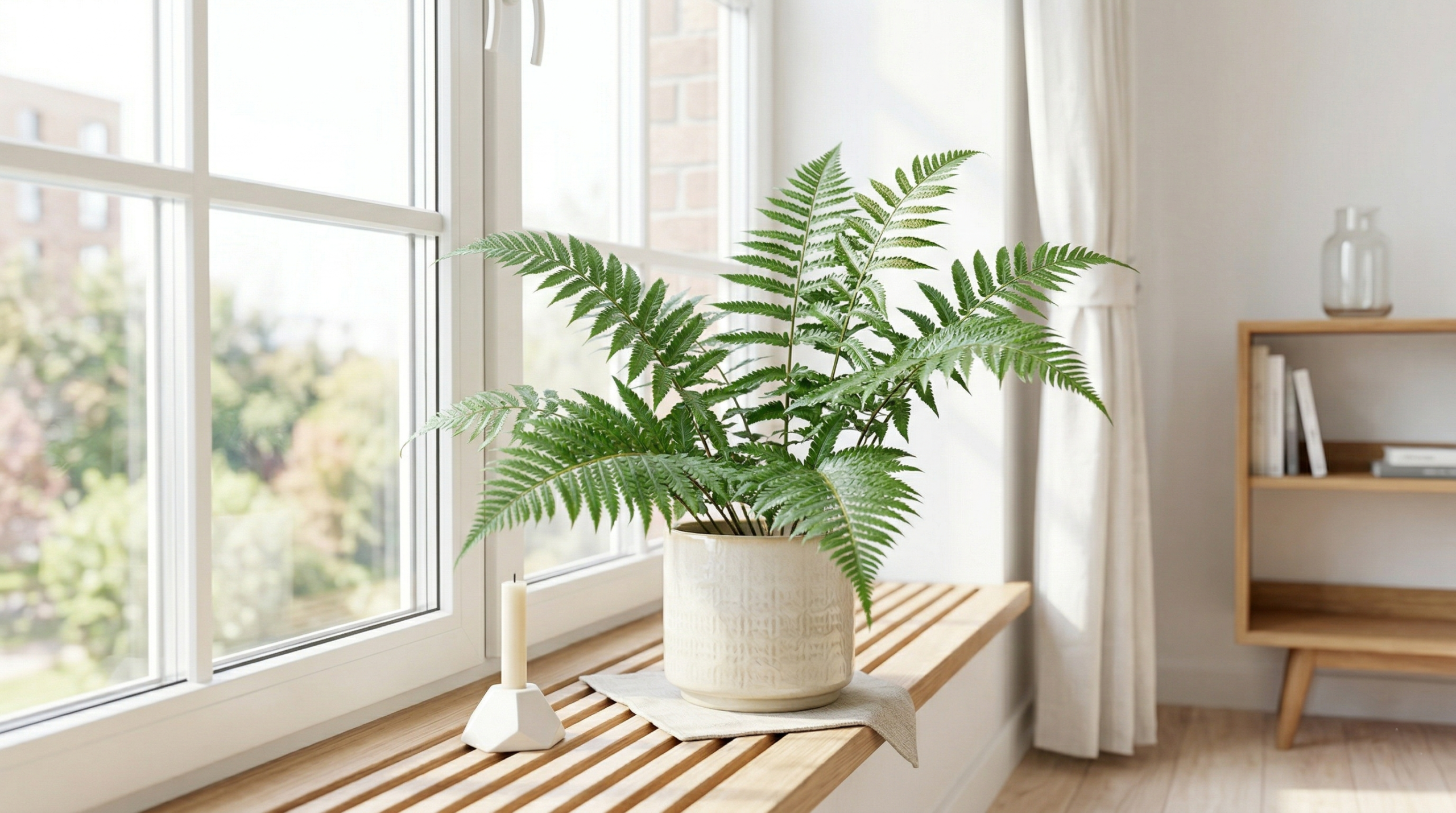
Leatherleaf ferns thrive in bright, indirect light, but they can tolerate moderate to low light conditions.
Best placement:
- Near a north or east-facing window
- A few feet away from direct sunlight
Avoid:
- Harsh, direct sun (causes leaf scorch)
- Deep shade (slows growth significantly)
Signs of lighting issues:
- Pale or yellow leaves → Too much light
- Leggy growth → Not enough light
Temperature and Climate Needs
This fern prefers stable indoor temperatures.
- Ideal range: 18°C to 24°C (65°F to 75°F)
- Avoid cold drafts or sudden temperature drops
- Keep away from air conditioners or heaters
Consistency matters more than perfection—sudden changes can stress the plant.
Humidity Requirements
Humidity is where most indoor growers go wrong.
Leatherleaf ferns prefer moderate to high humidity (50–70%), but they are more forgiving than other ferns.
Simple ways to increase humidity:
- Place a tray of water with pebbles under the pot
- Group plants together
- Use a humidifier
- Occasional light misting (not excessive)
How to Water Leatherleaf Fern Properly
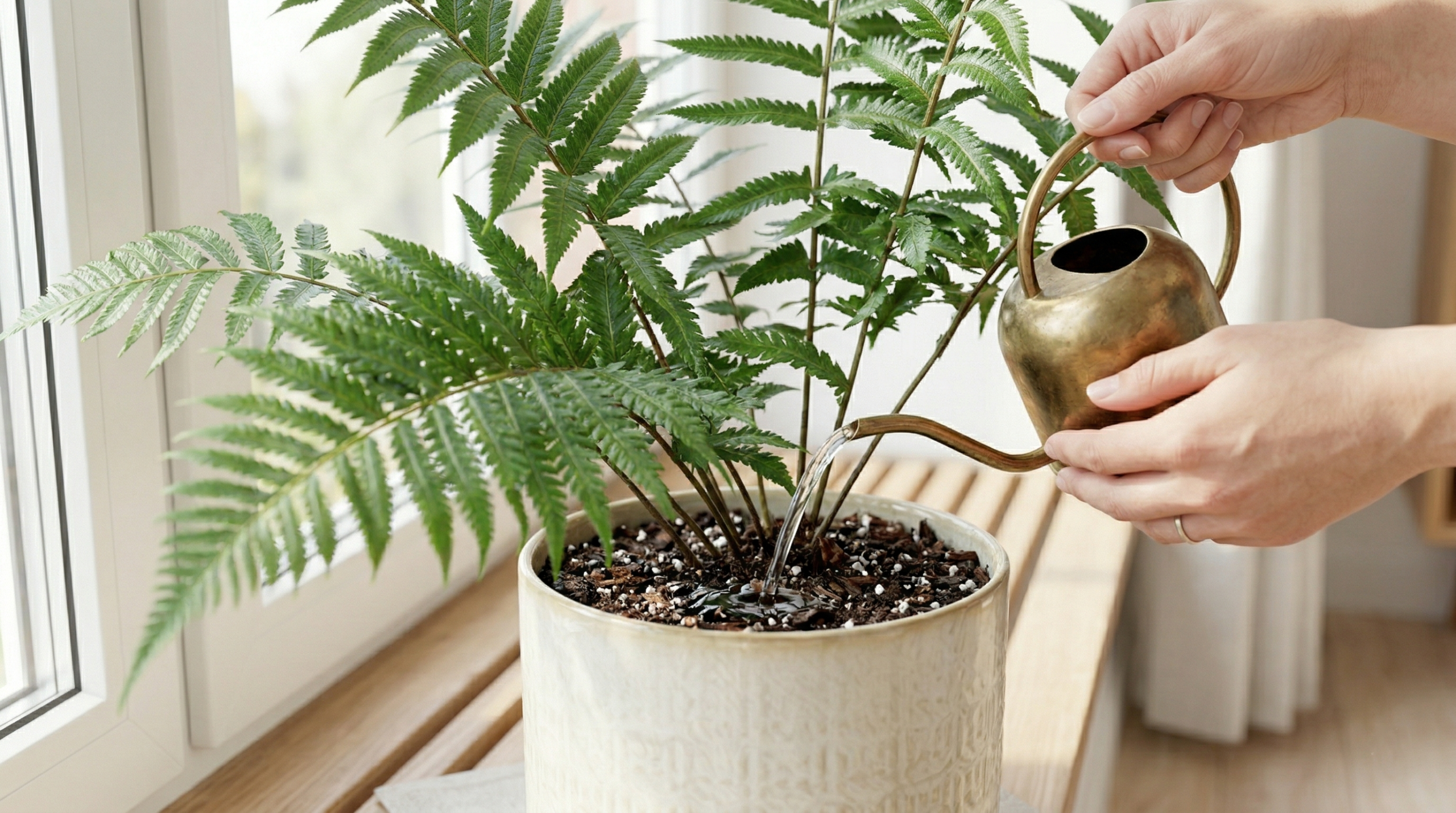
Watering is the #1 factor that determines whether your fern thrives—or struggles.
Correct Watering Schedule
The goal is consistently moist—not soggy—soil.
- Water when the top 1–2 inches of soil feel dry
- Typically:
- Summer: 1–2 times per week
- Winter: Less frequent
Always adjust based on your home’s conditions.
Overwatering vs Underwatering (Key Signs)
Understanding these signs can save your plant:
Overwatering:
- Yellowing leaves
- Mushy stems
- Foul-smelling soil
Underwatering:
- Brown, crispy edges
- Drooping fronds
- Dry soil pulling away from pot edges
Best Watering Techniques
- Use room-temperature water
- Water thoroughly until excess drains out
- Never let the plant sit in standing water
Choosing the Best Soil and Pot
Ideal Soil Mix
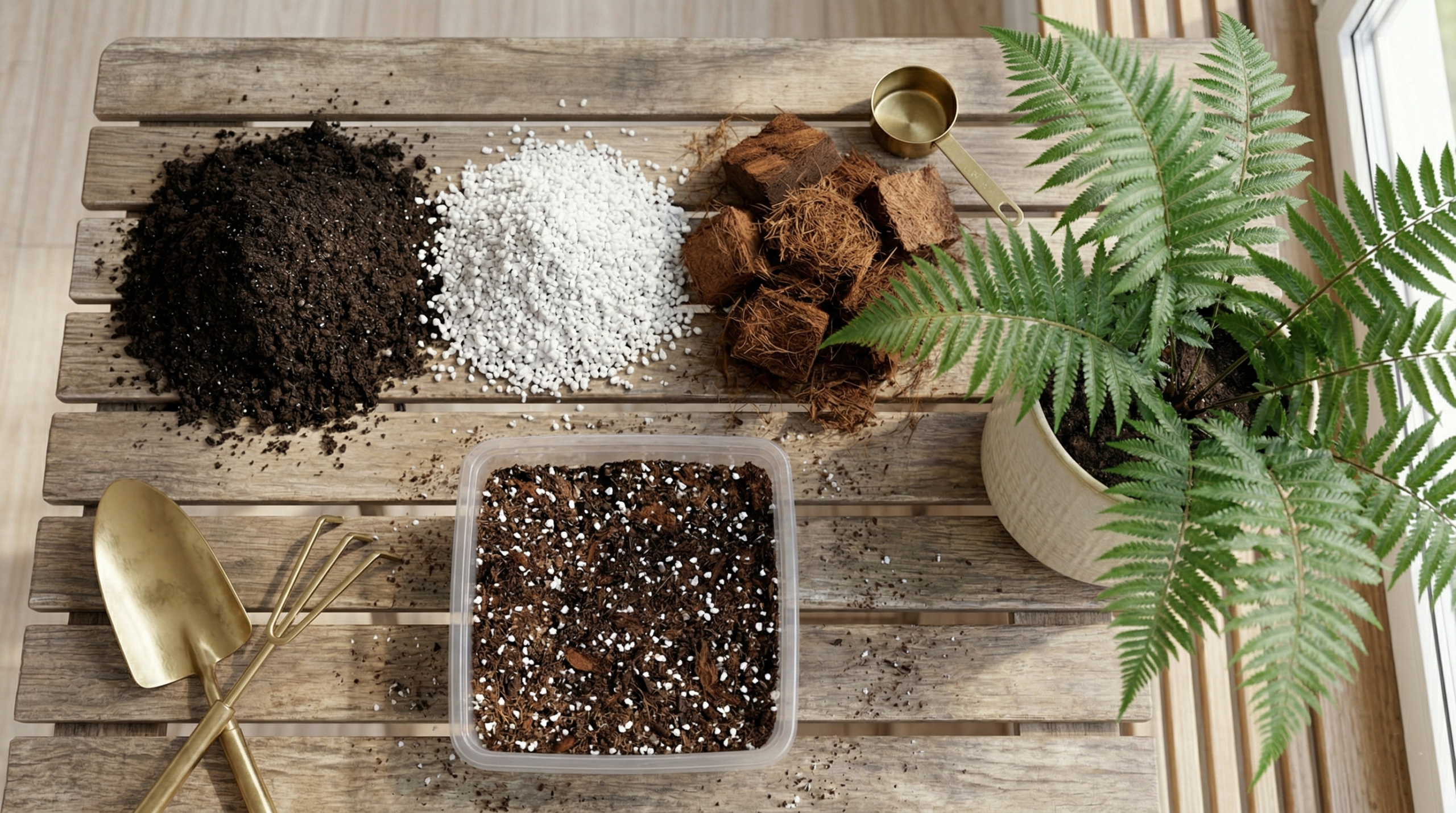
Leatherleaf ferns prefer well-draining, organic-rich soil.
Best mix:
- 2 parts potting soil
- 1 part peat moss or coco coir
- 1 part perlite or sand
This combination retains moisture while preventing root rot.
Pot Selection and Drainage
Always choose a pot with drainage holes.
Best materials:
- Plastic (retains moisture longer)
- Terracotta (better airflow, dries faster)
Choose based on your watering habits:
- Overwaterers → Terracotta
- Underwaterers → Plastic
Repotting Guide
Repot every 1–2 years or when:
- Roots grow out of drainage holes
- Growth slows down
- Soil dries too quickly
Steps:
- Gently remove the plant
- Loosen roots
- Place in slightly larger pot
- Add fresh soil and water thoroughly
Fertilizing Leatherleaf Fern for Healthy Growth
Best Fertilizer Types
Leatherleaf ferns are not heavy feeders, but they benefit from occasional nutrients.
- Balanced liquid fertilizer (e.g., 10-10-10)
- Organic options like compost tea
Feeding Schedule
- Spring & summer: Every 4–6 weeks
- Fall & winter: Reduce or stop feeding
Common Fertilizing Mistakes
- Overfeeding → Causes leaf burn
- Fertilizing dry soil → Damages roots
Always water before fertilizing.
Pruning and Maintenance Tips
How to Trim for Better Growth
Regular pruning keeps your fern healthy and attractive.
- Remove yellow or damaged fronds
- Cut near the base using clean scissors
Cleaning and Grooming
Dust can block light absorption.
- Wipe leaves gently with a damp cloth
- Avoid harsh chemicals
Encouraging Fuller Growth
- Trim leggy growth
- Rotate the plant regularly for even light exposure
Common Problems and How to Fix Them
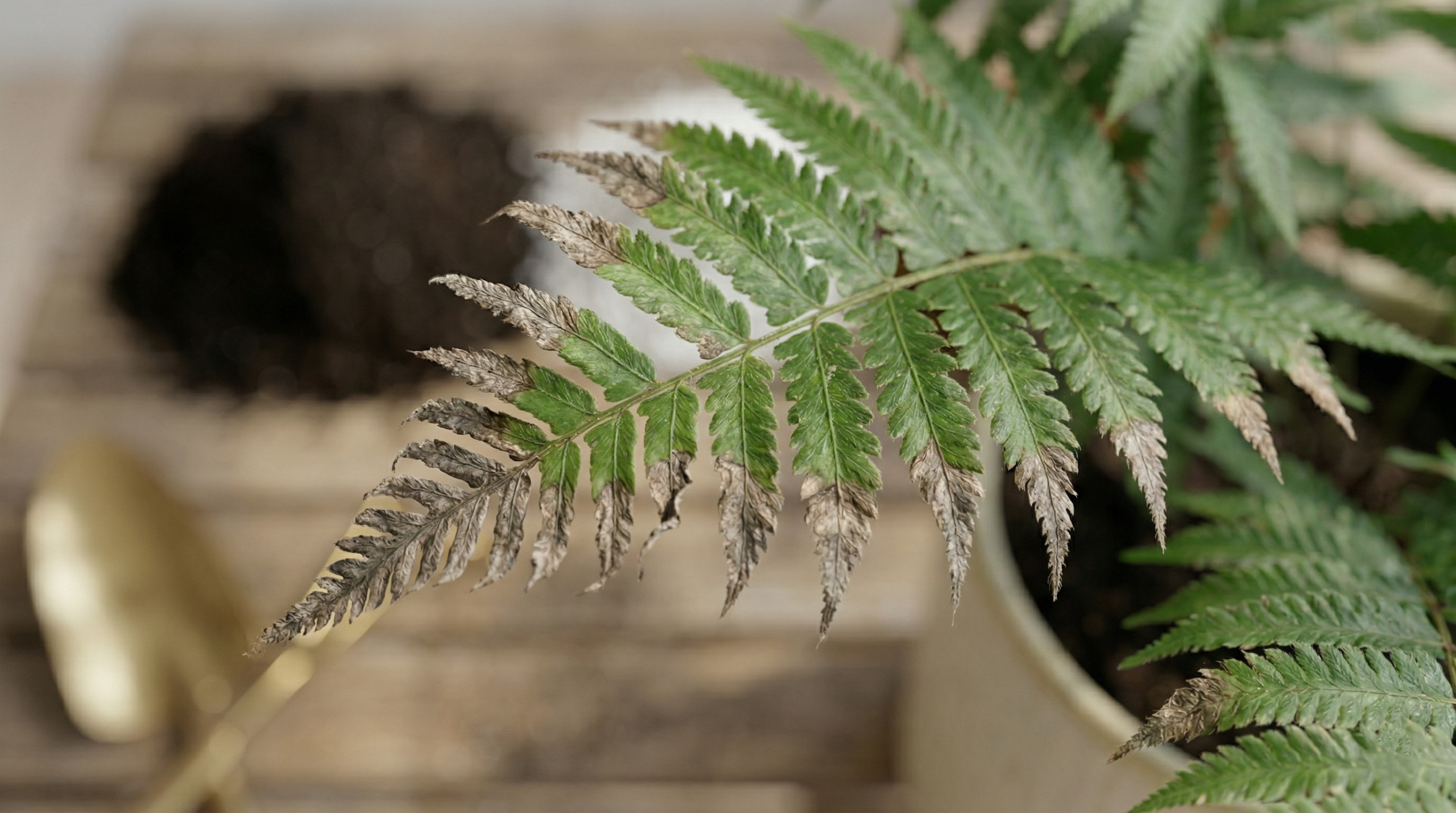
Causes:
- Overwatering
- Too much sunlight
Solution:
- Adjust watering schedule
- Move to indirect light
Brown Tips or Edges
Causes:
- Low humidity
- Underwatering
Solution:
- Increase humidity
- Water more consistently
Pests and Diseases
Common pests include:
- Spider mites
- Scale insects
Treatment:
- Neem oil spray
- Mild insecticidal soap
Root Rot
A serious issue caused by overwatering.
Signs:
- Black, mushy roots
- Foul odor
Fix:
- Remove affected roots
- Repot in fresh, dry soil
- Reduce watering
Propagation Methods (Step-by-Step Guide)
Division Method (Best for Beginners)
Steps:
- Remove plant from pot
- Gently divide root ball
- Ensure each section has healthy roots
- Replant in separate pots
Spore Propagation (Advanced)
- Requires patience and controlled conditions
- Best suited for experienced growers
Styling and Placement Ideas for Indoor Spaces
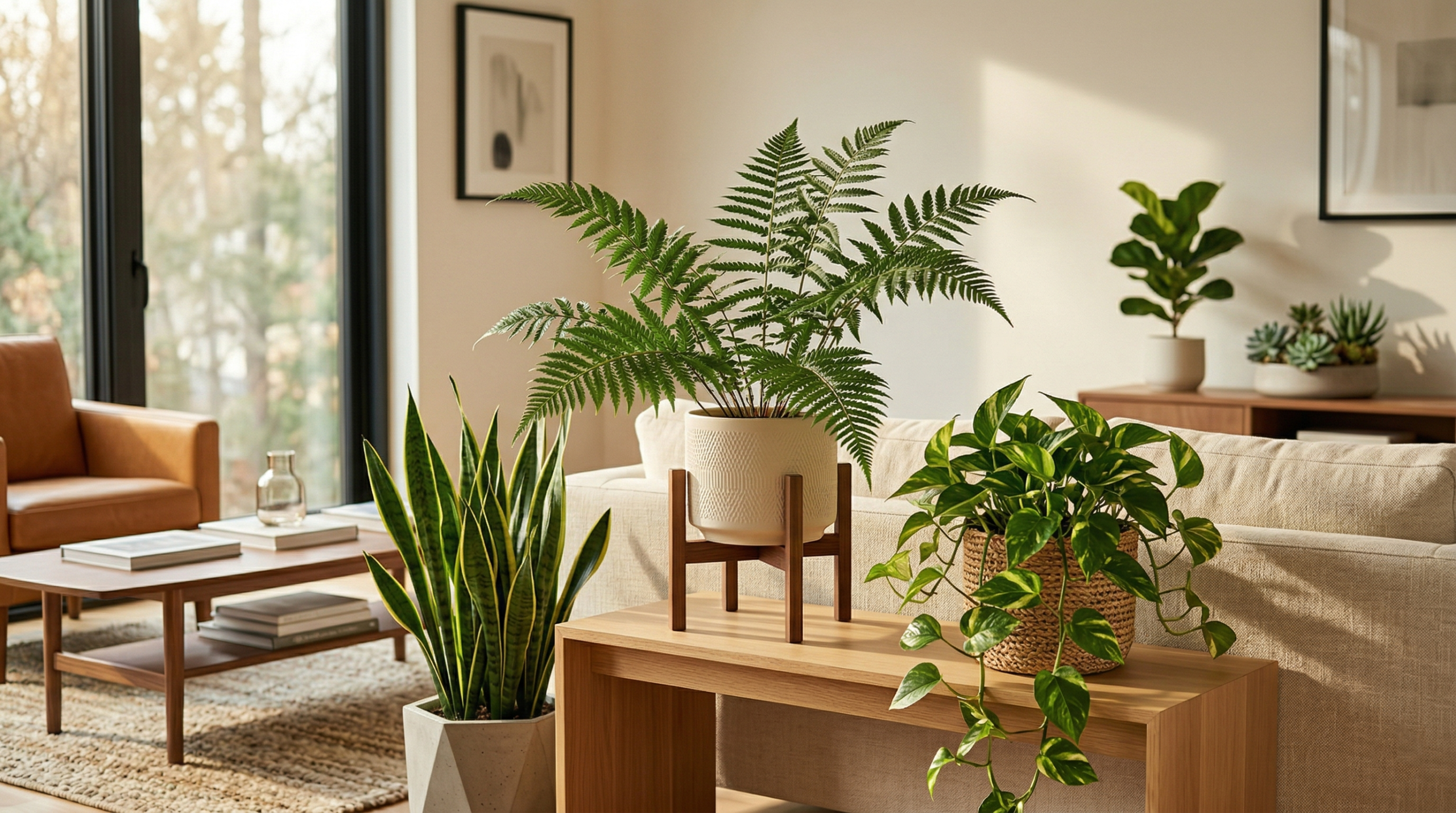
- Living rooms (bright indirect light)
- Bathrooms (natural humidity boost)
- Offices (low-maintenance greenery)
Pairing with Other Indoor Plants
Pair with:
- Snake plants
- Peace lilies
- Pothos
These create a balanced indoor jungle aesthetic.
Decorative Pot and Display Ideas
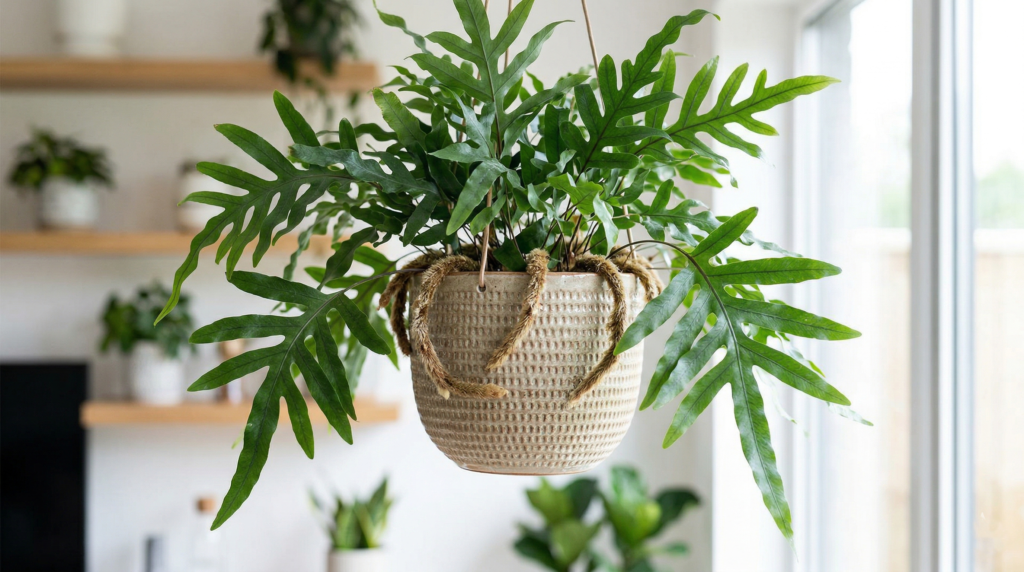
- Hanging baskets for cascading effect
- Minimalist ceramic pots for modern spaces
- Plant stands for elevation
Seasonal Care Guide
Even though the leatherleaf fern is relatively low-maintenance, adjusting your care routine throughout the year can make a significant difference in plant health and growth.
Summer Care Tips
During warmer months, your fern enters its active growing phase.
What to do:
- Increase watering frequency (soil dries faster)
- Keep away from harsh afternoon sunlight
- Maintain humidity levels—heat can dry the air quickly
Watch out for:
- Rapid moisture loss
- Leaf scorch from direct sun
Winter Care Adjustments
In winter, growth slows, and your plant needs less attention—but more awareness.
Adjust your routine:
- Reduce watering (soil stays moist longer)
- Stop or minimize fertilizing
- Keep away from heaters or cold drafts
Common winter mistake:
Overwatering dormant plants—this is one of the fastest ways to cause root rot.
Leatherleaf Fern Care Mistakes to Avoid
Even experienced plant owners can make these common mistakes. Avoiding them will instantly improve your results.
- Overwatering: The most common killer of indoor ferns
- Ignoring humidity: Dry air leads to brown tips and weak growth
- Using heavy soil: Poor drainage suffocates roots
- Too much direct sunlight: Causes leaf burn
- Skipping pruning: Leads to unhealthy, unattractive growth
Benefits of Growing Leatherleaf Fern Indoors
Leatherleaf ferns bring a soft, natural elegance to any space. Their dark green, glossy leaves create a calming visual contrast against modern interiors.
Improved Indoor Environment
While no plant is a miracle air purifier, ferns can:
- Help maintain humidity levels
- Contribute to a fresher indoor atmosphere
Mental Wellness Benefits
Indoor greenery has been linked to:
- Reduced stress
- Improved focus
- Enhanced mood
A thriving fern doesn’t just decorate your home—it improves how your space feels.
Frequently Asked Questions (FAQs)
How often should I water a leatherleaf fern?
Water when the top 1–2 inches of soil feel dry. This usually means once or twice a week in warmer months and less in winter.
Can leatherleaf fern survive low light?
Yes, it tolerates low light, but growth will slow. For best results, provide bright, indirect light.
Why are my fern’s leaves turning brown?
Brown tips are usually caused by:
- Low humidity
- Inconsistent watering
- Dry indoor air
Is leatherleaf fern pet-friendly?
Leatherleaf fern is generally considered non-toxic to pets, but it’s always best to prevent pets from chewing on houseplants.
How fast does leatherleaf fern grow?
It has a moderate growth rate, especially during spring and summer when conditions are ideal.
Expert Tips for Keeping Your Leatherleaf Fern Thriving
This is where most guides fall short. These practical, experience-based tips can take your plant care to the next level:
1. Focus on Consistency Over Perfection
Your fern doesn’t need perfect care—it needs stable conditions. Avoid frequent changes in light, watering, or placement.
2. Learn Your Home’s Microclimate
Every home is different. Pay attention to:
- How fast soil dries
- Humidity levels in different rooms
- Seasonal temperature changes
Adjust care accordingly instead of following rigid schedules.
3. Don’t Chase Growth—Build Strong Roots First
Healthy roots = healthy plant.
- Avoid over-fertilizing for faster growth
- Prioritize proper watering and soil quality
4. Use “Visual Cues” Instead of Fixed Rules
Your plant communicates with you:
- Drooping → Needs water
- Yellowing → Possibly overwatered
- Brown edges → Needs humidity
Observing your plant is more effective than following generic advice.
5. Rotate for Balanced Growth
Turn your plant every 1–2 weeks to ensure even light exposure and symmetrical growth.
6. Refresh Soil Annually (Even Without Repotting)
Top-dressing with fresh soil can:
- Replenish nutrients
- Improve drainage
- Boost overall plant health
Conclusion: Grow a Leatherleaf Fern That Truly Thrives
Caring for a leatherleaf fern doesn’t have to be complicated—but it does require understanding the basics and applying them consistently.
If you remember just a few key principles:
- Keep soil evenly moist, not soggy
- Provide bright, indirect light
- Maintain moderate humidity
- Avoid drastic changes in environment
…you’ll already be ahead of most plant owners.
The difference between a struggling fern and a thriving one often comes down to small, consistent habits.
Start applying these techniques today, and your leatherleaf fern will reward you with lush, vibrant growth that elevates your indoor space year-round.