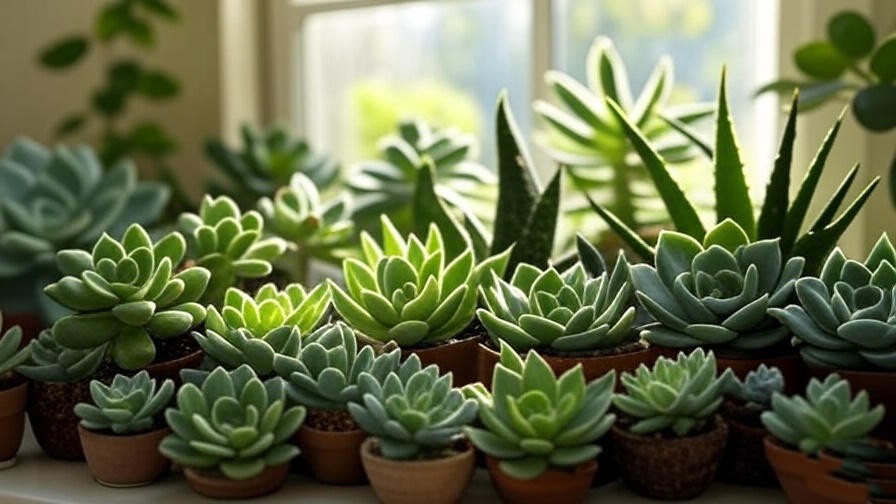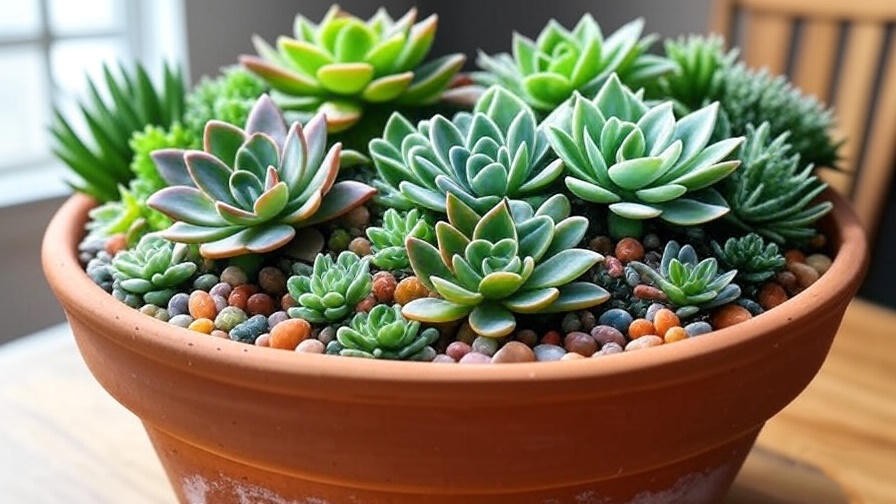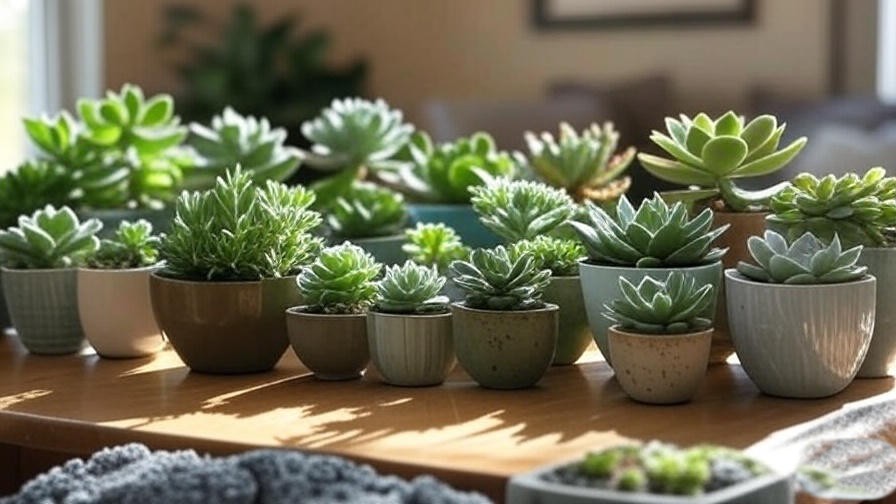
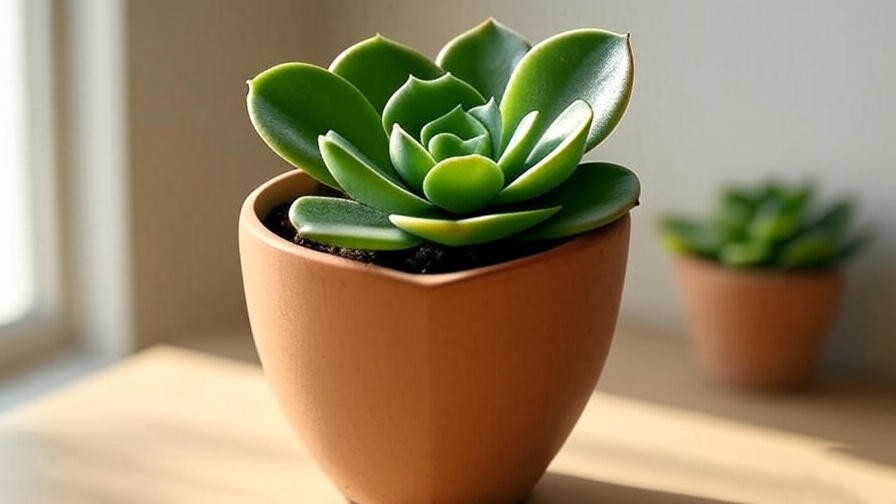
Imagine a plant so charming it captures your heart with a single glance—meet the heart shaped succulent, a delightful addition to any indoor space. These adorable plants, with their love-inspired leaves, are more than just decor; they’re a low-maintenance way to bring warmth and personality to your home. Whether you’re a seasoned plant parent or a beginner, growing a heart shaped succulent is easier than you think with the right guidance. In this comprehensive guide, we’ll explore everything you need to know to keep these succulents thriving, from light and watering to propagation and styling. Backed by years of expertise in indoor plant care, this article offers practical, actionable tips to ensure your heart shaped succulent flourishes while adding a touch of love to your space.
What Are Heart Shaped Succulents?
Overview of Heart Shaped Succulents
Heart shaped succulents are a group of plants celebrated for their distinctive, heart-shaped leaves, making them a favorite for indoor gardeners and gift-givers alike. These succulents store water in their thick, fleshy leaves, allowing them to thrive in arid conditions with minimal care. Their unique shape symbolizes love and affection, making them popular for romantic occasions like Valentine’s Day or as thoughtful gifts. Beyond their aesthetic appeal, heart shaped succulents are resilient, adaptable, and perfect for busy plant owners.
Popular Varieties of Heart Shaped Succulents
Several varieties stand out for their heart-shaped foliage, each with unique characteristics:
- Hoya kerrii (Sweetheart Plant): Known for its thick, single heart-shaped leaves, often sold as a single leaf cutting. With proper care, it can grow into a vining plant.
- Ceropegia woodii (String of Hearts): Features delicate, trailing vines with small, heart-shaped leaves. Ideal for hanging baskets.
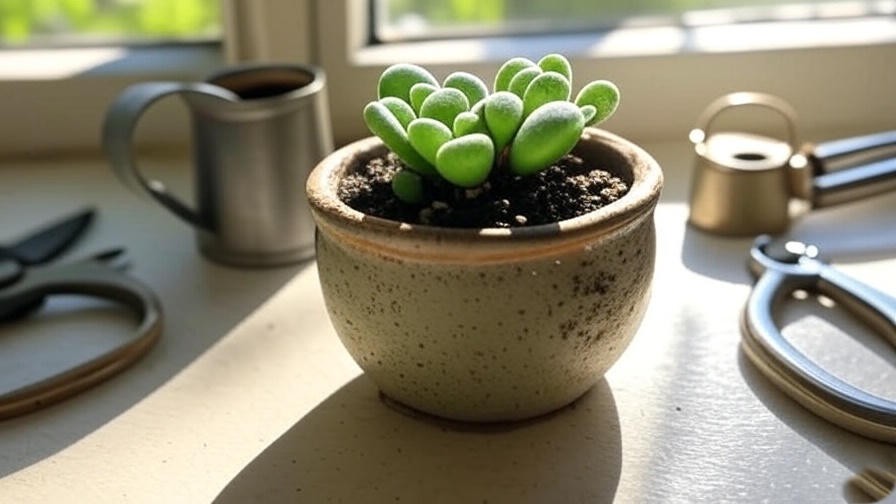
- Conophytum bilobum (Living Stones): Compact succulents with paired, heart-shaped leaves that resemble small stones, perfect for small spaces.
Each variety offers distinct charm, but they share the same low-maintenance appeal, making them accessible to all skill levels.

Why Choose a Heart Shaped Succulent for Your Indoor Space?
Heart shaped succulents are more than just pretty plants—they’re practical and versatile. Their compact size fits perfectly in apartments, offices, or cozy corners. They purify the air, improve indoor aesthetics, and require less care than many other houseplants. Unlike finicky ferns or high-maintenance orchids, these succulents thrive on minimal attention, making them ideal for busy lifestyles. Their heart-shaped leaves also carry emotional weight, symbolizing love and positivity, which resonates deeply with plant enthusiasts looking to create a warm, inviting atmosphere.
Compared to other indoor plants, heart shaped succulents stand out for their durability and unique appearance. They’re less prone to wilting and don’t demand frequent watering, making them a stress-free choice for beginners. Plus, their romantic symbolism makes them a thoughtful gift for loved ones or a charming addition to wedding decor.
Essential Care Tips for Heart Shaped Succulents
Caring for a heart shaped succulent is straightforward, but understanding their specific needs ensures they thrive. Below, we break down the essentials for light, water, soil, temperature, and fertilization.
Light Requirements
Heart shaped succulents love bright, indirect light. Place them near a south- or east-facing window where they can soak up filtered sunlight for 4–6 hours daily. Direct sunlight can scorch their leaves, especially for delicate varieties like String of Hearts, while too little light causes leggy growth or faded colors. If natural light is limited, consider a full-spectrum grow light to mimic ideal conditions. Rotate your plant every few weeks to ensure even growth.
Pro Tip: If leaves start yellowing or stretching, adjust the light. A light meter app can help gauge intensity.
Watering Needs
Succulents are drought-tolerant, and overwatering is their biggest enemy. Water your heart shaped succulent only when the soil is completely dry—typically every 2–3 weeks in spring and summer, and even less in fall and winter. Use the “soak and dry” method: thoroughly water the soil, then let it drain completely. Avoid letting the plant sit in water, as this leads to root rot.
Signs of Trouble:
- Overwatering: Yellow, mushy leaves or a soggy base.
- Underwatering: Shriveled, wrinkled leaves.
Adjust watering based on your home’s humidity and season. In winter, reduce frequency as the plant enters dormancy.
Soil and Potting
A well-draining soil mix is critical for heart shaped succulents. Use a commercial cactus or succulent mix, or create your own by combining:
- 50% potting soil
- 30% perlite or pumice
- 20% coarse sand
Choose a pot with drainage holes to prevent water buildup. Terracotta pots are ideal, as they wick away excess moisture. Repot every 2–3 years or when the plant outgrows its pot. During repotting, gently remove old soil, trim dead roots, and refresh with new mix.
Temperature and Humidity
Heart shaped succulents prefer temperatures between 60–80°F (15–27°C). They tolerate slight variations but should be protected from drafts or sudden temperature drops. Keep them away from cold windows in winter or hot radiators. Most varieties thrive in low to moderate humidity (30–50%), making them perfect for typical indoor environments. Avoid high-humidity areas like bathrooms unless ventilation is excellent.
Fertilizing
Fertilize sparingly to avoid overfeeding. Use a diluted liquid succulent fertilizer (e.g., 10-10-10) once a month during spring and summer. Dilute to half-strength to prevent root burn. Skip fertilizing in fall and winter when growth slows. Over-fertilizing can cause leggy growth or leaf burn, so err on the side of caution.
Propagating Heart Shaped Succulents
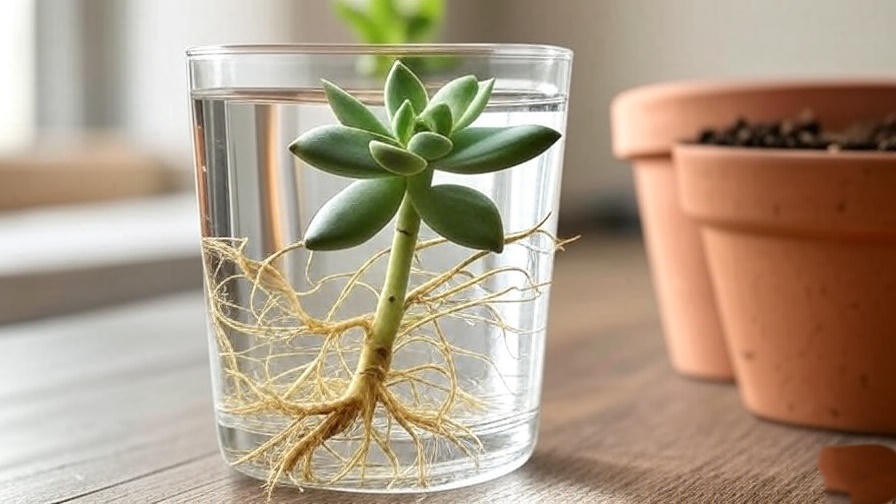
Propagation is a rewarding way to expand your collection or share your heart shaped succulents with friends. Each variety has specific techniques, but all are beginner-friendly with patience.
Why Propagate?
Propagating allows you to create new plants for free, making it cost-effective and fun. It’s also a great way to revive a struggling plant or gift a piece of your collection. Plus, watching new roots form is incredibly satisfying!
Step-by-Step Propagation Guide
- Hoya kerrii (Leaf Cuttings):
- Select a healthy leaf with a short stem.
- Place the cutting in moist succulent soil or water, ensuring the stem is submerged.
- Keep in bright, indirect light and mist lightly every few days.
- Roots may take 4–8 weeks to form. Be patient—single-leaf cuttings grow slowly.
- Ceropegia woodii (Stem Cuttings):
- Snip a 3–4 inch vine with at least two nodes.
- Root in water or directly in well-draining soil.
- Mist soil lightly to keep it moist but not soggy.
- New growth appears in 2–4 weeks.
- Conophytum bilobum (Division):
- Gently separate a mature plant into smaller clumps during repotting.
- Plant each clump in its own pot with fresh succulent mix.
- Water sparingly until established.
Expert Tip: Use rooting hormone on cuttings to boost success rates, and always sterilize tools to prevent disease.
Common Problems and Solutions
Even with proper care, heart shaped succulents can face challenges. Here’s how to diagnose and fix common issues.
Pests and Diseases
- Common Pests:
- Mealybugs: White, cottony spots on leaves. Wipe with alcohol-soaked cotton or use neem oil.
- Aphids: Small green insects on new growth. Spray with water or insecticidal soap.
- Spider Mites: Webbing and speckled leaves. Increase humidity and apply neem oil.
- Prevention: Inspect plants weekly, isolate new plants, and maintain good airflow.

Growth Issues
| Issue | Cause | Solution |
|---|---|---|
| Leggy growth | Insufficient light | Move to brighter, indirect light |
| Leaf drop | Overwatering or stress | Check soil moisture; adjust care |
| Discoloration | Sunburn or nutrient deficiency | Shade from direct sun; fertilize lightly |
Regular monitoring and quick action keep your succulent healthy.
Styling and Displaying Heart Shaped Succulents
Heart shaped succulents shine in creative displays. Here are some ideas:
- Hanging Baskets: Perfect for String of Hearts, letting vines cascade elegantly.
- Terrariums: Pair Conophytum bilobum with other small succulents for a mini desert scene.
- Minimalist Pots: Use sleek ceramic pots for Hoya kerrii to highlight its bold leaves.
- Themed Decor: Create a Valentine’s Day centerpiece with heart shaped succulents and candles.
Combine with other low-maintenance plants like echeveria or aloe for a cohesive look. Their versatility makes them ideal for shelves, desks, or windowsills.

Expert Insights: Maximizing Longevity and Beauty
- Pruning: Trim leggy vines on String of Hearts to encourage fuller growth.
- Cleaning Leaves: Wipe leaves with a damp cloth to remove dust and boost photosynthesis.
- Seasonal Care: Reduce watering in winter and increase light exposure in spring.
- Expert Quote: “Heart shaped succulents thrive on neglect, but a little attention to light and water goes a long way,” says Dr. Jane Hort, succulent specialist.
FAQs About Heart Shaped Succulents
- Are heart shaped succulents hard to care for?
No, they’re low-maintenance with proper light, minimal watering, and well-draining soil. - Can I grow them indoors year-round?
Yes, they thrive indoors with bright, indirect light and stable temperatures. - Why is my Hoya kerrii not growing?
Single-leaf cuttings grow slowly. Ensure a stem is attached and provide adequate light. - How often should I water my String of Hearts?
Water every 2–3 weeks when soil is dry, less in winter. - Can heart shaped succulents survive low light?
They prefer bright light but can tolerate low light with slower growth.
Conclusion
Heart shaped succulents bring joy and beauty to any indoor space with their charming leaves and easy-care nature. By following this guide—covering light, water, soil, propagation, and styling—you can ensure your plants thrive for years. Whether you’re drawn to the romantic symbolism of Hoya kerrii or the trailing elegance of String of Hearts, these succulents are a perfect blend of practicality and charm. Start your journey today, and share your experiences in the comments below! Explore our other articles for more indoor plant tips.