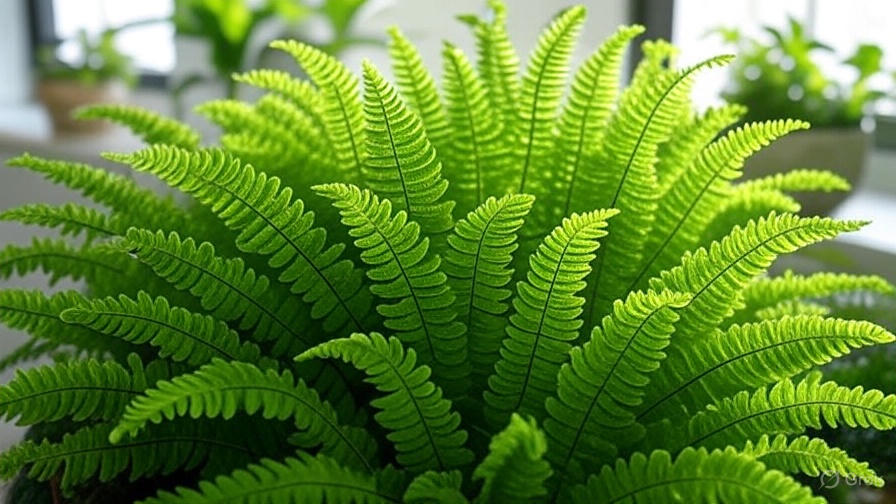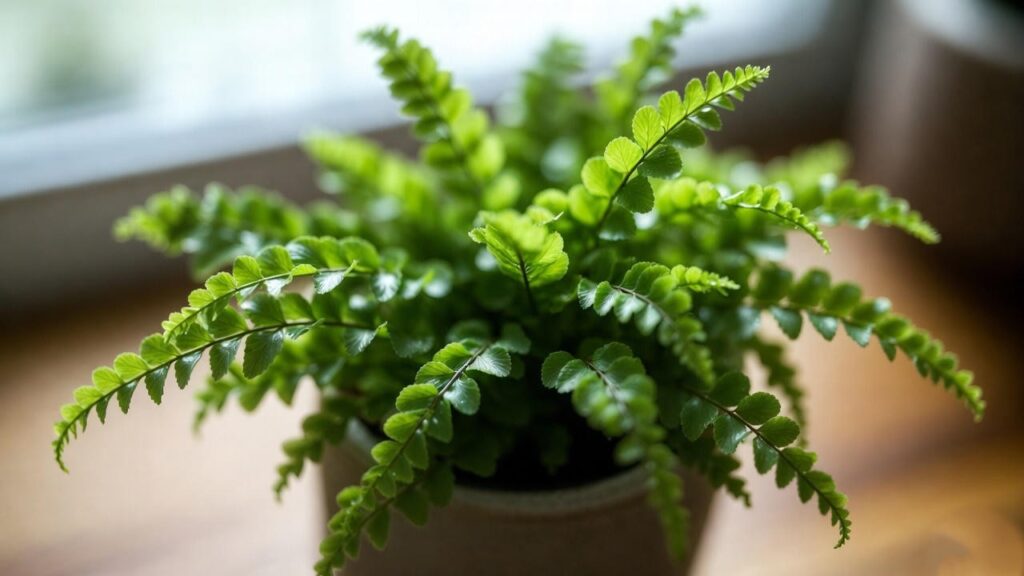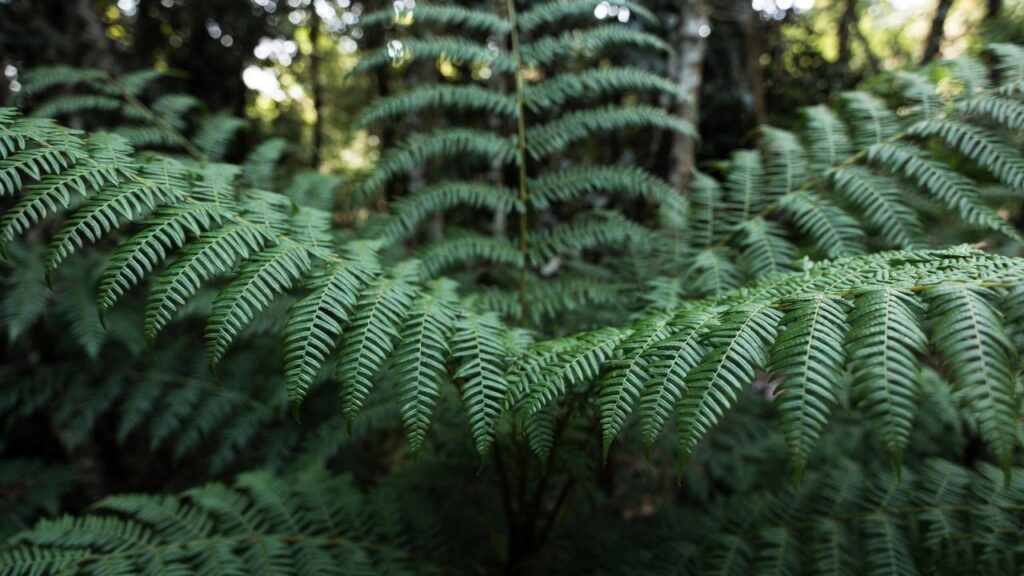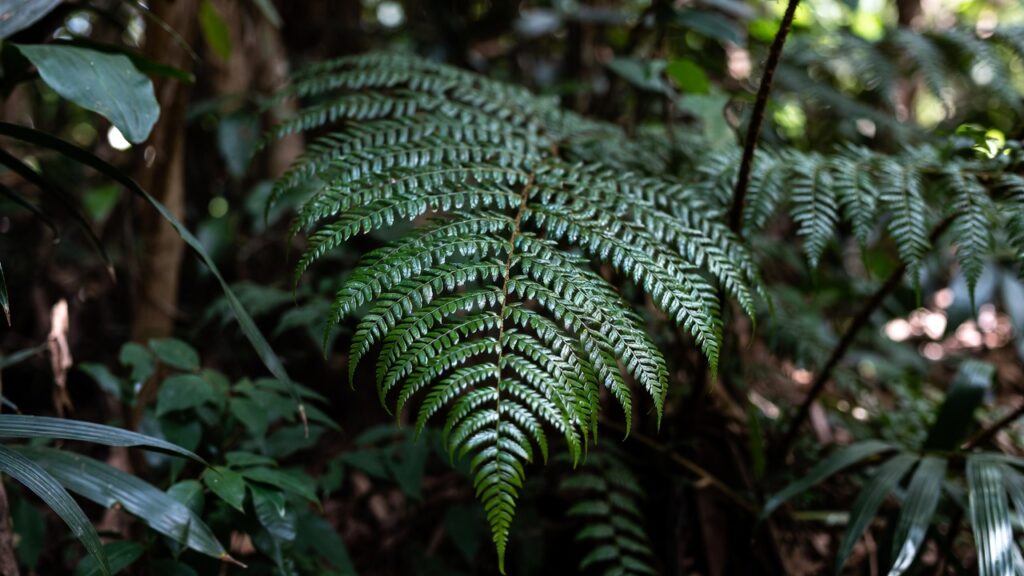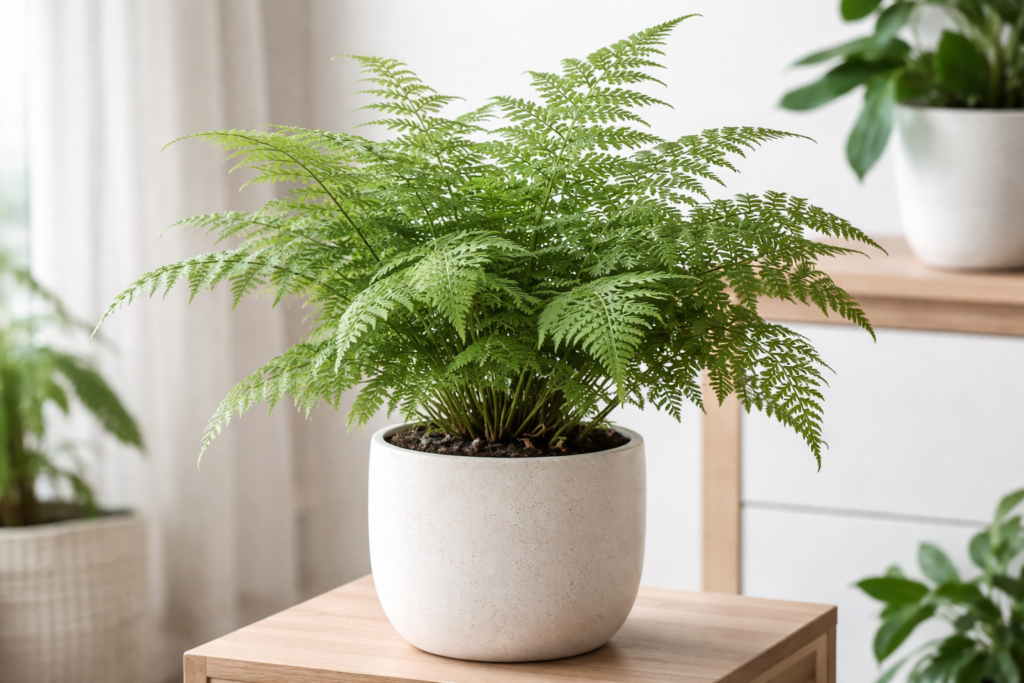
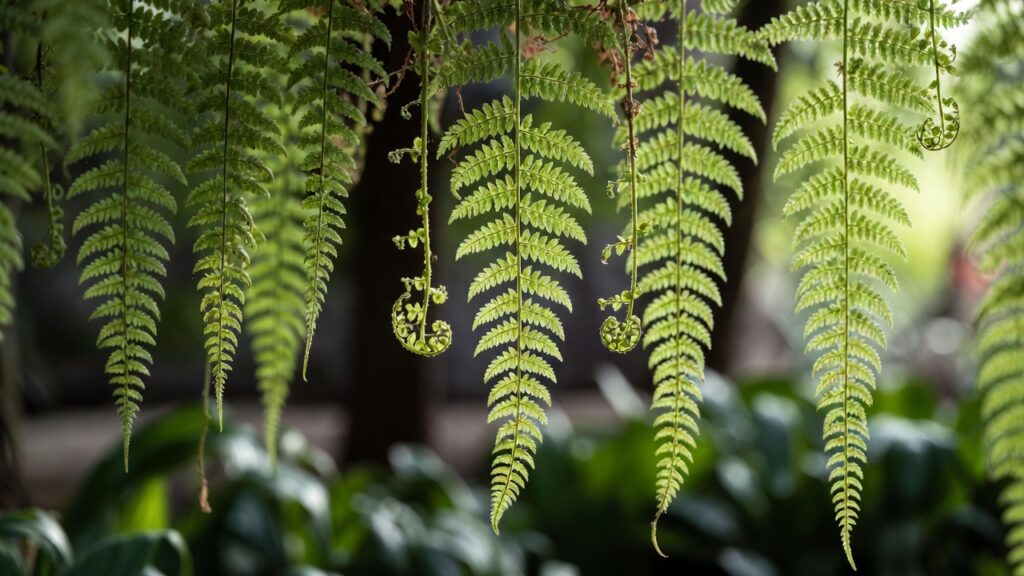
You bring home a gorgeous, full, cascading fern. It looks lush in the store — vibrant green, soft, alive. You hang it in your living room… and within weeks, the tips turn brown. Fronds crisp up. Leaves drop. Suddenly, your once-beautiful plant looks tired and neglected.
If this sounds familiar, you’re not alone. Hanging ferns are one of the most popular indoor plants — and one of the most misunderstood. The good news? Browning isn’t random. It’s predictable. And once you understand what your fern actually needs, keeping it lush and thriving becomes surprisingly simple.
As someone who has grown and revived dozens of indoor ferns in dry apartments, humid bathrooms, bright studios, and low-light homes, I can confidently say this: healthy hanging ferns are not about luck — they’re about environment control and consistency.
This complete guide will walk you through:
- Why hanging ferns turn brown indoors
- The exact light, humidity, watering, and soil conditions they need
- How to revive stressed plants
- Seasonal adjustments for year-round success
- Professional-level care tips most guides skip
Let’s fix your fern — for good.
Why Hanging Ferns Turn Brown Indoors (The Real Causes Most Guides Miss)
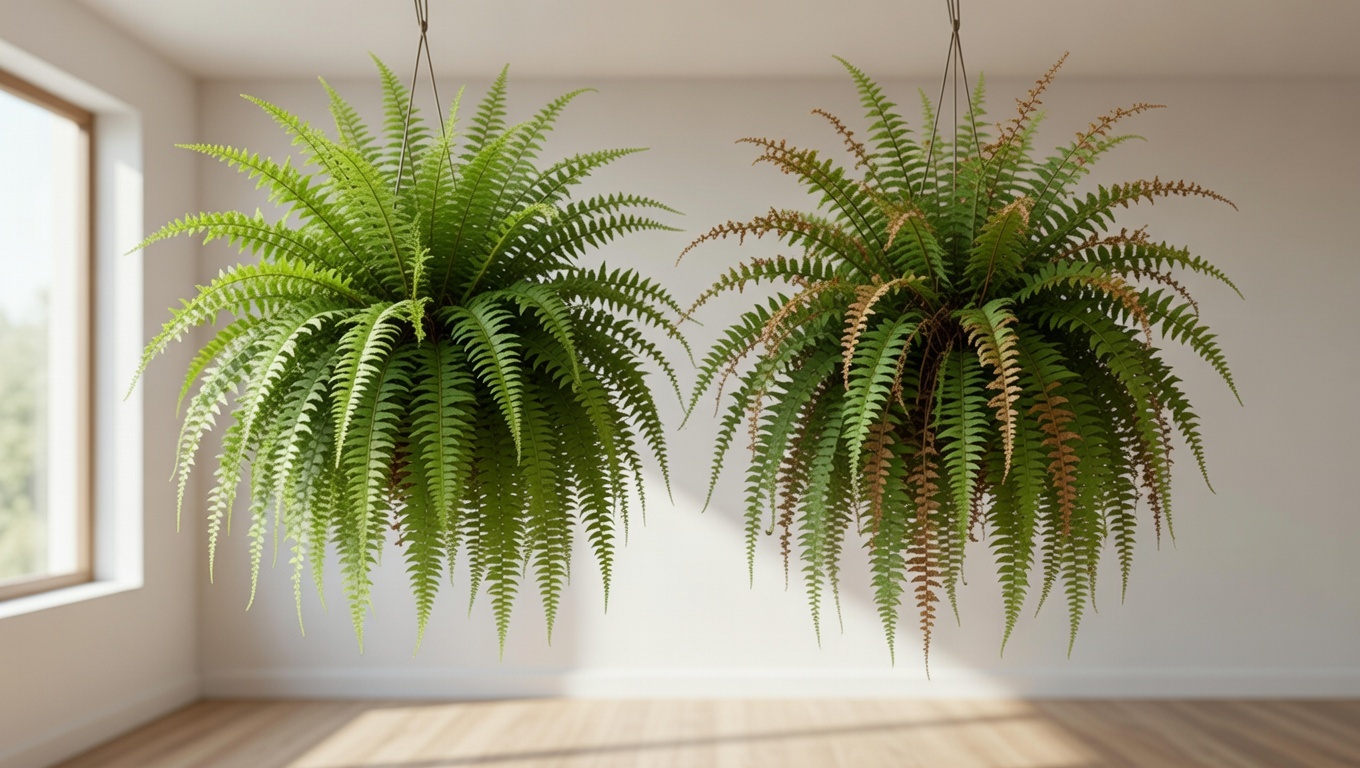
Before you can grow a thriving fern, you must understand why they fail. Browning fronds are a symptom — not the root problem.
1. Low Humidity (The #1 Indoor Fern Killer)
Ferns evolved in forest understories and tropical environments where humidity regularly stays between 50–70% or higher. Most indoor homes, especially in winter, drop to 20–35% humidity.
That’s desert-level air for a fern.
Signs of low humidity stress:
- Brown, crispy leaf tips
- Edges turning tan before the center
- Fronds drying from the outside inward
- Increased leaf drop
If your fern looks dry even though you water it regularly, humidity is likely the real issue.
2. Improper Watering (Too Much vs Too Little)
Ferns love moisture — but they hate soggy roots.
This creates confusion.
Underwatering Symptoms:
- Entire fronds droop
- Soil pulls away from pot edges
- Dry, lightweight pot
- Crispy texture
Overwatering Symptoms:
- Yellowing leaves
- Mushy stems
- Sour soil smell
- Blackened roots
Unlike succulents, ferns prefer consistently moist soil — never bone dry and never waterlogged.
3. Wrong Light Conditions
Many people assume ferns are “low-light plants.” That’s only partially true.
Hanging ferns thrive in bright, indirect light — similar to the filtered sunlight under tree canopies.
Too much direct sun:
- Bleaches leaves
- Causes rapid browning
- Dries soil too quickly
Too little light:
- Sparse growth
- Weak fronds
- Slow recovery from stress
A north or east-facing window is often ideal. South-facing windows require sheer curtains.
4. Poor Drainage & Compacted Soil
Many store-bought hanging baskets use dense peat-heavy soil. Over time, it compacts, restricting airflow to roots.
Healthy fern roots require:
- Oxygen
- Consistent moisture
- Proper drainage
Compacted soil leads to root rot, which eventually causes browning.
5. Environmental Stress & Placement Mistakes
Ferns are sensitive to sudden changes.
Avoid placing them:
- Near heating vents
- Under air conditioners
- In drafty hallways
- Directly beside radiators
Consistency matters more than perfection.
The Best Types of Hanging Ferns for Indoor Spaces
Not all ferns behave the same indoors. Choosing the right type can dramatically improve your success rate.
Boston Fern (Nephrolepis exaltata)
The classic. Lush, dramatic, fast-growing.
- Moderate difficulty
- High humidity needs
- Excellent for bathrooms or humid rooms
Best for plant owners willing to maintain moisture levels carefully.
Kimberly Queen Fern
More upright and structured than Boston ferns.
- Slightly more tolerant of drier air
- Lower maintenance
- Great for beginners
If you’ve struggled before, this is a forgiving option.
Maidenhair Fern
Delicate, airy, stunning.
- High humidity requirement
- Very sensitive to drying out
- Not beginner-friendly
If humidity drops even briefly, it responds immediately.
Staghorn Fern
Often mounted rather than potted.
- Unique sculptural look
- Requires soaking instead of traditional watering
- Great for bright bathrooms
A statement plant for experienced growers.
Blue Star Fern
A modern favorite.
- Blue-green fronds
- More adaptable to indoor humidity
- Excellent choice for contemporary spaces
Quick Comparison Overview
| Fern Type | Difficulty | Humidity Needs | Best For |
|---|---|---|---|
| Boston Fern | Moderate | High | Humid rooms |
| Kimberly Queen | Easy-Moderate | Moderate | Beginners |
| Maidenhair | Difficult | Very High | Experienced growers |
| Staghorn | Moderate | Moderate-High | Decorative displays |
| Blue Star | Easy | Moderate | Modern interiors |
If your home is dry and you don’t want to run a humidifier constantly, start with a Kimberly Queen or Blue Star.
The Ideal Indoor Environment for Hanging Ferns
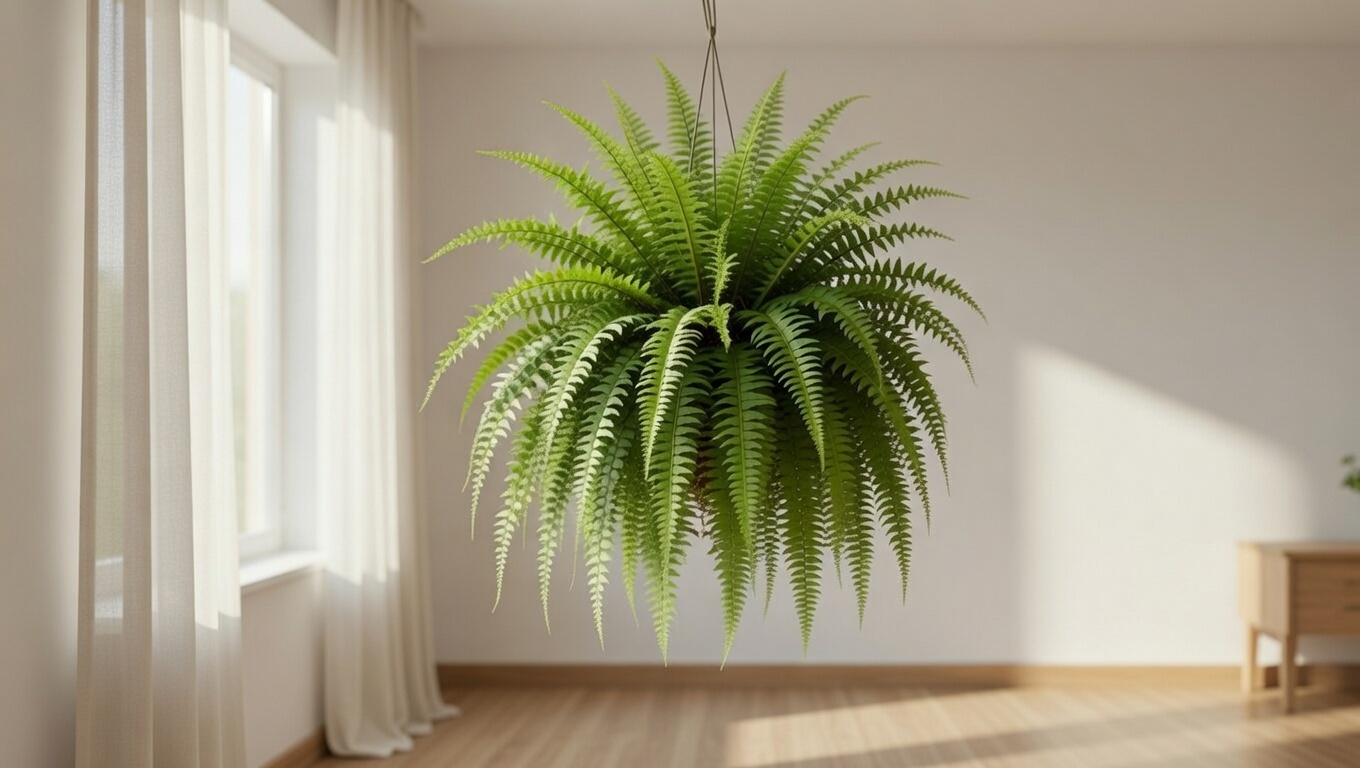
Now let’s create the perfect setup.
Light Requirements Explained Clearly
Ferns need bright, indirect light.
Best window placements:
- North-facing: Safe and consistent
- East-facing: Excellent morning light
- South-facing: Use sheer curtains
- West-facing: Monitor closely for harsh afternoon rays
If natural light is limited, a full-spectrum LED grow light placed 12–18 inches away works well.
How to Create Proper Humidity (Without Turning Your Home Into a Jungle)
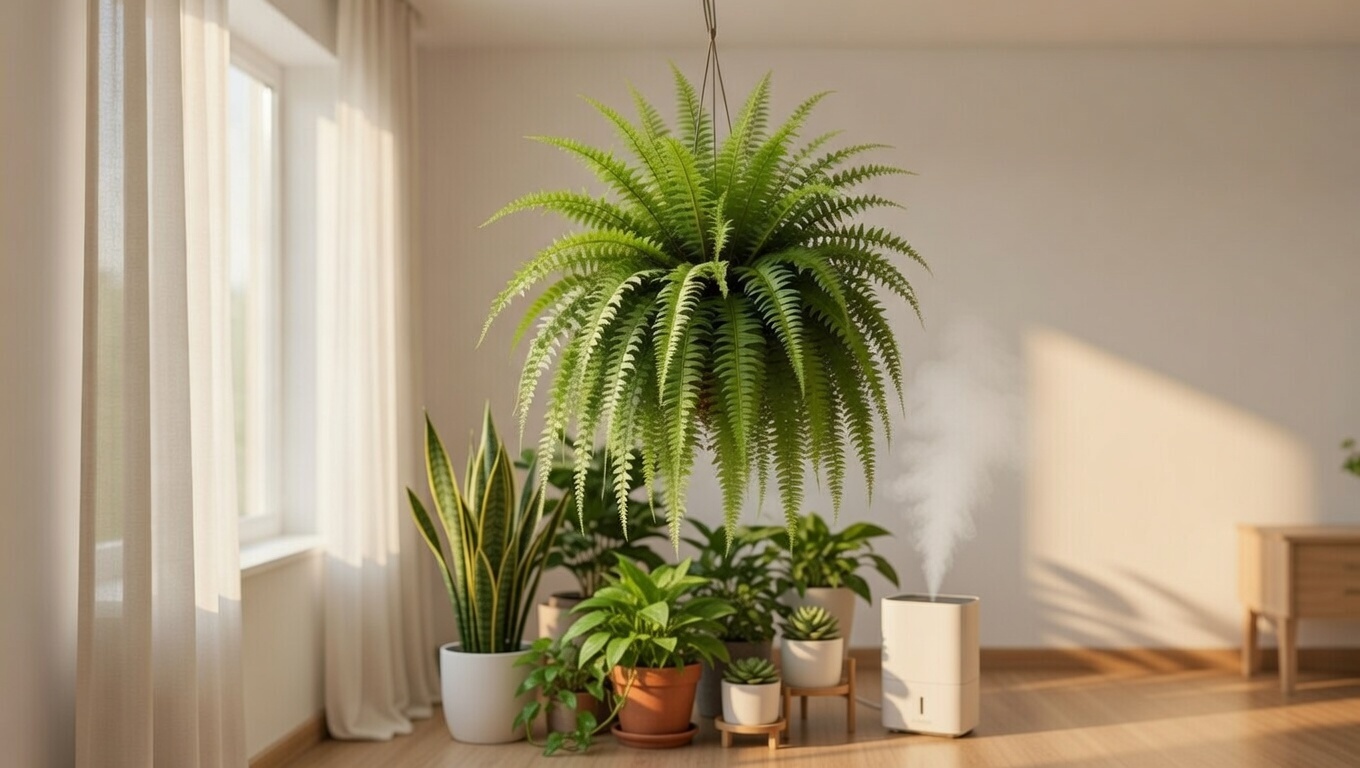
Humidity is the single biggest factor in preventing browning.
Here are your best options:
1. Use a Humidifier (Most Effective)
A small room humidifier can maintain 50–60% humidity easily.
Place it near your fern cluster for maximum benefit.
2. Group Plants Together
Plants release moisture through transpiration. Grouping them creates a microclimate.
3. Pebble Trays (Limited Effectiveness)
Place the pot above water on a pebble tray. Helpful, but not a complete solution in very dry climates.
4. Bathroom Placement Strategy
Bathrooms with bright light are ideal environments for ferns.
Steam from showers naturally increases humidity.
5. Does Misting Work?
Short answer: Not really.
Misting provides temporary humidity that evaporates within minutes. It does not significantly raise ambient moisture levels.
Temperature Range & Seasonal Adjustments
Ideal temperature:
- 60°F–75°F (16°C–24°C)
Avoid:
- Sudden temperature swings
- Cold drafts
- Direct heat sources
In winter, humidity usually drops. This is when most ferns struggle.
The Perfect Watering Routine for Hanging Ferns
Watering correctly solves half of all fern problems.
How Often Should You Water?
There is no universal schedule. Instead:
- Check soil 1 inch deep
- If slightly dry, water
- Keep soil consistently moist
In summer: Possibly 2–3 times per week
In winter: Typically once per week or less
Climate matters more than calendar dates.
The Soak-and-Drain Method (Step-by-Step)
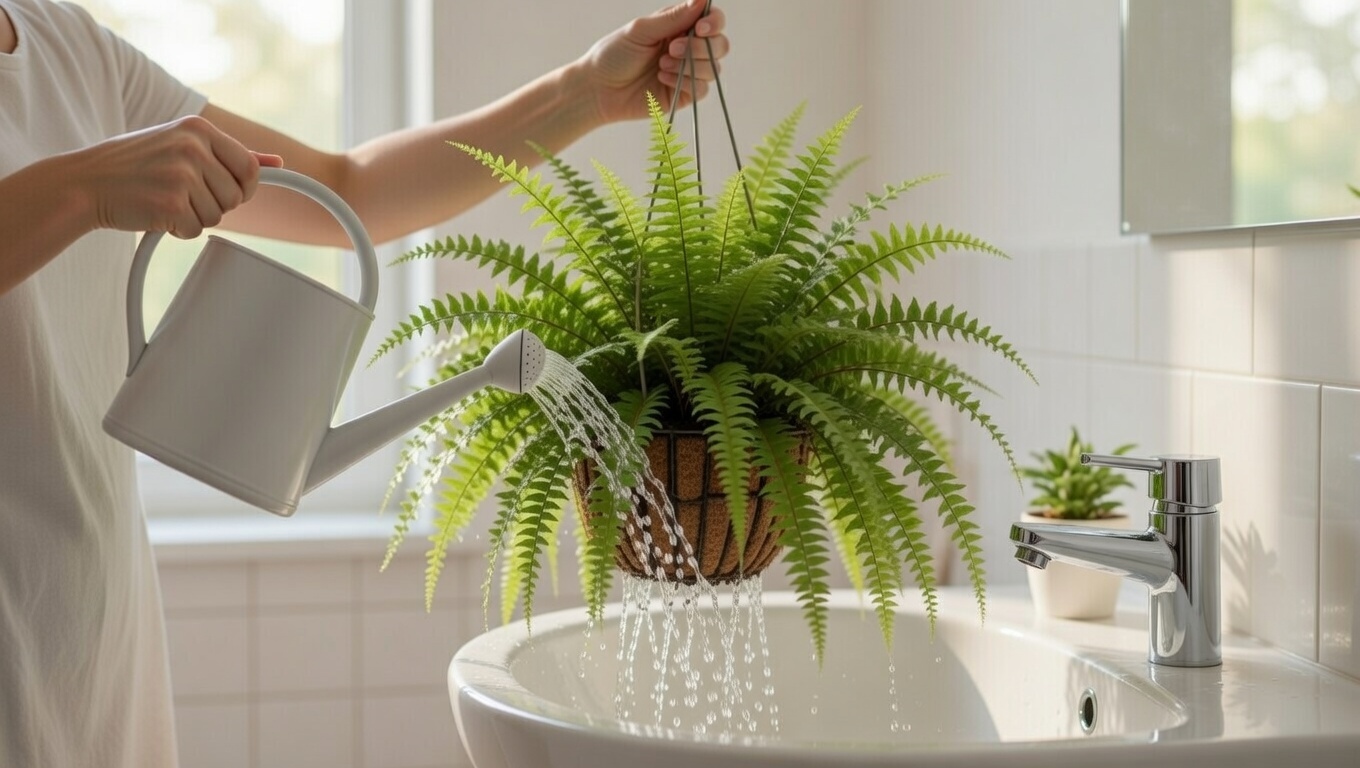
Hanging baskets dry unevenly. Top watering alone isn’t always sufficient.
Here’s the professional approach:
- Remove the hanging basket.
- Place it in a sink or bathtub.
- Water thoroughly until drainage runs freely.
- Let it sit for 10–15 minutes.
- Allow excess water to drain completely.
- Return it to its hanging position.
This ensures the entire root ball hydrates evenly.
Signs Your Fern Needs Immediate Attention
- Rapid leaf drop
- Persistent yellowing
- Soil staying soggy for days
- Crispy edges despite moist soil
Each symptom tells you something specific about its environment.
Best Soil & Fertilizer for Lush, Green Growth
Soil is often overlooked — but it’s foundational.
Ideal Soil Mix Recipe
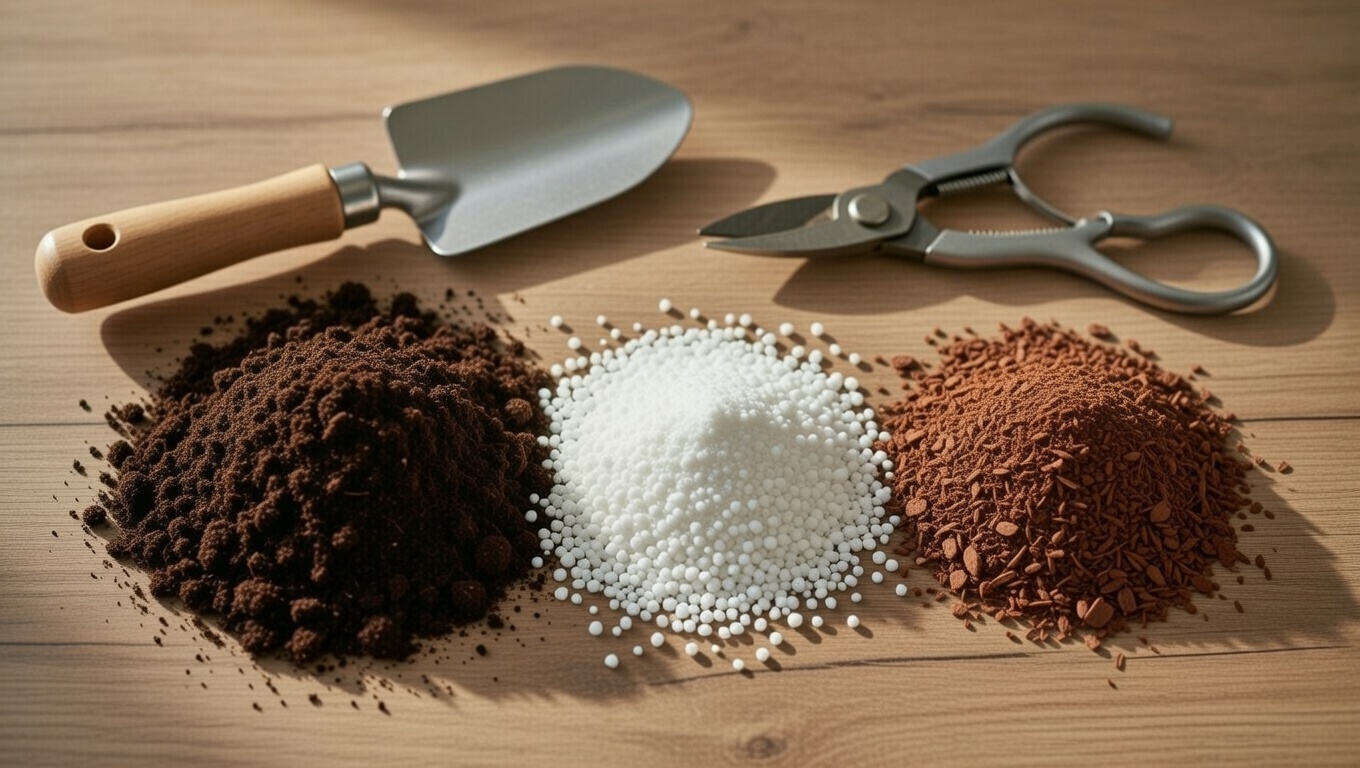
Use a mix that retains moisture but drains well:
- 2 parts peat-based potting mix
- 1 part perlite
- 1 part fine orchid bark
This creates airflow while maintaining consistent moisture.
Avoid heavy garden soil indoors.
When and How to Fertilize
Ferns are not heavy feeders.
- Fertilize during spring and summer only
- Use a balanced liquid fertilizer diluted to half strength
- Apply once every 4–6 weeks
Overfertilizing causes salt buildup, which leads to brown tips.
Flush the soil with distilled water every few months to remove excess salts.
Repotting Hanging Ferns (When & How)
Signs it’s time:
- Roots circling the pot
- Water runs straight through
- Growth slows significantly
Best time: Early spring
Steps:
- Choose a pot 1–2 inches larger.
- Gently loosen root ball.
- Replace compacted soil.
- Water thoroughly after repotting.
Never jump to a dramatically larger pot — it increases rot risk.
How to Revive Hanging Ferns That Are Turning Brown
Don’t panic. Most ferns can recover.
Emergency Recovery Plan
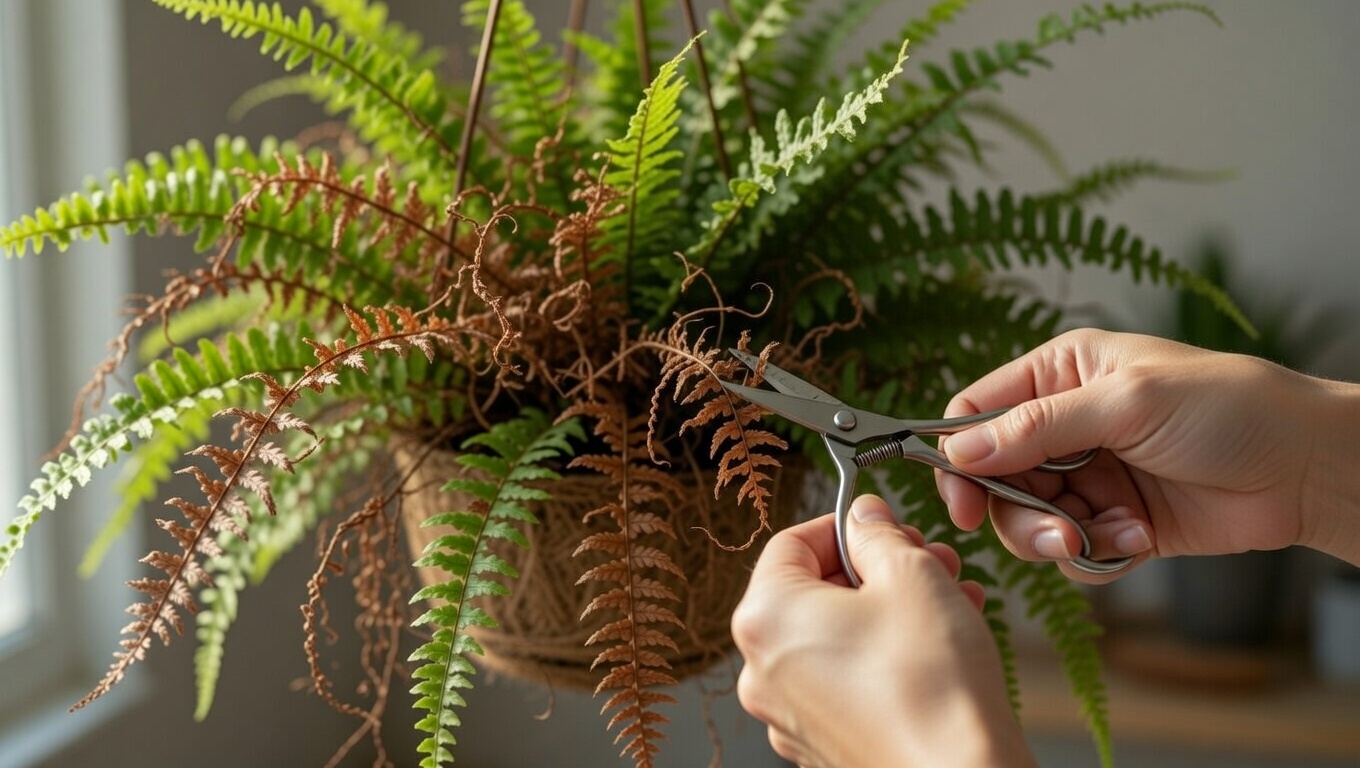
- Inspect roots (remove plant carefully).
- Trim dead, crispy fronds.
- Adjust humidity immediately.
- Correct watering routine.
- Move to bright, indirect light.
New growth often appears within 2–4 weeks once conditions stabilize.
When It’s Too Late
If roots are black, mushy, and odor present, severe rot may be irreversible.
In some cases, dividing healthy sections can save part of the plant.
Styling & Placement Tips for Hanging Ferns Indoors
Once your fern is healthy, placement becomes both a design decision and a plant health strategy. The right location enhances growth while elevating your interior space.
Best Rooms for Hanging Ferns
Bathrooms (With Natural Light)
Bathrooms with windows are nearly ideal environments. The combination of filtered light and shower steam creates natural humidity.
Kitchens
Cooking increases ambient moisture. Just avoid placing your fern too close to stovetops or heat sources.
Living Rooms with Bright, Indirect Light
Hang ferns near east-facing windows or slightly back from south-facing windows with sheer curtains.
Home Offices
Cluster ferns with other indoor plants to create a productive, calming microclimate.
Ceiling Hooks vs. Wall Brackets vs. Macramé
Each hanging method impacts airflow and maintenance.
Ceiling Hooks
-
Best for visual impact
-
Ensure secure anchoring into ceiling studs
-
Ideal for rooms with strong ambient light
Wall Brackets
-
Easier access for watering
-
More stable
-
Better for renters
Macramé Hangers
-
Stylish and flexible
-
Allow better airflow
-
Easy to remove for watering
Pro Tip: Always confirm your hanging planter has proper drainage. Decorative pots without drainage holes are one of the fastest ways to kill a fern.
Preventing Water Drips & Mess
Watering hanging plants can get messy. Use these strategies:
-
Remove the plant and water it in the sink or shower.
-
Let excess water drain fully before rehanging.
-
Use nursery pots inside decorative containers.
-
Install drip trays if necessary.
Professional growers always prioritize drainage over convenience.
Seasonal Care Guide for Hanging Ferns
Indoor conditions change throughout the year. Adjusting your care routine seasonally prevents most browning issues.
Spring & Summer: Active Growth Phase
This is when your fern is most resilient.
-
Increase watering frequency as temperatures rise.
-
Fertilize every 4–6 weeks (half-strength).
-
Rotate weekly for even growth.
-
Monitor for rapid soil drying.
This is also the best time to repot or divide ferns.
Fall & Winter: Dormancy & Dry Air Challenges
Winter is when most hanging ferns decline indoors.
Problems:
-
Indoor heating reduces humidity dramatically.
-
Light intensity decreases.
-
Growth slows.
Adjustments:
-
Reduce watering slightly.
-
Stop fertilizing.
-
Increase humidity support (humidifier recommended).
-
Keep away from heating vents.
Consistency during winter determines spring recovery strength.
Common Mistakes That Kill Hanging Ferns (And How to Avoid Them)
Even experienced plant owners make these errors.
1. Treating Ferns Like Succulents
Letting soil dry completely between waterings stresses the plant immediately.
2. Ignoring Humidity
Watering more does not compensate for dry air.
3. Overfertilizing
More fertilizer does not equal more growth. It often leads to salt burn and browning.
4. Using Pots Without Drainage
Decorative planters without drainage trap excess water and suffocate roots.
5. Placing in Direct Afternoon Sun
Afternoon sunlight is intense and often causes rapid browning.
6. Frequent Relocation
Ferns dislike environmental instability. Once you find a good spot, leave it there.
Expert Tips for Keeping Hanging Ferns Lush Year-Round
After years of growing ferns in different indoor environments, here are the strategies that consistently produce full, vibrant plants:
Rotate Weekly
Prevents uneven growth and one-sided thinning.
Flush Soil Every 2–3 Months
Use distilled or rainwater to flush out accumulated salts from fertilizer.
Trim Strategically
Remove brown fronds at the base. This redirects energy to healthy growth.
Monitor Humidity with Data
Guessing leads to problems. A hygrometer removes uncertainty.
Use Better Water Sources
If your tap water is high in chlorine or minerals, consider:
-
Filtered water
-
Distilled water
-
Rainwater
Mineral buildup can contribute to brown tips over time.
Avoid Overcrowded Root Systems
If roots are tightly bound, moisture distribution becomes uneven. Repot proactively before severe root-binding occurs.
Frequently Asked Questions About Hanging Ferns
These answers are optimized for clarity and search visibility.
How do you keep hanging ferns from turning brown?
To prevent browning:
-
Maintain humidity between 50–70%.
-
Keep soil consistently moist but well-draining.
-
Provide bright, indirect light.
-
Avoid drafts and heat vents.
-
Fertilize lightly during active growth only.
Humidity is typically the main factor.
Do hanging ferns need direct sunlight?
No. Hanging ferns prefer bright, indirect light. Direct sunlight, especially afternoon sun, can scorch and dry out fronds.
How often should hanging ferns be watered indoors?
Water when the top inch of soil feels slightly dry. Frequency varies based on season and humidity levels. In summer, this may be 2–3 times weekly. In winter, once weekly or less.
Are hanging ferns good for air purification?
Like many indoor plants, ferns contribute to air quality by increasing humidity and filtering small airborne particles. However, they should not replace mechanical air filtration systems.
Can hanging ferns survive in low light?
They tolerate low light but thrive in bright, indirect light. Insufficient light leads to sparse growth and slower recovery from stress.
Quick Care Checklist (Save or Print)
Light: Bright, indirect
Humidity: 50–70% preferred
Watering: Keep soil consistently moist
Soil: Well-draining, peat-based mix with perlite
Fertilizer: Half-strength, every 4–6 weeks in spring/summer
Temperature: 60–75°F (16–24°C)
Avoid: Drafts, direct sun, dry air, waterlogged soil
Growing Hanging Ferns Successfully Is About Consistency, Not Perfection
If there’s one takeaway from this guide, it’s this: hanging ferns are not fragile — they are specific.
When their environmental needs are met, they become resilient, fast-growing, and incredibly rewarding indoor plants. Browning isn’t a mystery. It’s feedback.
Focus on:
-
Stable humidity
-
Consistent moisture
-
Bright, indirect light
-
Proper drainage
Make small adjustments instead of dramatic changes. Observe your plant. Respond to what it tells you.
With the right setup, your hanging ferns won’t just survive — they’ll cascade with vibrant, healthy green growth year-round.
And once you master one, you’ll realize they’re not difficult at all — they simply require the right environment.