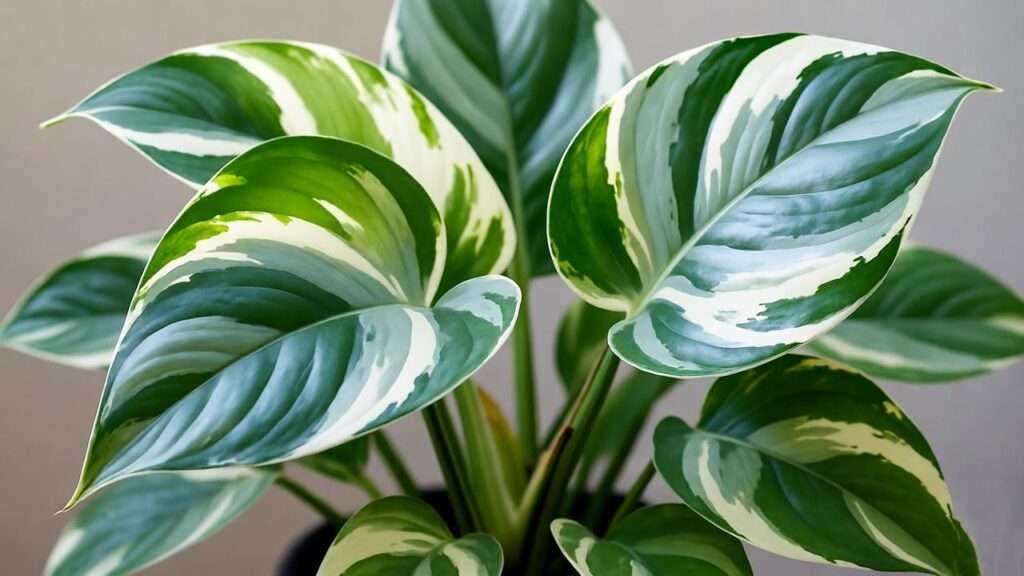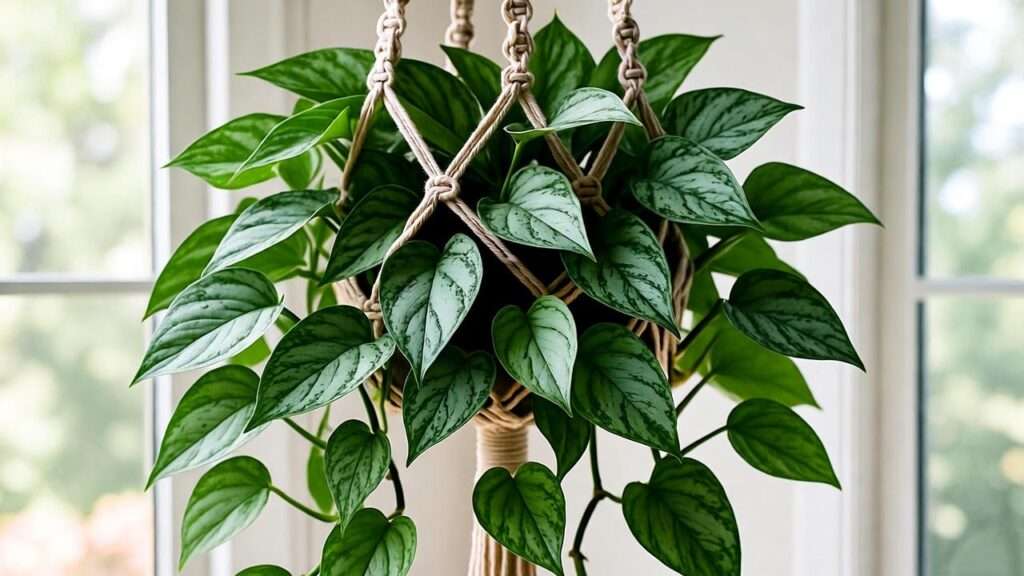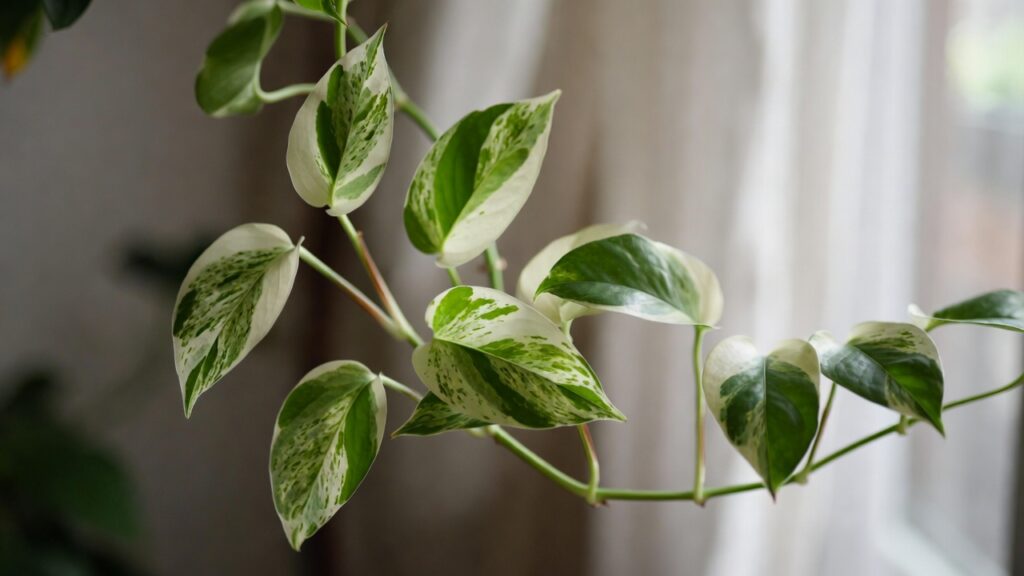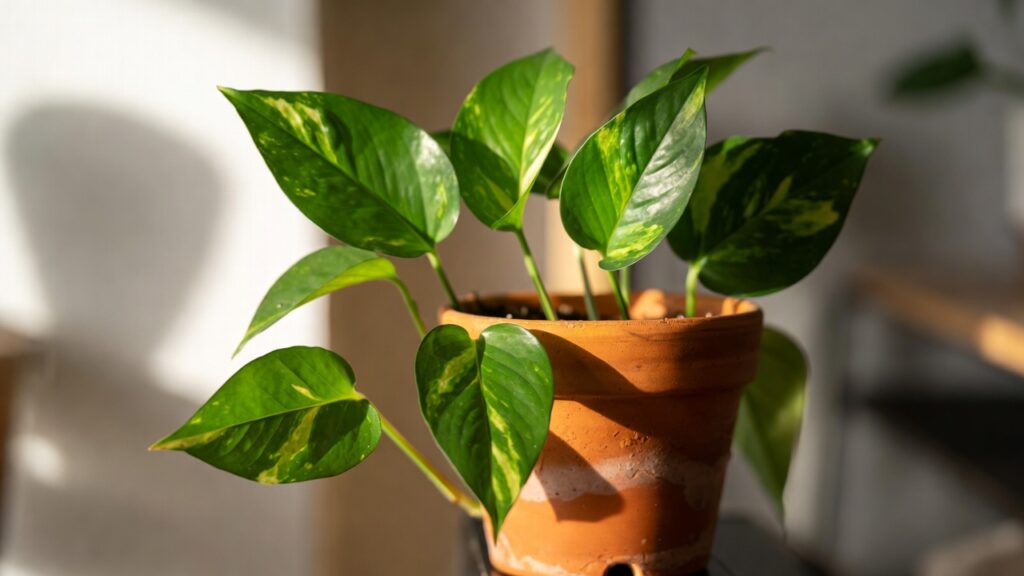
If you’re on the hunt for a striking, low-maintenance plant to brighten your home, the Glacier Pothos might be just what you’re looking for. This beauty, known for its elegant, variegated leaves, has quickly become a favorite in indoor plant collections worldwide. Not only is it visually captivating, but it’s also incredibly easy to care for, making it the perfect plant for beginners and seasoned plant parents alike.
The Glacier Pothos (Epipremnum aureum) is one of the most popular varieties of pothos, prized for its stunning silvery-white variegation that contrasts beautifully with its dark green stems. If you’re wondering how to care for your Glacier Pothos and ensure it thrives in your home, you’ve come to the right place. In this comprehensive guide, we’ll walk you through everything you need to know, from lighting and watering to propagation and pest management. By the end of this article, you’ll be well-equipped to keep your Glacier Pothos in perfect health for years to come.
What is Glacier Pothos?
Before we dive into the specifics of care, let’s get to know the Glacier Pothos a little better.
Overview of the Glacier Pothos
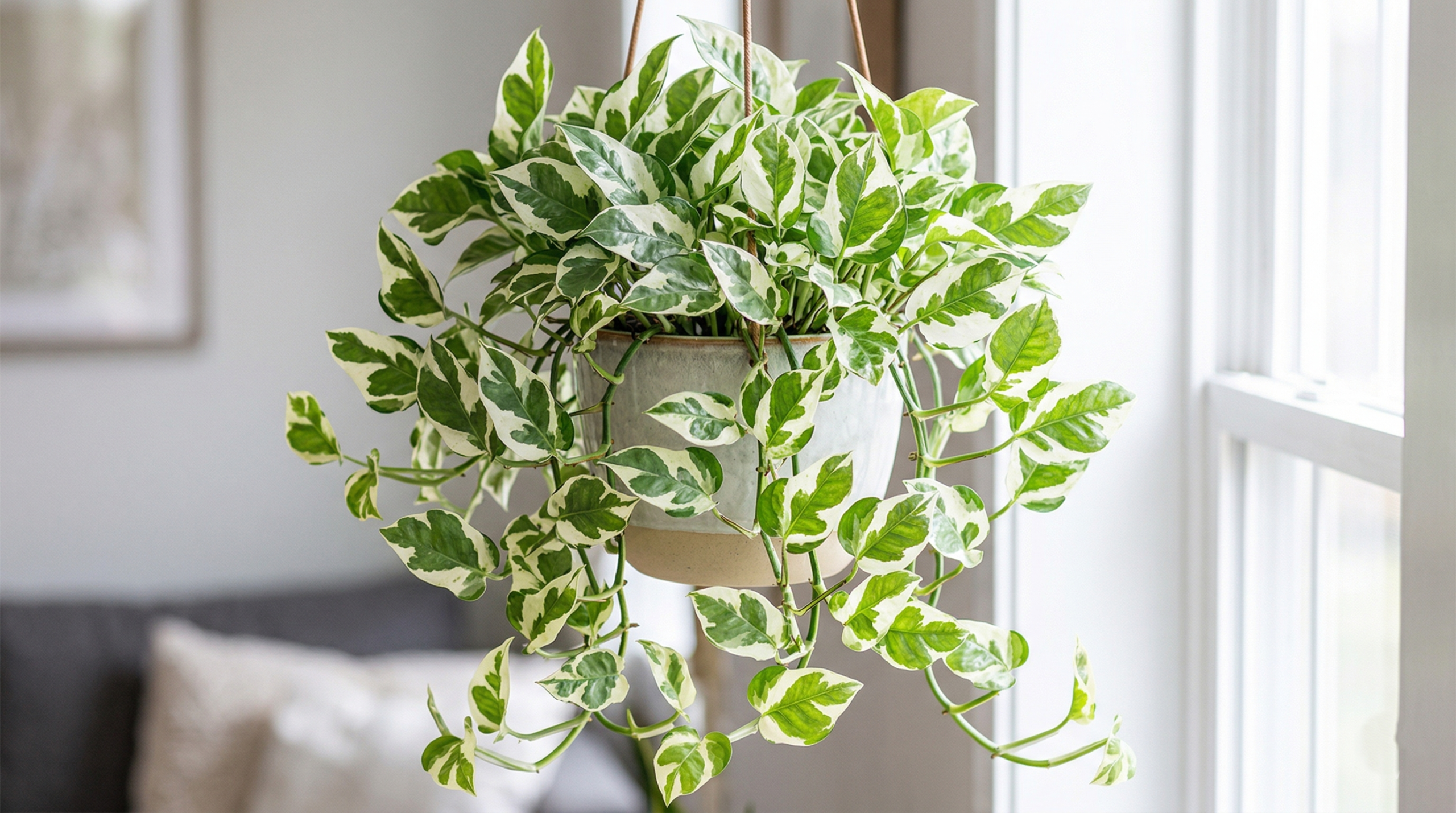
The Glacier Pothos is a cultivar of the well-known pothos plant, Epipremnum aureum. This climbing vine, which is native to Southeast Asia, is loved for its heart-shaped leaves that feature a striking pattern of white, silver, and green marbling. The plant’s unique coloration gives it a sophisticated, elegant appearance, making it an excellent choice for both beginner gardeners and experienced plant enthusiasts.
While its foliage is one of its most attractive features, Glacier Pothos is also a resilient, low-maintenance plant. It thrives in a variety of indoor conditions, from low light to moderate humidity, and doesn’t demand frequent watering or heavy fertilization. This makes it a perfect choice for apartments, offices, or any indoor environment where you want to add a touch of nature without too much effort.
Why It’s Popular
The popularity of Glacier Pothos has skyrocketed in recent years, and for good reason. Aside from its visual appeal, this plant is renowned for its ability to purify the air, removing toxins like formaldehyde and benzene. This makes it an ideal choice for spaces where you want to enhance both aesthetics and air quality. It’s also highly versatile, looking great in a hanging basket, on a bookshelf, or as a floor plant in a decorative pot.
Ideal Growing Conditions for Glacier Pothos
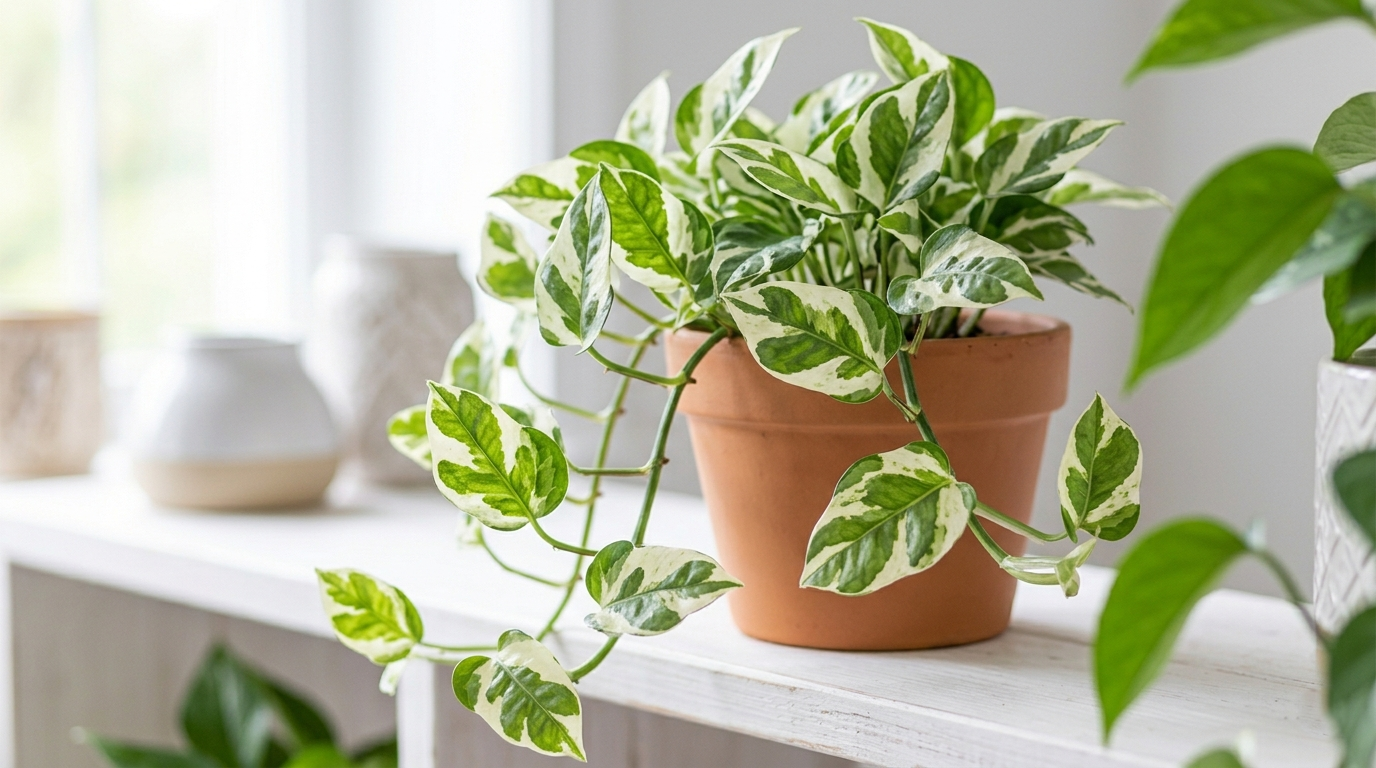
To ensure your Glacier Pothos thrives, it’s important to mimic its natural growing conditions as closely as possible. Here’s a breakdown of the ideal environment for this stunning plant.
Light Requirements
One of the best features of Glacier Pothos is its ability to adapt to various light conditions. However, to keep your plant looking its best, understanding its light preferences is key.
- Indirect Light: The Glacier Pothos thrives in bright, indirect light. This helps maintain its variegated leaves and promotes healthy growth. Place it near a window with sheer curtains or in a room with filtered sunlight.
- Low Light Tolerance: One of the reasons Glacier Pothos is so popular is its ability to tolerate low light conditions. It will still grow, but the variegation may become less pronounced, and the plant may become leggy over time.
- Avoid Direct Sunlight: Too much direct sunlight can scorch the delicate leaves of your Glacier Pothos. Always avoid placing it in direct sun, as the bright rays can lead to brown spots and leaf burn.
Temperature and Humidity
- Temperature Range: The Glacier Pothos prefers temperatures between 65°F and 85°F (18°C to 29°C). It can tolerate slightly cooler or warmer temperatures but should not be exposed to drafts or extreme fluctuations.
- Humidity: While Glacier Pothos is adaptable to various humidity levels, it thrives in moderate humidity. If your home is very dry, particularly in winter, you can increase humidity around the plant by placing a humidifier nearby or by placing the plant on a pebble tray filled with water.
Soil and Potting
- Well-Draining Soil: Glacier Pothos prefers well-draining, slightly acidic to neutral soil. A standard indoor potting mix works well, but you can add perlite or sand to improve drainage if needed.
- Pot Selection: Choose a pot that is 1-2 inches larger in diameter than the current root ball of your plant. Ensure that the pot has drainage holes to prevent water from accumulating at the bottom, which can lead to root rot.
How to Care for Glacier Pothos: A Step-by-Step Guide
Now that you know the ideal conditions for your Glacier Pothos, let’s look at how to care for it on a day-to-day basis.
Watering
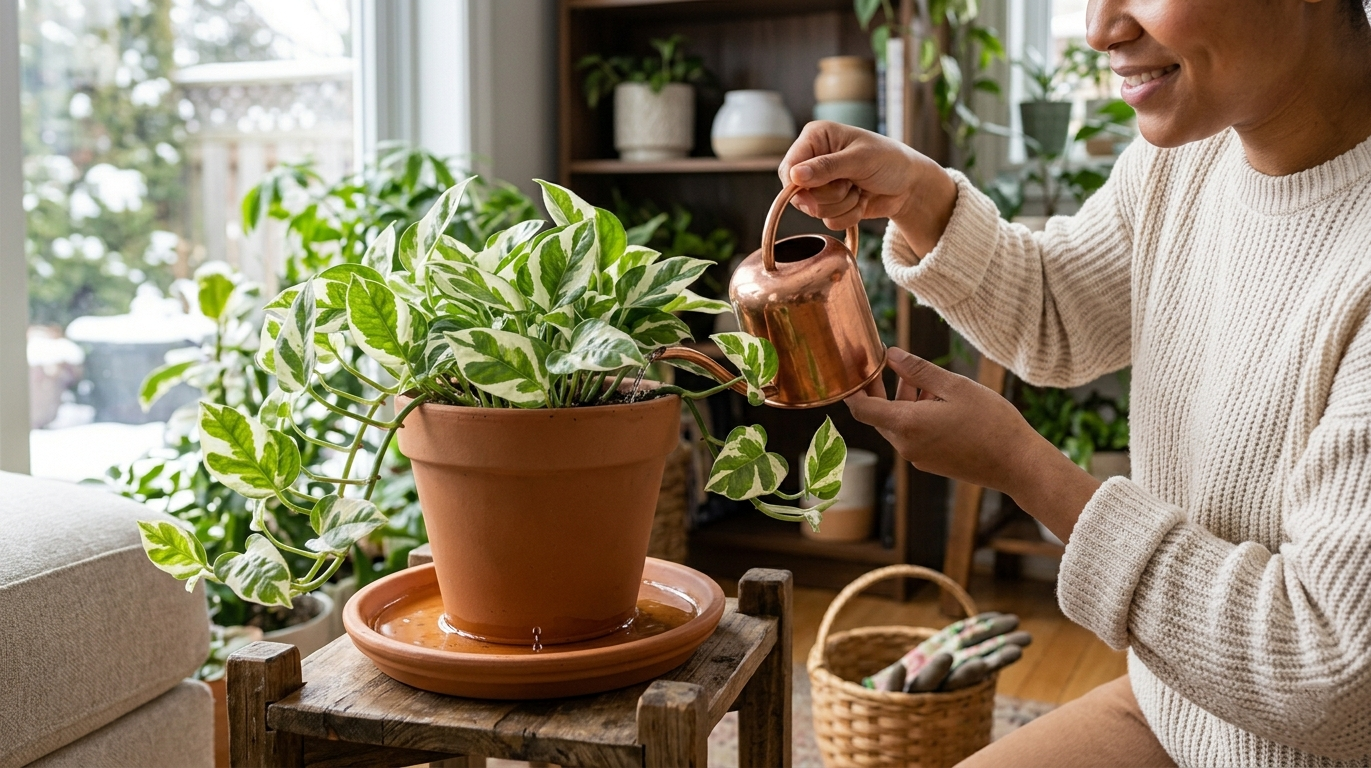
- When to Water: Glacier Pothos prefers to dry out a bit between waterings. To check if it’s time to water, insert your finger about an inch into the soil. If it feels dry, it’s time to water. If it still feels moist, wait another day or two.
- How Much Water: Water your Glacier Pothos thoroughly, ensuring that the water drains out of the bottom of the pot. This helps prevent root rot and ensures that the plant’s roots are getting the hydration they need.
- Signs of Overwatering or Underwatering:
- Overwatering: Yellowing leaves, wilting, and mushy stems can be signs of overwatering.
- Underwatering: If the leaves are wilting or curling, and the soil is bone dry, your plant may need more water.
Fertilization
- Feeding Schedule: Glacier Pothos is not a heavy feeder. You can fertilize it once a month during the growing season (spring and summer) with a balanced, water-soluble fertilizer. Reduce feeding in the fall and winter when the plant is dormant.
- What to Fertilize With: A balanced liquid fertilizer with an NPK ratio of 20-20-20 is a good choice. You can also use a slow-release fertilizer if you prefer to fertilize less frequently.
Pruning and Maintenance
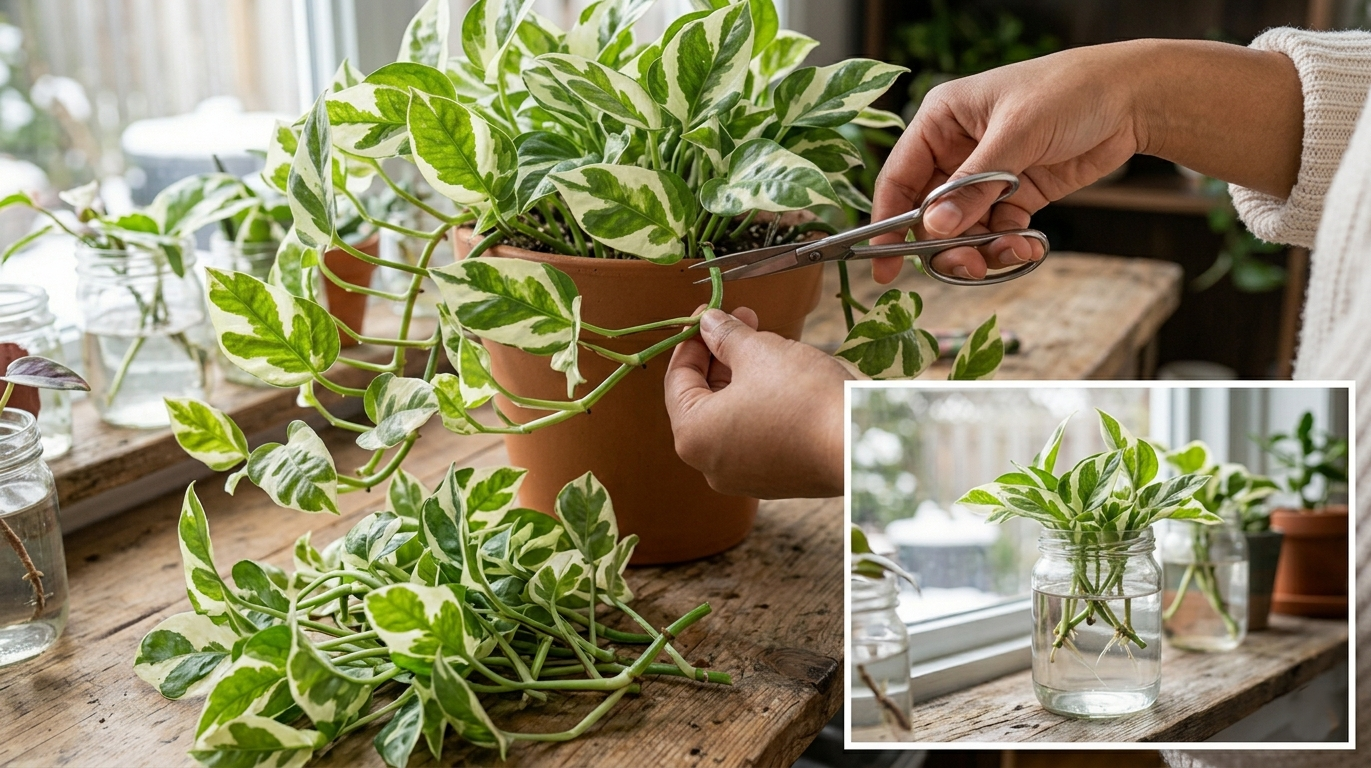
- Pruning for Shape: Pruning encourages a bushier plant and prevents it from becoming too leggy. Use clean, sharp scissors or pruning shears to trim back any overly long or unhealthy vines. Always cut just above a leaf node to encourage new growth.
- Climbing and Trailing: If you want your Glacier Pothos to trail, leave the vines to grow long and cascading. Alternatively, you can train it to climb a trellis or moss pole, which will help the plant grow more vertically.
Repotting
- When to Repot: Every 1-2 years, or when the roots become crowded in the pot, it’s time to repot your Glacier Pothos. Signs that it needs repotting include roots growing out of the drainage holes or the plant becoming top-heavy.
- How to Repot: Gently remove the plant from its current pot, trim any overgrown roots, and place it in a new pot that is just 1-2 inches larger in diameter. Add fresh, well-draining soil, and water the plant thoroughly after repotting.
Common Problems and How to Solve Them
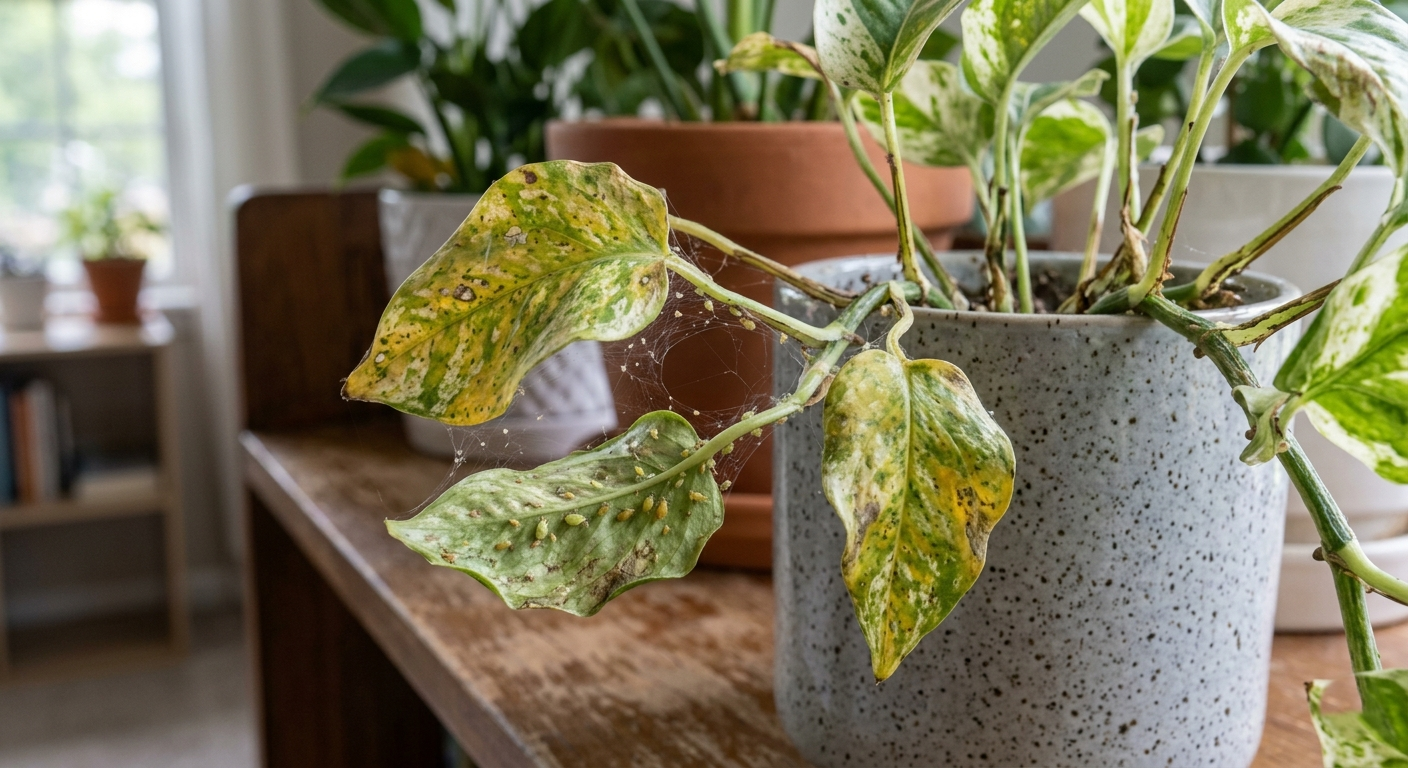
Even with the best care, your Glacier Pothos may encounter a few problems. Here’s how to identify and fix common issues.
Yellowing Leaves
- Cause: Overwatering, poor drainage, or too much direct sunlight.
- Solution: Check the soil moisture and adjust watering frequency. Move the plant to a location with indirect light, and make sure the pot has proper drainage.
Leggy Growth
- Cause: Insufficient light or too much time between prunings.
- Solution: Move the plant to a brighter location or consider supplementing with grow lights. Regularly prune back leggy stems to encourage fuller growth.
Pests
- Common Pests: Aphids, spider mites, and mealybugs.
- Solution: Regularly inspect your plant for pests, and treat with insecticidal soap or neem oil. You can also wipe down the leaves with a damp cloth to remove any pests.
Propagating Glacier Pothos: A Complete Guide
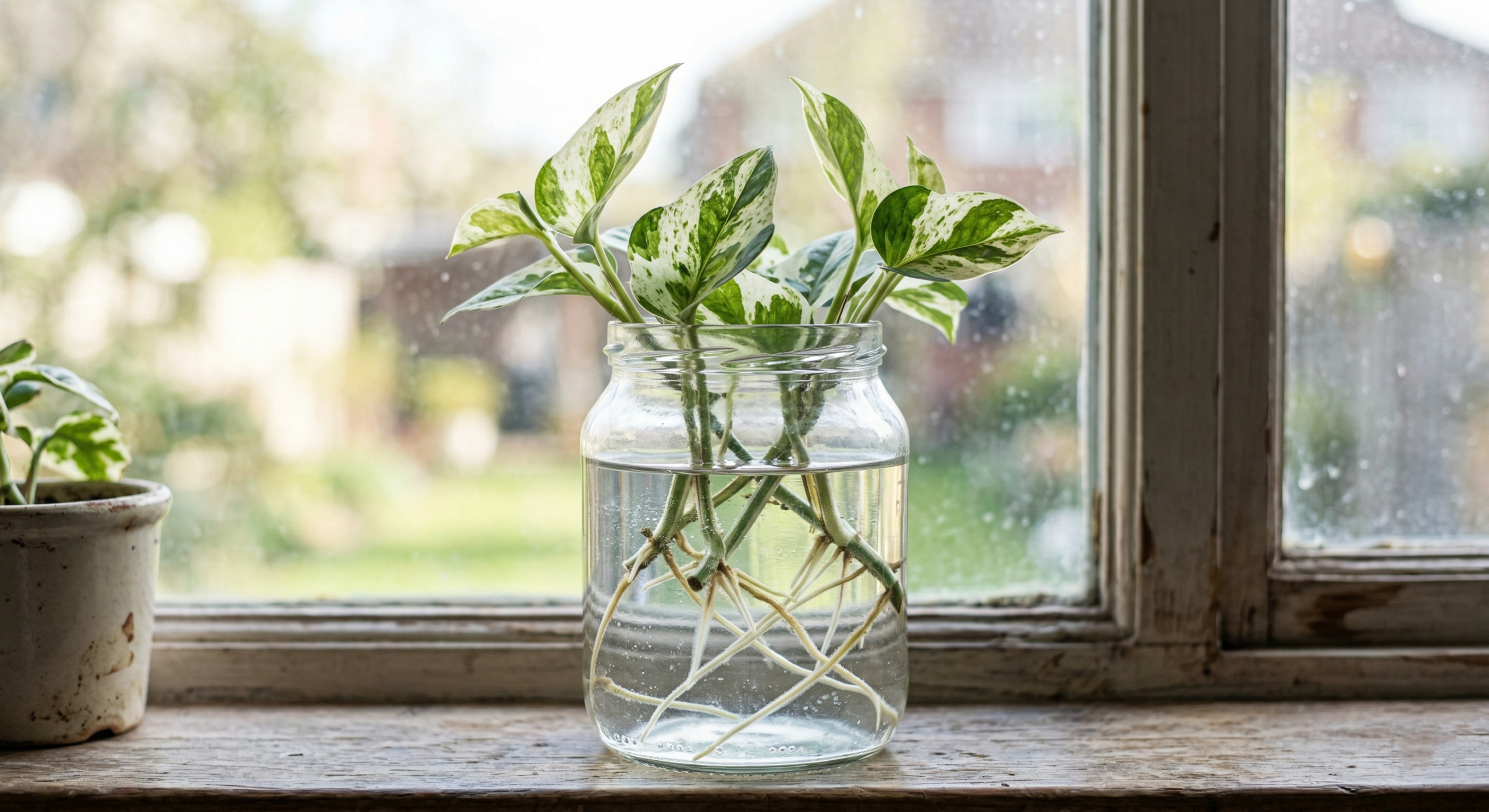
One of the joys of owning a Glacier Pothos is that you can propagate it to grow new plants. Propagation is easy and a great way to share the plant with friends or expand your indoor garden.
Propagation Methods
- Stem Cuttings in Water: Cut a healthy stem just below a leaf node, making sure to include at least 4 inches of stem. Place the cutting in a jar of water, ensuring that the nodes are submerged. Change the water every few days. After a few weeks, roots will begin to form.
- Propagation in Soil: You can also propagate Glacier Pothos in soil. Simply plant the cutting in a pot with moist, well-draining soil, and keep it in a warm, bright location. Water regularly, and within a few weeks, you should see new growth.
Advanced Care Tips from the Experts
Encouraging Variegation
To maintain the stunning variegated leaves of your Glacier Pothos, ensure it receives the right amount of light. Too little light can cause the plant to lose its variegation. Providing bright, indirect light will help the white and silver markings on the leaves stay vibrant.
Troubleshooting Growth Stagnation
If your Glacier Pothos isn’t growing as quickly as expected, consider whether it needs more light, a larger pot, or a bit of fertilizer to encourage faster growth.
Frequently Asked Questions (FAQs)
How Often Should I Water My Glacier Pothos?
Glacier Pothos thrives on a watering routine that allows its soil to dry out between waterings. Typically, you should water your plant every 7-10 days, but this can vary depending on the environmental conditions. In the summer, when the plant is actively growing, it may require more frequent watering, while in the winter, it will need less. Always check the soil moisture before watering—if the top 1-2 inches of soil are dry, it’s time to water. Avoid letting the plant sit in water to prevent root rot.
Can Glacier Pothos Survive in Low Light?
Yes, Glacier Pothos can survive in low light conditions, but it thrives best in bright, indirect light. While it is adaptable to lower light levels, its growth may slow down, and the variegation on its leaves might fade. If you’re keeping it in a room with low light, consider supplementing with a grow light to keep the plant healthy and vibrant. However, if you notice leggy growth, it’s a sign that the plant may need more light.
Why Are My Glacier Pothos Leaves Turning Yellow?
Yellowing leaves can be a sign of several issues. The most common causes include:
- Overwatering: This is the leading cause of yellowing leaves in Glacier Pothos. If the soil stays too wet for too long, it can cause the roots to rot. Ensure that the pot has proper drainage and that you’re allowing the soil to dry out between waterings.
- Underwatering: On the flip side, not watering enough can also cause leaves to turn yellow and dry out. Make sure you’re watering regularly based on the moisture in the soil.
- Nutrient Deficiency: Lack of essential nutrients, like nitrogen, can also lead to yellowing leaves. You may need to fertilize the plant during the growing season to promote healthier foliage.
- Pests: Sometimes, pests like aphids or spider mites can cause yellowing. Inspect the plant for any signs of pests and treat accordingly.
What Are the Best Pots for Glacier Pothos?
The best pots for your Glacier Pothos are those with adequate drainage, as this plant is susceptible to root rot. Look for pots that are 1-2 inches larger than the current root ball, allowing the plant to grow comfortably. Common materials for pots include terracotta, ceramic, and plastic, but ensure the pot has drainage holes to prevent water from accumulating at the bottom. Decorative pots are great for display, but always place a liner or saucer underneath to catch any excess water.
How Can I Make My Glacier Pothos Grow Faster?
To encourage faster growth in your Glacier Pothos, consider the following tips:
-
- Provide Ideal Lighting: While the plant tolerates low light, it grows fastest in bright, indirect light. Ensure your plant gets enough light to thrive.
- Regular Watering: Keep the soil evenly moist (but not soggy) by watering when the top inch of soil dries out. Consistent watering supports growth.
- Fertilization: Feed your plant with a balanced, water-soluble fertilizer during the growing season (spring and summer) every 4-6 weeks. Be sure to dilute the fertilizer to avoid overfeeding.
- Pruning: Regular pruning helps encourage bushier growth and prevents your plant from becoming too leggy. Trim back any long, unruly vines, and the plant will redirect energy into new growth.
- Humidity: Glacier Pothos benefits from a bit of extra humidity. Consider using a humidifier or placing the plant on a pebble tray if your home is particularly dry, especially during winter months.
Conclusion: Enjoying Your Glacier Pothos
With its stunning foliage and low-maintenance needs, the Glacier Pothos is a fantastic addition to any home. By following the care tips and guidelines outlined in this guide, you can ensure your plant thrives for years to come. Whether you’re a beginner or a seasoned plant parent, the Glacier Pothos will reward you with its beauty and easy-going nature.
Ready to bring some nature into your home? Start caring for your Glacier Pothos today and watch it flourish!