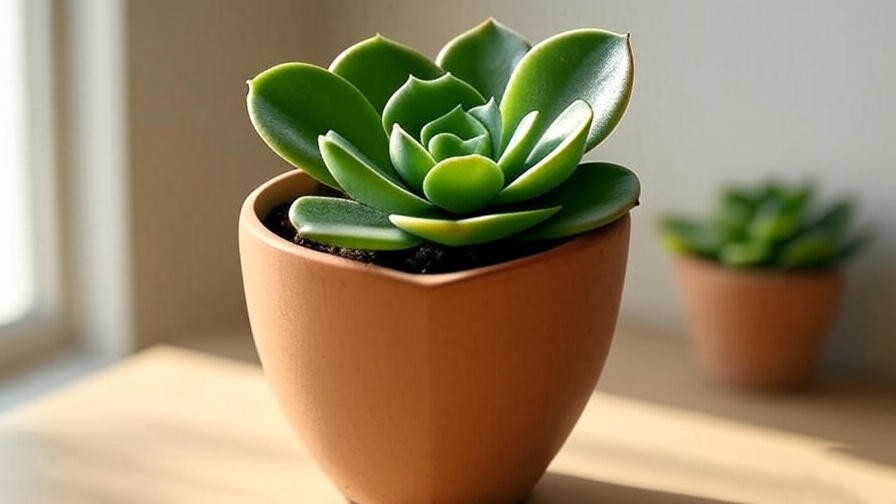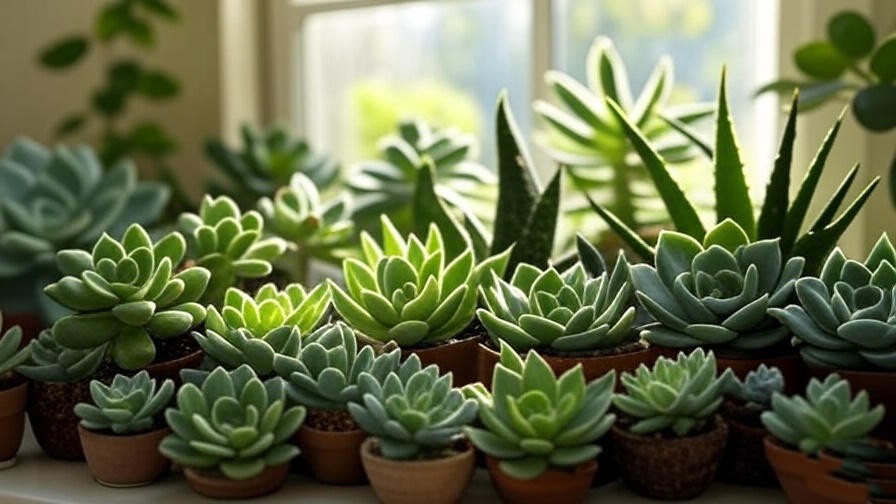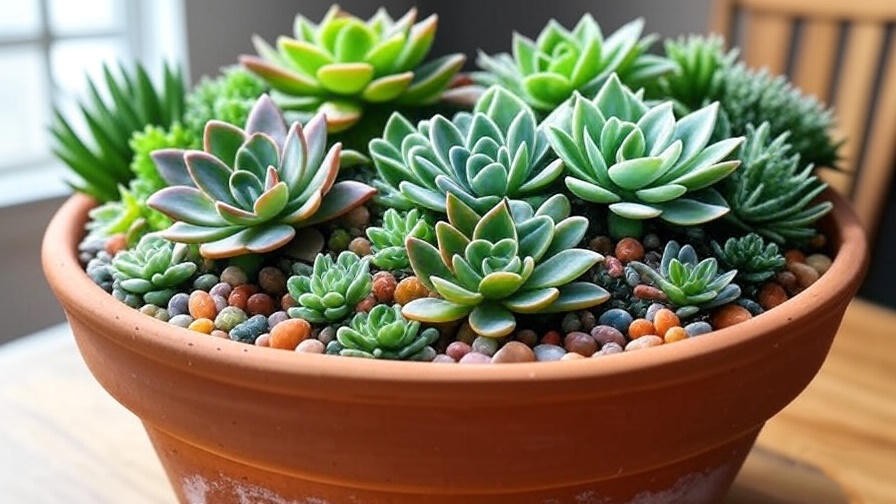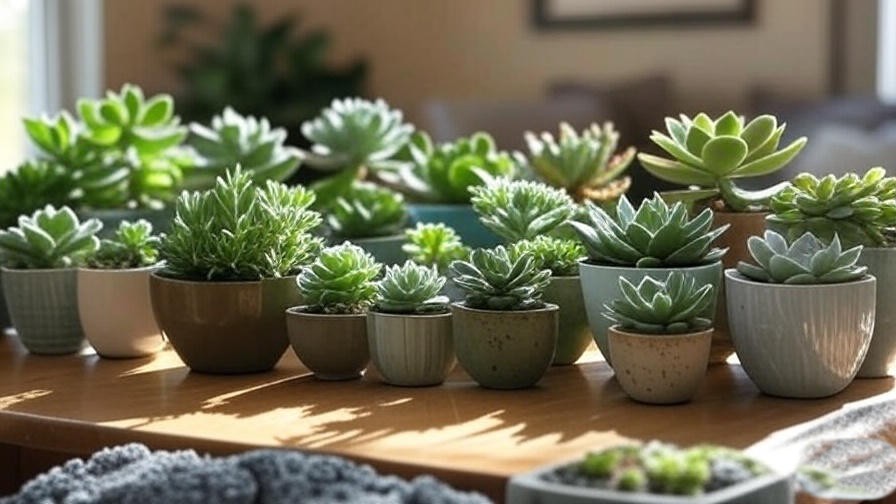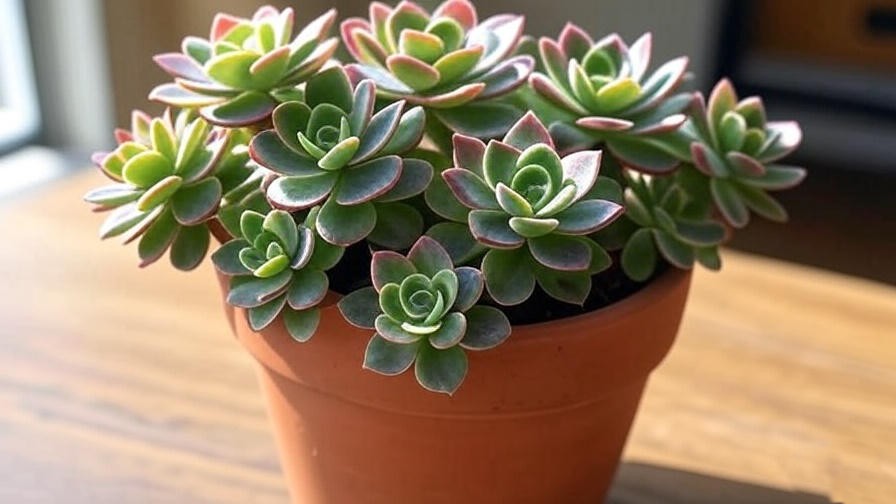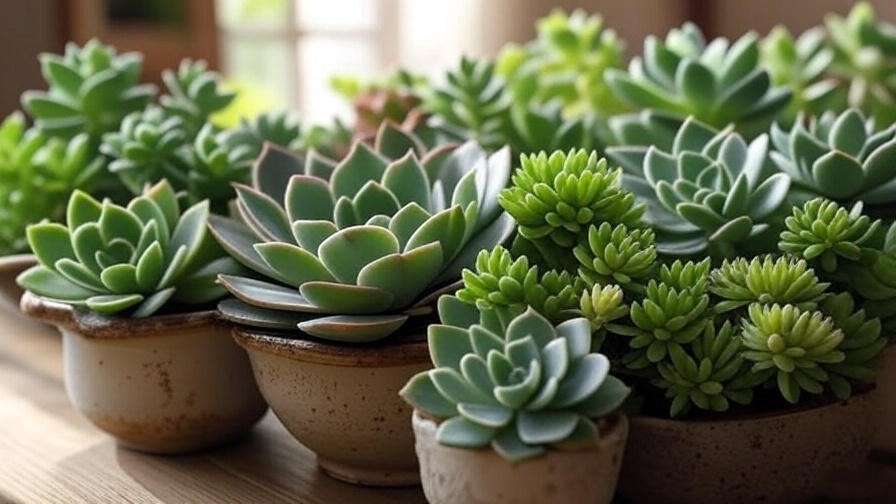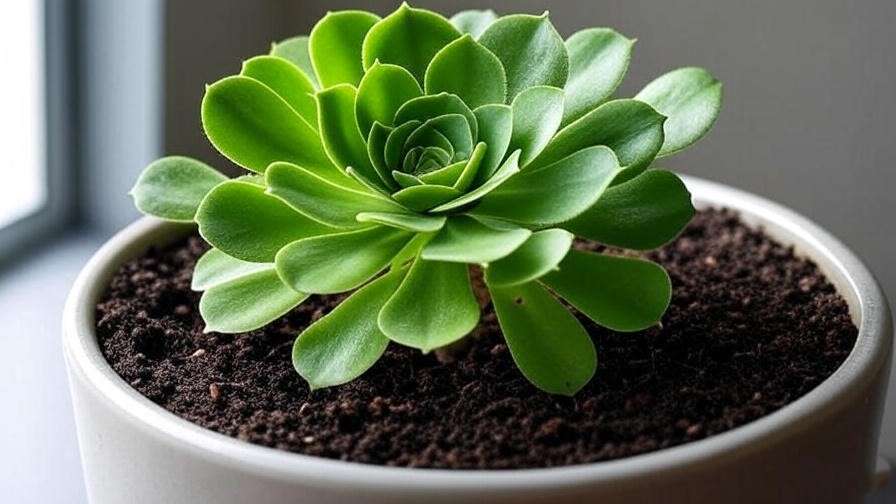

Imagine running your fingers over a plant so soft, it feels like velvet. That tactile comfort, paired with sculptural beauty, is what makes the fuzzy succulent plant one of today’s most sought-after indoor treasures. From the adorable Panda Plant to the whimsical Bear’s Paw, these soft-leaved succulents bring not only charm but also remarkable resilience — a rare blend of coziness and durability that appeals to both beginner and expert gardeners alike.
But fuzzy succulents aren’t just pretty faces. Their distinctive “fur” — tiny protective hairs called trichomes — serves an important biological purpose. These fine hairs shield the leaves from harsh sunlight, reduce water loss, and even deter pests. Understanding how these features work helps you care for them more effectively indoors.
In this comprehensive guide, we’ll explore everything you need to know about fuzzy succulent plant care — from choosing the right varieties and soil to mastering light, water, and propagation. Whether you’re designing a cozy windowsill garden or simply looking to add soft texture to your living room, this guide will ensure your fuzzy succulents thrive year-round.
What Is a Fuzzy Succulent Plant?
The Science Behind the Softness
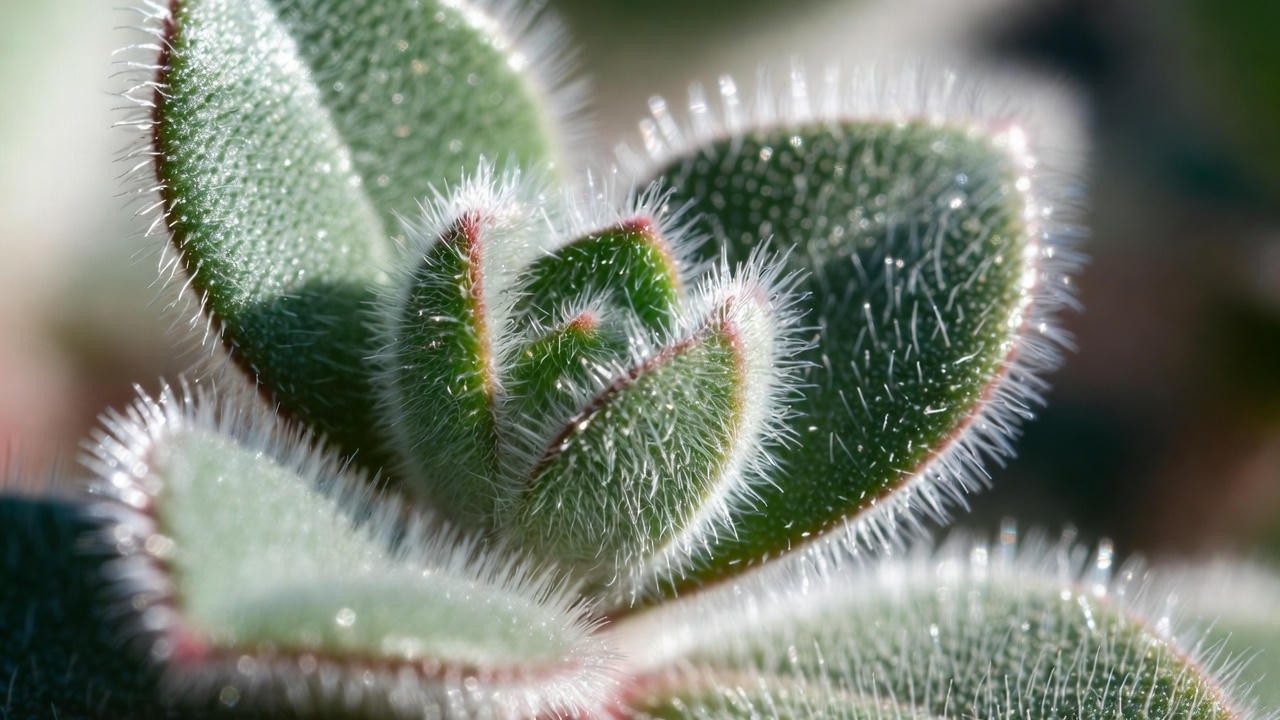
A fuzzy succulent plant is any succulent species with fine hairs or a soft coating on its leaves and stems. These tiny structures — known scientifically as trichomes — evolved to help the plants survive in extreme, arid conditions. The fuzz acts as a natural sunscreen, reflecting intense sunlight while trapping a thin layer of moisture around the leaf surface. This adaptation reduces water loss through evaporation, giving these plants their signature velvety appearance.
Many fuzzy succulents originate from rocky, semi-desert environments in Africa and South America. Indoors, these adaptations make them surprisingly resilient — as long as they’re not overwatered.
Why Fuzzy Succulents Are Perfect for Indoor Spaces
Besides their irresistible touch, fuzzy succulents are ideal for indoor gardeners because they:
-
Adapt well to bright, indirect light found near windows.
-
Require minimal watering, making them beginner-friendly.
-
Add cozy visual texture, softening modern or minimalist interiors.
-
Act as natural air purifiers, subtly improving indoor air quality.
Popular Types of Fuzzy Succulent Plants for Indoor Gardens
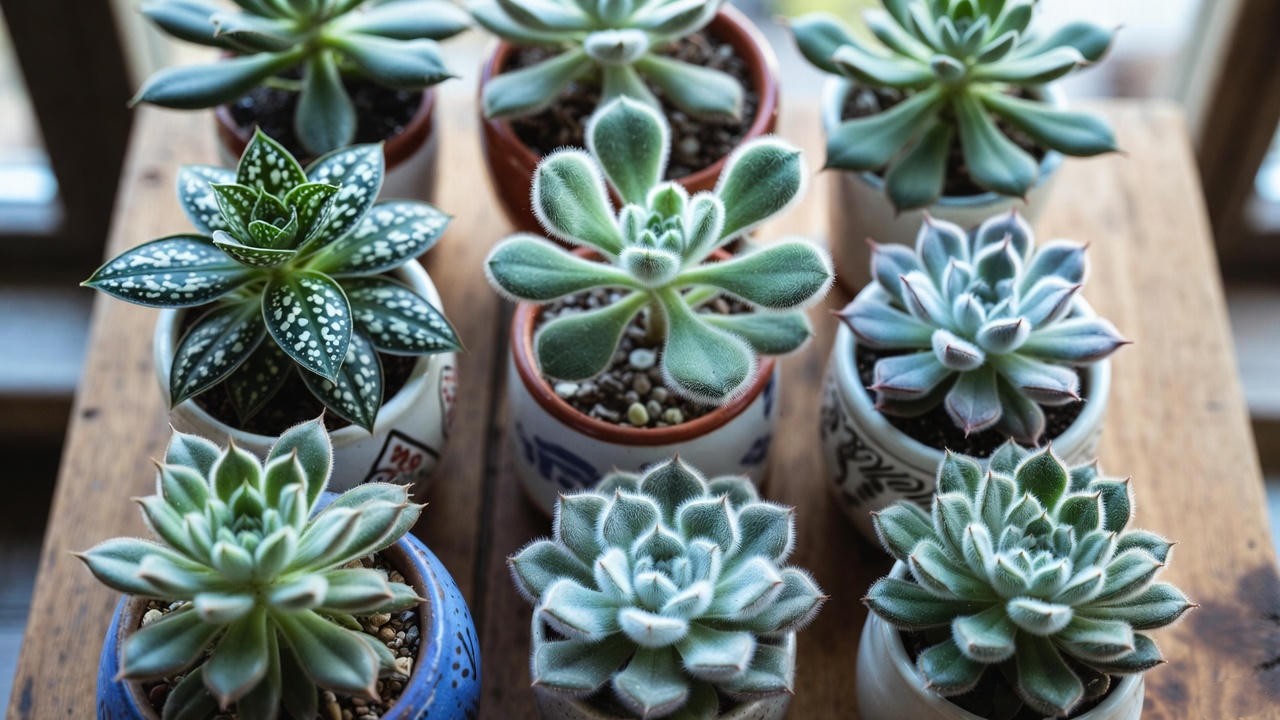
When choosing the best fuzzy succulent for your space, consider leaf shape, color, and growth habit. Here are the most beloved varieties that combine beauty, softness, and ease of care.
1. Kalanchoe tomentosa (Panda Plant)
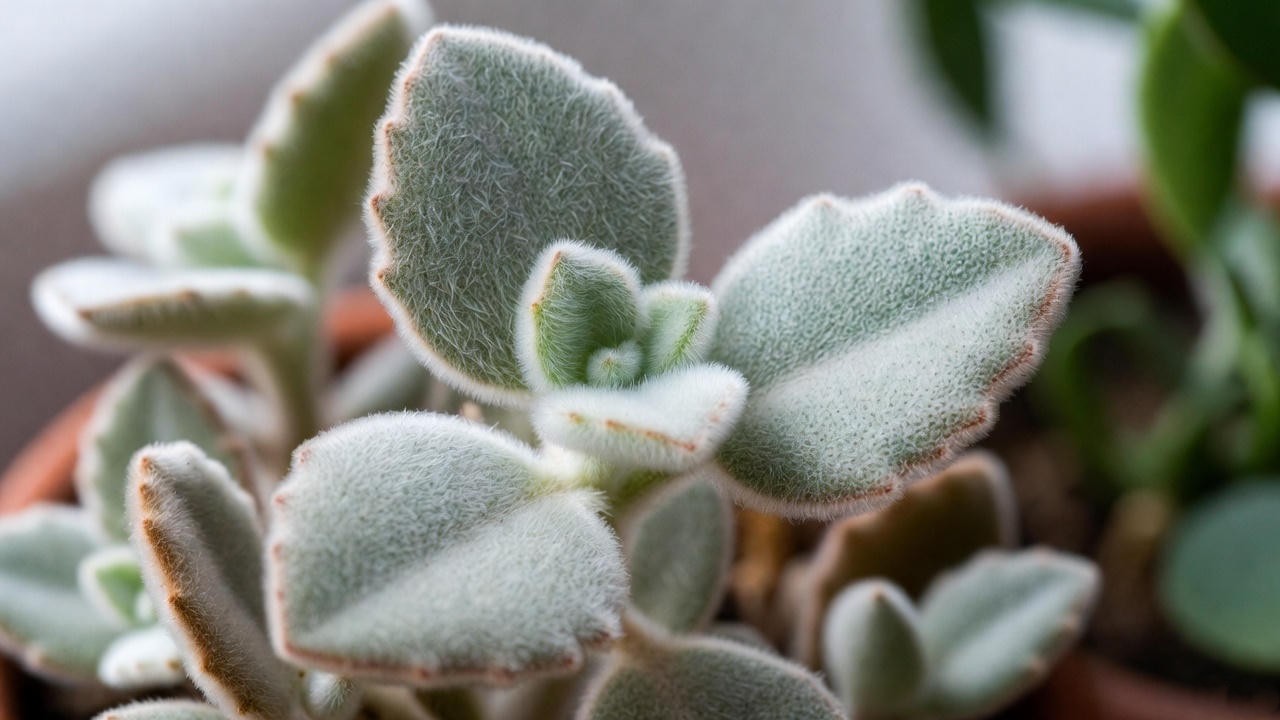
Perhaps the most recognizable fuzzy succulent, the Panda Plant features elongated gray-green leaves edged with chocolate-brown fuzz. Native to Madagascar, it’s compact and thrives on neglect — perfect for desktops or bright shelves.
-
Light: Bright, indirect sunlight
-
Water: Every 2–3 weeks
-
Unique trait: Fuzzy brown-edged leaves that resemble a panda’s fur
2. Echeveria ‘Doris Taylor’ (Woolly Rose)
A favorite among collectors, this Echeveria’s rosettes shimmer with silvery hairs that glisten under light. In spring, it produces striking orange-red blooms.
-
Light: Full to partial sunlight
-
Water: When soil is completely dry
-
Fun fact: The fine hairs make its surface appear dusted with frost.
3. Cotyledon tomentosa (Bear’s Paw)
A true crowd-pleaser, this fuzzy succulent’s plump, paw-shaped leaves are tipped with tiny red “claws.”
-
Light: Bright, indirect
-
Water: Once every 2–3 weeks
-
Warning: Overwatering can quickly lead to root rot
4. Senecio haworthii (Cocoon Plant)
Covered in thick white fuzz, the Cocoon Plant’s cylindrical leaves look as if they’re wrapped in silk. It’s a minimalist’s dream — stunning in geometric pots.
-
Light: Bright light or filtered sun
-
Water: Sparingly, only when soil is dry
5. Echeveria setosa (Mexican Firecracker)
This cheerful species features dense hair-like fuzz and produces brilliant red and yellow flowers.
-
Light: Full sun preferred
-
Water: Moderate; allow soil to dry between waterings
-
Bonus: Ideal for mixed succulent arrangements
6. Kalanchoe beharensis (Velvet Elephant Ear)
A bold architectural statement, this species has large, felt-like bronze leaves with dramatic folds. It can grow tall indoors, making it a striking focal point.
-
Light: Bright, indirect
-
Water: Deep watering only when soil is dry
-
Tip: Avoid touching too often — it can damage the velvety surface.
Quick Comparison Table
| Variety | Size | Light Needs | Watering Frequency | Distinctive Feature |
|---|---|---|---|---|
| Panda Plant | Small | Bright, indirect | Every 2–3 weeks | Brown-edged fuzzy leaves |
| Woolly Rose | Small to medium | Full sun | When dry | Silvery hair-like coating |
| Bear’s Paw | Medium | Bright, indirect | Every 2–3 weeks | Paw-shaped leaves |
| Cocoon Plant | Small | Bright light | When dry | Silky, cocooned texture |
| Mexican Firecracker | Small | Full sun | When dry | Red-yellow blooms |
| Velvet Elephant Ear | Large | Bright, indirect | Deep, occasional | Large felted leaves |
How to Grow Fuzzy Succulent Plants Indoors Successfully
Growing fuzzy succulents indoors isn’t difficult — but their fuzzy coating makes them slightly different from smooth-leaved varieties. Here’s how to keep them thriving year-round.
Choosing the Right Pot and Soil Mix
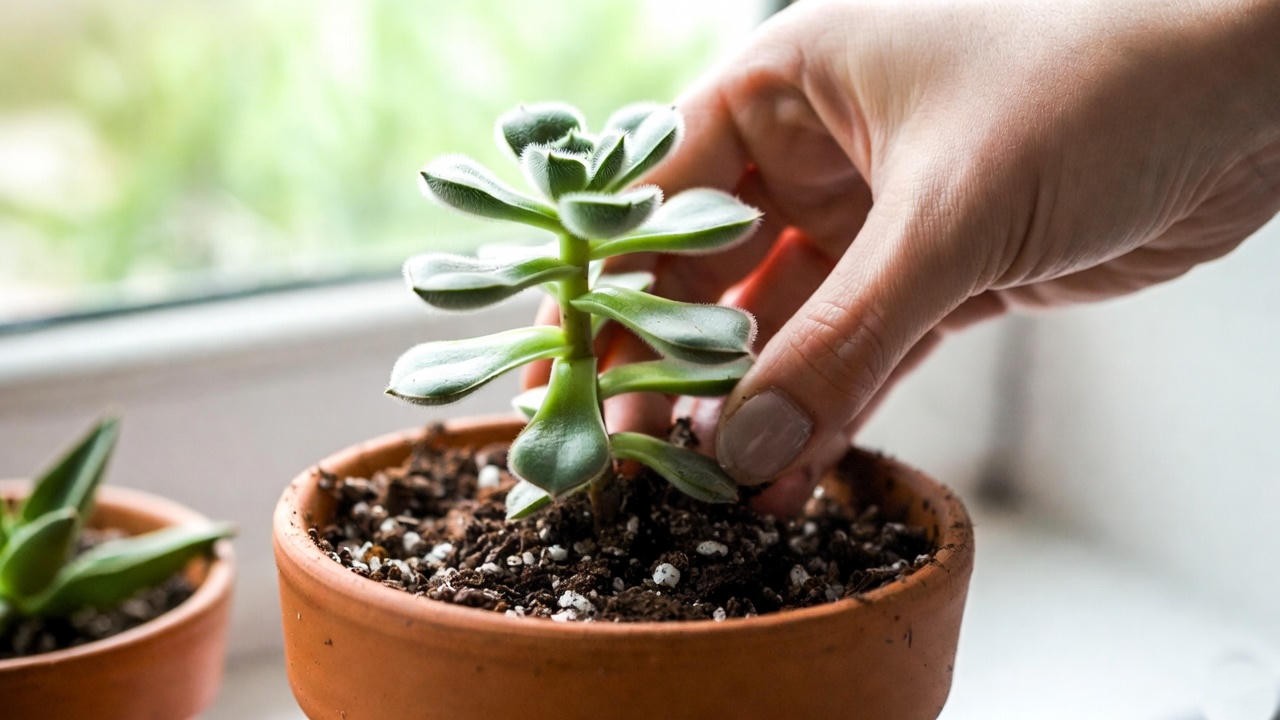
The foundation of healthy fuzzy succulents starts with excellent drainage. Their fine hairs trap moisture, which makes them slightly more prone to rot if soil stays wet for too long.
Best pot types:
-
Terracotta pots – naturally porous and promote airflow.
-
Ceramic pots with drainage holes – retain moisture slightly longer, suitable for drier climates.
Soil mix recommendation:
-
2 parts cactus or succulent mix
-
1 part perlite or pumice
-
Optional: a small amount of coarse sand for added texture
Avoid peat-heavy soils — they hold too much moisture and suffocate roots.
Light Requirements
Fuzzy succulents crave bright, indirect light. Their trichomes reflect sunlight, meaning they tolerate more light than smooth succulents — but intense, direct rays can still scorch delicate hairs.
Indoor lighting tips:
-
Place near south- or east-facing windows for 6+ hours of daily light.
-
If natural light is limited, supplement with LED grow lights.
-
Rotate pots weekly for even growth.
Signs of trouble:
-
Pale, stretched leaves (etiolation) = not enough light.
-
Brown or crispy patches = too much direct sunlight.
Watering Fuzzy Succulents the Right Way
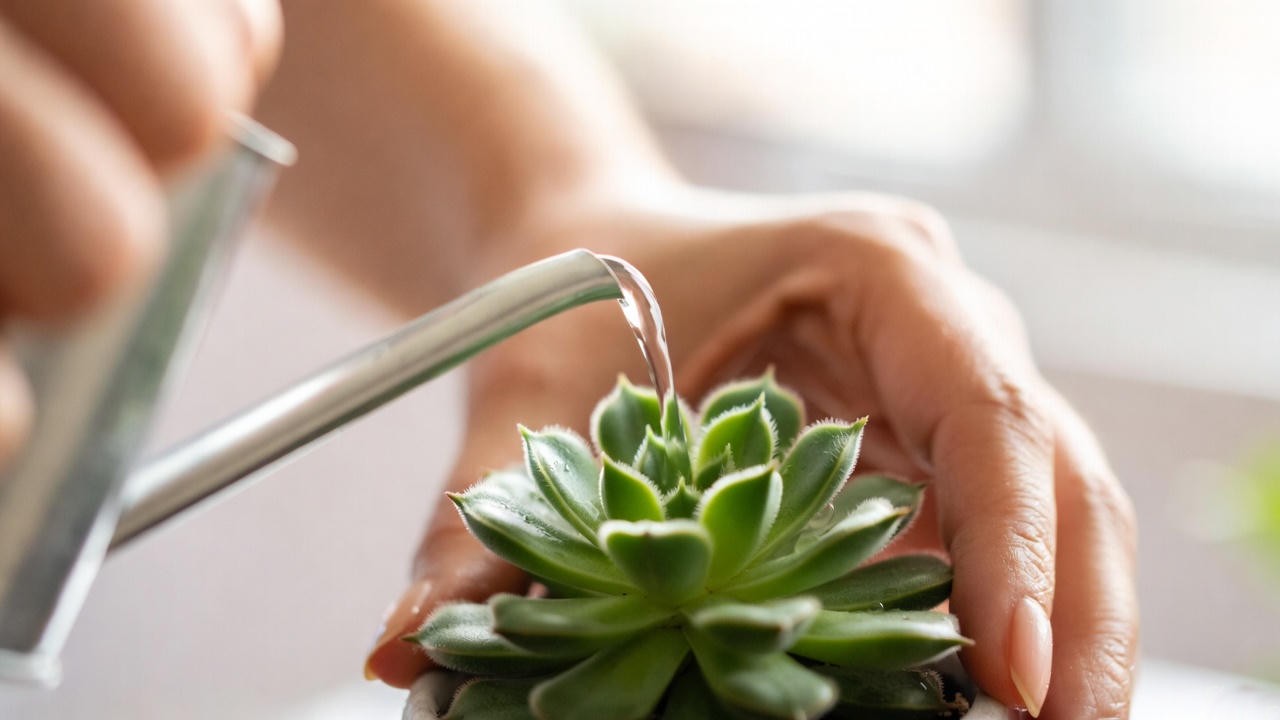
Overwatering is the number one killer of fuzzy succulents. Their hairy leaves hold moisture longer than you might expect.
Follow the “soak and dry” method:
-
Water thoroughly until it drains from the bottom.
-
Allow soil to dry completely before watering again.
-
Check soil moisture with your finger — it should feel bone dry at least an inch deep.
Avoid:
-
Misting the leaves — moisture trapped in fuzz can lead to fungus.
-
Leaving water in saucers or trays.
Temperature and Humidity Control
Most fuzzy succulents thrive in temperatures between 60°F and 80°F (16°C–27°C). They dislike cold drafts and excessive humidity.
-
Keep them away from heaters, vents, or overly humid bathrooms.
-
In winter, reduce watering and move them to a bright, cooler spot (around 60°F).
-
Avoid sudden temperature fluctuations — they can cause leaf drop.
Fuzzy succulents actually prefer low humidity — their native habitats are dry and airy. A dehumidifier or proper ventilation helps mimic those ideal conditions indoors.
Fertilizing Fuzzy Succulents
Feed your fuzzy friends only during active growing seasons — typically spring and summer.
-
Use a balanced, water-soluble fertilizer diluted to half strength.
-
Apply once every 4–6 weeks.
-
Avoid high-nitrogen fertilizers; they encourage weak, leggy growth.
Skip fertilization during fall and winter when the plant rests.
Propagation Guide — How to Multiply Your Fuzzy Succulent Plants
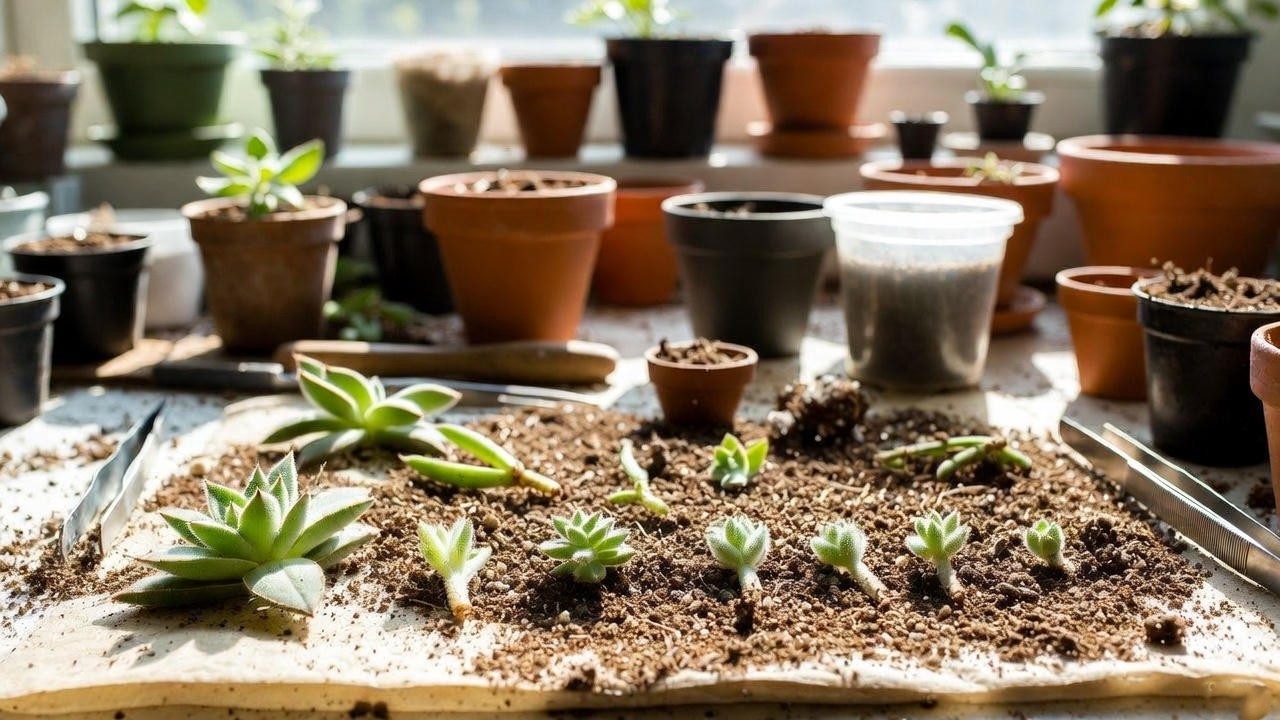
One of the most rewarding aspects of caring for a fuzzy succulent plant is that you can easily multiply your collection. With the right technique and patience, propagation can yield several new plants from a single parent specimen. Because fuzzy leaves are more delicate than smooth ones, gentle handling and proper drying time are essential.
Leaf Cutting Method (Step-by-Step)
-
Select a healthy leaf from the base of the plant. Avoid damaged or wrinkled leaves.
-
Twist gently — don’t pull. The goal is to detach the entire leaf cleanly from the stem.
-
Let it callous by leaving the leaf on a dry surface for 3–5 days. The cut end will form a protective seal.
-
Prepare your soil mix — light, airy, and slightly moist (not wet).
-
Lay the leaf flat on the soil surface — do not bury it.
-
Place in bright, indirect light and mist the soil occasionally (never the leaf).
-
After 2–3 weeks, tiny roots and baby rosettes should emerge. Once the new plant grows, gently separate it and re-pot.
Stem Cuttings and Offsets
Many mature fuzzy succulents naturally produce offsets or baby plants at their base. These can be easily removed and replanted.
How to propagate from offsets or stem cuttings:
-
Use sterilized scissors or pruning shears to cut a healthy stem or offset.
-
Let the cutting dry and callous for several days.
-
Plant the cutting in well-draining soil.
-
Water sparingly until roots establish (2–4 weeks).
Avoid excessive humidity during this period, as it can lead to rot.
Common Propagation Mistakes to Avoid
-
Overwatering: Newly cut sections need dryness to form roots.
-
Direct sun exposure: Strong light can scorch unrooted leaves.
-
Poor airflow: Always propagate in an airy, ventilated environment.
A good rule of thumb: if the propagation tray feels damp or musty, it’s too wet.
Common Problems and How to Fix Them
Even the most experienced growers occasionally encounter issues. Here’s how to diagnose and treat the most frequent problems with fuzzy succulents.
Overwatering and Root Rot
Symptoms: Mushy leaves, blackened roots, and a foul odor.
Solution:
-
Remove the plant from soil immediately.
-
Trim away all rotted roots with sterilized scissors.
-
Let the plant dry for 2–3 days before repotting in fresh, dry soil.
-
Resume watering only after two weeks.
Leaf Discoloration or Dropping
Causes:
-
Too much light causes bleaching or crispy edges.
-
Too little light leads to stretched, pale growth.
-
Sudden temperature changes can cause leaf drop.
Fungal Issues on Fuzzy Leaves
Because of their fine hairs, fuzzy succulents are prone to fungal spots if moisture sits on the leaves for too long.
Prevention tips:
-
Never mist the leaves — only water the soil.
-
Provide good airflow around plants.
-
Remove any decaying leaves at the base to prevent spore buildup.
Pest Control for Fuzzy Succulents
Common pests include mealybugs, aphids, and spider mites, which hide between the fine hairs.
Treatment plan:
-
Isolate the affected plant immediately.
-
Use a cotton swab dipped in rubbing alcohol to remove visible pests.
-
Spray a natural insecticidal soap or neem oil (avoiding leaf saturation).
-
Repeat every few days until pests are gone.
Styling Ideas — Decorating Your Home with Fuzzy Succulent Plants
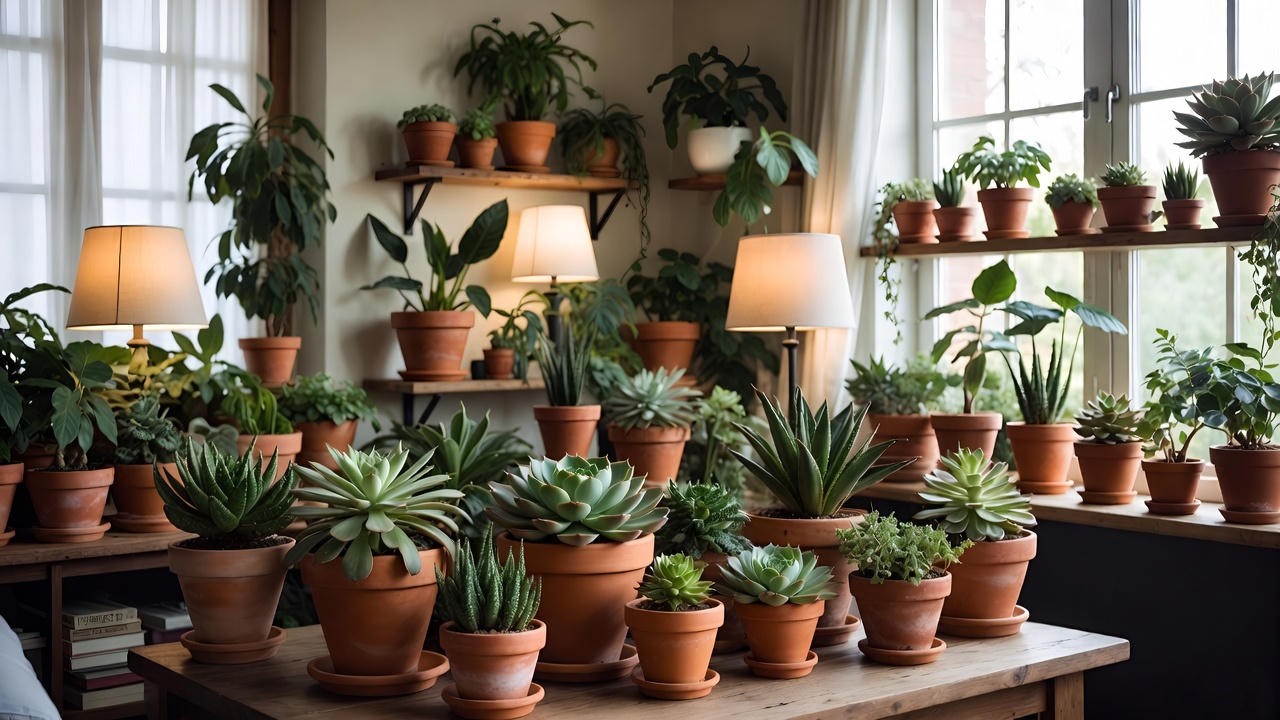
Beyond being low-maintenance, fuzzy succulents are aesthetic marvels. Their soft texture adds warmth to any interior — whether your style leans minimalist, bohemian, or modern rustic.
Cozy Corners and Plant Shelves
Use fuzzy succulents to add contrast to sharp decor lines or industrial textures.
-
Arrange them in clusters of varying sizes for a lush, layered look.
-
Pair with warm-toned pots or natural wooden trays to enhance their cozy vibe.
-
For smaller spaces, place a Panda Plant or Bear’s Paw on floating shelves or windowsills to draw the eye upward.
Best Companion Plants
Fuzzy succulents pair beautifully with:
-
Smooth-leaved succulents like Haworthia or Aloe for textural balance.
-
Trailing varieties such as String of Pearls or Burro’s Tail for vertical interest.
-
Cacti with contrasting shapes to emphasize diversity.
Potting Aesthetic Tips
The right pot enhances a fuzzy succulent’s charm.
-
Matte terracotta or neutral ceramics complement the soft fuzz.
-
Avoid glossy finishes, which can distract from the plant’s texture.
-
Use minimalist white pots for modern interiors or handmade stoneware for rustic styles.
-
Layer small pebbles or sand on top of the soil for a clean, finished look.
Seasonal Care Calendar for Fuzzy Succulent Plants
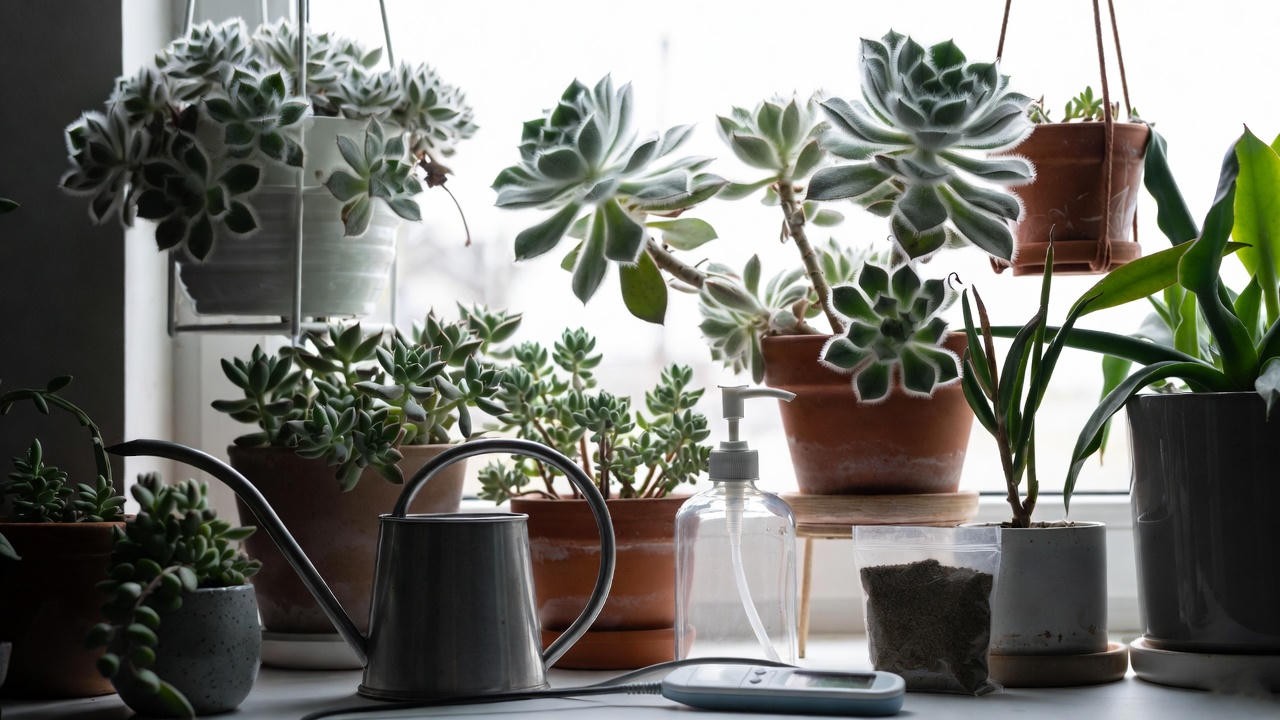
Keeping your fuzzy succulents happy year-round means adjusting care slightly with each season.
| Season | Tasks | Watering Frequency | Notes |
|---|---|---|---|
| Spring | Growth season – start fertilizing lightly | Every 1–2 weeks | Ideal time for propagation |
| Summer | Peak growth – increase airflow | Every 2 weeks | Watch for heat stress |
| Fall | Slowdown – reduce feeding | Every 3 weeks | Rotate plants for even light |
| Winter | Dormancy – minimal water | Once a month | Keep in bright, cool location |
Expert Tips for Long-Term Health and Growth
As someone who’s worked with succulents professionally for years, I’ve seen one key truth: the secret to thriving fuzzy succulents isn’t effort — it’s consistency.
Here are some expert-proven habits to adopt:
-
Inspect weekly for early signs of pests or stress.
-
Clean leaves gently with a soft, dry brush to remove dust.
-
Avoid repotting too often — every 2–3 years is sufficient.
-
Observe your plant’s fuzz density — thicker fuzz often signals good light exposure and health.
-
Use rainwater or distilled water if possible; hard water can leave mineral marks on the fuzzy surface.
Frequently Asked Questions (FAQs)
1. What makes a succulent fuzzy?
A fuzzy succulent plant has fine hair-like structures, called trichomes, covering its leaves and stems. These trichomes protect the plant from harsh sunlight, reduce water loss, and help it retain moisture in arid environments. They also give the plant its soft, velvety texture — a trait that appeals to both gardeners and interior design enthusiasts.
2. Are fuzzy succulents pet-safe?
Some fuzzy succulents, such as Kalanchoe tomentosa (Panda Plant) and Kalanchoe beharensis, can be toxic to cats and dogs if ingested. Always verify the species before introducing them into pet-friendly spaces. If you have curious pets, opt for non-toxic options like Echeveria setosa (Mexican Firecracker) or place plants on elevated shelves out of reach.
3. Can fuzzy succulents survive in low light?
While fuzzy succulents tolerate bright, indirect light best, some can adapt to medium light conditions. However, prolonged low light causes etiolation — stretching and pale, weak growth. For north-facing rooms or offices, use LED grow lights to simulate sunlight for at least 6 hours a day.
4. How often should I mist or clean fuzzy leaves?
You should never mist fuzzy succulents. The fine hairs trap moisture, increasing the risk of fungal infections. Instead, clean gently with a soft, dry brush or compressed air bulb to remove dust. If water spots appear, wipe carefully with a barely damp microfiber cloth and dry immediately.
5. What’s the difference between fuzzy and waxy succulents?
-
Fuzzy succulents use trichomes for protection — soft and velvety to the touch.
-
Waxy succulents have a smooth, protective coating called the cuticle, which gives them a glossy appearance and helps repel water.
Both serve the same function (moisture control), but fuzzy varieties offer a unique tactile appeal and visual warmth.
Conclusion: The Joy of Growing Fuzzy Succulent Plants Indoors
There’s something undeniably comforting about caring for a fuzzy succulent plant. These soft, velvety species bring both serenity and life to indoor spaces, transforming ordinary corners into tranquil green sanctuaries. Their combination of low maintenance, stunning textures, and fascinating biology makes them perfect for anyone — from first-time plant parents to experienced collectors.
By following the care principles outlined here — proper lighting, well-draining soil, mindful watering, and consistent observation — your fuzzy succulents will flourish for years to come.
Whether you choose the playful Bear’s Paw, the elegant Woolly Rose, or the sculptural Velvet Elephant Ear, these plants remind us that nature’s resilience can also be incredibly gentle to the touch.
So go ahead — add a touch of softness to your home. Your next favorite houseplant might just be the one you can’t resist reaching out to feel.