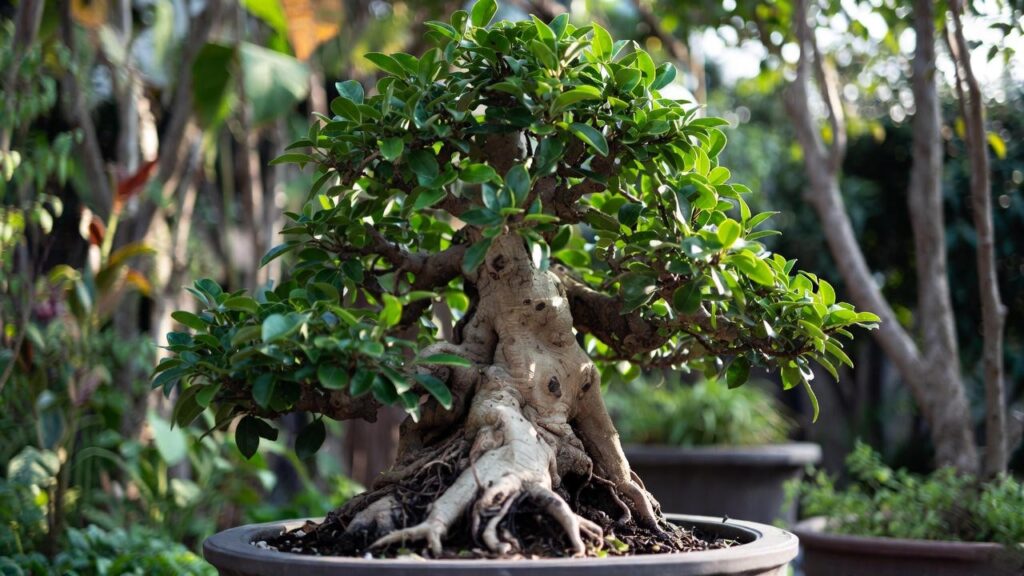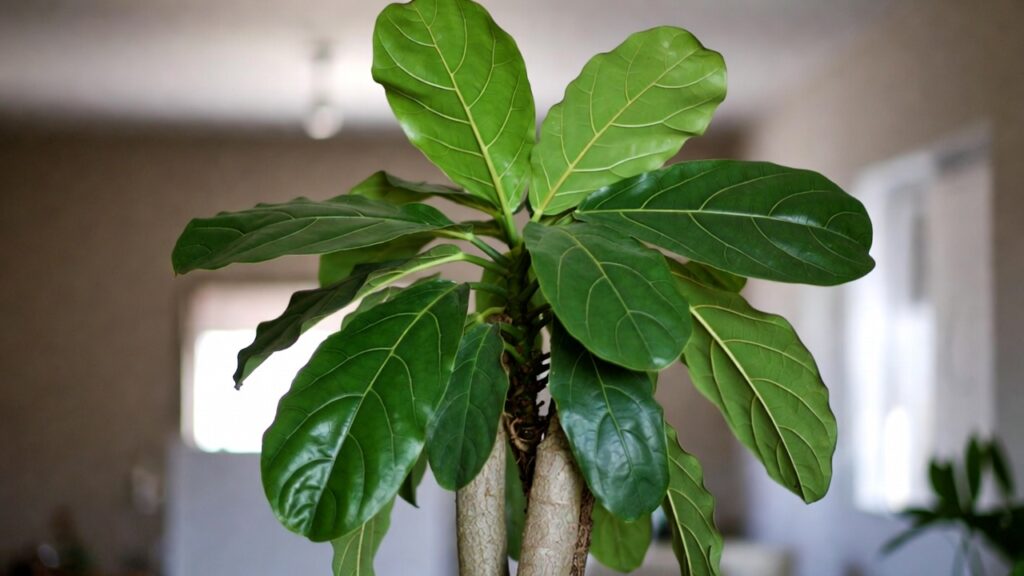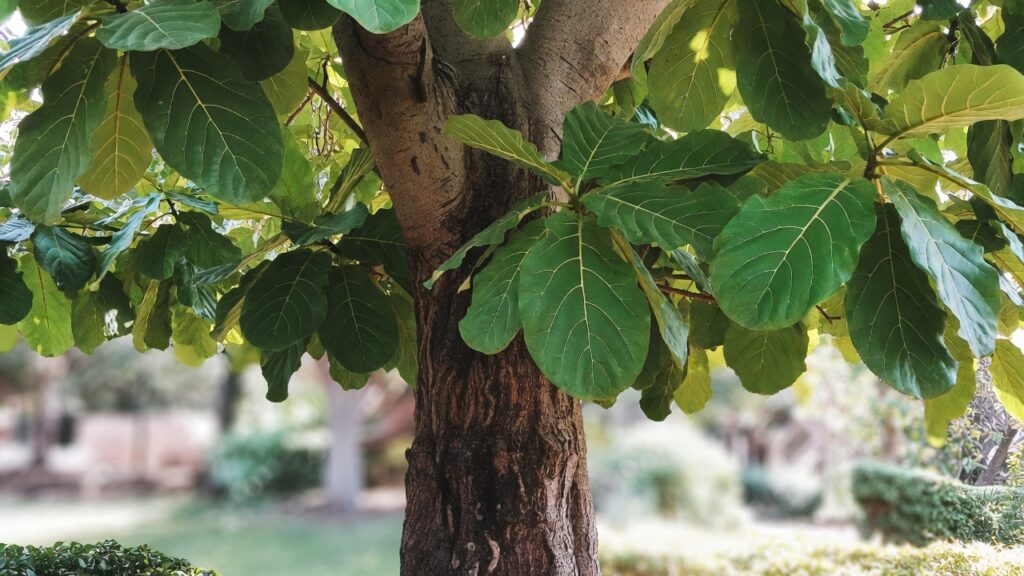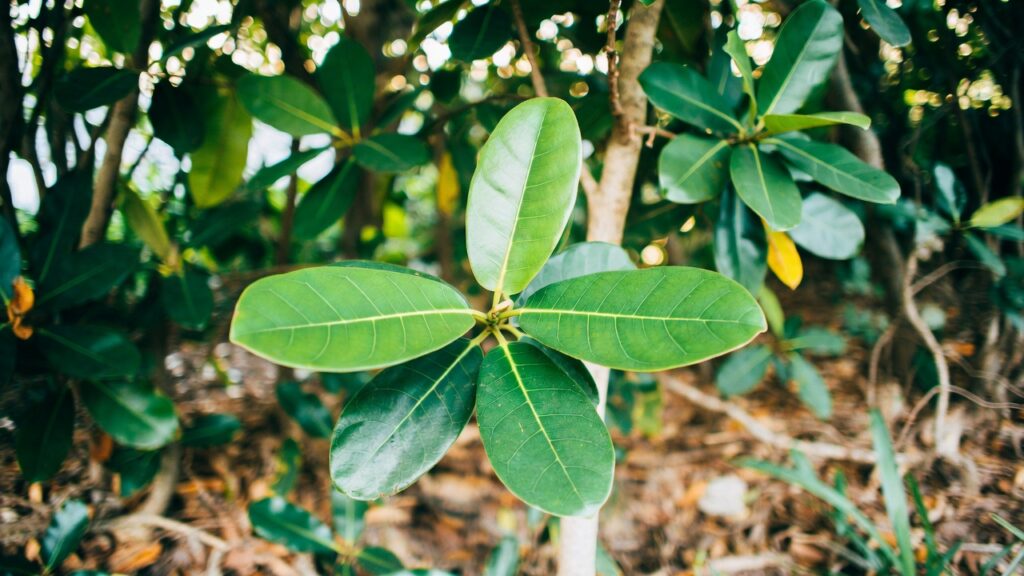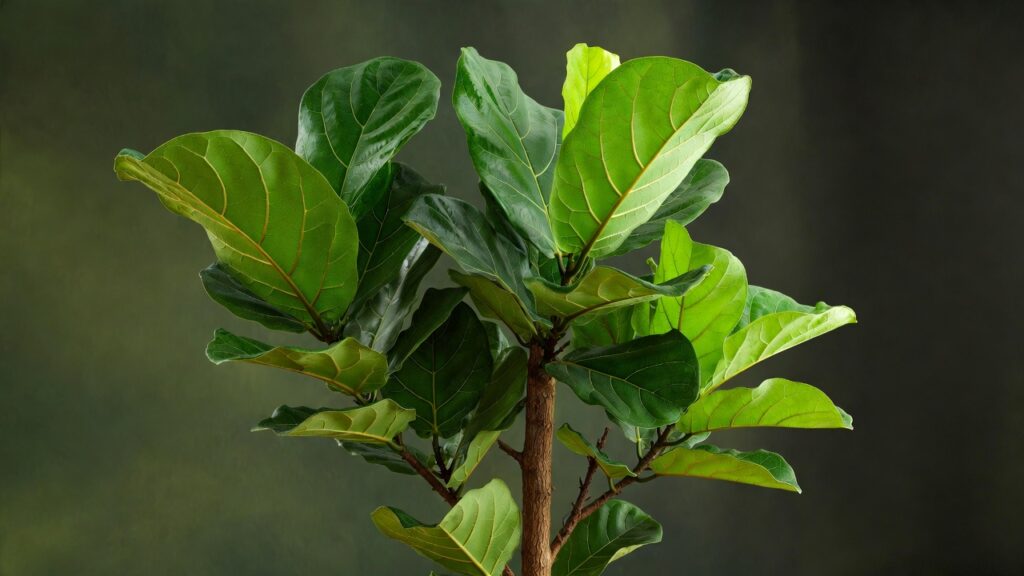
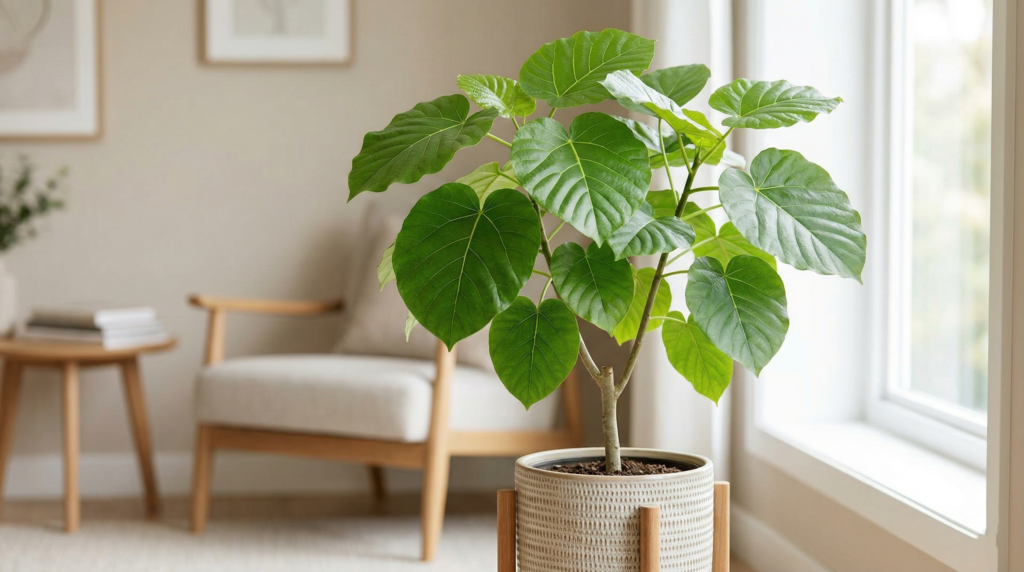
Ficus Umbellata, also known as the umbrella tree, is quickly becoming a favorite indoor plant for many plant lovers. With its large, glossy, vibrant green leaves and ability to thrive indoors, it’s no wonder this beautiful plant has taken homes by storm. Whether you’re a seasoned plant enthusiast or a beginner, caring for a Ficus Umbellata can be incredibly rewarding. Not only does it enhance your indoor space, but it also offers benefits like air purification and a calming presence in any room.
However, like any plant, it requires the right care to thrive. In this comprehensive guide, we’ll walk you through everything you need to know about Ficus Umbellata care—from light and watering requirements to common issues and expert tips for promoting its growth. If you’re ready to ensure your Ficus Umbellata flourishes, this guide has got you covered!
Understanding Ficus Umbellata: A Beautiful, Low-Maintenance Indoor Plant
What is Ficus Umbellata?

Ficus Umbellata, often called the umbrella tree due to its distinct leaf shape, is part of the Ficus family, which includes other popular plants like Ficus elastica (rubber plant) and Ficus benjamina (weeping fig). Native to tropical regions, particularly in Africa, Ficus Umbellata is known for its large, glossy, and deep green leaves that radiate from a central stem, resembling an umbrella shape.
This plant can grow quite large in its natural habitat, but when grown indoors, it remains a manageable size that still makes a significant impact on home décor. It’s also appreciated for its tolerance to a variety of lighting conditions, making it perfect for homes with less natural light.
Why Ficus Umbellata Makes the Perfect Indoor Plant
Ficus Umbellata is ideal for indoor spaces for several reasons:
- Aesthetic Appeal: The bold, lush leaves of the Ficus Umbellata add a touch of elegance to any room. Its upright growth and large foliage create an attractive focal point.
- Air Purification: Like many houseplants, Ficus Umbellata is effective at purifying indoor air, removing toxins and increasing humidity levels.
- Low Maintenance: Unlike other more demanding houseplants, the Ficus Umbellata is relatively low-maintenance once its basic needs are met. It can adapt to a range of indoor conditions, making it a great choice for both beginners and experienced plant owners.
- Adaptable: Whether placed near a window or in a dim corner, this plant has the ability to thrive in a variety of environments, making it a versatile choice for different spaces.
Ficus Umbellata Care: Everything You Need to Know
Light Requirements
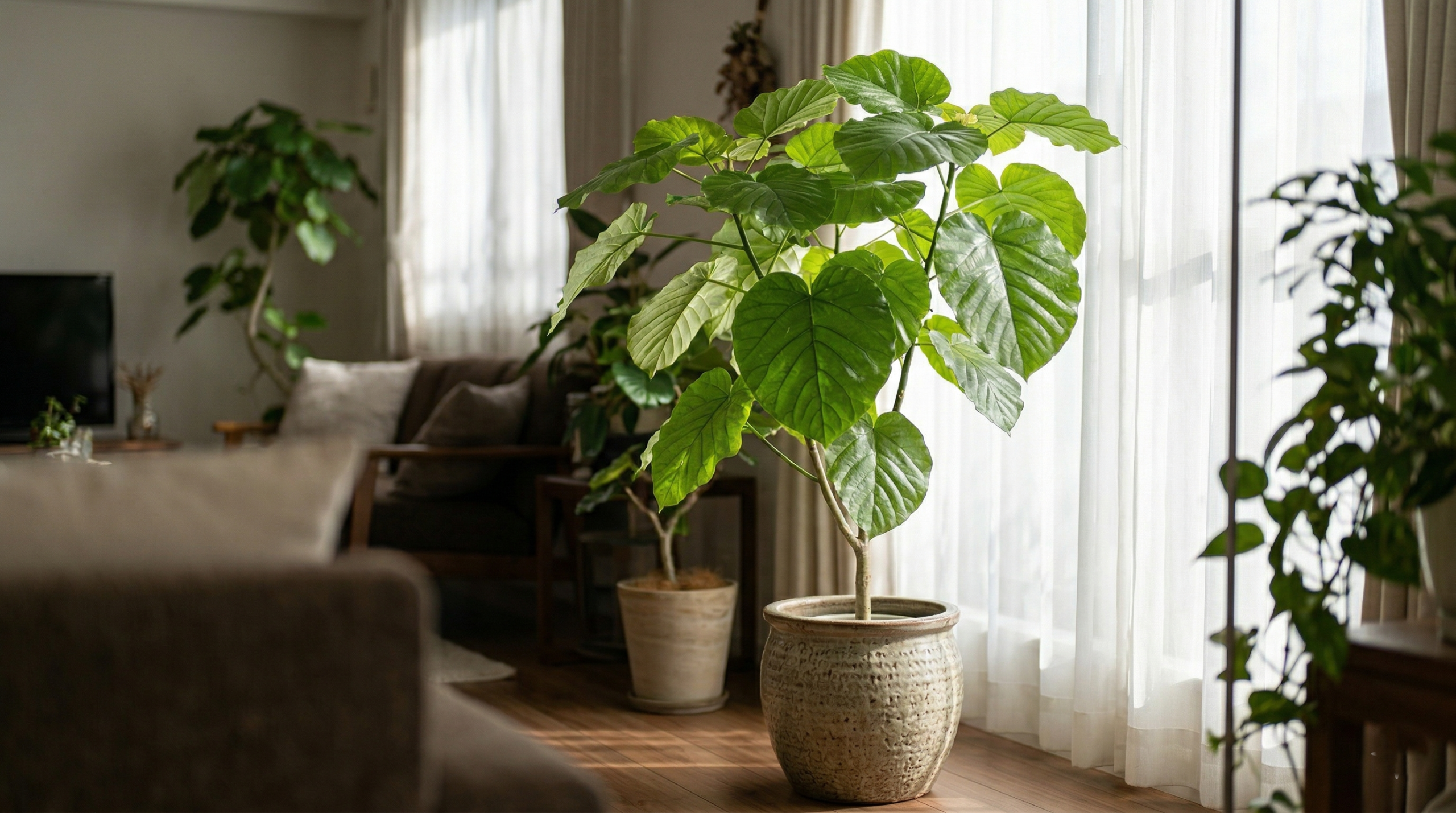
One of the most critical factors in successfully growing a Ficus Umbellata is providing the right amount of light. This plant thrives in bright, indirect light but can also tolerate lower light conditions, though it will grow slower.
- Ideal Light: Place your Ficus Umbellata near a bright window with filtered sunlight, but avoid direct sun exposure, as this can scorch its leaves.
- Low Light Tolerance: While Ficus Umbellata can survive in low-light environments, its growth may slow down, and the leaves may become less vibrant. A north-facing window or a spot away from direct sunlight works well.
- Signs of Incorrect Light:
- Too much light: Leaves will show signs of scorching or browning edges.
- Too little light: Growth becomes leggy, with sparse leaves.
Temperature and Humidity Needs
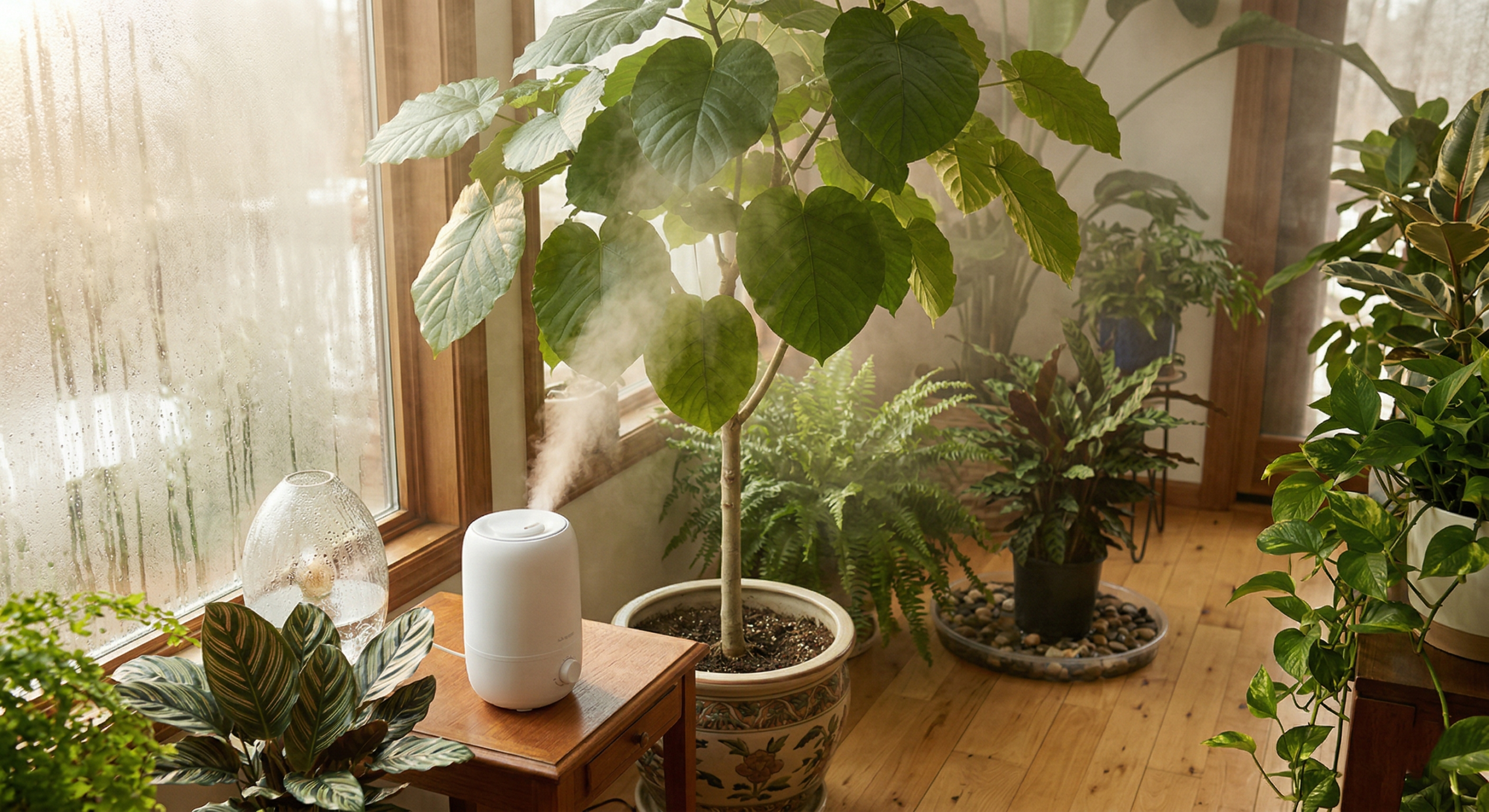
Ficus Umbellata is a tropical plant and prefers warm, humid environments.
- Ideal Temperature: The best temperature range for this plant is between 60°F and 75°F (16°C to 24°C). It is sensitive to sudden temperature changes and drafts, so avoid placing it near air conditioners or heaters.
- Humidity: Ficus Umbellata thrives in humid conditions, and the drier air of most homes can be detrimental. To keep your plant happy:
- Increase humidity by placing a humidity tray under the plant, using a humidifier, or regularly misting its leaves (but avoid over-wetting the leaves to prevent fungal issues).
- Alternatively, place the plant in a naturally more humid area of the home, such as a bathroom with a window or a kitchen with moderate moisture.
Watering Ficus Umbellata
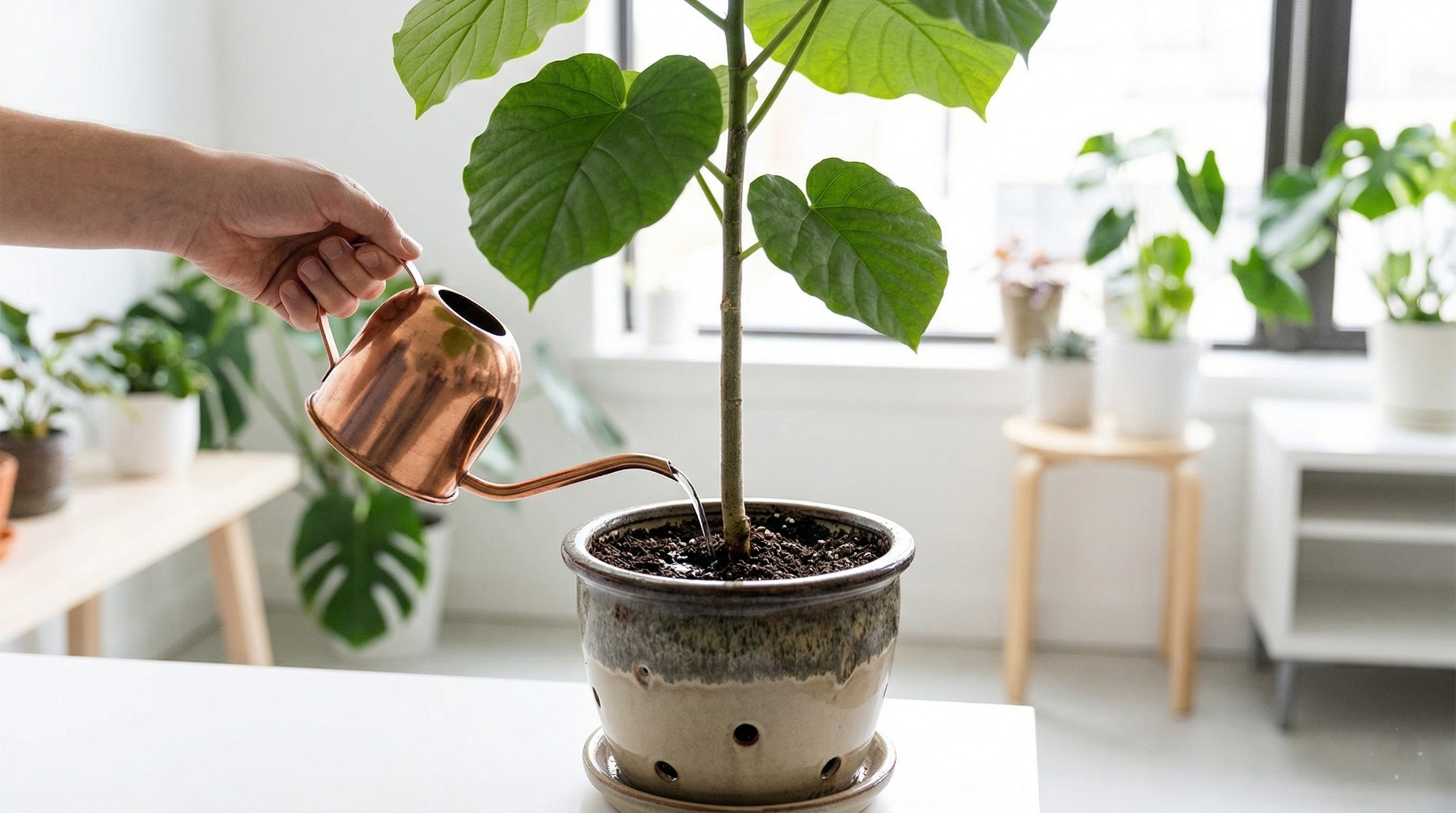
Proper watering is one of the most important aspects of Ficus Umbellata care, and it’s essential to strike a balance between under-watering and over-watering.
- Watering Frequency: Water your Ficus Umbellata when the top 1-2 inches of soil feel dry. Typically, this means watering every 7 to 10 days during the growing season (spring and summer) and less frequently in the dormant winter months.
- Watering Tips:
- Always check the soil moisture before watering to avoid overwatering, which can lead to root rot.
- Use room temperature water to avoid shocking the roots.
- Ensure the pot has good drainage to prevent water from accumulating at the bottom.
- Signs of Overwatering: Yellowing leaves, mushy stems, and root rot are common symptoms of too much water.
- Signs of Underwatering: Dry, crispy leaves and leaf drop are typical of a thirsty Ficus Umbellata.
Soil and Potting Needs
Ficus Umbellata prefers a well-draining potting mix to keep its roots healthy and free from waterlogging.
- Soil Type: A light, well-draining soil mix is ideal. You can use a general indoor plant mix combined with perlite or coarse sand to ensure proper drainage.
- Repotting: As Ficus Umbellata grows, it will eventually need repotting. Repot every 1-2 years, or when the plant outgrows its current pot.
- Choose a pot that’s 1-2 inches larger in diameter than the current one.
- Ensure the new pot has adequate drainage holes to prevent root rot.
Fertilization and Feeding: Keeping Your Ficus Umbellata Healthy
Best Fertilizers for Ficus Umbellata
Ficus Umbellata benefits from regular feeding during the growing season (spring and summer) to promote healthy growth.
- Fertilizer Types: Use a balanced, water-soluble fertilizer (e.g., 10-10-10) that contains equal parts nitrogen, phosphorus, and potassium. You can also use slow-release fertilizers or organic alternatives.
- Frequency: Fertilize once a month during the growing season and reduce or stop fertilizing in the winter when the plant’s growth slows.
- How to Apply: Follow the instructions on the fertilizer packaging to avoid over-fertilization. Always water the plant before applying fertilizer to prevent root burn.
How to Avoid Overfeeding or Underfeeding
It’s essential to strike the right balance in feeding your Ficus Umbellata.
- Overfeeding: Symptoms of overfeeding include yellowing leaves, browning tips, or a crusty residue on the top of the soil. If this happens, flush the soil with water to remove excess fertilizer.
- Underfeeding: If your Ficus Umbellata shows slow growth or pale leaves, it may need more nutrients. Increase the feeding schedule, but be cautious not to overdo it.
Common Problems and How to Solve Them
Pests and Diseases
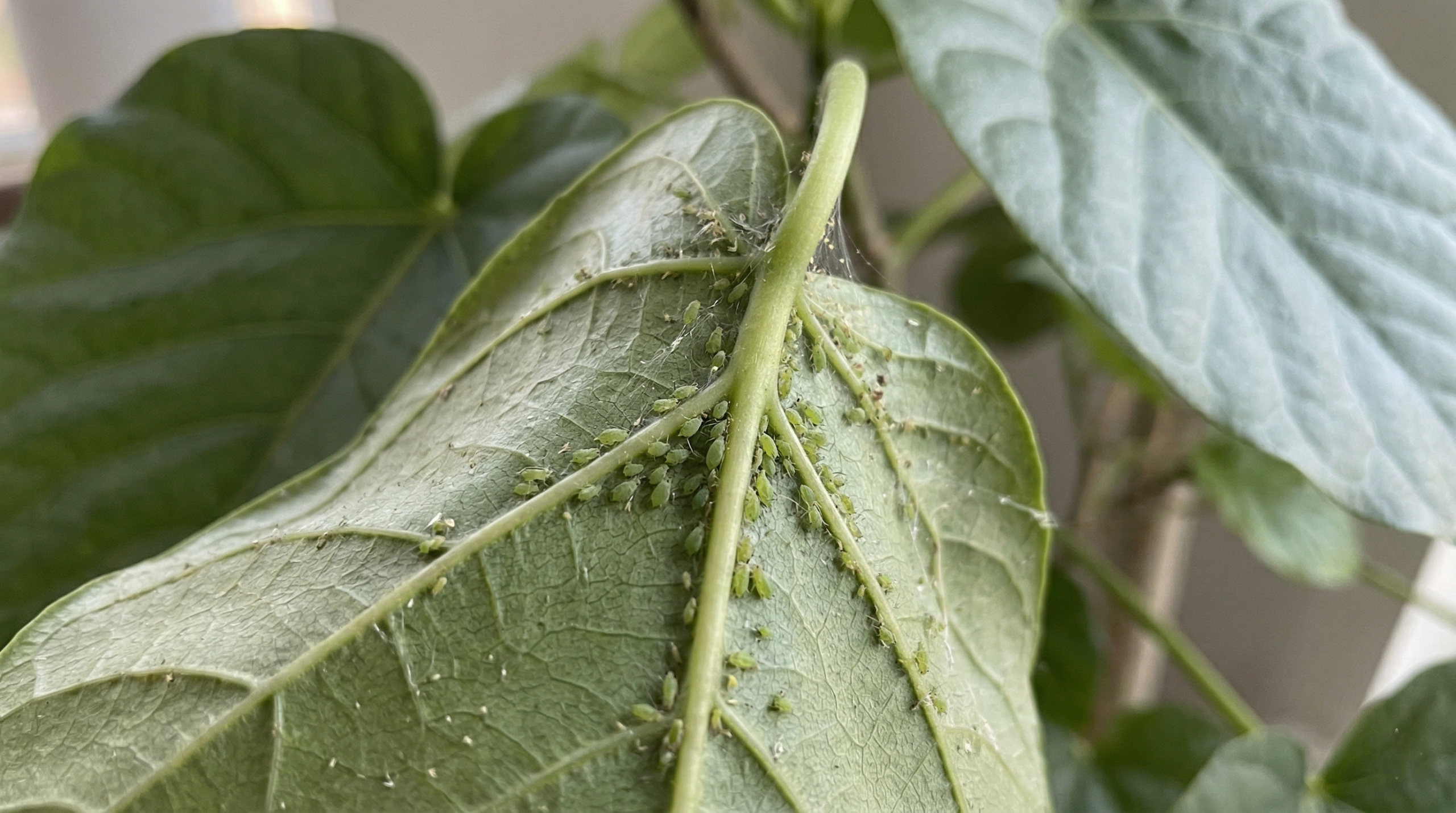
While Ficus Umbellata is generally resistant to pests, it’s not immune. Some common pests include:
- Spider Mites: Small, red, and hard to spot, spider mites cause a stippled pattern on leaves. Treat with neem oil or insecticidal soap.
- Aphids: Tiny green insects that cluster on new growth. Remove them by hand or treat with an insecticidal soap solution.
- Mealybugs: Cotton-like pests that may appear on the stems. Use rubbing alcohol on a cotton swab to remove them.
Leaf Drop and Yellowing Leaves
If your Ficus Umbellata starts dropping leaves or its leaves turn yellow, there could be several causes:
- Overwatering or Underwatering: Adjust your watering schedule.
- Low Light: Move your plant to a brighter location.
- Temperature Stress: Avoid placing it near drafts, air conditioners, or heat sources.
Ficus Umbellata Growth Issues
Sometimes, Ficus Umbellata can experience slow growth or leggy stems. To encourage healthier growth:
- Prune Regularly: Remove dead or damaged leaves and stems to promote new growth.
- Ensure Proper Light: Move the plant to a brighter spot if necessary.
Pro Tips and Expert Insights for Thriving Ficus Umbellata
Expert Care Hacks for Faster Growth
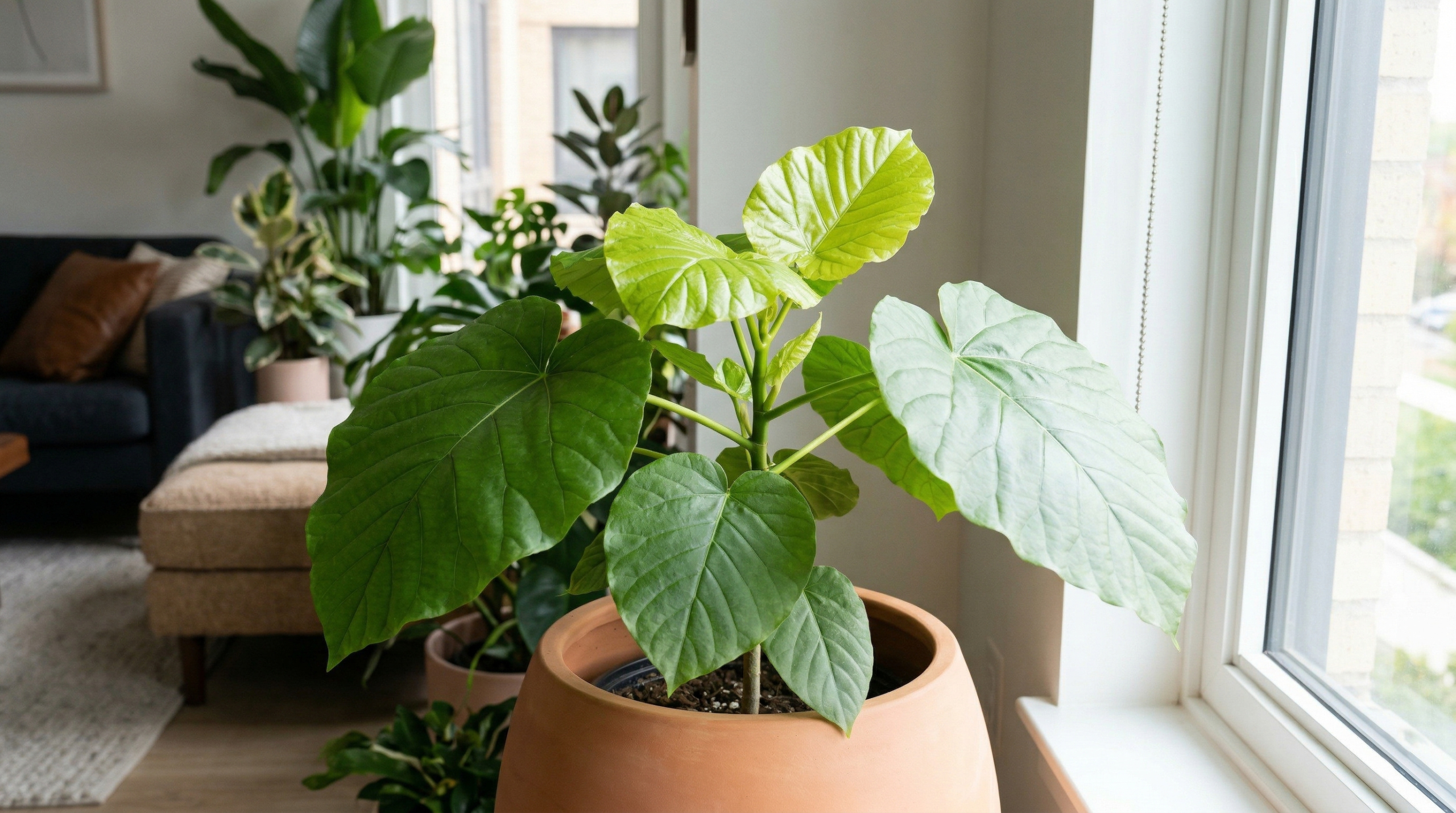
To accelerate the growth of your Ficus Umbellata:
- Use a Growth Booster: Consider using a liquid growth stimulant in addition to your regular fertilizer.
- Keep the Soil Warm: Slightly warmer soil temperatures (above 70°F) can encourage faster root growth.
Decorative Ideas for Ficus Umbellata in Your Home
Ficus Umbellata’s bold appearance can enhance various home décor styles. Place it in:
- Living Rooms: In a large decorative pot for a dramatic touch.
- Corners: Use it to fill empty corners and create a green focal point.
- Office Spaces: Place it on a desk or near a window for a stylish and air-purifying effect.
Ficus Umbellata FAQs
How tall does Ficus Umbellata grow indoors?
Ficus Umbellata can grow up to 6 feet tall indoors, depending on the conditions.
Can Ficus Umbellata survive in low light?
Yes, it can tolerate low light, but its growth will slow down, and the leaves may become less vibrant.
Why are the leaves of my Ficus Umbellata turning yellow?
Yellowing leaves are typically a sign of overwatering, underwatering, or low light. Check the plant’s care conditions to adjust.
How do I propagate my Ficus Umbellata?
To propagate Ficus Umbellata, take a cutting from a healthy stem, place it in water or moist soil, and wait for roots to develop before planting it in soil.
Conclusion: Your Path to a Healthy, Thriving Ficus Umbellata
With its stunning appearance and manageable care needs, Ficus Umbellata is an excellent choice for any indoor space. By following the expert tips in this guide, you can ensure your plant grows strong, healthy, and beautiful. From light and watering to pest control and propagation, every detail matters when it comes to caring for this tropical gem. Enjoy the process and watch your Ficus Umbellata thrive, enhancing your home with its vibrant foliage.