Few indoor trees command attention quite like Ficus altissima. With its bold, lime-green variegated foliage and upright architectural form, it has quickly become a favorite among interior designers and serious plant collectors alike. But here’s the truth most people discover too late: bringing home a Ficus altissima is easy — keeping it healthy is where the real challenge begins.
If you’ve noticed leaf drop after moving it indoors, yellowing leaves despite “doing everything right,” or slow, uneven growth, you’re not alone. Ficus species are known for being sensitive to environmental changes, and this particular variety is no exception.
In this comprehensive guide, I’ll walk you through everything you need to know — from light positioning and watering precision to propagation methods and pest prevention — so your plant doesn’t just survive, but truly thrives for years. Whether you’re a beginner looking for clarity or an experienced plant parent seeking refinement, this expert-backed guide will eliminate guesswork and prevent costly mistakes.
What Is Ficus Altissima? (Plant Profile & Identification)
Botanical Overview
- Scientific name: Ficus altissima
- Common names: Council Tree, Lofty Fig
- Plant family: Moraceae
- Native habitat: Southeast Asia
- Growth habit: Upright evergreen tree
In its native tropical environment, Ficus altissima can grow into a massive canopy tree. Indoors, however, it typically reaches 6–8 feet tall with proper care, making it an excellent indoor statement tree.
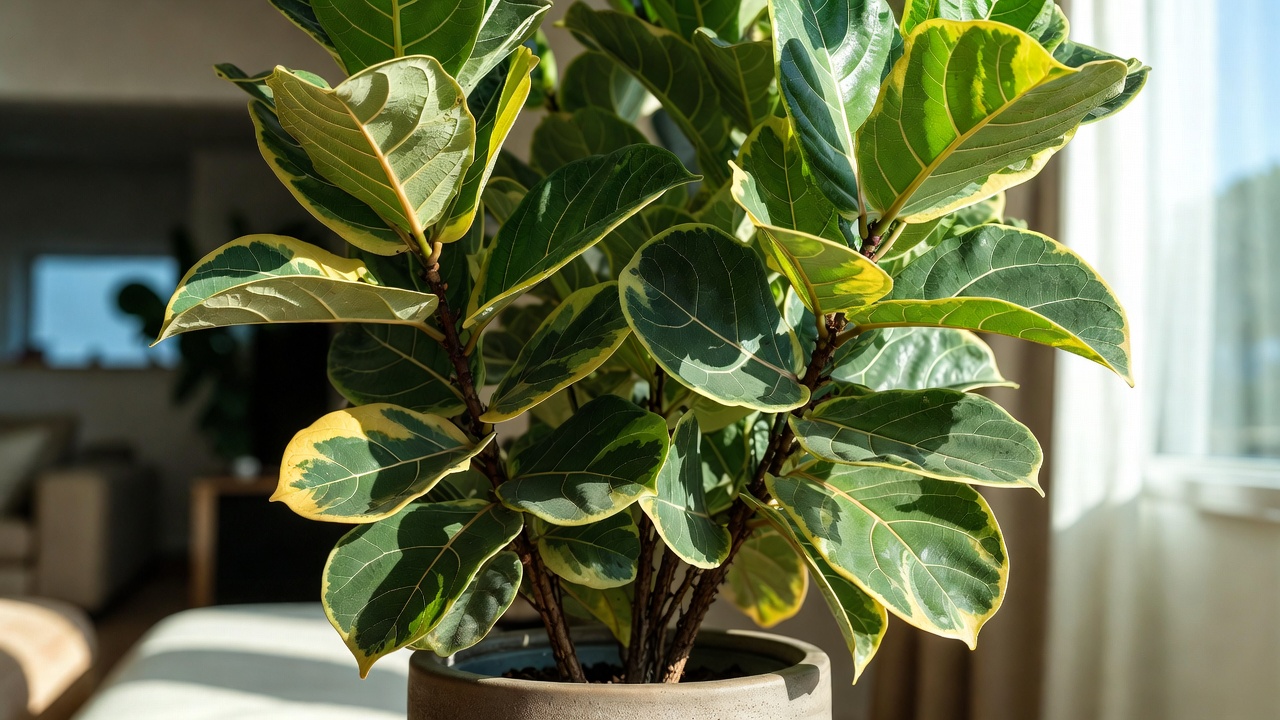
The most popular indoor variety is Ficus altissima ‘Yellow Gem’, known for its vibrant chartreuse and green variegation.
Indoor vs. Outdoor Growth
Outdoors (in tropical climates), it grows aggressively and develops aerial roots. Indoors, growth is slower and more controlled — provided conditions are stable.
Ficus Altissima vs. Ficus Audrey vs. Fiddle Leaf Fig
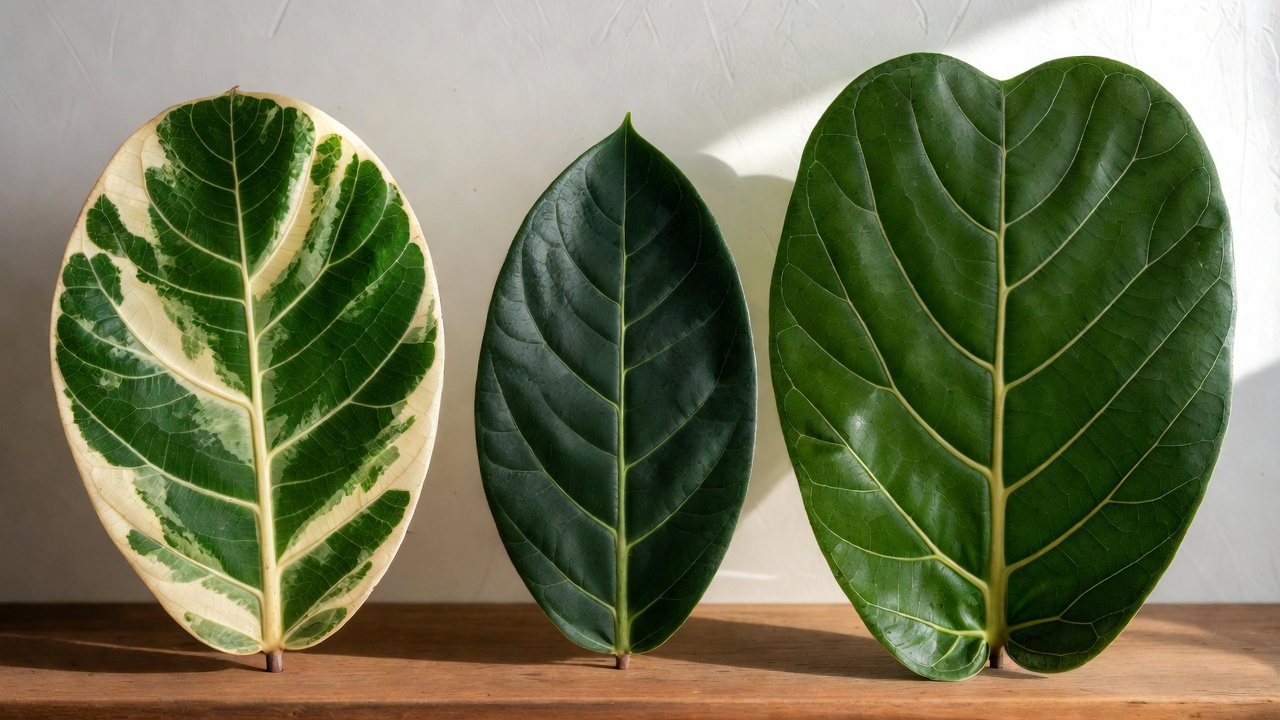
Many plant owners confuse this plant with other popular ficus varieties. Here’s how they differ:
| Feature | Ficus Altissima | Ficus Audrey | Fiddle Leaf Fig |
|---|---|---|---|
| Leaf Color | Green with yellow variegation | Matte green | Deep green |
| Leaf Shape | Oval, slightly elongated | Oval, thick | Large, violin-shaped |
| Difficulty | Moderate | Easier | Moderate to difficult |
| Growth Style | Upright tree | Upright tree | Upright but bushier |
If you want dramatic color variation and a modern tropical aesthetic, Ficus altissima stands out. However, it requires slightly more environmental stability than Ficus Audrey.
Is Ficus Altissima Safe for Pets?
Like most ficus species, it contains milky sap (latex) that can be toxic to pets if ingested.
Precautions:
- Keep out of reach of cats and dogs
- Wipe sap immediately after pruning
- Wear gloves when trimming
If ingestion occurs, contact your veterinarian promptly.
Ideal Growing Conditions for Ficus Altissima Indoors
Creating the right environment is the single most important factor in long-term success.
Light Requirements (The Most Critical Factor)

If there’s one area where most plant owners go wrong, it’s lighting.
Ideal Light Conditions
- Bright, indirect light
- Near a south- or west-facing window (with sheer curtain)
- 6–8 hours of filtered sunlight daily
Variegated varieties require more light than solid green ficus types because lighter leaf areas contain less chlorophyll.
Can It Tolerate Direct Sun?
Morning sun is usually safe. Harsh afternoon sun can cause leaf scorch and brown patches.
Signs of Too Little Light
- Fading variegation
- Leggy, stretched growth
- Leaf drop
- Slow growth
Signs of Too Much Light
- Crispy edges
- Bleached patches
- Curling leaves
Watering Guide (Avoiding the #1 Killer: Root Rot)
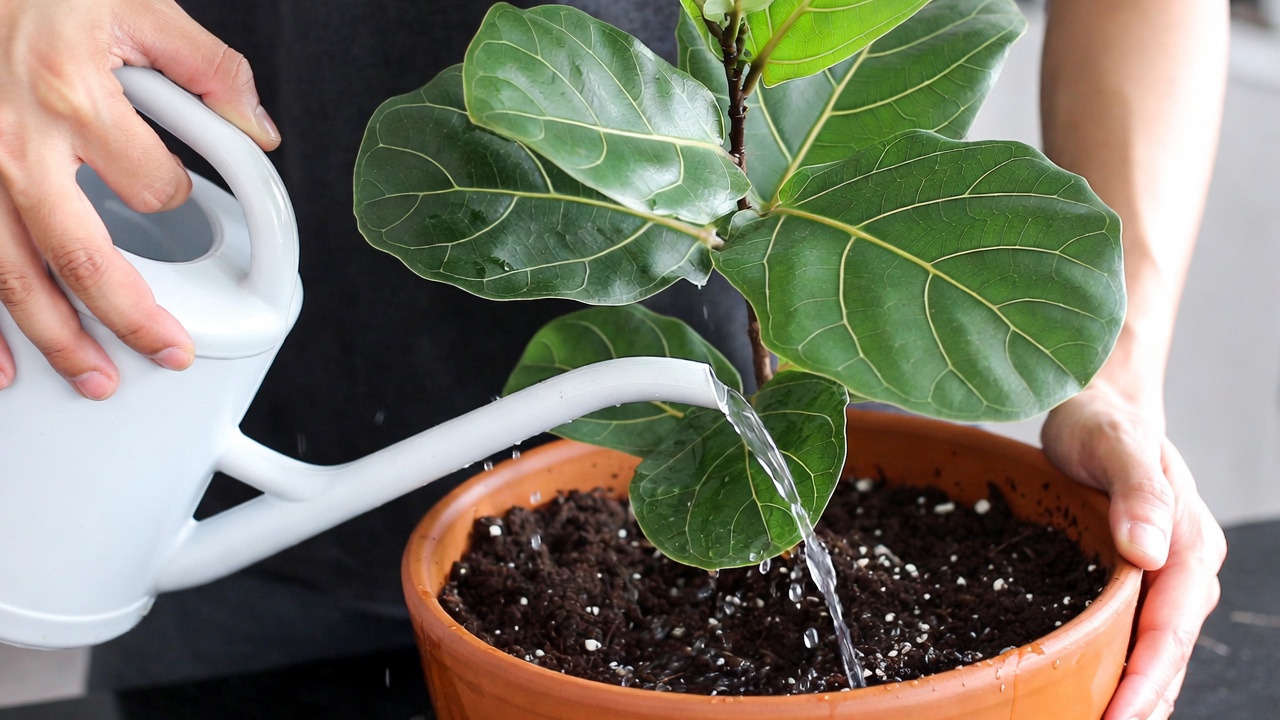
Overwatering is the leading cause of failure with Ficus altissima.
How Often to Water
- Water when the top 2–3 inches of soil are dry
- Typically every 7–10 days in growing season
- Every 2–3 weeks in winter
Never follow a strict calendar — always check soil moisture first.
The Proper Watering Technique
- Insert your finger or moisture meter into soil
- Water thoroughly until excess drains out
- Empty saucer immediately
Signs of Overwatering
- Yellowing leaves
- Mushy stems
- Foul soil smell
- Persistent wet soil
Signs of Underwatering
- Drooping leaves
- Dry, curling edges
- Soil pulling away from pot
Consistency matters more than frequency. Ficus plants dislike dramatic moisture swings.
Temperature & Humidity Needs
Ideal Temperature Range
- 65–85°F (18–29°C)
- Avoid sudden drops below 60°F
Keep away from:
- Air conditioning vents
- Radiators
- Drafty windows
Humidity Requirements
While adaptable, Ficus altissima thrives at 40–60% humidity.
If your home is dry:
- Use a humidifier
- Group plants together
- Place on a pebble tray
Avoid constant misting — it doesn’t significantly increase humidity and can encourage fungal issues.
Best Soil & Potting Mix for Ficus Altissima
Well-draining soil is non-negotiable.
Ideal Soil Composition
The goal is aeration + moisture retention balance.
DIY Soil Recipe
- 40% high-quality indoor potting mix
- 30% perlite or pumice
- 20% orchid bark
- 10% compost or worm castings
This blend prevents compaction and improves root oxygenation.
Choosing the Right Pot
Always choose a container with drainage holes.
Material Comparison
- Terracotta: Excellent airflow, dries faster
- Plastic: Retains moisture longer
- Ceramic (glazed): Balanced moisture retention
Choose a pot only 1–2 inches larger than the root ball when repotting.
Repotting Guide
When to Repot
- Roots circling bottom
- Soil drying out extremely fast
- Slowed growth
Typically every 1–2 years.
Step-by-Step
- Gently loosen root ball
- Trim damaged roots
- Place in fresh soil
- Water thoroughly
Expect minor leaf drop after repotting — this is normal acclimation stress.
Fertilizing Ficus Altissima for Faster, Healthier Growth
Healthy foliage requires nutrients, especially during active growth.
Best Fertilizer Types
- Balanced liquid fertilizer (e.g., 10-10-10 or 20-20-20)
- Slow-release pellets (spring application)
Avoid high-nitrogen-only fertilizers, which can cause weak, leggy growth.
Fertilizing Schedule
- Spring & Summer: Every 4–6 weeks
- Fall & Winter: Reduce or stop feeding
Signs of Over-Fertilization
- Brown leaf tips
- Salt crust on soil surface
- Wilting despite moist soil
Flush soil with distilled water if salt buildup occurs.
Pruning, Shaping & Controlling Height
Ficus altissima responds well to pruning.
When and How to Prune

Best time: Early spring
Steps:
- Use sterilized pruning shears
- Cut above a leaf node
- Remove weak or crossing branches
The plant will produce new growth from cut points.
Encouraging Bushier Growth
If your plant is growing tall and sparse:
- Top the main stem
- Increase light exposure
- Rotate regularly
This encourages lateral branching.
Cleaning and Maintaining Foliage
Dust blocks photosynthesis.
- Wipe leaves monthly with damp microfiber cloth
- Support leaves underneath while cleaning
- Avoid commercial leaf shine products
Clean leaves improve light absorption and plant health.
How to Propagate Ficus Altissima (Step-by-Step)
Propagation allows you to expand your plant collection or share with others.
Stem Cutting Method (Most Reliable)
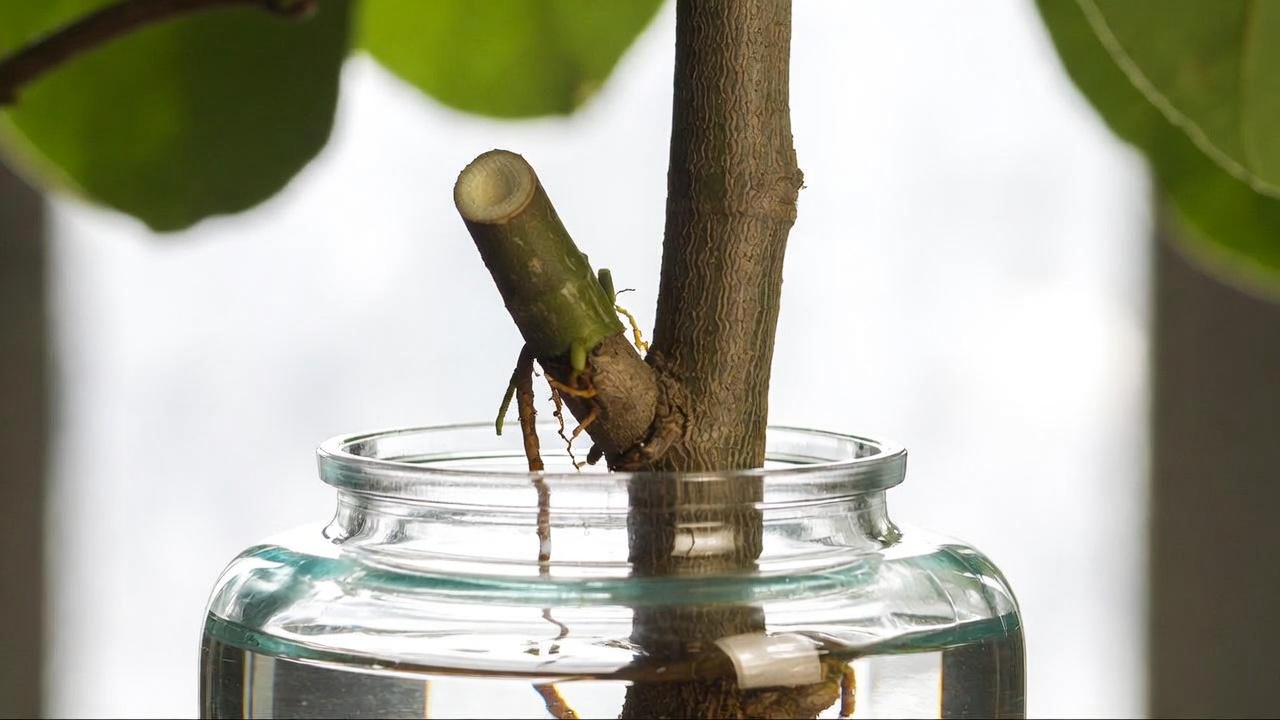
What You’ll Need
- Sterilized scissors
- Rooting hormone (optional)
- Small pot or jar
Steps
- Cut 4–6 inch stem below node
- Remove lower leaves
- Place in water or moist soil
- Keep in bright indirect light
Roots typically develop in 3–6 weeks.
Air Layering Method (Advanced Technique)
Used for larger, woody stems.
Steps:
- Make small upward cut on stem
- Insert toothpick
- Wrap with moist sphagnum moss
- Cover with plastic
- Wait for root formation
This method yields a more established plant faster.
Common Ficus Altissima Problems & How to Fix Them
Even experienced plant owners run into issues with ficus varieties. The key difference between struggling plants and thriving ones is early diagnosis and targeted correction. Below are the most common problems with Ficus altissima, along with clear, actionable solutions.
Leaf Drop After Purchase (Acclimation Shock)
If your plant starts dropping leaves within the first few weeks of bringing it home, don’t panic. This is extremely common.
Why It Happens
Ficus species are sensitive to environmental changes. Moving from a greenhouse (high humidity, consistent light) to your home (lower humidity, variable light) creates stress.
What To Do
- Do not move it repeatedly — pick one bright spot and leave it.
- Check watering consistency.
- Increase humidity slightly.
- Avoid fertilizing during adjustment.
Leaf drop usually stabilizes within 3–6 weeks once the plant acclimates.
Yellow Leaves
Yellowing is one of the most searched concerns related to ficus care — and for good reason.
Most Common Causes
- Overwatering
- Poor drainage
- Low light
- Nutrient deficiency
How to Diagnose
- If soil is wet → likely overwatering
- If soil is compacted → drainage issue
- If new leaves are pale → possible nutrient deficiency
Fix
- Improve drainage immediately
- Allow soil to dry properly before next watering
- Increase indirect light exposure
- Resume balanced fertilization during growing season
Brown Spots or Crispy Edges
Brown edges often indicate environmental imbalance.
Causes
- Low humidity
- Salt buildup from fertilizer
- Sunburn from harsh direct light
Solution
- Increase humidity to 40–60%
- Flush soil with distilled water
- Move slightly away from intense afternoon sun
Root Rot (The Silent Killer)
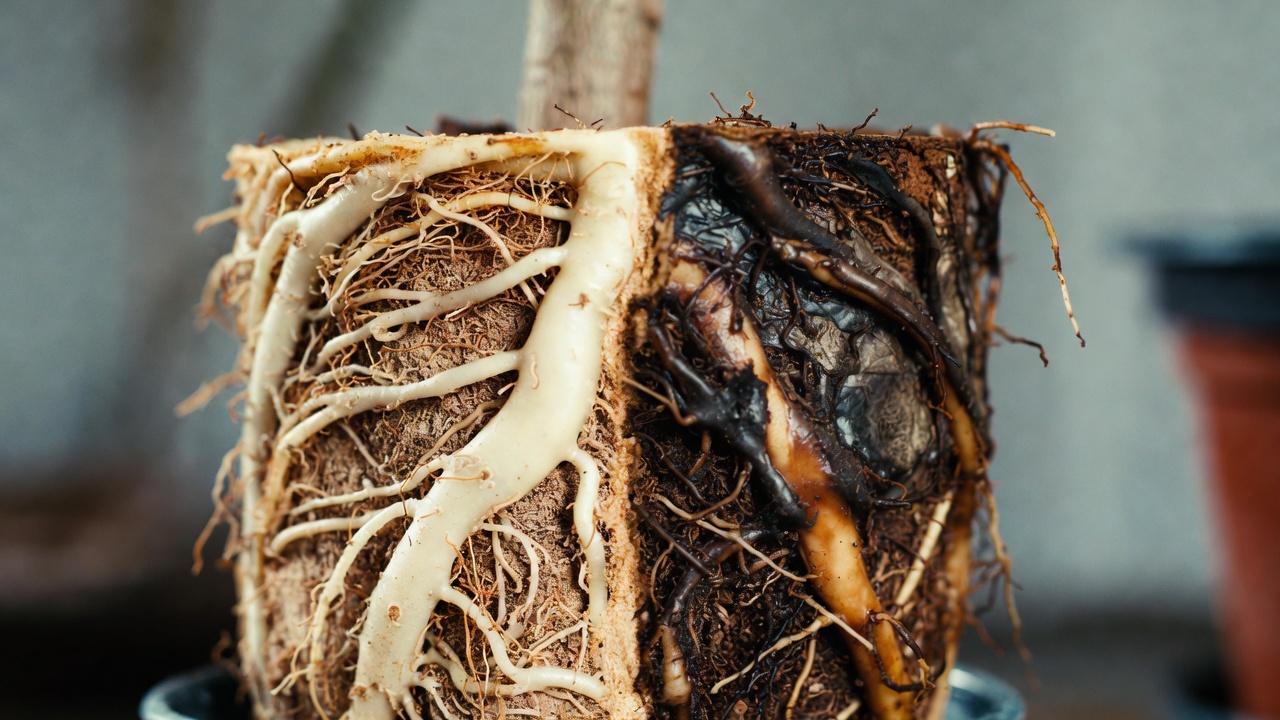
Root rot develops when roots sit in soggy soil for extended periods.
Signs
- Persistent drooping despite wet soil
- Foul smell from pot
- Black, mushy roots
Emergency Action Plan
- Remove plant from pot
- Trim affected roots
- Repot in fresh, well-draining mix
- Reduce watering frequency
Prevention is always easier than recovery.
Pest Infestations
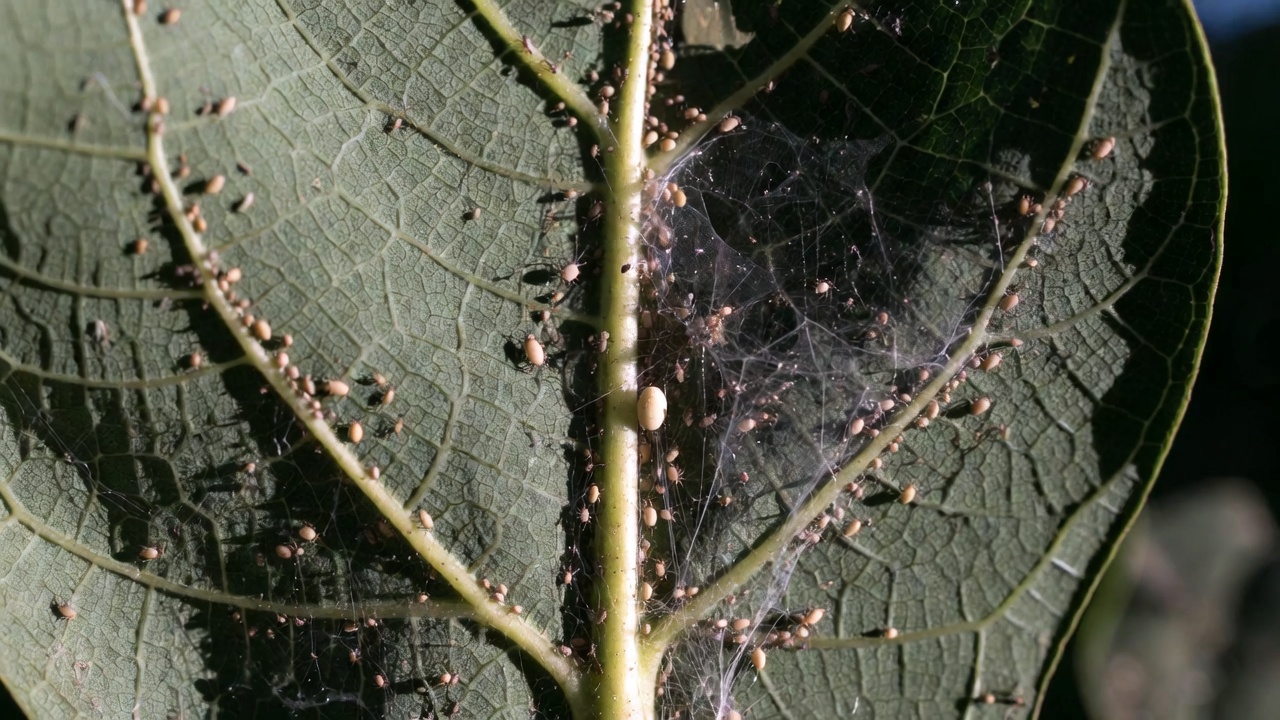
Like many tropical houseplants, Ficus altissima can attract pests.
Common Pests
- Spider mites
- Mealybugs
- Scale insects
How to Identify
- Sticky residue (honeydew)
- Fine webbing
- White cotton-like clusters
Treatment Strategy
- Isolate plant immediately
- Wipe leaves with diluted neem oil solution
- Repeat weekly until clear
Regular inspection prevents infestations from spreading.
Seasonal Care Guide: Year-Round Maintenance Strategy
Understanding seasonal growth patterns ensures optimal care.
Spring & Summer (Active Growth Phase)
This is when your plant will grow most vigorously.
- Increase watering frequency slightly
- Fertilize every 4–6 weeks
- Monitor for pests
- Rotate plant for even light exposure
Expect visible new growth during this period.
Fall & Winter (Rest Phase)
Growth slows significantly.
- Reduce watering
- Stop or reduce fertilizing
- Avoid repotting
- Protect from cold drafts
Do not interpret slower growth as a problem — it’s natural dormancy.
Styling & Placement Ideas for Modern Interiors
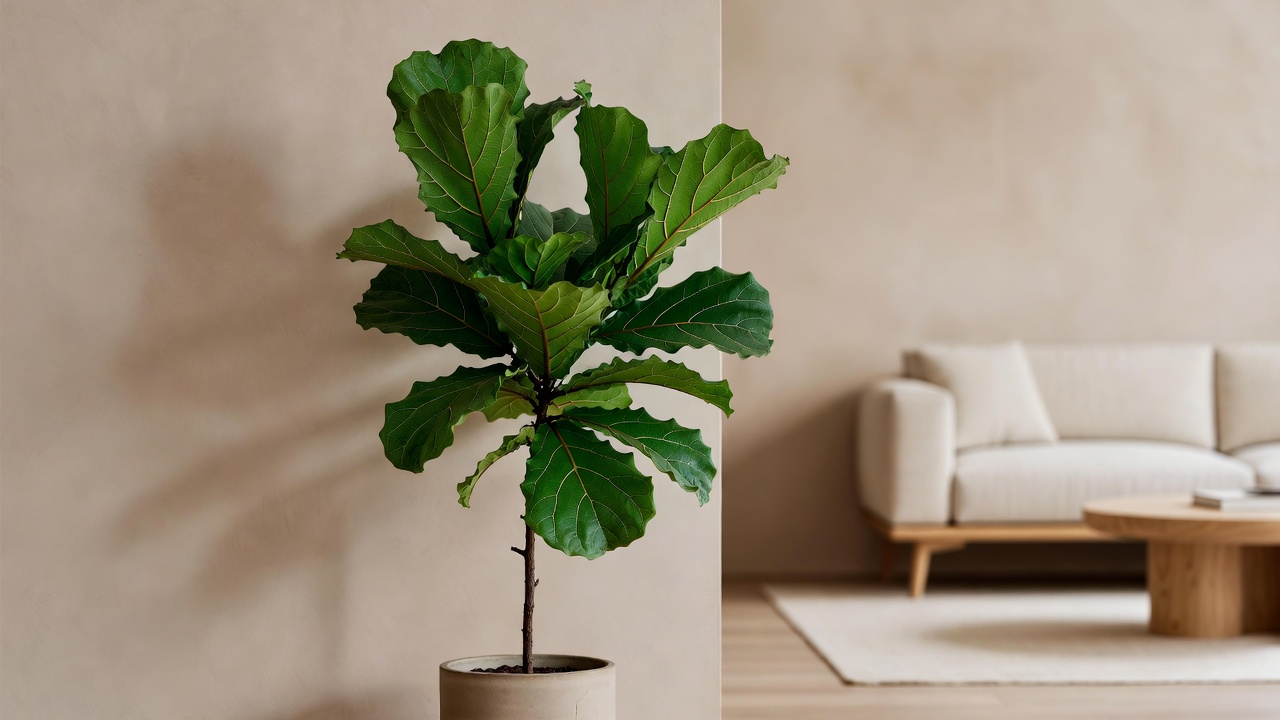
Beyond plant health, aesthetics matter — especially for statement trees.
Living Room Focal Point
Place near a bright window in a decorative ceramic pot for maximum visual impact.
Minimalist Design Pairing
The bold variegation pairs beautifully with:
- Neutral walls
- Light wood furniture
- Scandinavian or modern décor
Complementary Indoor Plants
Pair with:
- Snake plants
- ZZ plants
- Monstera deliciosa
This creates layered height and texture variation.
Ficus Altissima Care Checklist (Quick Reference Guide)
Light: Bright, indirect light
Water: When top 2–3 inches are dry
Humidity: 40–60% preferred
Soil: Well-draining, airy mix
Fertilizer: Balanced feed every 4–6 weeks in growing season
Repotting: Every 1–2 years
Pruning: Early spring for shape control
Bookmark this section for quick troubleshooting.
Expert Tips for Long-Term Success
After working with ficus varieties for years, I’ve found these principles make the biggest difference:
1. Stability Over Perfection
Ficus plants prefer consistent conditions more than “ideal” but fluctuating ones.
2. Gradual Adjustments
When increasing light exposure, do so slowly over 1–2 weeks to prevent shock.
3. Monitor Roots Annually
Healthy roots = healthy foliage. Inspect during repotting.
4. Patience Is Essential
Ficus altissima may pause growth for weeks while adjusting — this is normal.
Frequently Asked Questions About Ficus Altissima
How fast does Ficus altissima grow indoors?
With proper light and feeding, it can grow 1–2 feet per year indoors.
Can Ficus altissima tolerate low light?
It can survive in medium light but may lose variegation and grow leggy. Bright indirect light is strongly recommended.
Why is my Ficus altissima dropping leaves?
Most commonly due to environmental change, inconsistent watering, or low light. Evaluate these three first.
How tall does Ficus altissima grow indoors?
Typically 6–8 feet, though pruning can control height.
Can I grow Ficus altissima from a cutting?
Yes. Stem cuttings root successfully in water or soil within 3–6 weeks.
Is Ficus altissima easy to care for?
It is moderately easy if you provide consistent light and avoid overwatering. Beginners can succeed with proper guidance.
Conclusion: Growing a Thriving Ficus Altissima for Years
A healthy Ficus altissima is not the result of luck — it’s the result of stability, observation, and informed care.
If you remember just three things:
- Prioritize bright, indirect light
- Avoid overwatering at all costs
- Maintain environmental consistency
You’ll dramatically increase your success rate.
This plant rewards patience with bold foliage, elegant structure, and undeniable presence in your indoor space. With the strategies outlined in this guide, you now have everything needed to grow not just a surviving plant — but a truly thriving indoor tree.