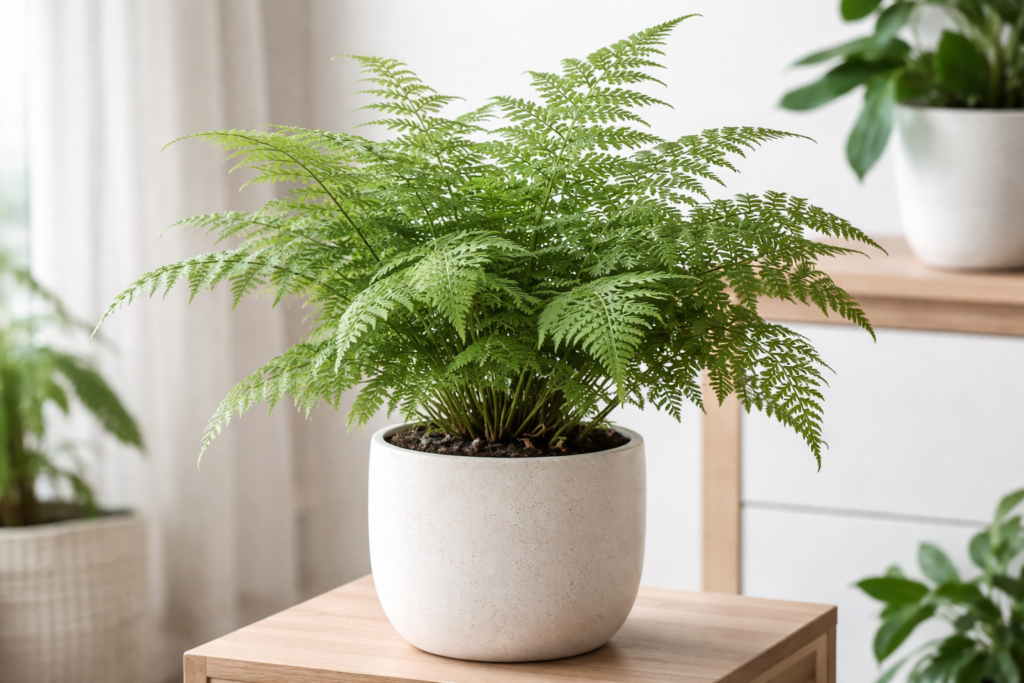
Collectors are always searching for that one plant — the one that feels different, refined, and quietly stunning. If you’ve recently come across Fern Coppedge and wondered whether it’s worth adding to your indoor plant collection, you’re not alone. Searches for Fern Coppedge have steadily increased as more indoor gardeners look beyond common Boston ferns and maidenhair varieties in favor of rarer, more distinctive foliage.
But here’s the challenge: reliable, practical information about Fern Coppedge is surprisingly limited. Is it truly rare? Is it difficult to grow indoors? Does it require high humidity like other tropical ferns? And most importantly — can you realistically keep it thriving in a typical home environment?
In this complete expert guide, you’ll learn:
- What Fern Coppedge actually is
- How to identify it correctly
- Proven care requirements (light, water, humidity, soil, fertilizer)
- Common mistakes and how to fix them
- Long-term maintenance strategies used by experienced indoor growers
This article is written from the perspective of hands-on indoor plant cultivation, grounded in horticultural best practices for tropical and shade-loving fern species. Whether you’re a seasoned collector or expanding your indoor jungle, this guide will help you grow Fern Coppedge successfully — not just keep it alive, but help it truly flourish.
What Is Fern Coppedge?
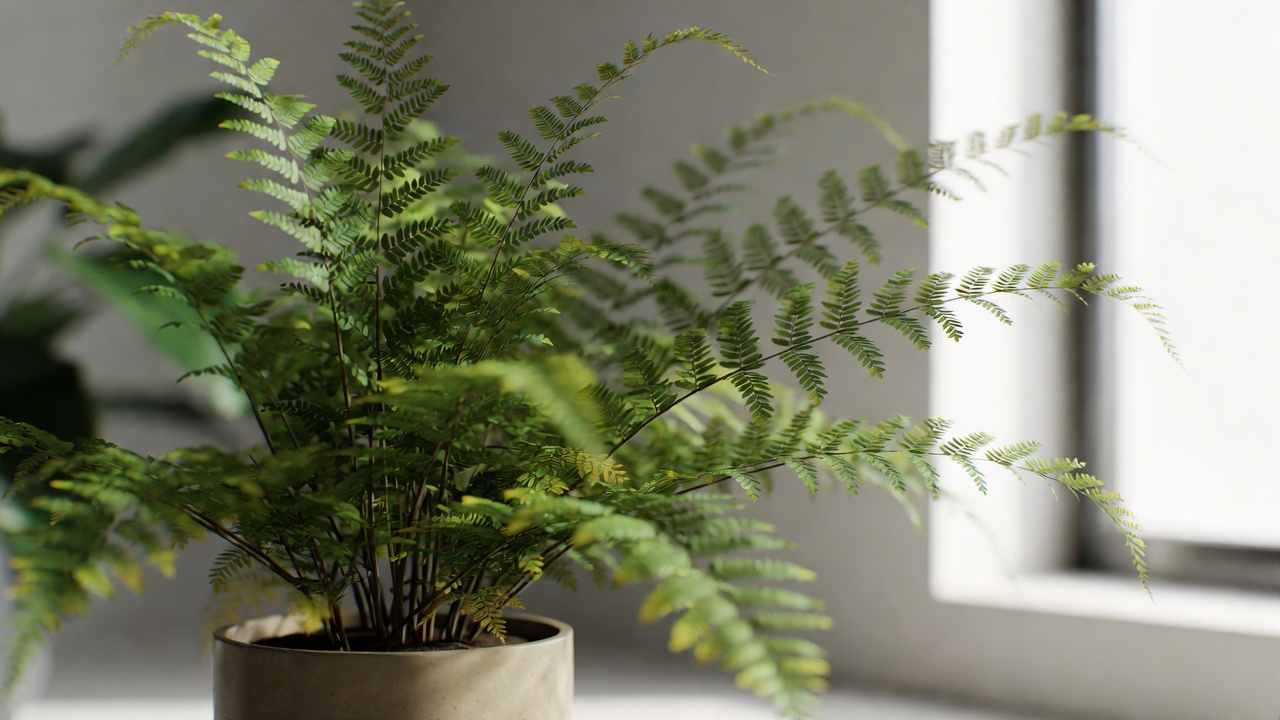
Before diving into care, it’s essential to clarify what Fern Coppedge actually refers to.
In the indoor plant world, names sometimes circulate informally before formal botanical identification becomes widely known. “Fern Coppedge” is typically associated with a rare, collector-type ornamental fern valued for its refined frond structure and elegant growth habit.
Botanical Background and Origins
While exact cultivar classification may vary by nursery, Fern Coppedge is generally grouped among tropical or subtropical ornamental ferns adapted to:
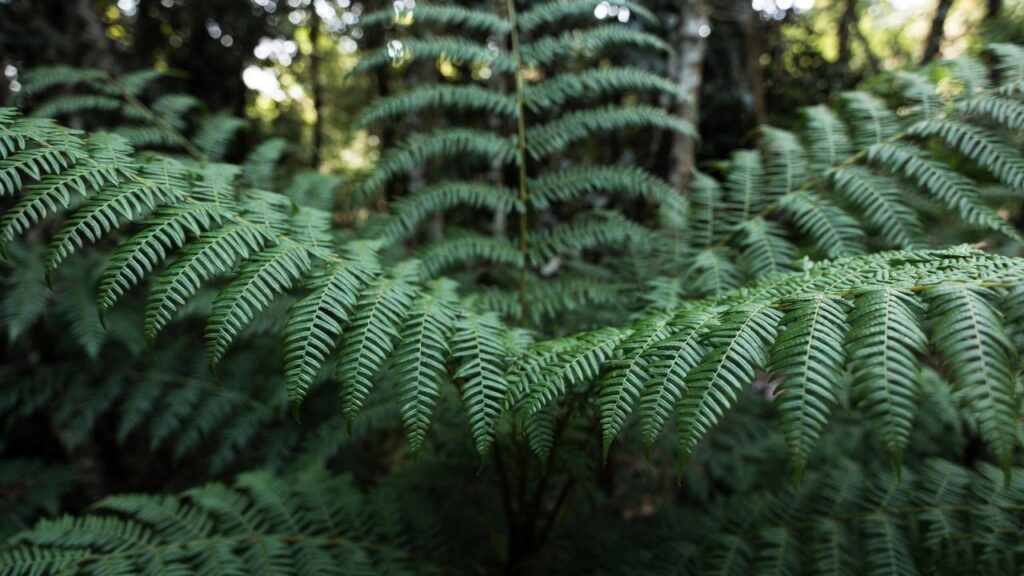
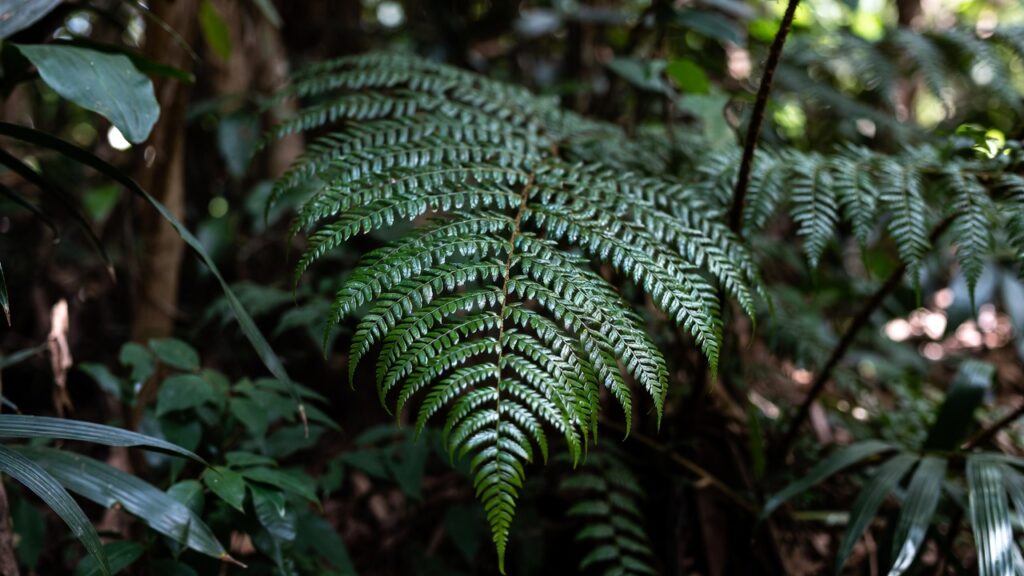
- Forest understory environments
- Filtered or dappled light
- High humidity
- Consistently moist but well-draining soil
Like most indoor ferns, it evolved in shaded woodland ecosystems where:
- Direct sunlight rarely reaches the forest floor
- Air moisture levels are consistently elevated
- Soil is rich in organic matter
Understanding this native habitat is the foundation for successful indoor cultivation.
Why It’s Considered Rare
Fern Coppedge is considered rare for several reasons:
- Limited commercial propagation
- Slower growth compared to mass-market ferns
- Higher demand among collectors
- Niche availability through specialty nurseries
Unlike widely available ferns sold in big-box stores, Fern Coppedge is often found through:
- Rare plant sellers
- Specialty indoor plant shops
- Online collector marketplaces
This limited distribution increases both its perceived exclusivity and price point.
Is Fern Coppedge a True Fern?
Yes — Fern Coppedge belongs to the fern category in terms of structure and reproductive characteristics (spore-based propagation rather than seeds or flowers). However, as with many collector plants, naming conventions can sometimes overlap with cultivar or hybrid labeling.
Key identifying characteristics include:
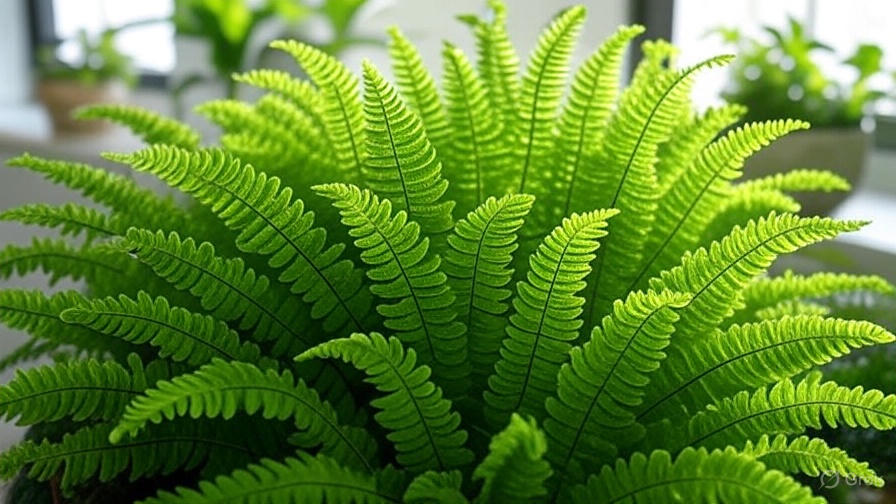
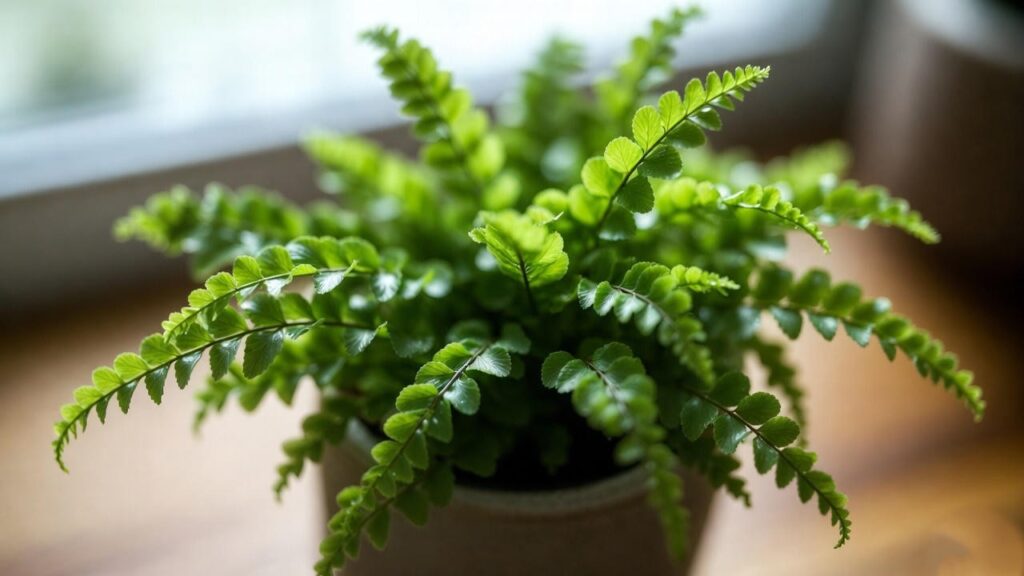
- Arching or delicately structured fronds
- Finely divided foliage
- Soft, feathery texture
- Upright but graceful growth habit
Correct identification ensures you provide appropriate care aligned with true fern physiology.
Why Indoor Plant Enthusiasts Love Fern Coppedge
Rare indoor plants aren’t just about exclusivity — they’re about aesthetic impact.
Fern Coppedge stands out because of:
- Textural sophistication
- Architectural elegance
- Balanced, airy foliage
- A softer visual presence than many bold tropical plants
Compared to Common Indoor Ferns
| Feature | Fern Coppedge | Boston Fern | Maidenhair Fern |
|---|---|---|---|
| Availability | Rare | Common | Moderately available |
| Care difficulty | Moderate | Moderate | High |
| Humidity needs | High | Moderate-High | Very High |
| Visual style | Elegant & refined | Full & lush | Delicate & dramatic |
If you love the look of ferns but want something less mainstream, Fern Coppedge fills that niche beautifully.
It works especially well in:
- Minimalist interiors
- Scandinavian-style spaces
- Humid bathrooms
- Plant shelves with indirect light
- Reading nooks and bedrooms
Fern Coppedge Care Requirements (Expert Step-by-Step Guide)
Growing Fern Coppedge successfully requires recreating its native understory environment as closely as possible. Let’s break this down in detail.
Light Requirements
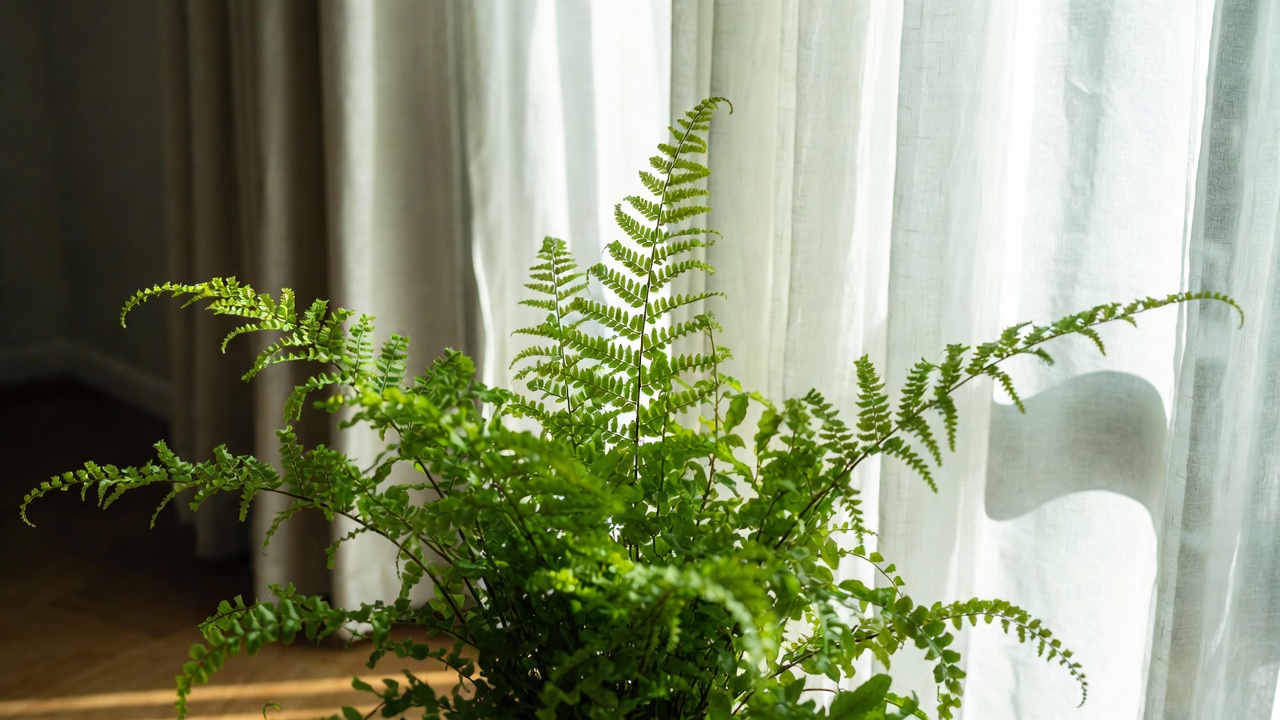
Light is one of the most misunderstood aspects of indoor fern care.
Ideal Lighting Conditions
Fern Coppedge thrives in:
- Bright, indirect light
- Filtered morning sunlight
- North or east-facing windows
- Sheer-curtain diffused light
It does not tolerate:
- Harsh afternoon sun
- Prolonged direct exposure
- Intense grow lights placed too close
Signs of Improper Lighting
Too much light:
- Pale or bleached fronds
- Crispy leaf edges
- Drying soil too quickly
Too little light:
- Leggy growth
- Sparse foliage
- Slow or stunted development
Expert Tip: If you can comfortably read a book without turning on a lamp, the lighting is likely sufficient for Fern Coppedge.
Watering Needs
Watering is the most common reason ferns decline indoors.
Ideal Watering Approach
Fern Coppedge prefers:
- Consistently moist soil
- Never soggy conditions
- Never fully dry soil
A good rule of thumb:
- Water when the top 1 inch of soil feels slightly dry
- Ensure water drains completely from the bottom
Overwatering vs. Underwatering
Overwatering symptoms:
- Yellowing fronds
- Mushy stems
- Sour soil smell
- Root rot
Underwatering symptoms:
- Browning tips
- Crispy texture
- Drooping fronds
Because ferns have fine root systems, they are particularly sensitive to water imbalance.
Professional Grower Insight: Rather than watering on a fixed schedule, check soil moisture manually. Environmental variables (season, airflow, humidity) significantly impact watering frequency.
Humidity Requirements
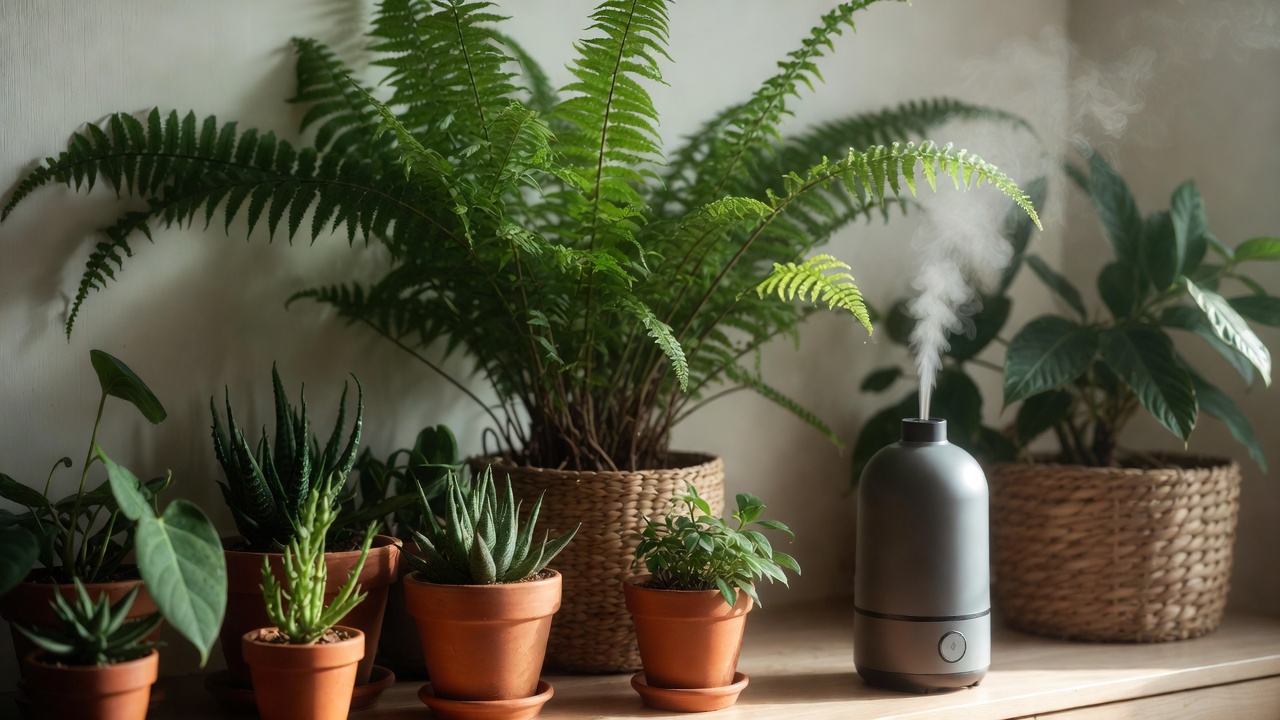
Humidity is non-negotiable for Fern Coppedge.
Ideal Humidity Range
- 50%–70% relative humidity
- Higher is beneficial during active growth
In most homes, humidity ranges between 30%–45%, which is often too low for tropical ferns.
How to Increase Humidity
- Use a humidifier near the plant
- Group plants together
- Place in bathrooms with natural light
- Use pebble trays (supportive but not sufficient alone)
Signs of Low Humidity
- Brown tips
- Leaf curling
- Dull foliage
- Premature frond drop
Humidity is often the key difference between a fern surviving and thriving.
Soil & Potting Mix
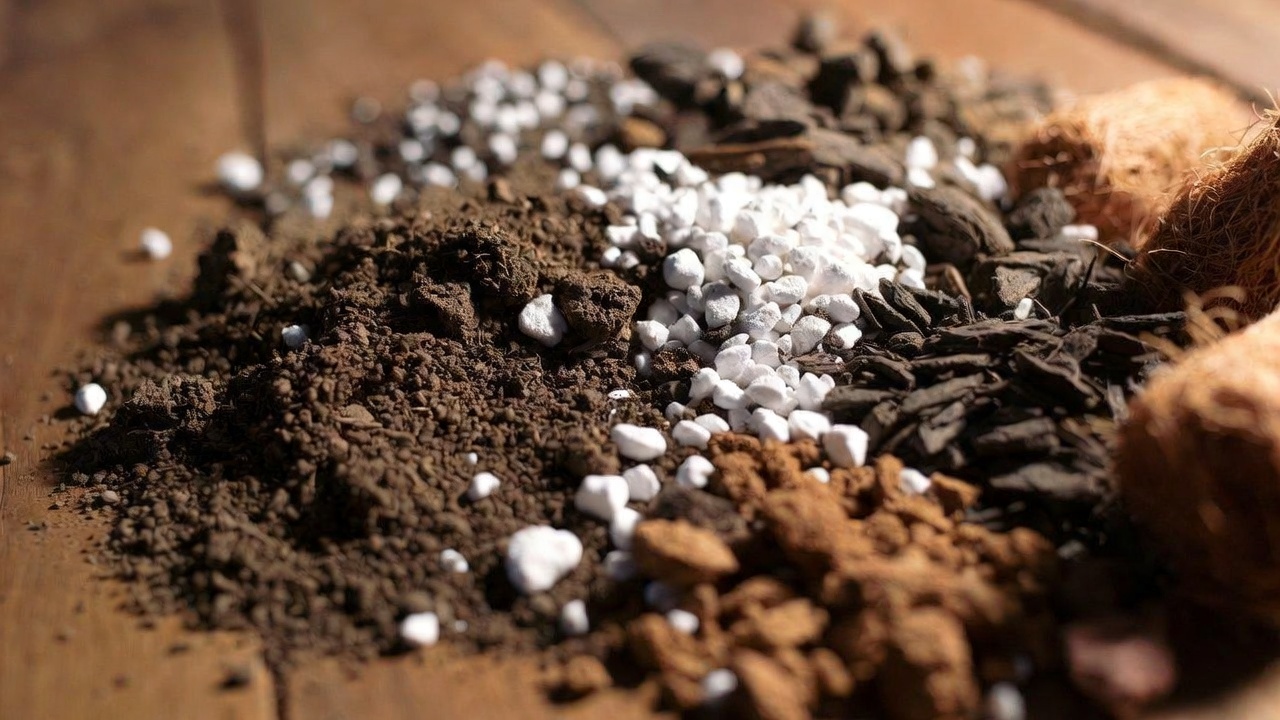
Proper soil structure is critical for root health.
Ideal Soil Composition
Fern Coppedge benefits from:
- Well-draining but moisture-retentive mix
- High organic matter
- Slightly acidic pH
A recommended DIY mix:
- 40% peat moss or coco coir
- 30% high-quality potting soil
- 20% perlite
- 10% compost or worm castings
Avoid heavy garden soil or dense mixes that trap water.
Temperature Tolerance
Ferns are sensitive to environmental instability.
Ideal Temperature Range
- 60°F–75°F (16°C–24°C)
Avoid:
- Cold drafts
- Heating vents
- Sudden temperature swings
- Air conditioning blasts
Even brief exposure to cold air can cause frond damage.
Fertilizing Schedule
Fern Coppedge does not require heavy feeding.
Best Fertilizer Type
- Balanced liquid fertilizer (diluted to half strength)
- Organic options preferred
Frequency
- Every 4–6 weeks during spring and summer
- Avoid fertilizing during winter dormancy
Over-fertilizing causes:
- Salt buildup
- Leaf burn
- Root damage
Less is more when it comes to fern nutrition.
How to Repot Fern Coppedge Properly
Repotting should be done strategically, not routinely.
When to Repot
- Roots circling the bottom
- Water draining too quickly
- Stunted growth
Typically every 1–2 years.
Step-by-Step Repotting
- Choose a pot 1–2 inches larger
- Use fresh, airy soil mix
- Gently loosen root ball
- Avoid disturbing fine roots excessively
- Water thoroughly after repotting
Aftercare:
- Keep in stable light
- Increase humidity temporarily
- Avoid fertilizing for 4 weeks
Common Problems and How to Fix Them
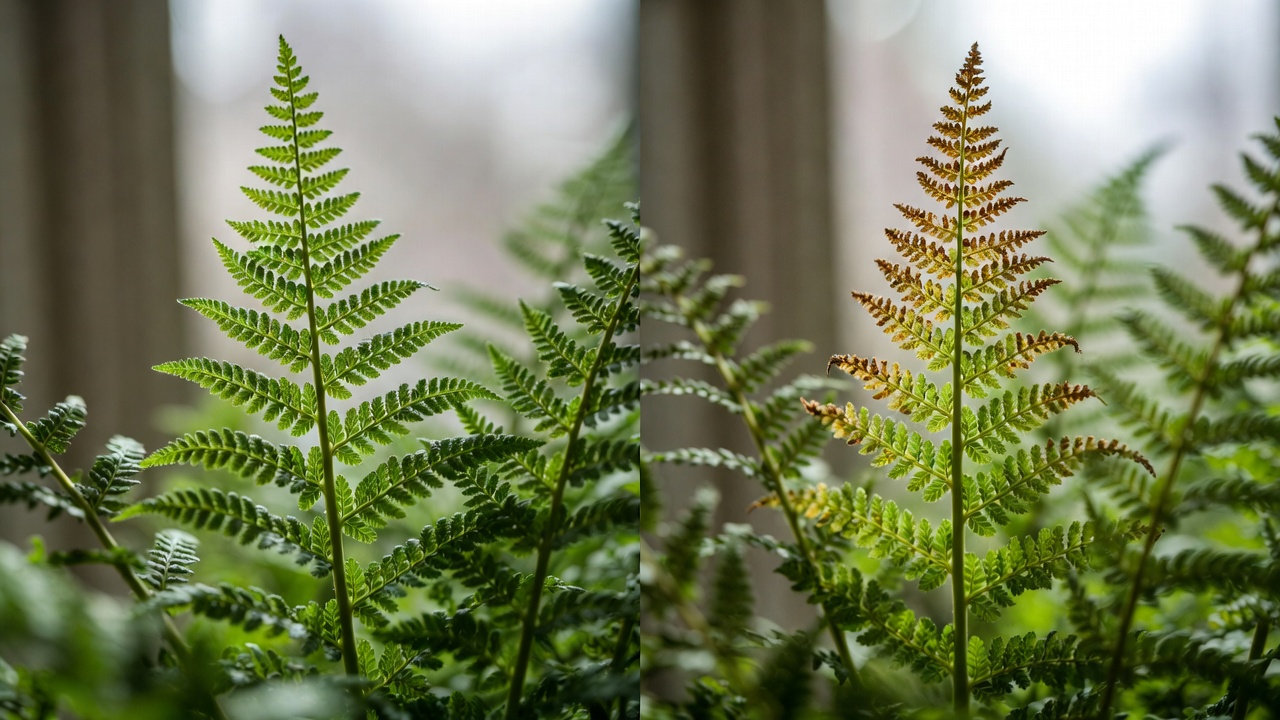
Even experienced indoor gardeners run into challenges with ferns. Because Fern Coppedge has delicate fronds and fine root systems, it tends to “communicate” stress quickly through visible leaf changes. The key is learning to interpret those signals early.
Yellowing Leaves
Yellow fronds are one of the most frequent concerns.
Common Causes:
-
Overwatering (most common)
-
Poor drainage
-
Compacted soil
-
Nutrient deficiency
-
Natural aging of older fronds
How to Fix It:
-
Check the soil — is it constantly wet?
-
Ensure the pot has drainage holes.
-
Improve aeration by mixing in perlite.
-
Allow the top inch of soil to dry slightly before watering again.
-
Trim fully yellowed fronds at the base to redirect energy.
If yellowing occurs only on older lower fronds, it may simply be part of the plant’s natural growth cycle.
Brown Tips or Crispy Fronds
Brown tips are usually humidity-related.
Causes:
-
Low indoor humidity
-
Inconsistent watering
-
Salt buildup from fertilizer
-
Hard water minerals
Solutions:
-
Increase humidity to at least 50%.
-
Flush soil with distilled water every few months to remove salts.
-
Reduce fertilizer strength.
-
Switch to filtered or rainwater if possible.
In my experience growing rare indoor ferns, humidity is almost always the primary culprit behind browning.
Wilting or Drooping
Drooping can signal either too much or too little water — which makes diagnosis tricky.
How to Tell the Difference:
-
Wet soil + drooping = potential root rot
-
Dry soil + drooping = underwatering
If root rot is suspected:
-
Remove the plant from its pot.
-
Trim any black, mushy roots.
-
Repot in fresh, well-draining soil.
Early intervention can save the plant.
Pest Issues
Although Fern Coppedge isn’t especially pest-prone, it can attract:
-
Spider mites (especially in dry air)
-
Fungus gnats (overly moist soil)
-
Mealybugs (rare but possible)
Preventative Measures:
-
Maintain humidity.
-
Avoid soggy soil.
-
Inspect underside of fronds monthly.
-
Wipe leaves gently with damp cloth.
Treatment Options:
-
Neem oil spray
-
Insecticidal soap
-
Sticky traps for gnats
Prevention is far easier than treatment with ferns.
Propagation Guide: Can You Propagate Fern Coppedge?
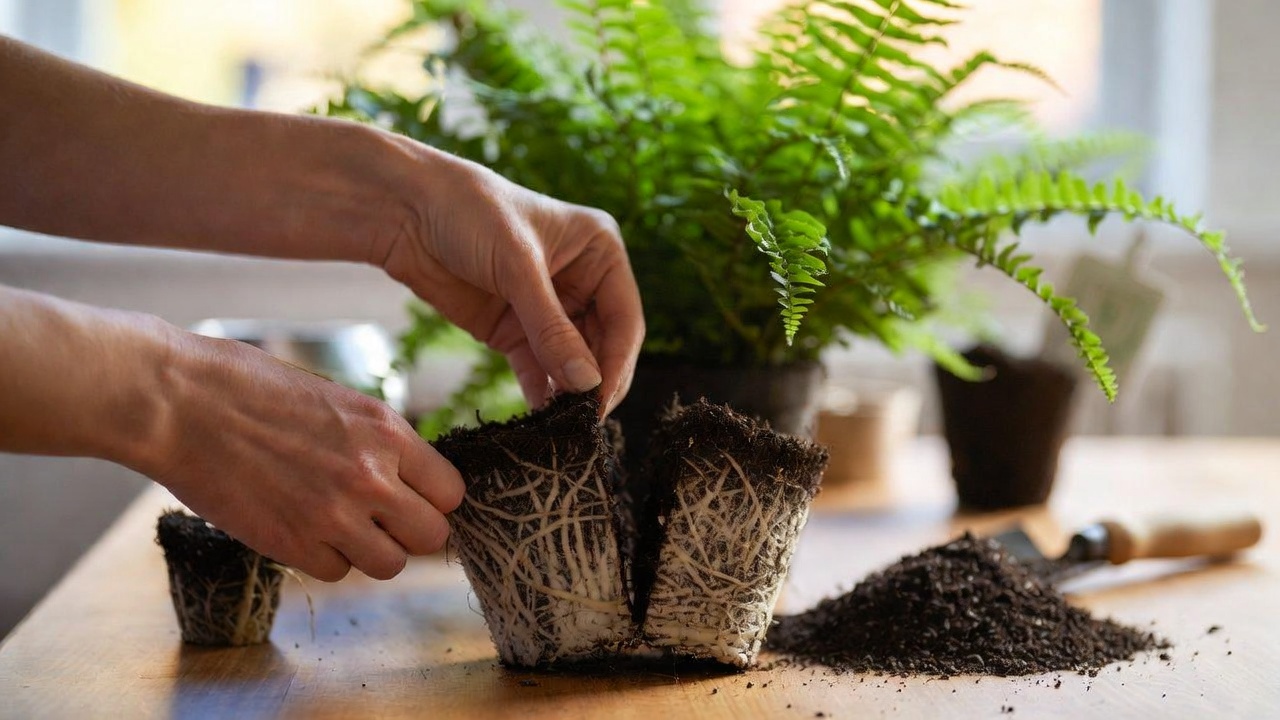
Yes — but propagation requires patience.
Unlike flowering houseplants, ferns reproduce through spores or division.
Division Method (Most Reliable)
This is the most practical method for indoor growers.
Best Time:
-
Early spring during active growth
Steps:
-
Remove the plant from its pot.
-
Identify natural root divisions.
-
Gently separate root clusters.
-
Repot each division in fresh soil.
-
Maintain high humidity for 2–3 weeks.
Division works best when the plant is mature and healthy.
Spore Propagation (Advanced Growers)
Ferns produce spores on the underside of mature fronds.
However:
-
Spore propagation is slow.
-
Requires sterile conditions.
-
Can take months to show visible growth.
This method is more suitable for hobbyists experienced in botanical propagation.
Is Fern Coppedge Safe for Pets?
Pet safety is an important consideration for indoor plant lovers.
Most true ferns are non-toxic to cats and dogs. However, because naming inconsistencies can occur in rare varieties, always verify:
-
The exact botanical identification
-
Reputable nursery information
When in doubt:
-
Keep plants out of reach.
-
Avoid placing on low shelves if pets chew foliage.
If your pet ingests any plant material and shows symptoms, consult a veterinarian immediately.
Styling and Display Ideas for Indoor Spaces
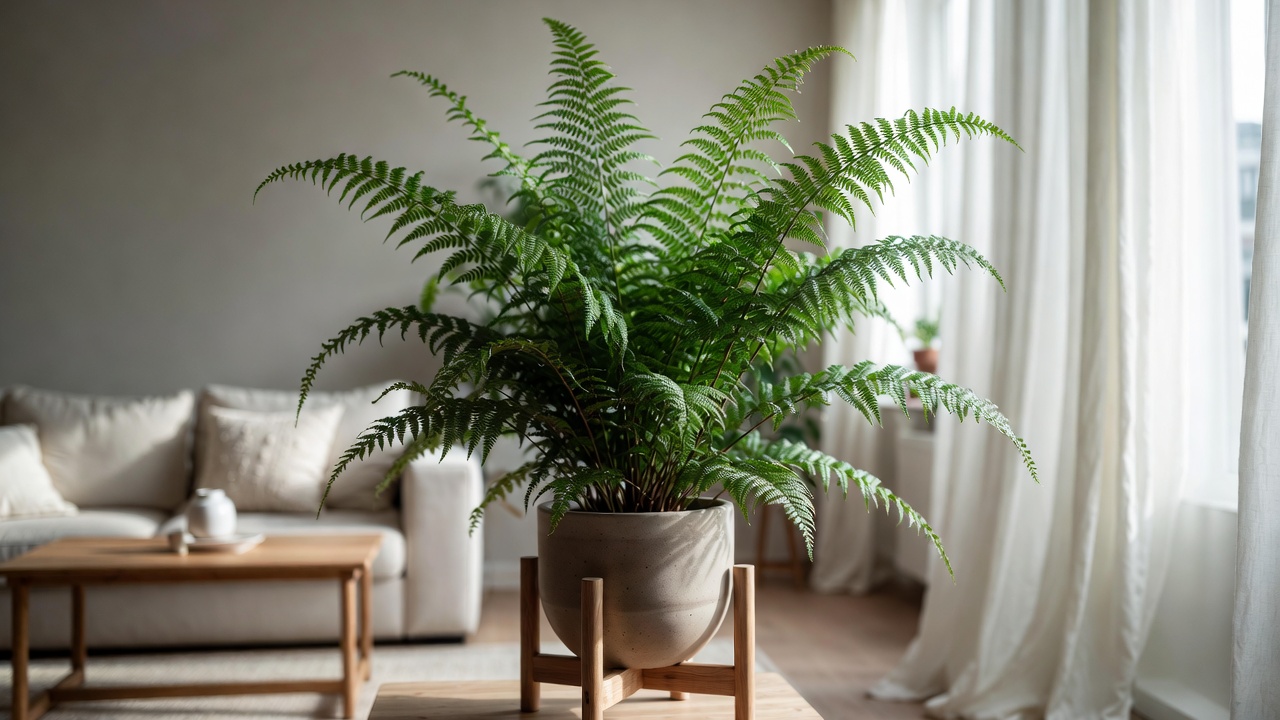
Beyond care, placement can dramatically influence growth success and aesthetic impact.
Ideal Indoor Locations
-
Near east-facing windows
-
Bright bathrooms with natural humidity
-
Living rooms with sheer-curtain filtered light
-
Bedroom corners with consistent temperature
Decorative Pairings
Fern Coppedge pairs beautifully with:
-
Calatheas
-
Philodendrons
-
Pothos
-
Peace lilies
Combining different leaf textures creates depth and visual interest.
Container Ideas
-
Matte ceramic pots
-
Neutral-toned planters
-
Elevated plant stands
-
Hanging baskets (if growth habit allows)
The soft, feathery fronds look particularly elegant in minimalist interiors.
Expert Tips for Long-Term Success
Over years of growing tropical ferns indoors, a few consistent principles stand out.
1. Create a Microclimate
Instead of treating Fern Coppedge as a standalone plant, group it with other humidity-loving plants. This stabilizes moisture levels naturally.
2. Avoid Frequent Relocation
Ferns dislike environmental instability. Keep placement consistent.
3. Rotate Gently
Turn the plant every few weeks to encourage even growth.
4. Maintain a Care Routine
-
Monthly inspection for pests
-
Seasonal watering adjustments
-
Annual soil refresh
-
Gentle pruning of damaged fronds
5. Focus on Prevention
Most issues arise from:
-
Overwatering
-
Dry air
-
Poor drainage
If you master those three variables, Fern Coppedge becomes far easier to manage.
Where to Buy Fern Coppedge
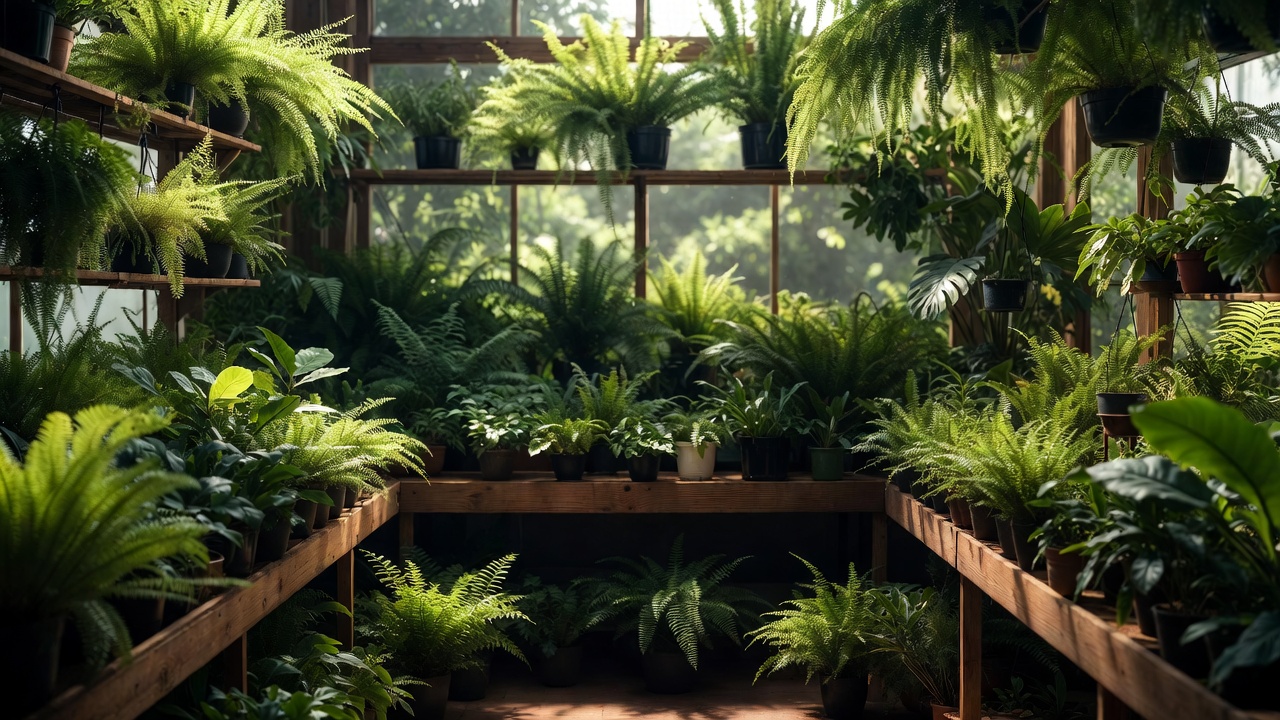
Because this is considered a rare indoor fern, sourcing can require effort.
Look For:
-
Specialty plant nurseries
-
Rare plant online shops
-
Collector marketplaces
-
Local plant expos
What to Check Before Purchasing:
-
Healthy green fronds
-
No pest damage
-
Well-rooted plant
-
Moist but not soggy soil
Expected Price Range
Due to rarity, prices may be higher than common ferns. Smaller starter plants are typically more affordable and adapt better to home environments.
Avoid listings with vague labeling or poor plant photos.
Frequently Asked Questions
Is Fern Coppedge hard to grow indoors?
It is moderately challenging. Beginners can grow it successfully if they manage humidity and watering carefully.
How fast does Fern Coppedge grow?
Growth rate is moderate during spring and summer. It slows significantly during winter.
Why are my Fern Coppedge leaves turning brown?
The most common reason is low humidity. Check indoor moisture levels first.
Can it survive in low light?
It tolerates low light but thrives in bright, indirect light. Too little light leads to sparse growth.
How often should I water Fern Coppedge?
Water when the top inch of soil feels slightly dry. Avoid strict schedules.
Does it need a humidifier?
In most homes, yes — especially during winter months when indoor air becomes dry.
Final Thoughts: Is Fern Coppedge Worth Adding to Your Indoor Plant Collection?
If you appreciate refined foliage and enjoy caring for humidity-loving plants, Fern Coppedge can be a stunning addition to your indoor garden.
It’s best suited for:
-
Intermediate growers
-
Collectors seeking rare foliage
-
Homes where humidity can be maintained
-
Plant enthusiasts willing to monitor watering closely
It may not be the easiest fern available, but with proper light, consistent moisture, and elevated humidity, it becomes a graceful, long-lasting specimen.
For indoor plant lovers ready to expand beyond common varieties, Fern Coppedge offers both challenge and reward — a balance that makes rare plants truly satisfying to grow.