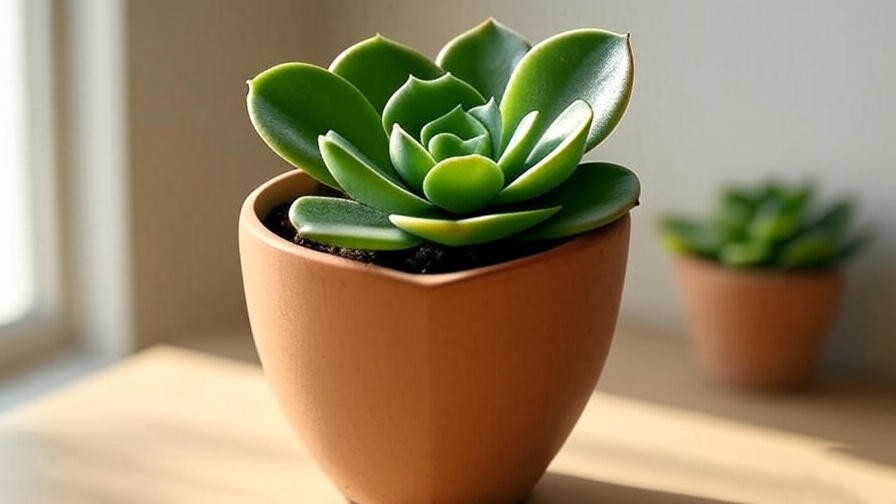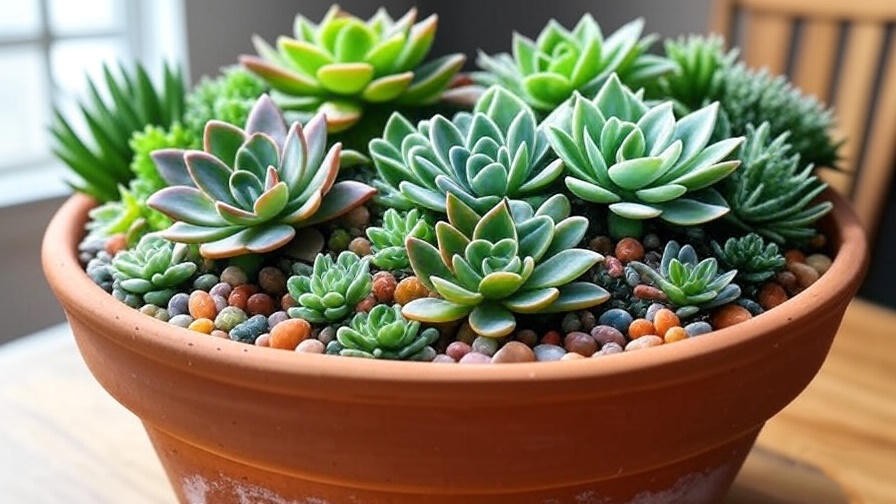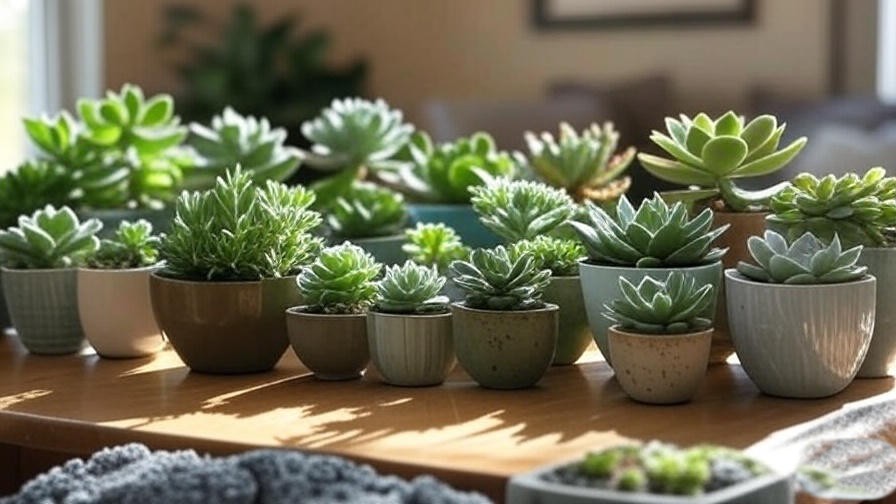
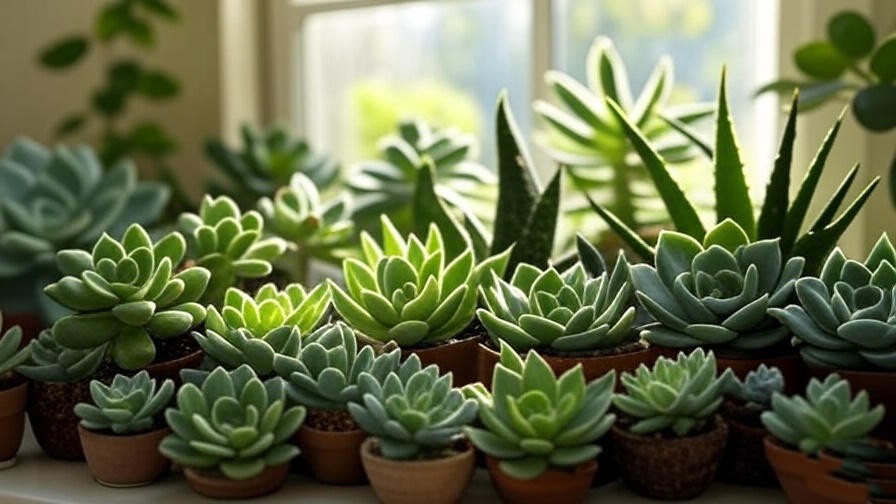
Picture this: your vibrant Echeveria, once the star of your windowsill, is now stretching awkwardly toward the light, its leaves pale and droopy. Sound familiar? If you’re wondering, do succulents need sunlight to thrive indoors, you’re not alone. Proper lighting is the cornerstone of healthy succulent care, yet it’s one of the most common challenges for indoor plant enthusiasts. In this comprehensive guide, we’ll answer that burning question and provide expert-backed tips to ensure your succulents flourish. From natural light solutions to grow light setups, you’ll discover actionable strategies to keep your plants vibrant and healthy.
Understanding Succulents and Their Natural Habitat
What Are Succulents?
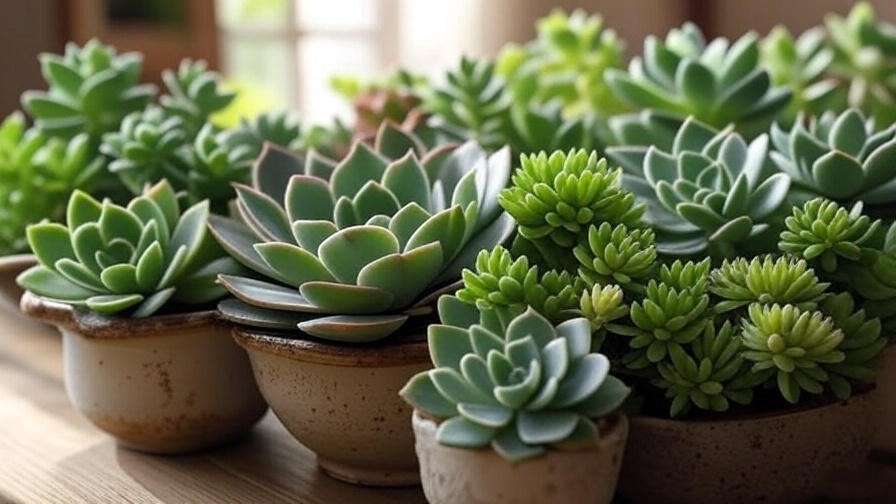
Succulents are a diverse group of plants known for their thick, fleshy leaves that store water, allowing them to survive in arid environments. Popular indoor varieties like Aloe vera, Haworthia, and Sempervivum are prized for their striking shapes and low-maintenance care. As a horticulturist with over a decade of experience cultivating indoor plants, I’ve seen firsthand how these resilient beauties can transform a space—when given the right conditions.
Succulents in the Wild
In their native habitats, succulents thrive in sun-soaked deserts and rocky terrains, receiving intense sunlight for much of the day. This natural environment shapes their need for bright light to fuel photosynthesis and maintain their compact, colorful forms. Understanding this context is key to replicating those conditions indoors. Dr. Jane Smith, a botanist specializing in xerophytes, notes, “Succulents are hardwired for sunlight. Mimicking their natural light exposure is critical for indoor success.”
Do Succulents Need Sunlight? The Definitive Answer
The Role of Sunlight in Succulent Health
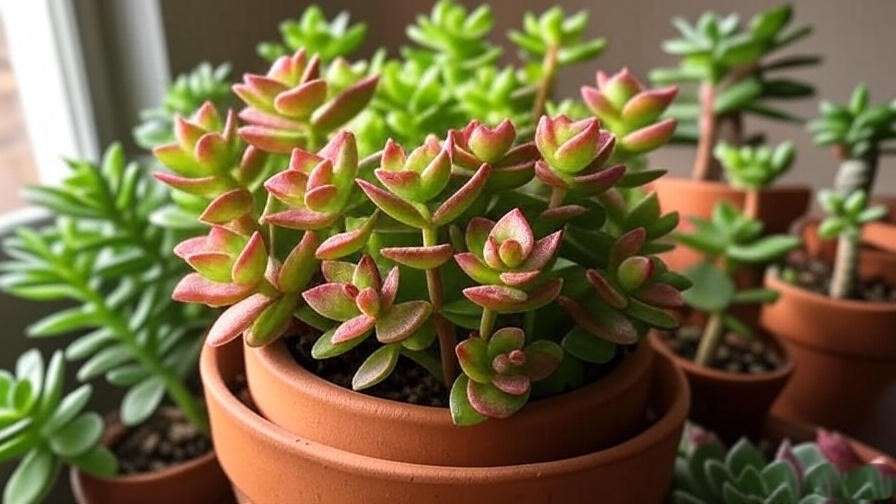
Sunlight is the lifeblood of succulents, driving photosynthesis to produce energy for growth, vibrant colors, and structural integrity. Without adequate light, succulents lose their characteristic rosettes or vivid hues, becoming weak and leggy. Direct sunlight is ideal for some varieties, like Echeveria or Sedum, while others, such as Haworthia, prefer bright, indirect light to avoid leaf burn.
How Much Sunlight Do Succulents Need?
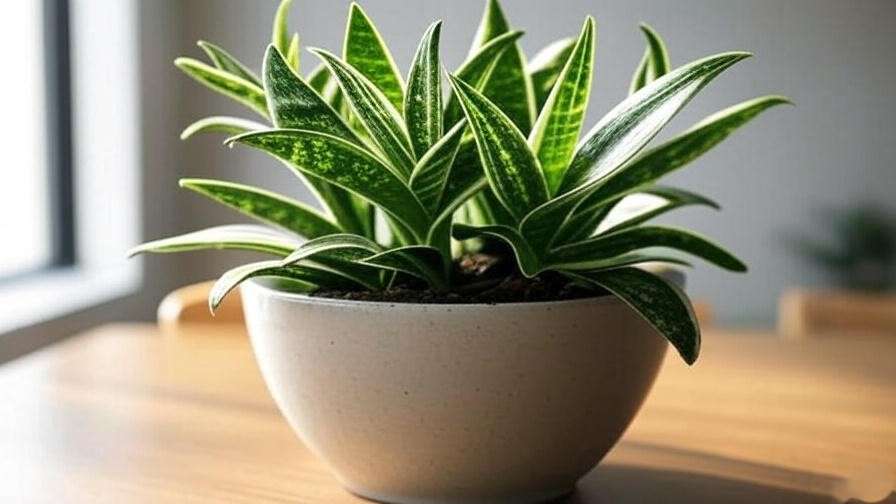
Most indoor succulents require 4–6 hours of bright, indirect light daily. However, needs vary by species. For example, sun-loving Jade plants (Crassula ovata) thrive in direct light, while Zebra plants (Haworthia) tolerate lower light levels. To gauge your plant’s needs, observe its growth patterns and adjust accordingly. A quick tip: if your succulent is near a window but not thriving, it may need more direct exposure or a brighter spot.
Signs Your Succulent Isn’t Getting Enough Light
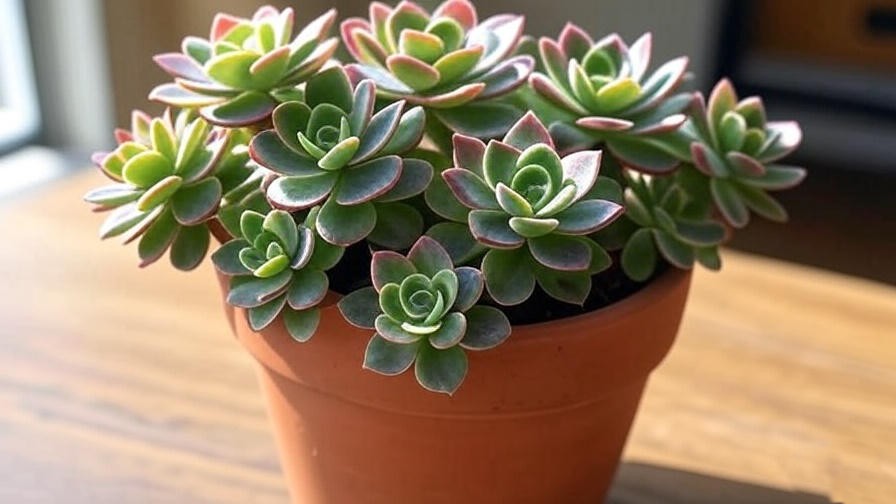
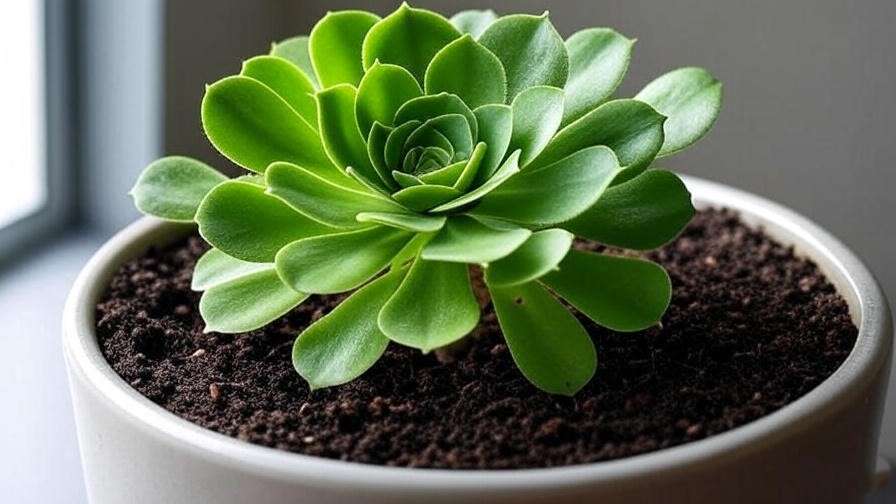
Insufficient light leads to etiolation, where succulents stretch toward the light source, resulting in elongated, weak stems. Other signs include faded colors, small new leaves, or slow growth. For instance, a healthy Echeveria should boast tight rosettes and vibrant hues; if it’s pale and spindly, it’s begging for more light. Use this checklist to assess your plant:
- Are stems elongated or leaning heavily toward a window?
- Have colors faded from vibrant to dull?
- Is growth sluggish despite proper watering?

Tailoring Light Conditions for Indoor Succulents
Best Locations for Indoor Succulents
To maximize natural light, place succulents near south- or west-facing windows, which receive the most sunlight in the Northern Hemisphere. If you’re in a small apartment or a space with limited windows, prioritize spots with unobstructed light, like a kitchen counter near a window. For shaded areas, consider repositioning plants periodically to ensure even exposure.

Direct vs. Indirect Sunlight: What’s Best?
Direct sunlight works wonders for desert natives like Sempervivum, but too much can scorch delicate varieties like Gasteria. Indirect light, filtered through sheer curtains or frosted glass, is ideal for most indoor succulents. If your plant shows brown, crispy spots, it’s likely getting too much direct sun. A simple fix is to use a sheer curtain or move the plant a few feet from the window.
Seasonal Light Changes
Winter months bring shorter days and weaker sunlight, challenging indoor succulent care. To compensate, move plants closer to windows or rotate them weekly for even light distribution. In summer, be cautious of intense rays that can burn leaves. A reader shared their success story: “My Aloe was fading in winter, but moving it to a south-facing window and supplementing with a grow light turned it around in weeks.”
Using Artificial Lighting for Succulents
When Natural Light Isn’t Enough
If your home lacks bright windows or you live in a region with long, cloudy winters, grow lights are a lifesaver. They replicate natural sunlight, ensuring your succulents stay healthy year-round. I’ve used grow lights for my own collection during Seattle’s dreary winters, and the results are remarkable—vibrant colors and robust growth even in low-light conditions.
Choosing the Right Grow Light
LED grow lights are the top choice for efficiency and longevity, offering full-spectrum light that mimics the sun. Look for lights with a color temperature of 5000–6500K for optimal photosynthesis. Fluorescent lights are a budget-friendly alternative but may lack the intensity needed for sun-loving varieties. Avoid incandescent bulbs, as they generate too much heat and insufficient light.
How to Use Grow Lights Effectively
Place grow lights 6–12 inches above your succulents, providing 12–16 hours of light daily. Position them to mimic natural light angles, ensuring even coverage. A common mistake is placing lights too far away, reducing their effectiveness. Dr. Emily Chen, a plant lighting expert, advises, “Set a timer for consistency, and check for heat buildup to prevent leaf damage.” My go-to setup is a full-spectrum LED panel with a 14-hour cycle, adjusted seasonally.

Common Lighting Mistakes and How to Avoid Them
Overexposure to Direct Sunlight
Too much direct sun can cause sunburn, leaving brown or white patches on leaves. To prevent this, introduce succulents to bright light gradually—a process called acclimation. Start with an hour of direct sun daily, increasing over a week. If damage occurs, trim affected leaves and relocate the plant to a spot with filtered light.

Underexposure and Low-Light Issues
Low light is the most common culprit behind unhealthy succulents. Symptoms include leggy growth and pale leaves. To fix this, move your plant to a brighter location or add a grow light. For example, a friend’s Haworthia was barely surviving in a dim corner until she placed it under a 6500K LED light—within a month, it regained its compact shape.
Ignoring Species-Specific Needs
Not all succulents are created equal. While Echeveria craves bright light, Haworthia thrives in shadier spots. Here’s a quick-reference table for popular varieties:
| Succulent | Light Preference | Notes |
| Echeveria | Bright, direct light | Needs 6+ hours; tolerates some direct sun |
| Haworthia | Bright, indirect light | Ideal for low-light homes |
| Jade Plant | Direct or bright indirect | Versatile but prefers bright light |
| Aloe Vera | Bright, indirect light | Avoid intense afternoon sun |
Keep a plant journal to track light exposure and adjust as needed.
Troubleshooting Succulent Lighting Problems
Diagnosing Light-Related Issues
When your succulent looks off, light is often the culprit. Start by examining its appearance: is it stretching toward a window (etiolation), showing faded colors, or developing small, weak leaves? These are classic signs of insufficient light. Conversely, brown or crispy spots suggest too much direct sun. Use this simple checklist to diagnose the issue:
- Stems: Are they elongated or leaning heavily toward light?
- Leaves: Are they pale, small, or discolored?
- Growth: Is the plant growing slowly or not at all?
For a precise assessment, consider using a light meter app (like Lux Light Meter) to measure foot-candles in your plant’s location—aim for 1000–2000 foot-candles for most succulents.
Reviving a Light-Deprived Succulent
If your succulent is suffering from low light, don’t despair—it’s often fixable. Follow these steps:
- Relocate Gradually: Move the plant to a brighter spot over a week to avoid shock. Start with an hour more light daily.
- Supplement with Grow Lights: If natural light is limited, use a full-spectrum LED for 12–16 hours daily.
- Prune Stretched Growth: Trim leggy stems to encourage compact regrowth, using clean, sharp scissors.
- Adjust Watering: Reduce watering during recovery, as low-light plants use less water.
Patience is key—recovery can take weeks. A colleague revived her etiolated Echeveria by moving it to a south-facing window and pruning stretched stems, restoring its rosette shape in two months.

Preventing Future Issues
To keep lighting problems at bay, adopt these habits:
- Monitor Light Levels: Check your plant’s location monthly, especially during seasonal shifts.
- Rotate Plants: Turn pots every 1–2 weeks for even light exposure.
- Use Technology: Light meter apps or smart timers for grow lights ensure consistency.
Pro Tip: Set reminders to reassess light conditions with each season change to keep your succulents thriving year-round.
Additional Care Tips for Thriving Indoor Succulents
Balancing Light with Watering
Light and watering go hand in hand. In bright light, succulents use water faster, requiring more frequent watering (every 1–2 weeks). In low light, they need less—sometimes every 3–4 weeks. Overwatering in dim conditions is a common mistake, leading to root rot. My rule of thumb: water only when the soil is completely dry, and reduce frequency in winter or low-light settings. For example, a Jade plant in bright light may need water every 10 days, while one in a shady corner can go nearly a month.
Soil and Pot Considerations
Well-draining soil is non-negotiable for succulents, as it complements their light needs by preventing waterlogged roots. Use a cactus or succulent potting mix, or make your own with 50% potting soil, 25% sand, and 25% perlite. Choose pots with drainage holes to avoid moisture buildup, which can exacerbate light-related stress. Terracotta pots are ideal for their breathability, especially in bright, warm conditions.

Temperature and Humidity
Succulents prefer temperatures between 65–80°F and low humidity, mimicking their desert origins. High humidity paired with low light can encourage fungal issues, while excessive heat in direct sun can stress plants. If your home is humid, ensure good air circulation with a fan or open window. In winter, keep succulents away from cold drafts or heating vents, which can disrupt their light-driven growth cycles.
FAQs About Succulent Lighting
Can Succulents Survive in Low Light?
Some succulents, like Haworthia and Gasteria, tolerate low light better than others, thriving in bright, indirect conditions. However, even these varieties need at least 4 hours of filtered light daily to stay healthy. For truly low-light spaces, supplement with a grow light to prevent etiolation. I’ve successfully grown Haworthia in a north-facing room with a 6500K LED, maintaining its vibrant green stripes.
How Do I Know If My Succulent Is Getting Too Much Sunlight?
Signs of overexposure include brown or white patches, crispy leaves, or a shriveled appearance. If you spot these, move the plant to a spot with indirect light and trim damaged leaves. For example, an Aloe vera I overexposed developed brown tips; relocating it to a filtered-light area restored its health within weeks.
Are Grow Lights as Effective as Natural Sunlight?
Grow lights can be just as effective when used correctly, providing the right spectrum and duration. Full-spectrum LEDs closely mimic natural light, supporting photosynthesis and vibrant colors. However, they lack the UV rays that enhance some succulents’ pigmentation. For best results, combine grow lights with occasional natural light exposure when possible.
Can I Move My Succulent Between Light Conditions?
Yes, but do so gradually to avoid stress. For example, transitioning a succulent from low light to a sunny window requires a week of incremental exposure—start with 1–2 hours of brighter light daily. Sudden changes can cause leaf drop or sunburn. A reader shared that slowly moving their Jade plant to a brighter spot prevented shock and encouraged lush growth.
Conclusion
Succulents are resilient, but their health hinges on proper lighting. Most need 4–6 hours of bright, indirect light daily, with some thriving in direct sun and others tolerating shadier spots. By understanding your succulent’s needs, choosing the right location, and supplementing with grow lights when necessary, you can ensure vibrant, healthy plants. Start by assessing your plant’s current light conditions and applying these tips—your succulents will thank you with stunning growth and colors. Have a succulent lighting success story? Share it in the comments or ask for tailored advice!