Have you ever brought home a coral cactus, admired its stunning fan-shaped crest, and then panicked a few weeks later when it started turning yellow, drooping, or looking… just wrong?
You’re not alone.
The coral cactus is one of the most visually striking indoor plants you can own — but it’s also one of the most misunderstood. Many plant owners treat it like a regular cactus, only to struggle with overwatering, rot, or mysterious decline. The truth? A coral cactus isn’t even a true cactus. And that single fact changes everything about how you should care for it.
In this comprehensive guide, you’ll learn exactly how to grow, water, and troubleshoot coral cactus indoors. We’ll cover lighting, soil, watering techniques, fertilizing, seasonal care, toxicity, and expert-level problem diagnosis — so you can keep your plant thriving for years.
What Is a Coral Cactus? (Understanding the Plant Before You Care for It)
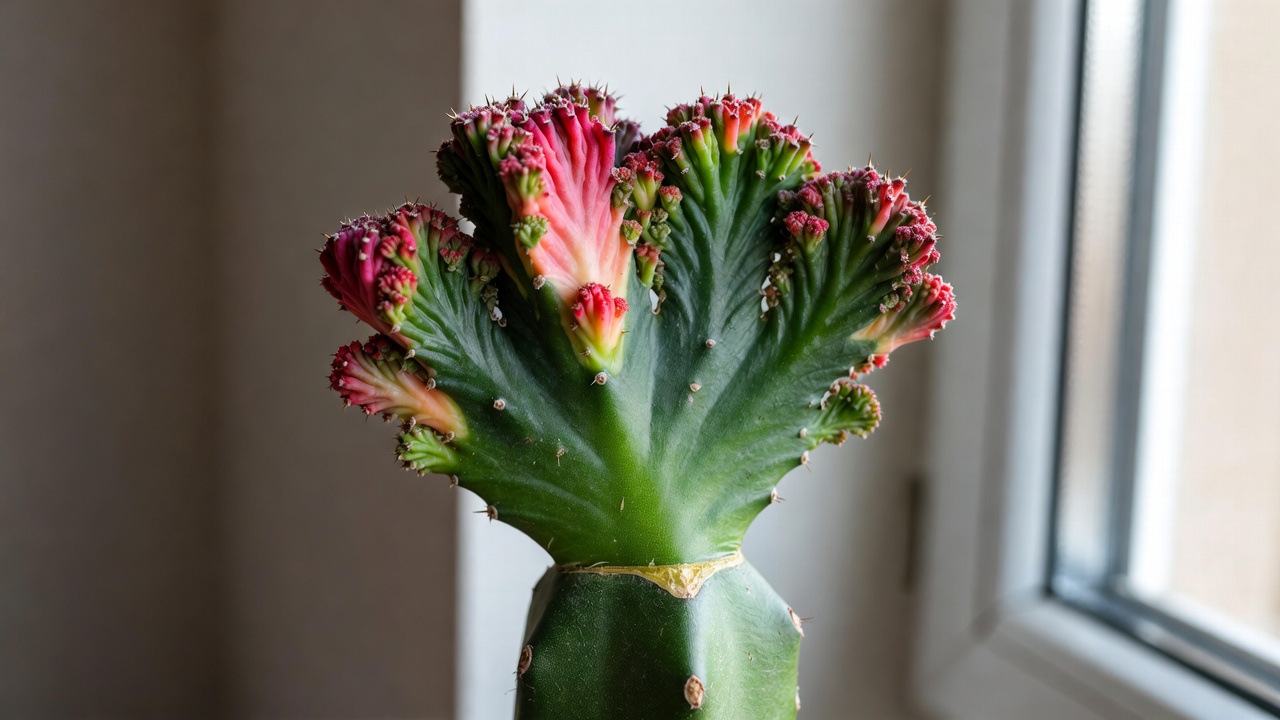
Before we talk about care, we need to clarify something critical: a coral cactus is actually a grafted Euphorbia, not a desert cactus.
Understanding this is the key to preventing 90% of common issues.
The Truth: Coral Cactus Is a Grafted Plant
A coral cactus is created by grafting a crested form of Euphorbia lactea onto the rootstock of Euphorbia neriifolia. The colorful, wavy “coral” top is the crested portion, while the green base is the rootstock.
This grafting process is done because the crested Euphorbia cannot survive well on its own roots. The stronger rootstock supports its growth.
Why this matters:
- The top and bottom are two different plants.
- If the base rots, the entire plant fails.
- Watering mistakes affect grafted plants more quickly.
Why It’s Not a True Cactus
Unlike true cacti:
- Coral cactus produces milky latex sap
- It belongs to the Euphorbia genus
- It has different moisture and stress tolerances
This latex sap can irritate skin and eyes, which is why handling precautions are important (we’ll cover this later).
Unique Growth Pattern and Lifespan
The fan-shaped crest forms from a mutation called fasciation. When properly cared for, a coral cactus can live 10+ years indoors.
Healthy signs include:
- Firm rootstock
- Upright posture
- Vibrant green, pink, or purple crest
- No mushy areas
Now that you understand its structure, let’s move into proper indoor growing conditions.
Ideal Growing Conditions for Coral Cactus Indoors
Light Requirements (The #1 Success Factor)
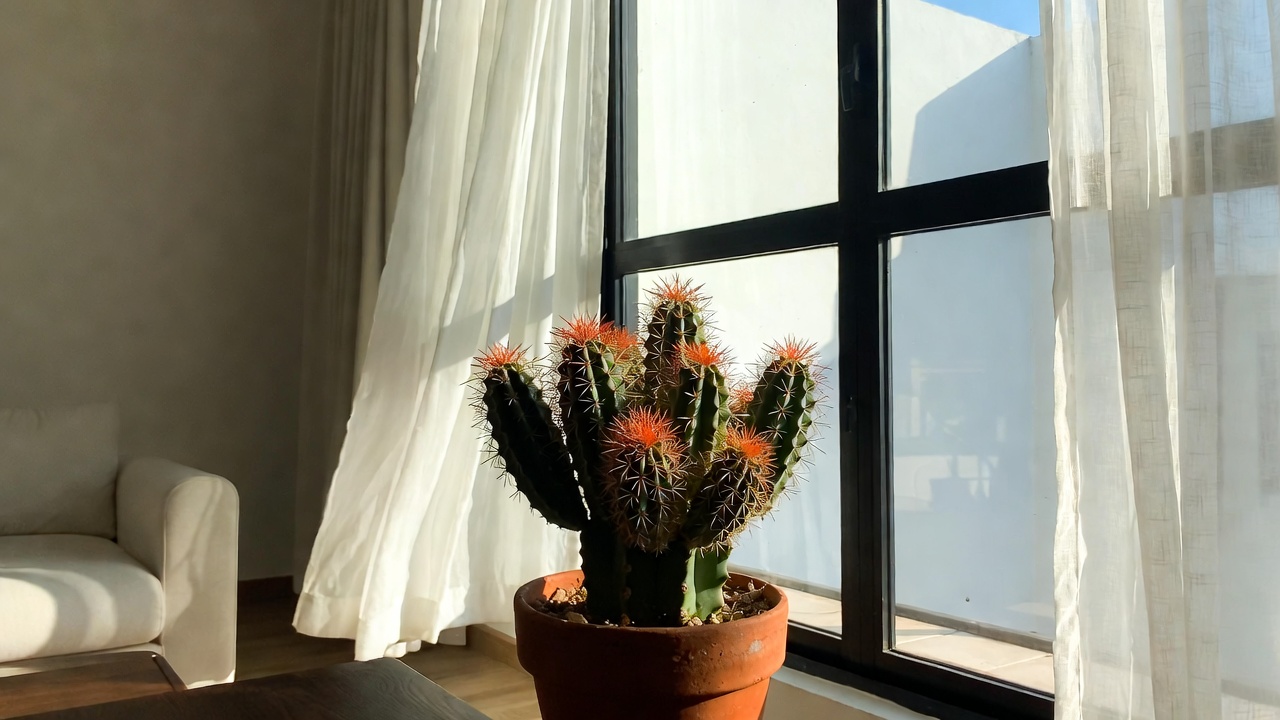
If there’s one factor that determines success, it’s light.
Best Light: Bright, indirect sunlight
Ideal Placement: Near a south- or west-facing window with filtered light
Too much direct sun can scorch the crest, while insufficient light leads to:
- Faded color
- Weak growth
- Leaning or stretching
If your home lacks bright natural light, a full-spectrum grow light placed 12–18 inches above the plant works well.
Expert Tip: Rotate your coral cactus every 2–3 weeks to ensure even light exposure and prevent leaning.
Temperature and Humidity Needs
Coral cactus prefers:
- 60–85°F (15–29°C)
- Average indoor humidity (30–50%)
It is not frost tolerant. Temperatures below 50°F (10°C) can cause stress or permanent damage.
During winter:
- Keep away from drafty windows
- Avoid placing near heating vents
Unlike tropical houseplants, coral cactus does not require high humidity — making it ideal for standard indoor environments.
Best Soil Mix for Coral Cactus
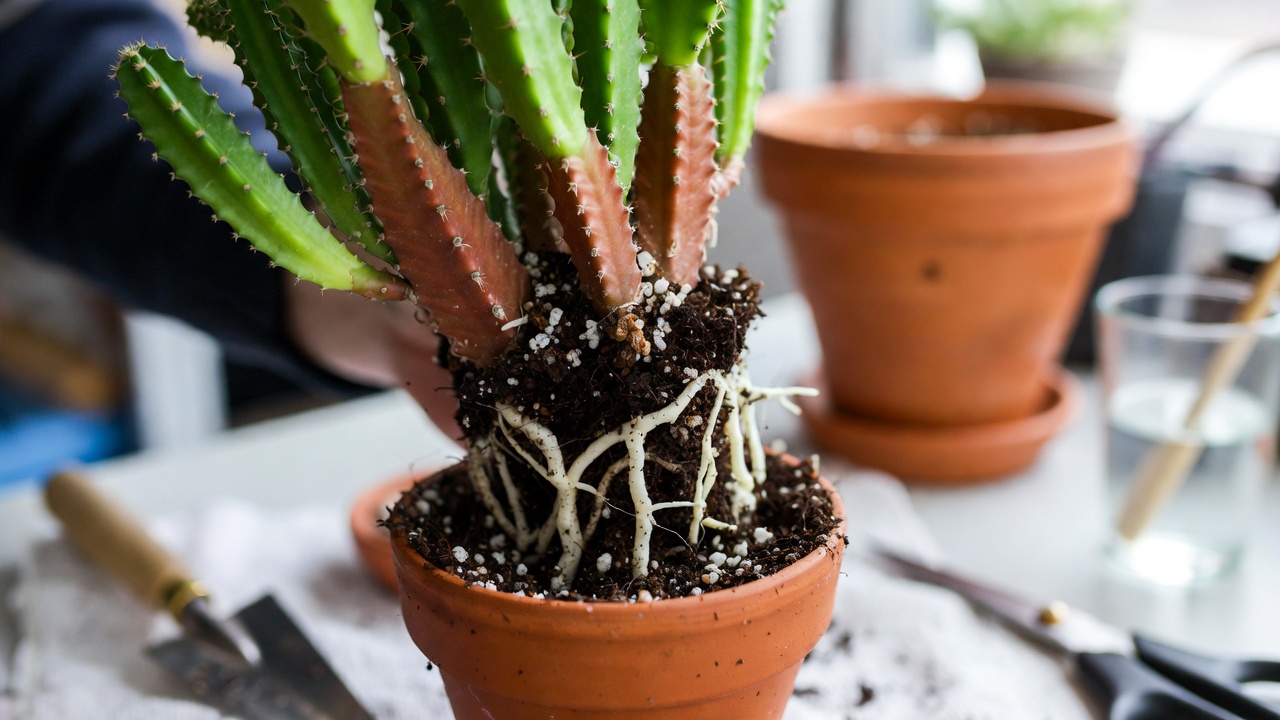
Drainage is critical.
Use:
- Cactus or succulent potting mix
- Add extra perlite or coarse sand (about 30%) for improved drainage
A well-draining soil prevents water from sitting around the rootstock, which can cause root rot — the most common killer of coral cactus.
DIY Soil Recipe:
- 2 parts succulent mix
- 1 part perlite
- 1 part coarse sand
Avoid heavy, peat-dense soils that retain moisture.
Choosing the Right Pot
Always choose a pot with a drainage hole.
Best materials:
- Terracotta (absorbs excess moisture)
- Unglazed ceramic
Plastic pots retain more moisture and may increase rot risk if watering isn’t carefully controlled.
Repot every 2–3 years or when roots outgrow the container.
How to Water Coral Cactus Properly (Most Common Mistake)
Improper watering is the number one reason coral cactus struggles indoors.
The Correct Watering Method: Soak and Dry
- Water thoroughly until excess drains out.
- Allow soil to dry completely before watering again.
Never water lightly and frequently. This creates shallow root growth and increases rot risk.
To check soil dryness:
- Insert your finger 2 inches into the soil.
- Use a moisture meter.
- Lift the pot (dry soil feels much lighter).
How Often Should You Water Coral Cactus?
Watering frequency depends on season and environment.
Spring & Summer (Active Growth):
- Every 10–14 days (after soil dries completely)
Fall & Winter (Dormancy):
- Every 3–4 weeks
Homes with higher light and warmth may require slightly more frequent watering.
Avoid rigid schedules — always check soil first.
Signs of Overwatering
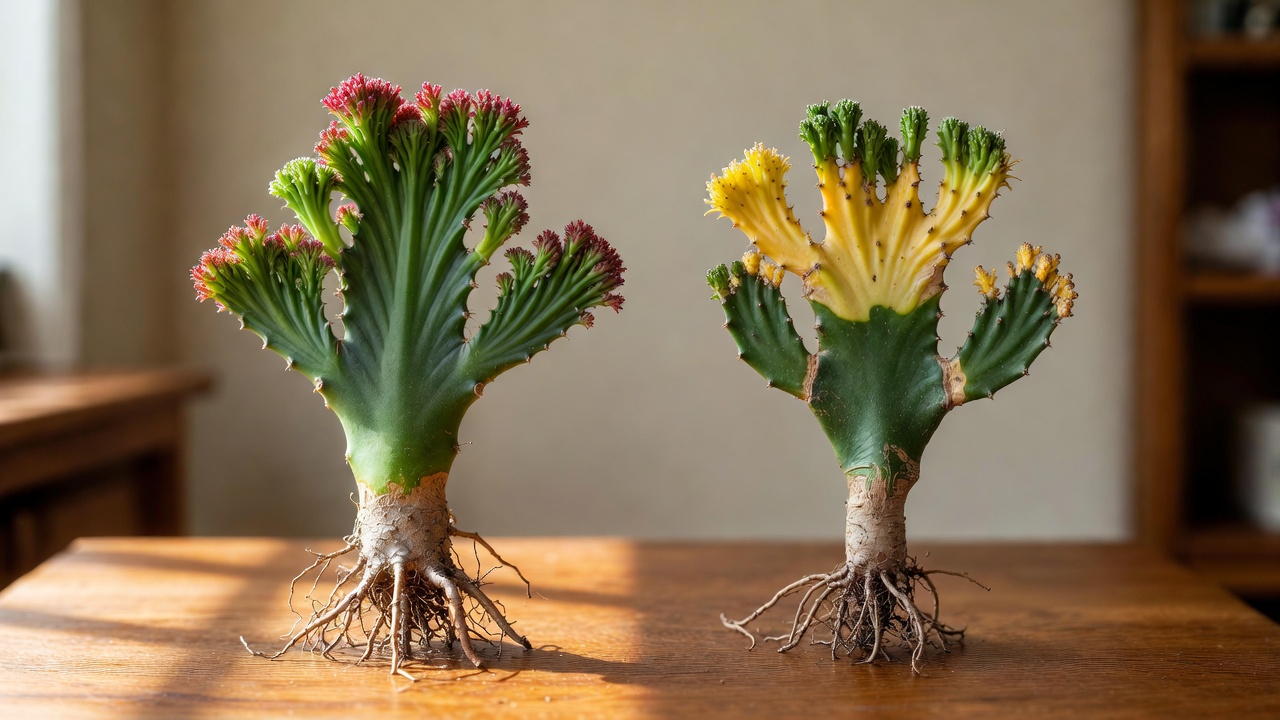
- Yellowing crest
- Mushy or soft base
- Blackened rootstock
- Foul odor from soil
If caught early:
- Remove plant from soil
- Trim rotted roots
- Repot in dry, fresh mix
Signs of Underwatering
- Wrinkled or shriveled crest
- Drooping top
- Very dry, compact soil
Underwatering is easier to fix than overwatering. Deeply water and monitor recovery over several days.
Why Grafted Plants Are Extra Sensitive
Because coral cactus is grafted, the rootstock must remain healthy to support the crest.
If the base rots:
- The top may collapse quickly
- Recovery becomes difficult
- Regrafting may be required
This is why careful watering is non-negotiable.
Fertilizing Coral Cactus for Healthy Growth
Coral cactus is not a heavy feeder.
When to Fertilize
- Only during spring and summer
- Once every 4–6 weeks
Do not fertilize during fall or winter dormancy.
Best Fertilizer Type
Use:
- Diluted succulent fertilizer (half strength)
- Low nitrogen formula
Too much nitrogen causes weak, overly soft growth.
How to Avoid Fertilizer Burn
- Always water before fertilizing
- Never apply to dry soil
- Use diluted solution
Overfertilizing can cause salt buildup and root damage.
Common Coral Cactus Problems and How to Fix Them
Even experienced plant owners encounter issues. Let’s break down solutions clearly.
Coral Cactus Turning Yellow
Most common causes:
- Overwatering
- Poor drainage
- Root rot
Solution:
- Inspect roots
- Repot if necessary
- Adjust watering schedule
Coral Cactus Turning Brown or Crispy
Possible causes:
- Sunburn from direct afternoon light
- Severe underwatering
- Heat stress
Move to filtered light and adjust watering.
Soft or Rotting Base (Emergency Situation)
If the base feels mushy:
- Remove from pot immediately
- Cut away affected tissue with sterilized tool
- Allow to callous for 1–2 days
- Repot in dry soil
If rot reaches the graft union, saving the plant becomes very difficult.
Drooping or Wilting Crest
Likely causes:
- Root stress
- Recent repotting shock
- Light imbalance
Ensure stable light and avoid overwatering while plant recovers.
Pest Issues (Mealybugs, Spider Mites)
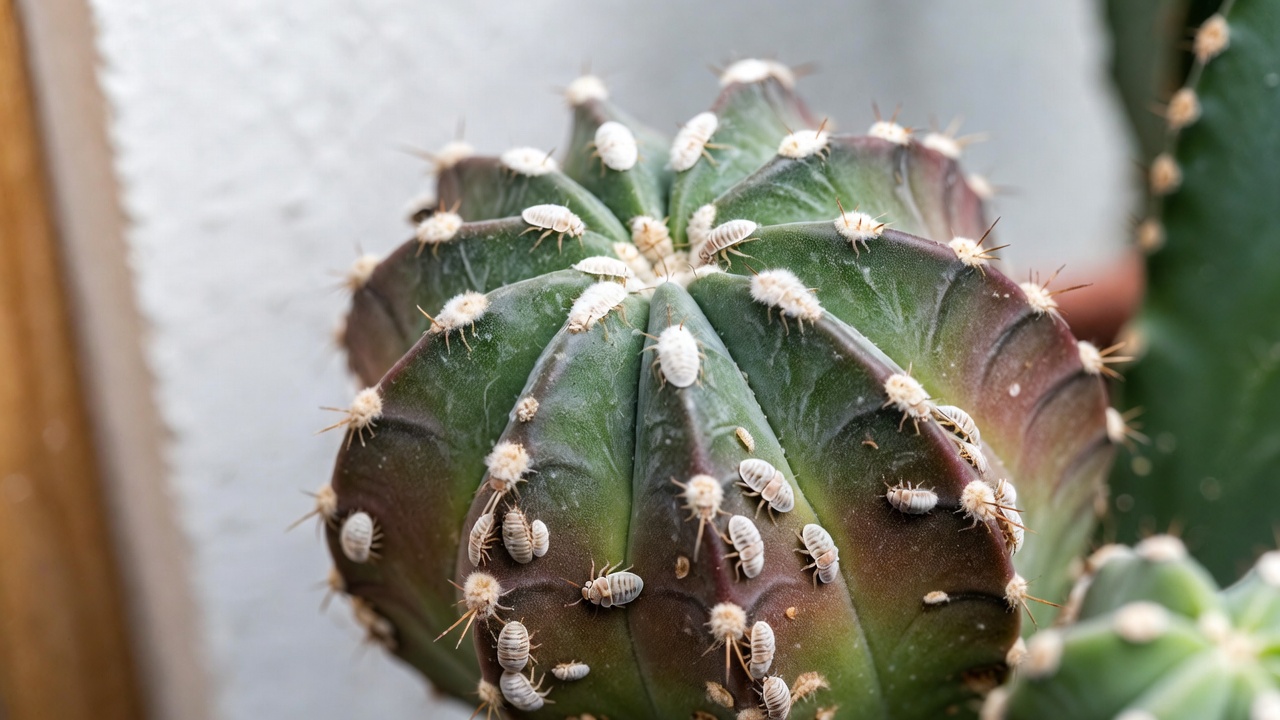
Look for:
- White cottony residue (mealybugs)
- Fine webbing (spider mites)
Treatment:
- Dab with alcohol-soaked cotton swab
- Use insecticidal soap
- Isolate infected plant
Preventative step: Inspect monthly, especially in dry indoor conditions.
Can You Propagate a Coral Cactus?
Propagation is complicated due to grafting.
The crest alone cannot survive easily without rootstock.
Advanced growers can attempt regrafting, but success requires:
- Sterile tools
- Healthy rootstock
- Proper alignment of vascular tissue
For beginners, buying a new plant is often more practical.
Is Coral Cactus Toxic? (Important Safety Information)
One of the most overlooked aspects of coral cactus care is safety. Because it belongs to the Euphorbia family, it produces a white, milky latex sap that can cause irritation.
Toxicity to Pets and Children
Coral cactus is considered toxic if ingested. The sap may cause:
- Skin irritation or rash
- Eye irritation if touched and rubbed
- Gastrointestinal upset if consumed by pets
Cats and dogs are especially sensitive to plant latex.
If ingestion occurs:
- Rinse mouth gently
- Offer water
- Contact a veterinarian or poison control if symptoms develop
While severe poisoning is rare, prevention is always best.
Safe Handling Tips
When repotting, pruning, or dealing with damage:
- Wear gloves
- Avoid touching eyes
- Wash hands after handling
- Keep out of reach of pets and small children
If sap contacts skin:
- Wash immediately with soap and cool water
- Apply soothing lotion if irritation develops
Expert Note: The sap is most active when stems are cut or damaged. Routine handling is generally safe if the plant is intact.
Styling and Display Tips for Indoor Spaces
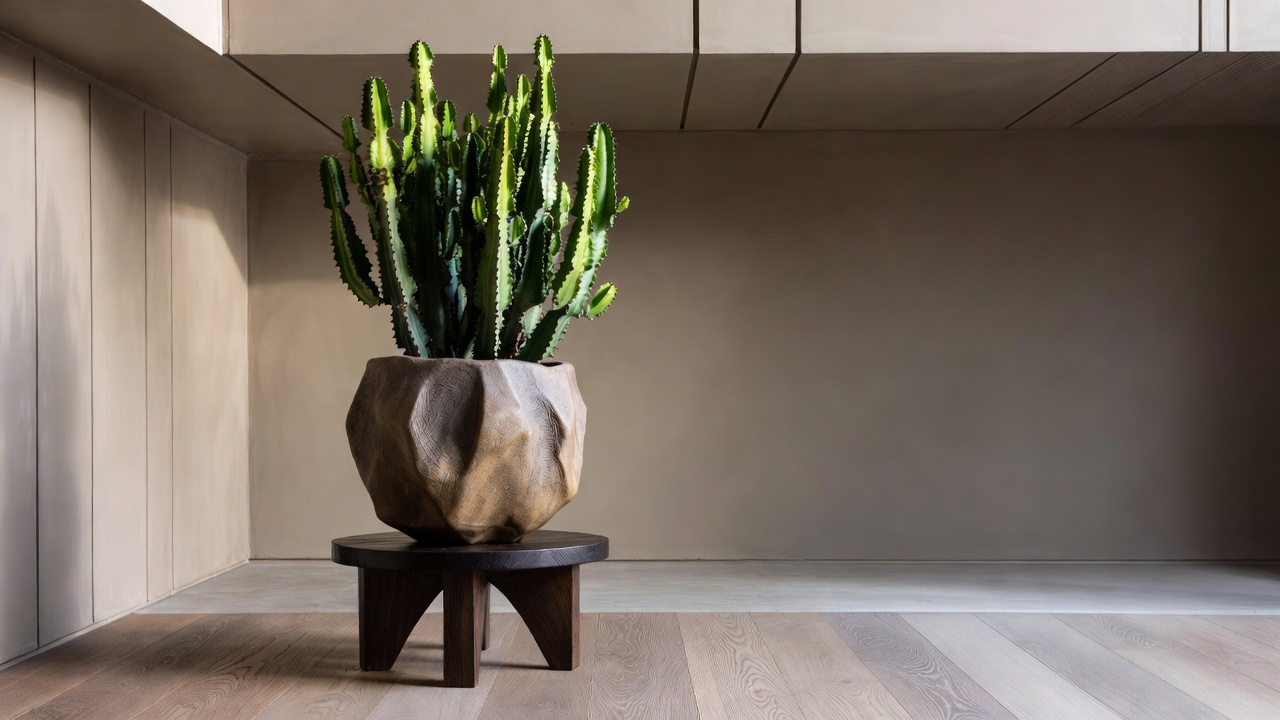
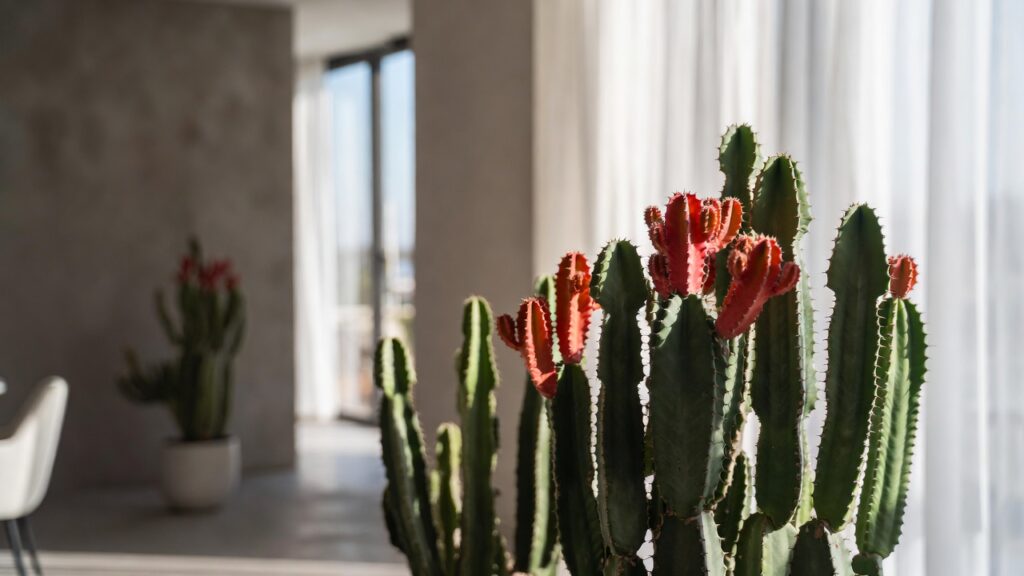
Beyond care, coral cactus is a statement plant. Its sculptural form makes it ideal for modern interiors.
Best Placement Ideas
Because it prefers bright indirect light, ideal spots include:
- Near a south-facing window with sheer curtains
- On a plant stand beside a bright window
- In minimalist spaces where its shape can stand out
Its unusual coral-like crest pairs beautifully with:
- Neutral decor
- Modern ceramic planters
- Mid-century furniture
Avoid placing it in dark corners simply for aesthetics — light always comes first.
Pairing with Other Indoor Plants
Coral cactus thrives in drier conditions, so it pairs well with:
- Other succulents
- Snake plants
- ZZ plants
Avoid placing next to humidity-loving tropical plants like ferns or calatheas. Mixed watering needs can lead to overwatering mistakes.
Seasonal Coral Cactus Care Calendar
One of the biggest mistakes indoor plant owners make is treating plant care as static year-round. Coral cactus has seasonal needs.
Spring
- Resume regular watering as growth increases
- Begin fertilizing monthly
- Check for repotting needs
This is the most active growth period.
Summer
- Monitor soil closely (faster drying)
- Protect from harsh afternoon sun
- Continue fertilizing every 4–6 weeks
Ensure good airflow in hot climates.
Fall
- Gradually reduce fertilizing
- Slightly extend watering intervals
- Prepare for reduced daylight
This transition phase is important to prevent overwatering.
Winter
- Minimal watering (every 3–4 weeks)
- No fertilizer
- Maximize available light
Winter overwatering is the leading cause of root rot. When in doubt, wait a few extra days before watering.
Beginner Mistakes to Avoid
Even experienced indoor gardeners can misjudge coral cactus care. Here are the most common pitfalls:
- Treating it like a true cactus
Euphorbia has different moisture tolerance. - Watering on a fixed schedule
Always check soil dryness first. - Using dense, moisture-retaining soil
Drainage is critical. - Ignoring early signs of rot
Mushy tissue should be addressed immediately. - Overfertilizing for faster growth
This causes weak, stressed tissue. - Placing it in low light
Leads to dull color and weak growth.
Avoiding these mistakes dramatically increases your plant’s lifespan.
Expert Indoor Care Checklist (Quick Reference)
For long-term success, focus on these five pillars:
Light: Bright, indirect sunlight
Soil: Fast-draining succulent mix
Watering: Soak and dry method
Temperature: 60–85°F
Fertilizer: Diluted, only during active growth
If you consistently meet these conditions, coral cactus becomes a surprisingly resilient indoor plant.
Frequently Asked Questions About Coral Cactus
How long does a coral cactus live?
With proper care, a coral cactus can live 10 years or more indoors. The health of the rootstock largely determines lifespan.
Why is my coral cactus losing color?
Common causes include:
- Insufficient light
- Seasonal dormancy
- Nutrient deficiency
Increase bright indirect light first before adjusting anything else.
Can coral cactus survive outdoors?
It can survive outdoors in warm climates (USDA Zones 10–11), but must be protected from frost and intense direct sun.
In most regions, it is best grown as an indoor plant.
How fast does coral cactus grow?
Growth is slow to moderate. You may notice gradual expansion of the crest during spring and summer.
Rapid growth is not typical and can indicate excessive fertilization.
When should I repot coral cactus?
Repot every 2–3 years or when:
- Roots outgrow the pot
- Soil compacts heavily
- Drainage slows significantly
Always repot during spring for best recovery.
Final Thoughts: How to Keep Your Coral Cactus Thriving for Years
The coral cactus may look exotic and delicate, but once you understand its true nature as a grafted Euphorbia, its care becomes logical and manageable.
Success comes down to three non-negotiables:
- Bright, indirect light
- Excellent drainage
- Controlled, intentional watering
If you observe your plant closely and adjust care based on season and environment — rather than following rigid schedules — your coral cactus can remain a stunning focal point in your indoor garden for many years.
Unlike trend-driven houseplants, this one rewards patience and precision. And when cared for properly, few indoor plants offer such sculptural beauty with relatively low maintenance.