
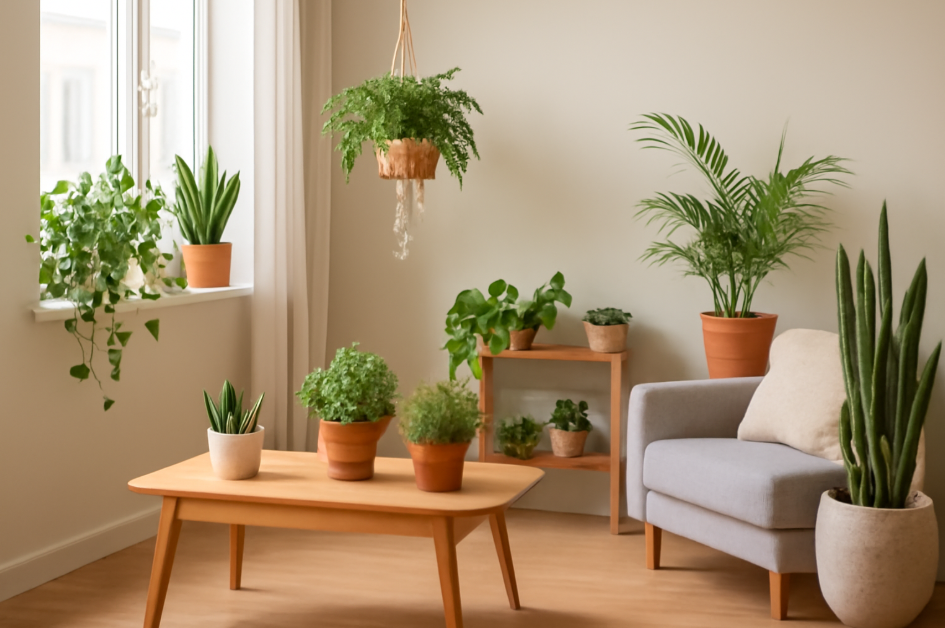
Are you dreaming of a lush indoor garden but feel limited by your small space? 🌱 You’re not alone! Many people face the same challenge—how to bring nature into their homes when space is at a premium. Whether you live in a tiny apartment or a cozy home with limited sunlight, container gardening for indoor plants is the perfect solution.
In this guide, we’ll show you how easy and rewarding it is to create your own indoor garden with just a few simple steps. You’ll learn expert tips on choosing the right plants, containers, and care techniques to ensure your plants thrive, no matter how little space you have. Ready to transform your indoor space into a green oasis? Let’s dive in and explore how container gardening can change your home—one pot at a time! 🌿
1. Why Choose Container Gardening for Indoor Plants?
If you’ve ever wanted to grow your own indoor garden but thought your space was too small, container gardening for indoor plants is the perfect solution! 🪴 Whether you’re working with a tiny apartment, a small balcony, or a window sill, container gardening allows you to enjoy the beauty of plants without needing a large garden. Here’s why you should consider giving it a try:

1.1 Maximize Your Space Efficiently
Container gardening makes it possible to grow plants in even the smallest of spaces. 🏡 With the right containers, you can easily transform a windowsill, tabletop, or corner into a thriving garden. Small pots or hanging baskets are perfect for tight areas and let you take advantage of every inch of available space.
1.2 Easy to Manage and Maintain
Unlike traditional gardening, container gardening offers control over your plants’ environment. 🌿 You can customize the type of soil, control watering, and move plants around as needed for sunlight. This is especially beneficial for beginners, as it allows you to avoid common mistakes like overwatering or poor soil conditions. Plus, it’s much easier to care for smaller, manageable containers than a full outdoor garden.
1.3 Flexible and Mobile
Container gardens are portable! You can easily rearrange your plants based on their sunlight needs or move them around when seasons change. 🌞 For instance, during the winter, you can bring your plants closer to a sunny window or move them to a warmer spot. This flexibility ensures your plants are always getting the care they need.
1.4 Less Exposure to Pests and Diseases
With container gardening, you’re reducing the risk of pests and diseases that can affect outdoor gardens. 🐞 Containers allow you to keep your plants isolated, making it easier to spot problems early and treat them before they spread. This means healthier plants with less effort.
1.5 Perfect for Beginners
Container gardening is incredibly beginner-friendly. 🙌 You don’t need extensive gardening knowledge to get started, and there’s less guesswork involved. Whether you’re a complete novice or just looking for an easy, manageable way to grow plants, container gardening simplifies the process.
In summary, container gardening for indoor plants is an accessible, flexible, and low-maintenance way to bring nature into your home—no matter how small your space is. With its easy setup and countless benefits, it’s no wonder more and more people are choosing to grow their indoor gardens in containers. Ready to start? Let’s dive into the next section and explore how to choose the right containers for your indoor plants! 😊
2. Choosing the Right Containers for Indoor Plants
Selecting the perfect container for your indoor plants is key to their growth and success. 🌿 The right pot can help with drainage, root development, and overall plant health. Here’s everything you need to know to make the best choice for your plants:

2.1 Container Material: Which One is Best?
There are a few common materials for plant containers, each with its own advantages and drawbacks. Let’s break them down:
- Plastic Pots: Lightweight and easy to move around. 🌱 They hold moisture well, making them a good option for plants that need consistent watering. Plastic pots are also affordable and come in many sizes and colors.
- Ceramic Pots: Beautiful and stylish, ceramic pots can add a touch of elegance to your indoor garden. They retain moisture but are heavier than plastic pots, so they’re great for plants that like consistent hydration. 🌸
- Terracotta Pots: Known for their classic, earthy look, terracotta pots are breathable and allow excess moisture to evaporate, preventing root rot. However, they dry out faster, so they may require more frequent watering. 🏺
2.2 Size Matters: Choosing the Right Pot Size
When it comes to container gardening, the size of your pot is crucial. Here’s how to get it right:
- Too Small? If the pot is too small, the roots will become crowded and stressed, affecting the plant’s growth. 🪴 The plant may also dry out quickly, requiring more frequent watering.
- Too Large? A pot that’s too big will hold too much water, which can lead to root rot. It may also encourage overwatering. 🌧️
The ideal size is one that’s just a little larger than your plant’s root system. A good rule of thumb is to choose a pot that’s about 2 inches larger in diameter than the current pot.
2.3 Drainage: A Must for Healthy Roots
Good drainage is essential for indoor plants. Without it, water can build up at the bottom of the pot, causing root rot and other issues. 🌊 Make sure your container has at least one drainage hole. If you’re using a decorative pot without drainage holes, consider placing your plant in a plastic nursery pot that fits inside.
2.4 Self-Watering Pots: Convenience for Busy Gardeners
If you’re worried about remembering to water your plants, self-watering containers might be the solution! These pots have a built-in reservoir that allows the plant to absorb water as needed. 💧 They’re perfect for busy people or for plants that don’t like to dry out too quickly, like ferns or peace lilies.
2.5 Repurposed Containers: A Creative and Sustainable Option
Don’t underestimate the power of repurposing old containers! 🍶 You can use almost anything—old mugs, jars, or even wooden crates—as long as they have drainage holes. Just make sure the material is safe for plants and that the container can support the size of the plant.
3. Selecting the Best Indoor Plants for Container Gardening
Choosing the right indoor plants for your container garden is key to success. 🌿 Not all plants are suited for indoor spaces, especially small ones with limited light. Luckily, there are plenty of plants that thrive in containers indoors—perfect for your space! Here’s how to pick the best options for your home:

3.1 Consider Your Space and Light Levels
Before picking a plant, assess the light in your home. Plants have different light needs, and choosing the wrong one can lead to poor growth or even death. 🌞
- Low-light Plants: If you don’t have access to direct sunlight, go for plants that thrive in lower light conditions. Examples include the snake plant, ZZ plant, and pothos.
- Bright, Direct Light: If your space gets a lot of sunlight, plants like succulents, cactus, and herbs (like basil or mint) will love it! 🌞
- Medium Light: Plants like peace lilies, spider plants, and fiddle leaf figs do well in areas that get indirect light.
3.2 Easy-to-Care Plants for Beginners
If you’re new to container gardening, choosing low-maintenance plants can set you up for success. These plants are forgiving and require little attention, making them perfect for beginners. 🌱
- Snake Plant: Nearly indestructible! The snake plant can thrive in low light and doesn’t need frequent watering. It’s also excellent at purifying the air. 🌿
- Pothos: This trailing plant is hard to kill and can grow in nearly any light condition. It’s perfect for hanging baskets or shelves. 🌿
- Spider Plant: Another low-maintenance option, spider plants are great for beginners. They grow well in indirect light and only need occasional watering. 🌟
3.3 Plants that Add Beauty and Freshness
Some indoor plants not only survive but also add a pop of beauty to your space. 🌸 These plants bring color, fragrance, and life to your containers, turning your indoor garden into a focal point:
- Peace Lily: With its elegant white flowers and glossy green leaves, the peace lily is both beautiful and easy to care for. 🌺
- African Violet: These small, flowering plants come in a variety of colors and thrive in containers. They’re perfect for adding a touch of color to your indoor garden. 💐
- Orchids: While they may require a bit more care, orchids bring a sophisticated look with their unique blooms. 🪴
3.4 The Right Size Plant for Your Space
When selecting indoor plants, consider the size of your container and the space where it will live. Some plants grow slowly and stay compact, while others can get much larger over time. 🌱
- Compact Plants: If you have a small space, go for plants that won’t outgrow their container too quickly. Succulents, small ferns, and herbs are ideal for smaller pots and shelves.
- Larger Plants: If you have more space or are ready for something that makes a statement, try fiddle leaf figs or rubber plants. These plants can grow tall, creating a dramatic effect in any room. 🌳
4. Essential Steps to Set Up Your Container Garden
Setting up your indoor container garden doesn’t have to be complicated! 🌱 With just a few simple steps, you can create a thriving garden in even the smallest of spaces. Here’s a straightforward guide to get you started:

4.1 Step 1: Choose the Right Spot for Your Plants
Start by picking the perfect spot for your plants. 🌞 Most indoor plants need at least a few hours of indirect sunlight each day, but the exact light requirements vary depending on the plant. Here’s what to consider:
- Bright Light: Place plants near windows where they’ll get plenty of natural light. South or west-facing windows are ideal.
- Low Light: If you don’t have direct sunlight, opt for plants that tolerate low light (e.g., snake plants, ZZ plants). These can thrive in corners or areas further from windows.
- Consider Temperature: Avoid placing plants near heat sources (like radiators) or drafty windows, as temperature fluctuations can stress them.
4.2 Step 2: Prepare Your Containers and Soil
Next, it’s time to get your pots and soil ready. 🪴 Proper soil and a well-prepared container are key to healthy plant roots.
- Soil: Choose a high-quality potting mix designed for indoor plants. Avoid garden soil, as it can compact in containers and lead to poor drainage.
- Drainage: Ensure your containers have drainage holes. Without them, water can accumulate at the bottom, causing root rot. If your container doesn’t have drainage, consider adding a layer of rocks or gravel at the bottom before adding soil. 🌿
4.3 Step 3: Plant Your Indoor Plants
Now it’s time to get your hands dirty! 🌱 Follow these simple steps to plant your new indoor greenery:
- Prepare the Pot: Add a layer of soil to the bottom of the container (about 2 inches), then place your plant in the center.
- Fill with Soil: Gently fill the sides of the pot with soil, making sure to cover the plant’s roots but leaving a small gap at the top for watering. Press the soil down lightly, but don’t compact it too much.
- Remove Air Pockets: Gently tap the sides of the pot or lightly press the soil to remove air pockets.
4.4 Step 4: Water Your Plants
Watering is one of the most important aspects of indoor container gardening. 💧 It’s crucial to find a balance between under- and overwatering. Here’s how to get it right:
- Watering Schedule: Check the soil moisture before watering. Stick your finger into the soil—if it feels dry an inch or two down, it’s time to water.
- Watering Tips: Water thoroughly until it runs out of the drainage holes. This ensures the entire root system gets hydrated. Avoid letting your plants sit in standing water, as this can lead to root rot.
4.5 Step 5: Provide Proper Care and Maintenance
Your plants need a little attention to thrive. 🌿 Regular maintenance is key to keeping them healthy:
- Fertilizing: Feed your plants every 4-6 weeks during the growing season (spring and summer) with a balanced, water-soluble fertilizer. Avoid fertilizing during the winter months when most plants are dormant.
- Pruning: Regularly trim dead or yellowing leaves to keep your plants looking neat. For plants that grow tall, you can also trim back leggy growth to encourage new, healthy shoots.
4.6 Step 6: Monitor for Pests and Problems
Keep an eye on your plants for any signs of pests or disease. 🐛 Common indoor plant pests include aphids, spider mites, and mealybugs. Early detection and treatment can save your plants from serious damage. Use natural pest control methods like neem oil or insecticidal soap when needed.
5. Common Mistakes to Avoid in Indoor Container Gardening
Indoor container gardening is an enjoyable and rewarding hobby, but beginners often make a few common mistakes that can hinder plant growth or cause stress to their plants. 🌿 To help you avoid frustration, here are some key mistakes and how to prevent them:

5.1 Overwatering Your Plants
One of the most common mistakes in container gardening is overwatering. 💧 While indoor plants need water, too much can lead to root rot and other issues. Signs of overwatering include yellowing leaves, a musty smell from the soil, and soggy, waterlogged soil.
Tip to Avoid Overwatering: Check the soil moisture before watering—if the top 1-2 inches of soil are dry, it’s time to water. Always make sure your containers have drainage holes to prevent water from accumulating at the bottom.
5.2 Choosing the Wrong Container Size
Selecting a container that’s too big or too small for your plant can stunt its growth. 🌱 If the pot is too large, the plant may struggle to absorb water, and if it’s too small, the roots will become cramped, preventing proper growth.
Tip to Avoid This: Choose a pot that’s just slightly larger than your plant’s root ball (about 1-2 inches wider in diameter). This ensures your plant has enough space to grow without being overwhelmed by too much soil.
5.3 Not Providing Enough Light
Plants need light to thrive, and not giving them enough light is a major mistake. 🌞 Without sufficient light, your plant may become leggy, weak, or stop growing altogether. Low-light plants can still struggle if placed too far from a window or in a dimly lit area.
Tip to Avoid This: Make sure to place your plants where they’ll get the right amount of light. Check your plant’s light requirements and place it in a spot with direct or indirect sunlight as needed. You can also use grow lights to supplement natural light.
5.4 Ignoring Proper Drainage
Good drainage is crucial for the health of your indoor plants. 🌿 Without proper drainage, water can build up at the bottom of the pot, causing root rot. Many people forget to check if their pots have drainage holes or neglect to add a layer of gravel at the bottom.
Tip to Avoid This: Always use pots with drainage holes. If using decorative containers without holes, place the plant in a plastic nursery pot and set it inside the decorative pot. This ensures water can drain properly.
5.5 Over-Fertilizing Your Plants
It’s easy to think that more fertilizer means healthier plants, but over-fertilizing can actually harm your plants. 🧑🌾 Too much fertilizer can cause nutrient imbalances, leading to yellowing leaves, burnt tips, or stunted growth.
Tip to Avoid This: Follow the recommended fertilizing schedule for your plants. Use a balanced, water-soluble fertilizer, and fertilize your plants only during their active growing season (spring and summer). Avoid fertilizing during the dormant winter months.
5.6 Not Checking for Pests Regularly
Pests like aphids, mealybugs, and spider mites can wreak havoc on indoor plants if left unchecked. 🐞 Many people overlook pest infestations until it’s too late, but regular checks can help catch problems early.
Tip to Avoid This: Regularly inspect your plants for pests, especially on the undersides of leaves. If you spot any, treat the plants immediately with natural remedies like neem oil or insecticidal soap.
5.7 Placing Plants in Drafty Areas
Placing plants near drafts or air vents can stress them out. 🌬️ Cold or hot air blowing on your plants can cause temperature fluctuations that are harmful to their growth. This is especially a problem during colder months when heat sources are used more frequently.
Tip to Avoid This: Keep your plants away from direct drafts and hot or cold air sources. Find a stable, temperature-controlled area to ensure your plants stay comfortable year-round.
6. Tips for Thriving Indoor Plants in Small Spaces
Creating a thriving indoor garden in a small space is entirely possible with the right strategies! 🌿 Here are some expert tips to help you maximize your space and ensure your plants grow healthy and strong:

6.1 Use Vertical Space Wisely
When you’re working with a small space, vertical gardening is your best friend. 🪴 Maximize your room’s height by using shelves, ladders, and wall-mounted planters. Hanging pots, wall planters, or vertical plant stands are all great ways to display your plants while saving floor space.
Tip: Try a living wall or plant tower for a striking green feature that doesn’t take up much room!
6.2 Opt for Compact Plants
Not all plants need to grow big to be beautiful. 🌱 Choosing smaller, compact plants is a great way to fit more greenery into limited spaces. Succulents, herbs, and small ferns are perfect for tight corners or windowsills. These plants tend to stay small and require minimal space while still adding life to your home.
Tip: Look for plants labeled “dwarf” or “miniature” for even more compact options.
6.3 Group Plants Together
Plant grouping isn’t just about aesthetics—it’s practical too! 🌿 When you group plants that have similar light, water, and humidity needs, you’ll create a micro-environment that helps your plants thrive. Grouping plants together also makes it easier to care for them, as they share watering and feeding schedules.
Tip: Try grouping low-light plants like snake plants and pothos together, or combine sun-loving succulents in a bright spot.
6.4 Choose Multi-Purpose Containers
Containers that serve multiple purposes can save valuable space. 🌱 Look for stylish pots that also act as planters and decorative elements. You can use a tall, narrow pot for a small tree, or a hanging basket for trailing vines, both of which make your plants stand out while saving room.
Tip: Consider self-watering containers to reduce maintenance and ensure your plants get the right amount of water without extra effort.
6.5 Rotate Plants for Even Growth
In small spaces with limited light, your plants might not be getting uniform exposure. 🌞 To ensure even growth, rotate your plants regularly so all sides get light. This will help prevent them from growing lopsided or leaning toward one side.
Tip: Set a reminder to rotate your plants every few weeks for the best results.
6.6 Make Use of Windowsills
If you’re lucky enough to have a windowsill, it’s the perfect place to grow plants! 🌞 Most indoor plants love the light they get from a windowsill, especially if it’s a south or west-facing window. You can fit several small containers on a windowsill without sacrificing valuable space.
Tip: Use window boxes to add greenery on the outside while keeping your indoor space open and airy.
6.7 Choose Low-Maintenance Plants
If space is limited, you’ll want plants that don’t require too much upkeep. 🌿 Low-maintenance plants like snake plants, ZZ plants, and pothos are perfect because they’re forgiving when it comes to water and light. They thrive with minimal attention, allowing you to enjoy your garden without feeling overwhelmed.
Tip: Choose plants that adapt well to your lifestyle—low-light, low-water options are ideal for busy gardeners!
7. Troubleshooting Common Indoor Plant Problems
Even with the best care, indoor plants can sometimes face issues. 🌱 Don’t worry—most plant problems are fixable with the right approach! Here’s a quick guide to help you troubleshoot common indoor plant problems and get your greenery back on track.

7.1 Yellowing Leaves: Overwatering or Poor Drainage?
Yellowing leaves are a common issue, and they usually indicate a problem with watering or drainage. 💧 If you notice that your plant’s leaves are turning yellow, consider these possible causes:
- Overwatering: This is the most common reason. Too much water can suffocate the roots and cause yellow leaves.
- Underwatering: If the plant is too dry, the leaves may turn yellow and crisp.
- Poor Drainage: Without proper drainage, water may pool at the bottom of the pot, causing root rot.
Solution: Check the soil moisture before watering and make sure your container has proper drainage. If the soil feels soggy, let it dry out before watering again. 🪴
7.2 Brown Tips on Leaves: Too Much or Too Little Water?
If you notice brown tips or edges on your plant’s leaves, it could be a sign of watering issues or low humidity. 🌵
- Underwatering: If you haven’t been watering your plant enough, the tips may dry out.
- Over-fertilizing: Too much fertilizer can cause nutrient burn, leading to brown leaf tips.
- Low Humidity: Many indoor plants, like ferns and tropicals, need higher humidity levels. Dry air can cause the tips to brown.
Solution: Adjust your watering schedule and avoid over-fertilizing. If low humidity is the issue, try placing a small humidifier nearby or use a tray of water with pebbles to increase moisture levels in the air. 💧
7.3 Leggy Growth: Lack of Light or Too Much Water?
Leggy or elongated growth (long, thin stems with sparse leaves) is a sign your plant isn’t getting enough light. 🌞 Plants grow towards light, so if they don’t get enough, they’ll stretch out and become leggy.
Solution: Move your plant to a brighter spot. If natural light is limited, consider using a grow light to supplement the light it gets. 🌿 If the plant has become too leggy, pruning it back can help encourage fuller growth.
7.4 Dropping Leaves: Stress or Environmental Changes?
If your plant starts dropping leaves, it might be stressed or reacting to changes in its environment. 🍂 Common causes include:
- Temperature Fluctuations: Moving plants too close to a heat source, or exposing them to drafts, can cause leaf drop.
- New Location: If you’ve recently moved your plant, it might drop leaves as it adjusts to its new environment.
- Pests: Check for pests like aphids or spider mites, which can also cause leaves to fall.
Solution: Keep your plant in a stable temperature range and avoid sudden changes. If pests are the problem, treat the plant with insecticidal soap or neem oil. 🐞
7.5 Pests: Common Indoor Plant Pests and Solutions
Indoor plants are susceptible to a range of pests, including aphids, mealybugs, spider mites, and scale. 🐛 These pests can damage your plants by sucking the sap from the leaves, leading to yellowing, wilting, or even death.
Solution: Regularly check your plants for signs of pests. If you spot any, treat your plants with natural pest control methods like neem oil, insecticidal soap, or by wiping leaves with a damp cloth. 🌿 Keep your plants clean and healthy to prevent future infestations.
7.6 Root Rot: Too Much Water or Poor Drainage?
Root rot is often caused by overwatering and poor drainage. 🌊 If your plant is wilting, even though the soil is wet, or if the roots look mushy and dark, root rot may be the culprit.
Solution: Remove the plant from the pot, trim any rotting roots, and repot it into fresh soil with proper drainage. Make sure you’re not overwatering and that your pot has drainage holes. 🌱
8. Indoor Plant Care: How to Keep Your Container Garden Healthy Year-Round
Caring for indoor plants doesn’t end after setting them up. 🌱 To ensure your container garden stays healthy and vibrant year-round, it’s essential to adjust your care routine with the changing seasons and your plants’ evolving needs. Here are some expert tips to keep your indoor plants thriving through every month!

8.1 Regularly Monitor Watering Needs
Watering is crucial, but plants’ water needs change depending on the season. 💧 During the warmer months, plants tend to need more water because they’re actively growing. In winter, however, most indoor plants enter a resting phase and require less frequent watering.
Tip: Always check the soil moisture before watering. If the top inch feels dry, it’s time to water. During the winter, let the soil dry out more between waterings.
8.2 Adjust Light Exposure Seasonally
Plants need different amounts of light throughout the year. 🌞 During winter, there’s less natural sunlight, so plants may need to be moved to brighter spots. If that’s not possible, supplement with artificial grow lights to ensure they get enough light to thrive.
Tip: Rotate your plants regularly to ensure all sides receive equal sunlight. In winter, move your plants closer to windows to capture more light.
8.3 Maintain Proper Temperature and Humidity
Indoor plants, especially tropical varieties, need stable temperatures and humidity levels to thrive. 🌿 Avoid placing plants near heat sources like radiators, air conditioners, or drafty windows. Temperature fluctuations can stress your plants and lead to leaf drop.
Tip: Use a small humidifier during dry months to maintain the humidity level your plants need. Most indoor plants prefer humidity levels between 40-60%.
8.4 Prune and Clean Regularly
Pruning is essential to maintain the health and appearance of your plants. ✂️ Regularly trim dead or yellowing leaves to encourage new growth and keep your plants looking tidy. Additionally, dust the leaves occasionally to ensure they can absorb light efficiently.
Tip: Use a soft, damp cloth to gently wipe the leaves of your plants. Dust buildup can block sunlight and hinder their growth.
8.5 Fertilize Appropriately
Indoor plants have different feeding needs, depending on the season. 🌱 During the growing season (spring and summer), plants require more nutrients. In the fall and winter, they enter a dormant phase and need less fertilizer.
Tip: Use a balanced, water-soluble fertilizer every 4-6 weeks during the growing season. Reduce or stop fertilizing during the winter months, as plants are not actively growing.
8.6 Repot When Necessary
As plants grow, their roots may become crowded in their containers. 🌿 When this happens, repotting is necessary to ensure the roots have enough space to expand and grow healthily.
Tip: Repot your plants every 1-2 years or when you notice the roots growing out of the drainage holes. Choose a pot that’s 1-2 inches larger in diameter than the current one to prevent the plant from becoming too stressed.
8.7 Watch for Pests and Disease
Even indoors, plants can be affected by pests like aphids, mealybugs, or spider mites. 🐞 Regularly inspect your plants for any signs of pests or disease. If you notice any, treat them immediately to prevent an infestation from spreading.
Tip: Use organic treatments like neem oil or insecticidal soap to safely remove pests. Also, regularly check for any mold or mildew on the soil surface, especially during the winter months.

Container gardening for indoor plants is an incredibly rewarding way to bring nature into your home, even if you’re working with limited space. 🌿 By following the steps and tips outlined in this guide, you’ll be well-equipped to create a thriving indoor garden that adds beauty, freshness, and tranquility to your living space year-round.
Whether you’re a seasoned plant enthusiast or just starting, choosing the right containers, plants, and care routines can make all the difference. Remember, with a little attention and patience, your indoor garden can flourish and become a true sanctuary within your home. 🌱
So go ahead—start your container gardening journey today! 🪴 With the right tools and knowledge, you’ll enjoy a thriving, vibrant garden that brings the joy of nature indoors, no matter how small your space may be. Happy gardening! 😊