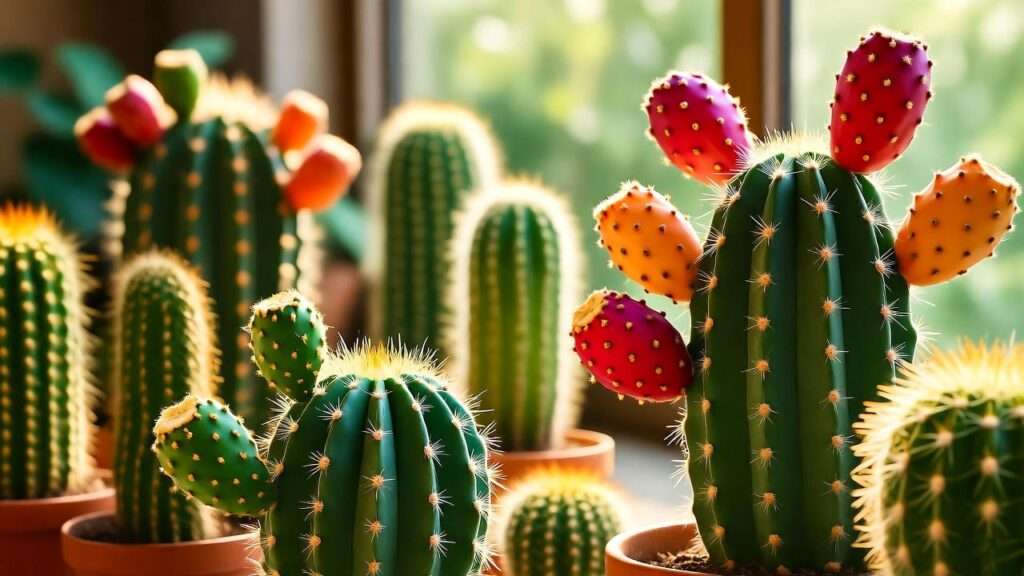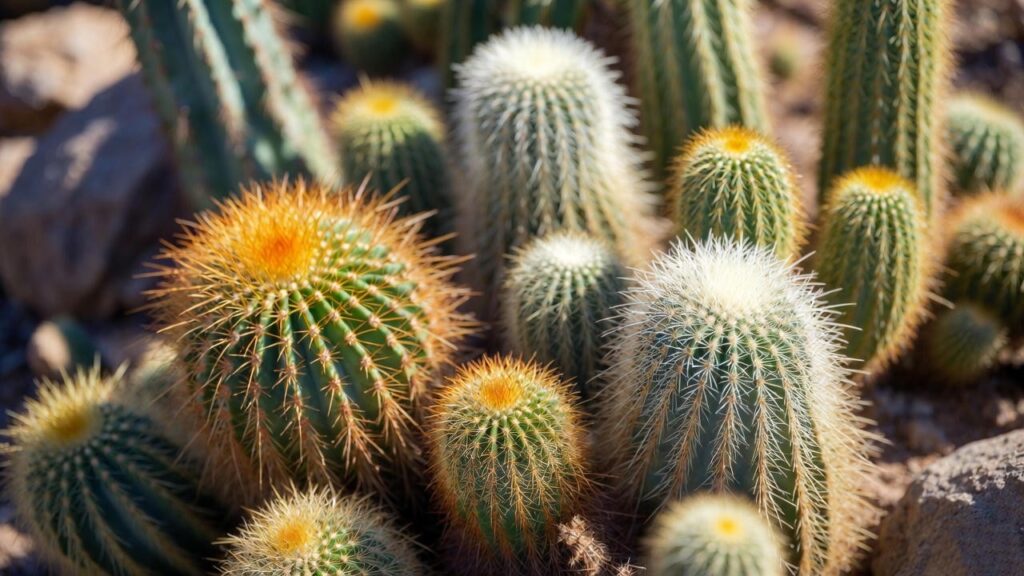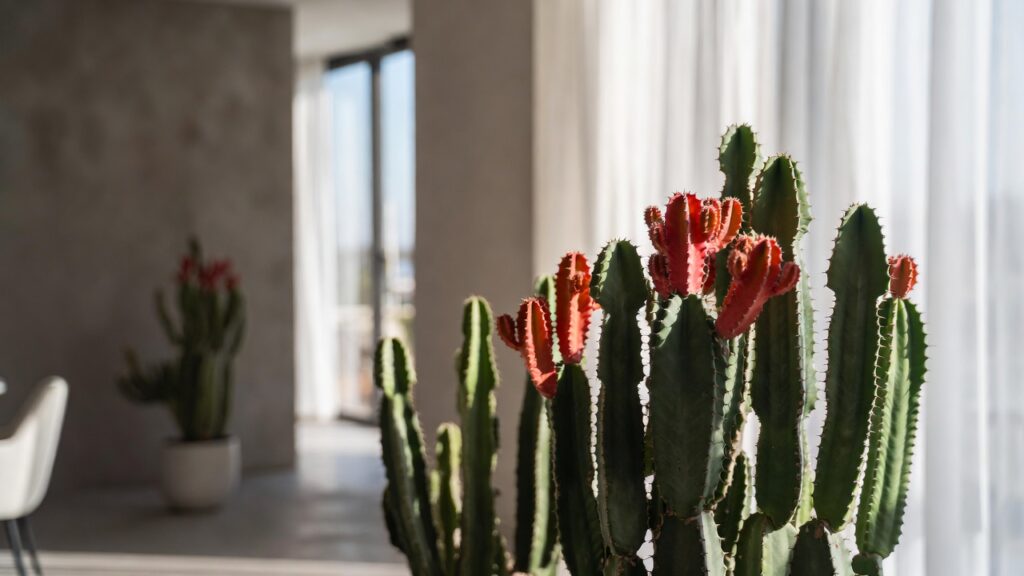
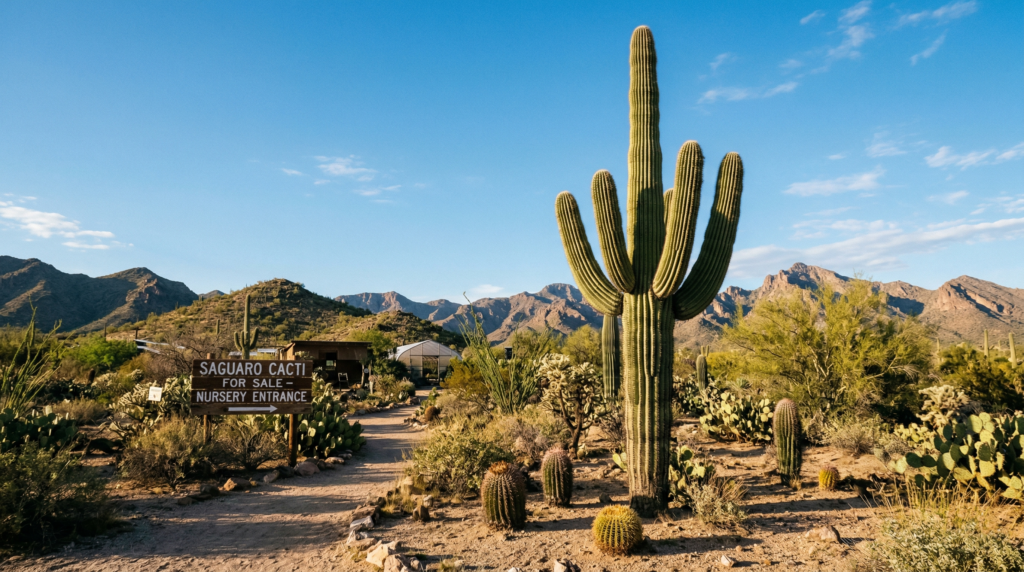
The towering silhouette of a saguaro cactus is one of the most iconic images in the plant world—majestic, timeless, and deeply symbolic of the desert. It’s no surprise that many plant enthusiasts search for ways to buy saguaro cactus for their own collection. But here’s the reality most people don’t realize: owning one isn’t as simple—or as practical—as it seems.
If you’re an indoor plant lover, you might be wondering:
- Can I legally buy a saguaro cactus?
- Will it survive indoors?
- Are there better alternatives that give the same aesthetic?
This guide answers all of those questions—and more. Drawing from real horticultural expertise and desert plant care principles, this article will help you make a smart, ethical, and informed decision before investing in this legendary cactus.
What Is a Saguaro Cactus? (Understanding Before You Buy)
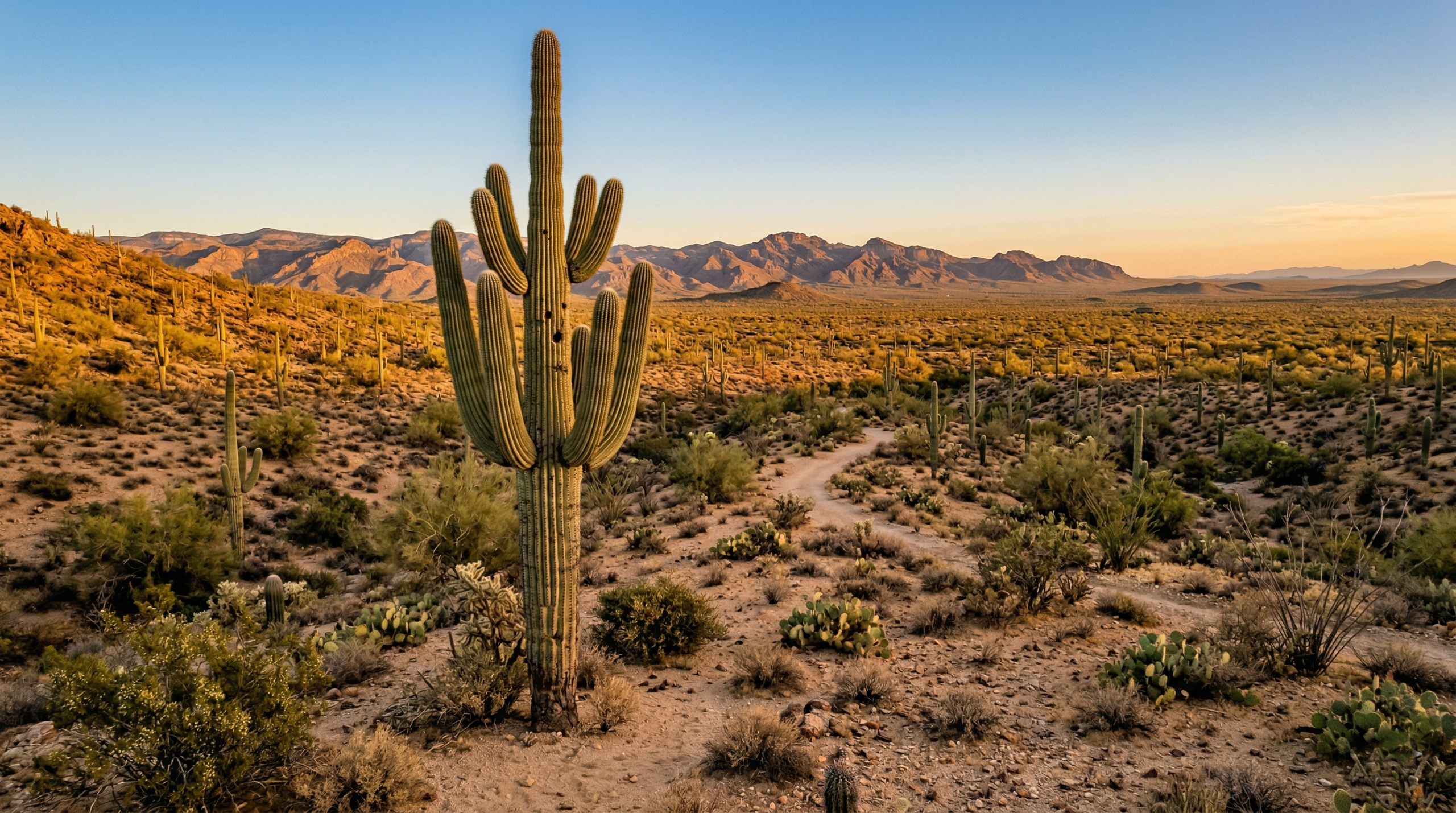
Key Characteristics of the Saguaro
The saguaro cactus (Carnegiea gigantea) is not just another houseplant—it’s a living monument of the desert.
- Lifespan: 150–200 years (or more)
- Growth rate: Extremely slow (about 1 inch per year in early stages)
- Height: Can reach 40–60 feet tall
- Branches (“arms”): Begin forming after 50–70 years
What makes the saguaro truly fascinating is its patience. A plant you buy today may not develop its iconic arms in your lifetime.
Natural Habitat and Why It Matters
Saguaros are native exclusively to the Sonoran Desert, spanning parts of Arizona, California, and Mexico.
They thrive in:
- Intense, direct sunlight
- Extremely low humidity
- Well-drained, sandy soil
- Warm temperatures year-round
Why this matters:
Indoor environments rarely replicate these conditions. Even the brightest window or grow light struggles to match desert sunlight intensity.
Can You Legally Buy a Saguaro Cactus?
Laws and Regulations You Must Know
This is where most buyers are caught off guard.
Saguaros are protected by law, especially in Arizona under the Native Plant Protection Act. Removing or selling them without proper authorization is illegal.
- Harvesting from the wild is strictly prohibited
- Violations can result in heavy fines or criminal charges
- Mature saguaros are often tracked and documented
When Is It Legal to Buy One?
Yes, you can legally buy a saguaro cactus—but only under specific conditions:
- Purchased from licensed nurseries
- Comes with proper documentation or tags
- Salvaged plants from construction sites (with permits)
Always ask for proof of legal origin. Ethical sellers will provide it without hesitation.
Red Flags to Avoid Illegal Sellers
Be cautious if you encounter:
- Extremely low prices (too good to be true)
- No paperwork or plant tags
- Sellers unwilling to disclose origin
Buying illegally sourced plants not only risks penalties but also harms fragile desert ecosystems.
Where to Buy Saguaro Cactus (Safely and Legally)
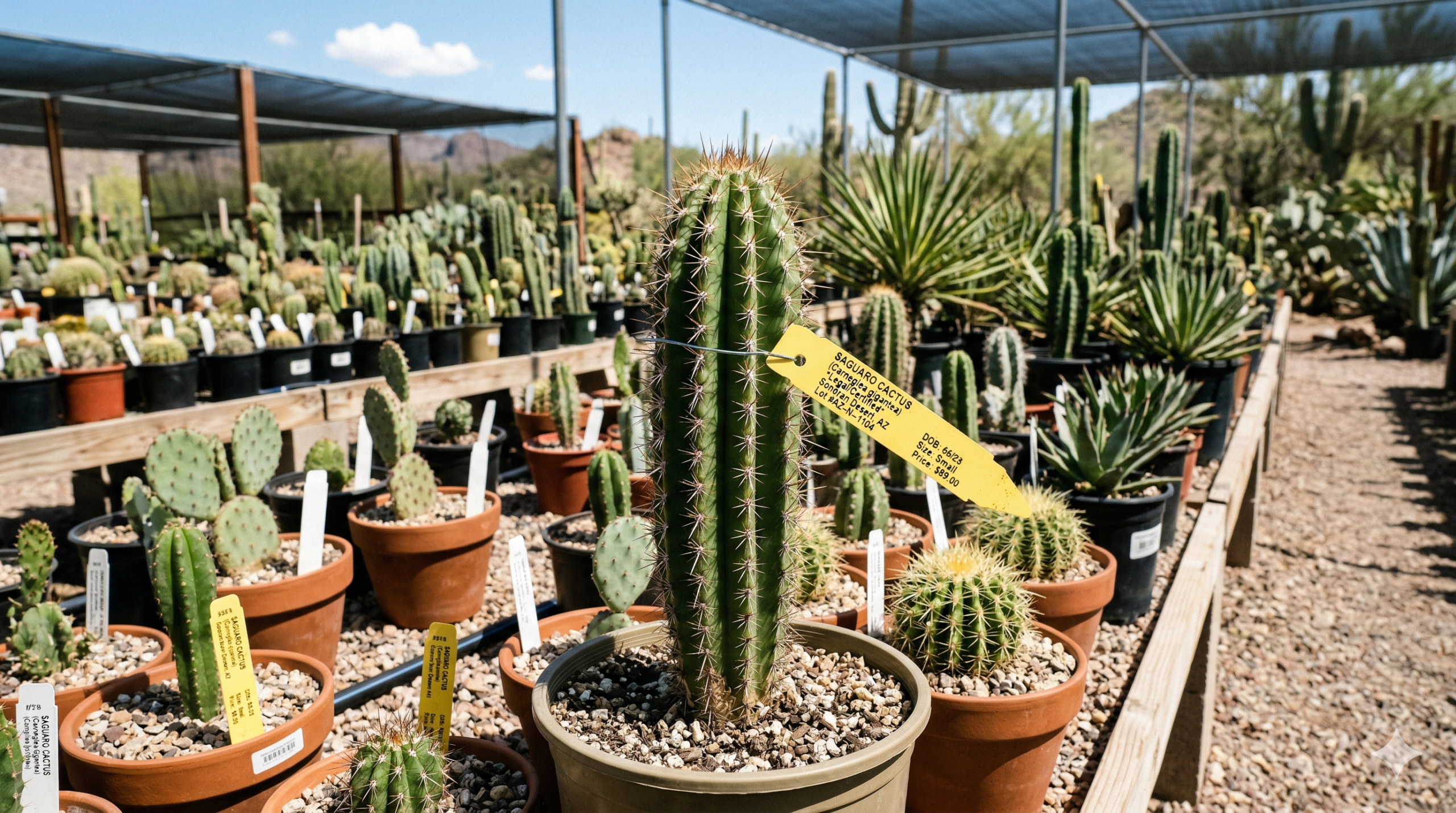
Trusted Sources
If you’re serious about purchasing one, stick to:
- Licensed desert plant nurseries
- Reputable cactus growers
- Botanical specialty suppliers
These sources ensure:
- Legal compliance
- Healthy plants
- Expert guidance
Buying Online vs. In-Person
Online Buying:
- Convenient
- Wider selection
- Risk of scams or poor shipping conditions
In-Person Buying:
- Inspect plant health directly
- Verify documentation easily
- Limited availability depending on location
For such a sensitive and regulated plant, in-person purchase is often safer.
What to Check Before Buying
Before you commit:
- Age & size: Younger plants adapt better
- Health: No soft spots, discoloration, or pests
- Legal tags: Non-negotiable
Why Saguaro Cactus Is NOT Ideal for Indoor Growing
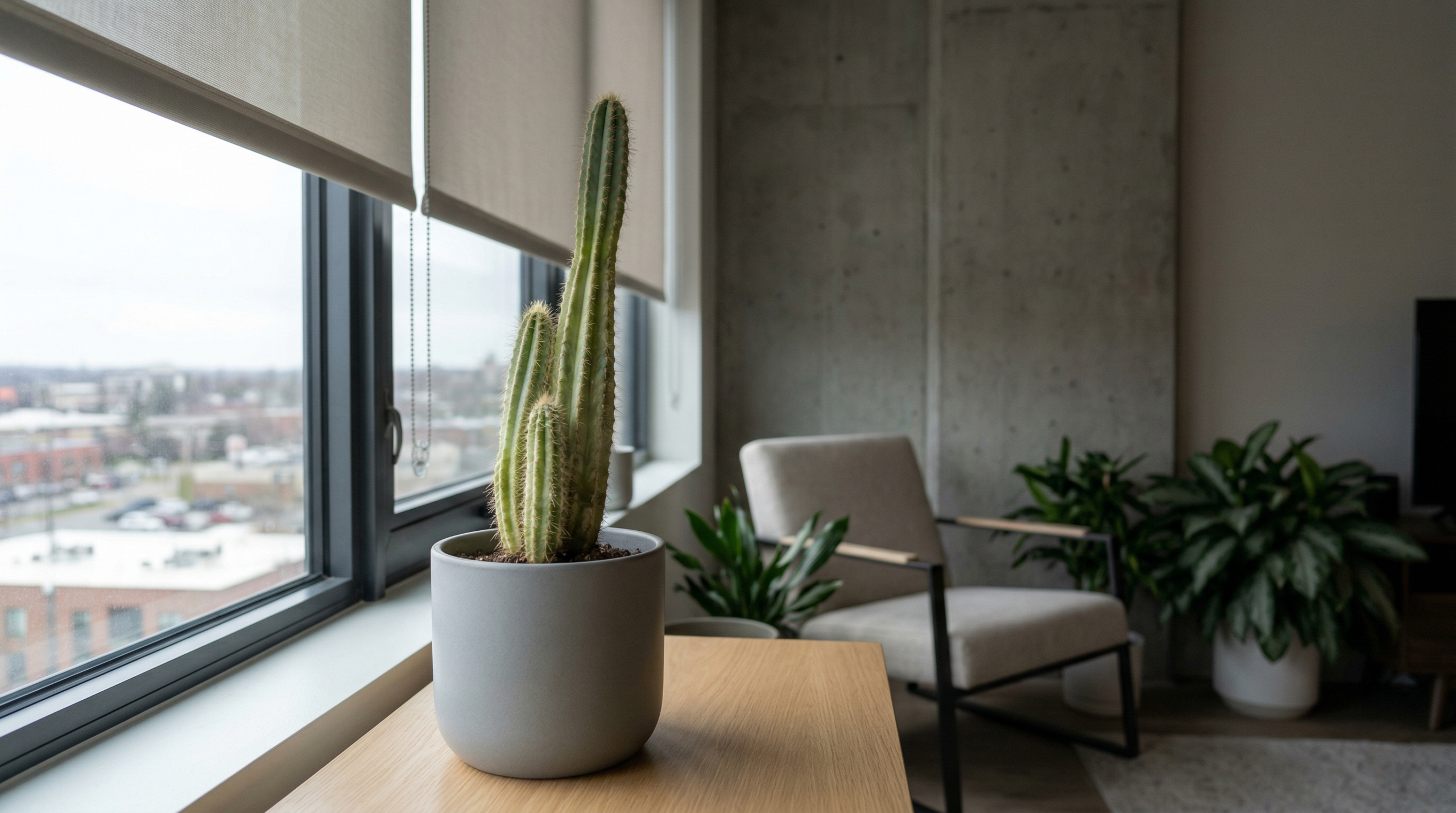
This is the most important section for indoor plant enthusiasts.
Space and Size Limitations
Saguaros aren’t just big—they’re massive.
- Mature height: up to 60 feet
- Even young plants eventually outgrow containers
Keeping one indoors long-term is simply unrealistic.
Light and Climate Challenges
Saguaros require:
- Full, direct desert sun (8–12 hours daily)
- Dry air and high heat
Indoor conditions often lead to:
- Weak, stretched growth (etiolation)
- Poor health and eventual decline
Long-Term Care Difficulties
Even if you manage early growth:
- They demand decades of consistent conditions
- Indoor environments fluctuate too much
- Repotting becomes impractical over time
Care Guide (If You Still Plan to Grow One)
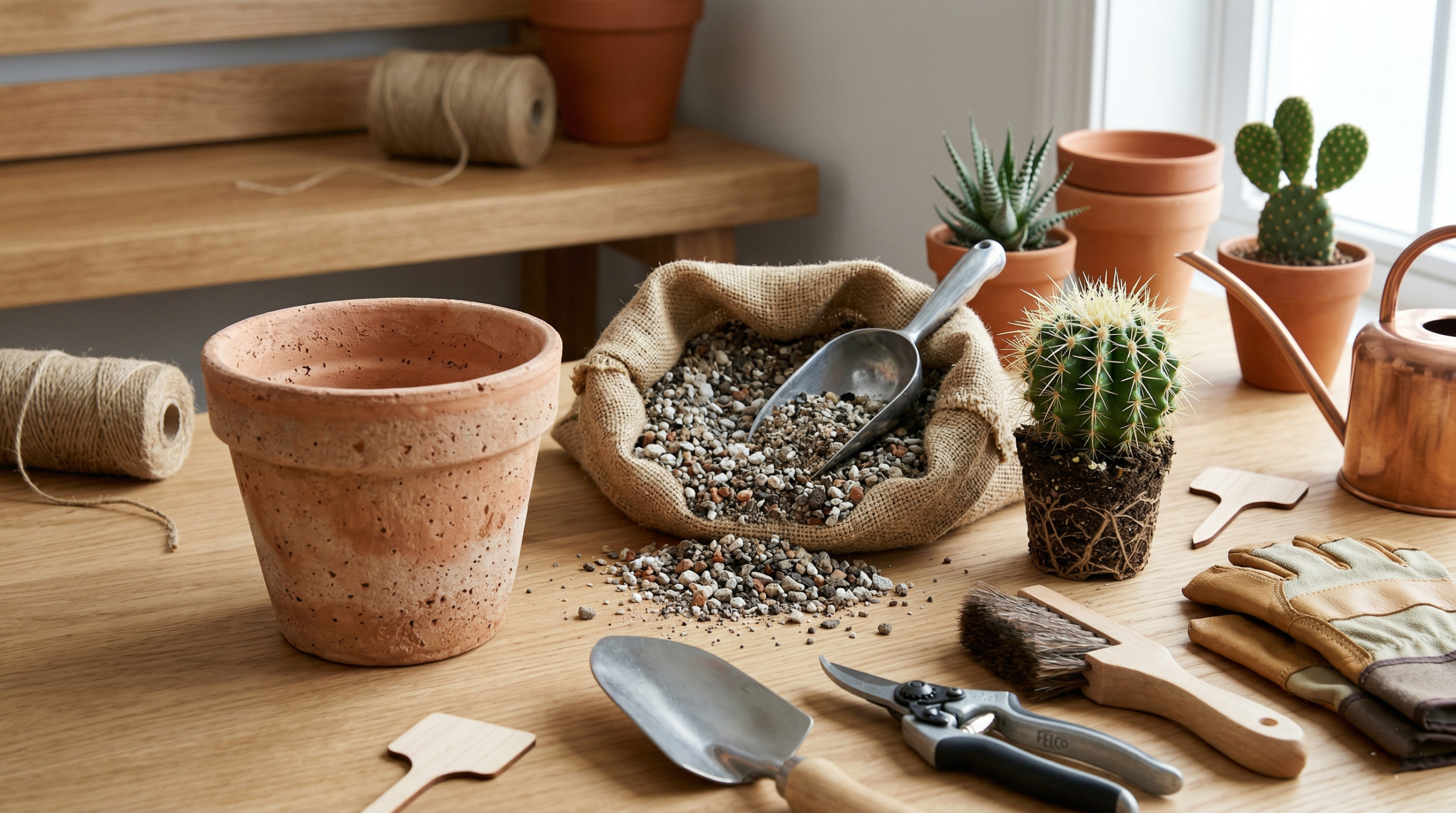
If you’re determined, here’s how to give your saguaro the best possible chance.
Light Requirements
- Place outdoors in full sun whenever possible
- Indoors: use high-intensity grow lights (not standard bulbs)
Watering Schedule
- Water sparingly
- Allow soil to dry completely between watering
- Reduce watering in winter
Overwatering is the #1 cause of failure.
Soil and Potting Needs
- Use well-draining cactus mix
- Add sand or perlite for drainage
- Avoid heavy, moisture-retaining soils
Temperature and Humidity
- Ideal temperature: 70–100°F (21–38°C)
- Avoid frost and cold drafts
- Keep humidity low
Common Problems and Solutions
Root Rot
- Cause: overwatering
- Solution: improve drainage, reduce watering
Sunburn (if suddenly exposed)
- Gradually acclimate to sunlight
Pests
- Watch for mealybugs and scale insects
Best Indoor Alternatives to Saguaro Cactus
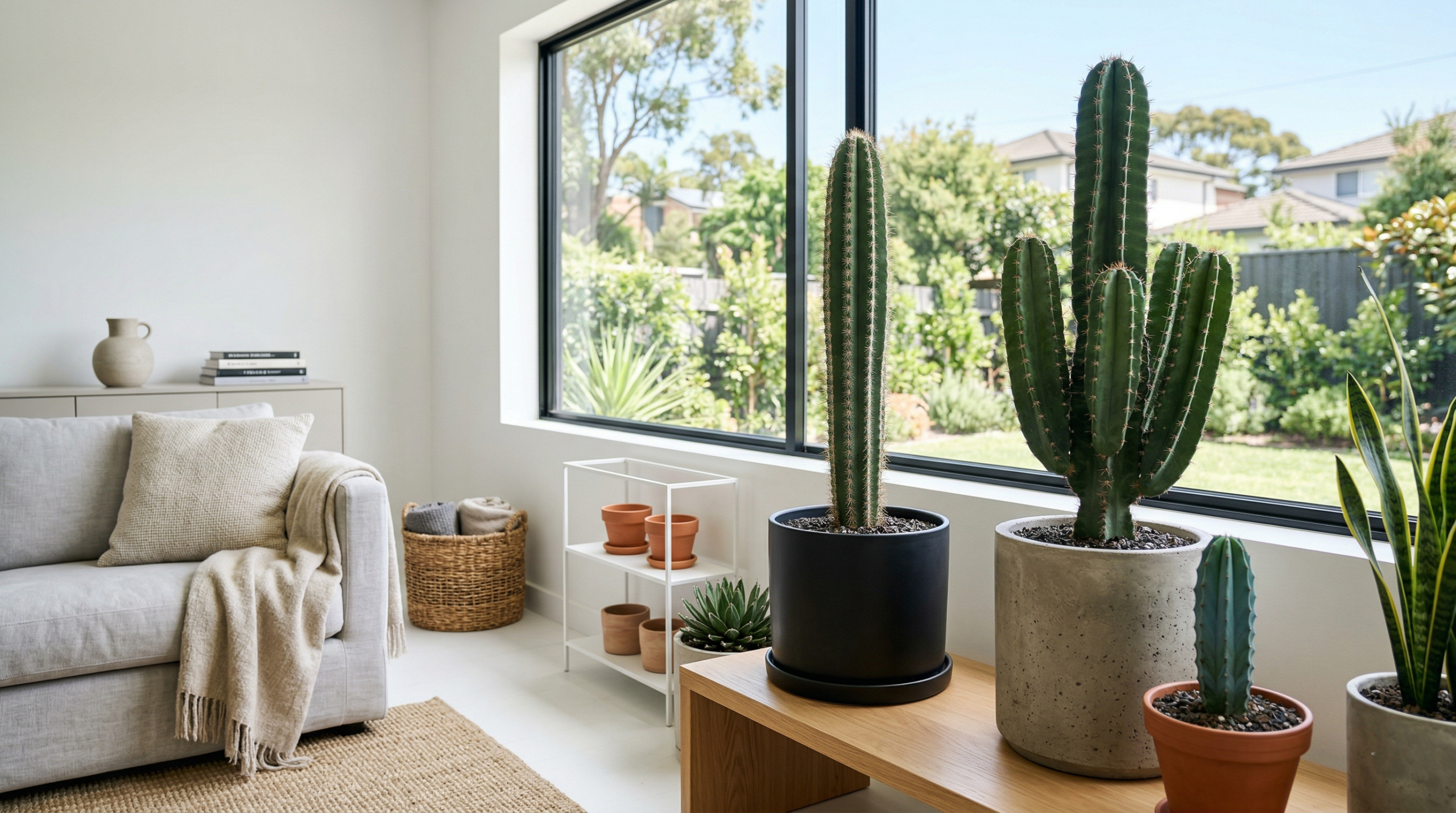
If your goal is aesthetic + practicality, this section is your solution.
Columnar Cactus Varieties
These mimic the upright look of saguaros:
- Mexican Fence Post Cactus
- Cereus Peruvianus (Peruvian Apple Cactus)
✔ Tall, sculptural
✔ More adaptable to containers
Compact Cactus Options
Perfect for smaller indoor spaces:
- Golden Barrel Cactus
- Bunny Ear Cactus
✔ Easy to maintain
✔ Visually striking
Low-Maintenance Succulent Alternatives
For beginners or busy plant owners:
- Snake Plant (Sansevieria)
- Aloe Vera
- Euphorbia species
✔ Thrive indoors
✔ Require minimal care
✔ Offer a modern, desert-inspired look
Why These Are Better for Indoor Plant Lovers
- Fit comfortably in indoor spaces
- Adapt to lower light conditions
- Easier watering needs
- No legal restrictions
Cost of Buying a Saguaro Cactus
Price Breakdown by Size
- Seedlings: $20–$100
- Young plants: $100–$500
- Mature saguaros: Thousands to tens of thousands of dollars
Hidden Costs
Many buyers overlook:
- Transportation (especially for large plants)
- Permits and legal documentation
- Specialized care equipment
Ethical and Environmental Considerations
Conservation Importance
Saguaros play a vital role in desert ecosystems:
- Provide shelter for birds and wildlife
- Store water
- Support biodiversity
Why You Should Avoid Wild Collection
Removing saguaros from the wild:
- Disrupts ecosystems
- Is often illegal
- Harms long-term conservation efforts
Supporting Sustainable Nurseries
Choose sellers who:
- Follow legal regulations
- Practice ethical cultivation
- Provide transparent sourcing
Expert Tips Before You Buy
- Always verify legal documentation
- Start with indoor-friendly alternatives
- Understand long-term commitment (decades!)
- Match plant choice to your climate and space
Pro tip: If you’re new to cacti, begin with smaller, adaptable species before considering rare or regulated plants.
Frequently Asked Questions (FAQs)
Can I grow a saguaro cactus indoors?
Technically yes—but it’s not practical long-term due to size and light requirements.
How much does a saguaro cactus cost?
Prices range from $20 for seedlings to thousands for mature plants.
Is it illegal to own a saguaro cactus?
No—but it’s illegal to collect or sell them without proper permits.
How long does a saguaro cactus take to grow?
Extremely slow—often taking decades to reach significant size.
What is the best alternative for indoor spaces?
Columnar cacti like Cereus or low-maintenance plants like snake plants are ideal.
Final Verdict: Should You Buy a Saguaro Cactus?
The idea to buy saguaro cactus is appealing—but for most indoor plant lovers, it’s not the right choice.
Best for:
- Outdoor desert climates
- Experienced growers
- Large, permanent landscapes
Not ideal for:
- Indoor environments
- Small spaces
- Beginners
Choose indoor-friendly alternatives that deliver the same visual impact—without the legal, environmental, and care challenges.