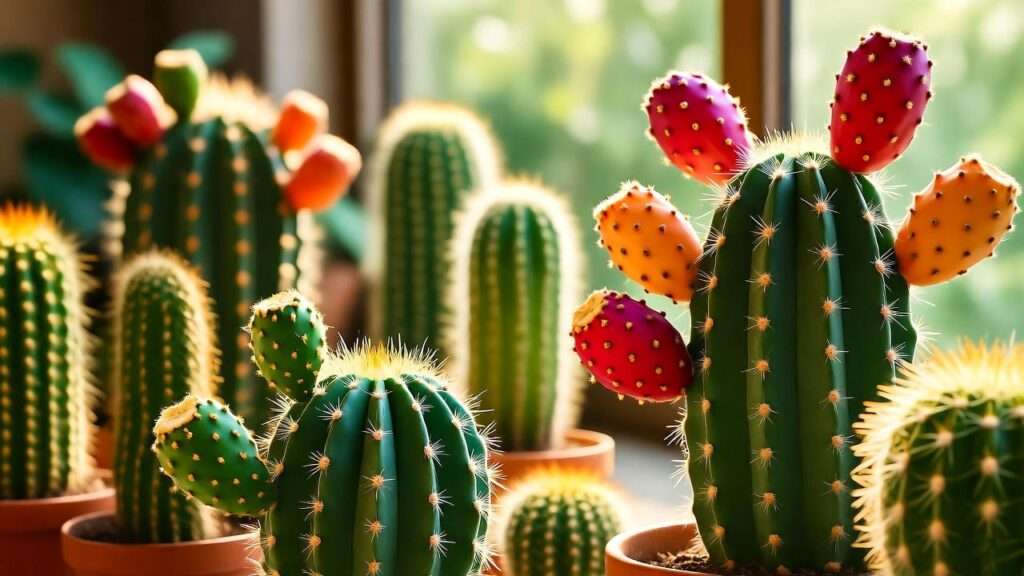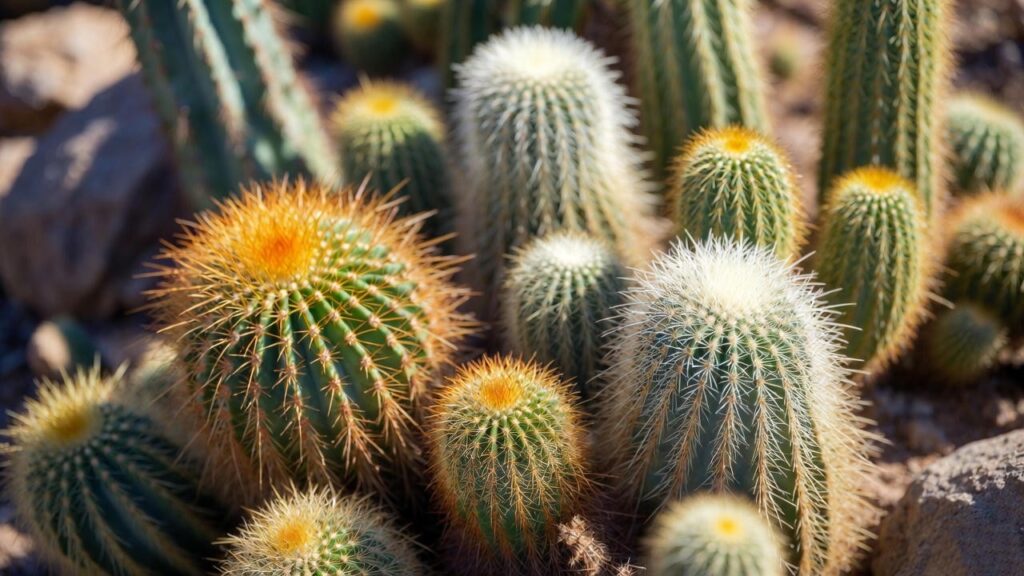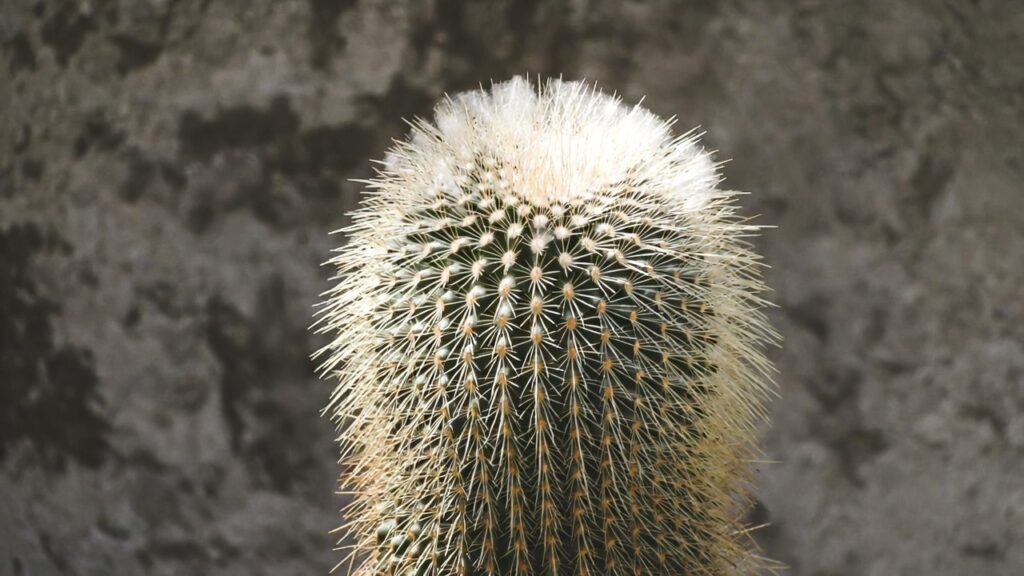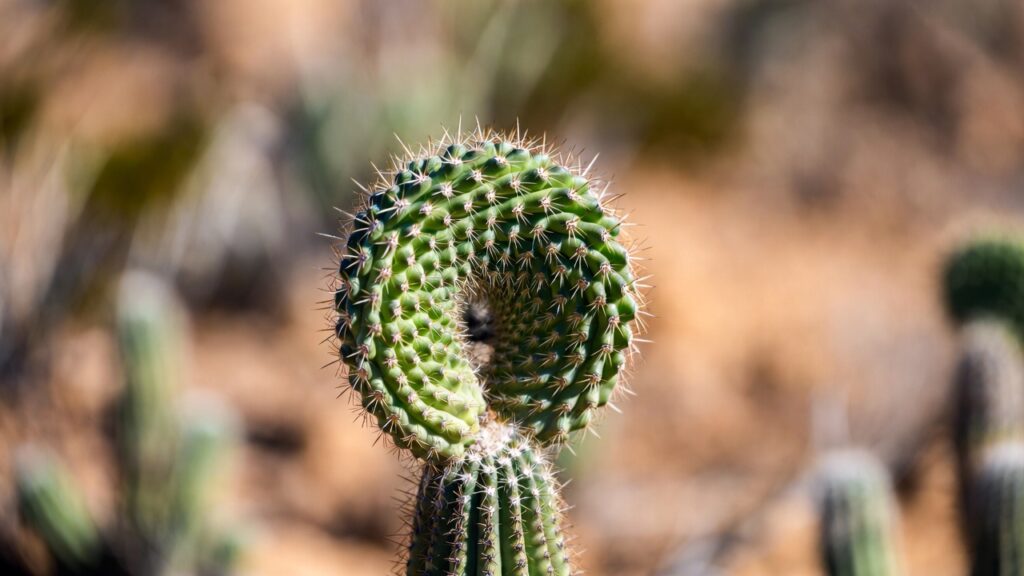
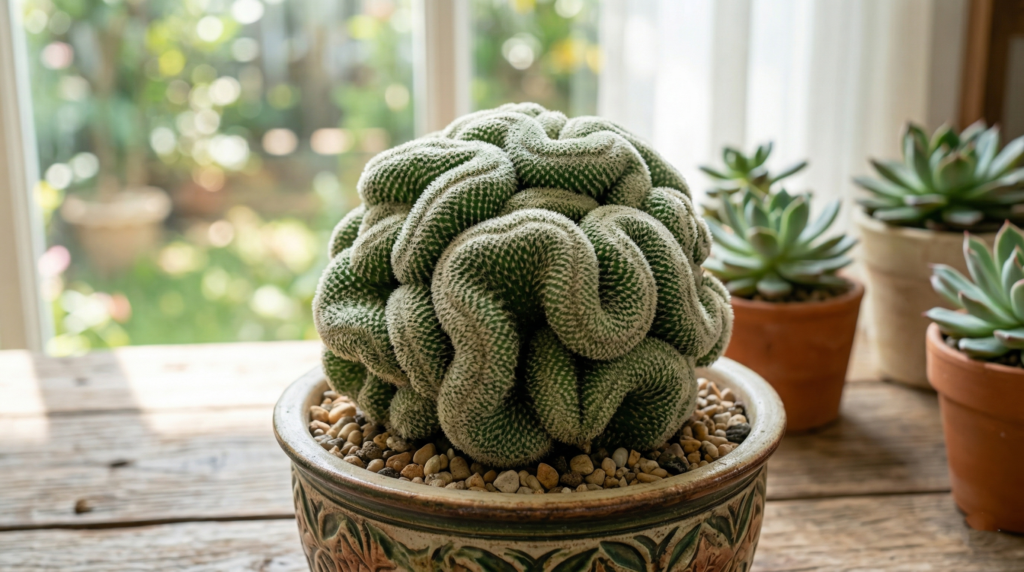
There’s a plant that stands out in the world of indoor gardening due to its peculiar and captivating appearance — the brain cactus (Mammillaria elongata), also known as the “Ladyfinger Cactus” or “Brain Cactus.” With its intricate, brain-like folds and vibrant spines, this cactus is not just a plant but a conversation starter in any room. Whether you’re a seasoned gardener or a beginner in the world of indoor plants, this guide will provide you with everything you need to know to grow and maintain a healthy brain cactus in your home.
As a member of the Mammillaria genus, brain cacti are highly adaptable to indoor environments and, when cared for correctly, can thrive with minimal attention. In this article, we’ll dive deep into the brain cactus’ origins, care requirements, troubleshooting tips, and expert advice to help you create a flourishing cactus that will impress everyone who sees it.
What is a Brain Cactus?
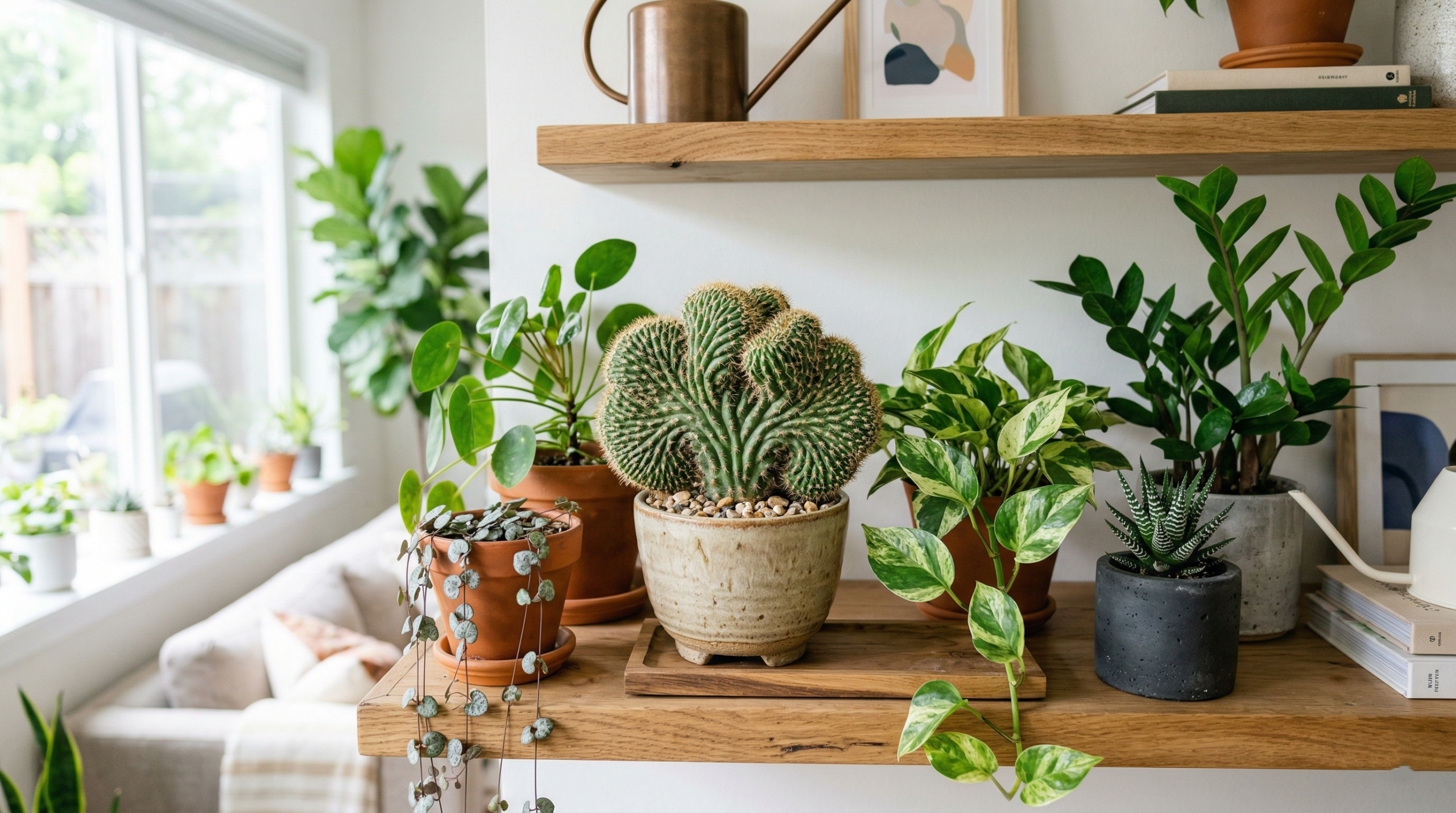
Defining the Brain Cactus
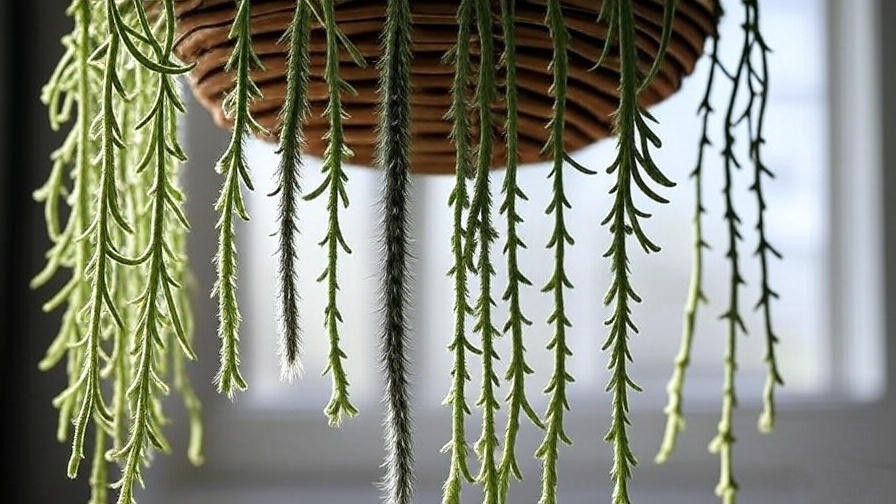
The brain cactus is scientifically known as Mammillaria elongata, and it’s often called the “Ladyfinger Cactus” due to its cylindrical, finger-like structure. However, its unique, brain-like appearance—complete with convoluted ridges—earned it the more memorable name, “Brain Cactus.”
Native to Mexico, this cactus thrives in desert-like conditions but adapts well to indoor environments when given the proper care. Unlike other cactus varieties, the brain cactus has a soft, woolly coating around its spine, making it visually distinctive and an attractive option for indoor plant collectors.
Origin and Habitat
In its native habitat, the brain cactus thrives in arid, low-humidity environments with intense sunlight. It’s commonly found in the Sonoran Desert in Mexico, where it grows in rocky terrain, typically in elevations of 1,000 to 1,500 meters. The cactus is well-suited to hot, dry climates, and its natural ability to conserve water is a key feature that makes it an excellent choice for indoor cultivation.
To recreate the brain cactus’ natural habitat indoors, you need to mimic the warm, dry conditions of its native environment. With the right care, the brain cactus will flourish in your home and become a stunning centerpiece for any room.
Why Choose a Brain Cactus for Your Indoor Garden?
Aesthetic Appeal
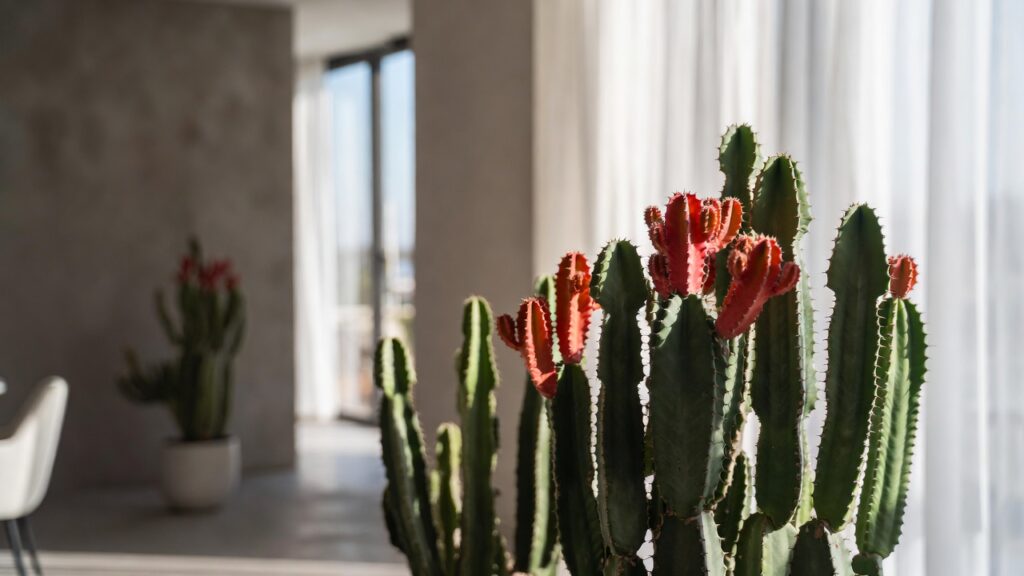
The brain cactus is undoubtedly one of the most visually striking cacti species, making it an exceptional addition to any indoor plant collection. Its unique, brain-like texture and spiny form make it stand out from other indoor plants. Whether placed on a shelf, in a terrarium, or as part of a minimalist display, the brain cactus adds a quirky yet sophisticated touch to your decor.
With its intriguing appearance and slow growth, it’s also an ideal plant for those who appreciate the beauty of subtler, slow-evolving houseplants. Its compact nature means it doesn’t require much space, allowing it to fit into a wide variety of home environments.
Low-Maintenance Benefits
For many indoor gardeners, low-maintenance plants are a priority, and the brain cactus delivers in this area. Cacti are known for their minimal care requirements, and the brain cactus is no exception. Once established, it’s relatively drought-tolerant and doesn’t need frequent watering, making it perfect for plant owners who may not have a green thumb or who have a busy lifestyle.
Its resilience to heat and dryness means that the brain cactus can thrive even in environments where other plants may struggle. As long as it receives proper light and occasional watering, it can thrive without requiring constant attention, making it a perfect plant for beginners.
Essential Tips for Growing Brain Cactus Indoors
Light Requirements
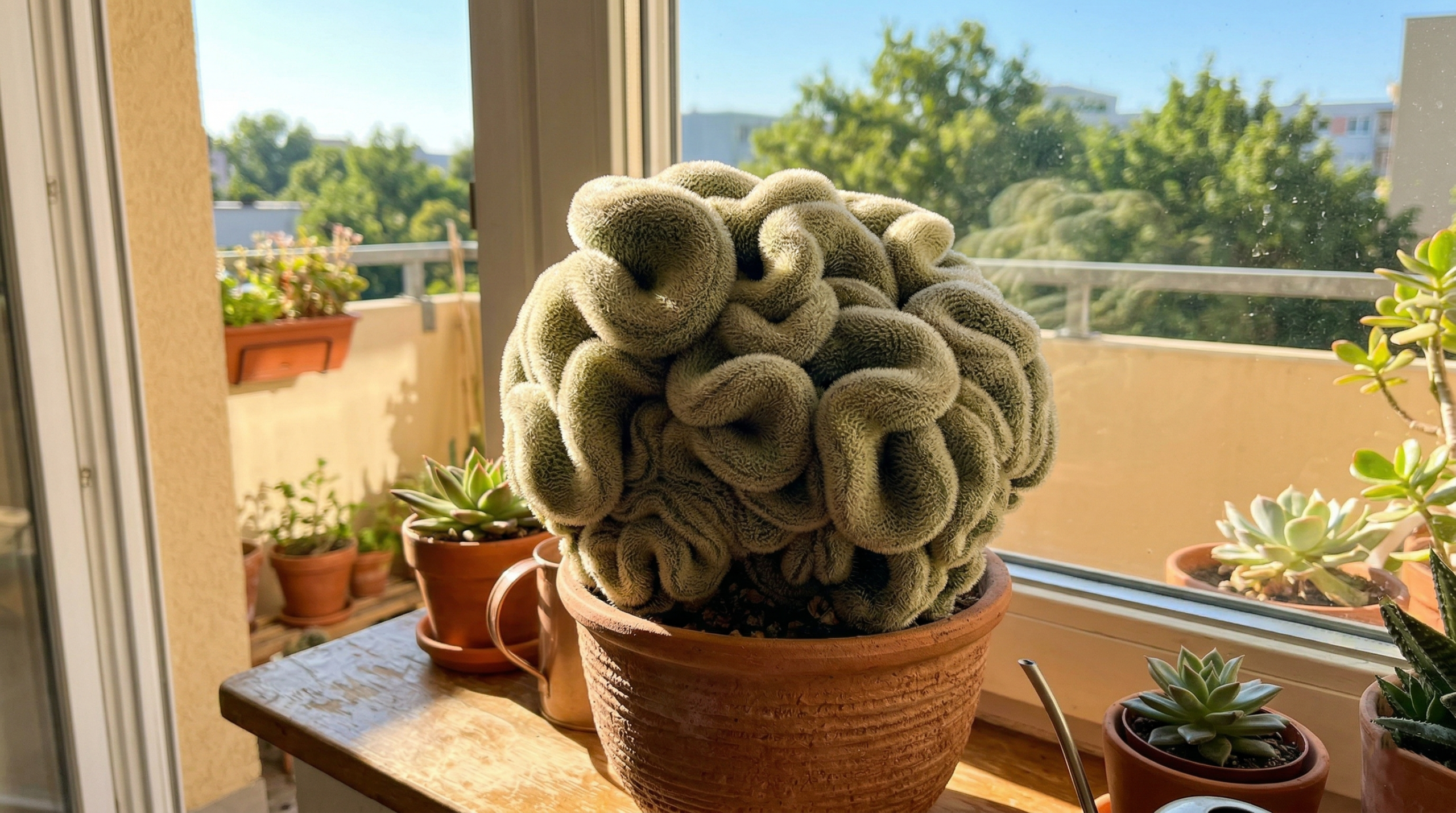
Brain cacti, like most cacti, require plenty of bright, direct sunlight to thrive. They’re native to sunny, arid regions, so they need at least six hours of sunlight per day to grow properly.
-
Ideal Placement: The best location for your brain cactus is near a south or west-facing window. If you can’t provide enough natural light, you may want to invest in grow lights to supplement.
-
Winter Care: During the winter months, sunlight may be limited, so consider moving your cactus to a sunnier spot to ensure it gets enough light to remain healthy.
Too little light can result in slow growth and spindly stems, while too much direct sunlight can cause the cactus to burn. The key is to provide bright but indirect light, especially during the warmer months.
Soil and Potting
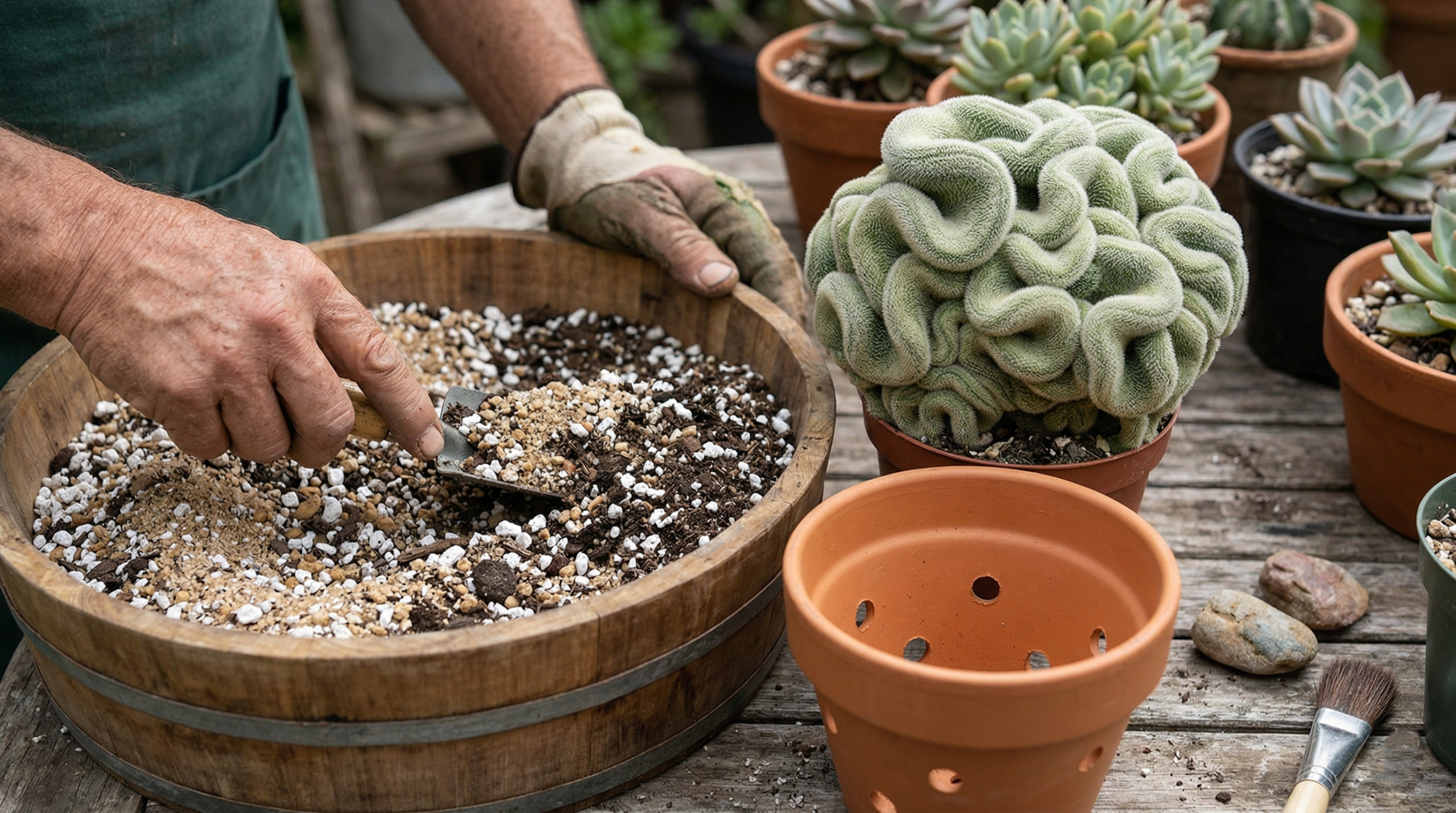
The brain cactus prefers well-draining, sandy soil. Regular potting soil can retain too much moisture, which may cause root rot in cacti. Instead, choose a cactus-specific soil mix or make your own by mixing equal parts sand, perlite, and regular potting soil to create a loose, well-draining substrate.
-
Choosing the Right Pot: Ensure your pot has drainage holes at the bottom to prevent water from accumulating and causing root rot. A pot made from terra cotta or other porous material is ideal because it allows moisture to evaporate more easily.
Watering the Brain Cactus
Watering is often the most challenging part of caring for a cactus, but it’s crucial to strike the right balance. Brain cacti are drought-tolerant plants and can go for extended periods without water. However, overwatering is one of the most common mistakes people make when caring for these plants.
-
Watering Schedule: During the growing season (spring and summer), water your cactus once every two weeks. In the winter, reduce watering to once a month. Always check the soil before watering; if it feels dry at least 1-2 inches deep, it’s time to water.
-
Watering Technique: When watering, soak the soil thoroughly, but make sure the excess water drains out. Never let your brain cactus sit in standing water, as this can lead to root rot.
If you notice any signs of underwatering, such as shriveled or sunken segments, increase the frequency of watering slightly. Conversely, if the cactus is showing signs of overwatering—such as yellowing or mushy stems—cut back on watering and ensure the soil is well-drained.
Advanced Care Tips for a Thriving Brain Cactus
Temperature and Humidity Needs
Brain cacti are best suited for warm environments. They thrive in temperatures between 70°F and 100°F (21°C to 37°C), typical of their native desert habitat.
-
Ideal Temperature: Ensure that your brain cactus is kept in a location that stays within this temperature range. During the winter months, make sure the temperature does not dip below 50°F (10°C), as cold temperatures can damage the plant.
-
Humidity: As a desert plant, the brain cactus prefers low humidity. Make sure your indoor environment isn’t too humid, as this can lead to mold and fungal problems. If the air is too humid, consider placing a dehumidifier in the room.
Fertilizing Your Brain Cactus
Cacti don’t require frequent fertilizing, but an occasional feeding can help encourage healthy growth, especially during the active growing season.
-
Fertilizer Type: Use a cactus-specific fertilizer or a low-nitrogen fertilizer, diluted to half strength.
-
Frequency: Fertilize your brain cactus once a month during the growing season (spring and summer). Avoid fertilizing during the dormant winter months.
Common Issues and Troubleshooting for Brain Cactus Care
Even with minimal care, your brain cactus may experience a few challenges. Let’s go through some common issues that can arise and how to address them, ensuring your cactus stays healthy and thriving.
Identifying and Preventing Common Pests
Like most indoor plants, the brain cactus can be susceptible to certain pests, especially if it’s not given the ideal care conditions. Some common pests to watch out for include:
-
Mealybugs: These pests appear as tiny, cotton-like clumps and can cause damage by sucking sap from the cactus.
-
Solution: If you spot mealybugs, remove them with a cotton swab dipped in rubbing alcohol. For more severe infestations, insecticidal soap or neem oil can be applied.
-
-
Scale Insects: These are small, brown, shell-like pests that can be difficult to see. They can cause yellowing of the cactus and stunted growth.
-
Solution: Use a gentle scrub brush to remove scales and apply neem oil or insecticidal soap for further treatment.
-
-
Spider Mites: Tiny and difficult to spot, spider mites thrive in dry conditions. They can cause webbing and discoloration of the cactus.
-
Solution: Regularly mist your cactus to raise humidity and use insecticidal soap or a miticide to eliminate them.
-
Regularly inspect your plant for pests and quarantine any new plants to prevent infestations from spreading.
Addressing Yellowing and Shriveling
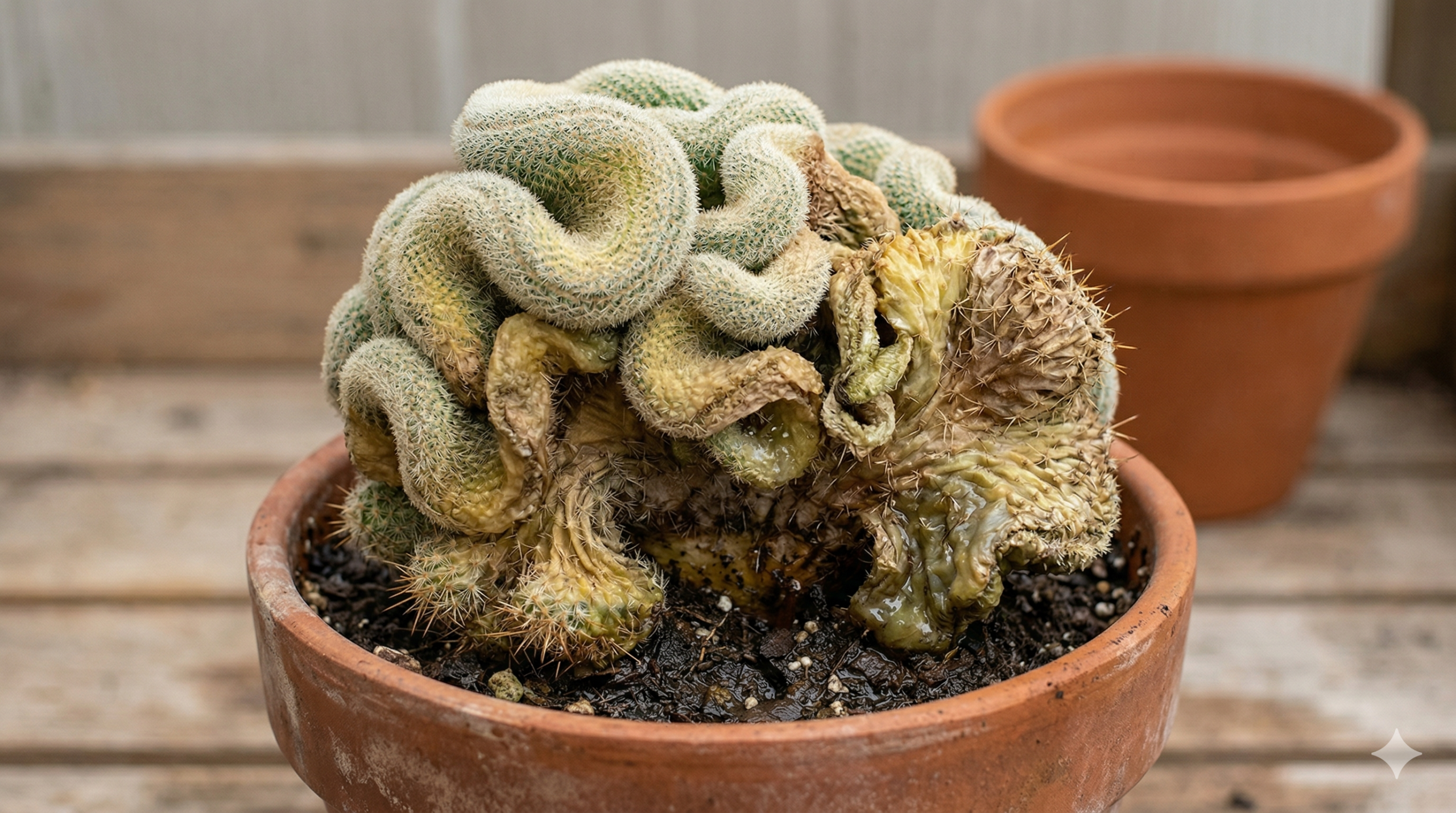
Yellowing and shriveling can occur due to a variety of reasons, but the most common culprits are improper watering and poor light conditions.
-
Overwatering: This is the leading cause of yellowing and shriveling. Overwatered cacti can develop root rot, which leads to soft, yellowing stems.
-
Solution: Cut back on watering and ensure the soil is well-draining. Remove the affected areas of the cactus, if necessary, to prevent further rot.
-
-
Underwatering: If your cactus is under-watered, it may appear shriveled or dry. This usually happens if you forget to water it for long periods.
-
Solution: If you notice shriveling, water the plant thoroughly and check the soil moisture. Increase the frequency of watering slightly to prevent dehydration in the future.
-
-
Insufficient Light: Brain cacti require ample light to stay healthy. If they don’t get enough sunlight, the plant may become leggy, yellow, or weak.
-
Solution: Move your cactus to a brighter location or provide supplemental lighting with a grow light.
-
Propagating Brain Cactus: Step-by-Step Guide
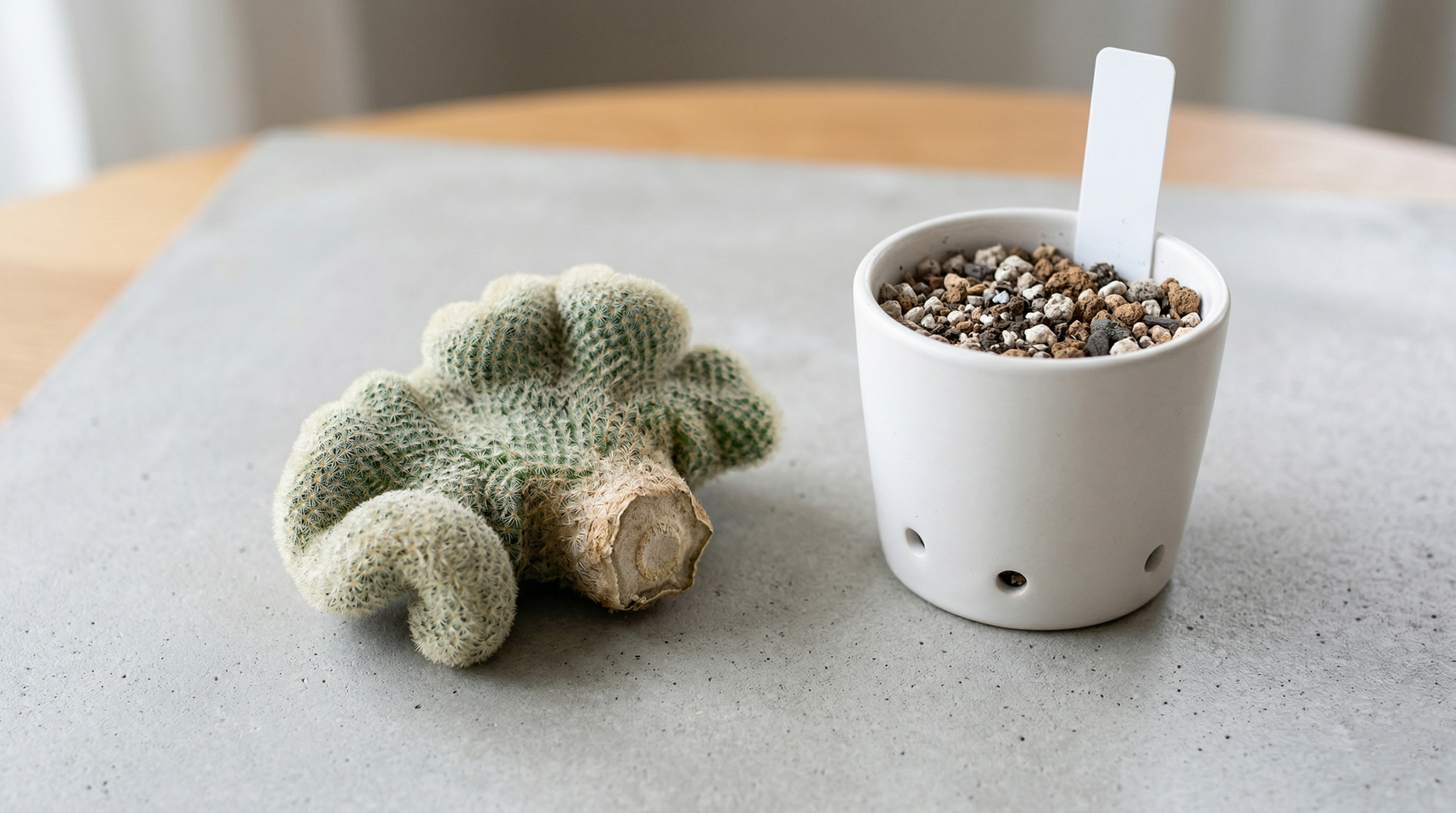
If you’ve got a healthy brain cactus and want to propagate it, you’re in luck. Propagating a brain cactus is relatively easy and can be done in several ways. Here’s a step-by-step guide to growing your own brain cactus from cuttings.
How to Propagate Your Brain Cactus
The best method to propagate your brain cactus is through offsets or cuttings. Since brain cacti tend to produce small offshoots (called pups) near the base, these can be separated from the main plant to grow new cacti.
Materials Needed:
-
A sharp, clean knife or scissors
-
A clean container with cactus soil
-
Rubbing alcohol or disinfectant for sterilizing tools
Steps:
-
Prepare Your Tools: Sterilize your knife or scissors to avoid spreading disease between plants.
-
Separate the Offset: Gently pull or cut the small pup or offset from the main plant. Make sure the offset has roots or at least a portion of the stem intact.
-
Let the Cutting Dry: Allow the cutting to dry out for about 24-48 hours before planting. This step helps to prevent rot when you replant the cutting.
-
Plant the Cutting: Once the cutting has dried, plant it in a well-draining cactus mix. Gently firm the soil around the cutting and water lightly.
-
Provide Ideal Conditions: Place the newly potted cutting in a warm, sunny spot. Avoid watering too much until roots have established, which usually takes a couple of weeks.
-
Wait for Growth: After a few weeks, check for signs of growth. Once roots are established, continue with regular care.
When to Propagate and Signs Your Cactus is Ready
You can propagate a brain cactus when the parent plant is healthy and has produced a few offsets. It’s usually best to propagate in spring or summer, when the plant is actively growing. Make sure the offset is large enough to survive on its own, ideally with its own roots, before attempting propagation.
Brain Cactus Care During Winter: Special Considerations
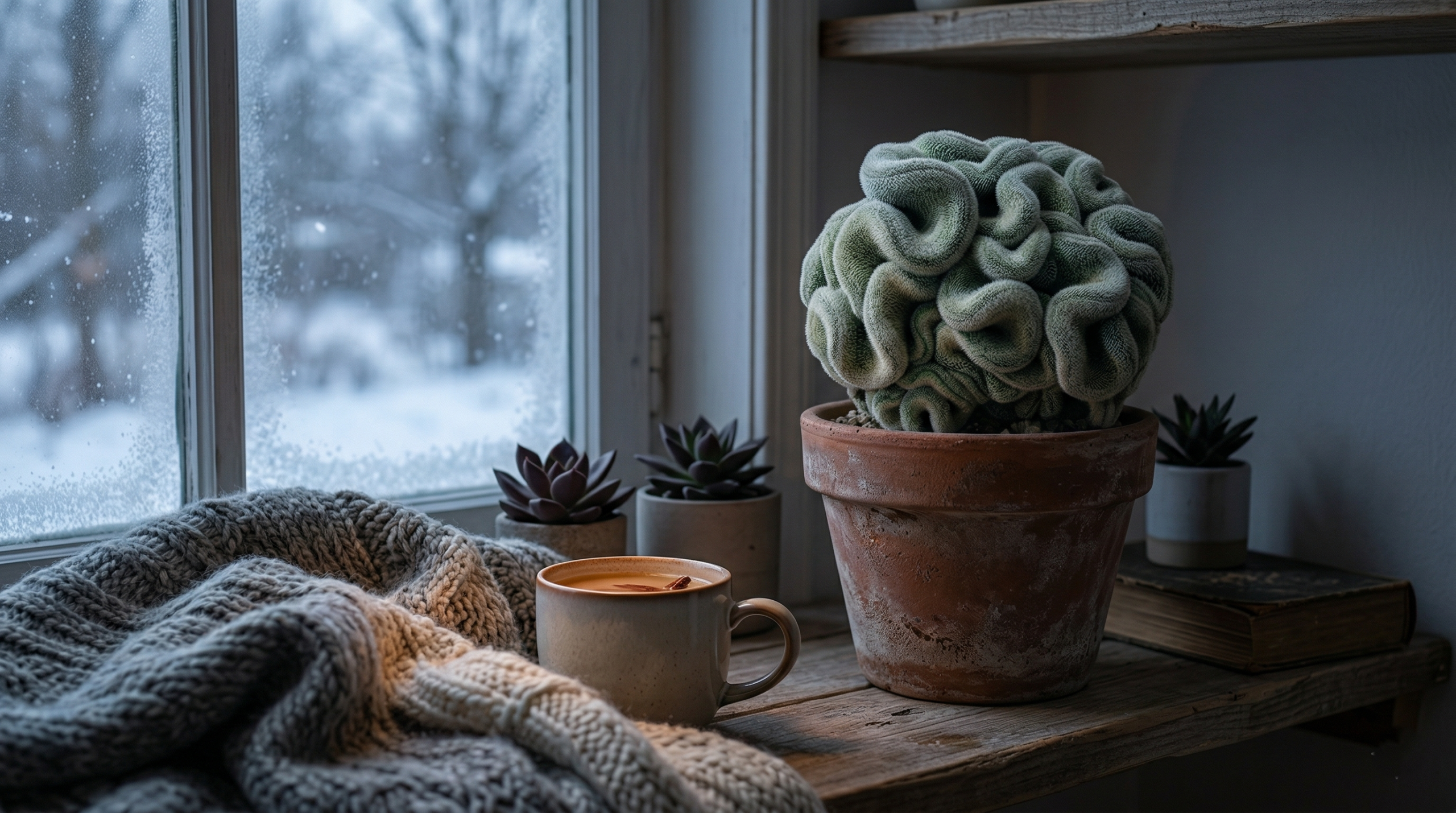
Caring for your brain cactus during the winter months requires special attention due to reduced light, lower temperatures, and less frequent watering. Here are some winter-specific care tips:
Adjusting Light, Watering, and Temperature for Winter Growth
-
Light: During winter, your cactus may not receive enough natural sunlight due to shorter days. Consider moving your cactus to a sunnier window or supplementing with grow lights. Brain cacti thrive on at least six hours of bright light, even in winter.
-
Watering: In winter, the brain cactus enters a dormant phase, requiring much less water. Water it sparingly, once a month, and ensure the soil is completely dry before watering again.
-
Temperature: Maintain the temperature within the optimal range (70°F – 100°F), but avoid placing your cactus in drafty areas. Cold temperatures below 50°F (10°C) can damage the plant, so keep it away from windowsills that might get too chilly during the night.
Frequently Asked Questions (FAQs)
How fast does a brain cactus grow?
The brain cactus grows relatively slowly, typically adding a few inches per year. Its compact nature and slow growth make it an ideal plant for those who prefer a plant that requires less frequent maintenance.
Can the brain cactus flower indoors?
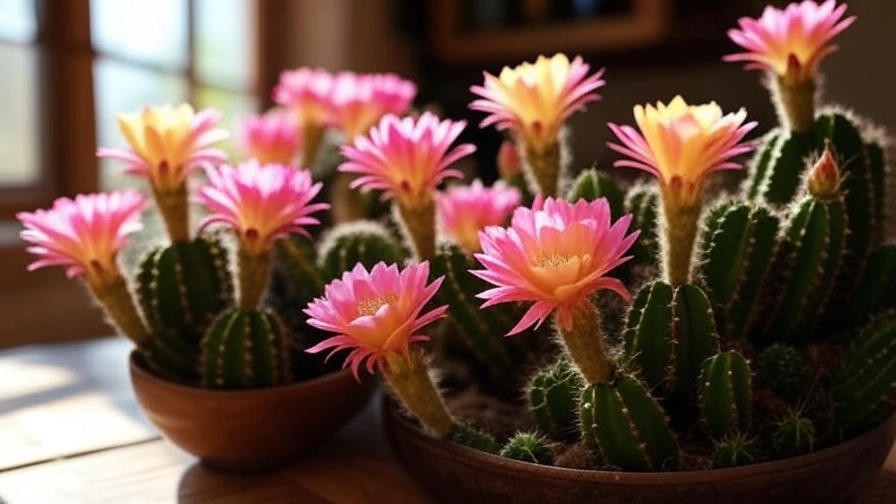
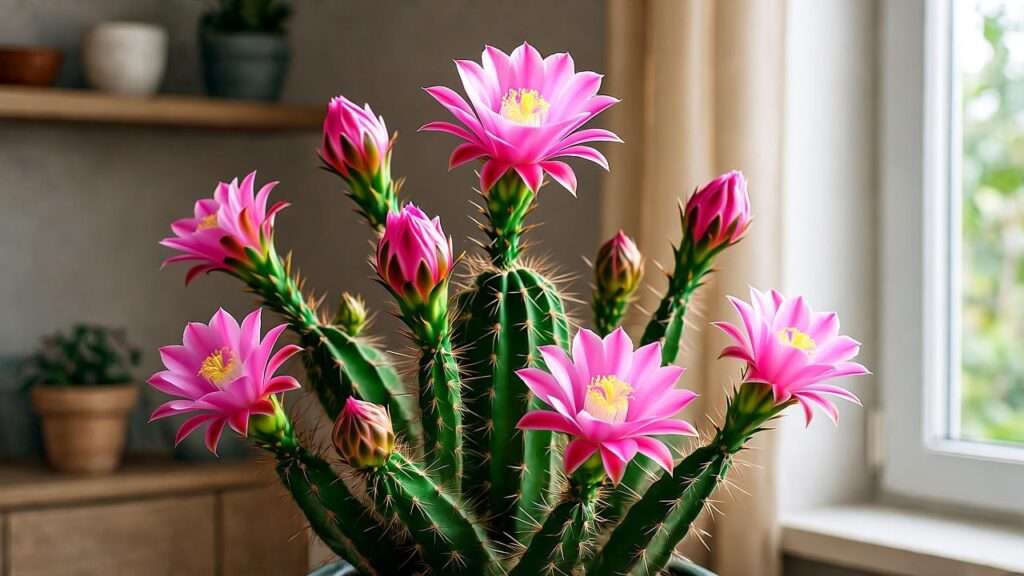
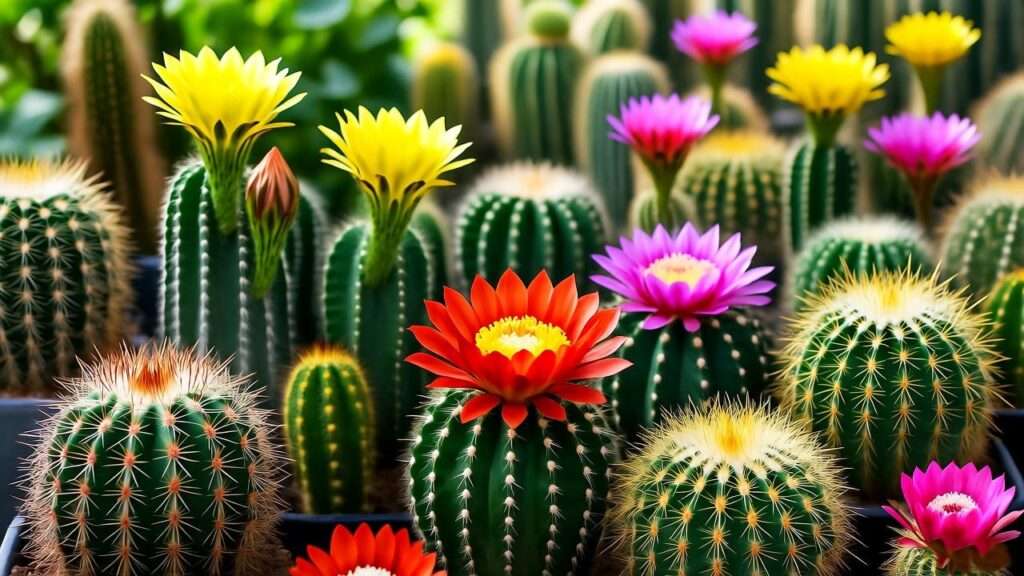
Yes! While brain cacti are more commonly known for their unique appearance, they can indeed bloom indoors. However, they require the right conditions to flower, including plenty of sunlight and slightly cooler temperatures during the winter months. The flowers are usually small, pink, or yellow, and form at the top of the cactus.
Why is my brain cactus turning brown?
Brown spots on a brain cactus can indicate overwatering, fungal infection, or sunburn. If the cactus is overwatered, the roots may rot, leading to discoloration. If it’s sunburned, move it to a less intense location with indirect sunlight. Always ensure the soil is dry before watering again.
How long can a brain cactus live indoors?
With proper care, a brain cactus can live for many years indoors. They’re hardy plants that can thrive for decades when given the right conditions, although they may grow slowly over time.
Expert Insights: Pro Tips for Mastering Brain Cactus Care
Exclusive Care Tips from Experienced Cactus Growers:
-
Avoid Over-Watering: The biggest mistake many new cactus owners make is overwatering. Always check the soil before watering and make sure the pot has excellent drainage to prevent water from sitting around the roots.
-
Don’t Skip Repotting: While brain cacti grow slowly, they still need to be repotted every 2-3 years. Repotting allows the plant to expand its root system and thrive in fresh soil.
Creative Decor Ideas Using Brain Cactus:
-
Terrariums: Create a small desert oasis by incorporating the brain cactus into a terrarium with other cacti or succulents.
-
Minimalist Shelves: Its unique texture makes the brain cactus a perfect plant for minimalist shelves or plant displays where it can be showcased as a statement piece.
Conclusion: The Ultimate Guide to a Happy, Healthy Brain Cactus
The brain cactus is an exceptional and unique addition to your indoor plant collection. Its fascinating texture, combined with its low-maintenance care requirements, make it an ideal choice for both novice and experienced plant enthusiasts. By following the tips and advice provided in this guide, you can ensure that your brain cactus will thrive for years to come.
Remember, the key to success with a brain cactus is providing it with the right amount of sunlight, water, and occasional care. With these essentials in place, your brain cactus will continue to delight and add beauty to your home for a long time. Happy planting!