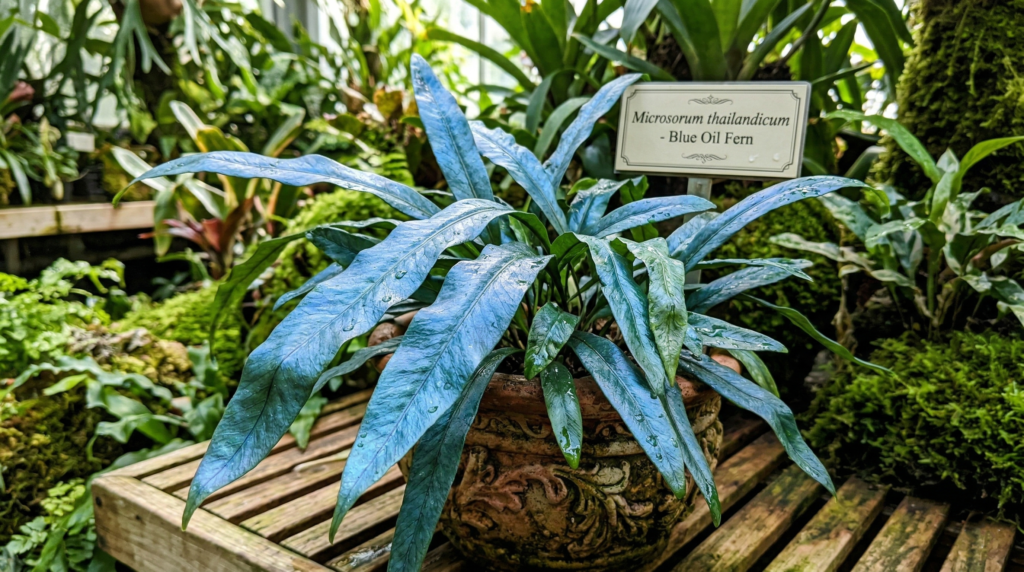
If you’ve ever brought home a blue oil fern and watched its stunning metallic leaves slowly lose their shine, you’re not alone. This rare tropical plant is undeniably beautiful—but it can also be frustratingly sensitive if you don’t understand its needs.
The truth is, most indoor plant lovers fail with this fern not because it’s “too difficult,” but because its care requirements are often misunderstood. Unlike common houseplants, the blue oil fern thrives only when its environment closely mimics its natural habitat.
In this expert guide, you’ll learn exactly how to care for your blue oil fern—from lighting and watering to humidity and long-term maintenance—so it not only survives but truly thrives year-round.
What Is a Blue Oil Fern? (Plant Profile & Key Characteristics)
Origin and Natural Habitat
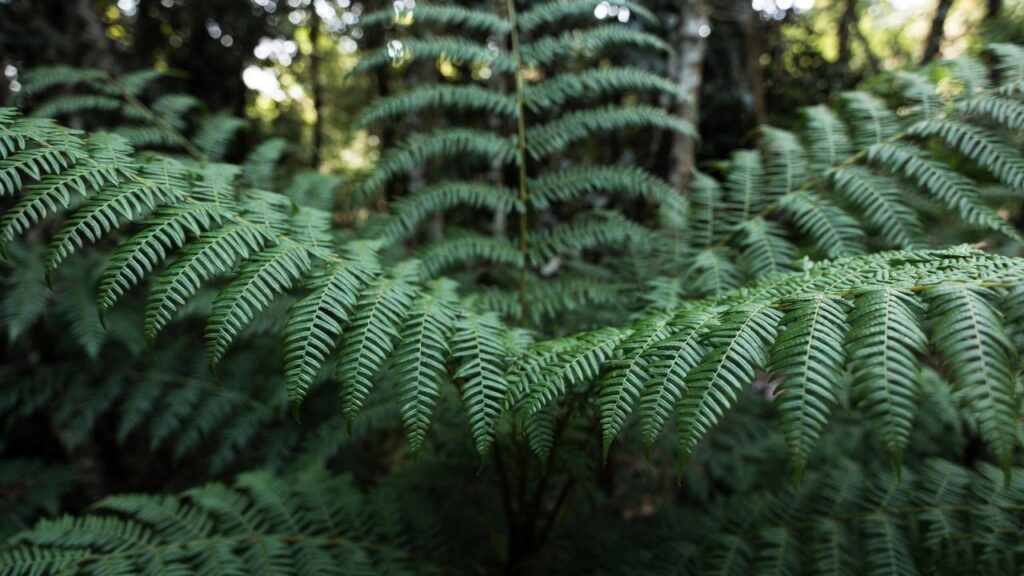
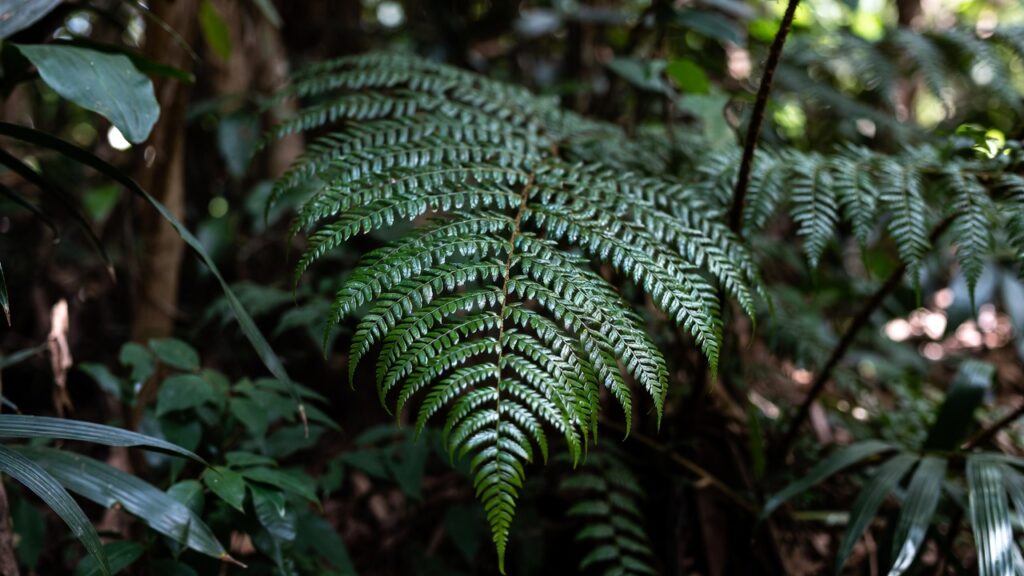
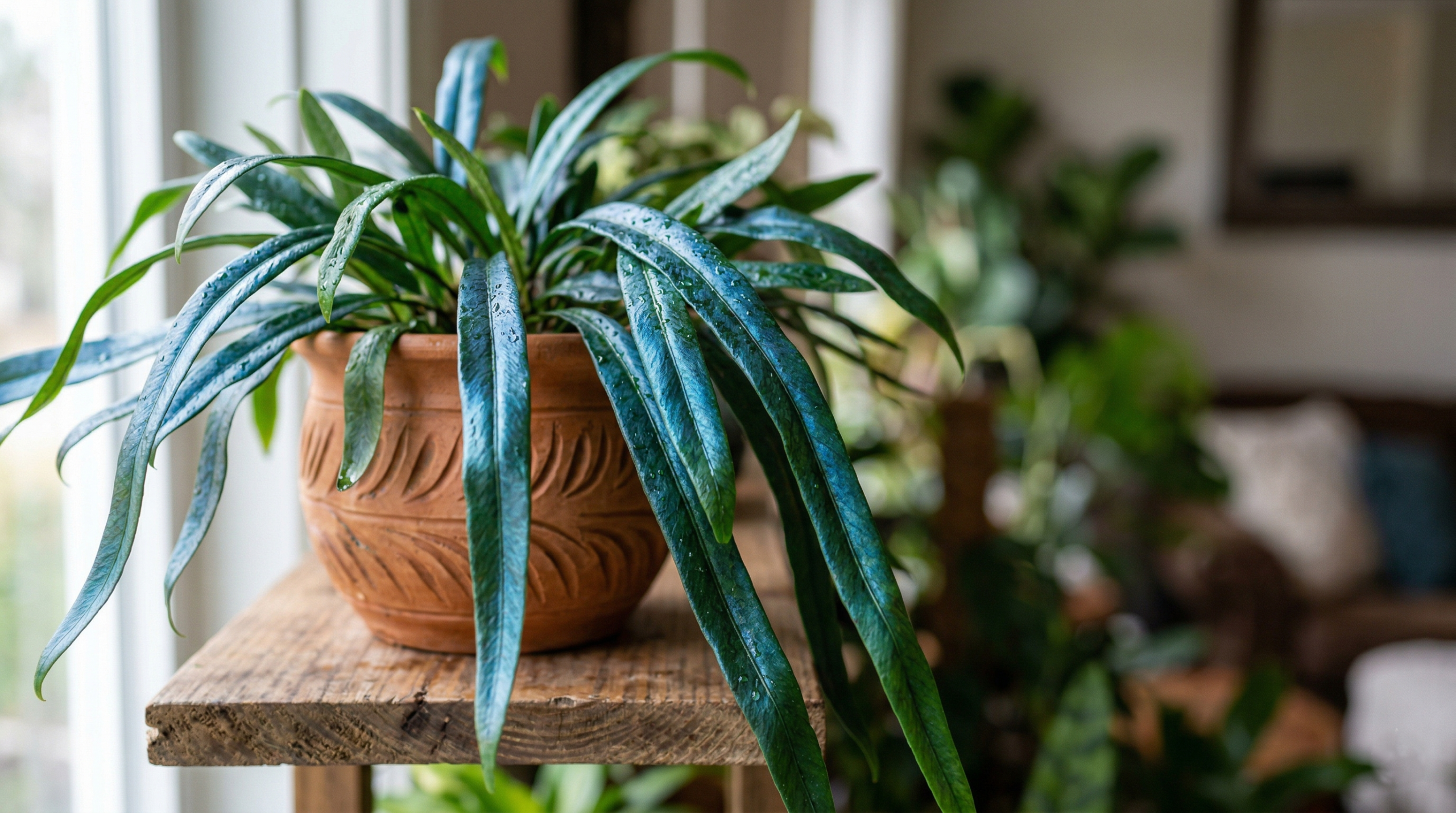
The blue oil fern, scientifically known as Microsorum thailandicum, is native to the tropical forests of Thailand and nearby Southeast Asian regions. In the wild, it grows as an epiphyte, meaning it attaches itself to trees and absorbs moisture from the surrounding air rather than relying solely on soil.
This natural environment is:
- Warm
- Humid
- Shaded by dense forest canopies
Understanding this habitat is the key to successfully growing it indoors.
Unique Features That Make It Special
What makes the blue oil fern truly stand out is its:
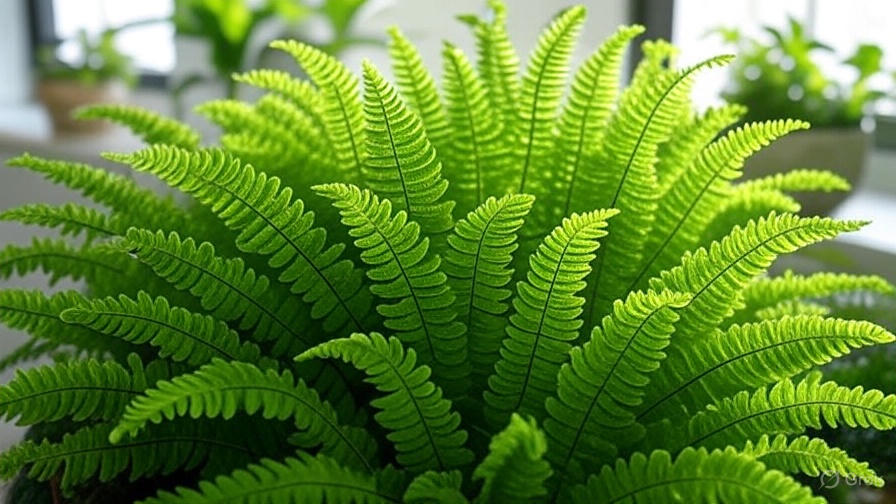
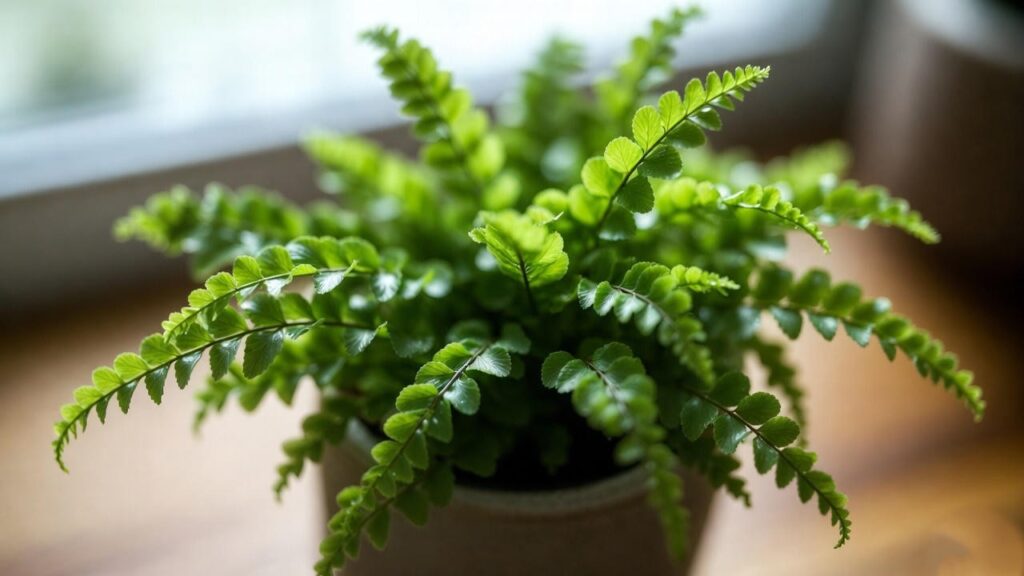
- Iridescent blue-green fronds with a metallic sheen
- Thick, leathery leaves that feel almost waxy
- Compact, elegant growth habit
Unlike typical green houseplants, its color adds a rare and almost surreal aesthetic to indoor spaces.
Is the Blue Oil Fern Right for Your Home?
This plant is best suited for:
- Intermediate to advanced plant owners
- Homes with stable temperature and humidity
- People willing to monitor environmental conditions
If you struggle with consistency in plant care, this may not be the easiest starter plant—but with the right guidance, it’s absolutely manageable.
Blue Oil Fern Care Basics (Quick Overview)
Here’s a quick snapshot of what your plant needs:
| Care Factor | Requirement |
|---|---|
| Light | Bright, indirect light |
| Water | Keep soil lightly moist |
| Humidity | High (60–80%) |
| Temperature | 18–27°C (65–80°F) |
| Soil | Airy, well-draining mix |
| Fertilizer | Light feeding during growing season |
Light Requirements for Healthy Growth
Ideal Light Conditions
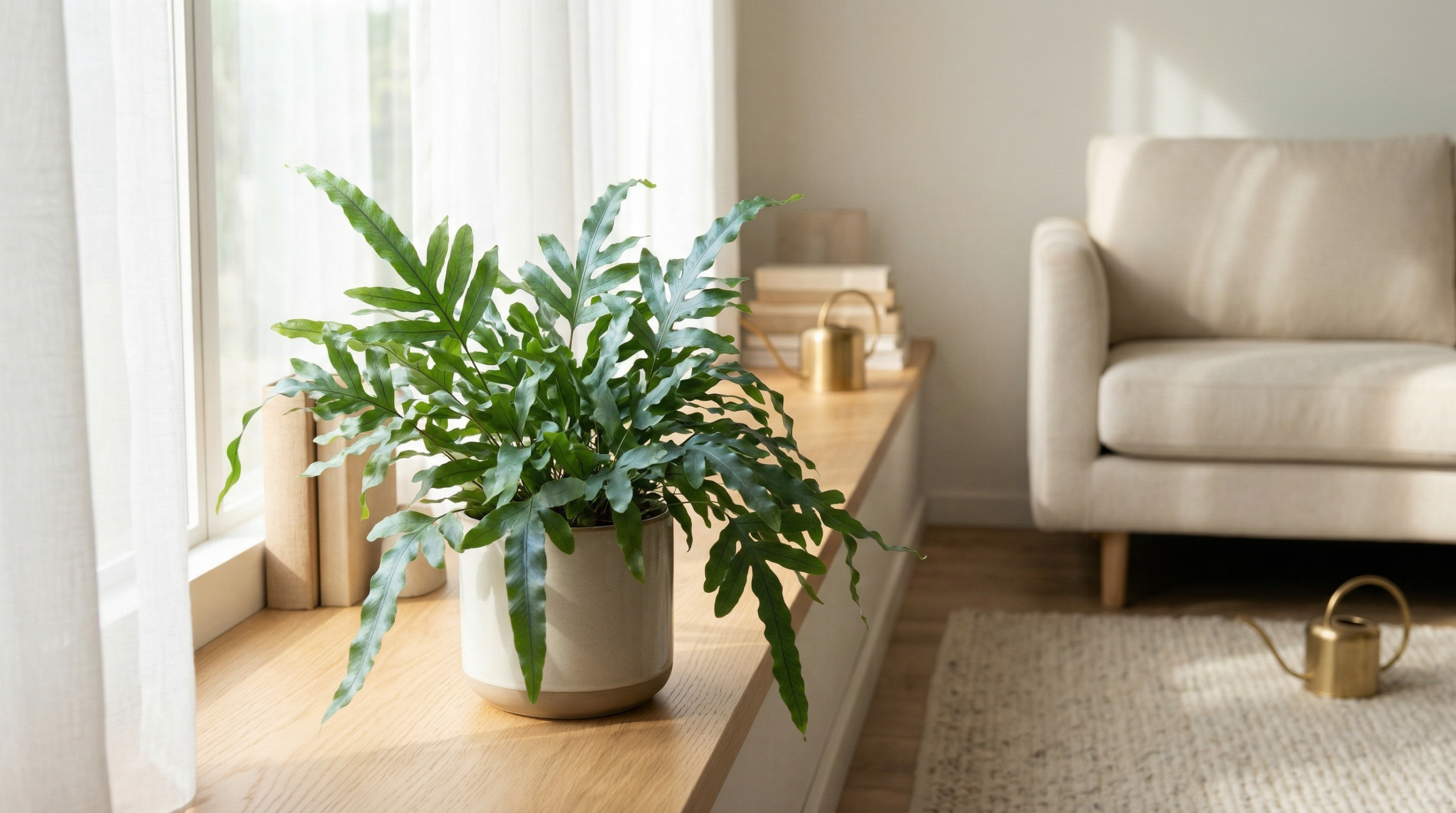
Blue oil ferns thrive in bright, indirect light. Think of filtered sunlight through tree canopies—that’s what you want to replicate indoors.
Best options:
- Near an east-facing window
- A few feet away from a south-facing window with sheer curtains
Signs of Improper Lighting
Your plant will quickly tell you if the lighting is wrong:
- Too much light:
- Leaves lose their blue sheen
- Scorch marks or fading appear
- Too little light:
- Growth slows dramatically
- Leaves become dull and less vibrant
Best Placement Indoors
Place your fern:
- In a bright room but away from direct sun rays
- Near windows with filtered light
- Under grow lights if natural light is insufficient
Watering Your Blue Oil Fern the Right Way
How Often to Water
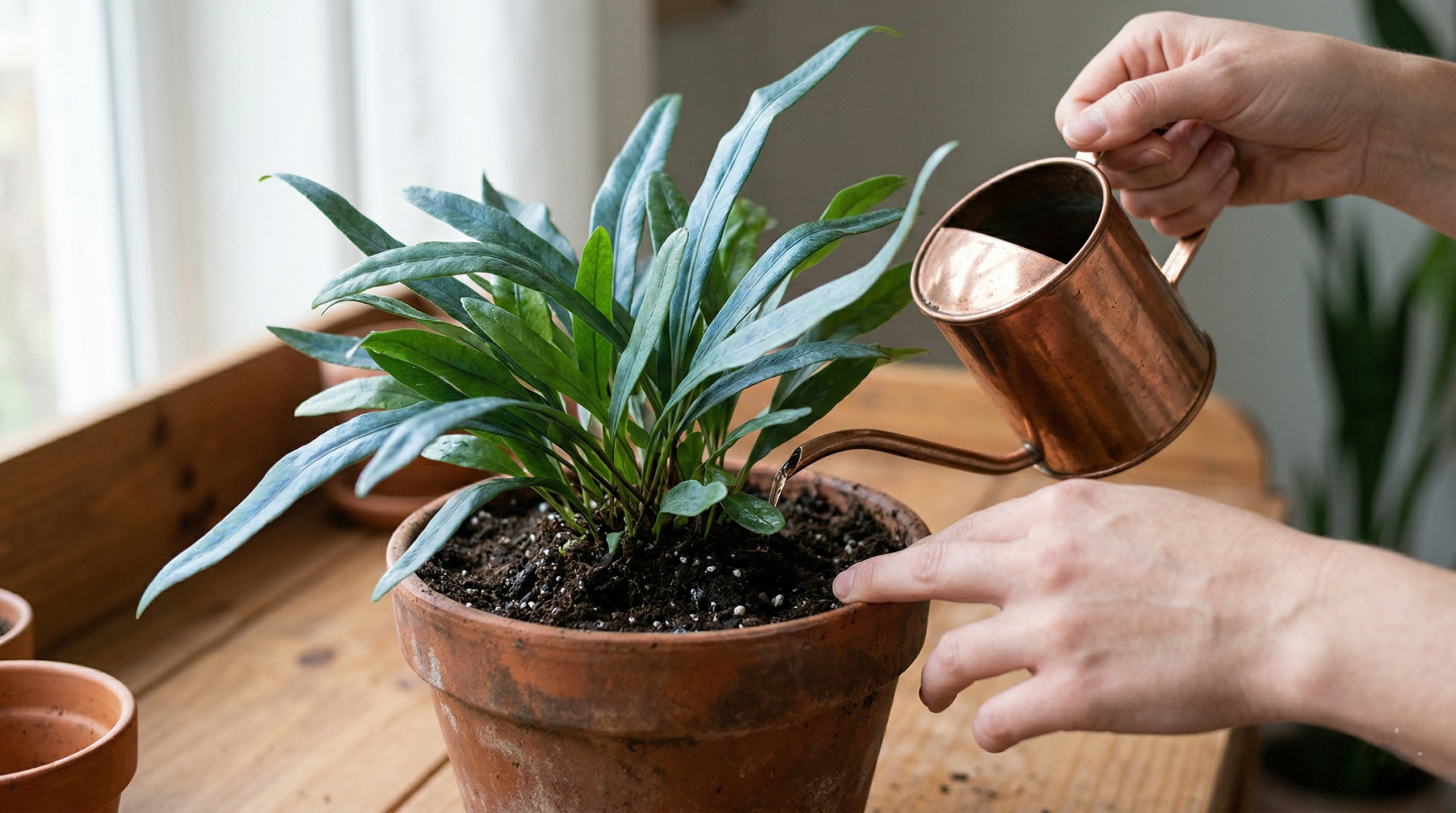
The goal is to keep the soil consistently moist but never soggy.
- Water when the top 1–2 cm of soil feels slightly dry
- Avoid letting the soil completely dry out
Common Watering Mistakes
Overwatering
- Leads to root rot
- Causes yellowing leaves
Underwatering
- Causes crispy edges
- Leads to stunted growth
Consistency is more important than frequency.
Best Water Type
Blue oil ferns are sensitive to chemicals found in tap water.
Use:
- Rainwater (best option)
- Filtered water
- Distilled water if necessary
Avoid hard water, which can damage roots over time.
Humidity: The Key to Thriving Blue Oil Ferns
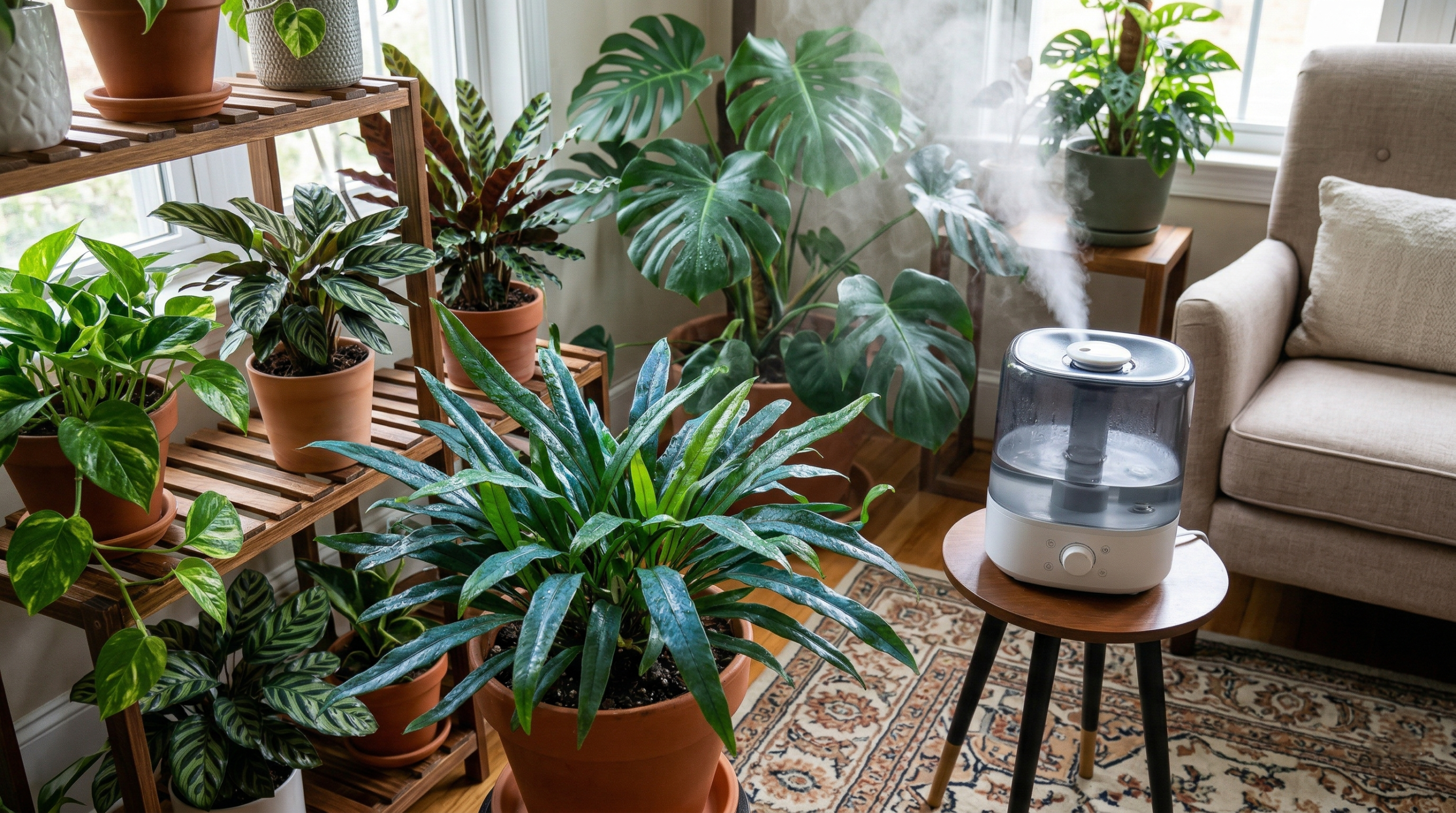
Ideal Humidity Levels
This is where most people go wrong.
Your blue oil fern needs:
- At least 60% humidity
- Ideally closer to 70–80%
How to Increase Humidity Indoors
Here are proven methods:
- Use a humidifier (most effective)
- Place the plant on a pebble tray with water
- Group it with other plants
- Keep it in naturally humid rooms (like bathrooms)
Signs of Low Humidity Stress
Watch for:
- Brown, crispy leaf edges
- Curling or drooping fronds
- Loss of that signature blue sheen
Soil and Potting Mix Requirements
Best Soil Mix for Blue Oil Fern
Because it’s partially epiphytic, it needs an airy, fast-draining mix.
Ideal mix:
- Orchid bark
- Perlite
- Peat or coco coir
This combination ensures:
- Good airflow to roots
- Proper moisture retention without waterlogging
Should You Mount It Instead of Potting?
Advanced plant enthusiasts sometimes mount blue oil ferns on:
- Cork bark
- Wooden slabs
Benefits:
- Mimics natural growth conditions
- Improves airflow
However, mounted plants require:
- More frequent watering
- Higher humidity control
Temperature and Environment Needs
Ideal Temperature Range
Keep your plant in a stable environment:
- 18°C to 27°C (65°F to 80°F)
Avoiding Temperature Stress
Avoid placing your fern near:
- Air conditioners
- Heaters
- Drafty windows
Sudden temperature changes can shock the plant and halt growth.
Fertilizing Your Blue Oil Fern
When and How to Feed
During the growing season (spring and summer):
- Use a diluted liquid fertilizer once a month
- Apply at half strength to avoid root damage
Signs of Overfertilization
Too much fertilizer can harm your plant:
- Brown leaf tips
- Salt buildup on soil
- Weak root system
When in doubt, fertilize less—not more.
Common Problems and How to Fix Them
Browning Leaves
Causes:
- Low humidity
- Poor water quality
Solution:
- Increase humidity
- Switch to filtered water
Yellowing Leaves
Causes:
- Overwatering
- Poor drainage
Solution:
- Improve soil mix
- Adjust watering schedule
Root Rot
Signs:
- Mushy roots
- Foul smell
- Wilting despite moist soil
Fix:
- Remove affected roots
- Repot in fresh, well-draining soil
Pests (Rare but Possible)
Occasionally affected by:
- Spider mites
- Scale insects
Treatment:
- Neem oil spray
- Insecticidal soap
Repotting and Propagation Guide
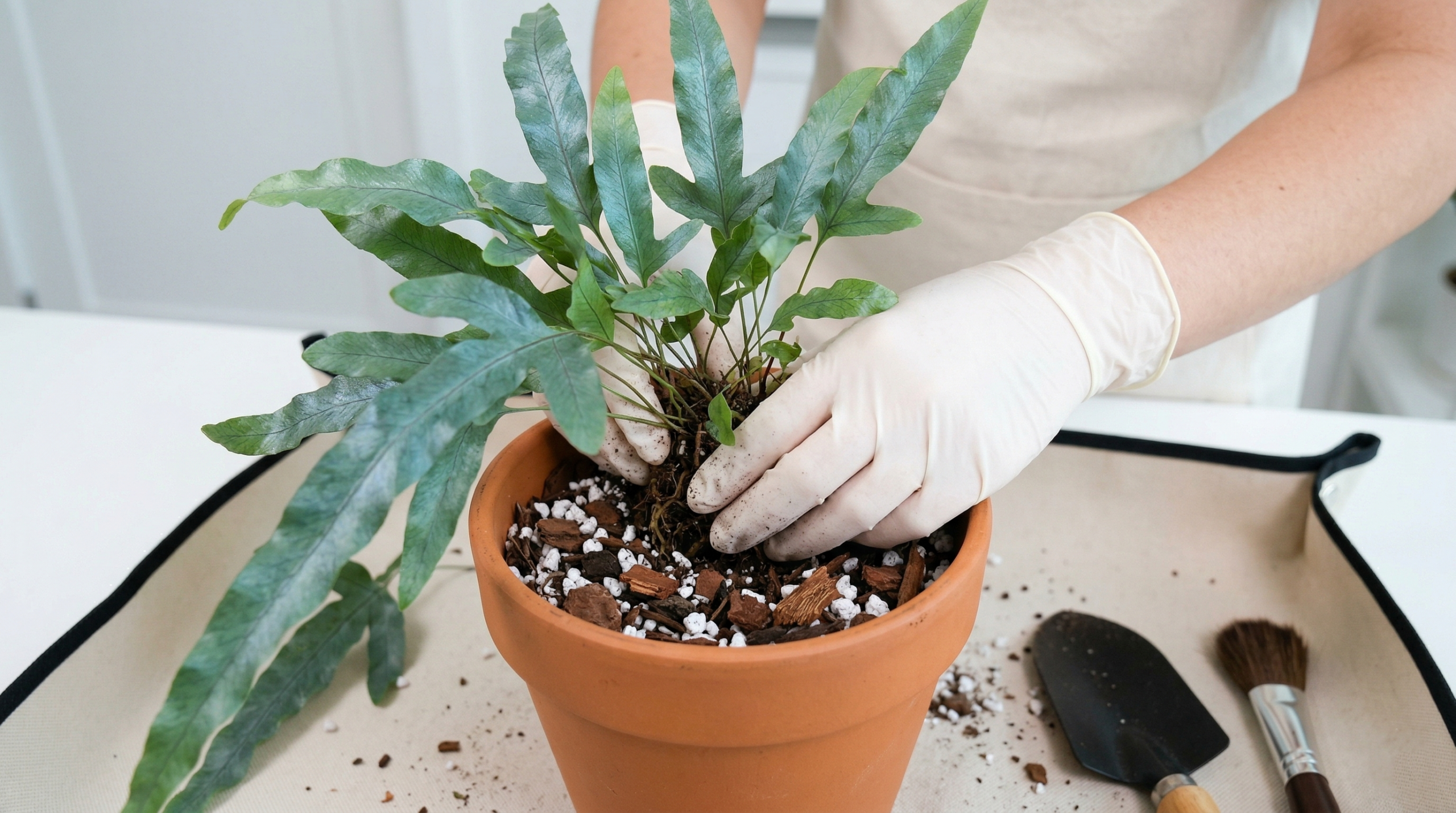
When to Repot
Blue oil ferns are slow growers, so they don’t require frequent repotting.
Repot only when:
- Roots start circling the pot (root-bound)
- Soil breaks down and loses drainage
- Water sits on the surface instead of absorbing
Ideal frequency: Every 2–3 years
How to Repot Safely (Step-by-Step)
- Choose a slightly larger pot (1–2 inches wider)
- Prepare a fresh, well-draining mix (orchid bark + perlite + coco coir)
- Gently remove the plant from its current pot
- Inspect roots and trim any rotten or damaged parts
- Place the plant in the new pot and fill around it with soil
- Water lightly and place it in a stable environment
Propagation Methods (Rhizome Division)
Propagation is possible, but it requires patience.
Steps:
- Identify a healthy rhizome with multiple fronds
- Carefully divide it using a sterilized tool
- Ensure each section has roots attached
- Plant in fresh mix and maintain high humidity
Pro Tips to Keep Your Blue Oil Fern Thriving Year-Round
If you want your plant to go from “surviving” to truly thriving, these expert tips make all the difference:
1. Maintain Environmental Stability
Blue oil ferns dislike change. Avoid:
- Frequent relocation
- Sudden humidity or temperature shifts
2. Prioritize Humidity Over Everything Else
If you only fix one thing—fix humidity.
A consistent 70% humidity level can dramatically improve:
- Leaf color
- Growth rate
- Overall plant health
3. Clean the Leaves Gently
Dust buildup reduces photosynthesis and dulls the plant’s signature sheen.
- Use a damp cloth
- Avoid harsh chemicals or leaf shine products
4. Avoid Overhandling
The fronds are delicate. Excessive touching can:
- Damage the leaf surface
- Reduce its natural protective coating
5. Monitor Seasonal Changes
Even indoors, seasons affect your plant:
- Summer: Increase watering and humidity
- Winter: Reduce watering and avoid fertilizing
Blue Oil Fern vs Other Popular Ferns
Understanding how it compares helps set realistic expectations.
Blue Oil Fern vs Bird’s Nest Fern
- Blue oil fern: Rare, metallic blue, slower growth
- Bird’s nest fern: Bright green, easier care, faster growth
Blue Oil Fern vs Boston Fern
- Blue oil fern: Compact, humidity-sensitive, unique foliage
- Boston fern: Fuller, more forgiving, widely available
Key Takeaway
The blue oil fern is:
- More delicate
- More rare
- More visually striking
It’s a collector’s plant—not just a decorative one.
Styling and Display Ideas for Indoor Spaces
A thriving blue oil fern isn’t just a plant—it’s a statement piece.
Minimalist Interiors
- Place it in a neutral ceramic pot
- Let the metallic foliage stand out as a focal point
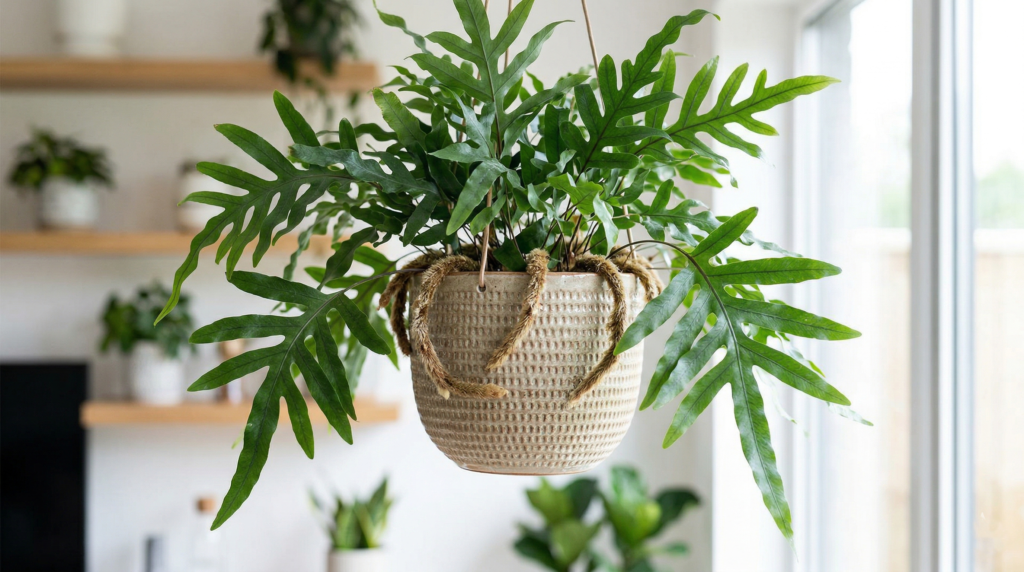
Hanging Displays
- Use hanging planters in bright, indirect light
- Perfect for small spaces
Mounted Wall Plants (Advanced Option)
- Mount on cork or wood for a natural look
- Ideal for plant walls or vertical gardens
Terrariums or Display Cabinets
- Great for maintaining high humidity
- Enhances visual appeal while supporting growth
Frequently Asked Questions (FAQs)
Is blue oil fern hard to care for?
It’s moderately difficult. The main challenge is maintaining consistent humidity and stable conditions.
Why is my blue oil fern losing its blue color?
This is usually caused by:
- Too much direct light
- Low humidity
- Poor water quality
Fixing these factors can restore its vibrant sheen.
Can it survive in low light?
It can tolerate low light, but it will:
- Grow slowly
- Lose its metallic appearance
Bright, indirect light is ideal.
How fast does it grow?
It’s a slow-growing plant, so patience is essential. Healthy growth may still appear gradual.
Is blue oil fern pet-safe?
Yes, it is generally considered non-toxic to pets, making it a safer choice for homes with cats or dogs.
Final Thoughts: Mastering Blue Oil Fern Care
Caring for a blue oil fern may seem intimidating at first—but once you understand its core needs, it becomes far more manageable.
The secret is simple:
- High humidity
- Consistent moisture
- Stable environment
When these conditions are met, your plant will reward you with stunning, metallic foliage that few other houseplants can match.
If you’re willing to give it the attention it deserves, the blue oil fern can become one of the most unique and eye-catching plants in your indoor collection.