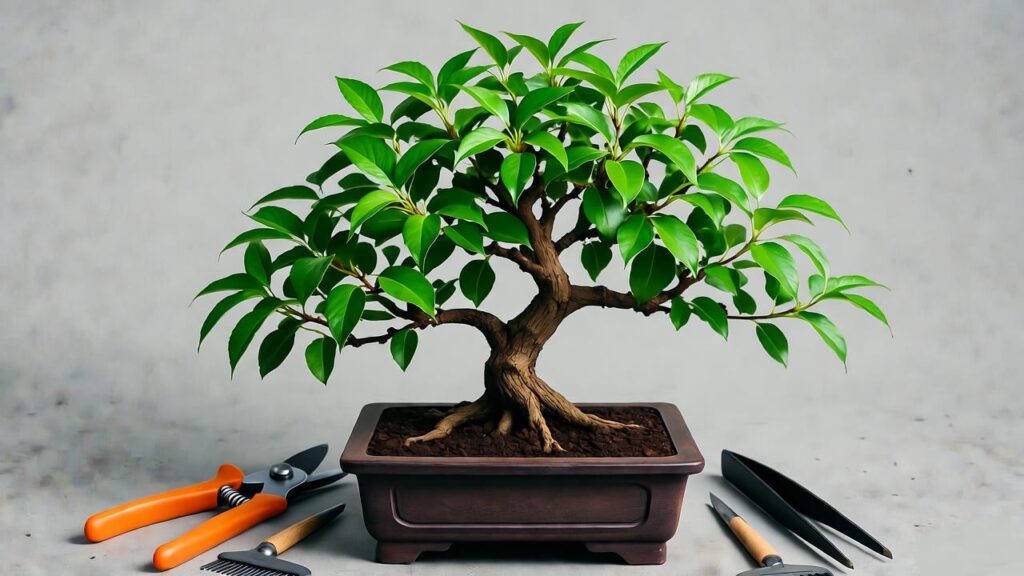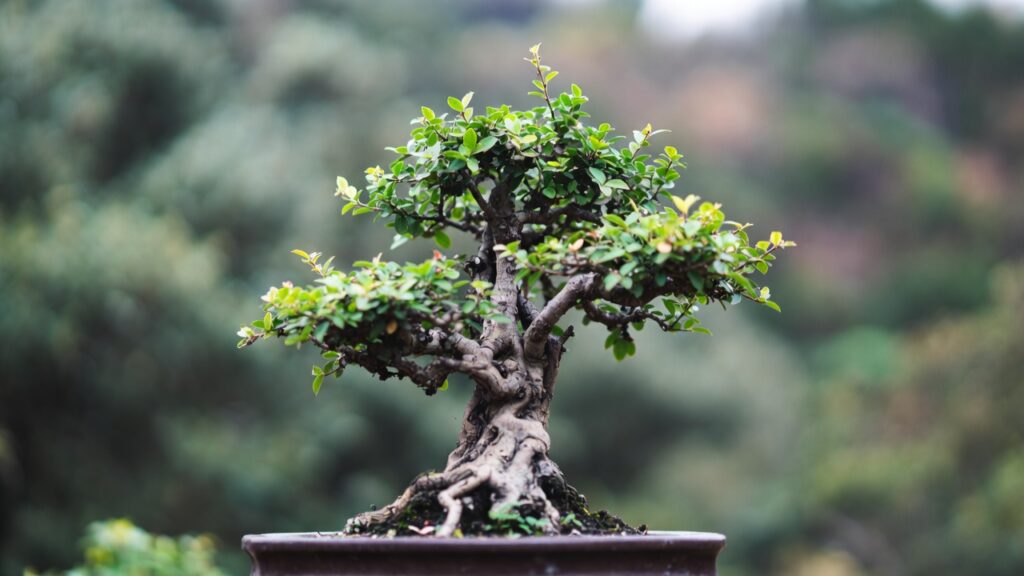
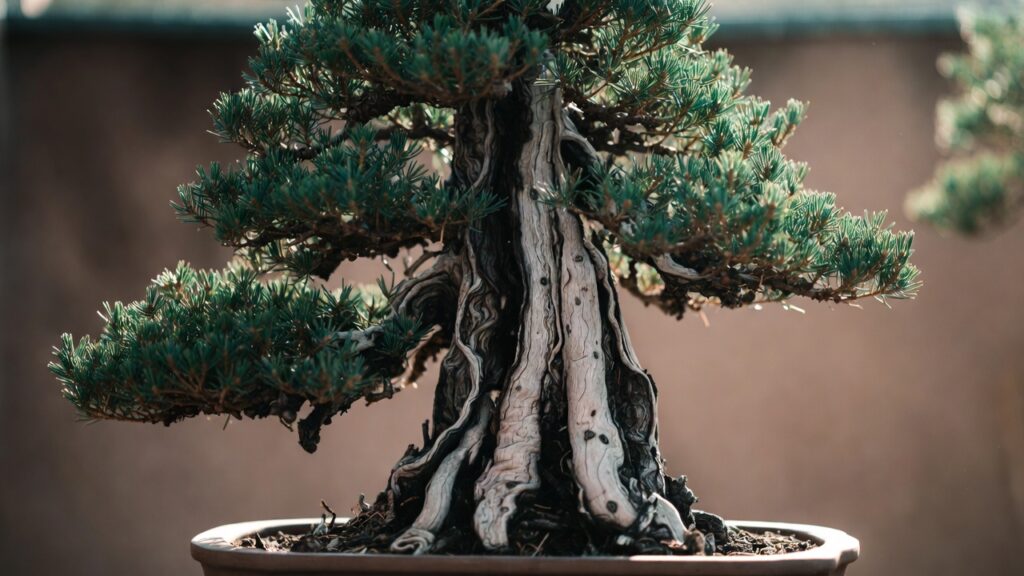
There’s something undeniably powerful about a black pine bonsai displayed indoors — rugged bark, sculpted branches, and evergreen needles forming a miniature forest in a single pot. But here’s the truth many beginners discover too late: a black pine bonsai is not a typical indoor plant, and treating it like one is the fastest way to watch it decline.
If you’ve ever wondered why your needles are turning yellow, why growth looks weak, or whether this tree can truly survive inside year-round, you’re not alone. This comprehensive guide will walk you through everything you need to know — from lighting and watering to pruning, seasonal dormancy, and long-term shaping — so you can grow, shape, and maintain a thriving indoor display without compromising the health of your tree.
This article is designed for serious indoor plant enthusiasts who want expert-level, actionable guidance rooted in horticultural science and bonsai tradition.
Understanding Black Pine Bonsai Before You Bring One Indoors

What Is a Black Pine Bonsai?
Black pine bonsai are typically cultivated from Japanese black pine (Pinus thunbergii), a species prized in traditional bonsai for its:
- Strong trunk development
- Dramatic bark texture
- Dense needle clusters
- Tolerance to pruning and wiring
In classical Japanese bonsai culture, black pine symbolizes resilience and longevity. Its rugged appearance and flexible growth habits make it one of the most iconic species in the bonsai world.
However, unlike tropical bonsai varieties (such as ficus), black pine is a temperate conifer. That distinction changes everything about how it must be cared for.
Is Black Pine Bonsai Truly an Indoor Plant?
Here’s the critical clarification:
It requires:
- Full sun exposure
- Seasonal temperature changes
- Winter dormancy
Keeping it indoors permanently — especially in climate-controlled environments — often leads to weak growth, elongated needles, and eventual decline.
So why do people grow them indoors?
Because they can be:
- Displayed indoors temporarily
- Overwintered outdoors with protection
- Rotated between indoor and outdoor spaces
For indoor plant enthusiasts, the key is understanding how to balance aesthetics with biological needs.
Who Should Grow a Black Pine Bonsai?
Black pine bonsai are best suited for:
- Intermediate indoor gardeners
- Patient growers who enjoy pruning and shaping
- Plant owners with access to strong light or grow lights
- People who can provide seasonal outdoor exposure
If you’re looking for a “set it and forget it” houseplant, this is not it. But if you appreciate horticultural craftsmanship, it’s deeply rewarding.
Ideal Growing Conditions for Black Pine Bonsai Indoors
Success begins with recreating — as closely as possible — the tree’s natural environment.
Light Requirements (The #1 Success Factor)
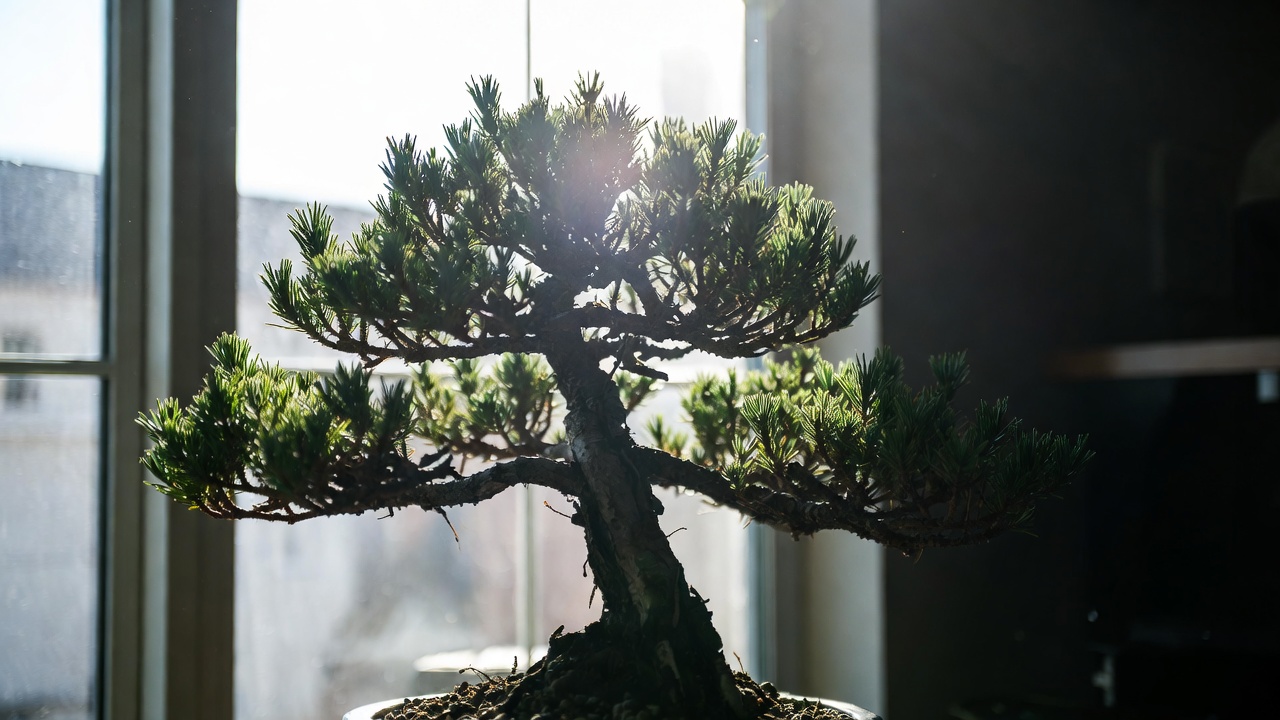
Light is the most common failure point.
Black pine bonsai require:
- 6–8 hours of direct sunlight daily
- Bright, unobstructed southern exposure (Northern Hemisphere)
- Supplemental grow lights if natural light is insufficient
If natural light is limited, use full-spectrum LED grow lights rated for vegetative growth. Position lights 6–12 inches above the canopy for 12–14 hours daily.
Signs of insufficient light:
- Long, weak needle growth
- Pale green coloration
- Sparse branching
- Reduced budding
Without adequate light, no amount of watering or fertilizing will compensate.
Temperature and Seasonal Needs
Black pine bonsai require seasonal dormancy.
Ideal temperature ranges:
- Spring/Summer: 60–85°F (15–29°C)
- Fall: Gradual cooling
- Winter dormancy: 25–45°F (-4–7°C)
Constant indoor warmth prevents proper dormancy, leading to:
- Energy depletion
- Weak growth cycles
- Increased pest susceptibility
If grown primarily indoors, you must provide a winter dormancy period outdoors or in an unheated garage or cold frame.
Humidity and Air Circulation
Unlike tropical houseplants, black pine bonsai do not require high humidity. However:
- Good airflow prevents fungal issues
- Avoid stagnant indoor air
- Keep away from heating vents
Humidity trays can help slightly but are secondary to proper watering and airflow.
Watering a Black Pine Bonsai the Right Way
Watering mistakes account for the majority of black pine bonsai failures.
How Often Should You Water?
There is no fixed schedule.
Instead:
- Check soil daily
- Water when the top layer begins to dry
- Allow proper drainage
Frequency varies based on:
- Season
- Pot size
- Soil mix
- Light intensity
During summer, daily watering may be required. In winter dormancy, watering is significantly reduced.
Best Watering Technique

Use thorough top watering:
- Water slowly until it drains from the bottom.
- Wait 1–2 minutes.
- Water again to ensure full saturation.
Avoid:
- Light surface sprinkling
- Letting the pot sit in standing water
Proper drainage is essential to prevent root rot.
Signs of Overwatering vs. Underwatering
Overwatering:
- Yellowing needles
- Soft roots
- Fungal smell from soil
- Stunted growth
Underwatering:
- Browning needle tips
- Dry, brittle soil
- Needle drop
When in doubt, check soil moisture below the surface using a chopstick or moisture probe.
Choosing the Right Soil and Pot
Soil composition directly impacts root health and oxygen availability.
Ideal Soil Mix for Black Pine Bonsai

Black pine bonsai require well-draining soil. A common mix includes:
- 50% Akadama
- 25% pumice
- 25% lava rock
This blend:
- Promotes drainage
- Prevents compaction
- Supports fine root development
Avoid standard potting soil — it retains too much moisture and suffocates roots.
Selecting the Right Bonsai Pot
A proper bonsai pot must have:
- Large drainage holes
- Mesh screens
- Shallow but proportional depth
While aesthetics matter, root health always comes first.
Pruning and Shaping Your Black Pine Bonsai
This is where art meets horticulture.
Structural Pruning Basics
Structural pruning shapes the tree’s silhouette.
Best done:
- Late winter or early spring
- Before vigorous growth begins
Remove:
- Crossing branches
- Inward-growing branches
- Excess vertical growth
Always use sterilized bonsai shears to prevent infection.
Candle Pruning Technique (Advanced Care)

Black pine produces “candles” — elongated spring shoots.
To control needle length and density:
- Allow candles to extend
- Cut back selectively
- Adjust pruning intensity based on tree vigor
This technique redistributes energy and promotes compact growth.
Timing is critical — typically late spring to early summer.
Wiring Techniques for Elegant Shape

Wiring allows you to guide branch direction.
Use:
- Aluminum bonsai wire
- 45-degree wrapping angle
- Gentle bends
Check regularly to prevent wire bite into bark.
Remove wire after 3–6 months, depending on growth speed.
Fertilizing for Healthy Growth
Black pine bonsai are moderate feeders.
When and How Often to Fertilize
Fertilize during active growth:
- Early spring through late summer
- Every 2–4 weeks (liquid feed)
- Slow-release pellets every 4–6 weeks
Do not fertilize during deep winter dormancy.
Best Fertilizer Types
Look for balanced NPK ratios such as:
- 10-10-10
- 12-6-6
Organic fertilizers promote steady growth and improve soil microbiology.
Avoid excessive nitrogen late in the season — it produces long, weak needles.
Repotting a Black Pine Bonsai (Step-by-Step)

Repotting maintains root vitality.
When to Repot
- Young trees: Every 2–3 years
- Mature trees: Every 3–5 years
- Early spring before bud break
Signs it’s time:
- Water drains too quickly
- Roots circle the pot
- Reduced vigor
Step-by-Step Repotting Process
- Prepare fresh bonsai soil mix.
- Remove the tree carefully.
- Gently comb out roots.
- Prune no more than 30% of root mass.
- Position in new soil and secure with wire.
- Water thoroughly.
- Keep in partial shade for 2 weeks.
Proper aftercare is crucial — avoid fertilizing immediately after repotting.
Common Black Pine Bonsai Problems and How to Fix Them
Even experienced growers encounter setbacks. The difference between a declining tree and a thriving one often comes down to early diagnosis and precise correction.
Yellowing Needles: What It Really Means
Not all yellow needles signal disaster.
Natural needle shedding:
Black pine bonsai naturally shed older interior needles in late summer or early fall. If only inner, older needles are yellowing while new growth looks healthy, this is normal.
Problematic yellowing may indicate:
- Overwatering and root stress
- Poor drainage
- Nutrient deficiency (often nitrogen or iron)
- Lack of sunlight
Solution:
- Inspect soil moisture levels
- Improve drainage immediately if soil is compacted
- Adjust light exposure
- Apply a balanced fertilizer during the growing season
If roots smell sour or appear black and mushy, root rot may be present — immediate repotting into fresh, well-draining soil is necessary.
Browning Needle Tips
Brown tips are commonly linked to:
- Underwatering
- Salt buildup from fertilizer
- Low light stress
- Windburn (if recently moved outdoors)
Corrective steps:
- Flush soil thoroughly to remove salt accumulation
- Adjust watering frequency
- Ensure at least 6 hours of strong light
- Gradually acclimate when transitioning between indoor and outdoor environments
Pests and Diseases
Although relatively hardy, black pine bonsai can suffer from:
Spider mites
- Fine webbing
- Speckled needle discoloration
- More common in dry indoor air
Aphids
- Sticky residue (honeydew)
- Distorted new growth
Fungal infections
- Needle discoloration
- Black spotting
- Poor air circulation increases risk
Prevention strategy:
- Maintain strong airflow
- Inspect weekly
- Use insecticidal soap when needed
- Avoid overwatering
Healthy trees are naturally more resistant. Stress management is your best defense.
Seasonal Care Calendar for Black Pine Bonsai
Because black pine bonsai are temperate trees, seasonal care adjustments are essential for long-term vitality.
Spring (Growth Initiation)
- Resume regular fertilizing
- Monitor candle development
- Begin structural pruning
- Increase watering frequency
- Gradually reintroduce full sun exposure
Spring sets the foundation for the entire year.
Summer (Energy Building)
- Perform candle pruning
- Continue feeding schedule
- Water daily during hot periods
- Watch for pests
- Protect from extreme heat above 95°F (35°C)
Summer growth determines needle density and branch refinement.
Fall (Preparation for Dormancy)
- Reduce nitrogen-heavy fertilizer
- Allow gradual cooling exposure
- Reduce pruning
- Begin tapering watering frequency
Fall care ensures the tree stores sufficient energy for winter.
Winter (Dormancy Period)

- Place outdoors in a protected but cold environment
- Shield roots from severe freezes
- Water sparingly but never allow roots to dry completely
- Do not fertilize
Dormancy is non-negotiable. Skipping this phase weakens the tree long term.
Can You Grow Black Pine Bonsai Indoors Year-Round?
This is one of the most searched questions — and it deserves an honest, experience-based answer.
Technically, you can keep a black pine bonsai indoors temporarily. However:
- Year-round indoor cultivation without dormancy significantly weakens the tree
- Growth becomes leggy and sparse
- Long-term survival rates decline
Best compromise strategy:
- Display indoors for short periods (1–3 days at a time)
- Grow outdoors during active seasons
- Provide winter dormancy outdoors or in an unheated structure
If your lifestyle prevents outdoor placement, consider species naturally suited to indoor conditions, such as tropical ficus bonsai.
Respecting the tree’s biology is essential to maintaining its longevity.
Expert Tips for Long-Term Success
After years of cultivating temperate bonsai, one principle stands out:
1. Avoid Overworking the Tree
Beginners often over-prune or over-wire. Black pine respond best to strategic, seasonal intervention.
2. Prioritize Root Health
Healthy roots equal healthy foliage. Soil quality and drainage are foundational.
3. Think in Years, Not Weeks
True bonsai refinement takes time. Avoid chasing rapid results.
4. Rotate for Even Light
If occasionally displayed indoors, rotate weekly to maintain balanced growth.
5. Track Seasonal Changes
Keep a bonsai journal. Record pruning dates, fertilization cycles, and growth observations.
Consistency builds expertise.
Frequently Asked Questions About Black Pine Bonsai
How long does a black pine bonsai live?
With proper care, black pine bonsai can live for decades — even over 100 years. Longevity depends on correct dormancy, soil management, and balanced pruning.
Can black pine bonsai survive without direct sunlight?
No. Bright indirect light is insufficient long-term. At least 6 hours of strong light daily is necessary for healthy growth.
Why are my black pine needles turning brown?
Common causes include underwatering, salt buildup, insufficient light, or root stress. Evaluate watering habits and soil condition first.
How fast does black pine bonsai grow?
Moderate growth rate. With proper fertilization and full sun, noticeable seasonal growth occurs each spring and summer.
Is black pine bonsai good for beginners?
It can be suitable for dedicated beginners willing to learn seasonal care and dormancy requirements. However, it is more demanding than tropical indoor bonsai species.
Final Thoughts: Growing a Thriving Black Pine Bonsai Indoors
A black pine bonsai is not merely décor — it is a living tree shaped by seasons, patience, and informed care. When grown with respect for its natural biology, it rewards you with dramatic bark, refined branching, and timeless elegance.
If you remember only three principles from this guide, let them be:
- Prioritize strong light.
- Provide winter dormancy.
- Maintain excellent drainage.
Master those, and you are well on your way to cultivating a healthy, long-lived black pine bonsai that thrives year after year.