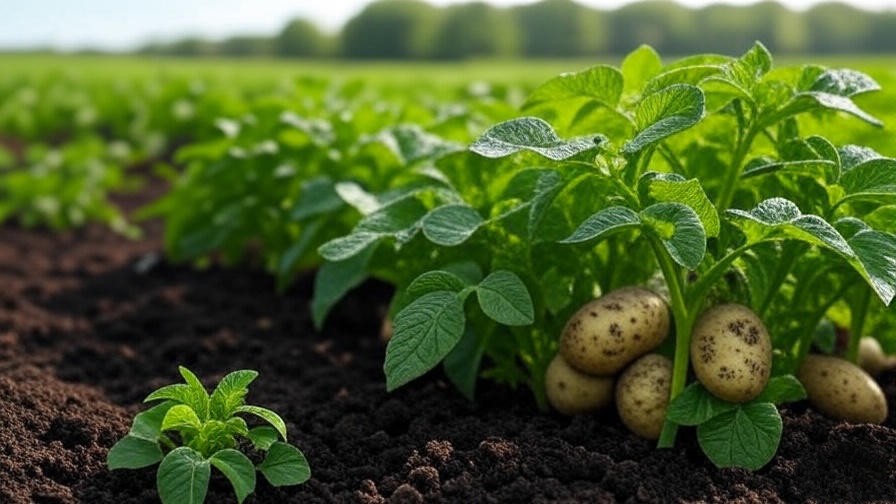
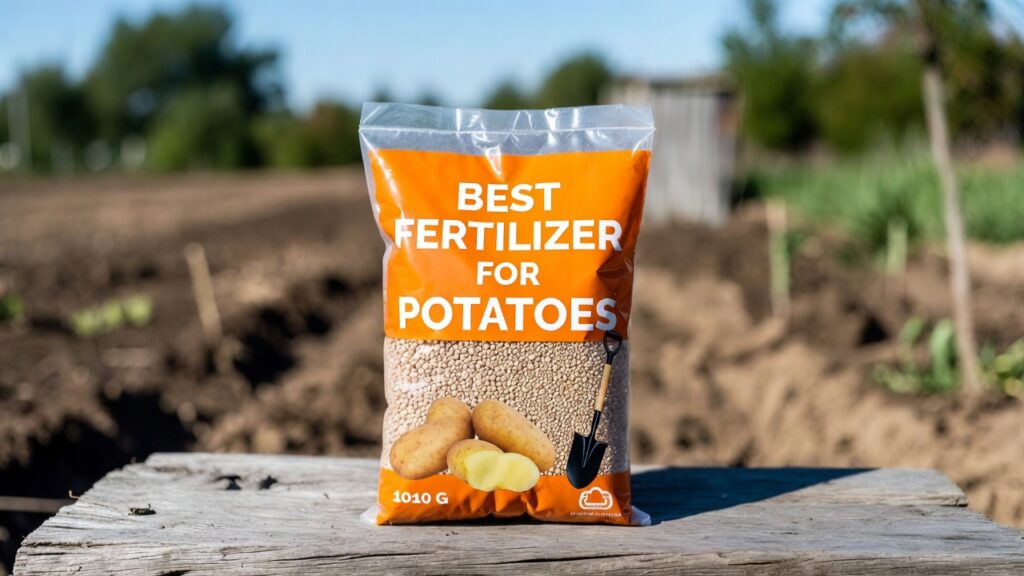
Growing big, healthy potatoes isn’t just about watering and sunshine — it’s about feeding your plants the nutrients they need for strong root development and abundant tuber growth. Potatoes are heavy feeders that benefit from a balanced blend of nutrients, especially phosphorus and potassium, which fuel tuber development and boost yields. Fertilizers with poorly matched nutrient profiles can lead to lush leafy tops but tiny tubers — a frustrating outcome for any gardener.
That’s where this guide comes in. We’ve researched the best 10 fertilizer for potatoes — from potato-specific formulas to nutrient-rich garden plant foods — to help you choose high-performing products, backed by real customer feedback and expert recommendations.
How to Choose the Best Fertilizer for Potatoes
When shopping for the best 10 fertilizer for potatoes, it’s important to understand what makes a fertilizer effective for this crop.
1. Nutrient Balance (NPK)
Fertilizers list a trio of numbers like 5-10-10 (N-P-K). For potatoes:
-
Nitrogen (N): Supports leafy growth early on.
-
Phosphorus (P): Promotes strong root systems.
-
Potassium (K): Encourages tuber growth and overall plant health.
Potatoes generally benefit from moderate nitrogen and higher phosphorus and potassium levels. Too much nitrogen can produce lush foliage but weak tubers.
2. Fertilizer Type
-
Granular (slow-release): Feeds over time; ideal for soil incorporation.
-
Liquid: Quick nutrient delivery; great for in-season feeding.
-
Organic: Natural, improves soil biology over time.
-
Mineral Potash or Specialized Blends: Useful for specific nutrient boosts.
3. Soil Conditions & Growing Method
Container gardens, raised beds, and in-ground plots have different nutrient retention and requirements. Knowing your soil type and growing conditions will help you pick the most effective fertilizer.
4. Application Timing
Potatoes benefit from fertilization:
-
~Before planting (soil amendment)
-
During early growth
-
Mid-season to encourage tuber bulking
Avoid feeding potatoes too close to harvest to minimize disease risk.
Best 10 Fertilizer for Potatoes – Detailed Reviews (2026)
Below is a curated list of top fertilizers that can help you grow larger, healthier potatoes — including options with potato-specific formulas, balanced garden blends, organic choices, and nutrient boosters. Prices and ratings are based on current Amazon listings and trusted gardening product data.
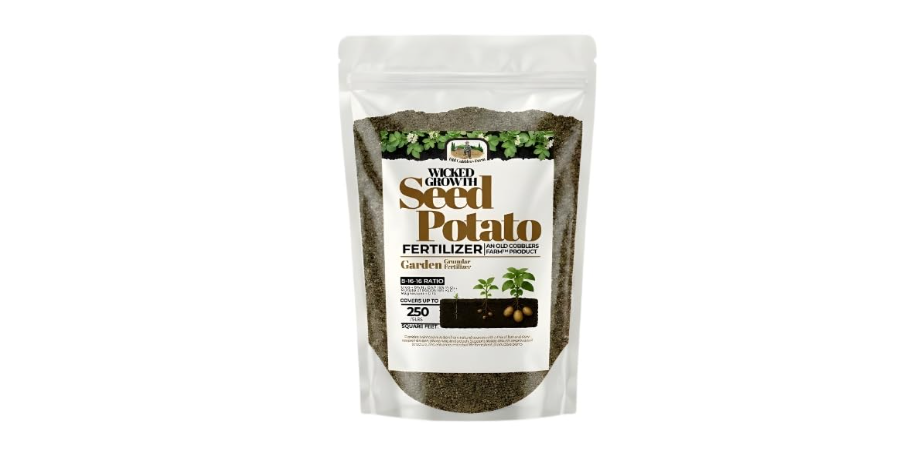
1. Old Cobblers Farm™ Wicked Growth Seed Potato Fertilizer
Price: ~$30.99
Amazon Rating: ~3.0/5 stars (based on early reviews)
Description:
This granular fertilizer is specifically formulated for potatoes with an 8-16-16 NPK ratio, which delivers the phosphorus and potassium potatoes need for strong tuber development. Slow-release granules feed plants over time and reduce the need for frequent reapplication, saving you effort during the growing season.
Key Features & Benefits:
-
Potato-specific nutrient blend designed to support healthy root & tuber growth.
-
Slow-release formula delivers steady nutrients.
-
Easy application suitable for home gardens and large plots.
Pros:
-
Tailored for potatoes.
-
Slow nutrient release minimizes re-fertilization.
Cons:
-
Mixed customer feedback on packaging and instructions.
-
Moderate number of reviews makes rating less robust.
Why It’s a Good Choice: Ideal for gardeners who prefer a product formulated expressly for potato growth rather than a general garden fertilizer.
Best For: Gardeners growing potatoes in soil beds or larger plots who want a potato-focused nutrient profile.
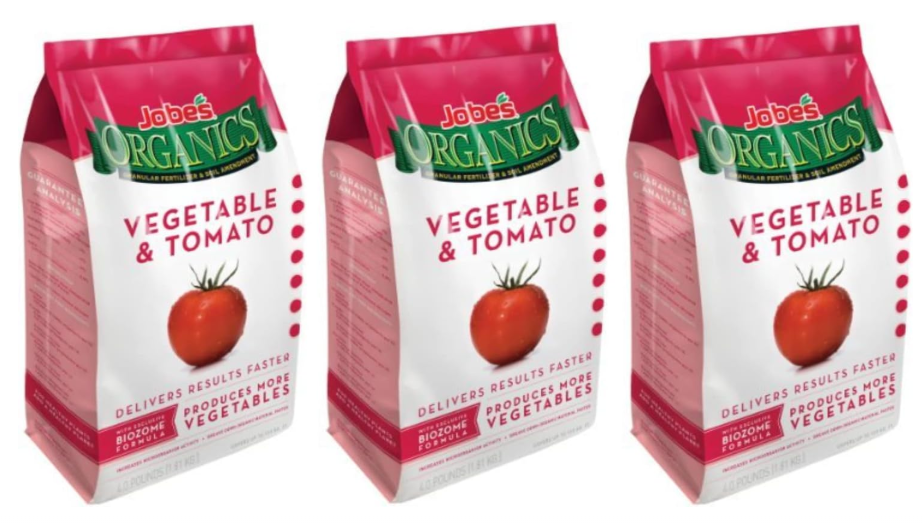
2. Jobe’s Organics 09026 Fertilizer
Price: ~$45.89
Amazon Rating: ~4.3/5 stars*
Description:
A popular organic vegetable garden fertilizer that also works exceptionally well for potatoes. Enriched with beneficial microbes and featuring a balanced nutrient profile, this fertilizer improves soil biology while feeding your plants.
Key Features & Benefits:
-
Organic fertilizer with mycorrhizal fungi to enhance nutrient uptake.
-
Supports healthy plant growth without synthetic chemicals.
-
Works for potatoes, tomatoes, peppers, and most vegetables.
Pros:
-
Organic, environment-friendly.
-
Improves soil health over time.
Cons:
-
Nutrient levels are lower than some specialized potato products.
-
May require multiple applications for larger plots.
Why It’s a Good Choice: Great for gardeners looking for an organic potato fertilizer that also benefits overall soil ecology.
Best For: Organic gardeners and small patch growers who want natural soil improvement alongside fertilization.
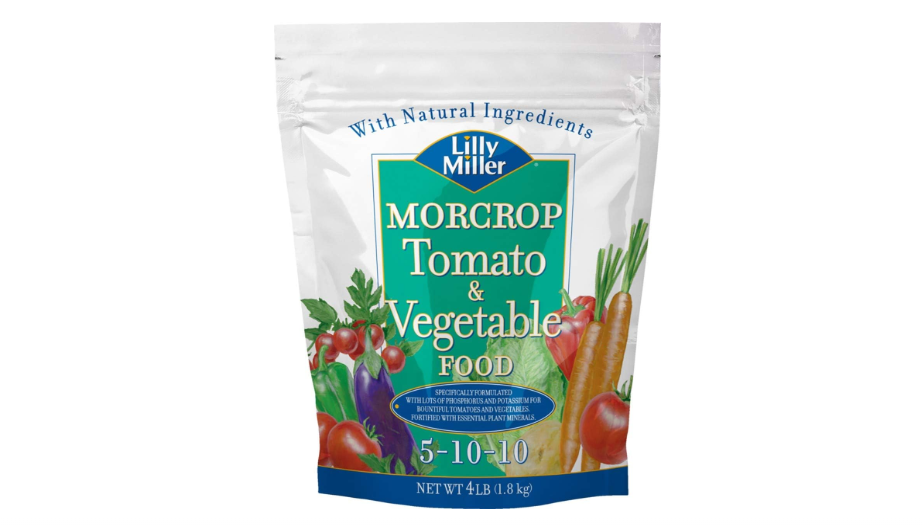
3. Lilly Miller MorCrop Tomato & Vegetable Food
Price: ~$18.80
Amazon Rating: ~4.2/5*
Description:
A classic vegetable plant food with a 5-10-10 NPK ratio, this blend supplies plenty of phosphorus and potassium — ideal for encouraging strong root systems and tuber development in potatoes. Though marketed for tomatoes and vegetables, its nutrient profile is well-suited for potatoes too.
Key Features & Benefits:
-
Excellent value with a nutrient ratio that supports tuber growth.
-
Works for a variety of vegetables.
-
Granular form makes soil amendment easy.
Pros:
-
Great nutrient balance for potatoes.
-
Cost-effective for larger areas.
Cons:
-
Not potato-specific.
-
Not organic.
Why It’s a Good Choice: A versatile and affordable option that’s easy to find and use across vegetable gardens.
Best For: Gardeners with mixed vegetable plots that include potatoes.
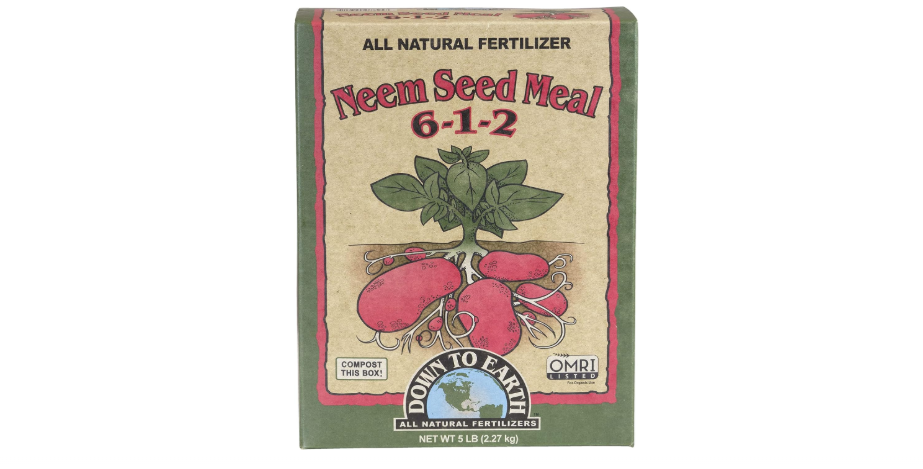
4. Down to Earth Organic Neem Seed Meal Fertilizer Mix
Price: ~$38.98
Amazon Rating: ~4.4/5*
Description:
This organic neem-based fertilizer is great for early growth stages thanks to its rich nitrogen content. Though ideally suited for pre-plant soil amendment or early season feeding, it prepares plants for vigorous root and foliage growth before switching to a high-P and K formula.
Key Features & Benefits:
-
Organic neem seed meal — boosts early vegetative growth.
-
Improves soil structure and microbial activity.
-
Excellent for initial potato establishment.
Pros:
-
Organic natural fertilizer.
-
Strong early-growth support.
Cons:
-
Best used early in season only.
-
Follow-up feeding needed for tuber bulking.
Why It’s a Good Choice: Perfect for gardeners wanting organic nitrogen boost at the start of the season.
Best For: Organic growers and beginners focusing on early plant establishment.
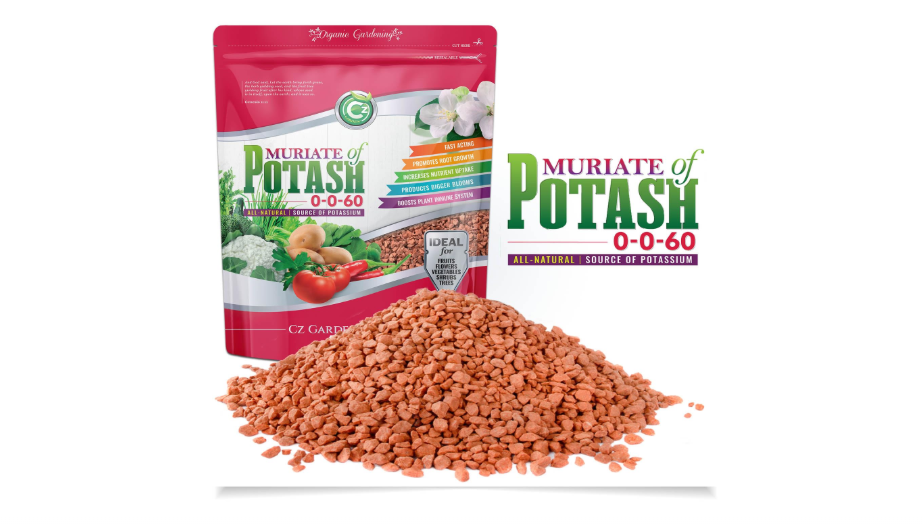
5. Cz Garden Muriate of Potash
Price: ~$16.99
Amazon Rating: ~4.1/5*
Description:
This high-potassium fertilizer contains concentrated potash and is designed to specifically boost potassium levels in soil, which is essential during the tuber bulking phase of potato growth.
Key Features & Benefits:
-
High potassium content supports tuber development.
-
Needs only small amounts per application.
-
Works well as a soil amendment.
Pros:
-
Excellent as a late-season potassium boost.
-
Cost-effective.
Cons:
-
Does not supply nitrogen or phosphorus.
-
Must be paired with other fertilizers early in season.
Why It’s a Good Choice: Best for gardeners whose soil already has sufficient N and P but lacks potassium.
Best For: Mid- to late-season feeding for larger tubers.
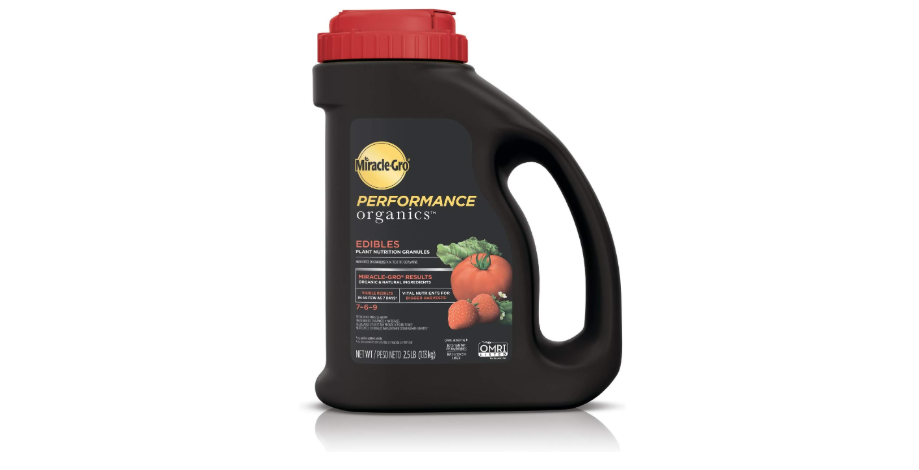
6. Miracle‑Gro Performance Organics Edibles Plant Nutrition Granules
Price: ~$19.43
Amazon Rating: ~4.5/5*
Description:
Miracle‑Gro is a trusted name in garden nutrition, and this plant‑based organic granule fertilizer is formulated specifically for vegetables and edibles — including potatoes. Its balanced nutrients help build strong roots and encourage productive tuber formation without synthetic harshness.
Key Features & Benefits:
-
Organic ingredients yet delivers fast‑acting nutrition.
-
Balanced formula tailored to vegetables.
-
Easy to apply granular form — sprinkle and water.
Pros:
-
High customer satisfaction and strong Amazon ratings.
-
Improves both plant vigor and soil health over time.
Cons:
-
Slightly more expensive than basic mixes.
-
Nutrient numbers are general, not potato‑specific.
Why It’s a Good Choice: An excellent all‑around fertilizer if you grow multiple vegetable types alongside potatoes.
Best For: Gardeners wanting organic performance plus dependable results across a variety of edibles.
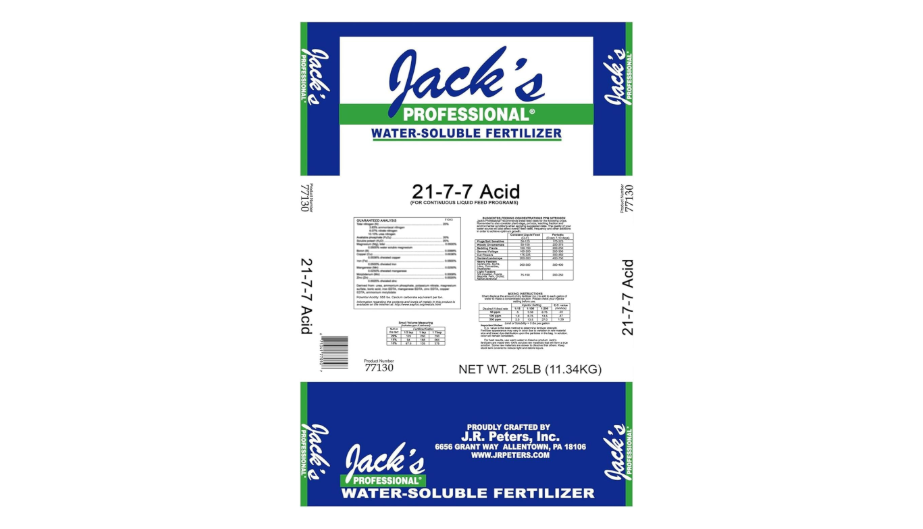
7. Jack’s Classic 21‑7‑14 All Purpose Water Soluble Fertilizer
Price: ~$75.95
Amazon Rating: ~4.3/5*
Description:
A water‑soluble fertilizer with a high nitrogen formula balanced with phosphorus and potassium — great for feeding potatoes during the growing season, especially in containers or raised beds where nutrients wash out faster.
Key Features & Benefits:
-
Water soluble for quick uptake.
-
Good balance for leafy growth and tuber support.
-
Works well for foliar feeding.
Pros:
-
Fast nutrient delivery.
-
Easy to mix and apply with watering can or sprayer.
Cons:
-
Requires more frequent applications.
-
Not organic.
Why It’s a Good Choice: Ideal when rapid nutrient correction is needed or if soil testing shows depletion.
Best For: Container gardeners or raised beds that need ongoing feeding.
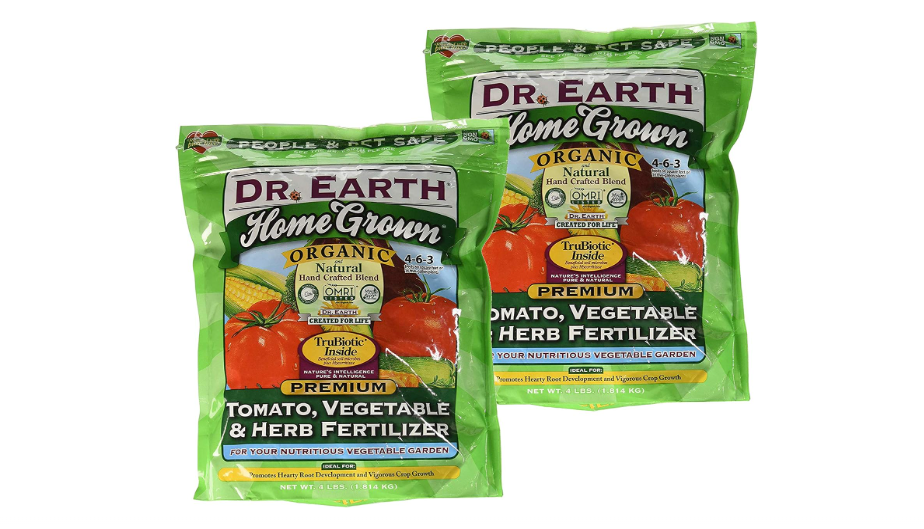
8. Dr. Earth Organic 5 Tomato, Vegetable & Herb Fertilizer
Price: ~$34.39
Amazon Rating: ~4.4/5*
Description:
Dr. Earth’s organic fertilizer is designed for all vegetables and herbs, making it versatile for potato growers who also cultivate other crops. Its enriched microbial blend supports healthy soil ecology and steady nutrient release.
Key Features & Benefits:
-
Organic formula loaded with beneficial microbes.
-
Nutrients release as the soil warms.
-
Adds trace minerals along with NPK.
Pros:
-
Excellent for long‑term soil improvement.
-
Strong nutrient profile and plant response.
Cons:
-
Slow release means results aren’t immediate.
-
Needs soil activity (warmth/moisture) to be most effective.
Why It’s a Good Choice: A comprehensive organic option that feeds soil and plants naturally.
Best For: Organic growers and gardeners planning multiple growing seasons.
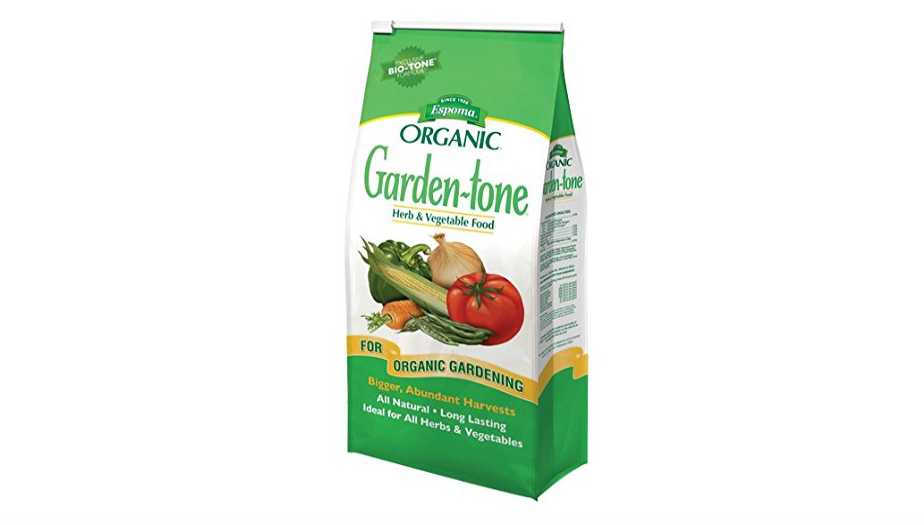
9. Espoma Garden Tone® All Purpose Fertilizer
Price: ~$23.84
Amazon Rating: ~4.6/5*
Description:
Espoma Garden Tone is a classic, all‑purpose organic granular fertilizer that performs well for potatoes among other edibles. Its balanced formulation feeds over time and supports both root and leaf development.
Key Features & Benefits:
-
Long‑lasting organic granules.
-
Encourages stronger roots and healthy growth.
-
Suitable for vegetables, flowers, and shrubs.
Pros:
-
Trusted brand with excellent customer feedback.
-
Improves soil structure over time.
Cons:
-
Not potato‑specific; needs pairing with potassium boost later.
Why It’s a Good Choice: A versatile, beginner‑friendly option that improves soil while feeding potatoes.
Best For: Gardeners who want one fertilizer for various garden uses.
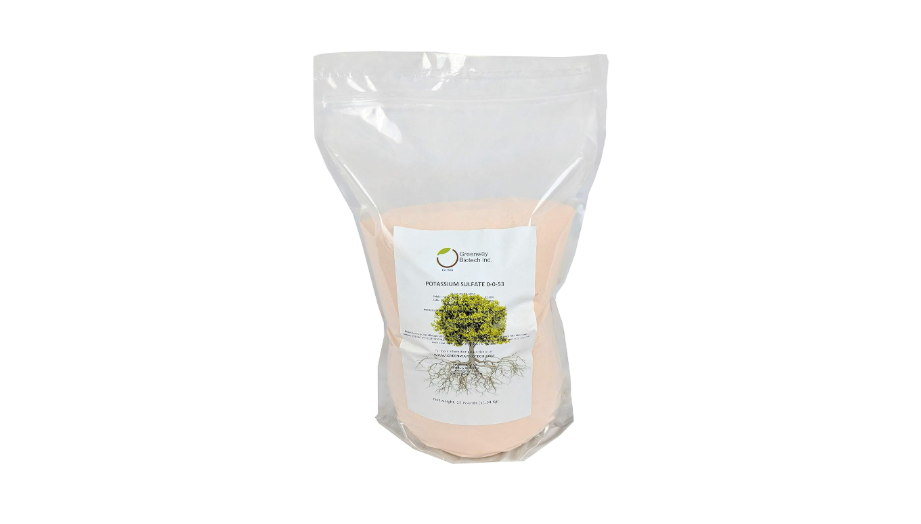
10. Greenway Biotech 0‑0‑50 Potassium Sulfate Fertilizer
Price: ~$93.99
Amazon Rating: ~4.2/5*
Description:
Potassium is critical for potato tuber quality and size. This high‑potassium fertilizer is ideal in mid‑season when potassium demand peaks, especially in soils deficient in K.
Key Features & Benefits:
-
0‑0‑50 NPK — strong potassium formula.
-
Enhances tuber formation and starch development.
-
Highly soluble and quick‑acting.
Pros:
-
Excellent for targeted potassium correction.
-
Small‑dose effective applications.
Cons:
-
No nitrogen or phosphorus — not a complete fertilizer.
-
Needs combined use with balanced products.
Why It’s a Good Choice: Great as a mid‑season booster when potatoes need that extra K push.
Best For: Growers with potassium‑poor soil or large plant loads.
Extended Comparison Table – Best 10 Fertilizer for Potatoes
| Product | Best Benefit | Ideal Use Case |
|---|---|---|
| Old Cobblers Farm™ Wicked Growth | Potato‑specific formula | Tailored potato plots |
| Jobe’s Organics 09026 | Organic soil health | Organic veggie gardens |
| Lilly Miller MorCrop | Balanced NPK | Mixed beds w/ vegetables |
| Down to Earth Neem Meal | Strong early growth | Pre‑plant / early season |
| Cz Garden Muriate of Potash | High potassium | Tuber bulking phase |
| Miracle‑Gro Performance Organics | Organic nutrition + performance | Vegetable gardens |
| Jack’s Classic 21‑7‑14 | Quick soluble feed | Containers / foliar feeding |
| Dr. Earth Organic 5 | Soil microbiome enriched | Organic focused growing |
| Espoma Garden Tone | All‑purpose soil feed | Beginners & multi‑use |
| Greenway Biotech K50 | Potassium concentrate | Mid‑season potassium boost |
Detailed Fertilizer Types Explained
Organic vs. Synthetic
-
Organic fertilizers (like Jobe’s or Espoma) feed soil life and improve structure over time. Best for sustainable gardening.
-
Synthetic fertilizers (like Jack’s) deliver fast nutrients and are useful when soil tests show immediate deficiencies.
Granular vs. Liquid
-
Granular fertilizers slowly release nutrients — excellent for in‑ground and raised beds.
-
Liquid fertilizers deliver rapidly and are perfect for containers or corrective feeding.
Slow‑Release vs. Water‑Soluble
-
Slow–release: Less frequent application, fewer spikes.
-
Water‑soluble: Quick results but more frequent application needed.
Fertilizing Schedule for Potatoes
-
Pre‑Planting:
Incorporate a balanced granular fertilizer (e.g., 5‑10‑10) into the soil. -
Early Growth (2–4 weeks after emergence):
Apply light nitrogen boost if plants look pale or slow to grow. -
Tuber Initiation (mid‑season):
Switch to higher phosphorus/potassium feed (or potassium supplement). -
Avoid Late Feeding:
Stop fertilizer application about 3–4 weeks before harvest to prevent disease and tough skin.
Conclusion
Choosing the best 10 fertilizer for potatoes comes down to understanding your soil needs, growing style (containers, beds, organic), and the developmental stage of your plants. Whether you want a potato‑specific formula, an organic garden booster, or a potassium‑rich mid‑season supplement, this guide presents reliable choices with clear benefits and real user feedback.
For most backyard growers, Miracle‑Gro Performance Organics Edibles or Espoma Garden Tone offer a solid balance of gentle nutrition and performance. If you’re focused on potatoes exclusively, Old Cobblers Farm™ Wicked Growth provides a targeted nutrient profile. And for container or raised bed gardens, fast‑acting soluble formulas like Jack’s Classic 21‑7‑14 can fill in nutrient gaps rapidly.
Whatever your method or growing scale, choosing the right fertilizer helps unlock your potato crop’s full potential — bigger tubers, higher yields, and healthier plants.