
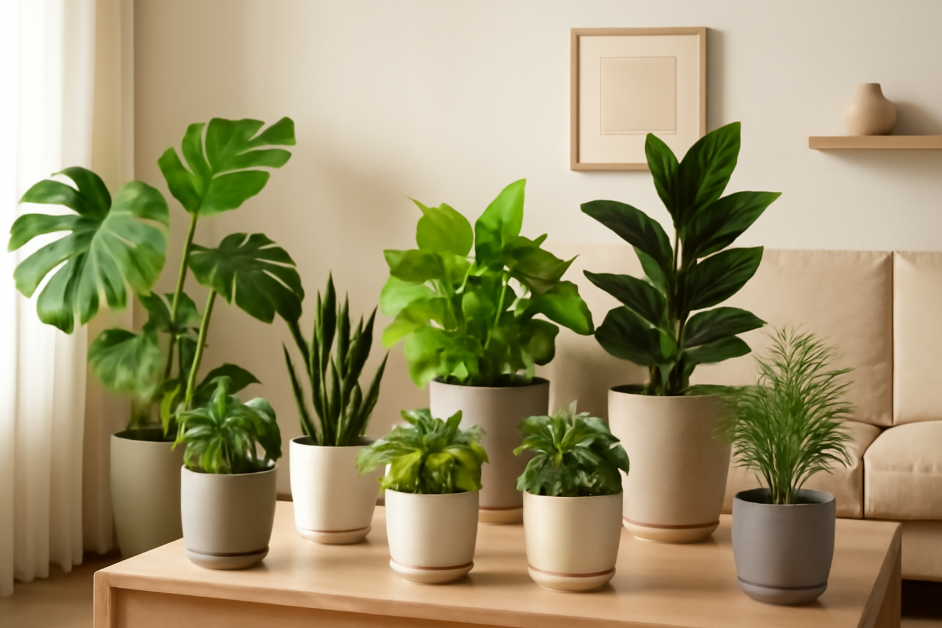
Do you often forget to water your plants, or find yourself stressing over the perfect watering schedule? 🌱 You’re not alone! Many plant owners struggle with the delicate balance of keeping their plants hydrated without overwatering. But what if there was a way to take the guesswork out of plant care?
Enter self-watering pots! The benefits of self-watering pots are changing the way people care for their plants, offering a simple solution to a common problem. These clever pots help maintain optimal moisture levels, making plant care easier, especially for those with busy lifestyles or forgetful habits. Whether you’re a beginner gardener or an experienced plant enthusiast, self-watering pots can save you time, reduce water waste, and keep your plants healthy.
Curious to learn how these pots work and how they can help your plants thrive? Keep reading to discover how self-watering pots can simplify your gardening routine and boost growth! 😊
What Are Self-Watering Pots?
Self-watering pots are a game-changer for anyone looking to make plant care easier and more efficient. 🌿 Simply put, they are specially designed containers that provide a continuous supply of water to your plants, without the need for daily manual watering. The magic happens through a clever system that ensures your plants get the right amount of water, whenever they need it.
These pots typically feature a built-in water reservoir at the bottom. When you fill it up, the water is gradually drawn up into the soil through a wick or capillary action. This keeps the soil consistently moist, so you don’t have to worry about forgetting to water or overwatering your plants.
Not only do self-watering pots save you time, but they also help prevent common watering mistakes like overwatering, which can lead to root rot. With a self-watering pot, your plants stay healthy and happy, even if you’re a little too busy to tend to them every day. 🌸
In short, self-watering pots provide a simple and effective way to keep your plants thriving with minimal effort. They’re perfect for people with hectic schedules or for those who want to ensure their plants always have the right amount of water.

Benefits of Self-Watering Pots
Self-watering pots aren’t just convenient – they offer a range of benefits that can transform your plant care routine. Here’s how they can help:
1. Save Time and Effort ⏰
One of the biggest perks of self-watering pots is the time saved on daily watering. These pots eliminate the need for frequent attention, making them perfect for busy people or those with a hectic lifestyle. Fill the reservoir once, and the pot will take care of the rest. Less watering = more time for you to enjoy your plants!

2. Maintain Consistent Moisture Levels 💧
Plants thrive on consistency, and self-watering pots provide that by maintaining steady moisture levels. Unlike traditional pots, where the soil can dry out quickly or become waterlogged, these pots deliver water gradually. This means your plants have access to the right amount of water at all times, which is crucial for healthy root growth and overall plant vitality.
3. Prevent Overwatering and Underwatering 🌿
Both overwatering and underwatering can harm plants. Self-watering pots help eliminate this issue by automatically regulating water levels. This is especially useful for beginners who might struggle with determining the perfect watering schedule. With a self-watering pot, your plants get what they need without the guesswork!
4. Reduce Water Waste 🌍
With self-watering pots, water is used more efficiently. The built-in reservoir ensures that water is absorbed as needed, reducing waste and preventing runoff. This is not only great for the environment but also helps you save money on water bills in the long run.
5. Perfect for Different Plant Types 🌼
Self-watering pots are versatile and can accommodate a wide range of plants – from small houseplants to larger flowers and shrubs. Whether you’re growing succulents, herbs, or flowering plants, these pots help maintain the ideal moisture levels for a variety of plant types.
In short, self-watering pots make plant care easier, more efficient, and less stressful. They offer a smarter way to keep your plants happy and healthy with minimal effort. 🌸
Who Can Benefit from Self-Watering Pots?
Self-watering pots are incredibly versatile and can benefit a wide range of plant enthusiasts. Here’s who can take full advantage of these smart garden tools:

1. Beginner Gardeners 🌱
If you’re new to gardening, self-watering pots are a game-changer. Watering plants can be tricky for beginners—too little or too much water can both harm your plants. With a self-watering pot, you don’t need to worry about getting it right. It ensures that your plants get consistent moisture, allowing you to focus on learning other aspects of plant care.
2. Busy Professionals and Homeowners 🏢
Have a busy schedule? Self-watering pots are perfect for people who don’t have the time to water their plants daily. Whether you’re at the office or juggling family life, these pots take the hassle out of plant care. Simply fill the reservoir, and the pot will provide the right amount of water while you’re away.
3. Frequent Travelers ✈️
If you travel often, keeping your plants healthy while you’re away can be a challenge. With self-watering pots, your plants will remain hydrated, even if you’re gone for days or weeks. No need to rely on friends or neighbors to take care of them—self-watering pots handle it for you.
4. Plant Enthusiasts with Multiple Plants 🌸
If you have a collection of plants, especially large ones, keeping track of their individual watering needs can get overwhelming. Self-watering pots help manage your plant care routine with ease. They provide a consistent water supply without the need for constant monitoring, which is especially useful for large plant collections.
5. Eco-Conscious Gardeners 🌍
For those who care about sustainability, self-watering pots are a great way to reduce water waste. These pots are designed to use water efficiently, meaning less runoff and evaporation. By providing just the right amount of water, they help conserve resources while keeping your plants healthy.
In essence, anyone who wants to simplify plant care, reduce maintenance time, or ensure their plants are getting the right amount of water will benefit from self-watering pots. Whether you’re a busy professional, a frequent traveler, or a beginner gardener, these pots are a practical solution for a variety of lifestyles! 🌿
How to Choose the Right Self-Watering Pot
Choosing the right self-watering pot is key to ensuring your plants thrive. With so many options on the market, it can be overwhelming, but don’t worry! Here’s a simple guide to help you select the best one for your plants.

1. Consider the Size and Type of Plant 🌿
Each plant has unique water requirements, so it’s essential to match the pot size with your plant’s needs.
- Small Plants: For small houseplants like succulents or herbs, choose a smaller pot with a shallow water reservoir.
- Larger Plants: Larger plants or plants with deep roots (like small trees) will need a bigger pot with a larger water reservoir. This ensures they can access enough moisture over time.
2. Material Matters 🪴
Self-watering pots come in different materials, each with its pros and cons:
- Plastic Pots: Lightweight, durable, and affordable. They’re great for indoor and outdoor use.
- Ceramic Pots: Stylish and heavy-duty. Ceramic pots often have better insulation, which can help maintain moisture longer.
- Wooden or Fiberglass Pots: Perfect for larger plants or outdoor settings. These materials are sturdy but can be more expensive.
3. Check the Water Reservoir Capacity 💧
The size of the water reservoir will determine how often you need to refill the pot.
- Small Reservoirs: Best for plants that require less water or for people who want to monitor their plants more closely.
- Larger Reservoirs: Ideal for plants that need a lot of water or for those who are away frequently. A larger reservoir reduces the frequency of refills.
4. Look for Proper Drainage 🏞️
Even though self-watering pots help maintain moisture, drainage is still essential. The pot should have a way for excess water to escape if the plant doesn’t absorb it all. Look for pots with a drainage hole or a system that ensures water doesn’t stagnate in the reservoir.
5. Think About Aesthetic and Placement 🌸
Self-watering pots come in a variety of styles and designs. Whether you want a modern, minimalist look for your living room or a colorful pot for your balcony, there’s a self-watering pot to match your style. Choose a pot that blends well with your space and enhances your plant’s beauty.
In summary, when choosing the right self-watering pot, consider your plant’s size, water needs, the material of the pot, the reservoir capacity, and the aesthetics. With the right pot, you’ll simplify your plant care routine and ensure your plants thrive with minimal effort! 🌱
How to Set Up and Maintain Self-Watering Pots
Setting up and maintaining a self-watering pot is simple, but doing it right ensures your plants stay healthy and well-hydrated. Here’s a step-by-step guide to get you started and keep things running smoothly.

1. Setting Up Your Self-Watering Pot 🛠️
- Step 1: Add the Reservoir
Most self-watering pots come with a built-in water reservoir at the bottom. Start by filling this reservoir with water. Ensure that you don’t overfill it; leave some space to allow water to flow evenly. - Step 2: Place the Wick or Capillary Action System
If your pot has a wick system, insert the wick into the water reservoir and place it through the hole in the pot that leads to the soil. This wick will draw water up into the soil as needed. - Step 3: Add the Soil
Fill the pot with your desired soil. Make sure the soil is well-draining (especially for plants that don’t like soggy roots, like succulents). The soil should sit directly above the wick or the capillary system to absorb water properly. - Step 4: Plant Your Plant
Once the soil is in place, plant your desired plant as you would in any regular pot. Make sure the roots are well-positioned to take advantage of the moisture provided. - Step 5: Water the Plant Initially
Water the plant once to ensure that the soil is properly hydrated. After that, the self-watering system will take over, and you won’t need to water as frequently.
2. Maintaining Your Self-Watering Pot 🌿
- Monitor Water Levels
Check the water reservoir regularly. While self-watering pots reduce the need for frequent watering, it’s important to ensure the reservoir doesn’t run dry. Refill the water as needed. - Clean the Reservoir
Every month or so, empty the water reservoir and clean it thoroughly to prevent algae growth or any buildup. Use a gentle cleaner to wipe down the sides and remove any residue. - Check for Clogs
If your pot has a wick or water tube, check regularly for any blockages. Clogs can prevent the water from reaching the soil, so make sure to keep the system clean and clear. - Remove Excess Water
If you notice the soil is soggy or if excess water is collecting in the bottom tray (especially in outdoor settings), remove any excess water to prevent root rot. - Replace the Wick (If Applicable)
Over time, the wick can wear out or get clogged. If you notice the water isn’t being absorbed as well as it should be, it may be time to replace the wick. This is an easy and affordable fix.
3. Tips for Optimal Plant Health 🌸
- Adjust Water Levels Based on the Season
In hotter months, plants may require more water, even with a self-watering pot. Adjust the water reservoir level as needed. During winter, you may find that your plants need less water, so keep the reservoir filled accordingly. - Use the Right Soil
Always choose soil that matches your plant’s needs. For example, cactus and succulents prefer fast-draining soil, while tropical plants may enjoy more moisture-retentive mixes.
By following these simple setup and maintenance steps, you can keep your self-watering pot system running smoothly, reducing the effort and stress involved in plant care. Your plants will thrive with minimal effort from you, making gardening more enjoyable and efficient! 🌿
Common Mistakes to Avoid with Self-Watering Pots
Self-watering pots make plant care easier, but like any gardening tool, they can come with a few pitfalls if not used correctly. To ensure your plants thrive, here are some common mistakes to avoid:

1. Overfilling the Reservoir 💦
While it’s important to keep the water reservoir filled, overfilling it can lead to stagnant water, which may harm your plant’s roots. Always follow the manufacturer’s guidelines and leave some room for water to circulate freely. This will help avoid any risk of root rot or fungal growth.
2. Using the Wrong Soil 🌍
Choosing the wrong soil can prevent your self-watering pot from working efficiently. For example, heavy, clay-based soils can prevent water from properly moving through the pot, causing uneven moisture distribution. Always use well-draining soil to ensure the water reaches the plant’s roots. For plants like succulents or cacti, opt for fast-draining soil mixes.
3. Forgetting to Monitor Water Levels 🌱
Self-watering pots reduce the need for frequent watering, but they don’t eliminate it entirely. Neglecting to check the water level in the reservoir can lead to dehydration if the water runs out. Make it a habit to top up the reservoir regularly, especially during hotter months or if you have large plants that consume more water.
4. Not Cleaning the Reservoir Regularly 🧽
A self-watering pot needs regular cleaning to prevent mold, algae, or mineral buildup in the reservoir. It’s easy to forget about it, but cleaning the reservoir once a month (or as needed) will ensure the system continues to work properly. Use a mild soap solution to scrub out any debris or residue.
5. Ignoring the Type of Plant 🌸
Not all plants are suited to self-watering pots. Some plants, like those that prefer drier conditions (e.g., succulents), may not do well in pots that maintain high moisture levels. Be sure to consider your plant’s specific watering needs. If it’s a plant that thrives on dry soil, a self-watering pot might not be the best choice.
6. Not Adjusting for Seasonal Changes 🌞❄️
Plants’ watering needs change with the seasons. In the winter, many plants need less water, while in summer, they may need more. Ensure your self-watering system can handle these fluctuations by adjusting the reservoir as necessary. Pay attention to your plant’s condition—if it looks stressed, it may be a sign that you need to tweak the water levels.
By avoiding these common mistakes, you can ensure that your self-watering pot works effectively, saving you time and helping your plants grow healthier and stronger! 🌿
Self-watering pots offer an innovative and efficient solution to the common challenges of plant care. By providing consistent moisture, reducing the risk of overwatering, and saving you time, these pots make gardening easier and more enjoyable for everyone—whether you’re a beginner or an experienced plant enthusiast. 🌿
From preventing watering mistakes to minimizing water waste, the benefits of self-watering pots are clear. They not only simplify plant care but also help your plants thrive with minimal effort. With the right setup and regular maintenance, self-watering pots can become a game-changer in your gardening routine.
So, if you’re looking to simplify plant care, save time, and keep your plants healthy, it might be time to make the switch to a self-watering pot. Give your plants the care they deserve with less effort and more peace of mind. Happy gardening! 🌸