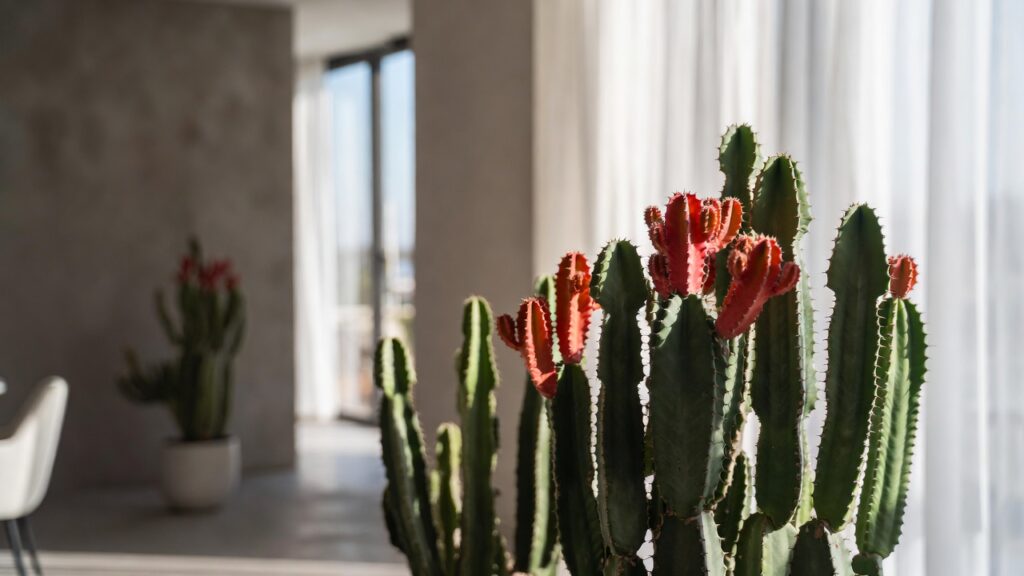
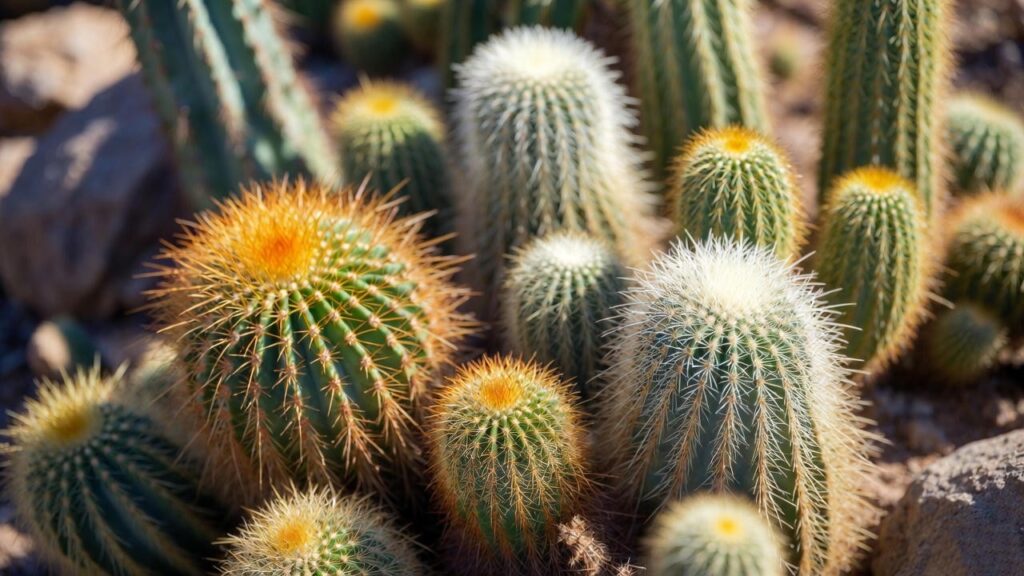
A single prick from a cactus can feel alarming—sharp pain, redness, maybe even swelling. It’s no surprise that many indoor plant owners find themselves asking a serious question: are cactuses deadly? With spines that look intimidating and countless myths circulating online, cactuses often get an undeserved reputation as dangerous or even poisonous houseplants.
The reality is far more nuanced—and reassuring.
If you’re a homeowner, apartment dweller, parent, or pet owner who loves indoor plants, this guide is written for you. We’ll break down the real risks of keeping cactuses indoors, explain whether they’re toxic to humans or pets, and show you how to grow them safely and confidently inside your home.
Backed by horticultural knowledge, veterinary guidance, and real-world indoor plant care experience, this article separates fact from fear—so you can make informed, safe decisions about one of the world’s most misunderstood houseplants.
Understanding the Question: What Does “Deadly” Really Mean in the Context of Cactuses?
Before answering whether cactuses are deadly, it’s important to clarify what people usually mean when they ask this question.
Deadly vs. Harmful vs. Irritating
In plant safety discussions, these terms are often used interchangeably—but they are very different:
-
Deadly: Capable of causing death through toxicity or severe systemic effects
-
Harmful: Can cause injury, illness, or complications under certain conditions
-
Irritating: Causes pain, discomfort, or minor reactions without long-term danger
Most indoor plant fears come from confusing physical injury with toxic danger.
Why People Ask If Cactuses Are Deadly
There are three main reasons this concern is so common:
-
Sharp spines that can puncture skin
-
Worries about poisoning, especially for pets and children
-
Online misinformation exaggerating rare or unrelated incidents
Understanding these distinctions helps us answer the question accurately—and responsibly.
Are Cactuses Deadly to Humans?
The Short Answer (Backed by Evidence)
No—cactuses are not deadly to humans.
The vast majority of cactus species commonly grown indoors are non-toxic and pose no lethal risk to healthy adults.
This conclusion is supported by:
-
Botanical toxicology databases
-
Medical case reports
-
Decades of indoor horticulture experience
However, “not deadly” does not mean “completely harmless,” which is where nuance matters.
Toxicity of Common Indoor Cactus Species
Most popular indoor cactuses—including:
-
Christmas cactus (Schlumbergera)
-
Easter cactus (Hatiora)
-
Golden barrel cactus (Echinocactus)
-
Bunny ears cactus (Opuntia microdasys)
…are not poisonous to humans.
They do not contain toxins that cause organ failure, systemic poisoning, or fatal reactions. Unlike genuinely toxic houseplants (such as oleander or dieffenbachia), cactuses are mechanically dangerous, not chemically dangerous.
Can Eating a Cactus Be Dangerous?
While not toxic, eating cactus flesh is still not recommended unless the species is specifically known to be edible (such as Opuntia ficus-indica, commonly used for nopales).
Possible risks include:
-
Mouth or throat injury from tiny spines
-
Gastrointestinal irritation
-
Choking hazards
In other words, ingestion is uncomfortable—not deadly.
Medical Perspective: Can a Cactus Injury Kill a Person?
In extremely rare cases, cactus injuries can become medically serious—but not because the cactus itself is deadly.
Potential complications include:
-
Infections from untreated puncture wounds
-
Retained spines leading to inflammation
-
Allergic reactions (very uncommon)
These risks are comparable to injuries from thorns, splinters, or rose bushes—not poisonous plants.
Physical Risks: How Cactuses Can Still Cause Injury Indoors
While cactuses won’t poison you, they can cause injuries if handled or placed carelessly.
Spines vs. Glochids: What’s the Difference?
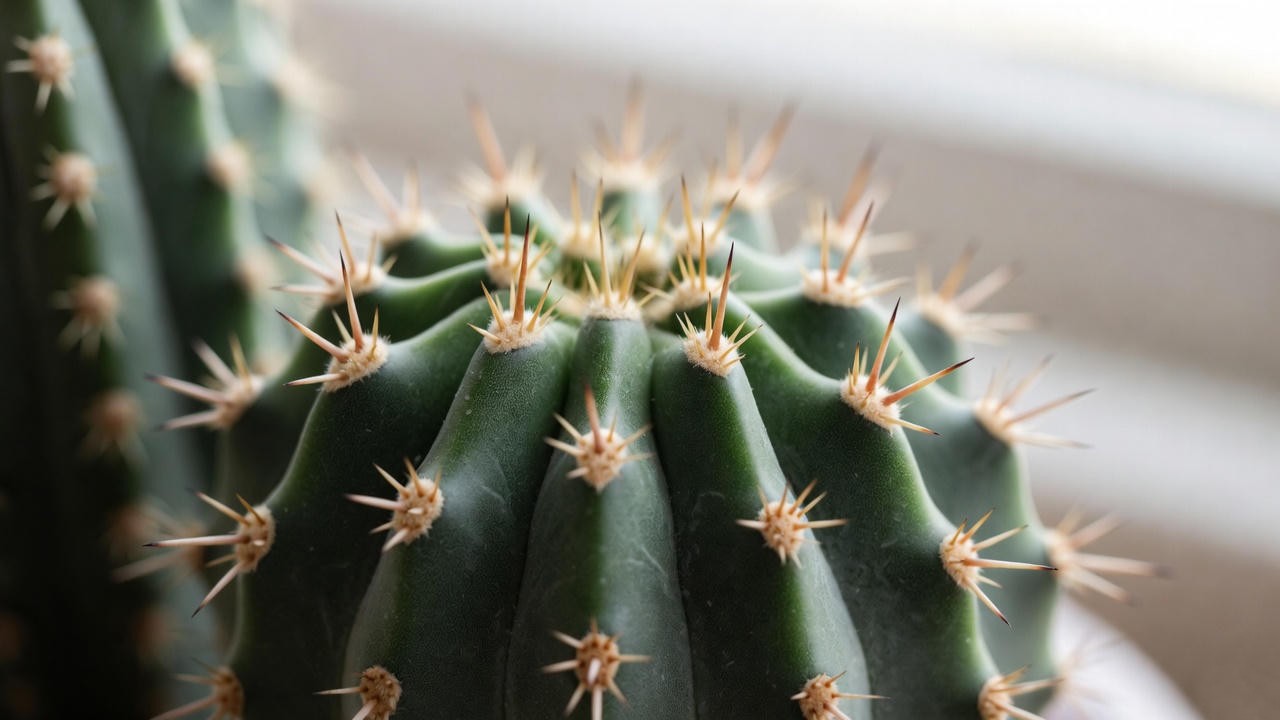
Understanding cactus anatomy helps explain the risk:
-
Spines: Larger, needle-like structures that puncture skin
-
Glochids: Tiny, hair-like barbed bristles (common on prickly pear cactuses)
Glochids are especially irritating because they:
-
Break off easily
-
Embed deeply into skin
-
Are difficult to remove
This makes some cactuses feel “worse” than they look.
Infections and Complications From Cactus Wounds
Most cactus injuries are minor—but infection can occur if wounds aren’t treated properly.
Watch for:
-
Redness spreading beyond the puncture
-
Warmth or swelling
-
Pus or persistent pain
Proper first aid dramatically reduces risk, which we’ll cover in detail later.
Eye and Face Injuries (Rare but Serious)
The most serious cactus-related injuries indoors usually involve:
-
Poor placement near walkways
-
Low shelves or window sills
-
Falling plants
Eye injuries are rare but underscore why thoughtful placement is essential—especially in homes with children or pets.
Are Cactuses Deadly to Pets? (Cats and Dogs)
Pet owners often search this topic with heightened anxiety—and rightly so.
Are Cactuses Toxic to Cats and Dogs?
According to veterinary toxicology resources (including ASPCA guidance), most cactuses are non-toxic to cats and dogs.
This means:
-
No lethal poisoning risk
-
No organ damage from ingestion
However, non-toxic does not equal pet-safe.
How Cactuses Can Harm Pets Without Being Poisonous

Pets are more likely to experience:
-
Mouth injuries from biting
-
Paw punctures
-
Eye irritation
-
Embedded glochids in fur or skin
Cats, in particular, are vulnerable due to climbing and curiosity.
What to Do If Your Pet Is Injured by a Cactus
Immediate steps:
-
Calm your pet and prevent further contact
-
Use tweezers or adhesive tape for visible spines
-
Avoid digging deeply into skin
Contact a veterinarian if:
-
Spines are embedded in the mouth or eyes
-
Swelling or limping persists
-
Your pet shows signs of distress
Are Cactuses Dangerous for Children and Babies?
Risks for Toddlers and Young Children
Children don’t recognize danger the way adults do. The biggest risks include:
-
Grabbing spines
-
Falling into plants
-
Eye-level injuries
Cactuses aren’t deadly—but they are not ideal for homes with unsupervised toddlers.
Safe Indoor Placement for Homes With Kids
If you choose to keep cactuses indoors:
-
Place them well above reach
-
Avoid bedrooms and play areas
-
Use hanging planters or enclosed terrariums
In some households, avoiding spiny plants altogether is the safest option.
Debunking Common Myths About Deadly Cactuses
“All Cactuses Are Poisonous” — False
Cactuses are among the least toxic houseplants chemically.
“A Small Prick Can Kill You” — False
Painful? Yes. Deadly? No.
“Indoor Cactuses Release Toxic Fumes” — False
There is no scientific evidence supporting this claim.
Which Indoor Cactuses Are Safest to Grow?
Not all cactuses pose the same level of physical risk. If you love the cactus aesthetic but want to minimize injury—especially in homes with pets or children—choosing the right species matters.
Beginner-Friendly, Low-Risk Cactus Varieties
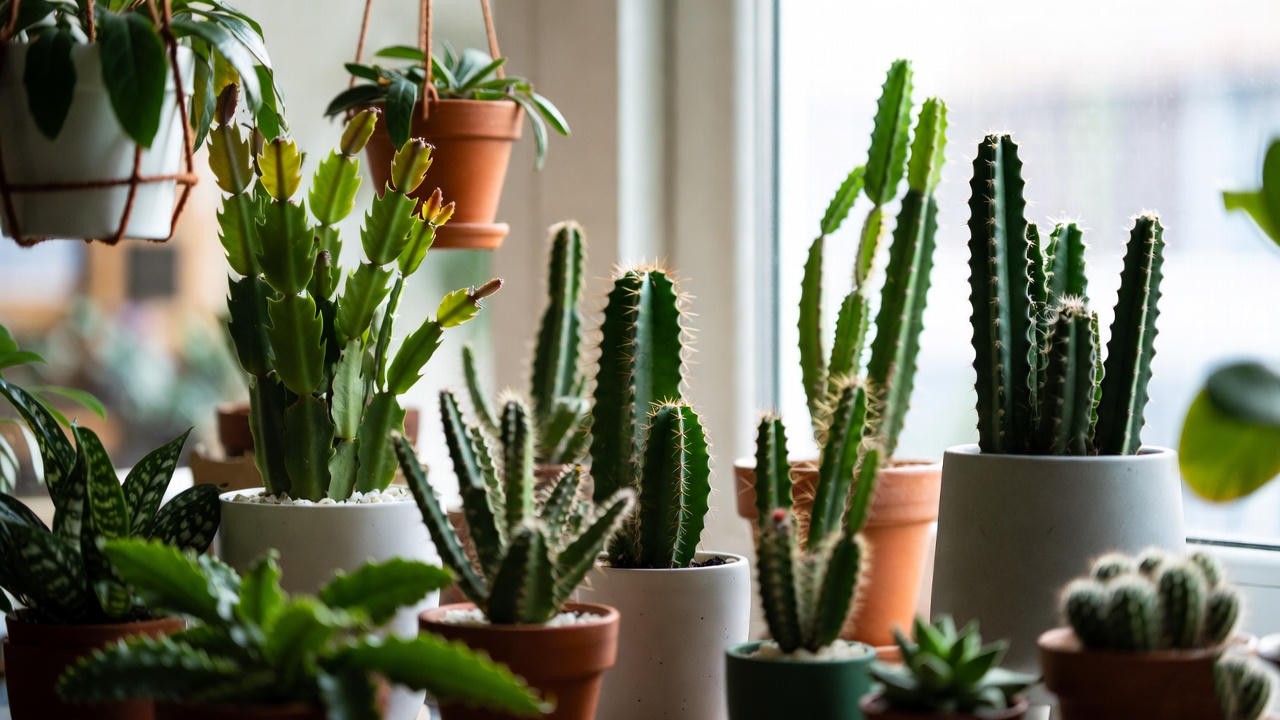
These cactuses are widely regarded by horticulturists and indoor plant experts as safer options for indoor environments:
Christmas Cactus (Schlumbergera)
-
No sharp spines
-
Flat, soft leaf segments
-
Safe for homes with children and pets
-
Thrives in indirect light
Despite its name, it’s technically not a desert cactus—making it far less threatening.
Easter Cactus (Hatiora)
-
Similar to Christmas cactus
-
Non-spiny and flexible stems
-
Low injury risk
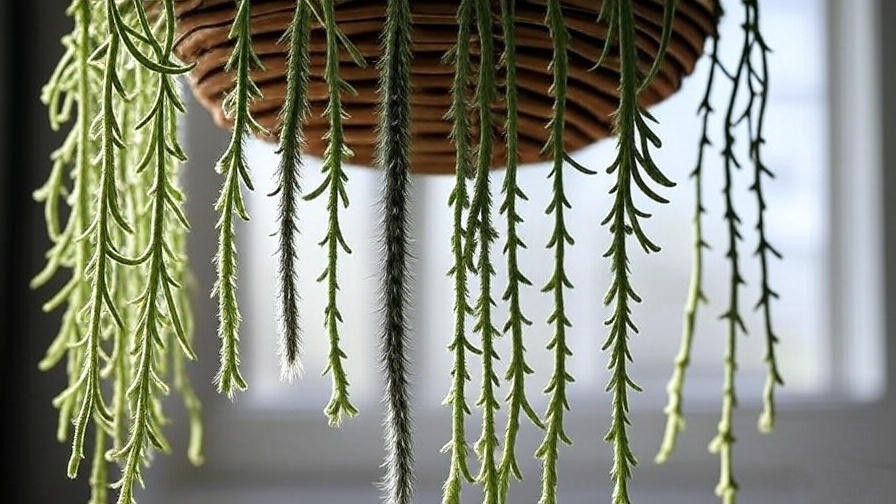
Fishbone Cactus (Disocactus anguliger)
-
Dramatic, zigzag foliage
-
No dangerous spines
-
Excellent hanging plant
These varieties prove that enjoying cactuses indoors does not require accepting physical danger.
Cactuses to Handle With Extra Care Indoors
Some popular cactuses aren’t deadly—but they demand respect:
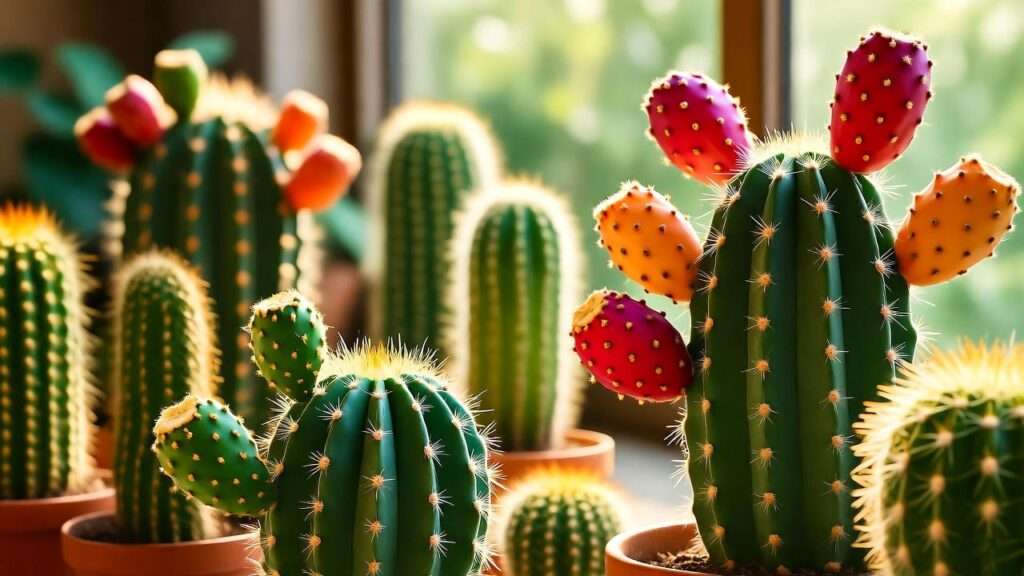
Prickly Pear (Opuntia)
-
Covered in glochids
-
Extremely irritating on contact
-
Difficult spine removal
Barrel Cactus (Echinocactus)
-
Thick, rigid spines
-
Heavy plants that can tip over
Cholla Cactus
-
Spines detach easily
-
Known for “jumping” spines when brushed
These species are best suited for experienced plant owners, elevated placements, or homes without pets or children.
How to Safely Care for Cactuses Indoors
Safe cactus ownership is less about fear—and more about smart placement, handling, and maintenance.
Proper Placement to Avoid Injury
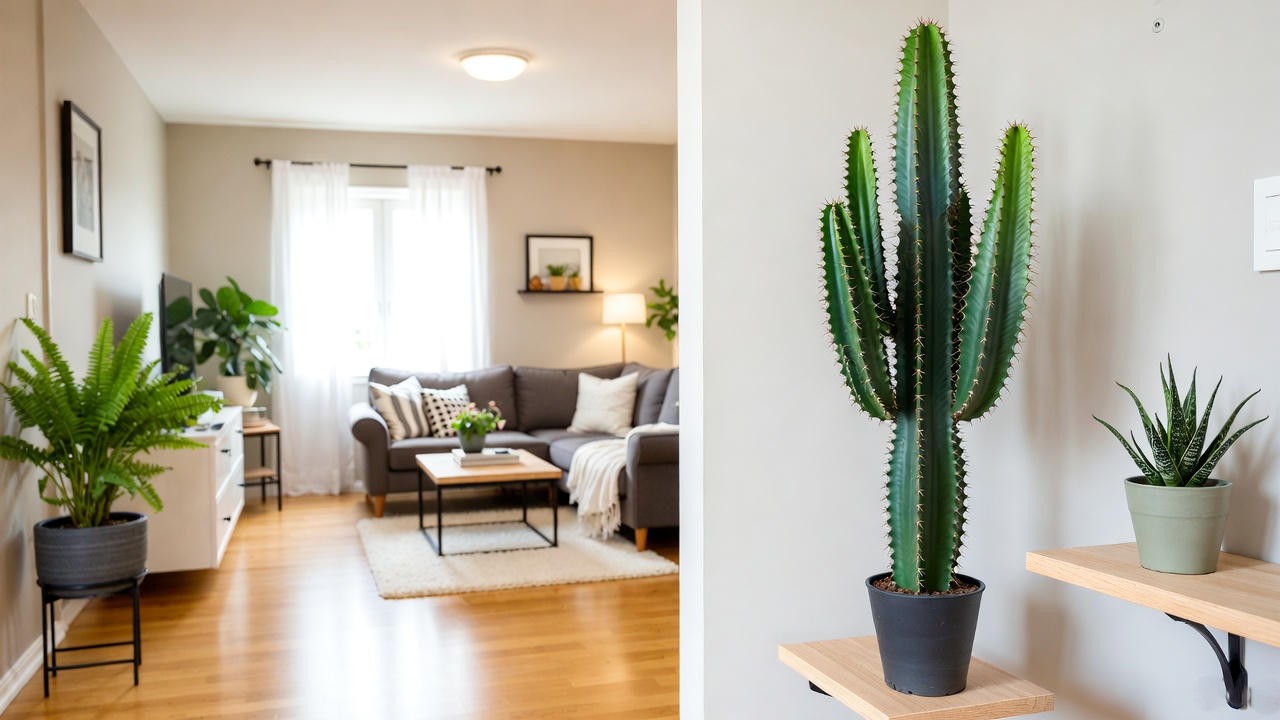
One of the most overlooked safety factors is where the cactus lives.
Best practices:
-
Keep cactuses out of walkways
-
Avoid shelves near beds, couches, or desks
-
Never place spiny cactuses at eye level
-
Secure pots to prevent tipping
Hanging planters or high wall shelves are often ideal.
Handling and Repotting Safety Tips
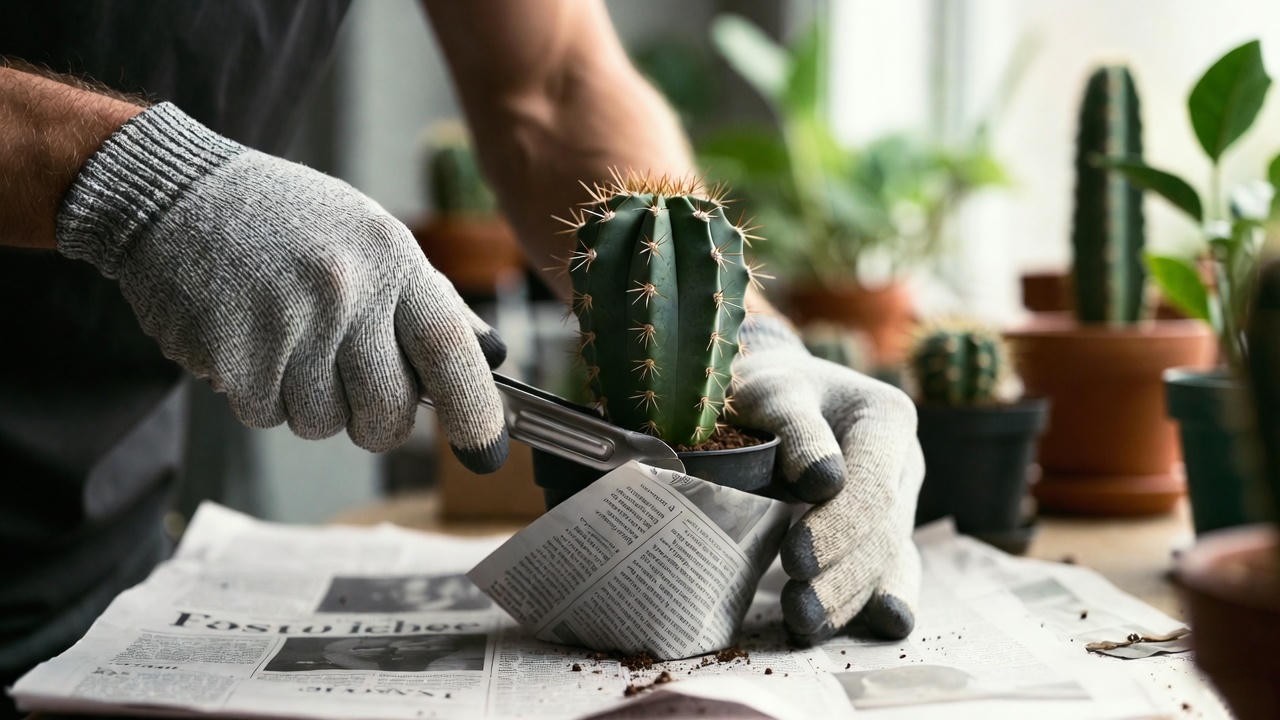
Even experienced growers get injured during repotting.
Expert-recommended tools:
-
Thick gardening gloves
-
Folded newspaper or cardboard
-
Kitchen tongs for small plants
Avoid:
-
Bare-hand handling
-
Rushing repotting
-
Ignoring fallen spines on surfaces
Always clean the area afterward to remove stray glochids.
Hygiene and Cleaning Best Practices
Tiny spines can linger unnoticed.
Tips:
-
Vacuum nearby floors and rugs
-
Wipe surfaces with damp cloths
-
Dispose of fallen spines carefully
This is especially important in pet-friendly homes.
What To Do If You’re Injured by a Cactus
While cactus injuries are rarely serious, proper first aid prevents complications.
Step-by-Step First Aid for Cactus Injuries
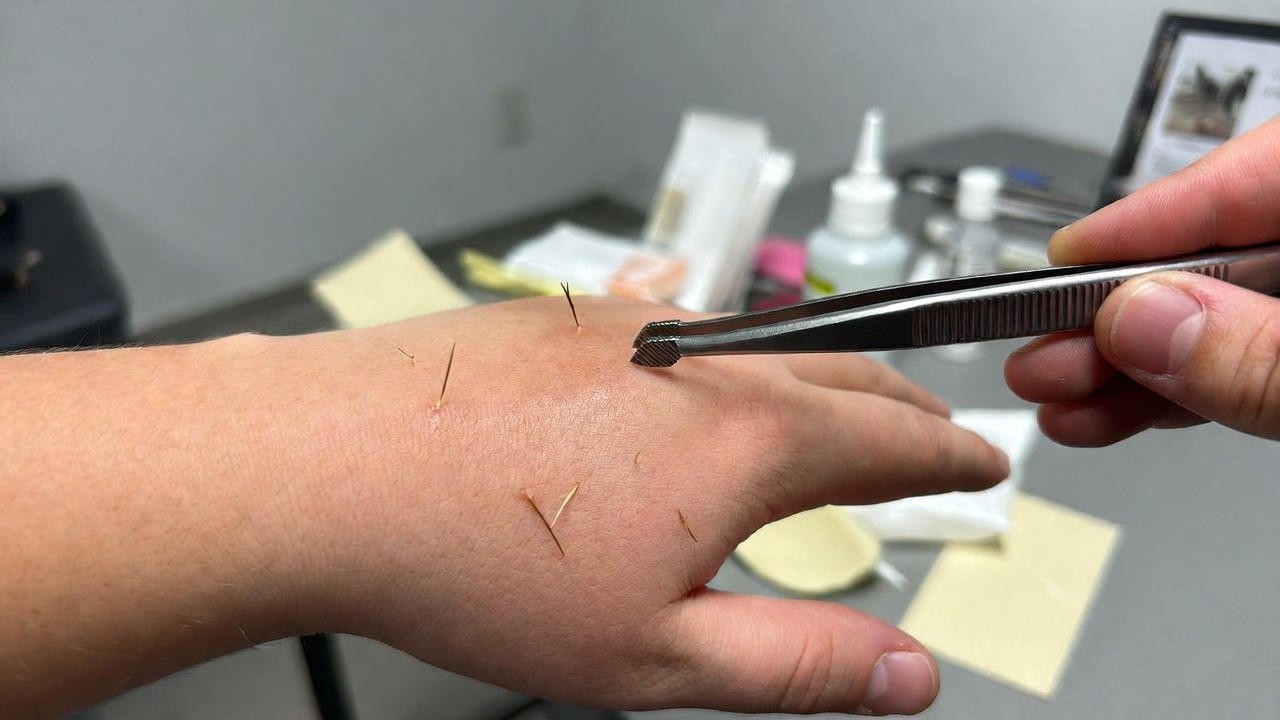
-
Wash hands before touching the wound
-
Use tweezers for visible spines
-
Apply adhesive tape or glue for glochids
-
Clean with soap and warm water
-
Apply antiseptic
Avoid digging deeply into skin—this increases infection risk.
When to Seek Medical Help
Consult a medical professional if:
-
Spines remain embedded
-
Signs of infection appear
-
The injury involves eyes or joints
-
You experience unusual swelling or fever
Prompt care ensures a simple injury stays simple.
Expert Insight: Why Cactuses Are Still Safe Indoor Plants
From a horticultural perspective, cactuses remain among the lowest-risk houseplants when properly managed.
Compared to common indoor plants like:
-
Dieffenbachia (toxic sap)
-
Oleander (highly poisonous)
-
Philodendrons (toxic to pets)
Cactuses pose minimal chemical risk. Their danger is visible, predictable, and preventable—making them easier to manage than many leafy houseplants.
Millions of households worldwide safely grow cactuses indoors every day.
FAQs: Quick Answers to Common Safety Questions
Are cactuses deadly if touched?
No. Touching a cactus may cause pain or skin irritation, but it is not deadly.
Can cactus spines cause blood poisoning?
Only if a wound becomes infected, which is rare with proper care.
Are cactuses safe in bedrooms?
Yes, if placed securely and away from sleeping areas.
Are there completely spineless cactuses?
Yes—Christmas cactus, Easter cactus, and several jungle cactus species.
Should pet owners avoid cactuses entirely?
Not necessarily, but careful placement or spineless varieties are recommended.
Final Verdict: Are Cactuses Deadly or Just Poorly Understood?
Cactuses are not poisonous, not lethal, and not inherently dangerous when grown responsibly indoors. Their risks are physical, visible, and manageable—especially when compared to many common houseplants that pose hidden toxic threats.