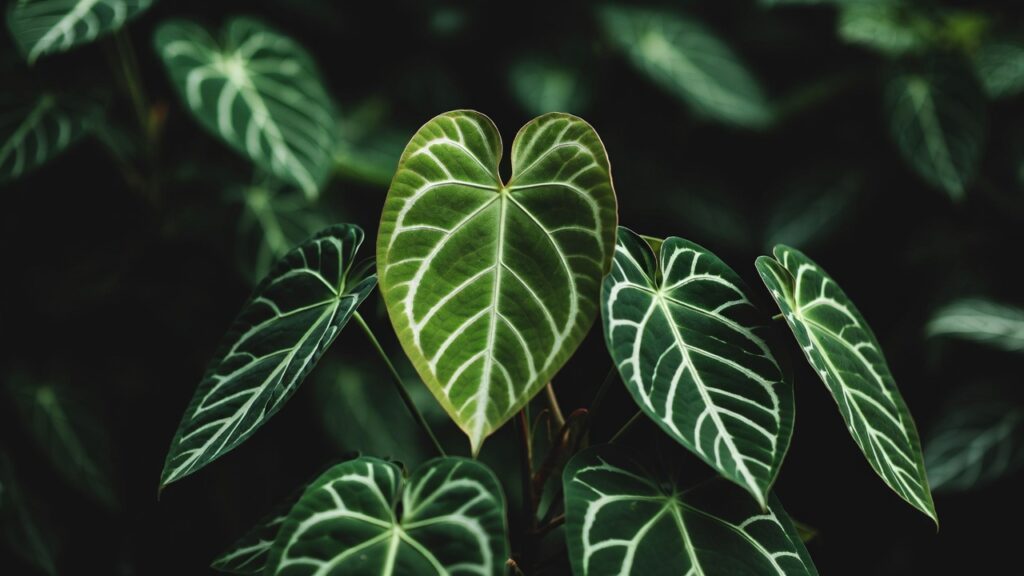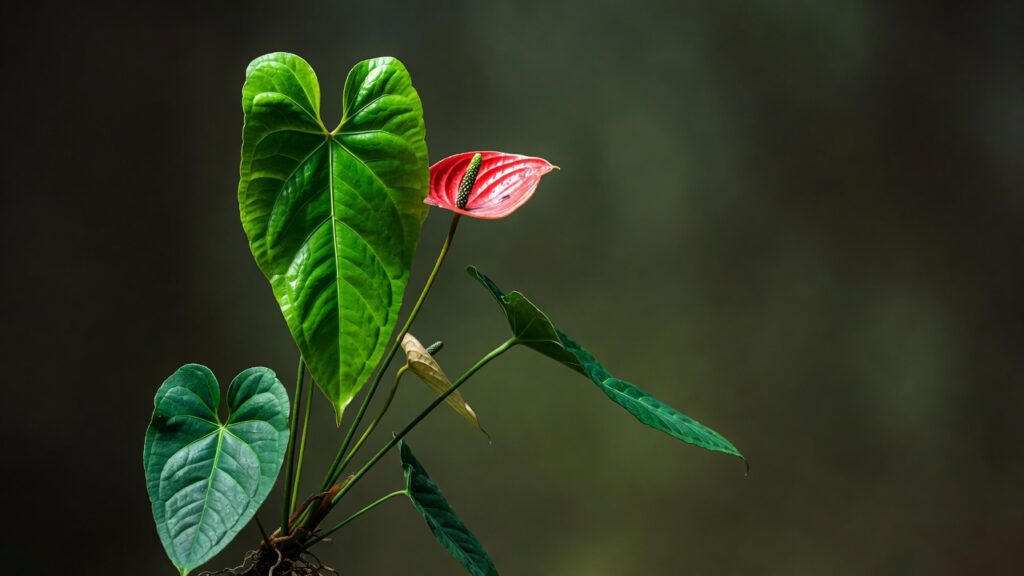
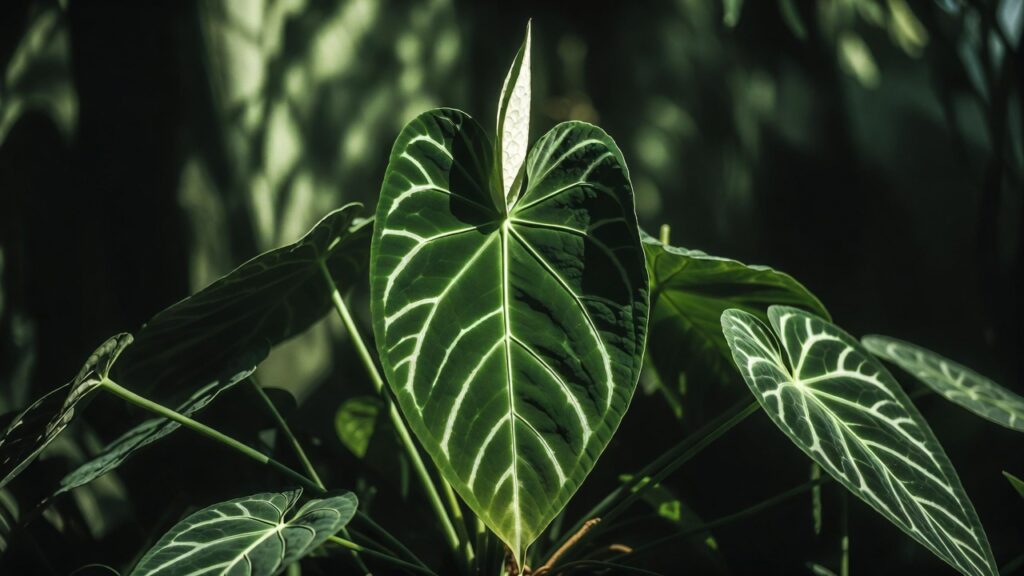
Few houseplants stop people mid-sentence the way a mature Anthurium warocqueanum does. With its long, dramatic, velvet-textured leaves and luminous silver veins, this plant doesn’t just sit in a room — it commands it. But here’s the truth most plant shops don’t tell you: the Queen Anthurium can be unforgiving if you don’t understand its rainforest roots.
If you’ve struggled with yellowing leaves, crispy edges, stalled growth, or root rot, you’re not alone. In this comprehensive guide, I’ll walk you through exactly how to grow Anthurium warocqueanum indoors successfully — based on botanical principles, aroid care expertise, and real-world growing experience. By the end, you’ll understand not just what to do, but why it works.
What Is Anthurium Warocqueanum? (Plant Profile & Origins)
Botanical Background
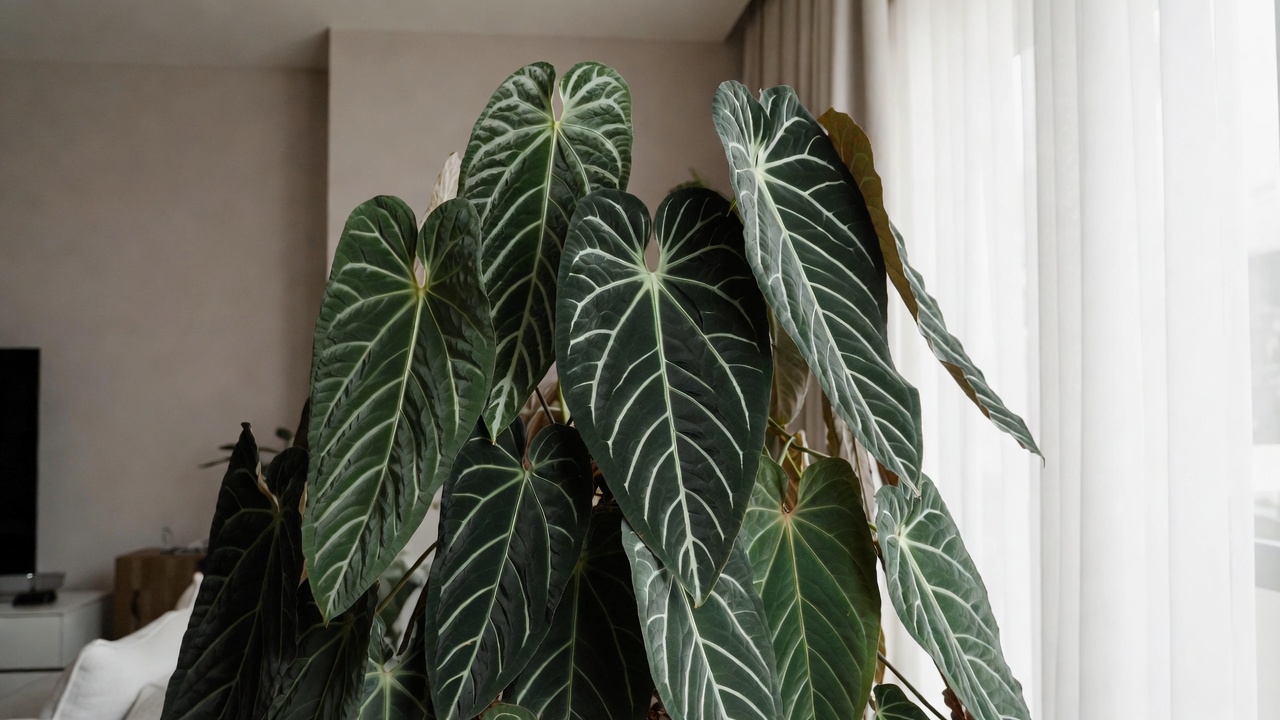
Anthurium warocqueanum, commonly known as the Queen Anthurium, is a tropical aroid native to the rainforests of Colombia. Unlike many compact houseplants, this species is an epiphyte or hemiepiphyte, meaning it often grows attached to trees in humid jungle environments.
Key environmental traits of its native habitat:
- Consistent warmth (65–80°F / 18–27°C)
- High humidity (70–90%)
- Dappled canopy light
- Fast-draining organic debris as a root medium
- Strong airflow
Understanding this ecology is essential. Nearly every care mistake indoors happens when we treat it like a standard potted plant instead of a rainforest epiphyte.
Defining Characteristics
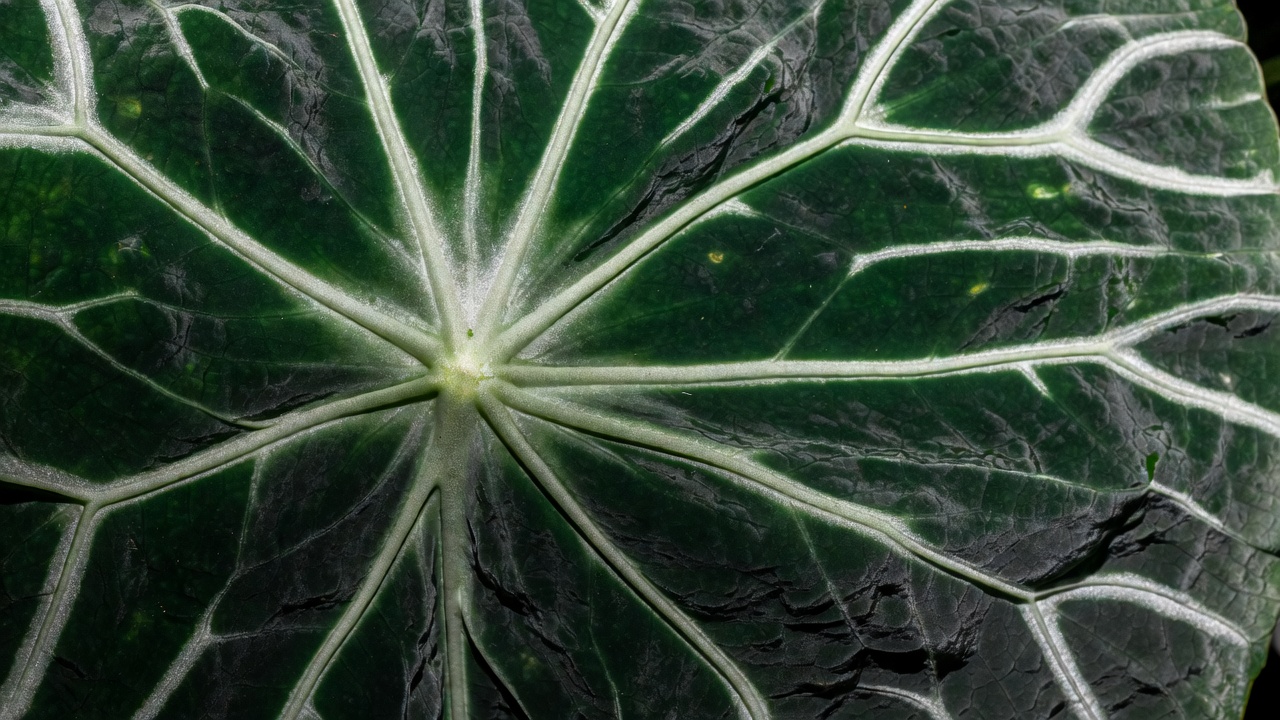
- Long, pendant, velvety leaves
- Prominent white or silver venation
- Deep green coloration that intensifies with maturity
- Leaves that can exceed 3–4 feet long in ideal conditions
Young plants look dramatically different from mature specimens. Don’t panic if juvenile leaves are shorter or less dramatic — that’s normal.
Why It’s Considered Challenging
- Sensitive to inconsistent humidity
- Prone to root rot in dense soil
- Vulnerable to spider mites in dry air
- Dislikes environmental instability
That said, once properly established, it becomes far more resilient than its reputation suggests.
Anthurium Warocqueanum Care at a Glance
| Care Factor | Ideal Conditions |
|---|---|
| Light | Bright, indirect light |
| Humidity | 60–80% (higher preferred) |
| Temperature | 65–80°F (18–27°C) |
| Watering | Keep lightly moist, never soggy |
| Soil | Chunky, airy aroid mix |
| Fertilizer | Diluted balanced fertilizer during growth |
| Growth Rate | Moderate when stable |
| Toxicity | Toxic if ingested (calcium oxalates) |
Light Requirements for Anthurium Warocqueanum
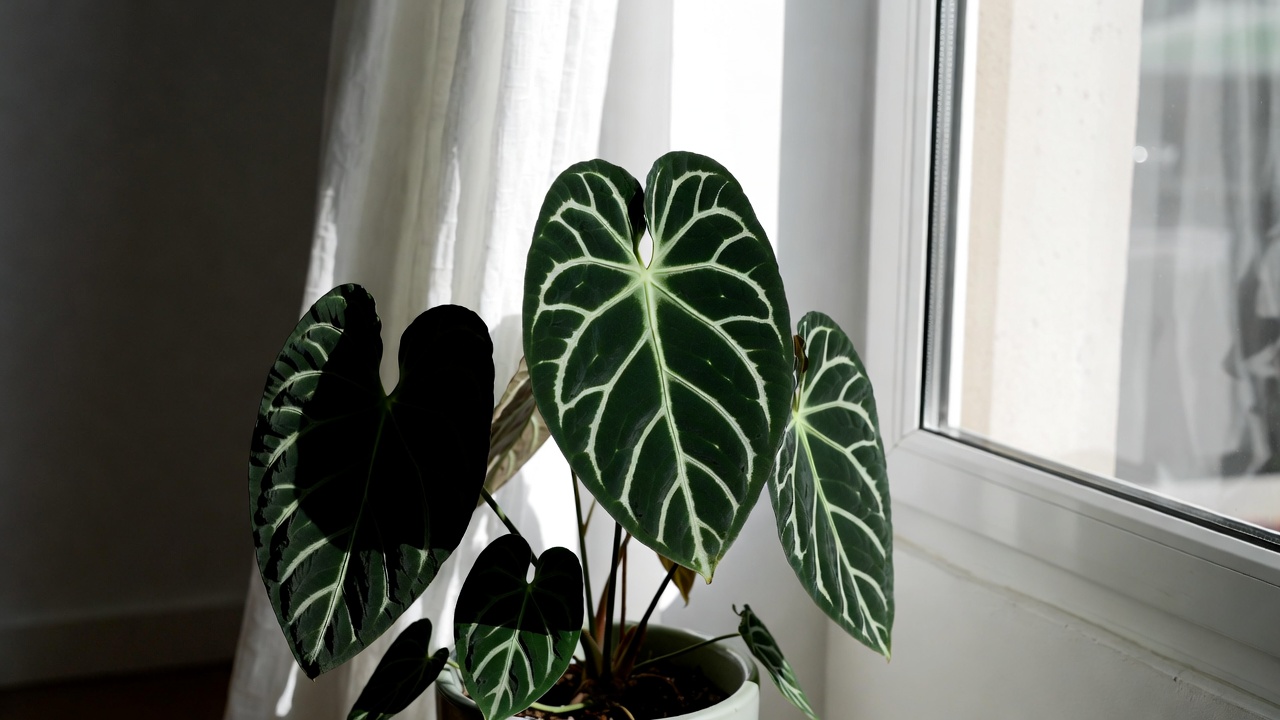
Lighting is where many growers go wrong.
Ideal Indoor Lighting
Bright, indirect light is essential. Think of filtered rainforest canopy light — not direct sun exposure.
Best placements:
- East-facing windows
- North-facing windows
- A few feet back from a south-facing window behind sheer curtains
If you’re using grow lights:
- Aim for 150–250 PPFD
- Keep lights 12–18 inches above foliage
- Run for 10–12 hours daily
Signs of Incorrect Light
Too little light:
- Smaller new leaves
- Slower growth
- Elongated petioles
Too much light:
- Pale or bleached areas
- Brown sunburn patches
- Velvet texture fading
The velvet surface is delicate — direct sun destroys it quickly.
How to Water Anthurium Warocqueanum Properly
Overwatering is the #1 cause of failure.
Understanding Its Roots
In nature, roots cling to bark and organic debris with exceptional airflow. Indoors, dense soil suffocates them.
The goal: consistently moist, but highly aerated substrate.
Watering Frequency
Rather than watering on a schedule, check the top 1–2 inches of your mix.
General guideline:
- Spring/Summer: Every 5–7 days
- Fall/Winter: Every 7–10 days
Always adjust for:
- Pot size
- Humidity levels
- Airflow
- Light intensity
Best Water Type
Because this plant is sensitive to mineral buildup:
- Rainwater (ideal)
- Distilled water (excellent)
- Filtered water (good)
- Tap water (only if low mineral content)
Salt buildup often causes brown leaf tips mistaken for humidity issues.
Warning Signs of Watering Issues
Overwatering:
- Yellowing lower leaves
- Mushy stems
- Sour-smelling soil
Underwatering:
- Crispy edges
- Wilting that doesn’t recover
- Thin, papery leaves
Consistency matters more than frequency.
Best Soil Mix for Anthurium Warocqueanum (Expert Recipe)
Standard potting soil is too dense.
Why Dense Soil Fails
Peat-heavy mixes:
- Retain too much moisture
- Reduce oxygen to roots
- Encourage fungal growth
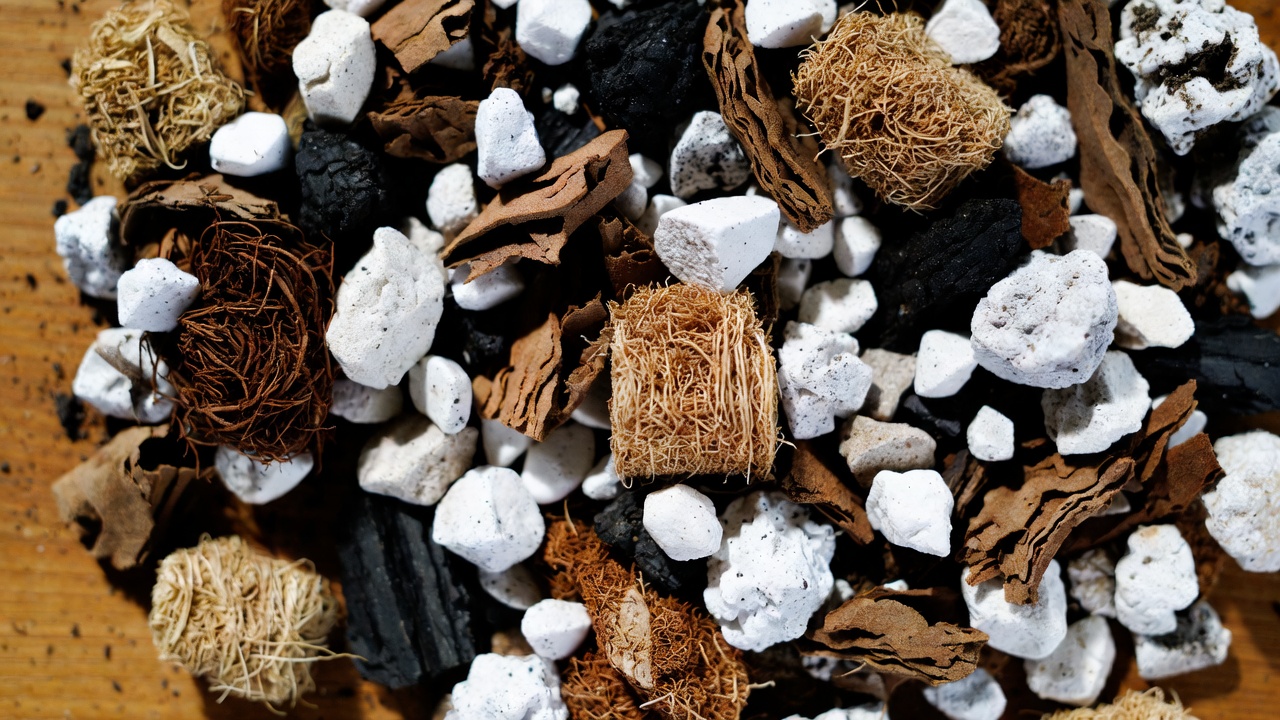
Ideal Chunky Aroid Mix Components
A high-performance mix should include:
- Orchid bark (structure & drainage)
- Perlite or pumice (aeration)
- Sphagnum moss (moisture balance)
- Horticultural charcoal (odor & bacteria control)
- Coco coir (light organic base)
DIY Soil Recipe
- 40% orchid bark
- 20% perlite or pumice
- 20% coco coir
- 10% sphagnum moss
- 10% charcoal
The result: fluffy, fast-draining, yet moisture-retentive.
Semi-Hydro or LECA?
Advanced growers sometimes use semi-hydro setups. However:
- Requires strong understanding of nutrient management
- Root transition shock is common
- Not recommended for beginners
Soil-based chunky mix is safer and more forgiving.
Humidity & Temperature: The Secret to Velvet Leaves
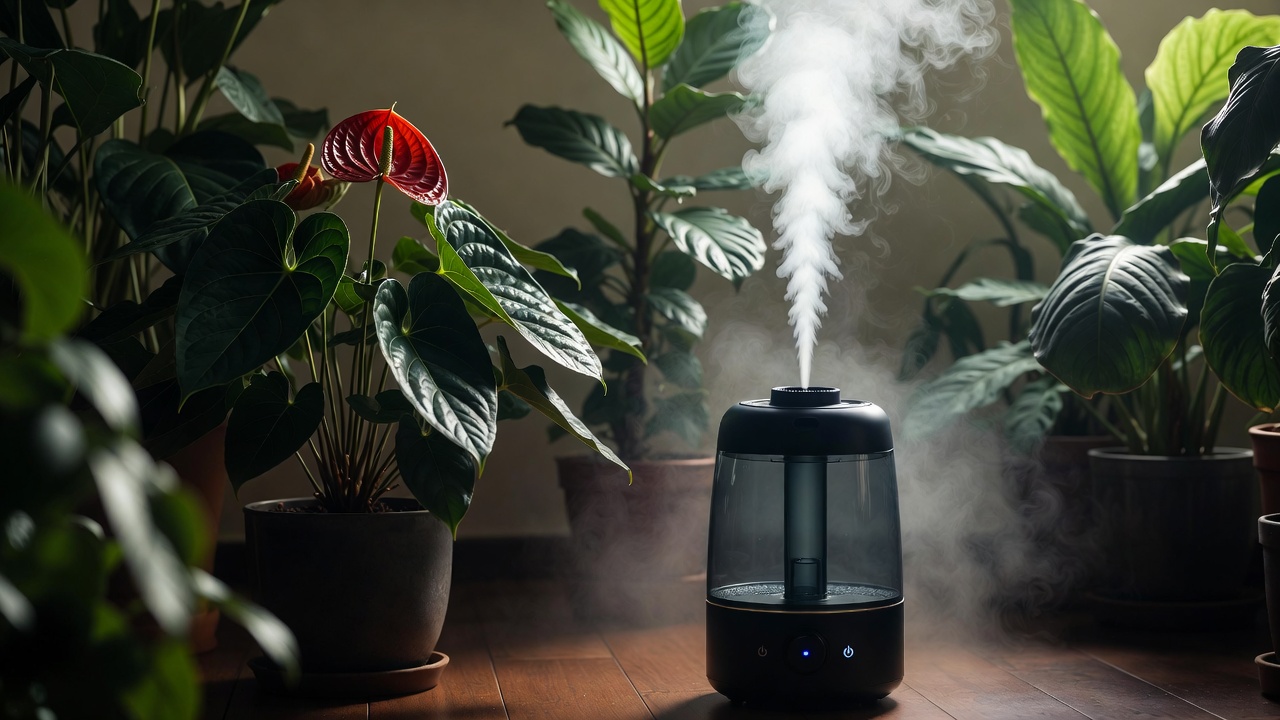
Humidity is non-negotiable.
Ideal Humidity Range
60–80% is ideal. Below 50%, expect:
- Brown edges
- Spider mite outbreaks
- Reduced leaf size
If your home averages 30–40%, you’ll need intervention.
How to Increase Humidity Safely
Best options:
- Ultrasonic humidifier near (not directly on) plant
- Enclosed plant cabinet with airflow
- Grouping tropical plants together
Avoid:
- Constantly misting leaves (promotes fungal issues)
- Pebble trays as a sole solution (minimal impact)
Temperature Stability
Keep between 65–80°F (18–27°C).
Avoid:
- Cold drafts
- HVAC vents
- Rapid temperature swings
Stability is more important than perfection.
Fertilizing Anthurium Warocqueanum for Healthy Growth
This plant is not a heavy feeder — but it does need nutrients.
Best Fertilizer Type
- Balanced liquid fertilizer (e.g., 10-10-10 or 20-20-20)
- Diluted to ¼ strength
Feeding Schedule
- Every 4–6 weeks in spring/summer
- Stop feeding in late fall/winter
Overfertilizing causes:
- Leaf tip burn
- Salt accumulation
- Root stress
Flush soil every few months with distilled water.
Repotting Anthurium Warocqueanum Correctly
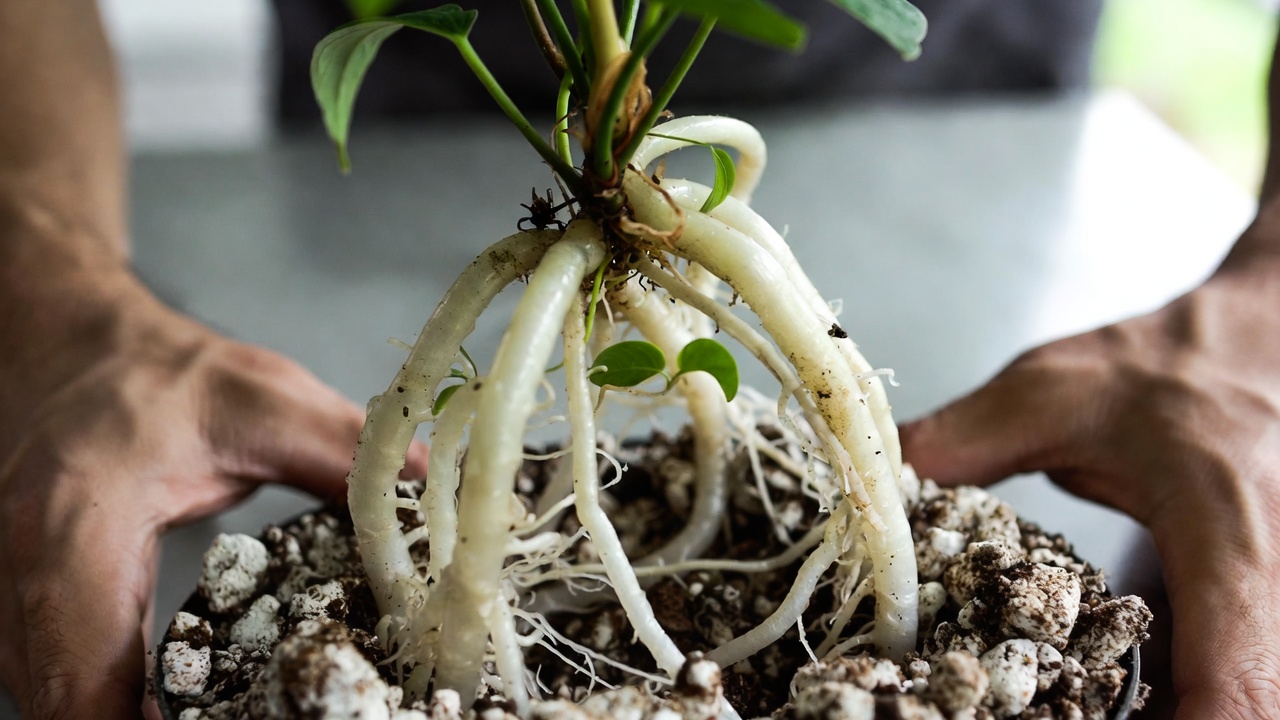
When to Repot
- Roots circling bottom
- Water running straight through
- Stalled growth despite ideal care
Usually every 1–2 years.
Repotting Steps
- Water plant lightly the day before.
- Gently remove old mix.
- Inspect and trim dead roots.
- Place in slightly larger pot (1–2 inches bigger).
- Backfill with fresh chunky mix.
- Do not compact soil.
Post-Repot Care
- Avoid fertilizing for 3–4 weeks.
- Maintain steady humidity.
- Expect minor adjustment shock.
Common Problems and How to Fix Them
Yellow Leaves
Most common causes:
- Overwatering
- Poor drainage
- Low light
Solution:
- Check roots
- Adjust watering frequency
- Improve soil aeration
Brown or Crispy Edges
Caused by:
- Low humidity
- Salt buildup
- Inconsistent watering
Fix:
- Increase humidity
- Flush soil
- Use filtered water
Drooping Leaves
Often from:
- Root stress
- Temperature shock
- Severe underwatering
Investigate root system first.
Root Rot
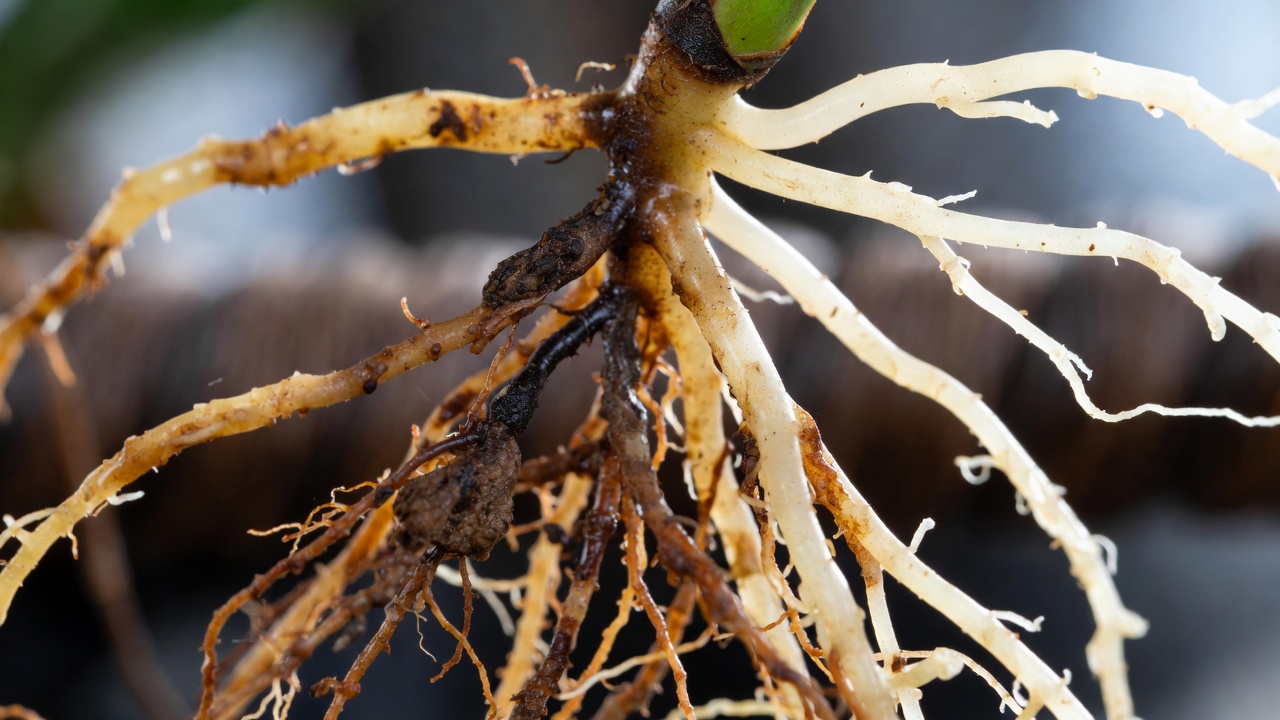
Signs:
- Black, mushy roots
- Foul odor
- Rapid decline
Immediate steps:
- Remove affected roots
- Repot in fresh mix
- Reduce watering
Pest Issues
Common pests:
- Spider mites
- Thrips
- Fungus gnats
Prevention:
- Maintain humidity
- Inspect undersides weekly
- Use insecticidal soap if needed
How to Propagate Anthurium Warocqueanum
Propagation is best done by division.
Division Method
- Wait until plant has multiple growth points.
- Separate gently during repotting.
- Ensure each division has healthy roots.
- Pot separately in airy mix.
Stem cuttings rarely succeed due to growth structure.
How Fast Does Anthurium Warocqueanum Grow?
With stable conditions:
- 1 new leaf every 4–8 weeks
- Leaf size increases gradually
- Maturity may take several years indoors
Patience is essential. This is a long-term investment plant.
Is Anthurium Warocqueanum Worth It?
Price range varies widely depending on size and availability.
Best suited for:
- Intermediate to advanced plant parents
- Growers with humidity control
- Collectors of rare aroids
Not ideal for:
- Very dry climates without humidifiers
- Beginners unwilling to monitor conditions
When grown well, it becomes one of the most striking indoor foliage plants available.
Styling and Display Ideas
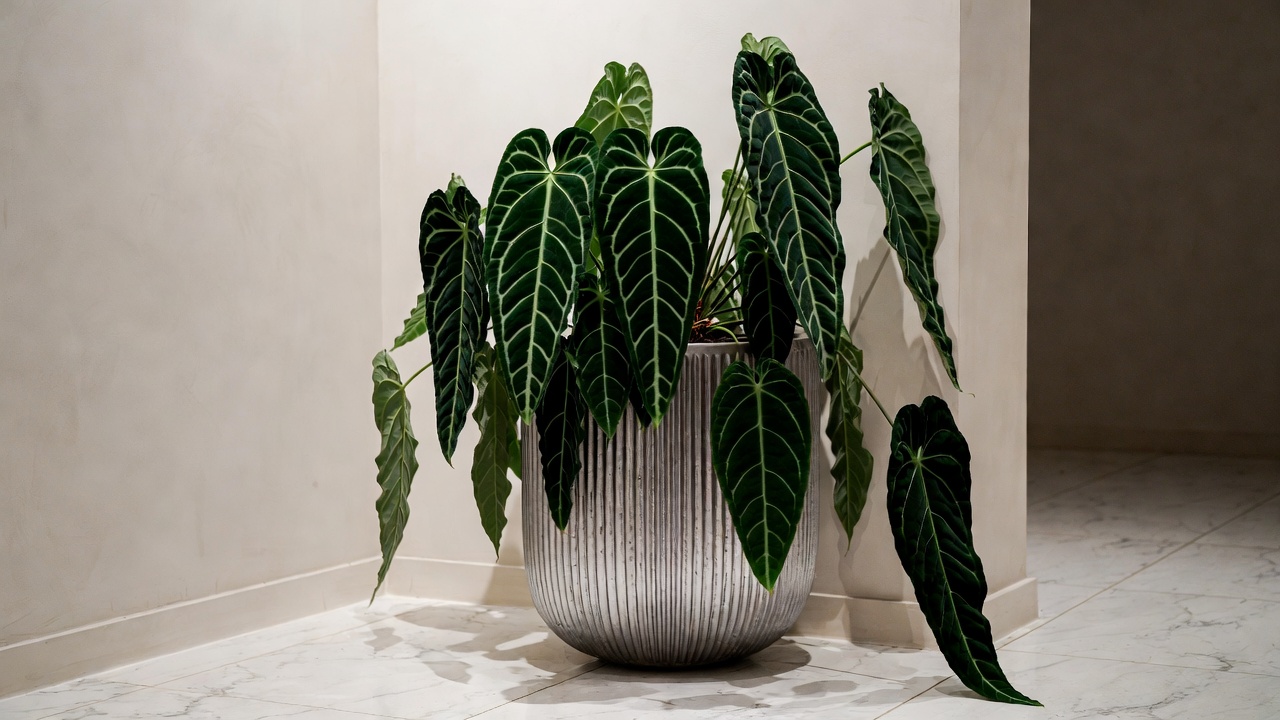
- Tall decorative floor pots
- Hanging baskets for dramatic leaf drape
- Glass plant cabinets
- Minimalist interior backdrops
Allow space for vertical leaf extension.
Frequently Asked Questions
Why are my Anthurium warocqueanum leaves turning yellow?
Usually due to overwatering or insufficient drainage.
Does Anthurium warocqueanum need high humidity?
Yes — ideally above 60%.
Can it grow in low light?
It survives but will not thrive.
Is it pet-safe?
No. Contains calcium oxalates and is toxic if ingested.
Why aren’t the leaves velvety?
Often from too much light or low humidity.
Expert Growing Tips for Long-Term Success
- Prioritize airflow as much as humidity.
- Avoid relocating the plant frequently.
- Monitor root health every 6–12 months.
- Invest in environmental consistency rather than reactive fixes.
Final Thoughts: Mastering the Queen Anthurium Indoors
Growing Anthurium warocqueanum indoors isn’t about luck — it’s about replicating the rainforest intelligently. When you understand its epiphytic roots, humidity needs, and sensitivity to environmental shifts, it transforms from “difficult” to deeply rewarding.
Give it stability. Give it airflow. Give it humidity.
In return, it will reward you with some of the most breathtaking velvet foliage in the houseplant world.