Few indoor plants command attention quite like the anthurium magnificum. With its oversized, velvety leaves and striking white veins, this tropical beauty looks like it belongs in a luxury botanical garden—yet many plant lovers struggle to keep it thriving indoors.
If your leaves are turning yellow, losing their signature velvet texture, or refusing to grow, you’re not alone. The truth is, anthurium magnificum care requires a deeper understanding of its rainforest origins—but once you get it right, the results are stunning.
In this expert guide, you’ll learn exactly how to recreate the perfect environment for your plant—from light and humidity to soil and watering—so your anthurium doesn’t just survive, but flourishes.
What Is Anthurium Magnificum? (Plant Overview)
Key Characteristics
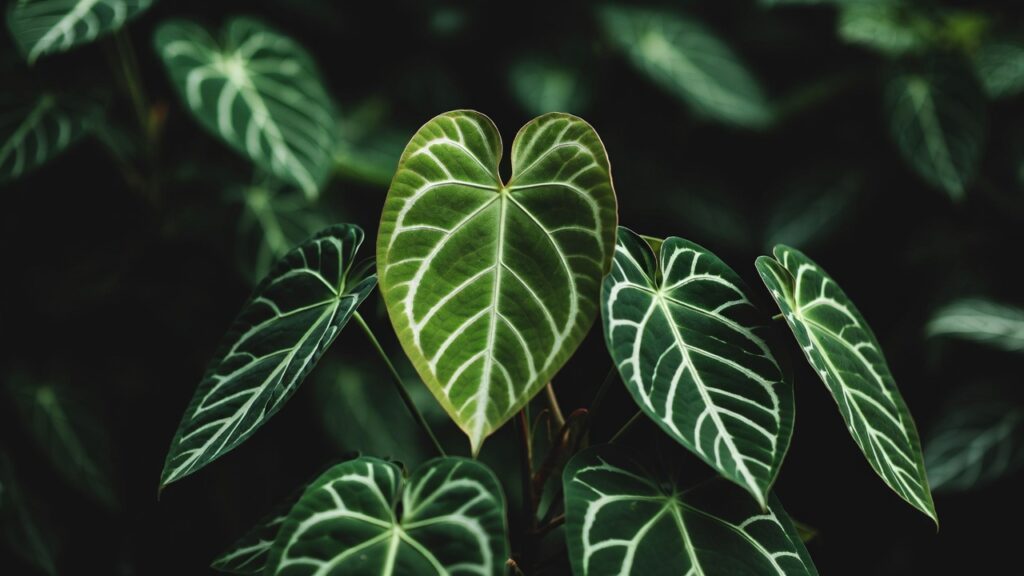
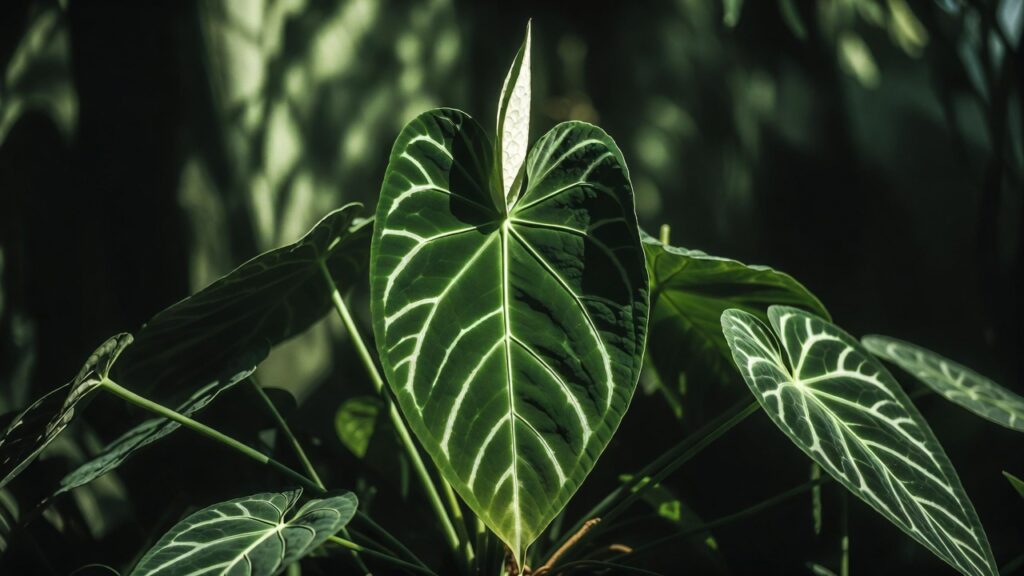
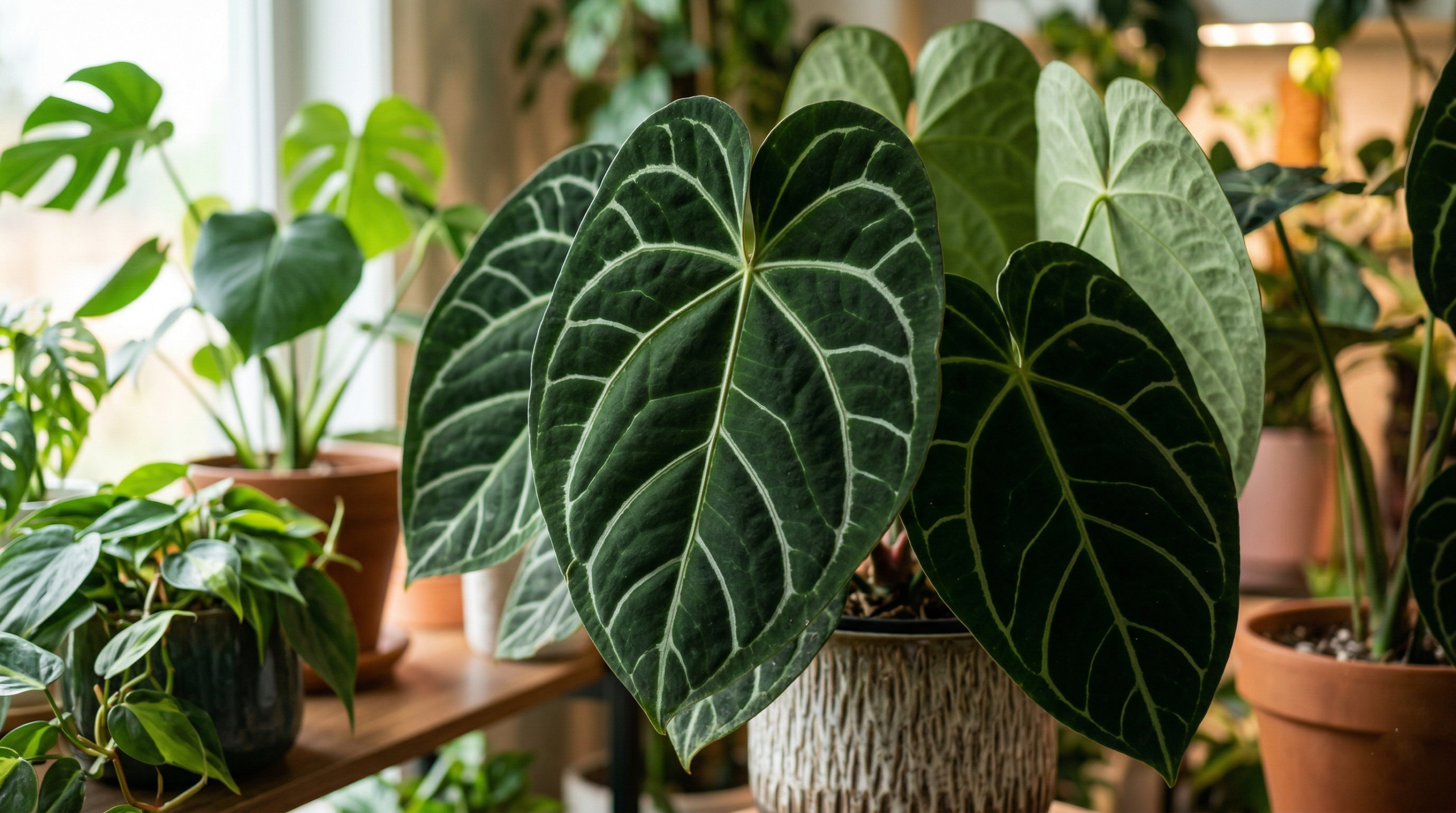
The anthurium magnificum is a terrestrial aroid known for its:
- Large, heart-shaped leaves
- Luxurious velvet texture
- Bold, contrasting white veins
- Thick, sturdy petioles (often quadrangular in shape)
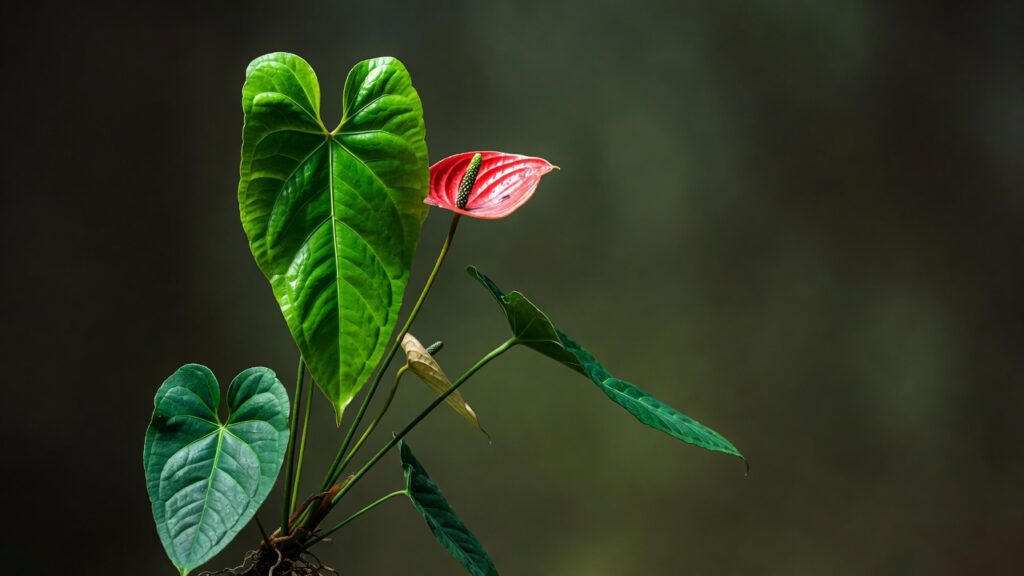
Unlike many houseplants grown for flowers, this species is prized almost entirely for its foliage—making it a statement centerpiece in any indoor plant collection.
Native Habitat and Growth Behavior
Originating from the tropical rainforests of Colombia, this plant thrives in:
- Warm temperatures
- High humidity
- Filtered light beneath forest canopies
Understanding this environment is key. In the wild, it grows in rich, airy soil with consistent moisture—but never waterlogged conditions. Replicating this balance indoors is the foundation of success.
Anthurium Magnificum vs Other Anthuriums
It’s often confused with similar species, but there are important differences:
- Magnificum vs Crystallinum
- Magnificum has thicker leaves and petioles
- Crystallinum tends to have more delicate foliage
- Magnificum vs Clarinervium
- Clarinervium has more rigid, cardboard-like leaves
- Magnificum appears more velvety and flexible
Knowing what you have ensures you provide the correct care strategy.
Ideal Growing Conditions for Anthurium Magnificum
Light Requirements
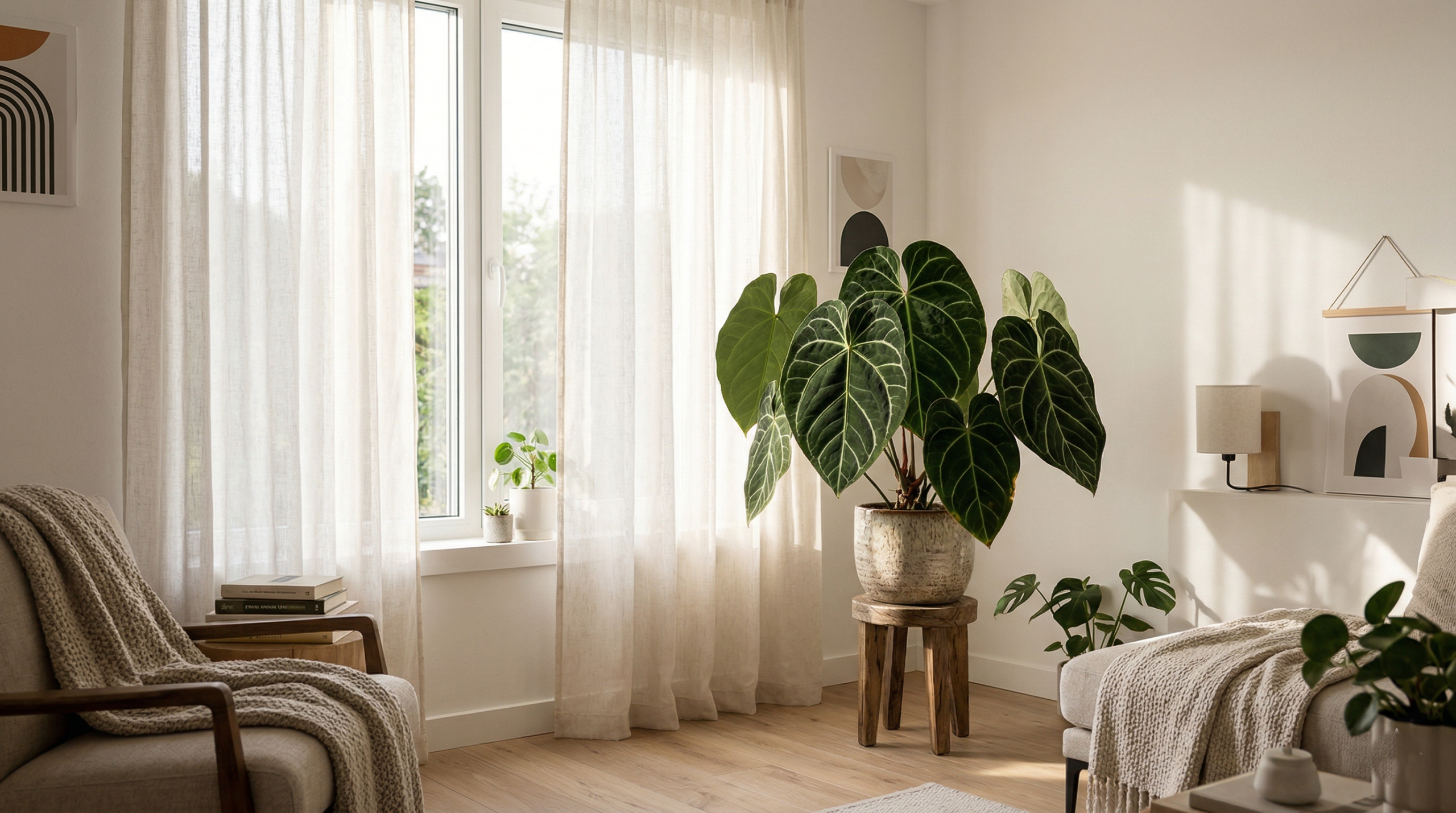
The biggest mistake growers make is improper lighting.
Best Light:
- Bright, indirect light
- Near an east or north-facing window
- Filtered sunlight through curtains
Too Much Light:
- Leaf burn or faded color
- Crispy patches
Too Little Light:
- Slow growth
- Smaller leaves
- Loss of vibrancy
Temperature Needs
This tropical plant prefers consistency.
- Ideal range: 18–27°C (65–80°F)
- Avoid:
- Cold drafts
- Sudden temperature drops
- Air conditioning vents
Even brief exposure to cold can stunt growth or damage leaves.
Humidity Requirements
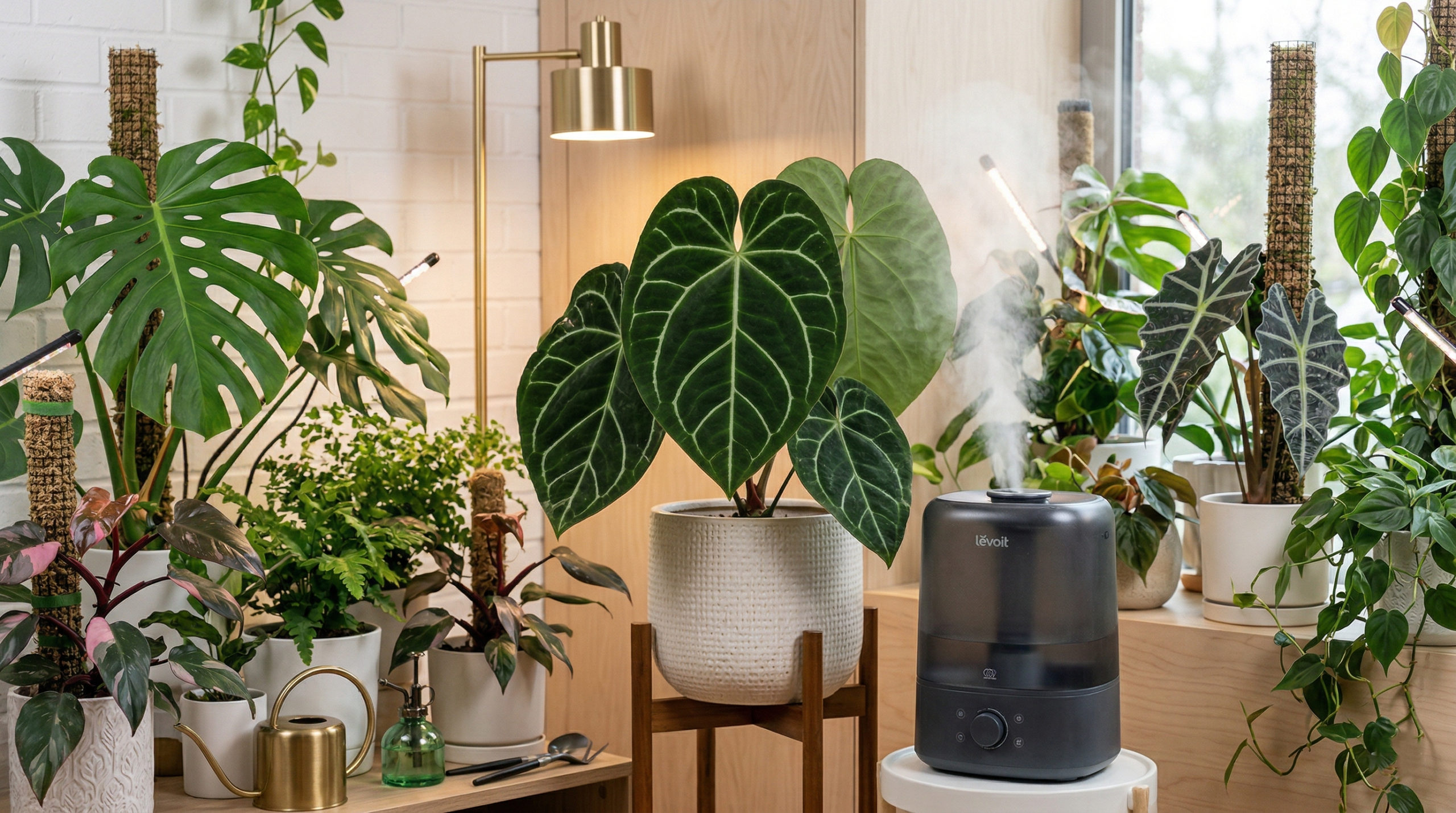
Humidity is where most indoor growers struggle.
Ideal Humidity: 60–80%
If your home is dry, you may notice:
- Brown leaf edges
- Curling leaves
- Reduced growth
How to Increase Humidity:
- Use a humidifier (best option)
- Group plants together
- Place on a pebble tray with water
- Keep in naturally humid rooms (like kitchens)
Best Soil Mix for Anthurium Magnificum
Why Standard Potting Soil Fails
Regular potting soil is too dense. It:
- Retains excess moisture
- Limits oxygen to roots
- Increases risk of root rot
This is one of the most common reasons plants decline.
Ideal Soil Composition
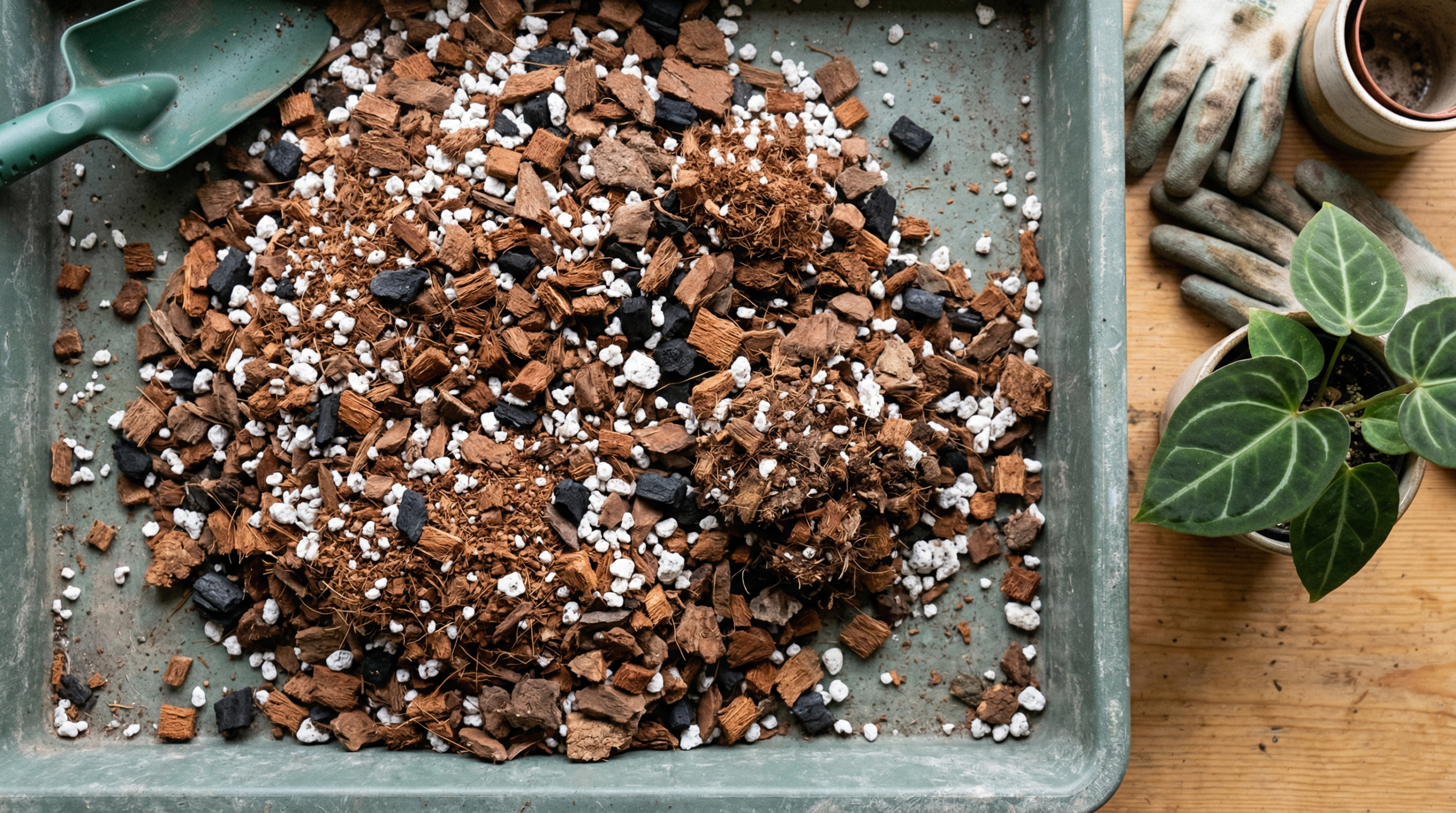
Your goal is a chunky, well-draining mix that mimics forest floor conditions.
Key Components:
- Orchid bark (aeration)
- Perlite (drainage)
- Coco coir or peat (moisture retention)
- Activated charcoal (optional, prevents odor and toxins)
DIY Soil Recipe
A proven mix used by experienced growers:
- 40% orchid bark
- 30% coco coir or peat
- 20% perlite
- 10% charcoal
This combination allows roots to breathe while staying lightly moist.
Watering Anthurium Magnificum the Right Way
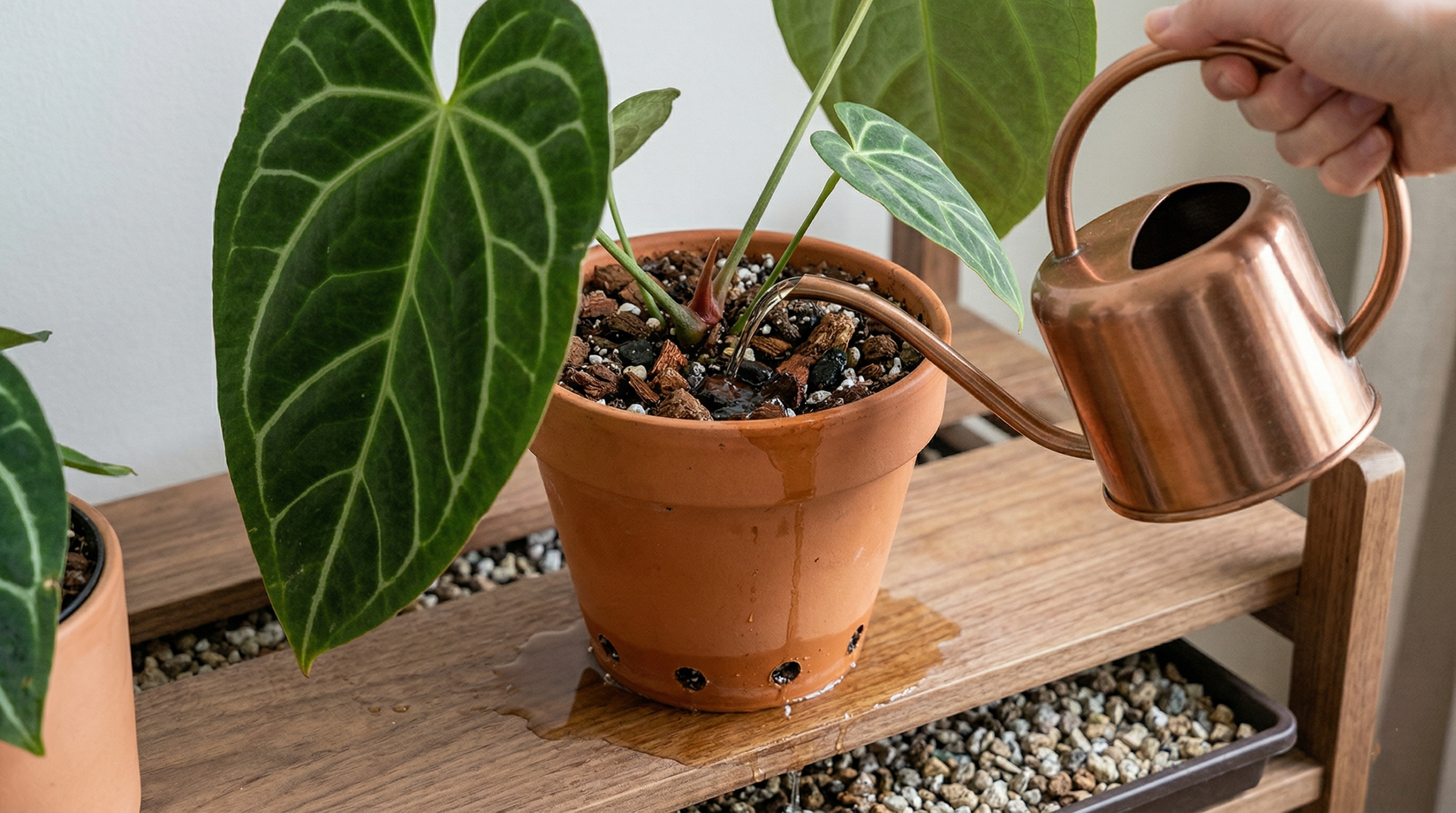
How Often to Water
There’s no fixed schedule—watering depends on your environment.
General Rule:
- Water when the top 2–3 inches of soil are dry
Seasonal Adjustments:
- More frequent in summer
- Less frequent in winter
Signs of Overwatering vs Underwatering
Overwatering Symptoms:
- Yellow leaves
- Mushy stems
- Root rot smell
Underwatering Symptoms:
- Drooping leaves
- Crispy edges
- Dry soil pulling away from pot
Best Watering Techniques
- Always use pots with drainage holes
- Water thoroughly until excess drains out
- Never let the plant sit in standing water
Optional Methods:
- Bottom watering for even moisture
- Use filtered or rainwater if possible
Fertilizing for Healthy Growth
Best Fertilizers
Use a balanced liquid fertilizer such as:
- 10-10-10
- 20-20-20
Dilute to half strength to avoid root damage.
Feeding Schedule
- Every 4–6 weeks during spring and summer
- Reduce or stop feeding in winter
Avoiding Fertilizer Burn
Too much fertilizer can cause:
- Brown leaf tips
- Salt buildup in soil
Prevention Tips:
- Flush soil occasionally with clean water
- Always dilute fertilizer
Repotting Anthurium Magnificum
When to Repot
Repot every 1–2 years or when you notice:
- Roots growing out of drainage holes
- Soil breaking down
- Slowed growth
Step-by-Step Repotting Guide
- Choose a pot 1–2 inches larger
- Gently remove the plant
- Inspect and trim damaged roots
- Add fresh soil mix
- Replant and water lightly
Post-Repot Care
- Keep in stable conditions
- Avoid fertilizing for 2–3 weeks
- Maintain humidity to reduce stress
Common Problems and How to Fix Them
Yellow Leaves
Causes:
- Overwatering
- Poor drainage
- Nutrient imbalance
Solution:
- Adjust watering
- Improve soil mix
Brown Leaf Tips
Causes:
- Low humidity
- Inconsistent watering
Solution:
- Increase humidity
- Maintain consistent watering schedule
Pests (Spider Mites, Mealybugs)
Signs:
- Sticky residue
- Tiny webs
- White cotton-like clusters
Treatment:
- Neem oil
- Insecticidal soap
- Regular leaf cleaning
Root Rot
Early Signs:
- Foul smell
- Black, mushy roots
Fix:
- Remove affected roots
- Repot in fresh soil
- Reduce watering
How to Propagate Anthurium Magnificum
Propagation is one of the most rewarding parts of growing anthurium magnificum, but it requires patience and proper technique.
Division Method (Most Effective)
Unlike some houseplants, this species is best propagated through division, not cuttings.
Step-by-Step Guide:
- Remove the plant gently from its pot
- Identify natural divisions (sections with roots and stems)
- Use a clean, sterilized knife or your hands to separate them
- Ensure each division has:
- Healthy roots
- At least one growth point
- Plant each division in fresh, well-draining soil
- Water lightly and place in a humid environment
Tips for Successful Propagation
- Keep humidity high (70%+) after dividing
- Avoid direct sunlight during recovery
- Do not fertilize immediately
- Expect a short “adjustment phase” before new growth appears
Styling and Placement Ideas (Indoor Decor)
The anthurium magnificum is more than a plant—it’s a living piece of art.
Best Placement in Your Home
- Bright living rooms with filtered light
- Near east-facing windows
- Home offices for a calming, natural vibe
Design Pairing Ideas
- Pair with other tropical plants like:
- Philodendrons
- Monsteras
- Calatheas
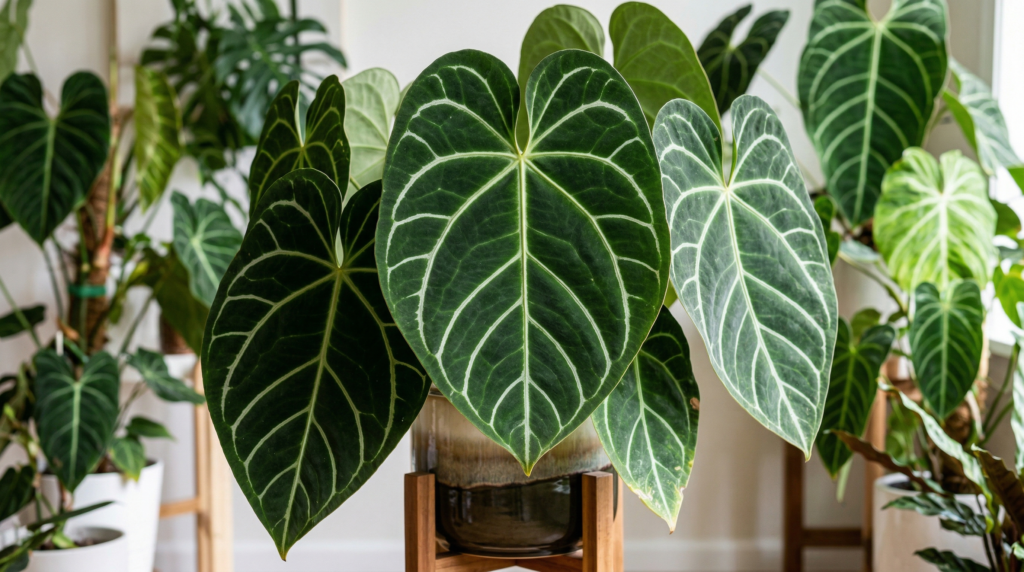
- Use:
- Neutral ceramic pots for a minimalist look
- Elevated stands to highlight foliage
- Dark backgrounds to make veins pop
Creating a “Rainforest Corner”
Group humidity-loving plants together to:
- Boost moisture naturally
- Create a lush, layered aesthetic
- Improve overall plant health
Expert Tips for Thriving Anthurium Magnificum
After years of growing tropical aroids, here are the strategies that truly make a difference:
1. Mimic the Rainforest Floor
- Soft, indirect light
- Consistent warmth
- High humidity
- Airy soil
2. Stability Is Everything
This plant dislikes sudden changes.
Avoid:
- Moving it frequently
- Drastic temperature shifts
- Inconsistent watering habits
3. Clean the Leaves Regularly
Dust blocks light absorption.
- Wipe leaves gently with a damp cloth
- Enhances photosynthesis
- Keeps the velvet texture vibrant
4. Rotate for Even Growth
Turn your plant every 1–2 weeks to:
- Prevent leaning
- Encourage symmetrical growth
5. Invest in the Right Tools
Serious growers often use:
- Hygrometer (to monitor humidity)
- Humidifier
- Grow lights (if natural light is limited)
Beginner Mistakes to Avoid
Even experienced plant owners can struggle with anthurium magnificum if they overlook these common pitfalls:
Overwatering
The #1 killer of this plant.
Fix: Always check soil before watering.
Using Dense Soil
Leads to suffocated roots and rot.
Fix: Use a chunky aroid mix.
Ignoring Humidity
Dry air = unhappy plant.
Fix: Maintain at least 60% humidity.
Too Much Direct Sunlight
Can permanently damage leaves.
Fix: Always provide filtered light.
Over-Fertilizing
More is not better.
Fix: Stick to a diluted feeding schedule.
Frequently Asked Questions (FAQs)
Is Anthurium magnificum hard to care for?
It’s moderately challenging. Beginners can succeed if they focus on humidity, proper soil, and controlled watering.
Why are my leaves losing their velvet texture?
This is usually caused by:
- Low humidity
- Excessive light
- Dust buildup
Restoring proper conditions often brings back the texture.
Can Anthurium magnificum grow in low light?
It can survive, but not thrive. Low light leads to:
- Slower growth
- Smaller leaves
- Reduced vibrancy
How fast does it grow indoors?
Growth is moderate under ideal conditions. Expect:
- New leaves every few weeks during growing season
- Slower growth in winter
Is it safe for pets?
No. Like most aroids, it contains calcium oxalate crystals and is toxic to pets and humans if ingested.
Advanced Care Strategies (For Serious Growers)
If you want your anthurium magnificum to truly stand out, these advanced techniques can elevate your results:
Optimize Air Circulation
- Prevents fungal issues
- Strengthens plant structure
- Use a gentle fan if needed
Use Semi-Hydroponic Methods (Optional)
Some growers use:
- LECA (clay balls)
- Passive hydro systems
Benefits:
- Better root oxygenation
- Reduced risk of overwatering
Leaf Size Maximization Techniques
To encourage larger leaves:
- Maintain consistent conditions
- Avoid stress (repotting too often)
- Provide steady nutrients
Final Thoughts: Is Anthurium Magnificum Worth It?
The anthurium magnificum isn’t just another houseplant—it’s a statement of dedication, patience, and refined taste.
Yes, it demands more care than average indoor plants. But in return, it offers:
- Breathtaking, velvety foliage
- A bold, tropical aesthetic
- A rewarding growing experience
If you’re willing to understand its needs and create the right environment, this plant will not only survive—it will thrive and become the centerpiece of your indoor jungle.