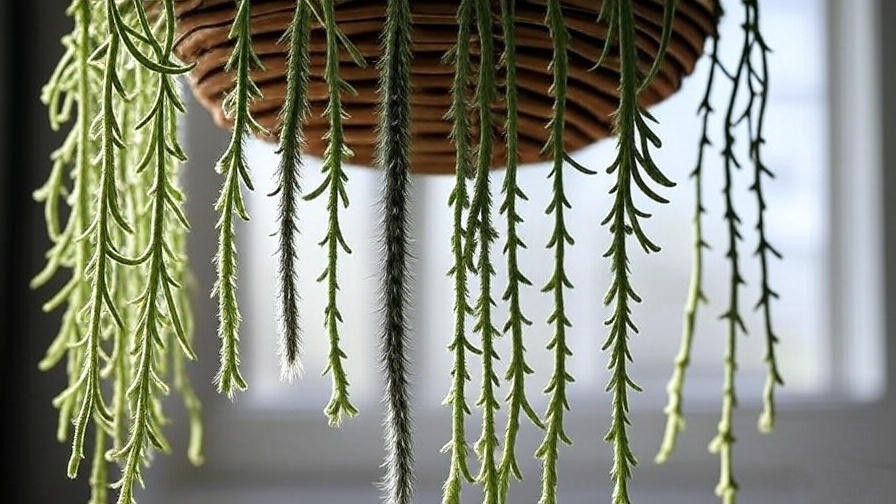
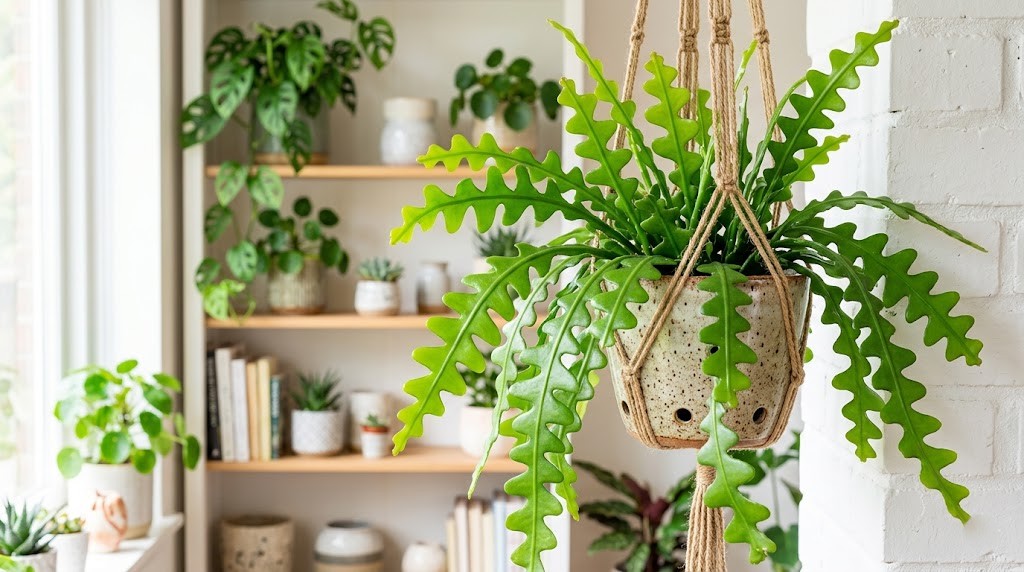
There is nothing quite like the visual drama of a healthy ric rac cactus plant. With its deeply lobed, neon-green stems cascading over the edge of a hanging planter, this architectural marvel instantly commands attention in any indoor space. But many houseplant enthusiasts quickly discover a frustrating plot twist: after a few months inside, that perfectly serrated zigzag silhouette starts disappearing. New growth emerges thin, round, and looks more like a collection of stray green pencils than a lush tropical specimen.
If your plant is losing its iconic shape, you aren’t alone—and it isn’t your fault. This guide leverages years of hands-on cultivation experience to diagnose exactly why your plant is stretching and provides a comprehensive roadmap to growing the thickest, healthiest fronds possible.
Quick Reference: Ric Rac Cactus Cheat Sheet
To successfully cultivate the ric rac cactus plant, you must first unlearn almost everything you know about traditional desert cacti. Treating this plant like a standard prickly pear or a saguaro is the fastest way to invite root rot and stunted growth.
The Epiphytic Lifestyle Explained
In its native habitats throughout the montane forests of Jalisco and Oaxaca, Mexico, Disocactus anguliger does not grow in desert sand. It is an obligate epiphyte. This means it grows nestled in the croches of ancient tree branches, scaling rock faces, and anchoring itself within mossy bark.
Its root system evolved not to dig deep into groundwater tables, but to grip surfaces tightly while absorbing ambient moisture and decaying organic debris from the forest canopy. When you grow this plant indoors, its root system still expects that high-oxygen, hyper-draining environment.
Why Desert Rules Will Kill Your Ric Rac
Desert cacti thrive on intense, direct, all-day baking sunlight and prolonged periods of bone-dry soil. The ric rac cactus, however, spends its life protected beneath a dense canopy of tropical leaves.
If you leave it in a heavy, sand-heavy succulent mix and refuse to water it for months, the delicate epiphytic roots will desiccate and die. Conversely, if you put it in heavy, dense potting soil that holds water like a sponge, those same roots will suffocate within days. Balancing these two extremes is the core secret to long-term success.
The Golden Rule of Light: The Secret to Thick, Deeply Lobed Fronds
The number one complaint indoor gardeners have about this plant is that the new growth looks weak, skinny, and entirely lacks the famous zigzag pattern. This specific structural deformity is a cry for help caused by a lack of proper illumination.
Why Your Cactus is Losing Its Zigzag (Etiolation)

In botanical terms, this skinny, stretched-out growth is called etiolation. When a ric rac cactus realizes it isn’t getting enough light to support its wide, photosynthesis-heavy serrated fronds, it switches into emergency survival mode. It channels all its energy into growing a thin, cylindrical shoot that races upward or outward as fast as possible to find a brighter light source.
Once a stem has etiolated, that specific section will never widen out into a thick zigzag, even if you move it to a brighter spot. To get those beautiful, robust lobes, you have to prevent etiolation from happening in the first place.
Finding the Sweet Spot Indoors
To mimic the dappled light of a Mexican rainforest canopy, you must provide bright, indirect light.
-
East-Facing Windows: This is the absolute premier real estate for your plant. It receives a few hours of gentle, cool morning sun, followed by bright, indirect light for the rest of the day. This morning sun triggers vigorous growth and helps keep the fronds thick and deeply notched.
-
West or South-Facing Windows: These locations work beautifully, provided you pull the plant back a few feet from the glass or filter the harsh afternoon sun with a sheer curtain. Unfiltered, direct afternoon sun through a window can easily scorch the flat stems.
-
North-Facing Windows: Avoid these if possible. A north window rarely provides enough ambient light to keep the fronds from turning into skinny strings.
If your home lacks natural light, you can easily supplement with an LED grow light. Position a full-spectrum grow light roughly 12 to 18 inches above the plant, running it for 12 to 14 hours a day. Look for a light that delivers a PPFD (Photosynthetic Photon Flux Density) of around 150 to 200 for optimal structural development.
Signs of Light Imbalance
Your plant will visually communicate if its lighting isn’t right. Learn to spot these signs early:
-
Too Much Light: The rich green fronds will take on a pale, washed-out yellow hue. In extreme cases, the edges will develop a pink or reddish stress coloration, or you will see dry, crispy white or tan patches where the tissue has literally sunburned.
-
Too Little Light: The primary sign is the rapid production of smooth, round, thread-like stems that completely lack lobes. The plant’s overall growth will slow down drastically, and the deep green color may darken significantly as it tries to maximize its remaining chlorophyll collection.
Master the “Jungle Mimic” Watering Routine
Watering an epiphytic cactus requires a shift in perspective. You aren’t trying to keep the soil wet, nor are you trying to keep it dry for months on end. You are trying to replicate a heavy, tropical downpour that quickly washes over the roots and drains away completely.
The “Drench and Drain” Technique
Never give your plant small, frequent sips of water. This bad habit causes salts to accumulate in the soil and leaves the lower roots dry while keeping the top soil constantly damp. Instead, use the thorough drench and drain method:
-
Take your plant to a sink, tub, or outside if the weather is warm.
-
Pour tepid water evenly over the substrate until it flows freely out of the drainage holes at the bottom of the pot.
-
Let the water run through for a good 30 seconds to ensure the chunky potting mix has completely absorbed the moisture.
-
Allow the pot to sit and drain entirely for 15 to 20 minutes. Never let the bottom of the pot sit in a saucer filled with standing water.
Before you water again, check the soil moisture. Insert your finger 2 to 3 inches into the pot, or use a clean wooden chopstick. If the chopstick comes out clean and the top half of the soil feels completely dry, it is time to water. If it feels cool and damp, wait a few more days.
Seasonal Watering Shifts
The water requirements of Disocactus anguliger change dramatically with the seasons:
-
Active Growing Season (Spring through Late Summer): The plant is pushing out new fronds and expanding its root system. It evaporates water quickly. You may find yourself watering every 7 to 10 days, depending on your indoor temperature and humidity.
-
Winter Dormancy (Late Fall through Winter): As daylight hours shorten and indoor temperatures drop, the plant’s metabolic rate slows down significantly. It stops actively growing. During this time, reduce your watering cadence substantially. Allow the potting mix to dry out almost entirely before watering again—often every 3 to 4 weeks is plenty.
Tell-Tale Signs of Watering Mistakes
Improper watering is the leading cause of death for indoor jungle cacti. Watch for these physical symptoms:
-
Under-watered: The normally firm, succulent fronds will begin to pucker, wrinkle, and look limp. They lose their glossy sheen and take on a dull, leathery texture. If the dehydration is severe, older stems may turn yellow, dry up, and drop off. Fortunately, a thorough watering usually plumps the plant back up within 24 to 48 hours.
-
Over-watered: This is far more dangerous. The stems will turn pale green, translucent, and feel soft or mushy to the touch. You may notice a distinct, sour smell coming from the soil. If root rot takes hold, the plant can no longer take up moisture, meaning an over-watered plant will often look wilted and limp, confusing growers into adding even more water.
The Ultimate Chunk Soil Formula & Potting Best Practices
Because this plant is an epiphyte, standard commercial potting soils are far too dense. They pack down over time, trapping water and cutting off the oxygen supply to the roots. To keep your plant thriving, you need a custom substrate that balances water retention with maximum aeration.
Why Standard Potting Soil is a Death Sentence
When epiphytic roots are trapped in dense, muddy soil, the lack of oxygen creates an anaerobic environment. This is the perfect breeding ground for destructive water molds like Pythium and Phytophthora, which cause rapid root rot. Once the delicate root hairs melt away, the plant can no longer feed itself, leading to a quick demise.
Our Authoritative DIY Ric Rac Mix Recipe
To give your plant the perfect home, mix your own substrate using this tested formula. It provides the ideal balance of structure, aeration, moisture retention, and nutrients:
-
40% Coarse Orchid Bark or Coco Coir Chunks: This creates the large, structural air pockets that epiphytic roots crave, mimicking the rough tree bark of their native habitat.
-
30% Perlite or Medium-Grade Pumice: This ensures rapid drainage and prevents the mix from compacting over time. Pumice is preferred as it doesn’t float to the top like perlite.
-
20% Premium Organic Potting Soil: Provides a light base of fine organic matter to hold onto just enough moisture so you don’t have to water every single day.
-
10% Worm Castings and Horticultural Charcoal: The worm castings act as a gentle, slow-release organic fertilizer, while the charcoal sweetens the soil, filters toxins, and wards off harmful bacteria.
Choosing the Right Container: Clay vs. Plastic
The material of your container plays a huge role in how fast your substrate dries out:
-
Terracotta/Clay Pots: These pots are porous, meaning water evaporates through the walls of the container. This is a fantastic safety net for growers who tend to over-water, as it helps the soil dry out faster. However, you will need to water more frequently during hot summer months.
-
Plastic or Glazed Ceramic Pots: These materials are entirely non-porous and trap moisture inside. They are great if your home has very dry air or if you tend to forget to water, but you must be incredibly diligent about checking the soil moisture before adding more water.
Regardless of the material you choose, a drainage hole is non-negotiable. Never plant a ric rac cactus in a pot without functional drainage holes.
Temperature, Feeding, and Humidity Optimization
To truly unlock the secret to thick, vibrant fronds, you must look beyond basic light and water. Fine-tuning your indoor environment’s climate and nutritional profile allows the ric rac cactus to thrive at its highest genetic potential.
Creating the Ideal Climate Indoors
Because it originates from montane cloud forests rather than scorching lowlands, the Disocactus anguliger prefers a moderate, warm environment.
-
The Sweet Spot: Maintain daytime temperatures between 65°F and 80°F (18°C to 27°C).
-
Nighttime Dips: It appreciates a slight temperature drop at night, down to around 60°F (15°C), which mimics natural forest cycles.
-
The Danger Zone: Keep the plant safe from freezing risks. Exposure to temperatures below 50°F (10°C) will stall growth entirely. Prolonged exposure to temperatures near freezing will liquefy the water-dense cells in the fronds, causing the stems to collapse into black mush. Keep your plant well away from drafty winter windows, air conditioning vents, and exterior doors.
Humidity Hacks for Indoor Rooms
While desert cacti laugh at dry air, the ric rac cactus demands an environment with a bit of substance. Low humidity is a silent killer; it won’t kill the plant instantly, but it will stunt its growth, cause ugly brown edges, and prevent the stems from reaching their full width. Target a relative humidity level of 50% to 70%.
If your home’s air is dry—especially during winter when central heating strips moisture from the air—use these techniques to elevate the ambient humidity around your plant:
-
Group Your Plants: Cluster your ric rac cactus with other tropical plants. As plants transpire, they naturally release moisture into the air, creating a microclimate of elevated humidity.
-
The Pebble Tray Method: Set the plant pot on a shallow tray filled with pebbles and water. Ensure the bottom of the pot rests securely on the pebbles and does not touch the water. As the water evaporates, it rises directly through the plant’s foliage.
-
Utilize Humid Microclimates: Rooms like bathrooms and kitchens naturally experience high humidity from showers and cooking, making them premier locations for this species, provided they have adequate lighting.
Fertilizer: Fueling Vigorous Summer Growth
Because they grow in tree crotches with limited access to nutrient-rich soil, epiphytes are highly sensitive to over-fertilization. Heavy doses of synthetic fertilizer will burn the delicate root system and cause unsightly mineral crusts to form on the stems.
During the active growing season (April through September), feed your plant every 2 to 4 weeks using a balanced, water-soluble fertilizer (such as a 10-10-10 or 2-2-2 formula) diluted to half or one-quarter strength. Alternatively, an organic seaweed or fish emulsion works wonders for encouraging lush, green development without the risk of chemical burn. Cease all fertilization entirely from October through March to allow the plant its natural winter rest.
How to Prune and Propagate a Ric Rac Cactus (With 100% Success Rate)
One of the most rewarding aspects of owning a ric rac cactus plant is how easily it propagates. Whether you want to fix an etiolated plant, make your existing pot look fuller, or share cuttings with friends, pruning is an essential skill.
When and Why to Prune Your Cactus
Pruning serves two critical purposes: aesthetics and structural health. If your plant has produced long, skinny, cylindrical stems due to a past period of low light, those stems will never widen out. Trimming them away cleans up the look of the plant. Furthermore, cutting a mature frond stimulates the nodes just below the cut to branch out, turning a single leggy stem into a full, bushy specimen.
The ideal time to prune is in early spring, just as the plant wakes up from its winter dormancy and enters its peak growth phase.
Step-by-Step Stem Cutting Propagation

Follow this expert protocol to ensure a 100% success rate when rooting your cuttings:
Step 1: Making Clean Cuts
Select a healthy, mature frond. Avoid using soft, translucent new growth, as it tends to rot before it can root. Using a pair of pruning shears or a sharp knife sterilized with rubbing alcohol, make a clean, swift cut across the stem. You can cut a single long frond into multiple 4-to-6-inch sections; just make sure to keep track of which end is the top and which is the bottom.
Step 2: The Critical Callousing Period
This is where most indoor gardeners fail. Do not put your fresh cuttings directly into soil or water. Because the stems are highly succulent, an open, wet wound will instantly absorb bacteria and rot. Place your cuttings on a dry paper towel in a warm, shaded room for 3 to 5 days. Wait until the cut end forms a dry, firm, light-colored callous.
Step 3: Soil vs. Water Propagation
Both methods are highly effective, though each has its own benefits:
-
Soil Propagation (Recommended): Insert the calloused end roughly 1 to 2 inches deep into a small pot filled with a damp, highly aerated potting mix (like a 50/50 blend of peat moss and perlite). Secure the cutting so it doesn’t wobble. Place it in bright, indirect light and keep the soil barely damp. Roots will establish within 3 to 4 weeks.
-
Water Propagation: Suspend the calloused cutting over a jar of filtered room-temperature water, ensuring only the bottom half-inch of the callous is submerged. Change the water weekly to prevent stagnation. Once the roots reach roughly an inch in length, gently transplant the cutting into a permanent chunky soil mix.
Troubleshooting Pests, Diseases, and Quirky Behaviors
Even with meticulous care, indoor plants occasionally encounter issues. Recognizing the early warning signs of pests and structural anomalies can mean the difference between a minor cleanup and losing a prized specimen.
Common Indoor Pests
The physical grooves and deep lobes of the ric rac cactus provide perfect hiding spots for common houseplant pests. Inspect your plant weekly, looking closely at the base of the stems and deep inside the zigzag folds.
-
Mealybugs: These destructive insects look like tiny, cottony white spots. They latch onto the plant and suck the vital sap directly from the fronds, causing stunted growth and yellowing tissue. For mild infestations, dip a cotton swab in 70% isopropyl alcohol and dab the pests directly to dissolve their protective waxy coating. For widespread issues, treat the entire plant with an organic insecticidal soap or neem oil spray.
-
Scale: These pests look like small, hard, brown bumps adhered tightly to the stems. Like mealybugs, they feed on plant sap. Gently scrape them off using a fingernail or an old toothbrush dipped in soapy water, followed by a thorough application of systemic insecticide if they return.
-
Fungus Gnats: If you notice tiny black flies buzzing around the soil surface, your potting mix is staying damp for too long. Let the soil dry out deeper between waterings, and apply beneficial nematodes or water with mosquito bit tea to eradicate the larvae living in the substrate.
Aerial Roots: Are They a Bad Sign?
As your ric rac cactus matures, you will likely notice thin, woody, brown or pink hair-like strings growing out of the sides of the fronds. Do not panic—these are completely normal aerial roots.
In the wild, these roots serve two purposes: they anchor the climbing plant to tree bark and absorb ambient moisture from the humid jungle air. Indoors, their appearance simply means your plant is doing exactly what nature intended. It is not a sign that the plant is root-bound or unhealthy, and you can safely leave them alone or trim them off with sterile scissors if you prefer a cleaner look.
Saving a Plant from Root Rot: Emergency Triage
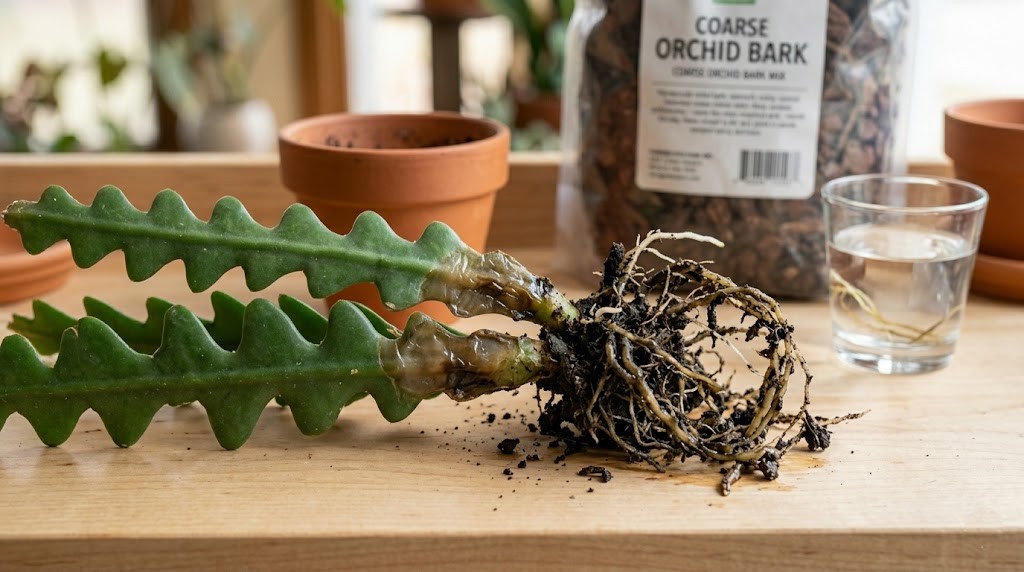
If you notice the base of your cactus turning brown, slimy, or black, you are dealing with advanced root rot. Immediate action is required to save the plant:
-
Unpot the Plant: Gently remove the cactus from its container and shake away all old, soggy soil.
-
Inspect and Trim: Inspect the root system. Healthy roots are firm and light-colored; rotted roots look black, stringy, and feel mushy. Use sterilized shears to cut away every trace of rotted root and mushy stem tissue.
-
Sanitize: Dip the remaining healthy root base into a mixture of 1 part 3% hydrogen peroxide to 2 parts water to eliminate any remaining fungal spores.
-
Repot: Let the plant dry out for 24 hours, then repot it into a brand-new container with a freshly mixed, hyper-draining chunky substrate. Hold off on watering for the first week to allow the roots time to heal.
The Holy Grail: How to Make a Ric Rac Cactus Bloom
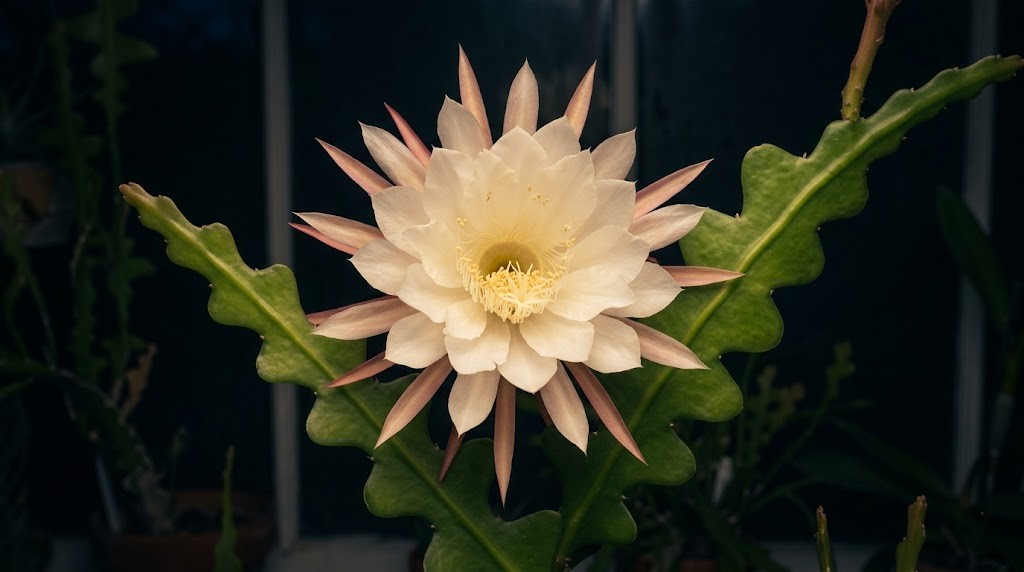
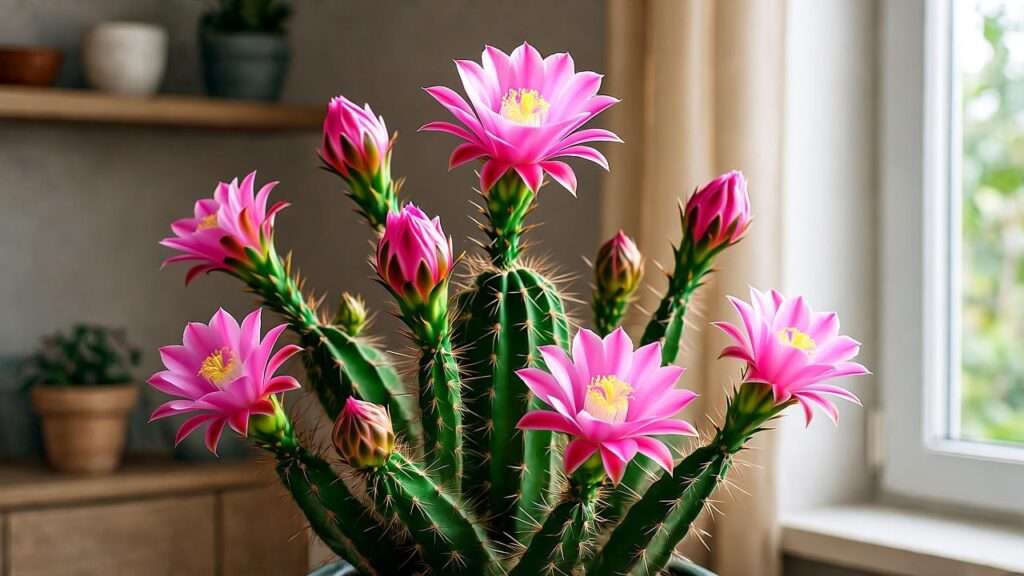
While the foliage of Disocactus anguliger is spectacular on its own, the ultimate achievement for any indoor grower is witnessing it bloom. The flowers are massive, intensely fragrant, and feature a stunning palette of creamy white and pale pink petals.
The Rarity of the Bloom
Growing a bloom indoors requires patience and precision. The flowers are strictly nocturnal; they open late in the evening and wither away completely by the time the morning sun rises. Their fragrance is intoxicating, often filling an entire room with a sweet, vanilla-like scent for that single, magical night. A plant typically needs to be at least 3 to 4 years old and well-established before it has the energetic capacity to produce buds.
Triggering Blooms with Winter Shock Tactics
To coax your mature ric rac cactus into blooming during late spring or summer, you must replicate the environmental shifts of its native Mexican habitat. Implement these specific adjustments beginning in late November and maintain them through January:
-
Cool Night Temperatures: Move the plant to a cooler location where night temperatures consistently drop between 50°F and 55°F (10°C to 13°C). A cool basement, a sunroom, or close to a chilly windowpane works perfectly.
-
Enforce Strict Drought: Cut back watering drastically. Only give the plant small sips of water once every 4 to 6 weeks—just enough to keep the main fronds from entirely wrinkling up.
-
Uninterrupted Darkness: Ensure the plant experiences true, deep darkness for at least 12 to 14 hours every night. Artificial indoor lights left on late into the evening can disrupt the plant’s hormonal blooming triggers.
In February, return the plant to its warm, bright location and resume your normal “drench and drain” watering schedule. If successful, you will notice tiny, fuzzy red buds forming deep within the serrated grooves of the fronds by mid-spring.
Frequently Asked Questions (FAQ)
Is the ric rac cactus toxic to pets?
No, the ric rac cactus (Disocactus anguliger) is completely non-toxic to both cats and dogs, as certified by the ASPCA. It is an excellent choice for pet owners who want to add dramatic, structural greenery to their homes without worrying about their curious furry friends.
How fast does a ric rac cactus grow?
When provided with bright, indirect light and a regular watering schedule during the spring and summer, this plant is a remarkably fast grower compared to desert cacti. Individual fronds can easily grow 12 to 18 inches in a single season, quickly creating a beautiful trailing effect in hanging baskets.
Why are the tips of my fishbone cactus turning brown and crispy?
Crispy brown tips are usually caused by a severe lack of ambient humidity or the buildup of harsh minerals (like fluoride and chlorine) found in tap water. Try raising the humidity around the plant and switch to watering with distilled water, rainwater, or filtered tap water that has sat out open for 24 hours.
Can I put my ric rac cactus outside for the summer?
Absolutely! Moving your plant outdoors for the summer can trigger a massive growth spurt. Wait until night temperatures stay consistently above 55°F (13°C). Place the plant in a fully shaded area, such as under a covered patio or beneath a dense tree canopy. Never place it in direct, unfiltered afternoon sunlight, as it will burn rapidly outdoors.
Conclusion & Reader Community Hook
Mastering the care of a ric rac cactus plant comes down to honoring its rich, tropical forest origins. By walking away from traditional desert rules, embracing a highly aerated, chunky soil blend, and ensuring it receives plenty of bright, indirect light, you can easily maintain those iconic, thick, deeply lobed zigzag fronds.
Every specimen develops its own unique personality over time, cascading into beautiful living sculptures that transform indoor environments. How long have you been growing your ric rac cactus, and have you been lucky enough to experience its rare, single-night bloom? Share your stories, propagation updates, and questions in the comments below to join our growing community of indoor jungle enthusiasts!