Is your centipede grass looking pale, patchy, or just not thriving the way it should? You’re not alone. Many homeowners unknowingly damage their lawns by using the wrong fertilizer—especially products with too much nitrogen, which can weaken centipede grass instead of helping it grow.
If you’ve been searching for the best 10 fertilizer for centipede grass, you’re already on the right track. Choosing the right fertilizer isn’t just about greener grass—it’s about building stronger roots, preventing disease, and maintaining a low-maintenance lawn that actually lasts.
Here’s the problem: centipede grass is often called the “lazy man’s grass,” but that doesn’t mean it can survive just anything. In fact, using the wrong fertilizer can lead to yellowing, thinning, and long-term damage that’s expensive to fix. Most generic lawn fertilizers simply don’t meet its unique needs.
That’s why we created this guide. We’ve carefully analyzed top-rated products from Amazon, real customer reviews, and current lawn care trends to bring you the best 10 fertilizer for centipede grass available today. Whether you’re looking for fast greening, organic options, or long-lasting results, this guide will help you make a confident, informed decision.
By the end of this article, you’ll know exactly which fertilizer to choose—and how to use it to transform your lawn into a lush, healthy green space.
Why Centipede Grass Needs a Special Fertilizer
Centipede grass is very different from other lawn types, and treating it the same way is one of the biggest mistakes homeowners make.
Here’s what makes it unique:
- Low Nitrogen Requirement: Unlike Bermuda or St. Augustine grass, centipede grass thrives on low nitrogen. Too much nitrogen can cause excessive growth and weaken roots.
- Prefers Acidic Soil: It grows best in soil with a pH between 5.0 and 6.0.
- Needs Iron for Color: Iron is essential to maintain that deep green color without overfeeding nitrogen.
- Slow Growth Habit: It doesn’t need frequent fertilization like other grasses.
Because of these characteristics, choosing the best 10 fertilizer for centipede grass is crucial if you want long-term lawn health rather than short-term results.
Quick Comparison Table
| Product Name | Best For | Price Range |
|---|---|---|
| Simple Lawn Solutions 15-0-15 | Fast greening (liquid) | $25–$35 |
| Ferti-Lome 15-0-15 | Long-term feeding | $30–$45 |
| Safer Brand Organic | Organic lawns | $20–$30 |
| Scotts Turf Builder Southern | Heat resistance | $25–$50 |
| Ferti-Lome Weed & Feed | Weed control + feeding | $35–$55 |
| Simple Lawn Solutions 16-4-8 | Lawn recovery | $30–$40 |
| Andersons PGF Complete | Premium nutrients | $50–$70 |
| Milorganite Organic | Slow-release organic | $15–$25 |
| LawnStar 15-0-15 | Budget liquid option | $20–$30 |
| GreenView Fairway Formula | Balanced feeding | $30–$50 |
The Best 10 Fertilizers for Centipede Grass
1. Simple Lawn Solutions 15-0-15 Liquid Fertilizer
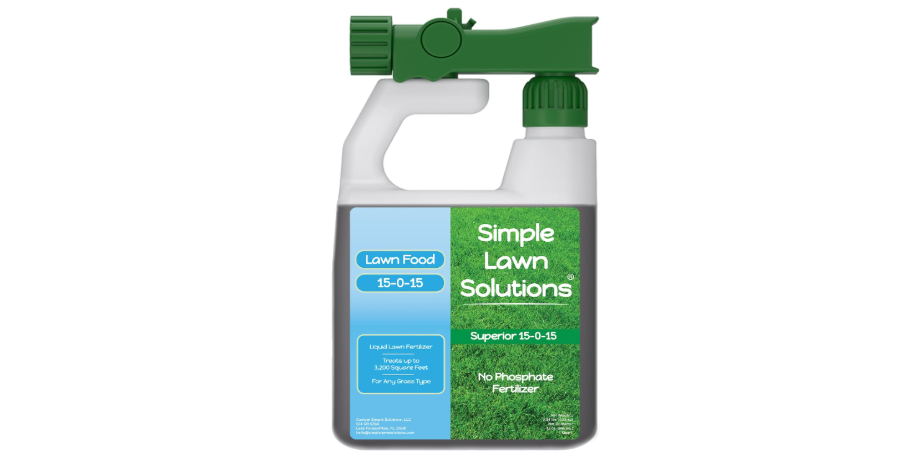
Price: $24.77
Rating: 4.5/5
Overview
This liquid fertilizer is one of the most popular choices for homeowners who want fast, visible results without the risk of over-fertilizing. Its balanced 15-0-15 formula is ideal for centipede grass, delivering nutrients directly through the leaves for rapid absorption.
Key Features and Benefits
- Balanced nitrogen and potassium ratio
- Includes seaweed and fish-based nutrients
- Contains humic acid for soil health
- Easy hose-end spray application
Pros
- Quick greening results
- Easy to apply for beginners
- Improves soil biology
Cons
- Requires more frequent applications
- Slightly more expensive per application
Why It’s a Good Choice
It provides immediate results while still being safe for centipede grass’s low-nitrogen needs.
Ideal Use Case
Perfect for homeowners who want quick improvement in lawn color and health without complex application methods.
2. Ferti-Lome Centipede Lawn Fertilizer 15-0-15
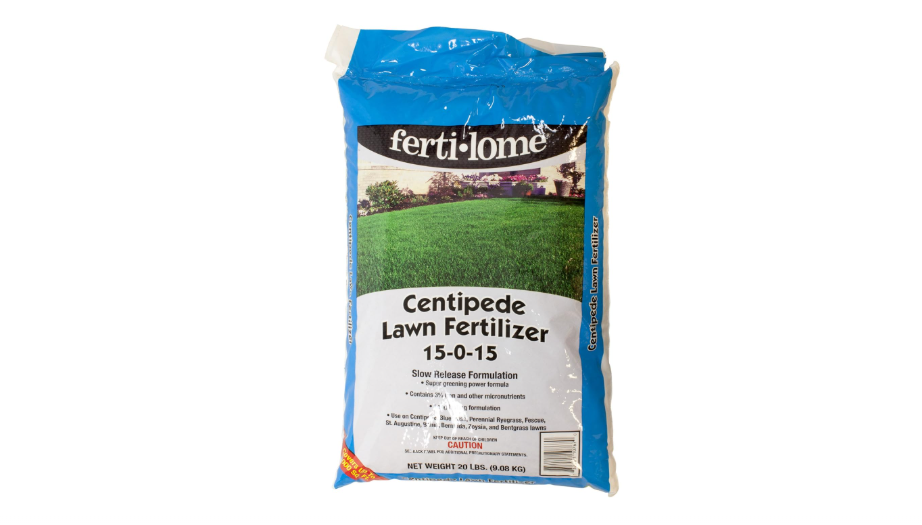
Price: $62.99
Rating: 4.6/5
Overview
Specifically formulated for centipede grass, this granular fertilizer delivers slow-release nutrients that support steady growth and long-term lawn health.
Key Features and Benefits
- Slow-release nitrogen for sustained feeding
- Added iron for deep green color
- Designed specifically for southern lawns
Pros
- Long-lasting results
- Prevents nutrient burn
- Improves lawn density
Cons
- Slower visible results than liquid fertilizers
- Requires spreader for application
Why It’s a Good Choice
Its targeted formula ensures your lawn gets exactly what it needs without the risk of overfeeding.
Ideal Use Case
Best for homeowners with medium to large lawns who prefer low-maintenance fertilization.
3. Safer Brand Lawn Restore Organic Fertilizer
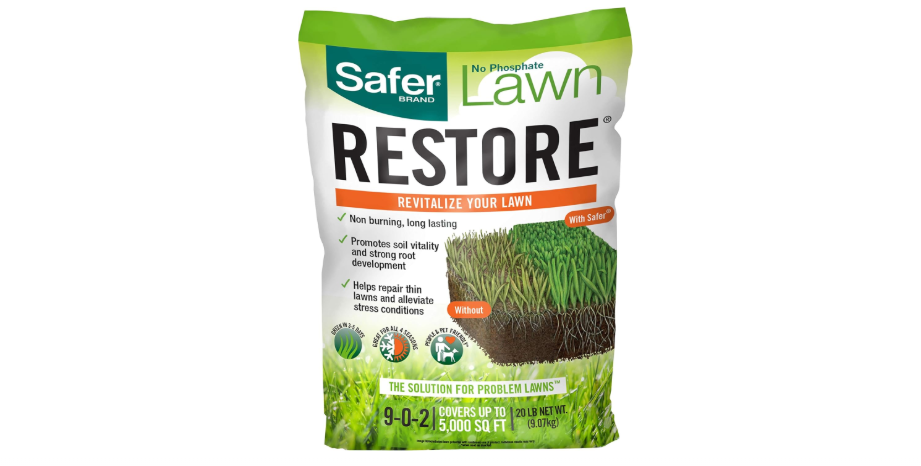
Price: $58.81
Rating: 4.4/5
Overview
An excellent organic option, this fertilizer uses natural ingredients to feed your lawn while improving soil structure and microbial activity.
Key Features and Benefits
- OMRI-listed organic formula
- Improves soil health naturally
- Safe for pets and children
Pros
- Environmentally friendly
- Enhances soil biology
- No risk of chemical burn
Cons
- Slower results
- Requires consistent use
Why It’s a Good Choice
Ideal for those who want a safe, sustainable lawn care approach.
Ideal Use Case
Best for eco-conscious homeowners and families with pets.
4. Scotts Turf Builder Southern Lawn Food
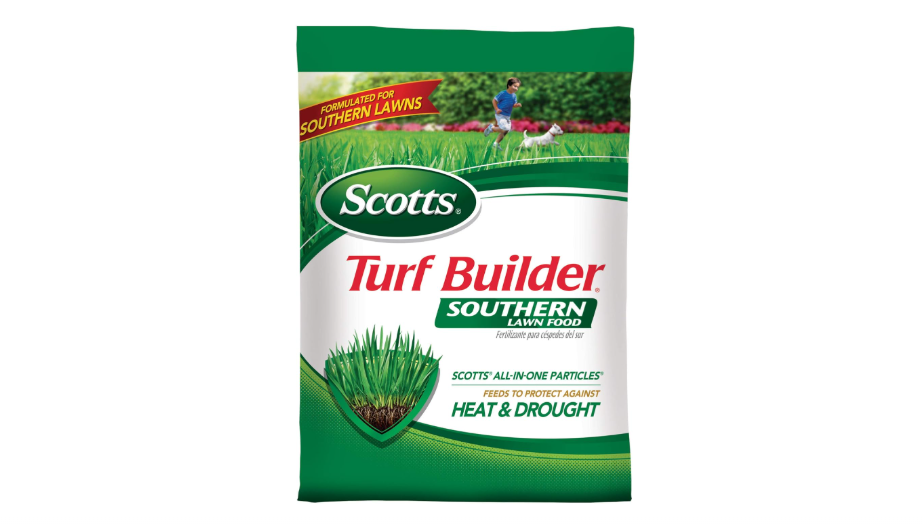
Price: $40.49
Rating: 4.7/5
Overview
A trusted brand, Scotts offers a fertilizer designed specifically for southern grasses, including centipede grass, with added protection against heat stress.
Key Features and Benefits
- Heat and drought resistance formula
- Feeds for up to 3 months
- Improves root strength
Pros
- Widely available
- Reliable performance
- Long-lasting feeding
Cons
- Slightly higher nitrogen than ideal
- Not organic
Why It’s a Good Choice
Great for maintaining lawns during hot summer months.
Ideal Use Case
Homeowners in warmer climates dealing with heat stress.
5. Ferti-Lome Weed & Feed 15-0-15
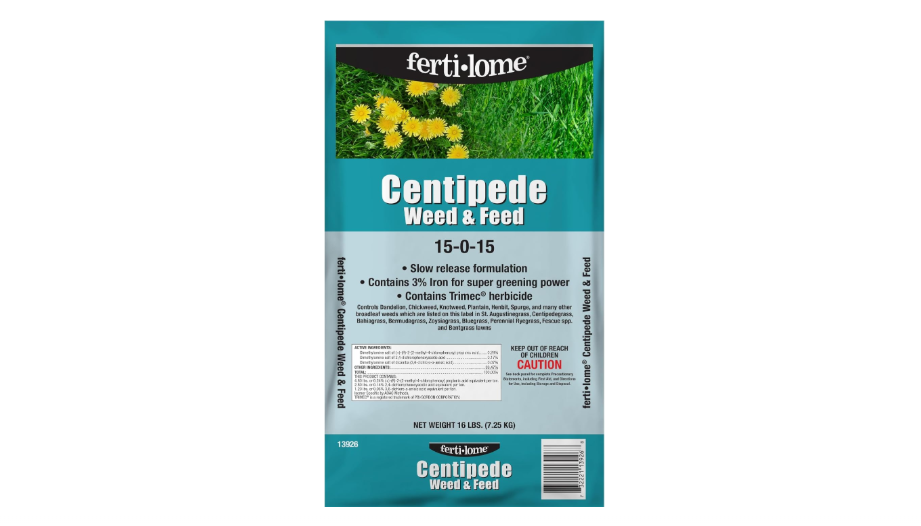
Price: $44.97
Rating: 4.5/5
Overview
This dual-purpose product combines fertilization with weed control, saving time and effort while improving lawn health.
Key Features and Benefits
- Controls common lawn weeds
- Balanced fertilizer ratio
- Long-lasting results
Pros
- Saves time with dual action
- Improves lawn appearance quickly
- Effective weed control
Cons
- Not suitable for all weed types
- Requires careful application timing
Why It’s a Good Choice
Perfect for homeowners dealing with both poor lawn health and weed problems.
Ideal Use Case
Lawns with moderate weed infestation needing quick recovery.
6. Simple Lawn Solutions Advanced 16-4-8
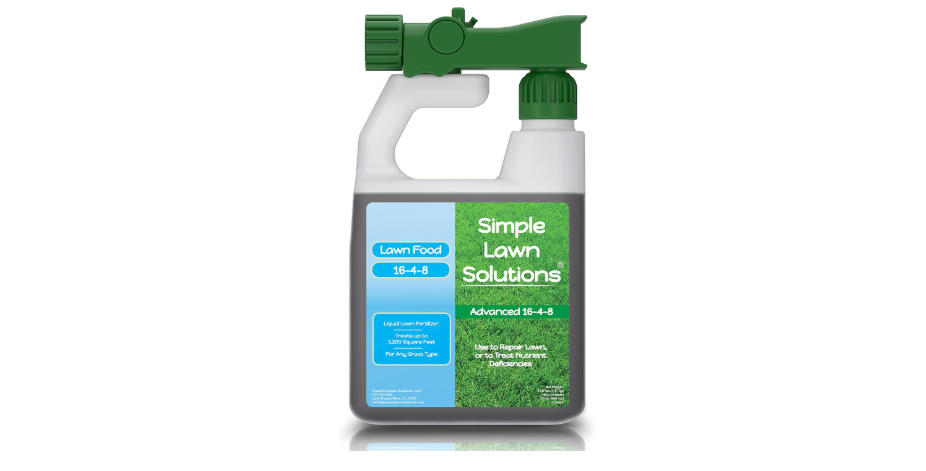
Price: $23.77
Rating: 4.6/5
Overview
This slightly higher nitrogen formula is designed for lawns that need recovery or a stronger growth boost.
Key Features and Benefits
- Includes micronutrients and seaweed
- Boosts lawn recovery
- Liquid application for fast results
Pros
- Excellent for damaged lawns
- Fast absorption
- Easy application
Cons
- Higher nitrogen than standard centipede needs
- Requires careful use
Why It’s a Good Choice
Great for revitalizing struggling lawns when used properly.
Ideal Use Case
Lawns recovering from stress, pests, or poor maintenance.
7. The Andersons PGF Complete 16-4-8 Fertilizer
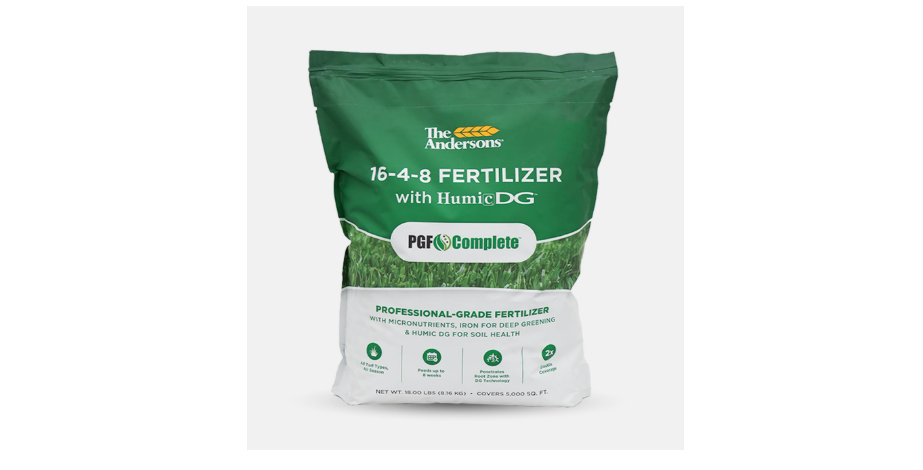
Price: $59.88
Rating: 4.6/5 (6,000+ reviews)
Overview
The Andersons PGF Complete is a premium, professional-grade fertilizer designed for homeowners who want golf-course-level results. It features a balanced 16-4-8 formula along with micronutrients and humic acid for superior soil performance.
Key Features and Benefits
- Contains humic DG technology for better nutrient absorption
- Includes micronutrients like iron, manganese, and zinc
- Small particle size ensures even distribution
- Covers up to 5,000 sq. ft.
Pros
- Excellent nutrient efficiency
- Improves soil structure over time
- Highly consistent application
Cons
- Higher price point
- Slightly higher nitrogen than ideal for centipede grass
Why It’s a Good Choice
It delivers professional-level results, making it one of the most advanced options for improving lawn health and density.
Ideal Use Case
Best for homeowners who want premium results and are willing to invest in long-term lawn improvement.
8. Milorganite Organic Nitrogen Fertilizer
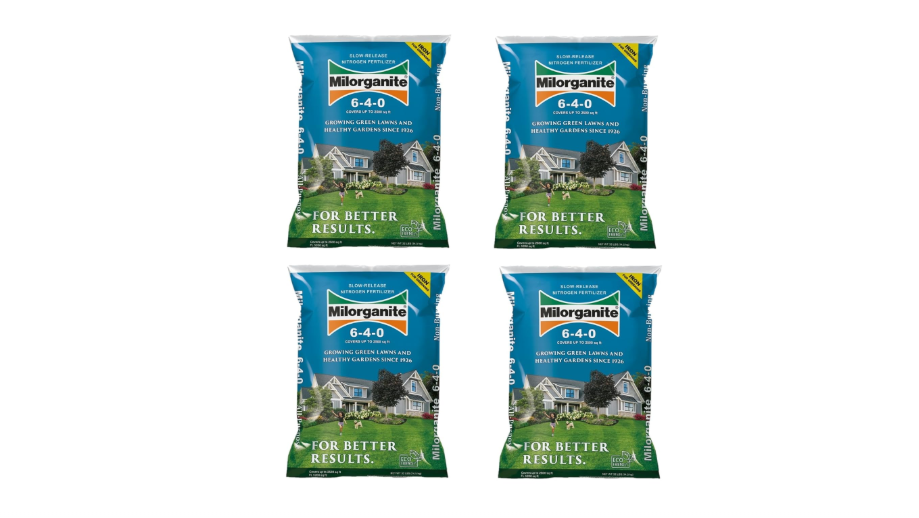
Price: $129.99
Rating: 4.6/5
Overview
Milorganite is one of the most trusted organic fertilizers in the market. It provides slow-release nitrogen and iron, making it a safe and effective option for centipede grass when applied correctly.
Key Features and Benefits
- Slow-release organic nitrogen
- High iron content for deep green color
- Non-burning formula
- Improves soil microbes
Pros
- Very safe and beginner-friendly
- Long-lasting feeding
- Budget-friendly
Cons
- Strong odor
- Lower nutrient concentration
Why It’s a Good Choice
It offers consistent, safe feeding without the risk of over-fertilization—perfect for centipede grass’s low-nutrient needs.
Ideal Use Case
Ideal for organic lawn care enthusiasts and low-maintenance feeding schedules.
9. LawnStar 15-0-15 Liquid Fertilizer
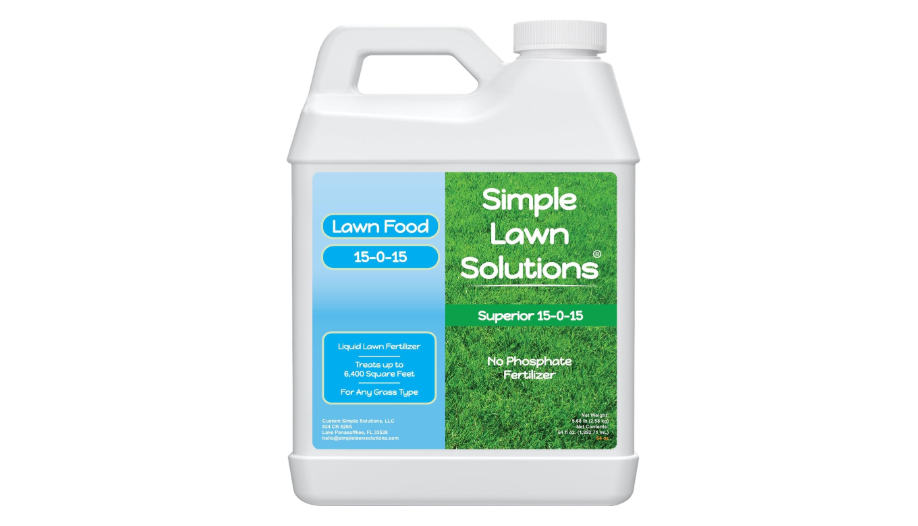
Price: $36.77
Rating: 4.4/5
Overview
LawnStar offers a budget-friendly liquid fertilizer with a centipede-friendly 15-0-15 ratio. It’s designed for quick absorption and noticeable results within days.
Key Features and Benefits
- Balanced NPK ratio for centipede lawns
- Liquid application for fast results
- Includes micronutrients
Pros
- Affordable option
- Fast greening effect
- Easy to apply
Cons
- Requires frequent application
- Not as long-lasting as granular fertilizers
Why It’s a Good Choice
It’s one of the best value options for homeowners who want fast results without spending too much.
Ideal Use Case
Perfect for small lawns and budget-conscious users.
10. GreenView Fairway Formula Fertilizer
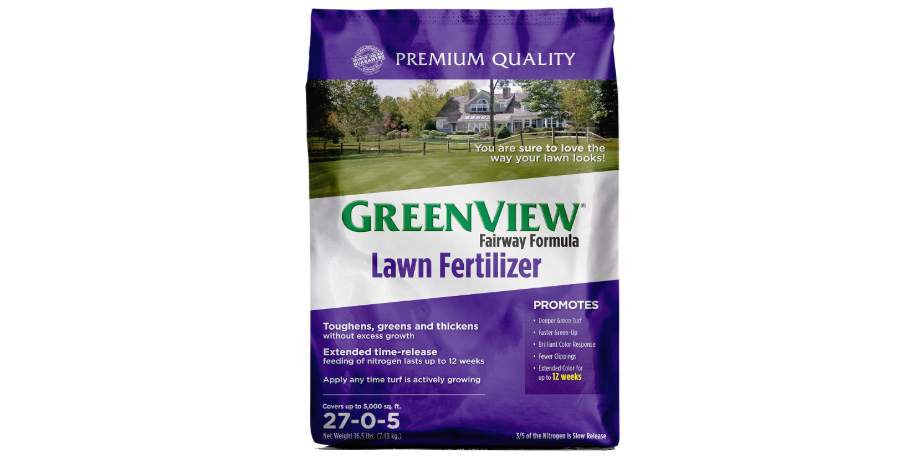
Price: $23.95
Rating: 4.2/5
Overview
GreenView Fairway Formula is designed to deliver professional-grade results with added weed prevention and micronutrients.
Key Features and Benefits
- Includes iron for enhanced color
- Provides weed and crabgrass control
- Slow-release feeding
Pros
- Multi-purpose formula
- Improves lawn density
- Long-lasting performance
Cons
- Not fully organic
- Slightly complex application timing
Why It’s a Good Choice
It combines fertilization with weed prevention, making it highly efficient for lawn care.
Ideal Use Case
Best for homeowners who want a cleaner lawn with fewer weeds and strong growth.
How to Choose the Best Fertilizer for Centipede Grass
Choosing the right fertilizer is critical because centipede grass has very specific nutrient needs.
1. Understand the NPK Ratio
Centipede grass performs best with:
- Low nitrogen
- No or very low phosphorus
- Moderate potassium
2. Liquid vs Granular Fertilizer
Liquid Fertilizer
- Fast absorption
- Quick results
- Needs frequent application
Granular Fertilizer
- Slow-release nutrients
- Long-lasting feeding
- Requires spreader
3. Organic vs Synthetic
Organic
- Safer for soil and environment
- Improves soil health
- Slower results
Synthetic
- Faster visible results
- More precise nutrient control
4. Soil Condition Matters
Before choosing a fertilizer:
- Test your soil pH
- Identify nutrient deficiencies
Centipede grass thrives in slightly acidic soil, so the wrong fertilizer can disrupt its growth.
5. Seasonal Application
- Spring: Light feeding for growth
- Summer: Maintenance feeding
- Fall: Potassium boost for root strength
Common Mistakes to Avoid
Avoiding these mistakes can save your lawn:
- Over-fertilizing (most common issue)
- Using high-nitrogen fertilizers
- Ignoring soil pH levels
- Applying fertilizer during dormancy
- Not watering after application
Best Fertilizer Schedule for Centipede Grass
Early Spring
- Apply light fertilizer after green-up
Late Spring
- Use balanced fertilizer (15-0-15)
Summer
- Apply minimal fertilizer if needed
Early Fall
- Apply potassium-rich fertilizer
Winter
- Avoid fertilization
Conclusion
Choosing the best 10 fertilizer for centipede grass isn’t just about picking a popular product—it’s about understanding what your lawn truly needs and matching it with the right solution.
Centipede grass is unique. It thrives on low nitrogen, balanced nutrients, and proper timing, and using the wrong fertilizer can do more harm than good. In fact, experts consistently recommend formulas like 15-0-15 with added iron, as they promote healthy growth without overstimulating the grass . The goal isn’t rapid growth—it’s steady, sustainable lawn health.