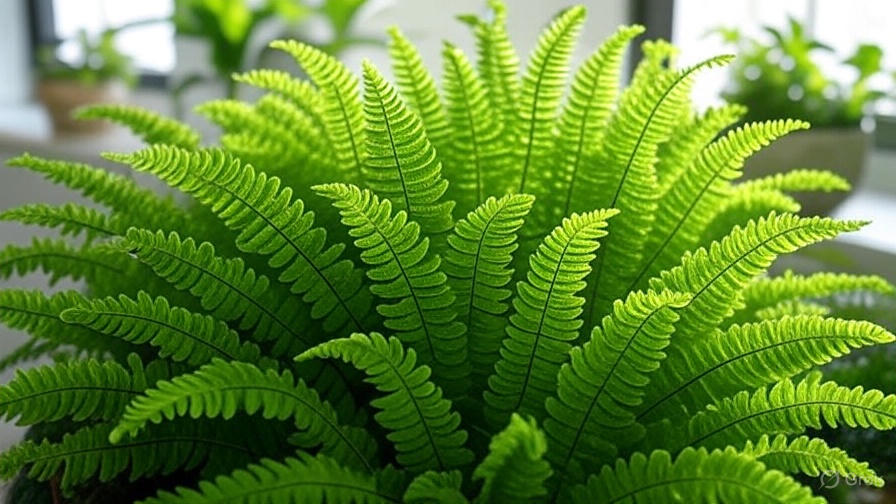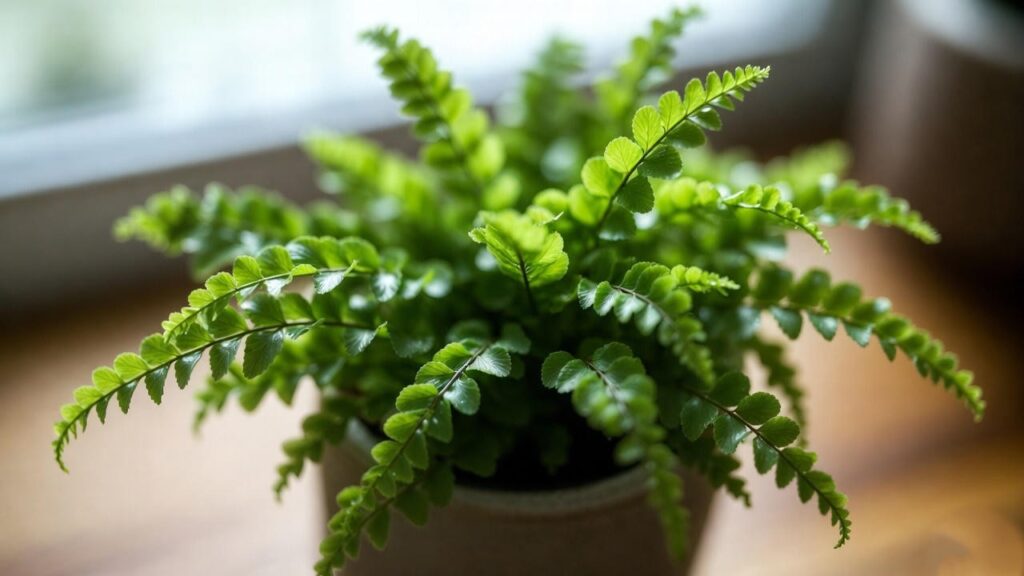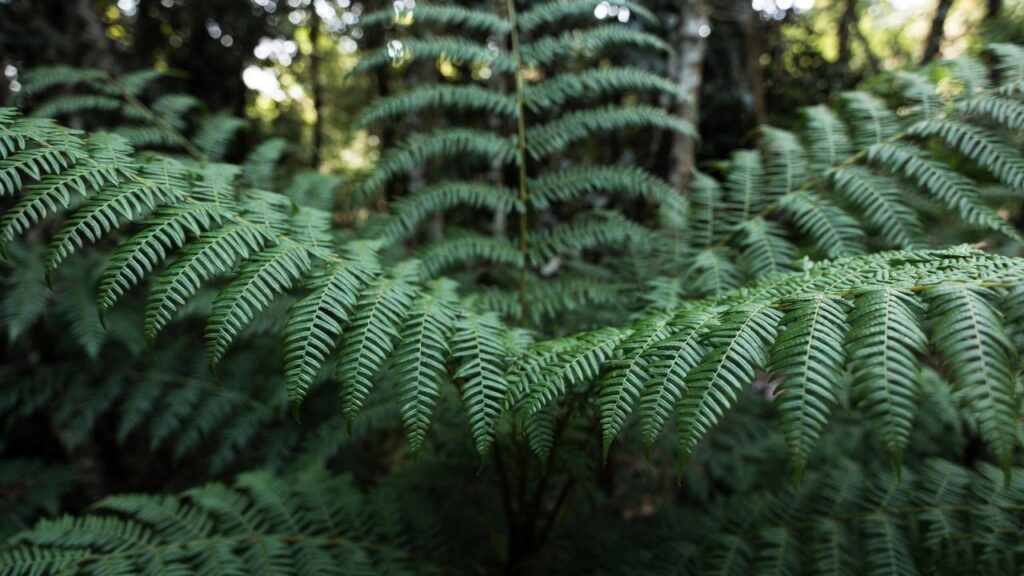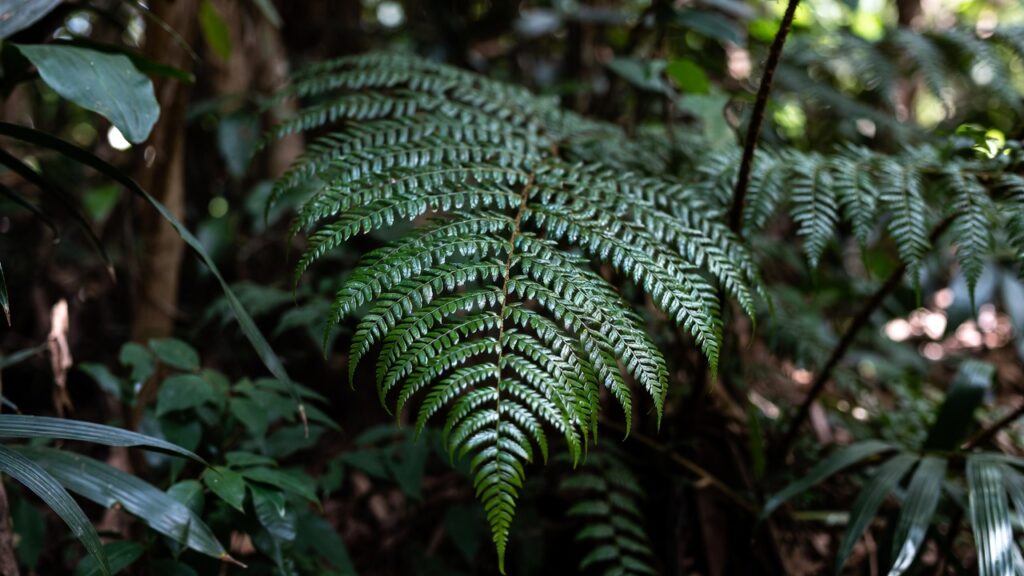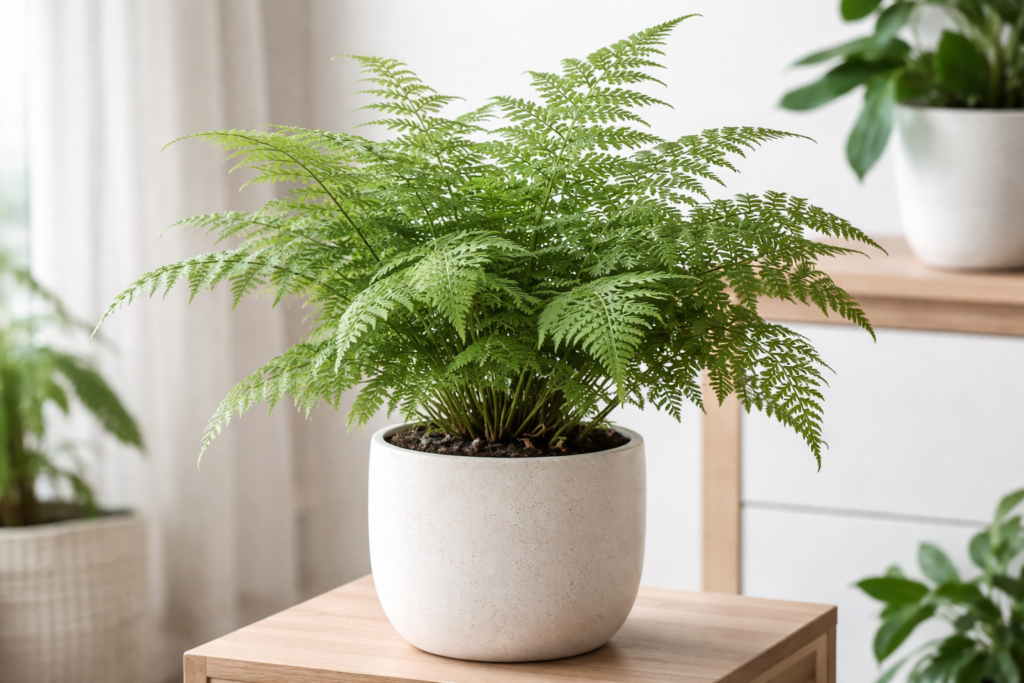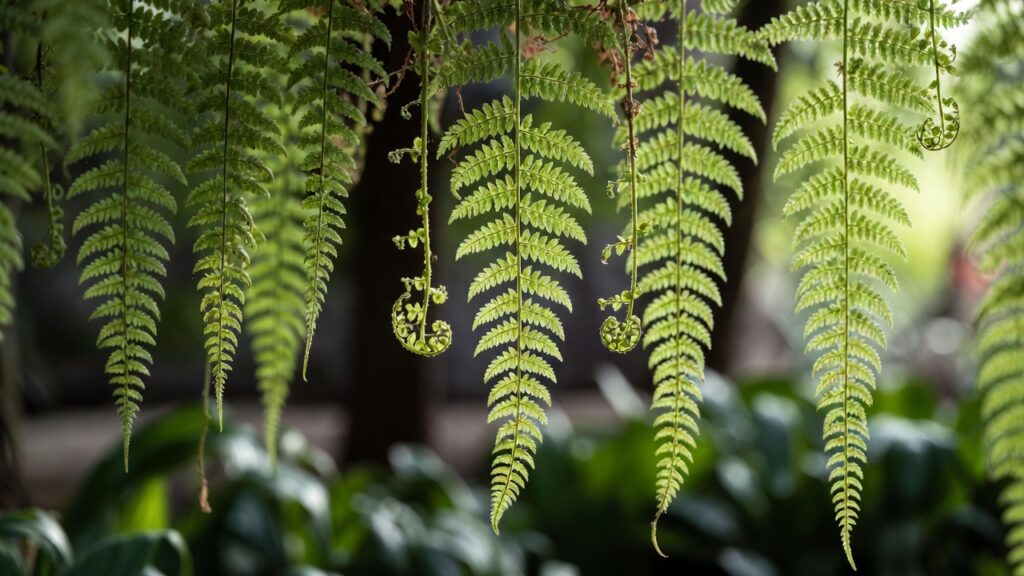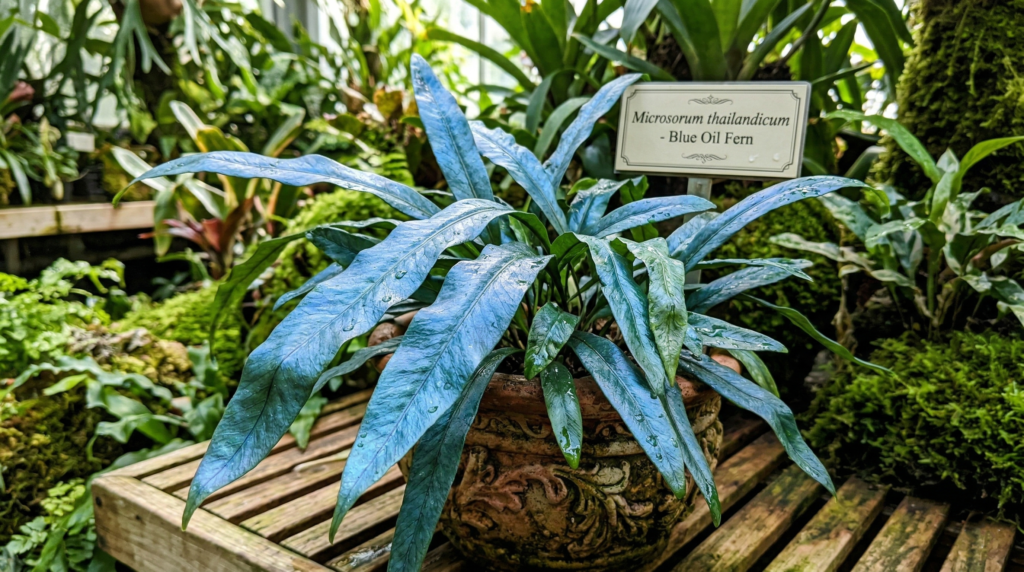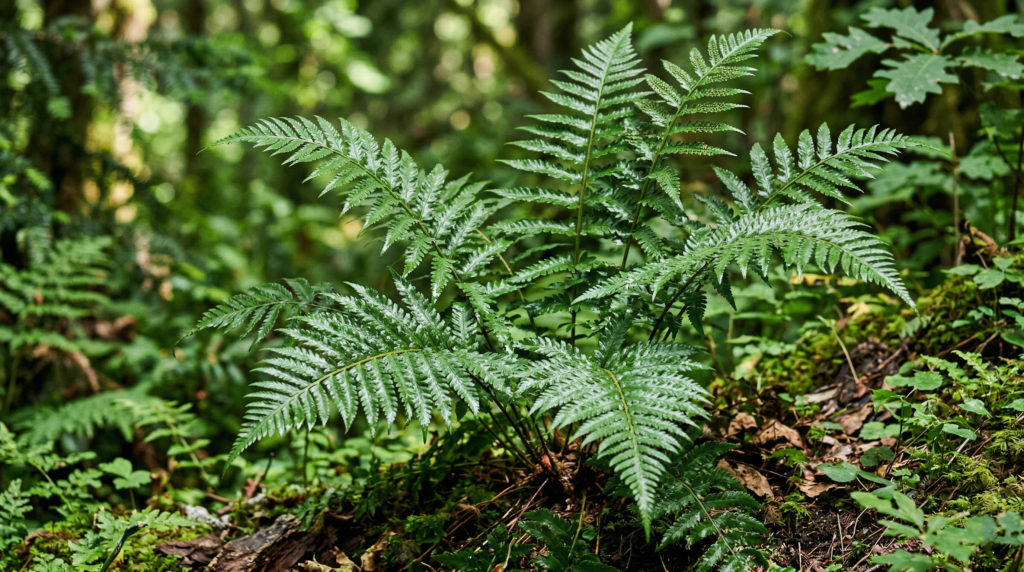
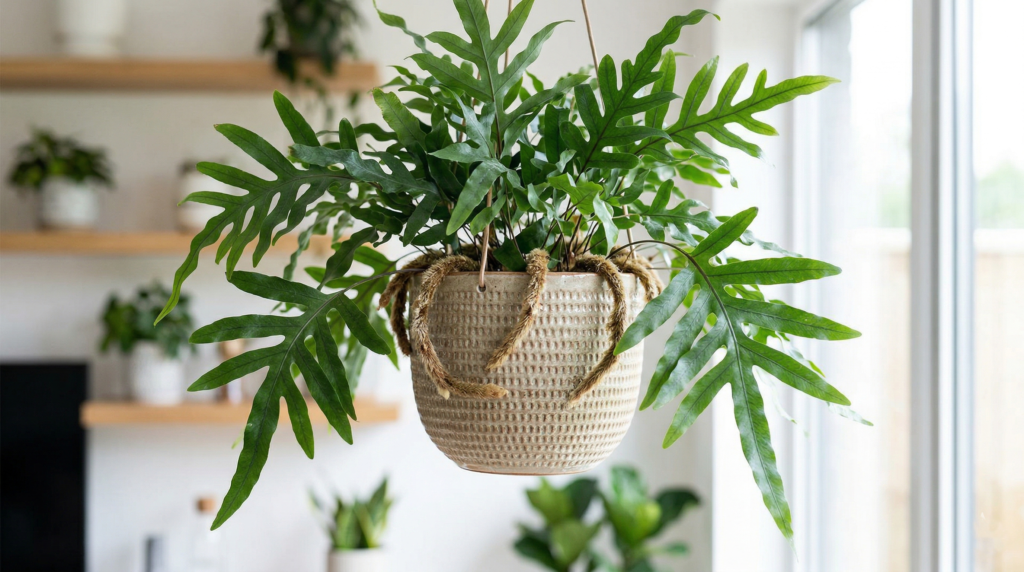
If your kangaroo fern looks dull, has yellowing leaves, or just refuses to grow, you’re not alone. This unique indoor plant is often labeled “easy-care,” yet many plant owners struggle to keep it lush and healthy.
The truth? Most people are following generic houseplant advice that doesn’t actually suit kangaroo fern care.
Unlike typical ferns, the kangaroo fern (Microsorum diversifolium) has its own personality—tolerant in some ways, but surprisingly sensitive in others. A few small mistakes—like overwatering or placing it in the wrong light—can quickly lead to poor growth.
In this expert guide, you’ll learn:
- Exactly how to care for a kangaroo fern indoors
- The most common mistakes (and how to avoid them)
- Proven tips to grow a fuller, healthier plant
By the end, you’ll have a simple, reliable care routine that works—even if you’re a beginner.
What Is a Kangaroo Fern? (Quick Overview for Beginners)
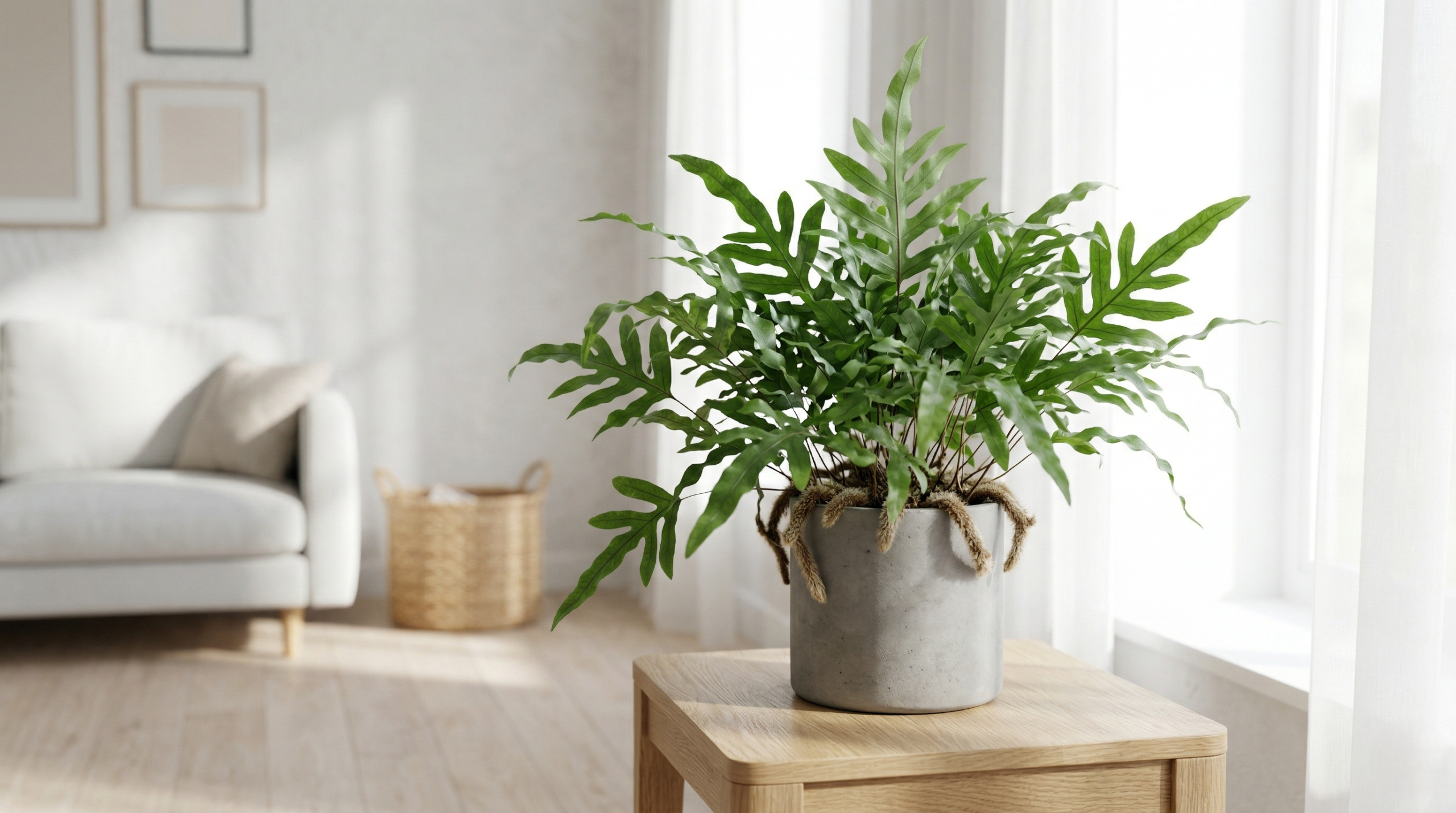
Botanical Background
- Scientific name: Microsorum diversifolium
- Native to: Australia and New Zealand
- Plant type: Epiphytic fern (often grows on trees in nature)
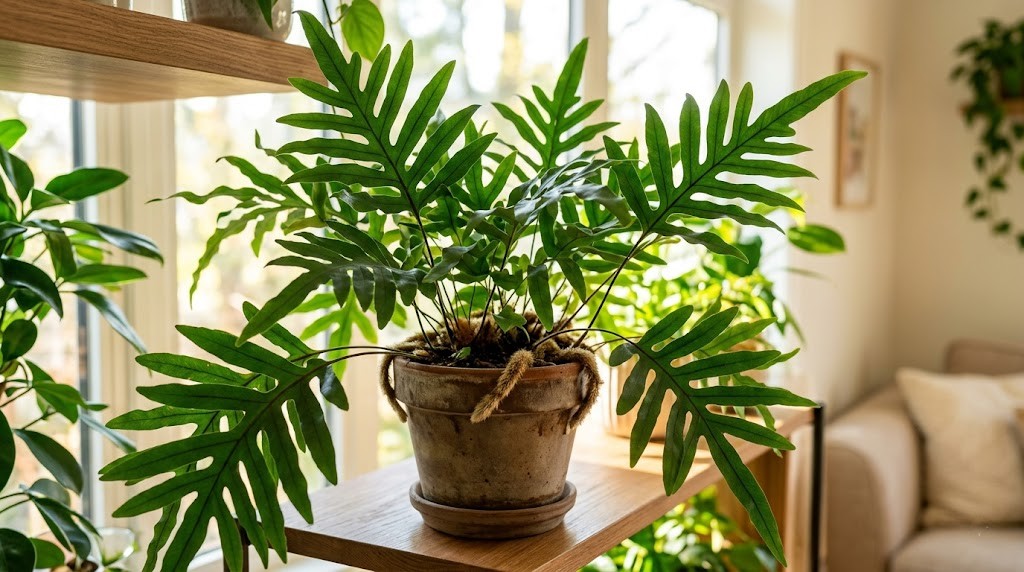
Unlike delicate ferns, the kangaroo fern has thick, leathery leaves that resemble a kangaroo’s paw—hence the name.
Why It’s Popular as an Indoor Plant
- Unique, sculptural foliage
- More forgiving than traditional ferns
- Adapts well to indoor environments
However, its semi-epiphytic nature means it prefers conditions slightly different from standard houseplants.
Kangaroo Fern Care Basics (At-a-Glance Guide)
Here’s a quick overview before we dive deeper:
| Care Factor | Ideal Condition |
|---|---|
| Light | Bright, indirect light |
| Water | Keep soil lightly moist (not soggy) |
| Soil | Well-draining, airy mix |
| Humidity | Moderate to high (50–70%) |
| Temperature | 18–27°C (65–80°F) |
| Fertilizer | Every 4–6 weeks (growing season) |
| Growth Rate | Moderate |
Light Requirements for Kangaroo Fern
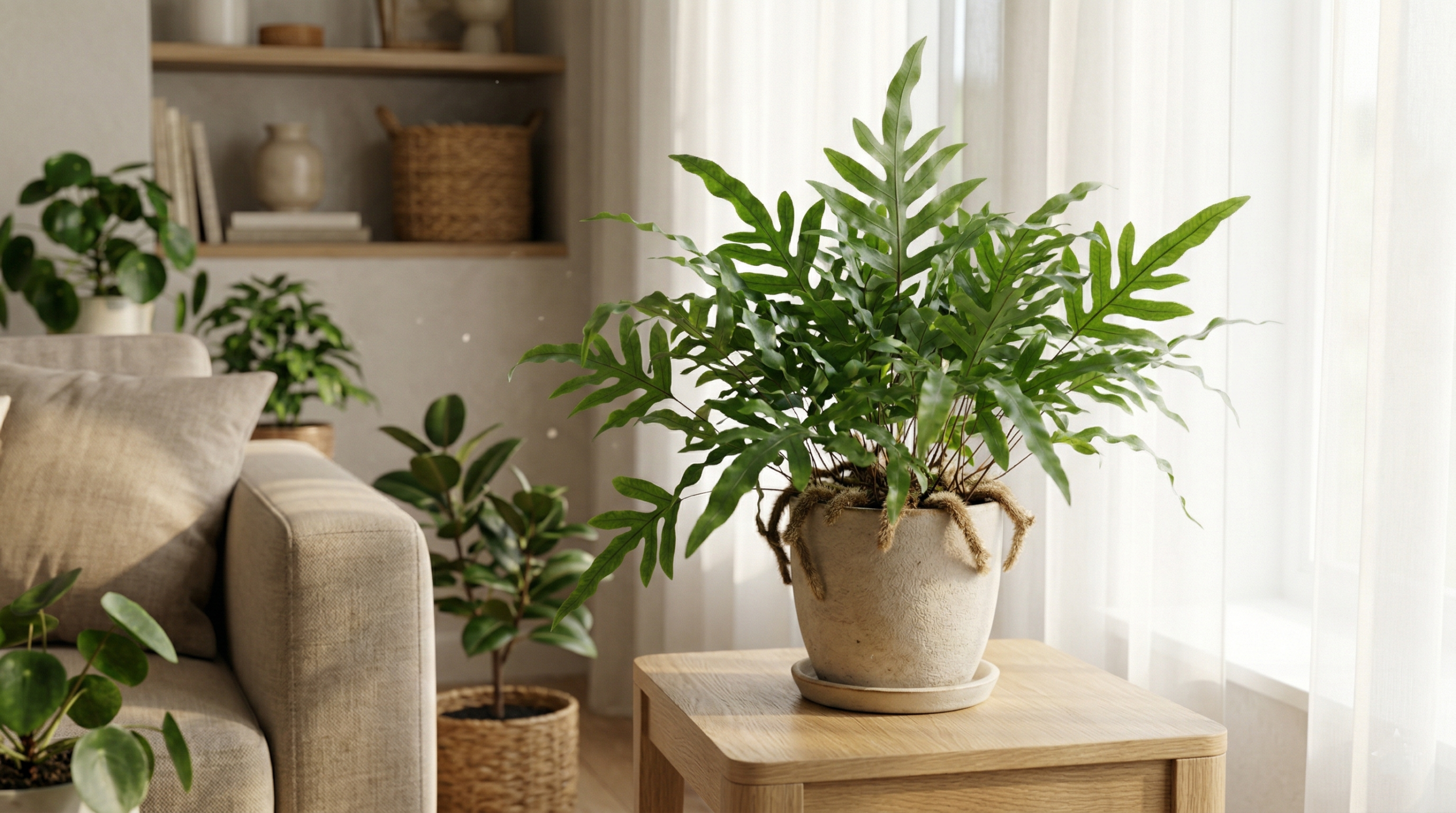
Ideal Indoor Lighting Conditions
Kangaroo ferns thrive in bright, indirect light. Think of the dappled sunlight they’d receive under a forest canopy.
- Near a north- or east-facing window is ideal
- Filtered light through curtains works well
They can tolerate low light, but growth will slow significantly.
Signs of Incorrect Lighting
- Too much light:
- Scorched or faded leaves
- Too little light:
- Sparse growth
- Smaller leaves
Best Placement in Your Home
- Living room corners with natural light
- Bedroom near a window
- Bathroom (if it has a window)
How to Water Kangaroo Fern Properly
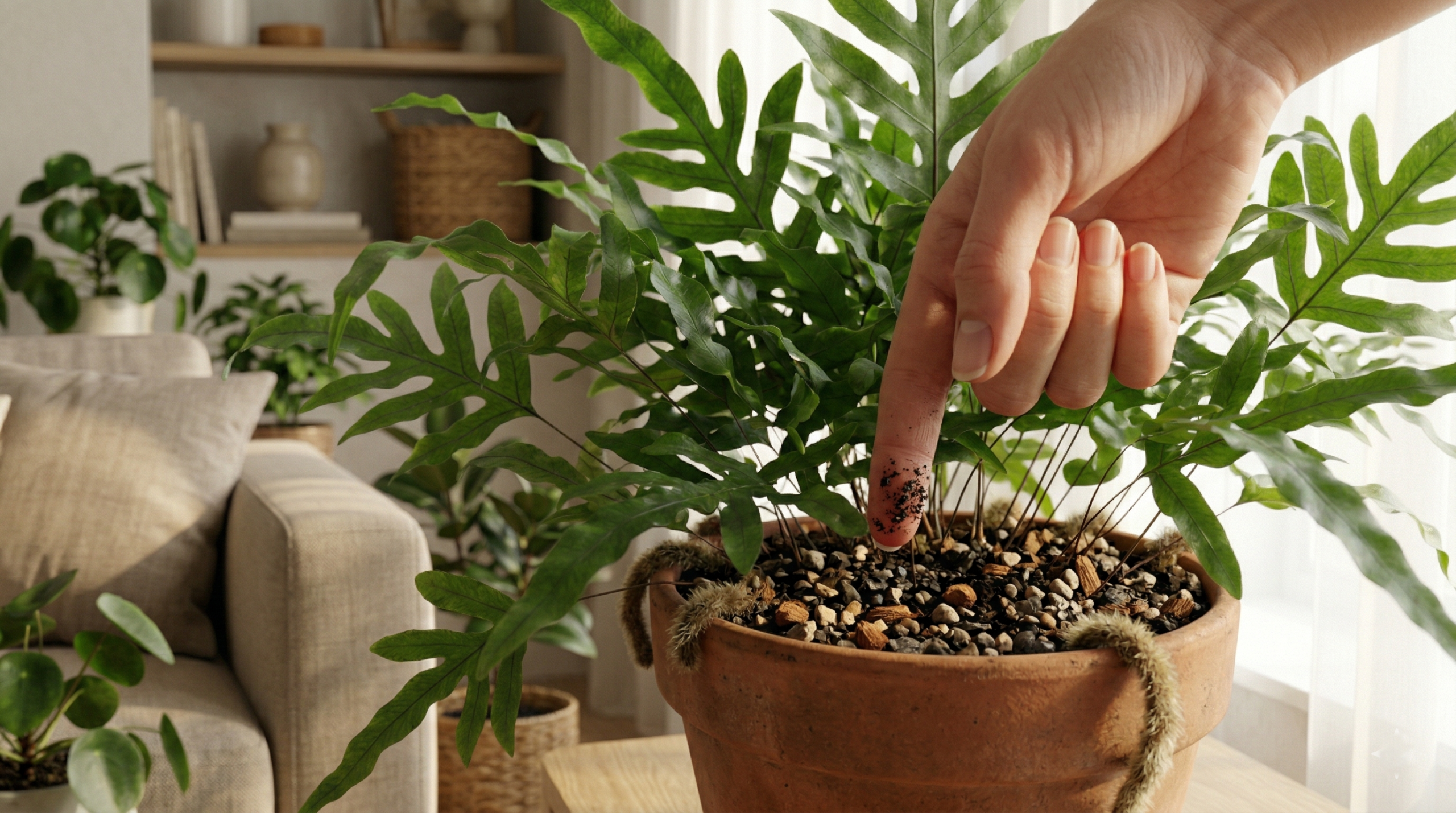
Watering is where most people go wrong.
Watering Schedule (Seasonal Adjustments)
- Spring & Summer: Water when the top 1–2 inches of soil are dry
- Fall & Winter: Reduce watering frequency
How to Check Soil Moisture Correctly
Forget strict schedules—always check the soil first:
- Insert your finger into the soil
- If it feels slightly dry on top but moist below → perfect time to water
Overwatering vs Underwatering Symptoms
Overwatering:
- Yellow leaves
- Mushy stems
- Root rot smell
Underwatering:
- Dry, crispy leaf edges
- Drooping leaves
Best Soil and Potting Mix for Kangaroo Fern
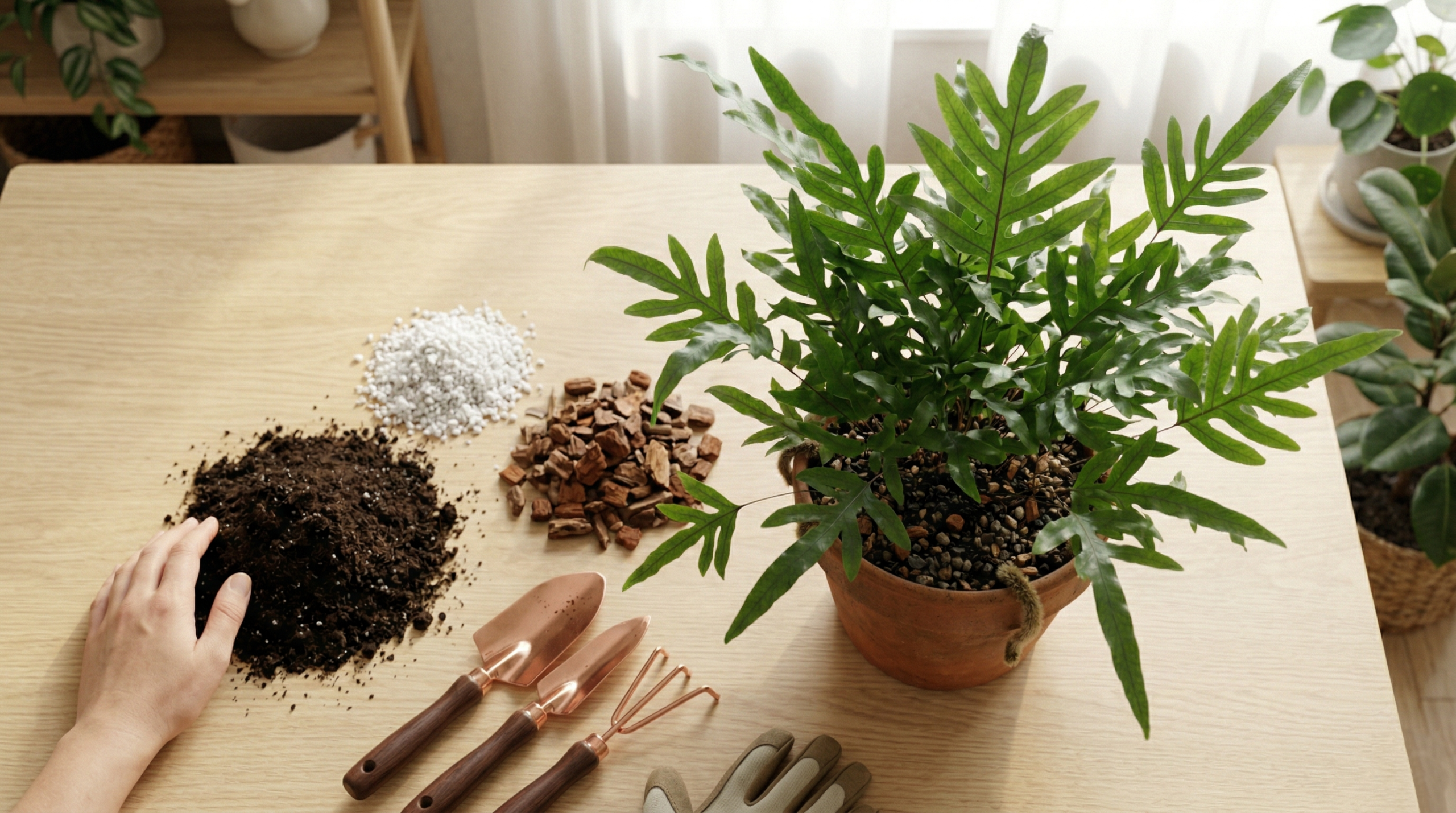
Ideal Soil Composition
Because it’s semi-epiphytic, this plant needs air around its roots.
Best mix:
- 50% potting soil
- 25% perlite
- 25% orchid bark or coco chips
This creates a light, breathable structure.
Importance of Drainage
Poor drainage is the #1 cause of plant death.
- Always use pots with drainage holes
- Avoid compact, heavy soils
Humidity and Temperature Needs
Ideal Humidity Levels
Kangaroo ferns love moderate to high humidity (50–70%).
Low humidity leads to:
- Brown leaf tips
- Slower growth
How to Increase Humidity Indoors
- Use a humidifier (most effective)
- Place a pebble tray under the pot
- Group plants together
Temperature Tolerance
- Ideal range: 18–27°C (65–80°F)
- Avoid:
- Cold drafts
- Sudden temperature changes
Fertilizing Your Kangaroo Fern
When and How Often to Fertilize
- Every 4–6 weeks during spring and summer
- Avoid fertilizing in winter
Best Type of Fertilizer
- Balanced liquid fertilizer (e.g., 10-10-10)
- Dilute to half strength
Common Fertilizing Mistakes
- Overfeeding → salt buildup
- Fertilizing dry soil → root burn
Pruning and Maintenance Tips
How to Prune for Healthy Growth
- Remove:
- Yellow leaves
- Damaged foliage
This helps redirect energy to healthy growth.
Cleaning the Leaves
Dust blocks light absorption.
- Wipe leaves gently with a damp cloth
- Avoid harsh sprays
Encouraging Fuller Growth
- Provide consistent light
- Prune regularly
- Maintain proper humidity
Common Kangaroo Fern Problems and How to Fix Them
Yellow Leaves
Causes:
- Overwatering
- Poor drainage
Solution:
- Let soil dry slightly
- Improve drainage
Brown Tips or Edges
Causes:
- Low humidity
- Irregular watering
Solution:
- Increase humidity
- Water consistently
Pests and Diseases
Common pests include:
- Spider mites
- Scale insects
Treatment:
- Neem oil spray
- Insecticidal soap
How to Propagate Kangaroo Fern (Step-by-Step)
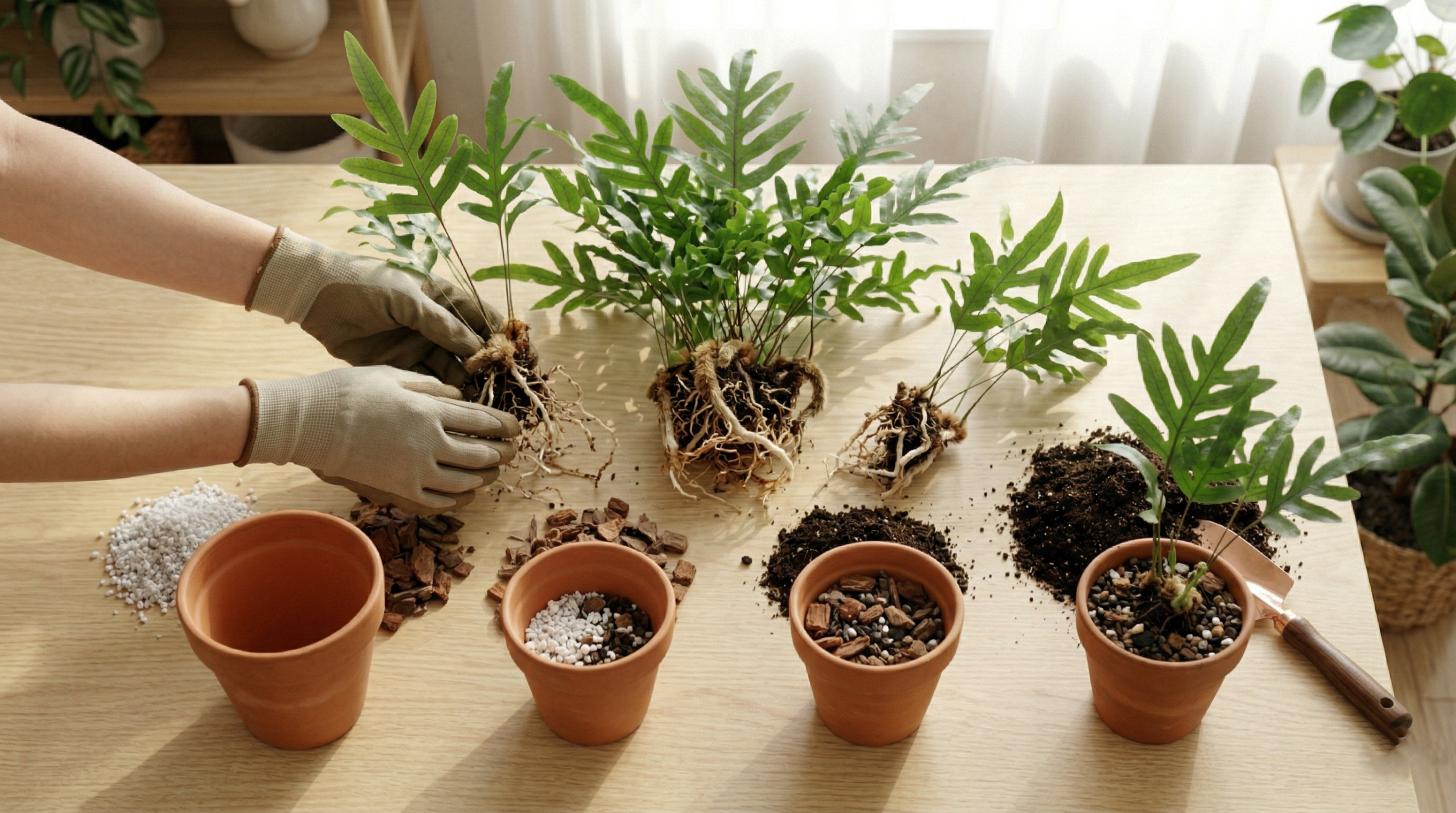
Division Method (Most Effective)
Best time: Spring or early summer
Steps:
- Remove plant from pot
- Gently separate root clumps
- Ensure each section has roots and leaves
- Replant in fresh soil
Aftercare for New Plants
- Keep soil lightly moist
- Avoid direct sunlight
- Maintain stable humidity
Repotting Kangaroo Fern
When to Repot
- Every 1–2 years
- Signs:
- Roots circling the pot
- Slowed growth
Step-by-Step Repotting Guide
- Choose a slightly larger pot
- Add fresh soil mix
- Gently loosen roots
- Replant and water lightly
Indoor Styling Tips: Where Kangaroo Fern Looks Best
Kangaroo ferns are incredibly versatile:
- Hanging baskets for a cascading look
- Shelves for a modern aesthetic
- Bathrooms (perfect humidity)
They add a natural, tropical vibe to any indoor space.
Expert Tips for Growing a Lush Kangaroo Fern
- Keep a consistent care routine
- Avoid sudden environmental changes
- Rotate the plant regularly
- Use filtered or rainwater if possible
- Don’t overcrowd the roots
Beginner Mistakes to Avoid (Critical Section)
Avoid these common pitfalls:
- Overwatering
- Using dense, compact soil
- Ignoring humidity needs
- Placing in direct sunlight
- Skipping drainage
Is Kangaroo Fern Safe for Pets and Kids?
Good news—kangaroo ferns are generally considered non-toxic to pets and humans.
However:
- Avoid ingestion
- Keep out of reach of curious pets
Frequently Asked Questions (FAQs)
Why is my kangaroo fern turning yellow?
Usually due to overwatering or poor drainage.
How fast does kangaroo fern grow?
It has a moderate growth rate, especially in ideal conditions.
Can kangaroo fern survive low light?
Yes, but growth will slow and become sparse.
Should I mist my kangaroo fern?
Misting helps slightly, but a humidifier is more effective.
How often should I repot kangaroo fern?
Every 1–2 years or when root-bound.
Final Thoughts: How to Keep Your Kangaroo Fern Thriving Year-Round
Caring for a kangaroo fern isn’t complicated—it just requires the right approach.
Focus on:
- Bright, indirect light
- Consistent (not excessive) watering
- Good humidity
- Well-draining soil
Once you get these basics right, your plant will reward you with lush, vibrant growth.