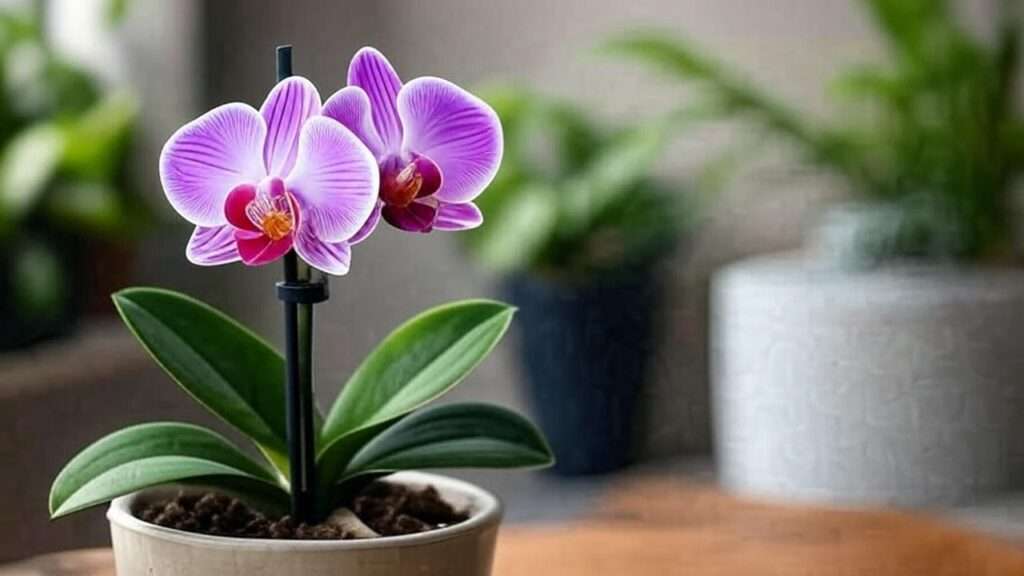

Orchids are among the most beautiful indoor plants, yet many growers experience the same frustrating problem: their orchid looks healthy, but it simply refuses to bloom again. Leaves remain green, roots seem stable, but the flowers never return. What many indoor gardeners don’t realize is that subtle care techniques can make a big difference — one of them is orchid massage.
The concept of orchid massage may sound unusual at first, but it refers to a gentle method of stimulating the plant’s root zone and surrounding growing medium to improve airflow, nutrient absorption, and overall plant vitality. When done correctly, this simple practice can help orchids develop stronger roots, reduce stress, and encourage more consistent flowering.
In this comprehensive guide, you’ll learn what orchid massage is, why it works from a plant science perspective, how to perform it safely, and when it can truly benefit your indoor orchids. Whether you’re a beginner orchid owner or a dedicated indoor plant enthusiast, understanding this technique can help you care for your orchids more effectively.
What Is Orchid Massage?

Definition of Orchid Massage
Orchid massage is a gentle plant-care technique that involves lightly stimulating the orchid’s root zone, potting medium, or surrounding pot structure to improve root aeration and reduce compaction. The process typically includes carefully loosening the growing media and applying slight pressure around the pot to create air pockets that allow roots to breathe more effectively.
Unlike repotting, which involves removing the orchid from its container, orchid massage is a non-invasive maintenance technique designed to support root health without disturbing the plant too much.
Indoor orchids, especially those grown in bark-based potting mixes, can sometimes experience compacted media over time. When this happens, roots may struggle to access oxygen and nutrients. Gentle stimulation can help restore balance.
Where the Concept Comes From
The idea behind orchid massage is closely related to several well-known horticultural practices. Professional growers often use methods such as:
- Root aeration
- Soil loosening
- Gentle plant stimulation
- Controlled airflow around root systems
These practices are based on the understanding that healthy roots require oxygen, moisture balance, and space to grow.
Orchid massage adapts these principles for home gardeners who grow orchids indoors, where airflow and environmental conditions are often more limited than in greenhouses.
Why Indoor Orchids Sometimes Need Extra Care
Growing orchids indoors can create challenges that don’t exist in natural environments. In the wild, many orchids grow as epiphytes, meaning they attach themselves to trees rather than grow in soil. Their roots are exposed to constant airflow and humidity.
Indoor conditions are very different. Common issues include:
- Compact potting media that reduces airflow
- Inconsistent watering routines
- Low humidity levels
- Limited air circulation
Over time, these conditions can slow root growth and reduce flowering potential. Gentle techniques like orchid massage help mimic some of the natural conditions orchids evolved to thrive in.
The Science Behind Orchid Massage

How Physical Stimulation Affects Plant Growth
Plants are more responsive to their environment than many people realize. They react to touch, movement, light, gravity, and even sound vibrations.
A scientific concept known as thigmomorphogenesis describes how plants respond to mechanical stimulation such as touch or gentle pressure. While orchids do not require frequent handling, mild stimulation can sometimes trigger stronger structural growth.
In natural environments, plants experience constant physical interaction through:
- Wind movement
- Rainfall
- Animals brushing past
- Environmental vibration
These subtle forces can strengthen plant tissues and encourage balanced growth.
Benefits of Gentle Root and Leaf Stimulation
When orchid massage is performed correctly, it can provide several small but meaningful benefits for indoor plants:
Improved root aeration
Orchid roots need oxygen to function properly. Loosening compacted bark or moss slightly helps improve airflow around the roots.
Better water distribution
Compacted media sometimes causes uneven water absorption. Gentle loosening allows moisture to spread more evenly.
Reduced root stress
When roots are tightly compressed, they may struggle to grow. Creating air pockets can allow them to expand naturally.
Encouraged root growth
Healthy roots often lead to better leaf development and stronger flower spikes.
Why Orchids Respond Well to This Technique
Orchids are particularly responsive to changes in root conditions because their roots are uniquely adapted.
Most popular indoor orchids, including Phalaenopsis, have specialized roots called velamen. This spongy outer layer absorbs water and nutrients quickly while also allowing oxygen exchange.
When potting media becomes too dense, the velamen cannot function efficiently. Gentle root-zone stimulation can restore the balance between moisture and air.
Key Benefits of Orchid Massage for Indoor Plants

Promotes Healthier Root Systems
Root health is the foundation of every thriving orchid.
When roots receive sufficient airflow and space, they grow thicker and stronger. This allows them to absorb water and nutrients more efficiently.
Orchid massage can help prevent conditions that lead to root stress, such as:
- Poor aeration
- Compacted bark mix
- Uneven moisture levels
Healthy roots are also less vulnerable to fungal problems and rot.
Encourages More Frequent Flowering
One of the biggest frustrations for orchid owners is when a plant blooms once and then stops flowering for months or even years.
While orchid massage is not a guaranteed bloom trigger, improving root health can help orchids redirect energy toward flower spike development.
Stronger roots allow plants to store more energy, which supports the production of flowers.
Improves Nutrient Absorption
When potting media becomes compressed, water may flow unevenly through the container. Some areas remain dry while others stay overly wet.
Gentle loosening allows nutrients and moisture to distribute more evenly throughout the root zone.
This helps orchids access the fertilizer and minerals they need for sustained growth.
Reduces Stress in Indoor Orchids
Indoor environments often lack the dynamic conditions orchids experience in nature.
By improving airflow and root function, orchid massage can help reduce stress caused by stagnant conditions.
Less stressed plants typically show:
- Healthier leaves
- Faster root growth
- Better resilience against pests
When Should You Perform Orchid Massage?

Timing matters when performing any orchid care technique.
Best Time During the Orchid Growth Cycle
The ideal time to perform orchid massage is during active growth periods.
This usually occurs when the orchid is producing new roots or leaves. During these phases, the plant is better able to adapt to minor environmental adjustments.
Performing the technique after watering is often safest because moist roots are more flexible and less likely to break.
Signs Your Orchid May Benefit
Some orchids naturally maintain healthy root conditions and may not require this technique. However, certain signs may indicate that your plant could benefit from improved aeration.
Common indicators include:
- Slowed root growth
- Compact or hardened potting media
- Water draining too quickly or too slowly
- Reduced blooming despite healthy leaves
Observing your plant carefully is the best way to determine whether root-zone stimulation may help.
When NOT to Perform Orchid Massage
Although the technique is gentle, there are times when it should be avoided.
Do not perform orchid massage when:
- The orchid has recently been repotted
- Roots appear severely damaged
- The plant is suffering from disease or rot
- The orchid is in a dormant recovery phase
In these situations, minimizing disturbance allows the plant to heal.
Step-by-Step Guide: How to Perform Orchid Massage Safely
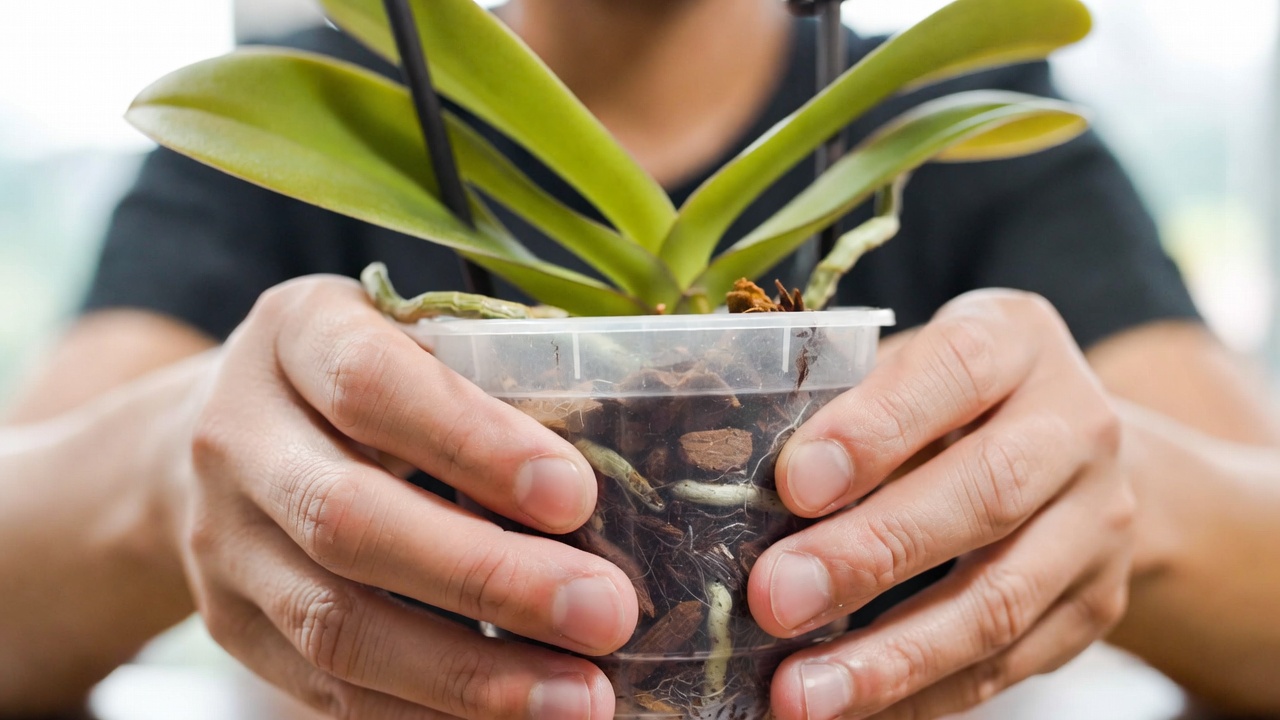
Proper technique is essential. Orchids have delicate roots that can easily break if handled roughly.
Step 1: Inspect Your Orchid First
Before touching the plant, take a moment to examine it closely.
Look for:
- Healthy green or silvery roots
- Firm leaves
- Stable potting media
If roots appear mushy or black, focus on correcting root rot issues before attempting this technique.
Step 2: Water the Orchid Lightly
Slightly moist roots are flexible and less prone to damage.
If the potting mix is completely dry, water the orchid lightly and wait 15–20 minutes before continuing.
Step 3: Gently Loosen the Potting Medium
Using your fingers, lightly press around the top layer of bark or moss.
The goal is not to remove the media but to create small air pockets that improve airflow.
Avoid digging deeply into the pot.
Step 4: Massage the Root Zone Carefully
Hold the pot firmly and gently squeeze the sides of the container.
This action helps loosen compacted media along the edges of the root system.
For plastic orchid pots, this step is especially effective because the container walls can flex slightly.
Step 5: Lightly Stimulate Leaves and Stem
Some growers also gently adjust the leaves to ensure they receive balanced light exposure.
Avoid bending or pulling leaves — the movement should be minimal and supportive.
Step 6: Monitor the Plant Afterward
Over the following weeks, observe the orchid closely.
Signs of improvement may include:
- New root tips
- Fresh leaf growth
- Improved plant firmness
Because orchids grow slowly, changes may take time.
Common Mistakes to Avoid When Doing Orchid Massage
Even gentle techniques can cause harm if performed incorrectly.
Applying Too Much Pressure
Orchid roots are delicate. Excessive pressure can snap roots and create entry points for disease.
Always handle the plant carefully and avoid forcing movement.
Doing It Too Frequently
Orchids prefer stability. Performing this technique too often may stress the plant.
In most cases, occasional root-zone loosening is sufficient.
Massaging Dry Roots
Dry orchid roots are brittle and prone to cracking.
Always ensure the roots are slightly hydrated before performing the technique.
Ignoring Orchid Species Differences
Different orchid species have different growth patterns.
For example:
- Phalaenopsis orchids tolerate minor adjustments well.
- Some Dendrobium species are more sensitive to disturbance.
Understanding your orchid’s species helps guide proper care.
Which Orchids Respond Best to Orchid Massage?
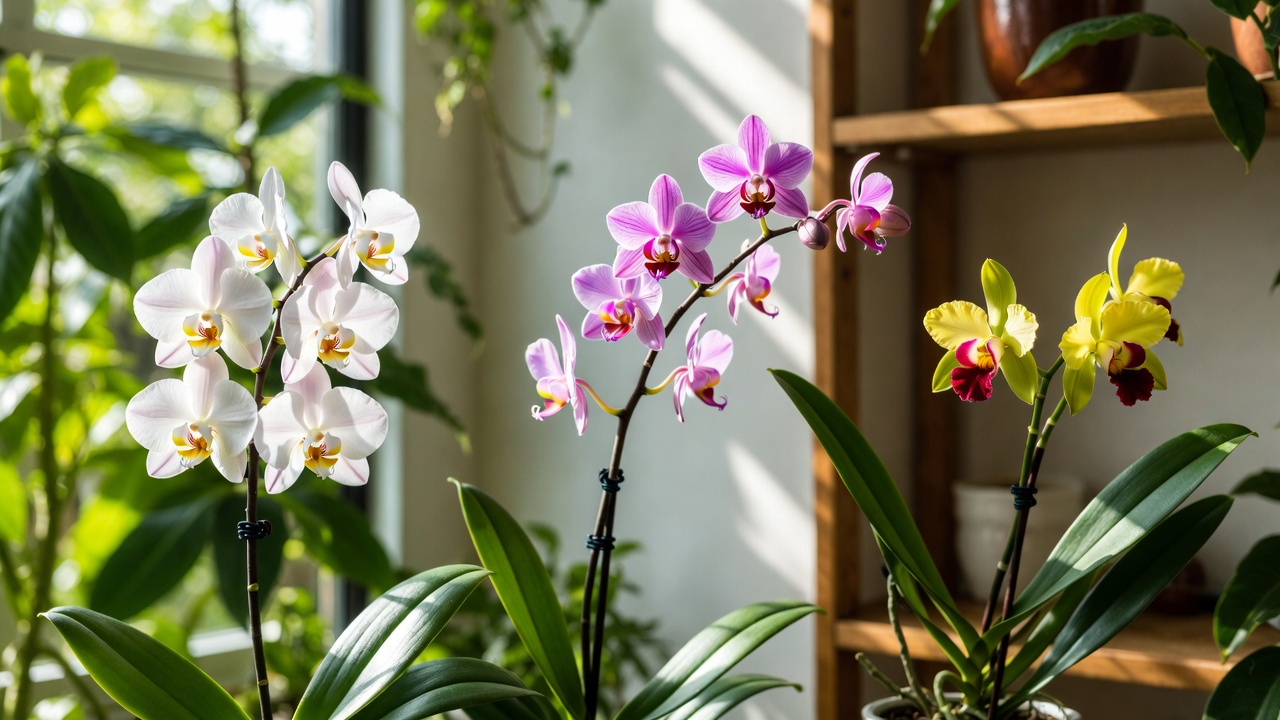
Not all orchids benefit equally from this technique.
Phalaenopsis Orchids
Phalaenopsis, often called moth orchids, are the most popular indoor orchid.
They typically grow in bark-based media and respond well to improved root aeration.
Dendrobium Orchids
Many Dendrobium varieties grow quickly and appreciate well-oxygenated roots.
Occasional loosening of compacted media can help maintain healthy growth.
Cattleya Orchids
Cattleyas prefer excellent drainage and airflow around their roots.
If their potting mix becomes compressed, gentle aeration can help restore proper conditions.
Orchids That May Not Need This Technique
Some orchids thrive best when left undisturbed.
Newly repotted orchids or extremely delicate species may prefer minimal handling.
Additional Orchid Care Tips to Boost Blooming
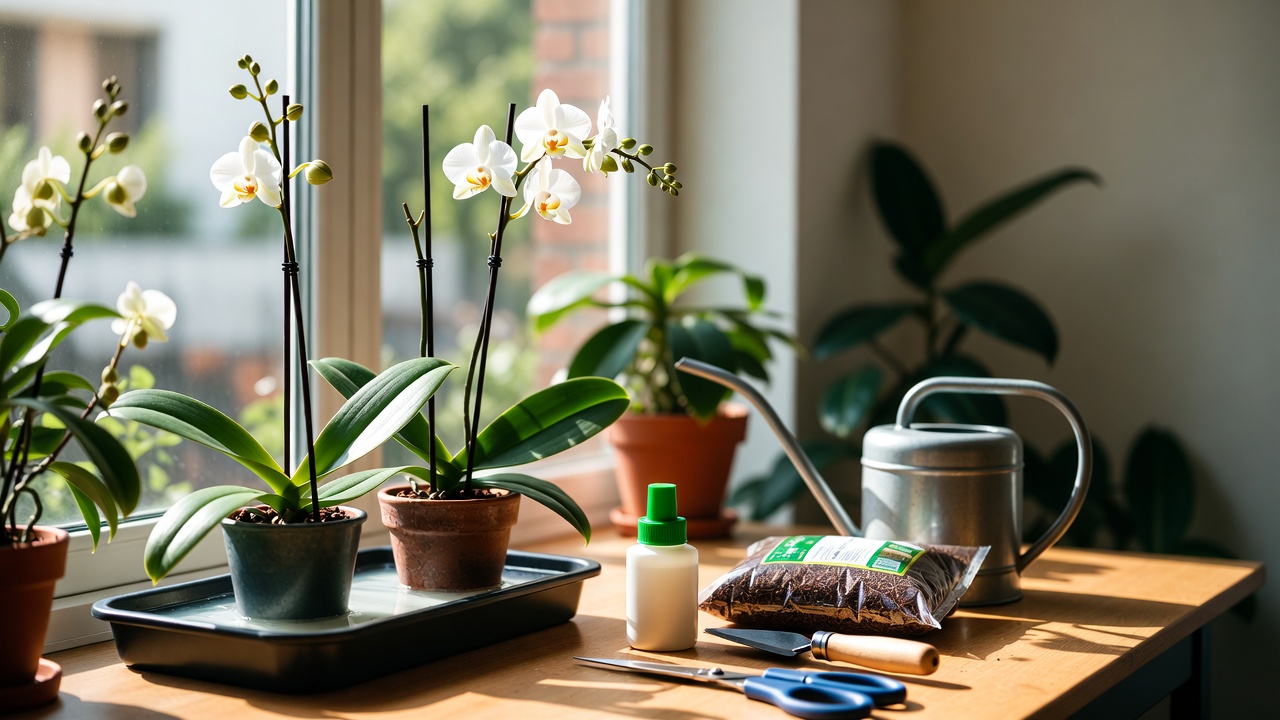
Even the best root care will not produce flowers without proper environmental conditions.
Provide Proper Light
Most indoor orchids require bright, indirect sunlight.
Insufficient light is one of the most common reasons orchids fail to bloom.
Maintain Correct Humidity
Orchids thrive in humidity levels between 40% and 70%.
Using humidity trays or room humidifiers can help maintain optimal conditions.
Use the Right Orchid Potting Mix
Traditional soil is unsuitable for orchids.
Instead, use specialized mixes that contain:
- Bark
- Perlite
- Charcoal
- Coconut husk
These materials provide excellent drainage and airflow.
Follow a Balanced Fertilizing Routine
Orchid growers often follow the guideline “weakly, weekly.”
This means applying diluted orchid fertilizer regularly rather than strong doses occasionally.
Expert Insights from Experienced Orchid Growers
Seasoned orchid growers often emphasize that root health determines plant success.
Professional greenhouse growers regularly check root aeration, potting media breakdown, and drainage.
Their advice consistently includes:
- Repot orchids every 1–2 years
- Maintain consistent watering schedules
- Ensure adequate airflow
- Monitor root health frequently
Small adjustments like improving root aeration can make a meaningful difference in plant vitality.
Frequently Asked Questions About Orchid Massage
Is orchid massage safe for all orchids?
Yes, when performed gently and occasionally. However, extremely delicate orchids or recently repotted plants should not be disturbed.
How often should I perform orchid massage?
Most orchids only need occasional root-zone loosening. Overhandling the plant may cause stress.
Can orchid massage revive a dying orchid?
If root damage is the primary issue, improving aeration may help. However, severe root rot requires more intensive care such as repotting.
Should beginners try this technique?
Yes, but beginners should proceed cautiously and focus on gentle handling.
Can orchid massage replace repotting?
No. Over time, orchid potting media naturally decomposes. Repotting every one to two years is still essential for long-term health.
Final Thoughts: Should You Try Orchid Massage for Your Indoor Orchids?
Orchid care often seems mysterious, but in reality it revolves around a few essential principles: healthy roots, balanced moisture, good airflow, and proper lighting.
Orchid massage is simply a small technique that supports one of these principles — improving root conditions.
While it is not a miracle solution for blooming problems, it can help maintain healthier root environments for orchids growing in indoor containers.
For indoor plant enthusiasts who want their orchids to thrive, the most effective approach combines:
- Proper watering
- Consistent light
- Suitable humidity
- Regular repotting
- Careful root monitoring
When used thoughtfully, orchid massage can become another helpful tool in your orchid care routine — helping your indoor orchids stay strong, resilient, and ready to bloom again.