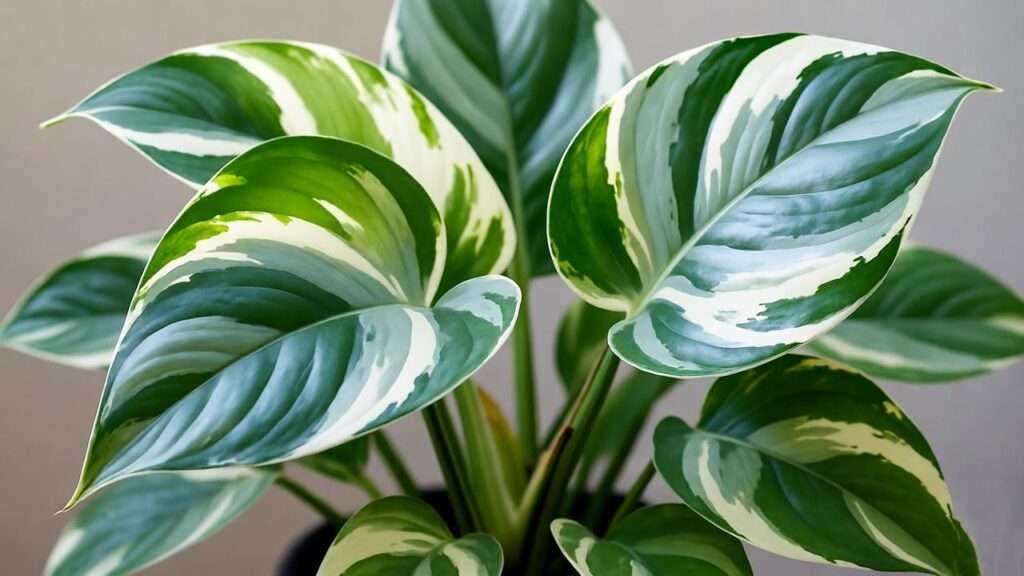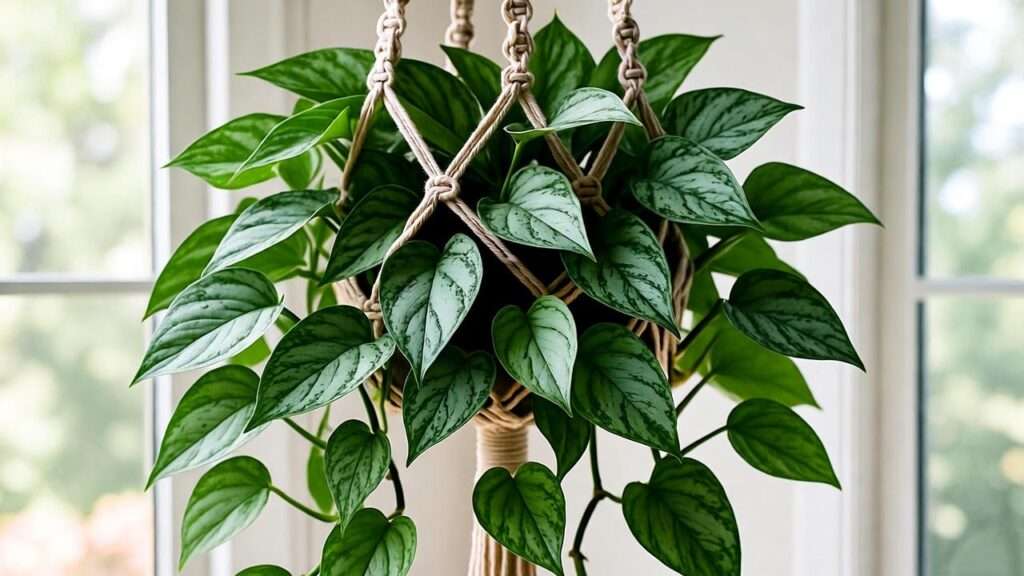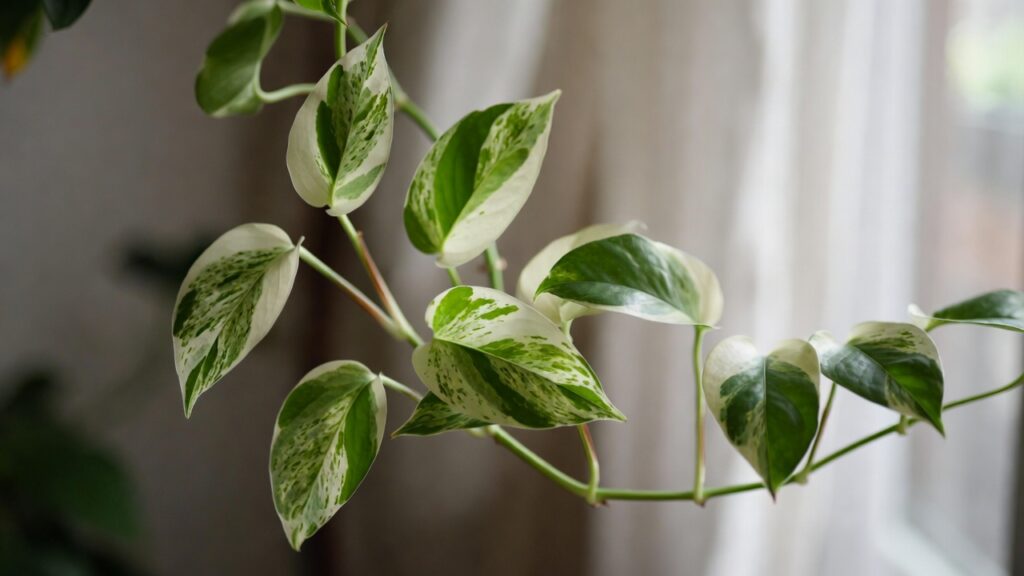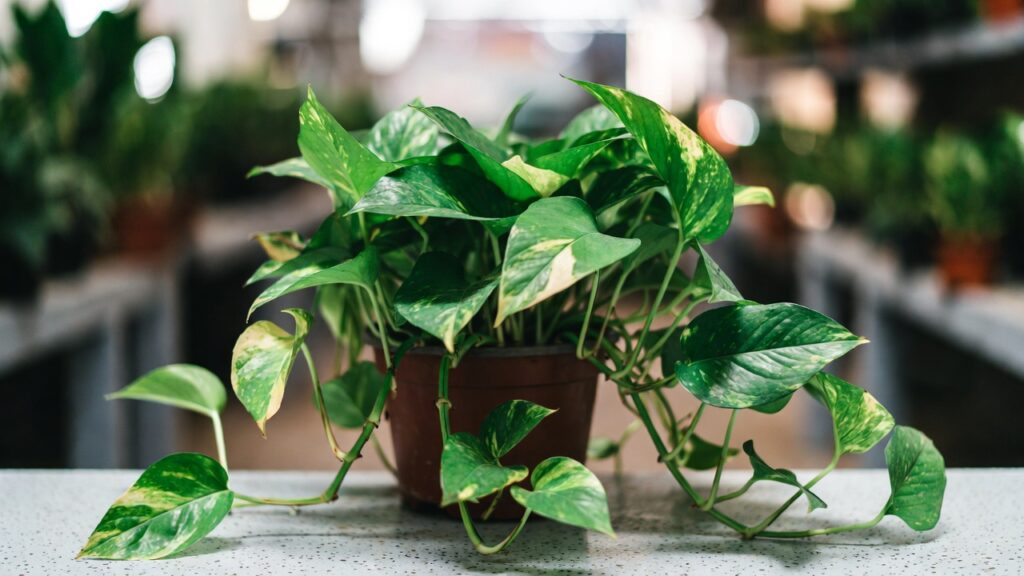

Picture this: long, elegant vines trailing from a shelf or climbing a moss pole, each heart-to-arrow-shaped leaf boldly marbled with creamy white sectors against rich emerald green. Some leaves even develop dramatic fenestrations—those natural splits and holes—as the plant matures. This is the allure of Albo Pothos (Epipremnum pinnatum ‘Albo-Variegata‘), a rare variegated aroid that has captivated indoor plant collectors worldwide. Its unpredictable, high-contrast variegation makes every new leaf a surprise, turning an ordinary houseplant into a living piece of tropical artwork.
Yet for all its beauty, Albo Pothos comes with challenges that frustrate many owners. The most common complaint? That gorgeous white variegation fading or disappearing entirely, leaving behind solid green leaves. Others battle root rot from overzealous watering, leggy growth in dim corners, or slow progress toward those coveted large, fenestrated mature leaves. As rare houseplant prices continue to reflect high demand, losing variegation or failing to propagate successfully feels especially disappointing.
Drawing from years of hands-on experience growing and propagating variegated Epipremnum (including multiple Albo specimens), along with insights shared across aroid communities and established horticultural practices, this in-depth guide aims to be the most comprehensive resource available. We’ll go beyond basic tips to address the nuances of maintaining stable variegation, accelerating mature foliage development, advanced propagation techniques like wet sticks, and real-world troubleshooting. Whether you’re investing in your first Albo cutting or scaling up an existing plant, you’ll gain the knowledge to help it thrive indoors and reach its full, breathtaking potential.
What Is Albo Pothos? Understanding This Rare Beauty
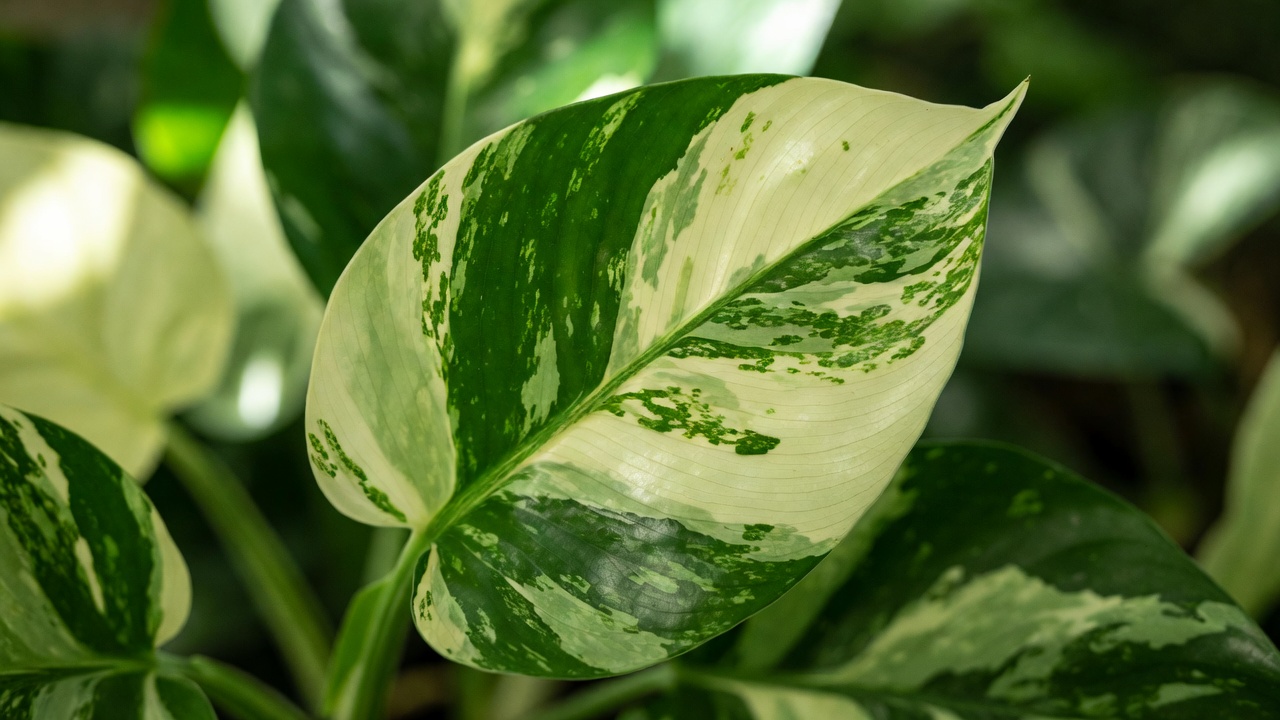
Albo Pothos refers to Epipremnum pinnatum ‘Albo-Variegata’, a variegated cultivar of the climbing aroid species Epipremnum pinnatum. Native to humid tropical forests in Southeast Asia (particularly regions like Indonesia and the Philippines), this plant naturally climbs trees using aerial roots, transitioning from small juvenile leaves to larger, fenestrated mature foliage in bright, supportive conditions.
The ‘Albo-Variegata’ mutation produces sectors of tissue lacking chlorophyll, resulting in striking white to cream patches or splashes. This variegation is chimeric and unstable—meaning patterns vary wildly from leaf to leaf and can shift with environmental conditions or propagation.
Key identifying features:
- Juvenile phase: Small to medium heart-shaped leaves, glossy dark green with random white marbling or half-moon sectors.
- Mature phase: Larger (up to 12–18 inches indoors under optimal conditions), more elongated or lanceolate leaves with pronounced fenestrations (splits/holes) when climbing.
- Growth habit: Vigorous vining/trailing; can reach 10–20+ feet with support.
- Variegation: Highly variable and sectorial—some leaves predominantly white, others speckled or mostly green.
How It Differs from Common Pothos Varieties
Many confuse Albo with variegated forms of Epipremnum aureum (the classic “pothos”). Here’s a clear comparison:
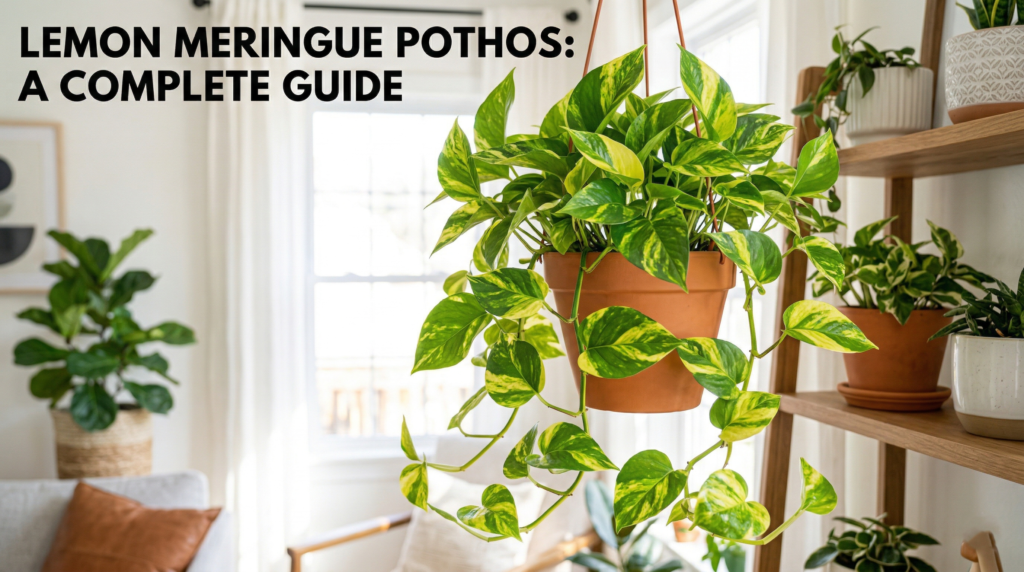
- Vs. Marble Queen (E. aureum ‘Marble Queen’): Marble Queen offers more consistent creamy speckling and grows slower overall. Albo features bolder, random variegation and has greater potential for size and fenestration due to its pinnatum genetics.
- Vs. Manjula: Manjula has rounded leaves with stable creamy edges and swirls (patented variety). Albo is more unpredictable and strongly climbing-oriented.
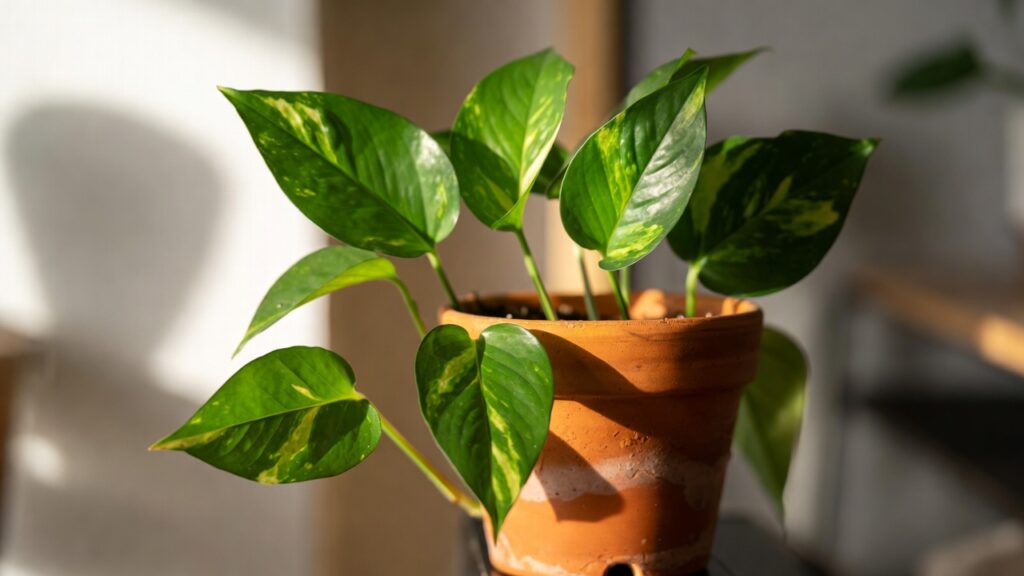
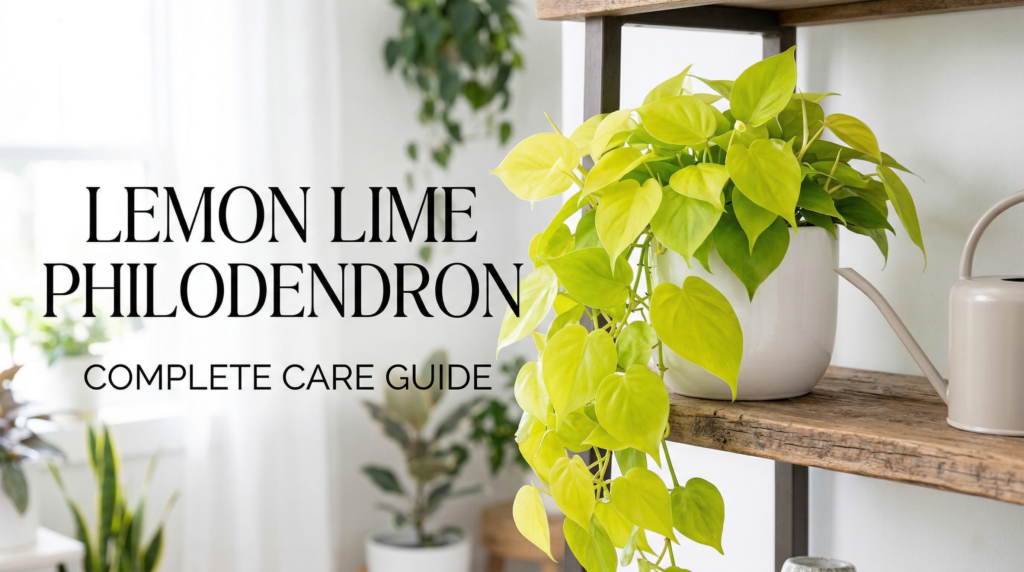
- Vs. Golden Pothos or Neon: These lack white variegation entirely. Albo demands brighter light to prevent reversion and delivers superior visual impact.
Its rarity comes from propagation challenges (variegation instability in cuttings), slower tissue culture production, and collector hype—leading to prices often ranging from $50 for small cuttings to several hundred dollars for large, well-variegated specimens. Note: It’s commonly (but inaccurately) sold as “Epipremnum aureum Albo”—true Albo is pinnatum-based for the larger mature form.
Ideal Growing Conditions for Albo Pothos
Replicating its tropical understory habitat while supporting variegation is key to success.
Light Requirements

Bright indirect light is critical—variegated tissue produces little to no energy, so the plant compensates in low light by prioritizing chlorophyll-rich green sectors, causing reversion.
- Ideal range: 2000–4000+ foot-candles (east- or west-facing window with sheer curtain, or 4–8 feet from south-facing).
- Minimum for decent variegation: 1500–2000 fc.
- Too intense: Direct sun scorches white areas (brown, crispy patches).
- Supplement: Full-spectrum LED grow lights (6500K, 20–50W equivalent) for 12–14 hours daily in low-light homes. Position 12–24 inches above/aside the plant.
Signs of issues: Leggy internodes, smaller leaves, new growth reverting to solid green → increase light immediately.
Watering Schedule
Albo prefers evenly moist but never soggy soil—overwatering remains the #1 killer of variegated aroids.
- Check: Top 1–2 inches dry before watering (typically every 7–14 days; adjust for light/season).
- Technique: Water thoroughly until it drains freely, discard excess from saucer.
- Seasonal tweaks: Reduce in winter/dormancy; increase in bright, warm growth periods.
- Water quality: Room-temperature filtered, distilled, or rainwater (sensitive to fluoride/chlorine → brown tips).
- Tools: Moisture meter or finger test; err on drier side.
Symptoms:
- Overwatering: Yellowing lower leaves, soft/mushy stems, foul soil odor → root rot risk.
- Underwatering: Wilting, crispy leaf edges, slowed growth.
Humidity and Temperature
- Humidity: 60–80% ideal for preventing crispy edges and supporting variegation; 50% minimum acceptable.
- Boost methods: Humidifier, pebble tray with water, plant grouping, occasional misting (avoid constant wetness to prevent fungal issues).
- Temperature: Daytime 65–85°F (18–29°C); never below 60°F (15°C) for prolonged periods.
- Protect from cold drafts, heaters, or AC vents.
Soil and Potting Mix
A chunky, airy aroid mix prevents rot and encourages aerial root attachment.
- Recommended recipe: 40% orchid bark/perlite/pumice mix, 30% coco coir or peat, 20% sphagnum moss, 10% worm castings or compost for nutrients.
- Avoid: Dense potting soil or mixes that stay wet.
- Pot choice: Terracotta (breathable) or plastic with drainage; increase size gradually (1–2 inches larger).
How to Plant and Repot Albo Pothos

Getting the foundation right sets your Albo up for long-term success, especially if you want to encourage climbing and eventual fenestration.
- Choosing the right container and support Start with a pot that has excellent drainage (terracotta is excellent for moisture regulation; glazed ceramic or plastic works if it has multiple holes). Pair it with a support structure immediately:
- Moss pole (most recommended for fenestration)
- Coco coir-wrapped pole
- Wooden trellis or bamboo stakes A 6–8 inch pot is ideal for small to medium plants; up-pot gradually as roots fill the container.
- Step-by-step repotting guide
- Repot in spring or early summer when the plant is actively growing.
- Water the plant lightly 1–2 days before to make removal easier.
- Gently slide the plant out; inspect roots and trim any brown, mushy, or circling ones with sterilized scissors.
- If using a moss pole, position it in the center of the new pot first, then place the plant so the main stem leans toward or touches the pole.
- Fill with fresh, chunky aroid mix, pressing lightly to eliminate large air pockets but avoiding compaction.
- Secure the stem to the pole with soft plant ties, Velcro strips, or twist ties—leave room for future thickening.
- Water thoroughly, let excess drain, and place in bright indirect light. Avoid fertilizing for 4–6 weeks to prevent burn on disturbed roots.
Fertilizing and Nutrient Tips
Because a significant portion of Albo’s leaf surface lacks chlorophyll, nutrient management requires balance—too little starves the plant, too much burns sensitive white tissue.
- Fertilizer type: Use a balanced liquid houseplant fertilizer (e.g., 20-20-20, 15-15-15, or 10-10-10) diluted to ¼–½ recommended strength. Organic options like fish emulsion, seaweed extract, or worm castings tea work beautifully.
- Schedule: Fertilize every 4–6 weeks during active growth (spring–early fall). Reduce to every 8–10 weeks or skip entirely in winter.
- Application: Always apply to moist soil; never fertilize a dry or stressed plant.
- Signs to watch:
- Pale new growth or slow development → increase frequency or strength slightly.
- Brown crispy leaf tips/edges (especially white sectors) → flush soil thoroughly to remove salt buildup and reduce strength.
- Interveinal yellowing → possible magnesium or iron deficiency; supplement with a foliar micronutrient spray once.
Many experienced growers alternate between balanced fertilizer and a slightly higher-phosphorus “bloom” formula during peak growth to support larger leaf production once fenestration begins.
Flush the pot with plain water every 2–3 months regardless of fertilizer type to prevent toxic salt accumulation.
Pruning, Training, and Encouraging Fenestration

This is where Albo Pothos transforms from “pretty trailing plant” to “dramatic mature aroid.”
- Pruning for health and shape
- Remove any fully reverted (solid green) leaves or stems to redirect energy to variegated sections.
- Cut leggy or bare sections back to a node to stimulate new side shoots.
- Always use clean, sharp tools and sterilize between cuts (alcohol wipe).
- Training for mature foliage and fenestration The single most effective way to unlock large, split leaves is vertical growth with aerial root support.
- Attach the main leader stem to a moist moss pole.
- Mist or soak the pole weekly so aerial roots can penetrate and anchor.
- Higher light intensity + consistent upward direction + high humidity = fastest transition to fenestrated form (often within 12–24 months under ideal conditions).
- If you prefer a bushier trailing look, regularly pinch growing tips to encourage lateral branching.
Real-world observation: Plants allowed to climb in bright conditions frequently produce leaves 3–5× larger than their trailing counterparts, with deep fenestrations resembling juvenile Monstera deliciosa.
Propagation Methods for Albo Pothos – Multiply Your Collection
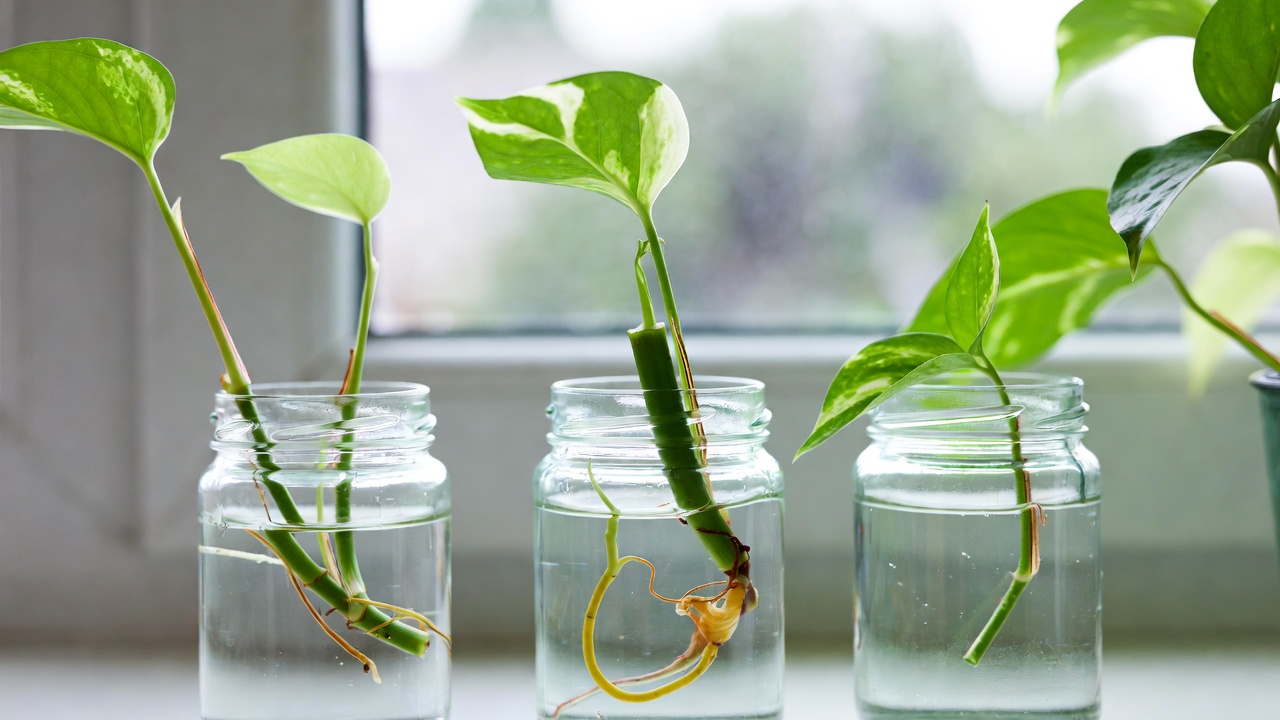
Propagation not only saves money but lets you selectively preserve the most beautiful variegation patterns.
- Best material: Nodes with visible white variegation on the stem or petiole have the highest chance of producing strongly variegated offspring.
1. Classic Water Propagation
- Cut 4–8 inch sections with 1–3 nodes (aerial roots increase success).
- Remove lower leaves.
- Place in clear jar with filtered water; change every 5–7 days.
- Bright indirect light; roots usually appear in 2–5 weeks.
- Pot up once roots reach 2–3 inches.
2. Sphagnum Moss or Soil Propagation
- Dip cut end in rooting hormone (optional but helpful for variegated cuts).
- Insert into moist long-fiber sphagnum or chunky aroid mix.
- Maintain high humidity (prop dome, bag, or humidity tent).
- Roots typically in 3–8 weeks.
3. Wet Stick / Single-Node / Chonk Propagation (Advanced & Highly Effective for Rares)
- Cut a single node (or short “chonk” with 2–3 nodes) with minimal stem.
- Lay horizontally on top of moist sphagnum moss in a clear, ventilated container.
- Keep moss damp (not wet); provide bright indirect light.
- New shoot and roots emerge from the node axil in 4–12 weeks.
- This method often preserves variegation better because it minimizes stress on long vascular tissue.
Common Problems and Solutions – Troubleshooting Guide
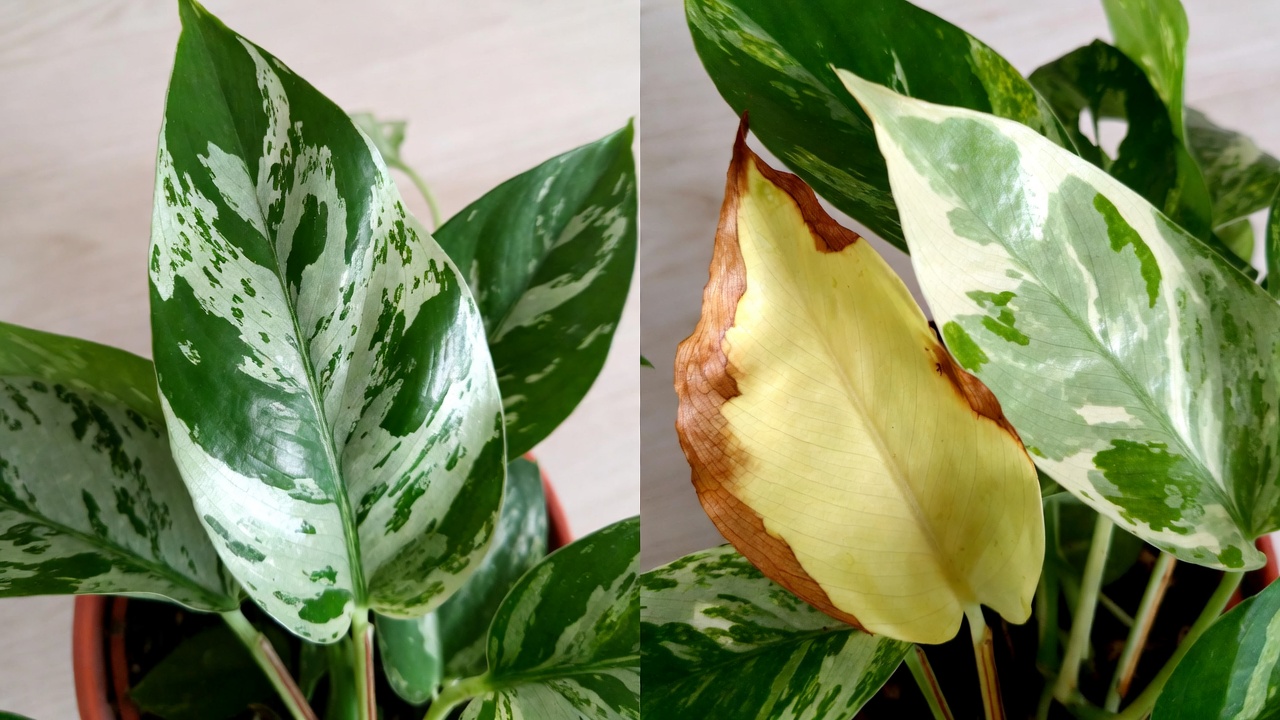
Even under attentive care, issues can arise—especially with a variegated plant that has higher light and humidity demands than standard pothos. Below is a detailed, symptom-based troubleshooting section based on patterns seen across thousands of indoor growers.
- Variegation fading, new leaves mostly/all green (reversion)Primary cause: Insufficient light — the plant compensates by producing chlorophyll-rich tissue. Solutions:
- Immediately relocate to brighter indirect light (aim for 2,000–4,000+ fc).
- Add a full-spectrum grow light if natural light cannot be improved.
- Prune heavily reverted sections to redirect energy.
- Be patient: improvement often shows in the next 2–4 leaves.
- Yellowing leaves (especially lower/older ones)Causes: Overwatering/root rot (most common), natural aging, nutrient imbalance, or sudden environmental shock. Solutions:
- Check soil moisture and roots; repot into fresh, dry-ish aroid mix if soggy or smelly.
- Reduce watering frequency.
- If nutrient-related, flush soil and resume diluted feeding.
- Brown, crispy leaf tips or edges (especially on white sectors)Causes: Low humidity, fluoride/chlorine in tap water, fertilizer burn, or dry soil followed by overwatering. Solutions:
- Raise ambient humidity to 60%+.
- Switch to filtered, distilled, or rainwater.
- Flush pot to remove excess salts; reduce fertilizer strength.
- Leggy, stretched-out growth with long internodesCause: Low light seeking behavior. Solutions: Increase light exposure; prune back to encourage denser regrowth from nodes.
- Pests (spider mites, mealybugs, thrips most common on variegated aroids)Signs: Fine webbing, stippling, cottony clusters, distorted new growth. Solutions:
- Isolate immediately.
- Wipe leaves with neem oil + dish soap solution or 70% isopropyl alcohol (test white areas first).
- Use systemic insecticide (imidacloprid-based) for severe infestations.
- Maintain higher humidity to deter spider mites.
- Slow or stalled growthCauses: Winter dormancy, root-bound condition, chronic low light/humidity, or recent repotting stress. Solutions: Assess season and conditions; repot if roots are circling; be patient in cooler months.
Quick-reference symptom chart (mental checklist for readers): Symptom → Most likely cause → First action Variegation loss → Low light → Brighter spot + grow light Yellow leaves → Overwatering → Check roots, repot Brown tips → Low humidity / tap water → Humidifier + filtered water Leggy vines → Insufficient light → Relocate upward Pest damage → Dry air + stress → Isolate + treat
Advanced Tips from Experts
- Pushing maximum variegation intensity: Combine 3,000–5,000 fc bright indirect light, 70%+ humidity, consistent moss pole moisture, and occasional foliar sprays of diluted kelp extract (provides trace elements that support white tissue health). Some growers report noticeably bolder marbling after 3–6 months of dialed-in conditions.
- Seasonal adjustments for Bangladesh / tropical climates: In Khulna’s warm, humid environment, summer growth can be explosive—watch for faster drying of moss poles and slightly more frequent watering. During monsoon season, excellent natural humidity helps, but ensure excellent drainage to prevent rot from excess rain splash or high ambient moisture.
- Creative display ideas:
- Train multiple stems up a single tall moss pole for a lush, sculptural column.
- Hang trailing vines from ceiling hooks or high shelves for cascading drama.
- Pair with other aroids (e.g., Rhaphidophora tetrasperma, Monstera adansonii, or Anthurium) in a bright corner for a modern “tropical minimalist” look.
- Sourcing authentic, high-variegation Albo: Prioritize sellers offering tissue-culture plants (more stable variegation) or established hobbyists with proven mother plants. Avoid suspiciously low-priced “Albo” listings on generic marketplaces—they are frequently reverted Marble Queen or mislabeled cuttings.
Is Albo Pothos Right for You?
Pros
- Unmatched visual drama — no other common houseplant offers such bold, random white variegation
- Relatively forgiving once light and watering are dialed in
- Fast growth potential with climbing support
- Excellent propagation success rate → affordable way to expand collection
Cons
- Higher light requirement than standard pothos (not ideal for very low-light rooms)
- Initial cost is significantly higher
- Variegation is genetically unstable — some cuttings revert
- Slower path to mature, fenestrated leaves compared to easier aroids like Monstera
If you already successfully grow Marble Queen, Brasil, or Manjula pothos and have a bright spot available, Albo is a natural (and rewarding) next step.
Frequently Asked Questions (FAQ)
Why does my Albo Pothos keep losing its white variegation? Almost always due to insufficient light. Move it to a brighter location or supplement with grow lights; prune green-heavy growth to encourage better-patterned leaves.
How quickly does Albo Pothos grow indoors? Under optimal conditions (bright indirect light, high humidity, moss pole), expect 12–36 inches of new growth per year. Growth accelerates dramatically once it begins climbing.
Is Albo Pothos toxic to cats and dogs? Yes — like all Epipremnum and many aroids, it contains calcium oxalate crystals that can cause oral irritation, drooling, and vomiting if ingested. Keep out of reach of pets.
Can Albo Pothos survive in low-light conditions? It will survive, but variegation will fade quickly, leaves will shrink, and stems will become very leggy. It is not recommended for truly low-light spaces.
How large can Albo Pothos leaves actually get indoors? With tall moss pole support, bright light, and high humidity, mature leaves frequently reach 10–18 inches long with deep fenestrations — rivaling smaller Monstera specimens.
Do I absolutely need a moss pole for Albo? Not required for survival or trailing beauty, but strongly recommended if you want larger leaves and fenestrations. Without vertical support, the plant remains in juvenile form indefinitely.
Why are the white parts of the leaves turning brown or translucent? Usually sunburn (too much direct sun) or extreme low humidity causing desiccation of non-photosynthetic tissue. Increase shade/humidity immediately.
Conclusion
Albo Pothos stands out as one of the most visually striking and rewarding rare houseplants available today. Its unpredictable white marbling, potential for enormous fenestrated leaves, and surprisingly adaptable nature make it a favorite among serious collectors and casual enthusiasts alike.
The keys to success are straightforward but non-negotiable:
- Bright indirect light (or strong grow lights) to preserve and enhance variegation
- Consistent moisture without sogginess
- Higher humidity and a moist moss pole to unlock mature foliage
- Selective propagation to perpetuate the most beautiful patterns
With these elements in place, what starts as a modest (and often expensive) cutting can grow into a dramatic, conversation-starting centerpiece that brings tropical elegance into your home year-round.
If you’re ready to take the plunge—or already have an Albo and want to refine your care—start today: assess your lighting, mix up a fresh aroid substrate, secure a moss pole, and enjoy watching this rare beauty unfold leaf by leaf.