Imagine walking into your home after a long day and being greeted by cascading trails of lush, heart-shaped leaves that instantly lift your mood and purify the air around you. That’s the effortless charm of pothos (Epipremnum aureum), one of the most beloved indoor plants for good reason. Whether you’re a complete beginner dipping your toes into houseplant care or a seasoned collector hunting for that next standout variegated beauty, finding high-quality pothos for sale in 2026 has never been more exciting—or overwhelming.
With the ongoing boom in indoor gardening driven by mental health benefits, biophilic design trends, and a desire for low-maintenance greenery, pothos continue to top popularity lists. In 2026, we’re seeing even more diverse varieties, from classic golden marbled types to ultra-rare Japanese imports and high-variegation stunners. But not all sources deliver healthy, well-rooted plants—issues like shipping stress, reverted variegation, or overpriced fakes remain common pitfalls.
As experts at Essential Indoor Plants, with years of hands-on experience propagating, growing, and sourcing thousands of Epipremnum aureum cultivars in real homes (including challenging low-light setups in tropical climates like ours in Bangladesh), this guide cuts through the hype. We’ll cover the best pothos varieties available right now, trusted online retailers with reliable shipping in 2026, smart buying tips to avoid disappointment, and essential aftercare to help your new plant thrive for years. By the end, you’ll know exactly which pothos suits your space, budget, and lifestyle—and where to get it safely delivered.
Pothos aren’t just plants; they’re forgiving companions that forgive neglect, propagate easily for free extras, and rank among the top air-purifying houseplants per NASA studies. Ready to bring one (or five) home? Let’s dive in.
Why Pothos Remain a Top Choice for Indoor Plant Lovers in 2026
Pothos, often called Devil’s Ivy for their near-indestructible nature, have earned their spot as a staple in homes, offices, and dorms worldwide. In 2026, their appeal is stronger than ever thanks to several key factors:
- Ultra-low maintenance: They tolerate low light, irregular watering, and poor soil—ideal for busy professionals, beginners, or anyone who travels.
- Air purification powers: They remove common toxins like formaldehyde, benzene, and xylene, contributing to healthier indoor air.
- Versatile styling: Trailing vines perfect for hanging baskets, climbing moss poles for dramatic vertical growth, or shelf displays.
- Easy propagation: Snip a stem, pop it in water, and watch roots form—great for gifting or expanding your collection sustainably.
- Trending in 2026: With social media spotlighting variegated and rare types, plus a focus on sustainable, easy-care plants amid climate awareness, pothos sales are surging. Varieties with bold patterns fit modern minimalist or jungle-core aesthetics.
Whether you’re dealing with dim apartments, pet-friendly homes (pothos are mildly toxic if ingested, so keep out of reach), or wanting a plant that grows fast without fuss, pothos solve real needs: bringing life to overlooked spaces with minimal effort.
Top Pothos Varieties Available for Sale in 2026
Pothos varieties (all Epipremnum aureum unless noted) differ mainly in leaf variegation, growth rate, and light tolerance. Here’s a curated ranking based on popularity, availability, ease, and uniqueness in 2026. We’ve included a comparison table for quick reference.
Classic & Most Reliable Varieties (Best for Beginners)

These are widely available, affordable, and forgiving—perfect starting points.
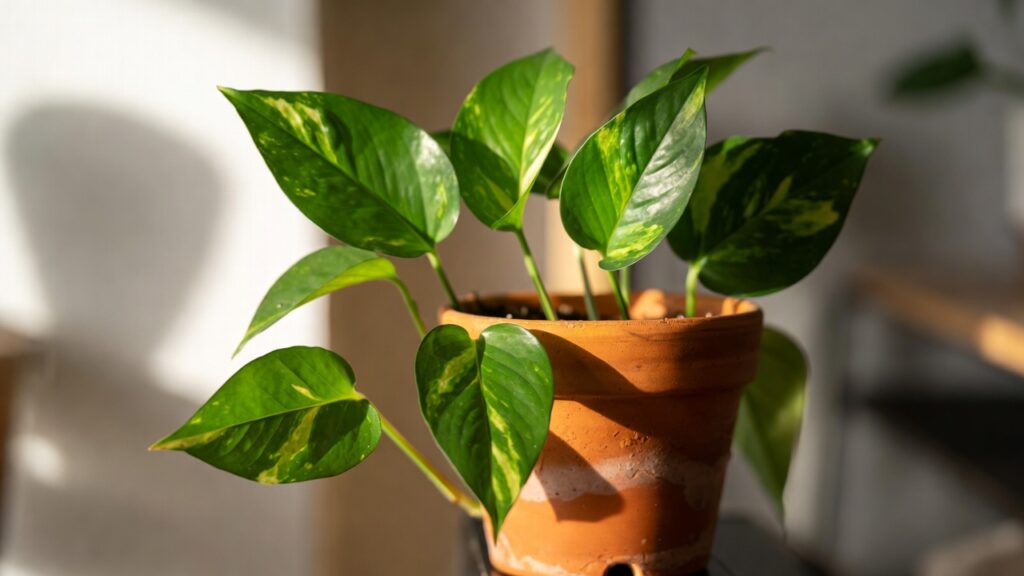
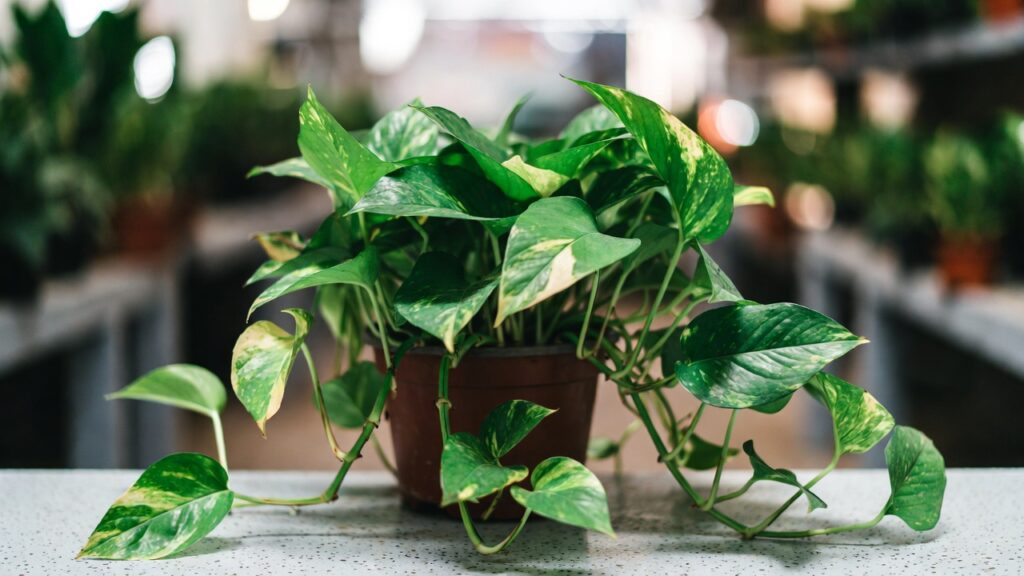
- Golden Pothos: The iconic one with deep green leaves splashed in bright yellow-gold. Fast-growing, thrives in low to bright indirect light, and propagates like crazy. Price range: $10–$25 for starters.
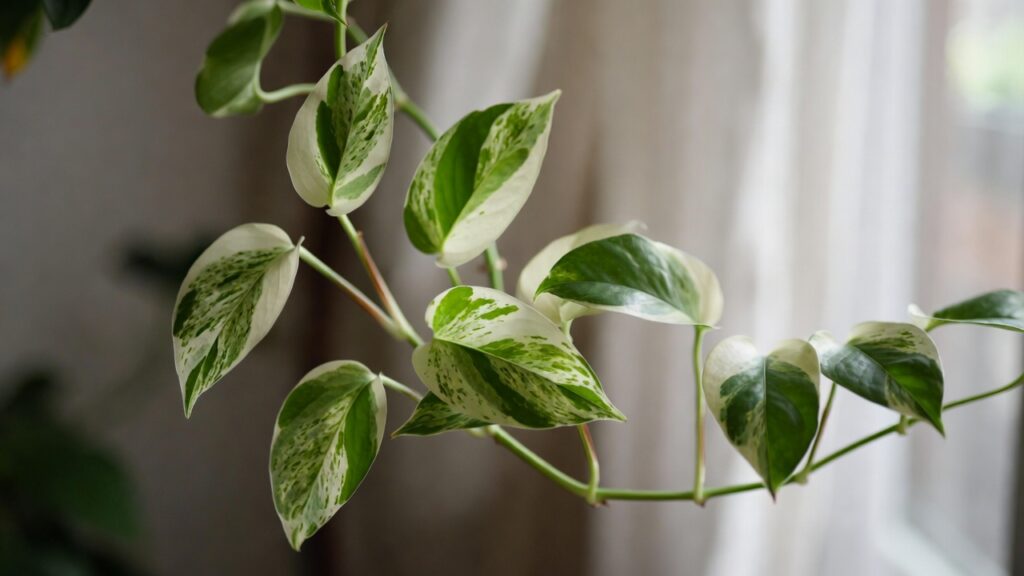
- Marble Queen Pothos: Creamy white and green marbling for a elegant, high-contrast look. Slower grower; needs more light to maintain variegation. Great for brighter spots.
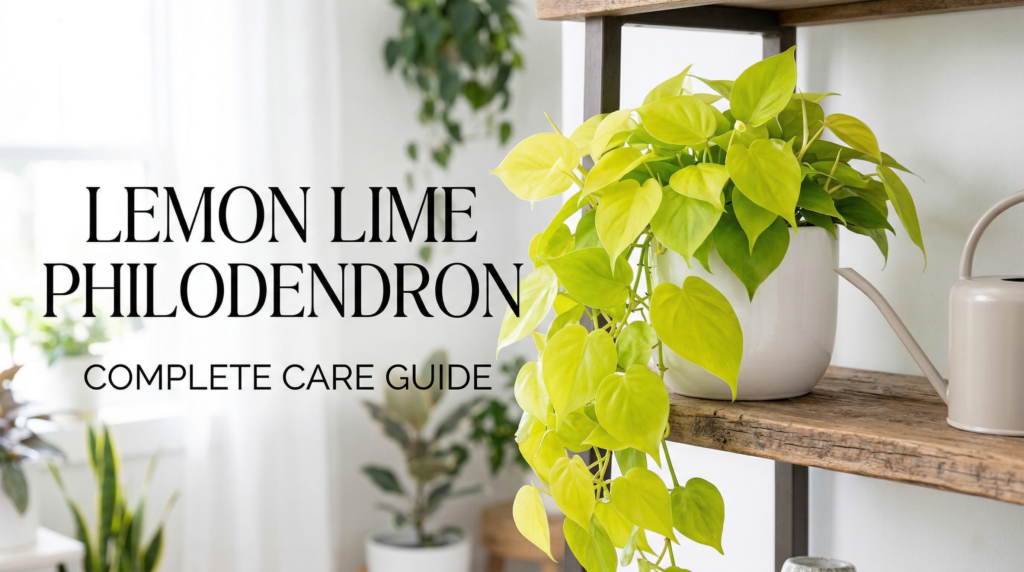
- Neon Pothos: Vibrant chartreuse-green leaves that glow in medium light. Adds a pop of color; fast and hardy.
- Jade Pothos: Solid dark green foliage—ultra-resilient, excellent for very low light or propagation experiments.
Popular Variegated & Mid-Level Upgrades

These offer more visual interest without extreme rarity.
- N’Joy Pothos: Compact with sharp white-green splashes; petite leaves suit small spaces or desks.
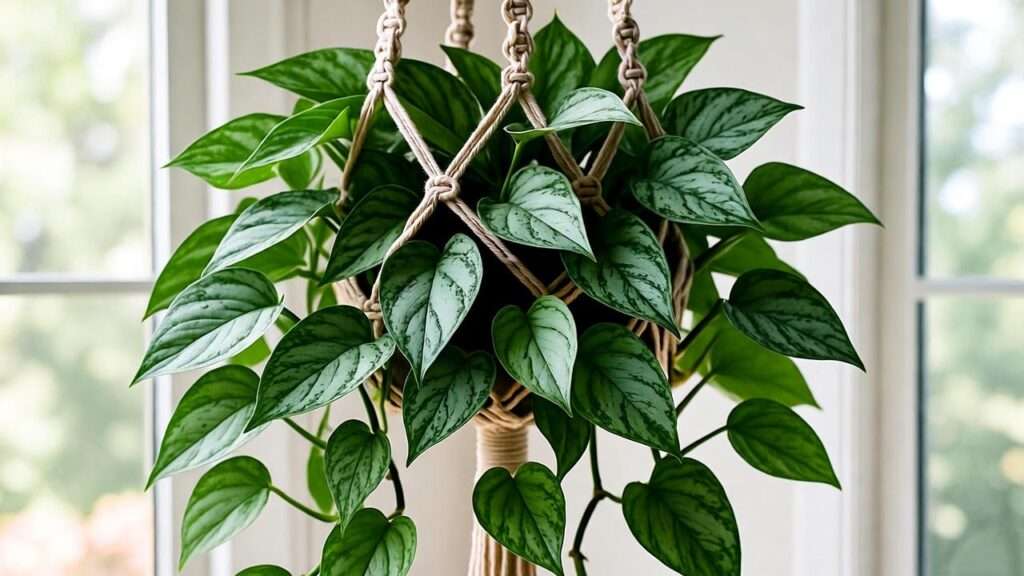
- Pearls and Jade Pothos: Patented variety with silver-green marbling and speckles; unique texture and slower growth.
- Manjula Pothos: Swirling cream, green, and silver patterns—like brushstrokes. Patented, slower, but stunning in bright indirect light.
- Jessenia Pothos: Lime-green variegation on darker leaves; fresh and eye-catching.
Rare & Collector Favorites (Emerging in 2026)
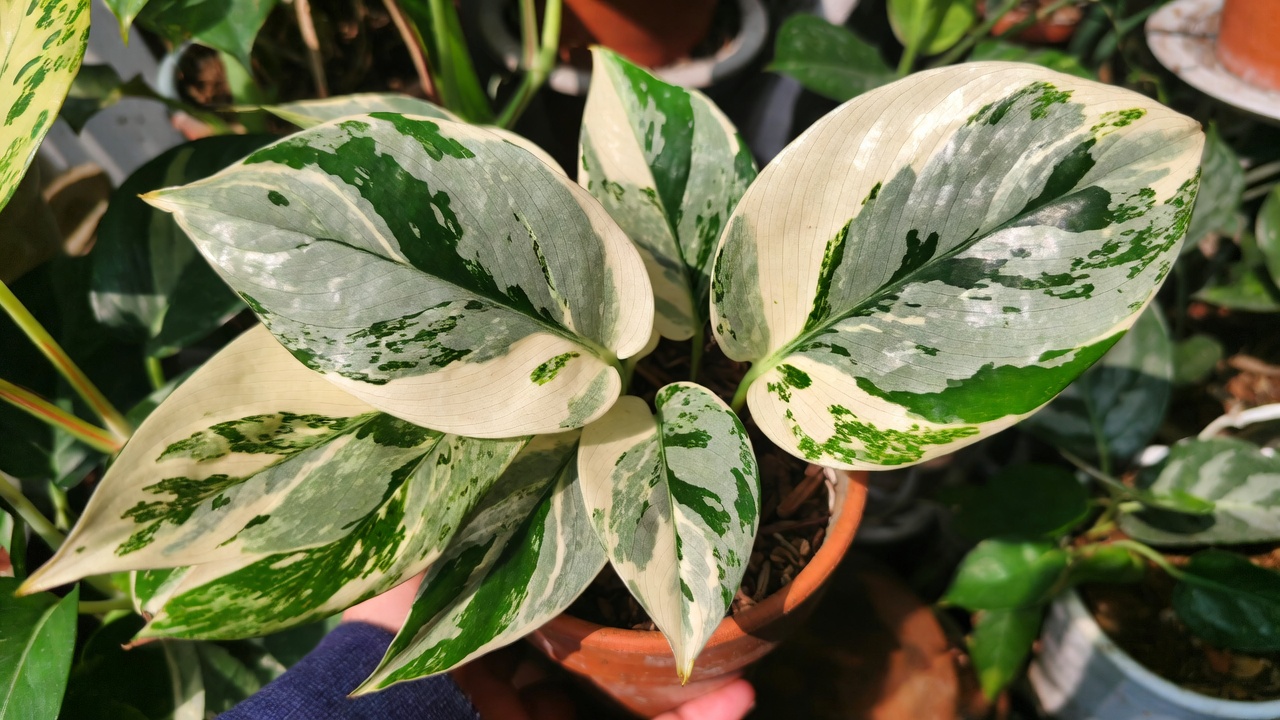
These command higher prices ($30–$200+) due to limited supply and striking features. Availability fluctuates seasonally.
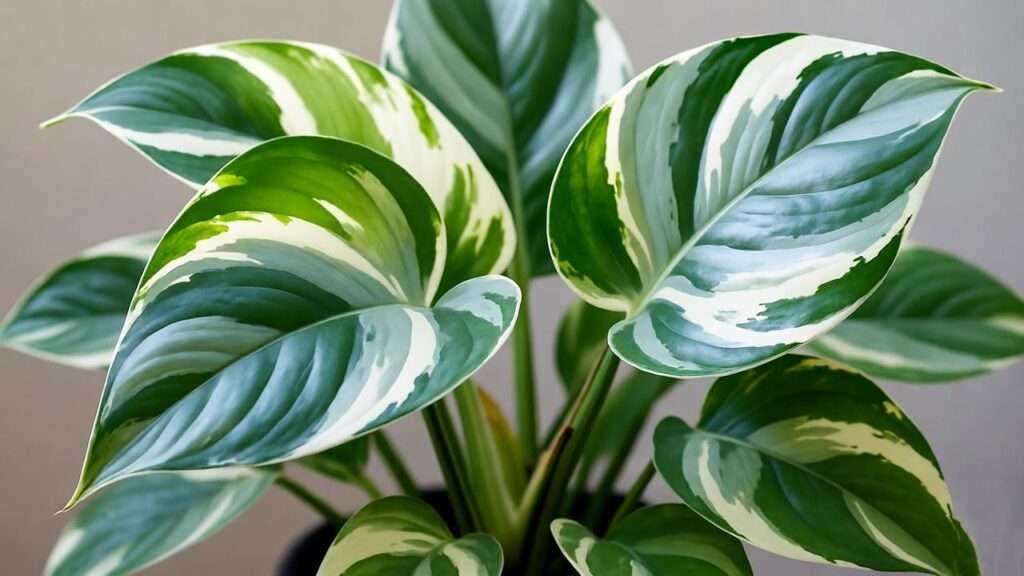
- Snow Queen or High-Variegation Types: Mostly white with green flecks—extreme beauty but needs bright light to avoid reverting.
- Glacier Pothos: Compact, marbled white-green; great for shelves.
- Japanese Cultivars (e.g., Global White, Carnival, Champs Elysees): New imports with bold, stable variegation; highly sought after for collectors.
- Harlequin or Albo Types: Elongated leaves with heavy white speckling; premium and trending.
Comparison Table (approximate 2026 values):
| Variety | Variegation Level | Growth Speed | Light Needs | Price Range | Best For |
|---|---|---|---|---|---|
| Golden | Medium yellow | Fast | Low to bright | $10–$25 | Beginners, fast coverage |
| Marble Queen | High white | Slow | Medium to bright | $15–$35 | Elegant displays |
| Neon | Bright chartreuse | Fast | Medium | $15–$30 | Color pop |
| Manjula | Swirled cream | Slow | Bright indirect | $30–$80 | Collectors |
| Snow Queen | Extreme white | Medium | Bright | $40–$150 | Statement pieces |
| Japanese Global White | High stable | Medium | Bright | $50–$200+ | Rare hunters |
Where to Buy Pothos Online in 2026 – Trusted Sources Compared
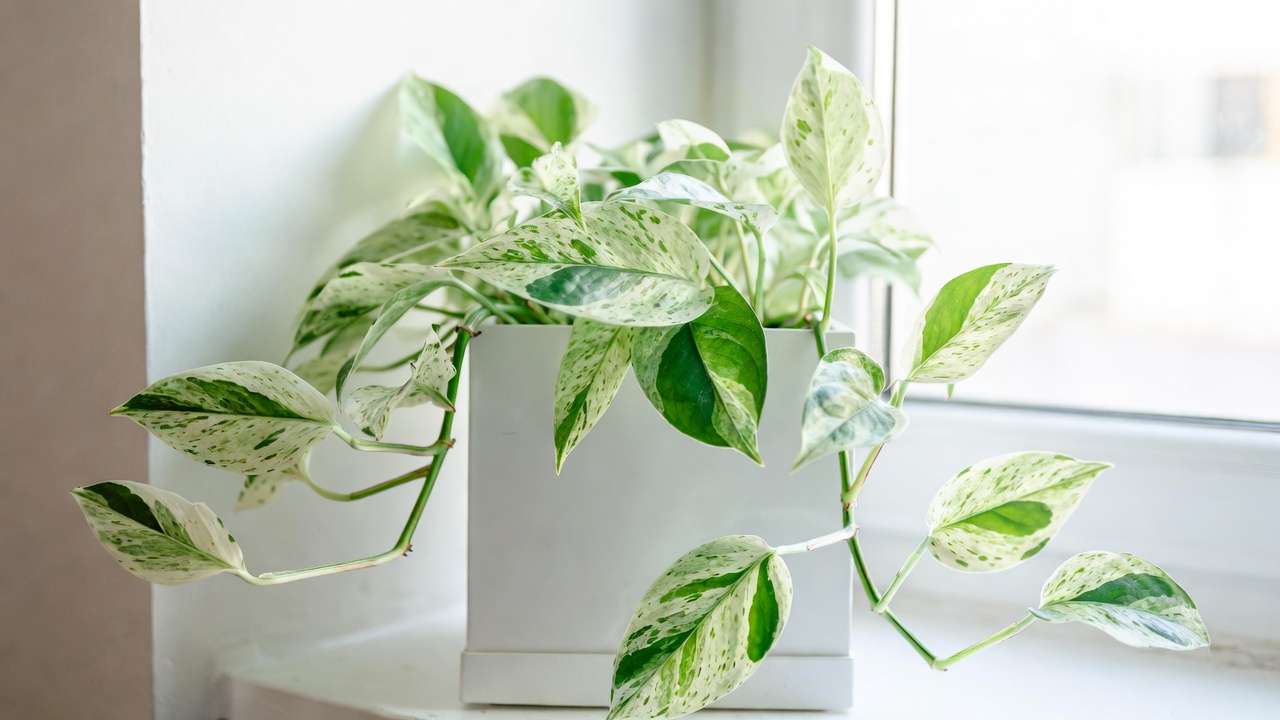
In 2026, reliable online plant shopping prioritizes healthy arrivals with guarantees, winter heat packs, and transparent reviews. We evaluate based on packaging, plant quality, variety selection, and customer feedback.
Best Overall & Beginner-Friendly Shops
- Rooted: Frequently tops 2026 reviews (e.g., Wirecutter) for chic presentation, reliable packaging, and gifts. Great for Golden, Neon; often includes winter protection.
- The Sill / Plants.com: Wide selection, fast shipping, educational resources. Excellent for beginners.
Budget & High-Volume Options
- Amazon / Home Depot (online): Affordable starters; vet sellers for high ratings and recent photos.
- Etsy (specialized sellers): Ideal for rares; check feedback on shipping and live arrival policies.
Specialty Nurseries & Rare Plant Sources
- Costa Farms, Perfect Plants, Eureka Farms: Farm-direct reliability for classics and mid-tier.
- Paraíso Plant Studio, House Plant Shop, BWH Plant Co: Strong on uniques and healthy stock.
- Kens Philodendrons: Go-to for Japanese rares like Carnival or Global White.
Red Flags & Smart Buying Tips
Avoid sellers with no returns, blurry photos, or inflated “super rare” claims. Order in spring/fall to minimize heat/cold stress; choose live arrival guarantees. Read 2026 reviews for shipping updates.
Pros/Cons Table (top picks):
| Site | Price Range | Shipping Reliability | Variety Strength | Best For |
|---|---|---|---|---|
| Rooted | Medium | Excellent (heat packs) | Good | Gifts, beginners |
| Plants.com | Medium | Fast | Excellent | Wide selection |
| Etsy | Varies | Varies by seller | Rare focus | Unique finds |
| Costa Farms | Low-Medium | Reliable | Classics | Budget healthy |
| Kens Philodendrons | High | Specialized | Rare Japanese | Collectors |
How to Choose the Right Pothos for Your Space & Lifestyle
Selecting the perfect pothos isn’t just about picking the prettiest leaves—it’s about matching the plant to your actual living conditions, schedule, and aesthetic goals. Here’s a practical framework to make the decision easier and more successful.
- Light Conditions Most homes in urban or subtropical areas like Khulna have variable light—bright near windows, dim in corners.
- Very low light (north-facing room, <100 fc): Stick with solid or lightly variegated types like Jade, Golden, or Neon. These hold color better and grow steadily without legginess.
- Medium to bright indirect (east/west windows, 200–500 fc): Marble Queen, N’Joy, Manjula, or Pearls and Jade shine here—their variegation pops without burning.
- Bright, indirect (south-facing with sheer curtains): Rare high-variegation types (Snow Queen, Harlequin, Japanese Global White) reward you with dramatic patterns. Avoid direct sun to prevent scorching.
- Space & Growth Habit
- Small apartments, desks, or shelves: Compact varieties like N’Joy, Glacier, or smaller starter pots of Manjula stay manageable.
- Hanging baskets or tall shelves: Fast trailers like Golden, Neon, or Marble Queen create beautiful cascades within months.
- Vertical statement pieces: Train a vigorous Golden or rare Albo-type up a moss pole for jungle vibes.
- Maintenance Level & Time Commitment
- Minimal effort (water every 2–3 weeks): Jade or Golden—practically bulletproof.
- Moderate care (weekly checks, brighter spot): Variegated types like Manjula or Snow Queen need consistent light to prevent reversion.
- Collector mode (propagation, humidity tweaks): Rare Japanese cultivars or high-white types reward attentive owners.
- Budget Guide (2026 approximate online prices)
- $10–$25: Classic starters (Golden, Neon, Jade, Marble Queen)
- $25–$60: Mid-tier variegated (N’Joy, Jessenia, Manjula, Pearls and Jade)
- $60–$200+: Rare/collector (Snow Queen, Glacier, Japanese imports like Carnival or Global White)
Quick decision checklist:
- Rate your light (low / medium / bright).
- Decide display style (hanging / shelf / climbing).
- Set budget and care willingness.
- Cross-reference with the variety table above.
Pro tip from years of growing in humid, variable-light conditions: Start with one forgiving classic (Golden or Neon) to build confidence, then experiment with a variegated or rare type once you’ve mastered the basics.
Caring for Your New Pothos After Purchase – Ensure Long-Term Success
The moment your pothos arrives is critical. Proper acclimation and early care prevent 80% of common new-plant problems (yellow leaves, transplant shock, shipping stress).
Immediate Unboxing & Acclimation Steps
- Open the package in a shaded, room-temperature spot—avoid direct sun or cold drafts.
- Gently remove packaging; inspect roots and leaves for pests (mealybugs, spider mites) or rot.
- If soil is soggy from transit, let it dry slightly before watering.
- Place in bright indirect light (not full sun) for 7–14 days to acclimate—sudden light changes stress variegated types most.
- Water sparingly the first week; pothos prefer to dry out between drinks.
- Light: Bright indirect is ideal for color retention. Low light is tolerated but slows growth and fades variegation. Rotate monthly for even shape.
- Watering: Allow top 2–3 inches of soil to dry before watering. Overwatering is the #1 killer—use the finger test or moisture meter. In humid Khulna-like climates, you may water every 10–14 days; in dry winters, every 7–10 days.
- Soil & Potting: Well-draining aroid mix (peat/perlite/orchid bark) prevents root rot. Repot every 1–2 years in spring.
- Humidity: 40–60% is comfortable; they tolerate average home levels but appreciate occasional misting or a pebble tray in dry seasons.
- Fertilizer: Balanced liquid (e.g., 20-20-20) at half strength every 4–6 weeks during spring/summer. Skip in winter.
- Support & Pruning: Pinch tips to encourage bushiness. Train on moss poles or trellises for larger, mature leaves.
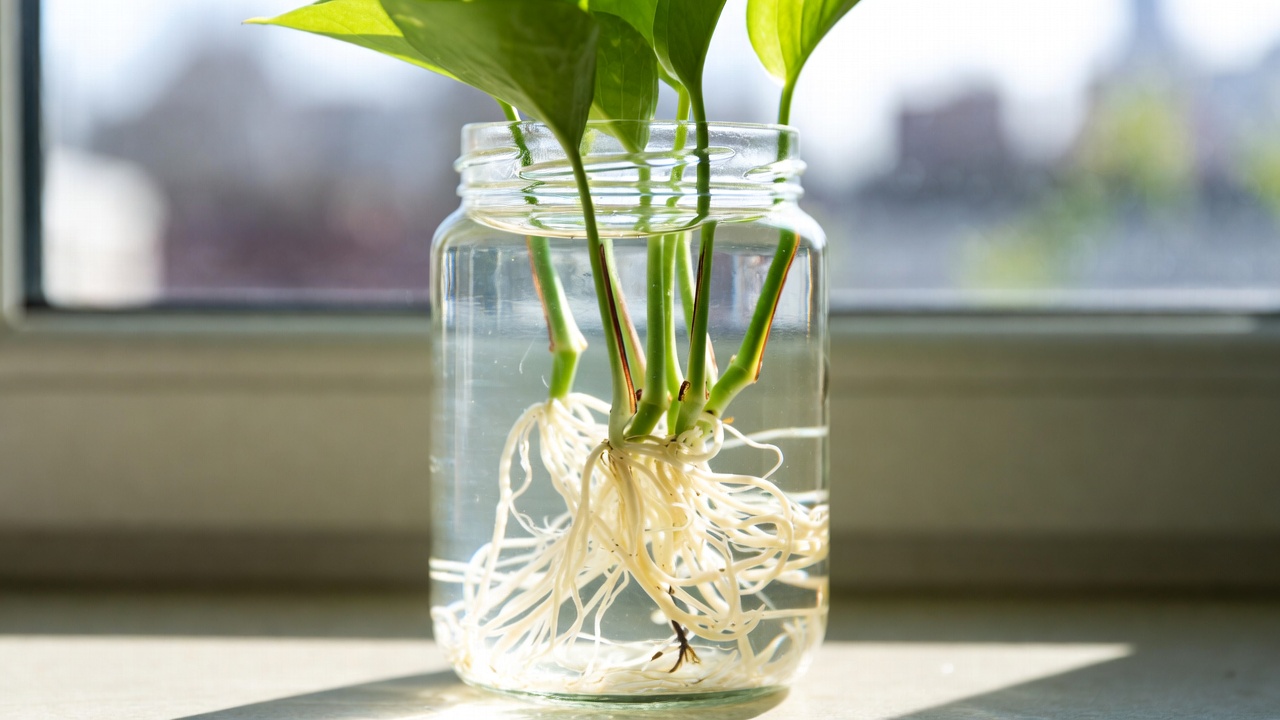
Propagation Tips – Grow Your Collection for Free Pothos are among the easiest plants to propagate:
- Take 4–6 inch stem cuttings with at least one node.
- Remove lower leaves; place in water or moist sphagnum.
- Roots appear in 2–4 weeks—transfer to soil once roots are 2+ inches.
- High success rate even with beginners; great for gifting or filling empty pots.
Common Issues & Fixes for New Owners
- Yellow leaves: Usually overwatering or poor drainage—check roots, repot if needed.
- Leggy growth: Insufficient light—move closer to a window or add grow light.
- Brown tips: Low humidity or fluoride in tap water—use filtered water or mist more.
- Reverted variegation (green leaves overtaking white): Too little light—relocate to brighter spot; prune reverted stems to encourage variegated growth.
- Pests: Wipe mealybugs with alcohol; treat spider mites with neem oil spray.
Expert insight: Buying from reputable sources (those with live arrival guarantees and healthy mother plants) dramatically reduces early issues. Plants shipped stressed or root-bound often struggle for months—our experience shows Costa Farms, Rooted, and specialty Etsy sellers consistently deliver vigorous starters.
Frequently Asked Questions (FAQs)
What is the best pothos variety for low light? Golden Pothos, Jade Pothos, or Neon Pothos perform best. They maintain healthy growth and color even in dim corners.
Are rare pothos worth the high price in 2026? It depends. If you love collecting, enjoy propagation challenges, and have bright indirect light, yes—varieties like Global White or Harlequin offer unique beauty. For most people, a $15–$30 classic provides 90% of the joy at a fraction of the cost.
How do I revive a pothos stressed from shipping? Unbox gently, remove any damaged leaves, place in bright indirect light, water lightly, and give 2–4 weeks to recover. Mist occasionally and avoid fertilizing until new growth appears.
Can I still buy pothos locally in 2026, or is online better? Both work. Local nurseries offer instant inspection, but online sources (especially specialty ones) provide wider variety and often healthier, better-rooted plants thanks to professional growing conditions.
Which online stores have the best shipping for live plants in 2026? Rooted, Plants.com, and Costa Farms consistently rank highest for reliable packaging, heat packs in winter, and live arrival guarantees. For rares, check recent buyer reviews on Etsy or Kens Philodendrons.
How fast do pothos grow? Golden and Neon can add 12–24 inches per year in good conditions; slower variegated types (Manjula, Snow Queen) grow 6–12 inches annually.
Are pothos safe for pets? They are mildly toxic if chewed (can cause mouth irritation), so keep out of reach of cats and dogs.
Do variegated pothos need more light than solid green ones? Yes—variegation requires more light to produce enough chlorophyll. Low light causes reversion to solid green.
Conclusion
Pothos remain one of the most rewarding indoor plants in 2026—forgiving, beautiful, and endlessly versatile. Whether you choose a classic Golden to brighten a dim corner, a swirling Manjula for elegance, or a rare Japanese import for your collection, the key is buying from trusted sources and giving your new plant the simple care it craves.
Start small if you’re new, or go bold if you’re ready to expand your indoor jungle. Your home (and your mood) will thank you.
Ready to bring home your first (or next) pothos? Browse the recommended shops, pick a variety that matches your space, and enjoy the effortless greenery that follows.