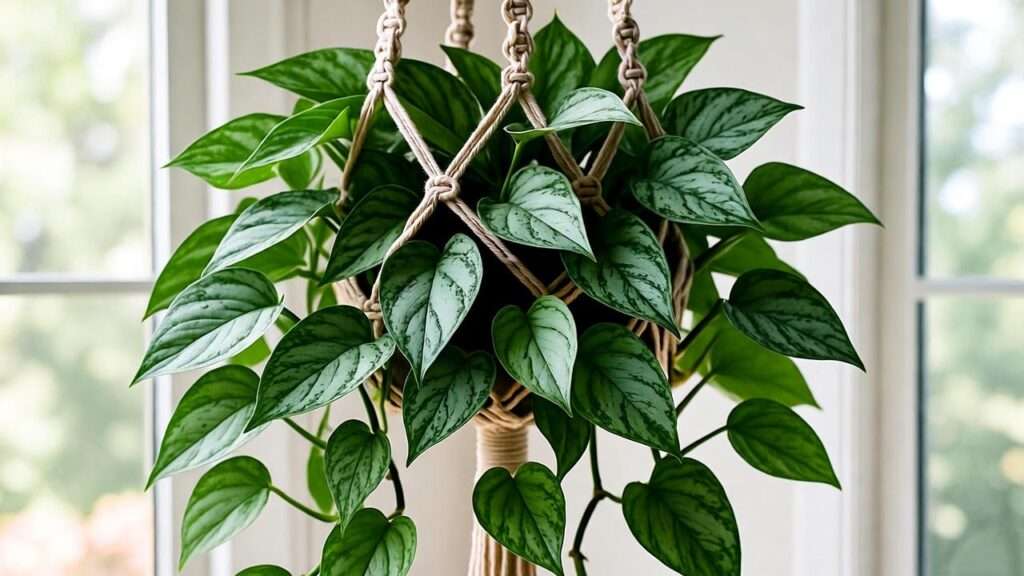

Imagine walking into a room and being greeted by cascading vines of lush, heart-shaped leaves that blend deep emerald greens with subtle lime marbling—a sophisticated, almost sculptural elegance that feels both tropical and effortlessly modern. That’s the magic of Global Green Pothos (Epipremnum aureum ‘Global Green’), a cultivar that’s quickly becoming a favorite among indoor plant enthusiasts for its refined beauty and forgiving nature. Unlike the bold yellow splashes of classic Golden Pothos, this variety offers a more understated, green-on-green variegation that adds depth and texture without overwhelming your space.
If you’re searching for “Global Green Pothos” because you’ve just brought one home, spotted its unique patterning in a nursery, or are simply curious about how to make this trending houseplant thrive, you’ve come to the right place. As someone who’s grown and propagated dozens of pothos varieties over the years—including rare and patented cultivars—in various indoor environments from low-light apartments to bright sunrooms, I can tell you this: Global Green Pothos rewards minimal effort with maximum visual impact. It’s air-purifying, beginner-friendly, and versatile enough for hanging baskets, shelves, or moss poles.
In this comprehensive guide, we’ll cover everything you need to know to not only keep your Global Green Pothos alive but help it flourish with vibrant variegation, healthy growth, and long trailing vines. We’ll dive into light requirements (crucial for maintaining that signature marbling), watering techniques to avoid common pitfalls like root rot, propagation methods to multiply your collection, troubleshooting tips for pests and problems, and creative styling ideas to elevate your indoor jungle. By the end, you’ll have the confidence and knowledge to grow this stunning variety like a pro.
What Makes Global Green Pothos Unique?

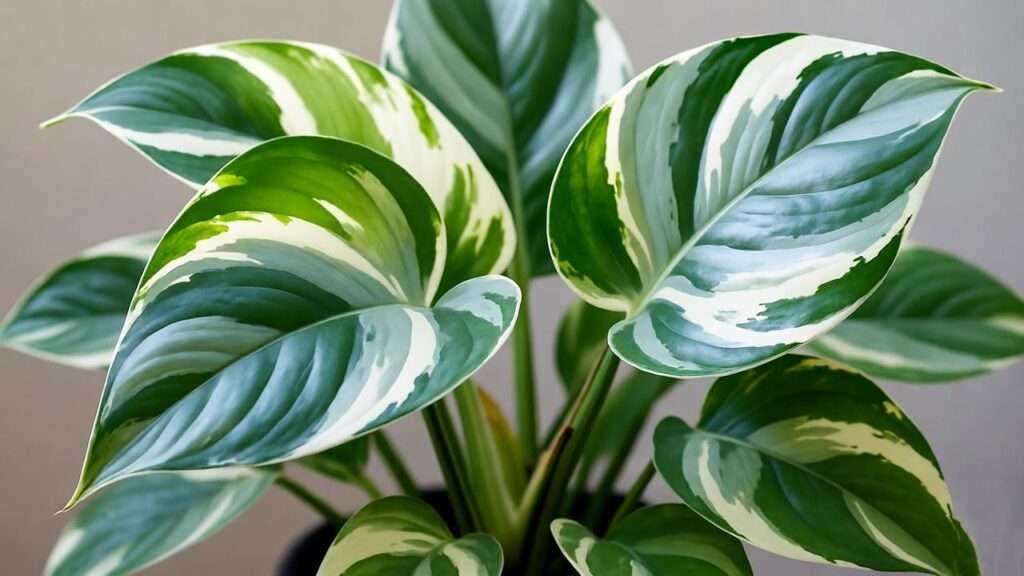
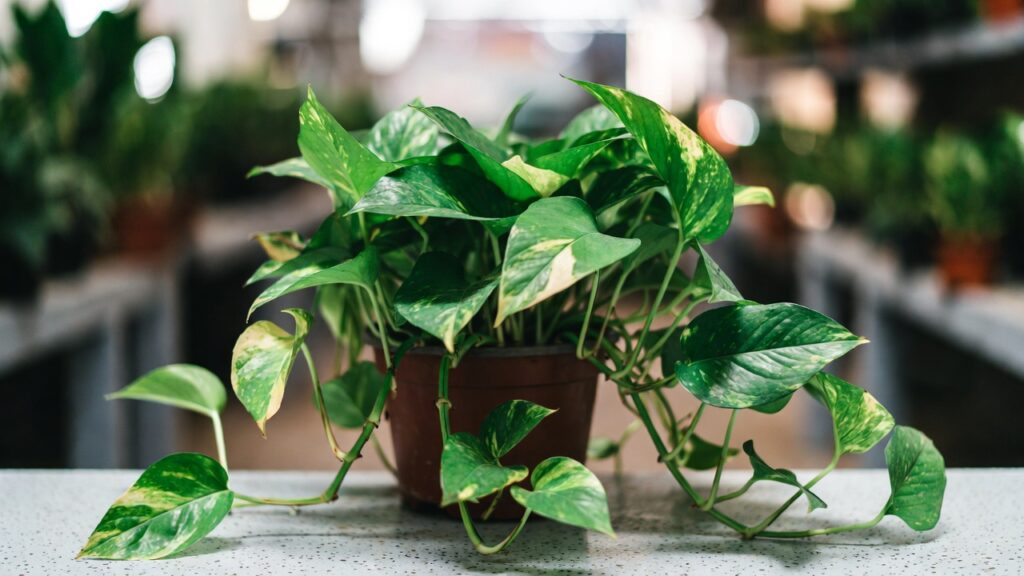
Global Green Pothos is a patented cultivar of Epipremnum aureum, the same species as the ubiquitous Golden Pothos (often called Devil’s Ivy). What sets it apart is its distinctive foliage: heart-shaped leaves featuring dark green margins and lighter green to lime-green centers or marbling. This green-on-green pattern creates a softer, more elegant look compared to high-contrast variegated types.
The variegation here is more stable in moderate lighting than in some white-heavy varieties, meaning it holds its color better without needing extremely bright conditions. It’s also a vigorous grower once established, producing long, trailing vines that can reach 10+ feet indoors with proper care.
Comparison to Popular Pothos Varieties
To help you decide if Global Green is right for your collection, here’s how it stacks up against other common types:
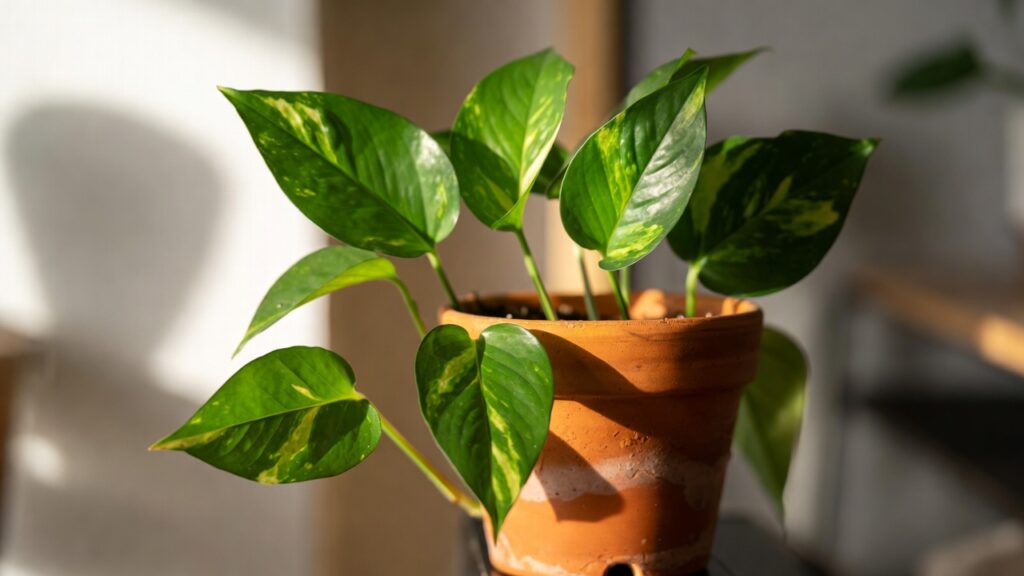
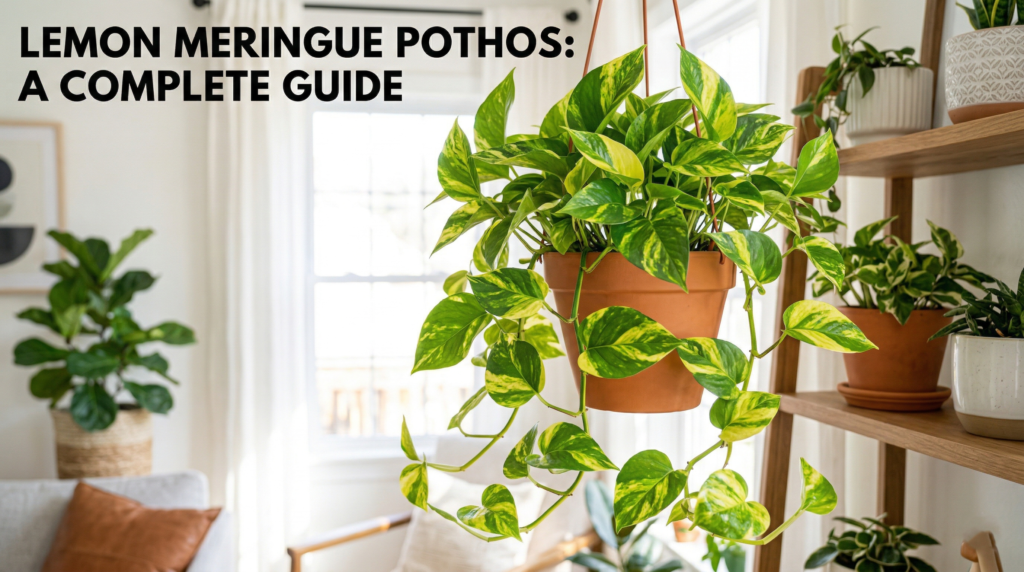
- Vs. Golden Pothos: The classic has bright yellow or chartreuse variegation on green leaves. Golden grows faster and tolerates lower light better, but its bold colors can feel more “loud.” Global Green offers a calmer, more sophisticated aesthetic with similar ease of care.
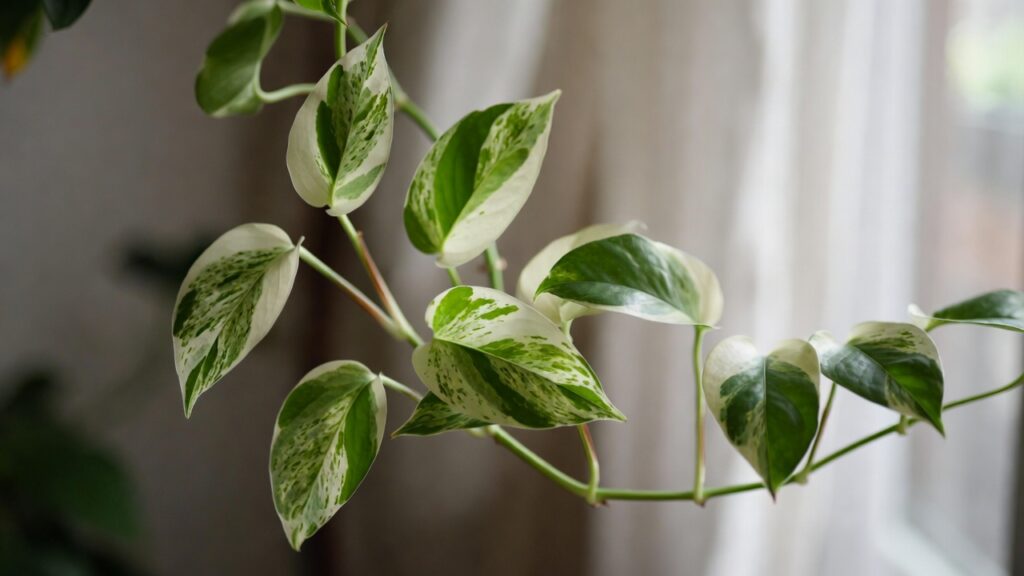
- Vs. Marble Queen Pothos: Marble Queen features creamy white to silver variegation, often covering more of the leaf surface. It grows slower due to higher variegation (less chlorophyll) and needs brighter light to prevent reversion to solid green. Global Green’s greener palette makes it more forgiving in medium light while still providing that mottled effect.
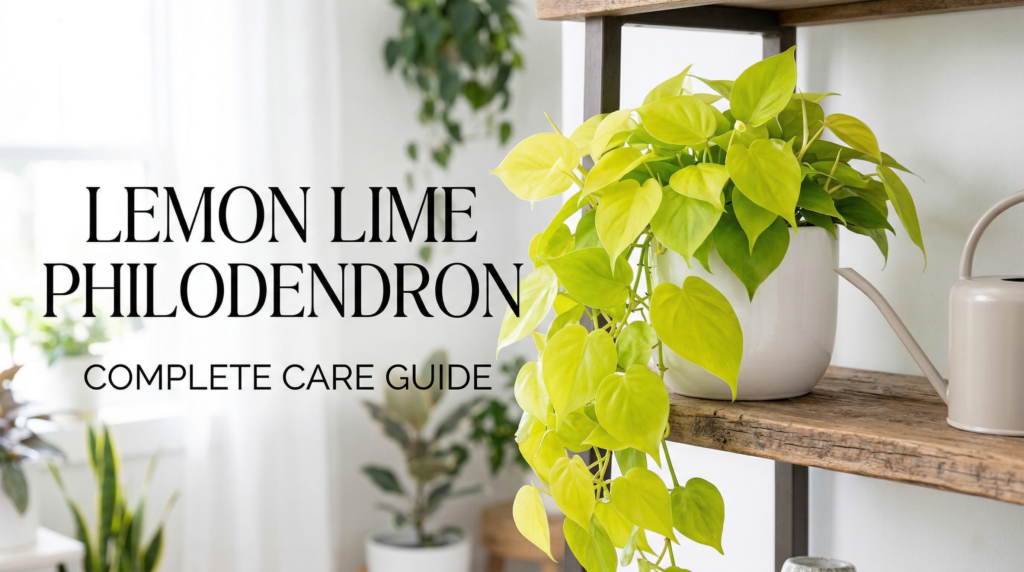
- Vs. Neon Pothos: Neon has solid bright lime-green leaves that intensify in strong light. It’s punchier and more uniform, lacking the marbling of Global Green. Neon prefers brighter spots for its vibrant hue, while Global Green maintains appeal even in slightly shadier conditions.
- Vs. Emerald or Jade Pothos: These are mostly solid dark green with minimal or no variegation. They’re extremely hardy and low-light tolerant but lack the visual interest of Global Green’s patterning.
Global Green strikes a perfect balance—elegant variegation without the finickiness of highly variegated types, making it ideal for anyone wanting subtle sophistication in their indoor plants.
Ideal Growing Conditions for Global Green Pothos
Getting the basics right is key to vibrant growth and preserved variegation.
Light Requirements
Bright, indirect light is the sweet spot for Global Green Pothos. Place it near an east- or west-facing window where it receives filtered sunlight for several hours a day. This encourages the lighter marbling to stand out and prevents the plant from becoming leggy or reverting to more solid green leaves.
It tolerates medium to low light (common in many homes), but variegation may fade over time in very dim spots. Avoid direct sun, which can scorch the leaves, causing brown crispy patches.
Expert Tip: In lower-light areas or during winter months, supplement with a full-spectrum grow light (12-14 hours daily). I’ve seen dramatic improvements in variegation intensity under affordable LED panels—position them 12-18 inches above the plant for best results.
Watering Needs
Like most pothos, Global Green is drought-tolerant and prefers to dry out slightly between waterings. Check the top 1-2 inches of soil with your finger—if it’s dry, it’s time to water.
Water thoroughly until it drains from the bottom, then empty the saucer to prevent soggy roots. In typical indoor conditions, this means every 7-14 days, less frequently in cooler months or low light.
Overwatering Signs: Yellowing leaves (especially lower ones), mushy stems, or a foul soil smell—indicating root rot. Underwatering Signs: Wilting, crispy brown edges, or slow growth.
Always use room-temperature water to avoid shocking the roots, and consider filtered or distilled if your tap water is high in fluoride or chlorine (which can cause tip burn).
Soil and Potting Mix
Use a well-draining mix to mimic its epiphytic origins. A standard houseplant potting soil amended with perlite (for aeration) and orchid bark or coco coir works perfectly. Aim for slightly acidic to neutral pH (6.0-7.0).
Repot every 1-2 years in spring when roots circle the pot or growth slows. Choose a pot 1-2 inches larger with drainage holes—terracotta is great for wicking excess moisture.
Temperature and Humidity
Keep temperatures between 65-85°F (18-29°C); it can handle brief dips but avoid below 55°F to prevent leaf drop. Average household humidity (40-60%) is sufficient, though higher levels promote larger, glossier leaves.
Boost humidity with a pebble tray, grouping plants together, or occasional misting. In dry climates, a small humidifier nearby makes a noticeable difference in leaf health.
How to Plant and Repot Global Green Pothos
Planting or repotting is straightforward and one of the best ways to give your Global Green a fresh start.
Choosing the Right Pot and Location Select a pot with drainage holes—ceramic, terracotta, or plastic all work well. Terracotta helps prevent overwatering by allowing excess moisture to evaporate through the sides. Choose a location with bright, indirect light as discussed earlier. Avoid drafty spots near air conditioners or heating vents, which can stress the plant.
Step-by-Step Planting Guide for New Plants
- Remove the plant from its nursery pot and gently tease apart any tightly bound roots.
- If the roots are very dense, trim off a small portion of the outer roots with clean scissors to encourage new growth.
- Fill the new pot about one-third full with your well-draining aroid mix.
- Position the plant in the center so the top of the root ball sits about ½ inch below the rim.
- Fill in around the sides with more soil, pressing lightly to eliminate air pockets.
- Water thoroughly until it runs out the bottom, then let excess drain completely.
Repotting Tutorial Repot in spring or early summer when the plant is actively growing. Signs it’s time: roots growing out of drainage holes, water draining too quickly (compacted soil), or slowed growth despite good care.
- Move up one pot size (e.g., from 6″ to 8″).
- Inspect roots during the process—healthy roots are firm and white; trim any mushy, brown sections with sterilized tools.
- After repotting, place in slightly shadier spot for 1–2 weeks to reduce transplant shock, then return to normal lighting.
Propagation: Multiply Your Global Green Pothos Easily
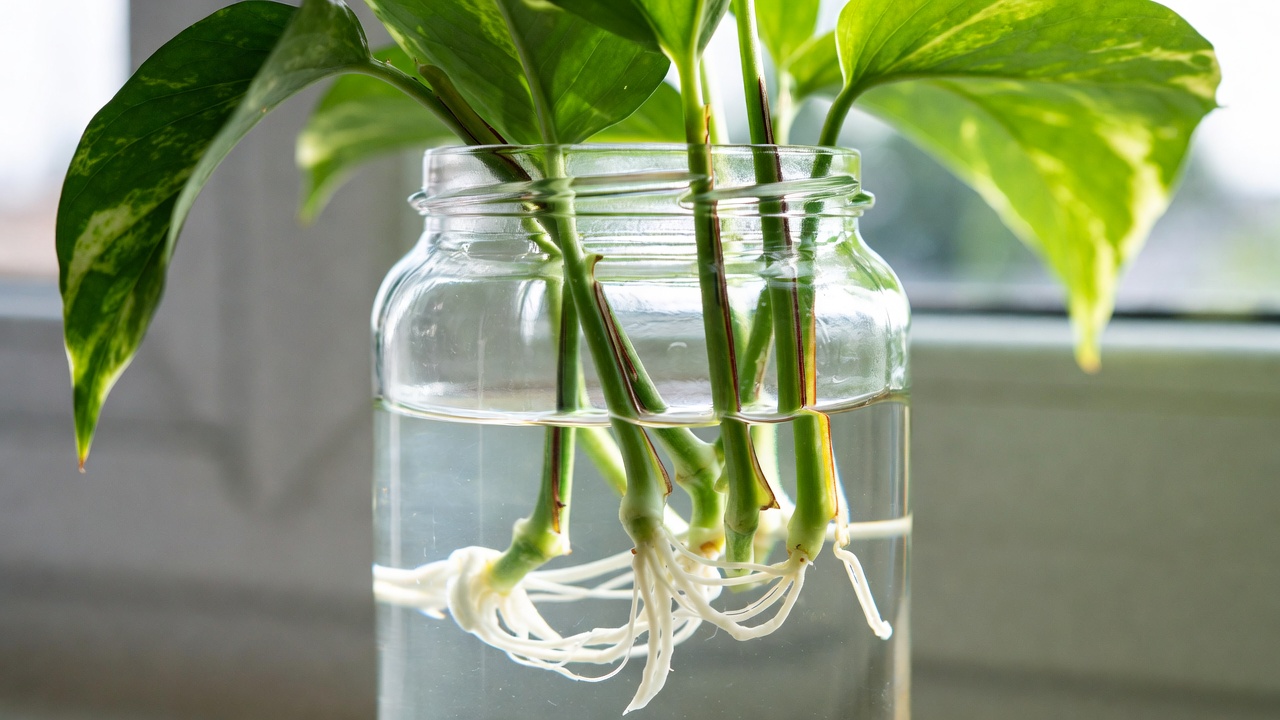
One of the most satisfying aspects of owning pothos is how effortlessly they propagate. Global Green is no exception—its cuttings root reliably and retain the beautiful marbling.
Why Propagate? Create fuller, bushier mother plants, fill empty shelves, gift to friends, or refresh leggy vines by taking cuttings.
Water Propagation (Most Popular Method)
- Use clean, sharp scissors to cut 4–6 inch stem sections, ensuring each has at least 2–3 nodes (the little bumps where roots and leaves emerge).
- Remove the lowest leaves so only 1–2 sets remain at the top.
- Place cuttings in a clear jar or vase filled with room-temperature water. Submerge the nodes but keep leaves above water.
- Position in bright, indirect light (avoid direct sun to prevent algae).
- Change the water every 5–7 days to keep it fresh.
- Roots typically appear in 2–4 weeks. Once roots are 2–3 inches long, transplant into soil.
Soil Propagation Dip the cut end in rooting hormone (optional but speeds things up), then insert directly into moist, well-draining mix. Cover with a clear plastic bag or dome for humidity if your space is dry. Keep soil consistently moist but not soggy.
Tips for Success
- Take cuttings from healthy, mature vines—avoid weak or yellowing sections.
- Propagate in spring/summer for fastest rooting.
- To make the mother plant bushier after cutting, pinch back tips regularly.
- Variegation pattern may vary slightly on new growth, but proper light helps maintain the classic Global Green look.
Fertilizing and Nutrient Needs
Global Green Pothos isn’t a heavy feeder, but consistent nutrition during the growing season supports lush leaves and strong variegation.
When and How Often Fertilize every 4–6 weeks from spring through early fall (March–September in most climates). Skip winter when growth slows.
Type of Fertilizer Use a balanced, water-soluble houseplant fertilizer (e.g., 20-20-20 or 10-10-10) diluted to half strength to avoid salt buildup. Organic options like fish emulsion, seaweed extract, or worm castings work well too—apply monthly at half dose.
Signs of Nutrient Deficiency
- Pale or smaller new leaves → possible nitrogen shortage
- Slow growth overall → general underfeeding
- Yellowing between veins → potential magnesium or iron issue (rare in pothos)
Flush the soil with plain water every 2–3 months to prevent fertilizer buildup, especially if using tap water.
Common Problems and Solutions
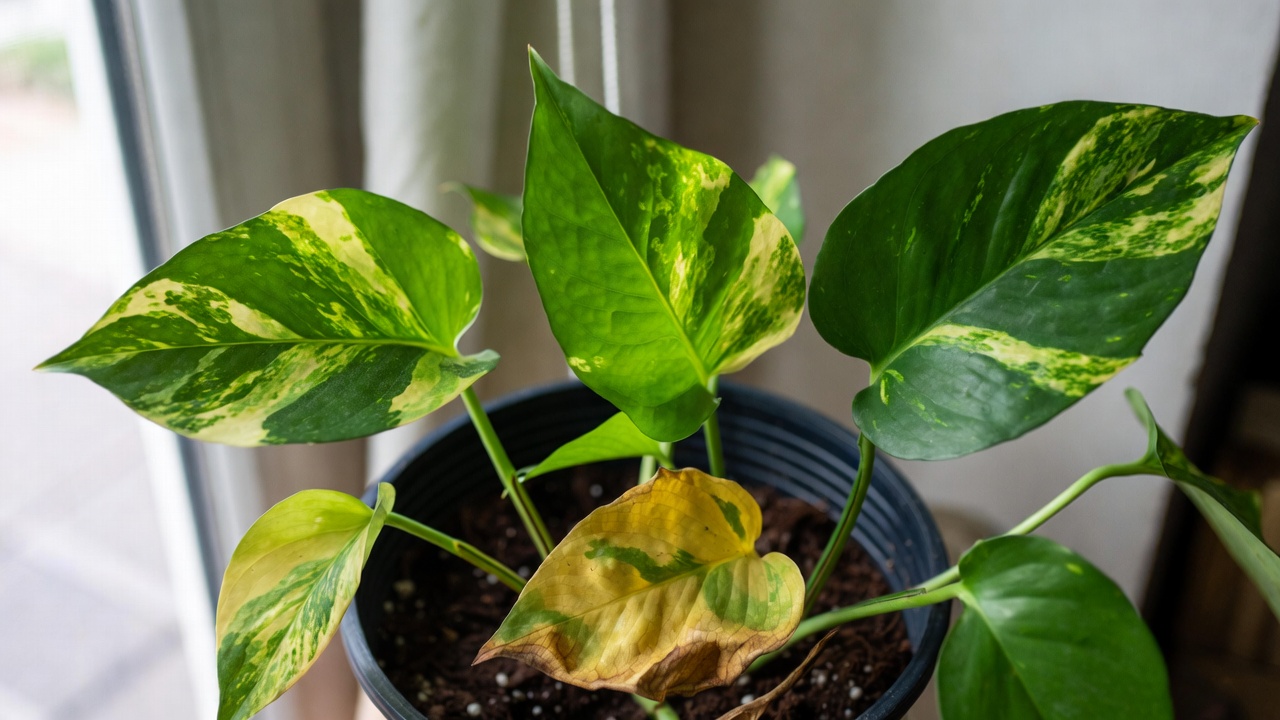
Even hardy plants like Global Green can face issues. Here’s a practical troubleshooting guide:
- Yellow Leaves Usually overwatering/root rot. Reduce frequency, improve drainage, and treat with hydrogen peroxide soak if rot is caught early.
- Brown, Crispy Leaf Tips/Edges Low humidity, fluoride/chlorine in water, or inconsistent watering. Increase humidity, use filtered water, and maintain even soil moisture.
- Leggy Growth & Fading Variegation Insufficient light. Move closer to a brighter window or add grow lights.
- Pests
- Mealybugs: White, cottony clusters. Wipe with alcohol-soaked cotton swabs or use neem oil spray.
- Spider Mites: Fine webbing and stippled leaves. Increase humidity and treat with insecticidal soap or neem.
- Scale: Hard, brown bumps. Scrape off manually and follow with horticultural oil.
- Root Rot Recovery Unpot, trim rotten roots, treat with fungicide if desired, repot in fresh dry mix, and water sparingly until new growth appears.
Prevention Checklist
- Inspect weekly
- Quarantine new plants for 2–4 weeks
- Ensure good airflow
- Avoid over-fertilizing
Styling and Display Ideas for Global Green Pothos

Global Green’s trailing habit and refined variegation make it incredibly versatile:
- Hanging Baskets → Classic boho look; let vines cascade 3–5 feet for drama.
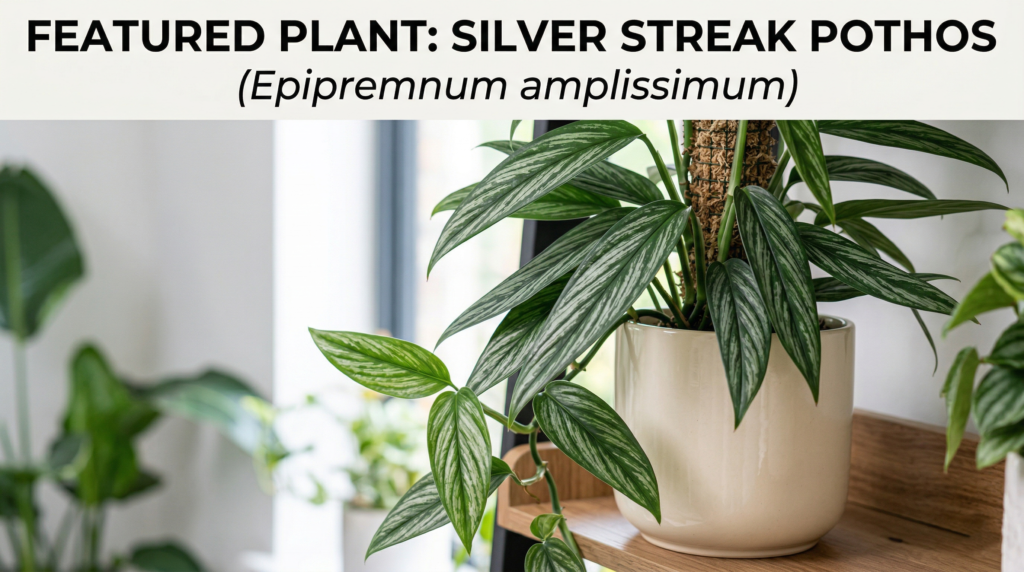
- Moss Poles or Trellises → Train vines to climb for a vertical jungle effect.
- Shelf or Desk Accent → Drape over edges for soft, organic lines.
- Bathroom or Kitchen → Higher natural humidity promotes glossy leaves.
- Companion Planting → Pair with Snake Plant, ZZ Plant, or Peace Lily for a low-light, air-purifying grouping.
Is Global Green Pothos Toxic? Pet and Child Safety

Global Green Pothos, like all Epipremnum aureum varieties, contains calcium oxalate crystals and is considered toxic to cats, dogs, and humans if ingested. Chewing causes intense mouth irritation, drooling, swelling, and difficulty swallowing.
Safety Tips
- Keep out of reach of pets and toddlers (hanging baskets or high shelves work best).
- If ingestion occurs, rinse mouth and contact a veterinarian or poison control immediately.
- The sap can irritate skin—wear gloves when pruning if sensitive.
Frequently Asked Questions (FAQs)
How fast does Global Green Pothos grow? Moderately fast—expect 12–24 inches of new vine growth per year under good conditions, faster in bright light with regular feeding.
Why is my variegation fading? Usually due to low light. Increase brightness gradually to avoid shock.
Can it live outdoors? Yes, in USDA zones 10–12 as a ground cover or container plant. Bring indoors before temperatures drop below 55°F.
How is Global Green different from Emerald Pothos? Emerald is mostly solid dark green with little to no variegation. Global Green has distinct lighter green marbling.
Best way to make it bushier? Regular pruning/pinching of growing tips encourages side shoots. Propagate cuttings and replant them back into the same pot.
Recommended fertilizer brands? Dyna-Gro Foliage-Pro, Miracle-Gro Indoor Plant Food (half strength), or organic options like FoxFarm Grow Big or Neptune’s Harvest.
Does it purify air? Yes—NASA Clean Air Study includes pothos as effective at removing formaldehyde, benzene, and other VOCs.
Final Thoughts + Expert Insights
Global Green Pothos stands out as one of the most rewarding modern cultivars: it combines the legendary toughness of classic pothos with a sophisticated, contemporary look that fits seamlessly into minimalist, bohemian, or tropical interiors alike. With bright indirect light, moderate watering, and occasional feeding, it delivers cascading beauty and improved air quality with very little fuss.
From my own experience growing this variety in both low-light urban apartments and brighter suburban homes, the key difference-maker is light—give it enough, and the marbling pops in a way that feels almost luminous. Underestimate light, and it becomes a very nice solid-green trailing plant.
If you’re ready to add this gem to your collection (or already have and want to level up your care), start with one simple adjustment today—perhaps moving it closer to a window or taking a few cuttings. Your indoor space will thank you.
Have you grown Global Green Pothos yet? Share your experiences, successes, or challenges in the comments—I’d love to hear them and offer personalized tips. For more in-depth guides on trending indoor plants, be sure to subscribe and explore our other pothos care articles.
Happy growing!