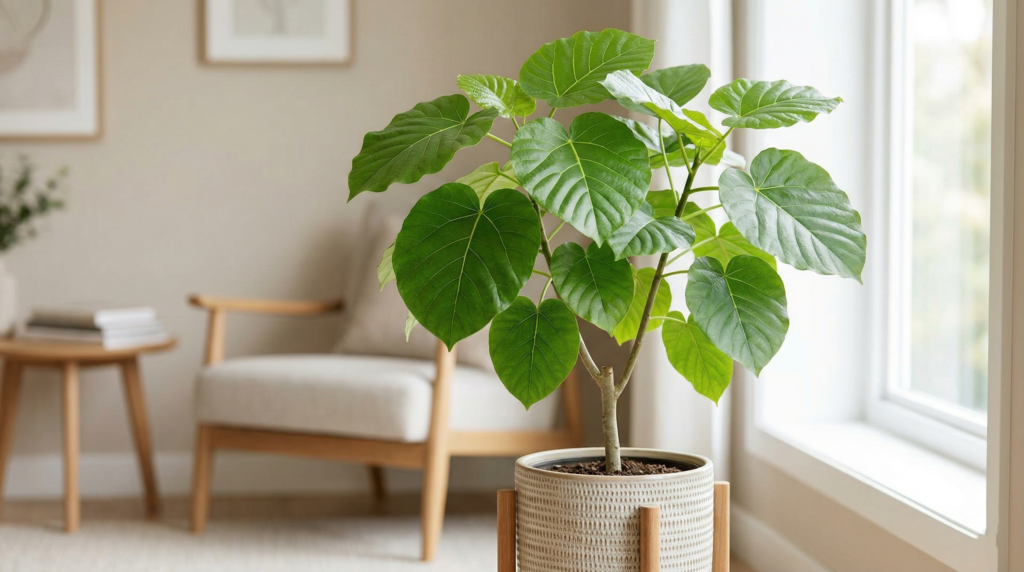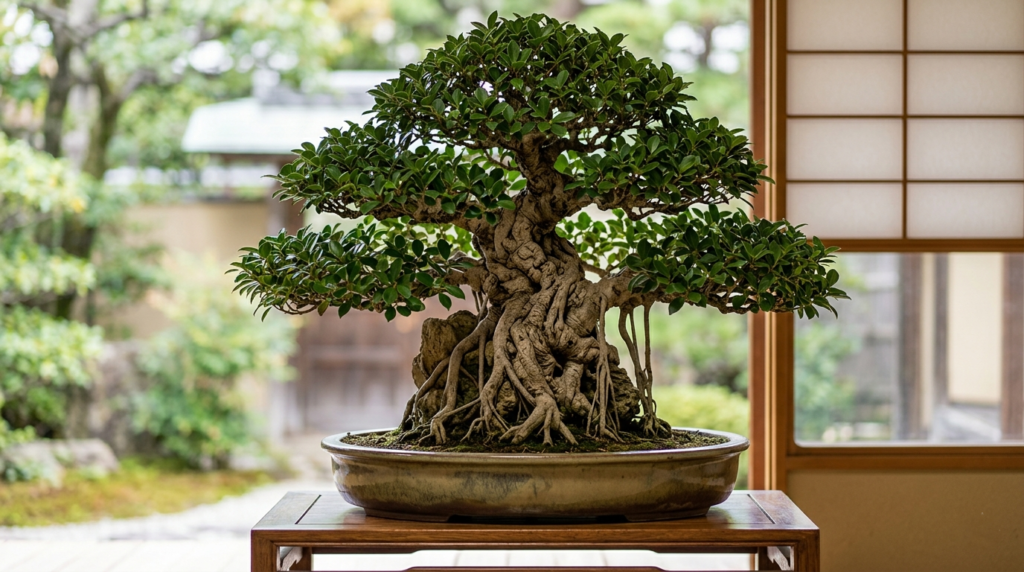

Are you ready to elevate your indoor plant collection with a truly unique and visually stunning specimen? The Ficus Triangularis, often referred to as the “Triangle Ficus,” could be the perfect addition to your home. With its striking triangular-shaped leaves and versatile nature, this plant not only adds a touch of elegance to any space but also thrives under the right care.
In this comprehensive guide, we’ll delve into everything you need to know about caring for Ficus Triangularis. Whether you’re a seasoned plant enthusiast or a beginner, this article will provide expert insights on how to ensure your Ficus flourishes in your home. From lighting needs to troubleshooting common problems, we’ve got you covered. By the end of this guide, you’ll be equipped with the knowledge to keep your Ficus Triangularis healthy, vibrant, and thriving.
Table of Contents
ToggleEssential Care Requirements for Ficus Triangularis
Light Requirements: How to Position Your Ficus Triangularis for Optimal Growth

Ficus Triangularis thrives in bright, indirect light. Its native environment in tropical regions means it’s adapted to filter through the canopy of taller trees, where it receives ample but diffused light. For the best growth, place your plant near a window that offers plenty of natural light but avoid direct sunlight, which can scorch the leaves.
Signs Your Ficus Is Getting Too Much or Too Little Light:
-
Too much light: Leaves may develop brown, crispy edges or spots.
-
Too little light: Growth will slow down, and the plant may become leggy, with fewer leaves.
To prevent these issues, place your plant near a north or east-facing window for optimal light exposure. In darker corners of your home, you might want to consider using a grow light to supplement natural light.
Watering Ficus Triangularis: The Right Balance

Watering is one of the most crucial aspects of caring for your Ficus Triangularis. While this plant likes its soil to be slightly moist, it’s important to avoid overwatering. Overwatered Ficus can develop root rot, which can be difficult to recover from.
Watering Tips:
-
Water your Ficus Triangularis when the top inch of soil feels dry to the touch.
-
Always ensure that your pot has proper drainage to avoid water accumulation at the bottom.
-
In winter, reduce watering frequency, as the plant goes into a more dormant phase.
Signs of Overwatering vs. Underwatering:
-
Overwatering: Yellowing leaves, mushy stems, and a musty smell from the soil.
-
Underwatering: Dry, crispy leaves and soil that pulls away from the sides of the pot.
Using a moisture meter or simply checking the soil can help you maintain the proper watering schedule.
Soil and Potting: Choosing the Right Medium for Your Ficus Triangularis
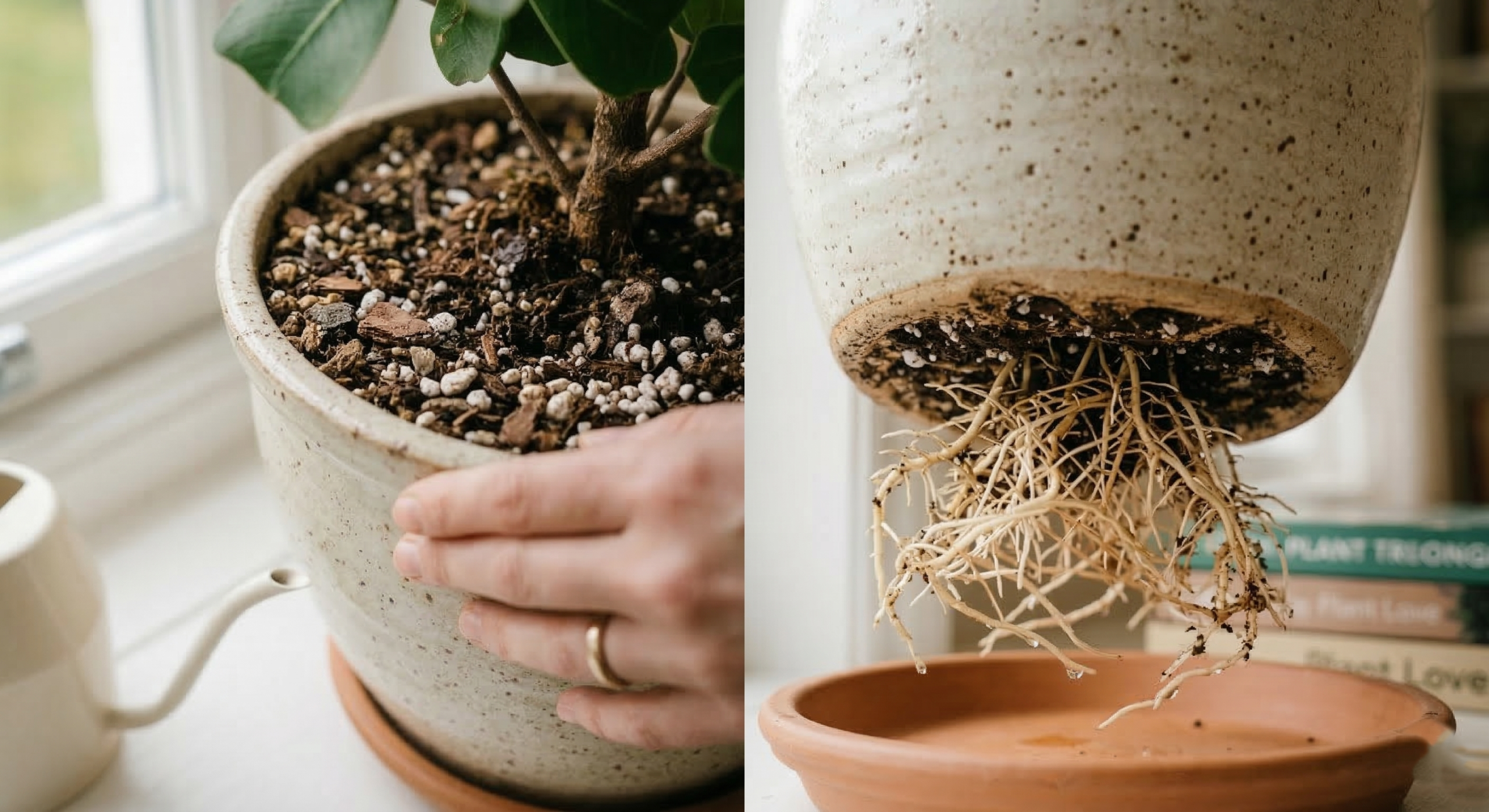
Ficus Triangularis prefers well-draining soil. A mixture of peat, perlite, and pine bark works well for creating a light, airy medium that doesn’t retain too much moisture. Good drainage is essential to prevent root rot.
Potting Tips:
-
Choose a pot with drainage holes to allow excess water to escape.
-
When repotting, select a container that is only slightly larger than the current one to prevent waterlogging.
The soil should remain slightly moist but never soggy, so ensure your potting mix is well-draining.
Advanced Care Tips for Thriving Ficus Triangularis
Fertilizing Your Ficus Triangularis: What You Need to Know
Fertilizing helps encourage healthy growth and vibrant leaves. During the growing season (spring and summer), feed your Ficus Triangularis once a month with a balanced, water-soluble fertilizer. You can also use organic options like compost tea or worm castings.
How to Fertilize:
-
Avoid fertilizing during the winter months when growth slows down.
-
Dilute the fertilizer to half-strength to avoid overfeeding, which can harm the plant.
Signs of Over-fertilization:
-
Leaf tips turning brown and crispy.
-
Excessive salt buildup in the soil, which can cause stunted growth.
By fertilizing appropriately, you provide the nutrients necessary for healthy, lush growth while avoiding damage from excessive nutrients.
Pruning and Shaping: Maintaining a Beautiful and Healthy Ficus Triangularis
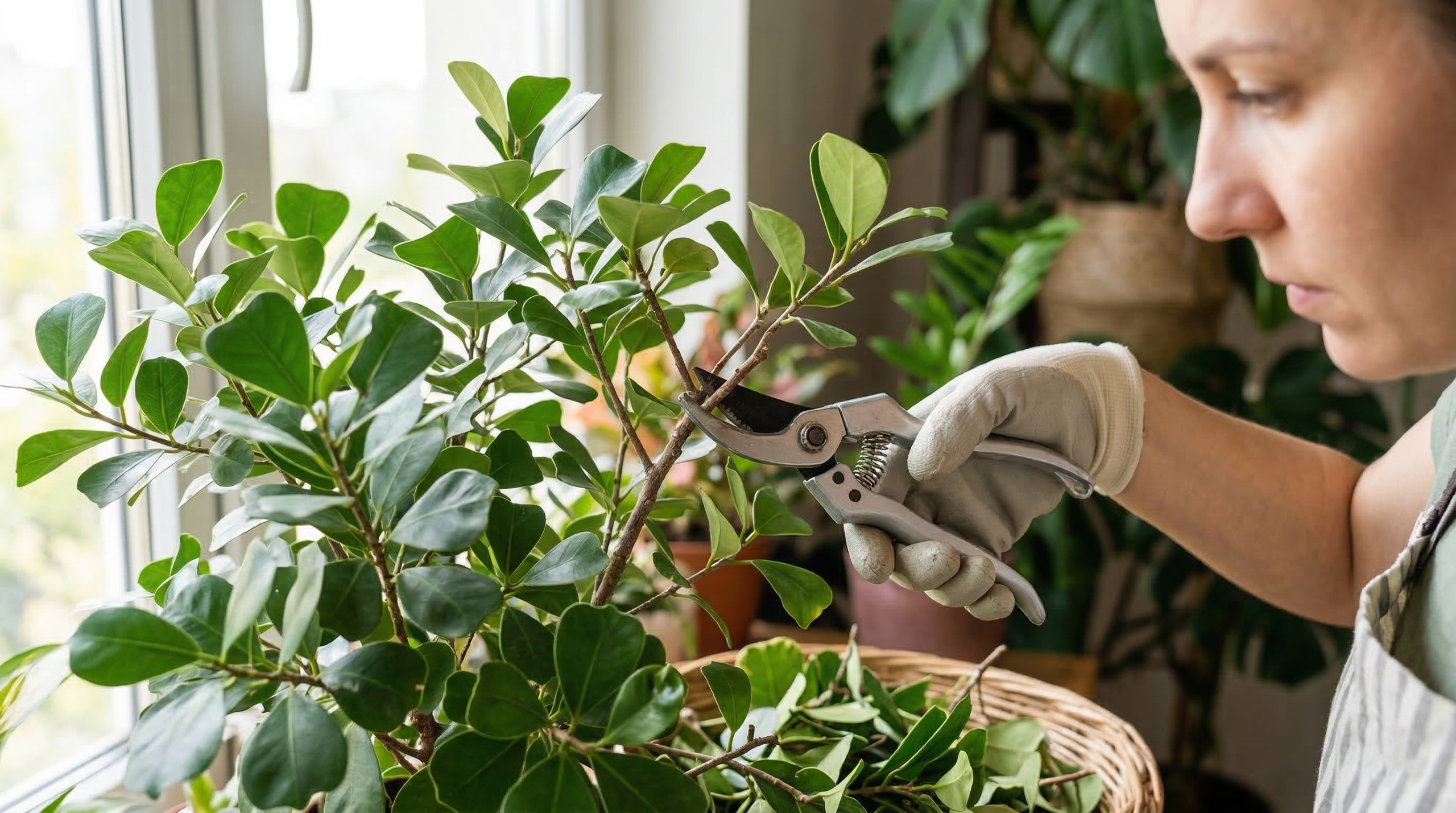
Pruning is essential for maintaining the shape of your Ficus Triangularis and encouraging new growth. The plant responds well to pruning, which can help it maintain a bushier appearance.
Pruning Steps:
-
Use sharp, clean pruning shears to remove any dead or yellowing leaves.
-
Trim back long, leggy branches to encourage branching and fuller growth.
-
Always prune above a node (the point on the stem where leaves grow) to encourage new shoots.
Pruning should be done in the spring or early summer to allow the plant to recover and grow back during the active growing season.
Repotting Ficus Triangularis: When and How to Repot for Optimal Growth
Ficus Triangularis grows relatively slowly but may eventually need repotting as it outgrows its container. Signs it’s time to repot include visible roots emerging from the bottom of the pot or if the plant seems to have stopped growing despite proper care.
Repotting Tips:
-
Choose a pot that’s only 1-2 inches larger than the current one.
-
Ensure the new pot has good drainage.
-
Repotting should be done in the spring, during the plant’s active growing period.
When repotting, gently remove the plant from its old pot, loosen the roots, and place it in the new container with fresh, well-draining soil.
Troubleshooting Common Ficus Triangularis Problems
Yellowing Leaves: Causes and Solutions
Yellowing leaves on Ficus Triangularis can be caused by several factors, including overwatering, nutrient deficiencies, or poor lighting conditions. If you notice the lower leaves turning yellow, it’s typically a sign of overwatering or a lack of light.
How to Fix It:
-
Ensure your plant is not sitting in water by checking the drainage system.
-
Move the plant to a brighter location if necessary.
-
Trim off the yellowing leaves to allow the plant to focus on healthy growth.
Pests and Diseases: How to Keep Your Ficus Triangularis Safe
While Ficus Triangularis is generally resistant to pests, it can still fall victim to common houseplant pests like spider mites, aphids, and scale insects. You can prevent these issues by regularly inspecting the plant and using organic pest control methods like neem oil or insecticidal soap.
How to Prevent and Treat Pests:
-
Regularly wipe the leaves with a damp cloth to remove dust and pests.
-
If an infestation occurs, treat with an insecticidal solution or by gently washing the leaves under a stream of water.
If you suspect root rot due to overwatering, remove the plant from its pot, inspect the roots, and cut away any affected areas before repotting in fresh soil.
Leaf Drop: Why It Happens and How to Fix It
Leaf drop is a common issue for Ficus plants, and it can be caused by several factors, including environmental stress, temperature fluctuations, or sudden changes in care. For Ficus Triangularis, inconsistent watering or exposure to drafts can trigger leaf drop.
How to Prevent Leaf Drop:
-
Keep your Ficus Triangularis in a location with stable temperatures.
-
Avoid placing the plant near heaters, air conditioners, or drafty windows.
-
Maintain a consistent watering schedule to avoid stress.
Environmental Considerations for Ficus Triangularis
Temperature and Humidity: The Ideal Conditions for Ficus Triangularis
Ficus Triangularis prefers temperatures between 60°F and 75°F (15°C and 24°C), with no exposure to cold drafts or sudden temperature changes. It thrives in higher humidity, so if you live in a dry climate, consider using a humidifier or placing your plant in a more humid room (like a bathroom or kitchen).
How to Increase Humidity:
-
Mist the leaves occasionally, especially in the winter when indoor air tends to be drier.
-
Place a humidity tray with water and pebbles near the plant to maintain moisture around the leaves.
The Best Location in Your Home for Ficus Triangularis

Ficus Triangularis can adapt to various indoor spaces but thrives in areas with indirect light and stable temperatures. The best spots for your plant include living rooms, offices, or kitchens that receive plenty of natural light.
Ideal Rooms for Your Ficus:
-
Living rooms with ample natural light are great locations.
-
Kitchens and bathrooms are perfect if they offer enough indirect light and higher humidity levels.
Common FAQs About Ficus Triangularis Care
How often should I water my Ficus Triangularis?
Water when the top inch of the soil feels dry, typically once a week during the growing season and less frequently in winter.
Can Ficus Triangularis thrive in low light conditions?
While it can survive in lower light conditions, growth may be slower, and the plant may become leggy. Bright, indirect light is preferred for optimal health.
What is the lifespan of Ficus Triangularis?
With proper care, Ficus Triangularis can live for many years and grow to impressive sizes, making it a long-term addition to your home.
Is Ficus Triangularis safe for pets?
Ficus plants, including Ficus Triangularis, are generally toxic to pets if ingested, so be cautious if you have curious cats or dogs.
Expert Tips and Insights
Why Ficus Triangularis Is a Great Investment for Your Home
Ficus Triangularis is not only visually appealing but also relatively low-maintenance compared to other indoor plants. Its air-purifying qualities and ability to thrive indoors make it an excellent choice for plant enthusiasts looking for a beautiful yet practical addition to their home.
Personal Experience and Success Stories
Many indoor plant enthusiasts have shared their success stories of growing thriving Ficus Triangularis plants, particularly in low-maintenance environments where they enjoy bright, indirect light and regular care.
Conclusion: Achieving a Thriving Ficus Triangularis
In summary, Ficus Triangularis is a striking and rewarding plant to care for. By providing it with the right light, water, soil, and attention, you can enjoy its unique beauty and healthy growth for years to come. Remember to prune, fertilize, and repot as needed, and always be on the lookout for common problems like pests or yellowing leaves.