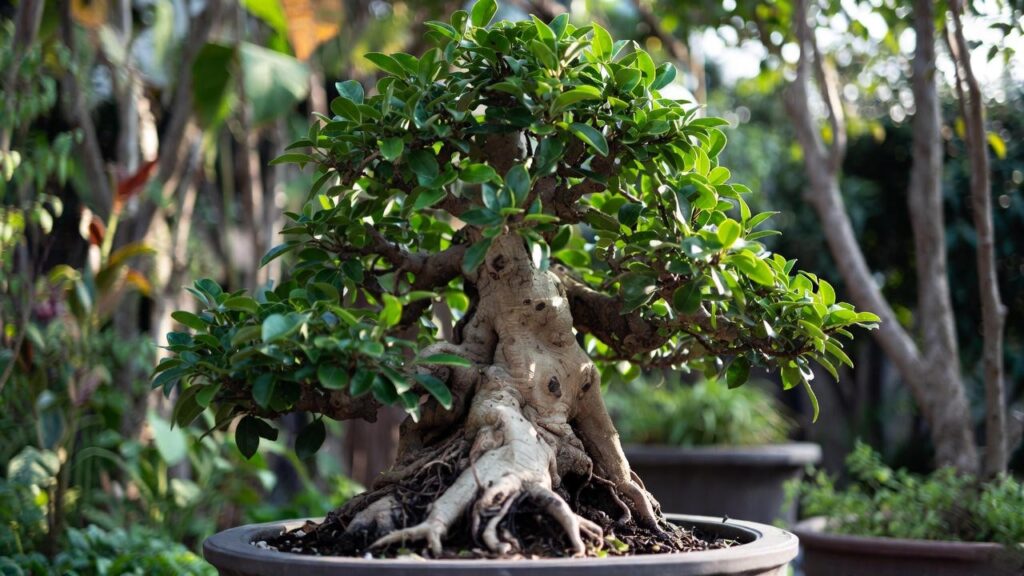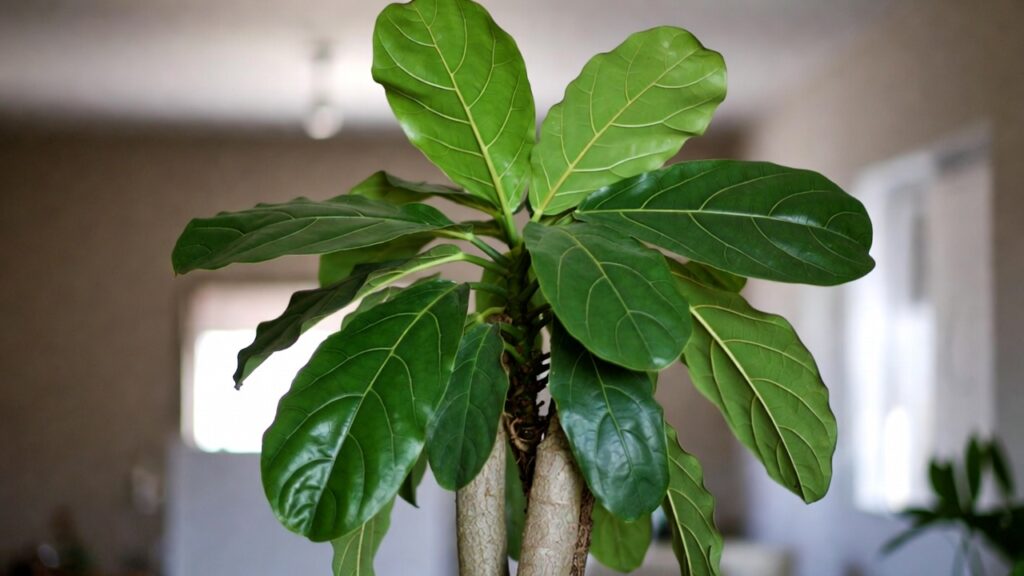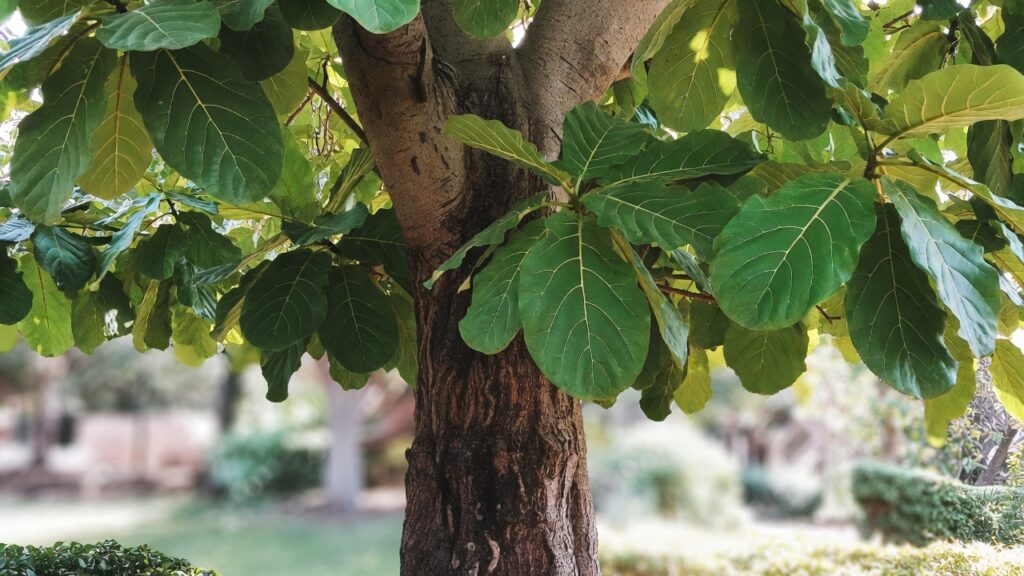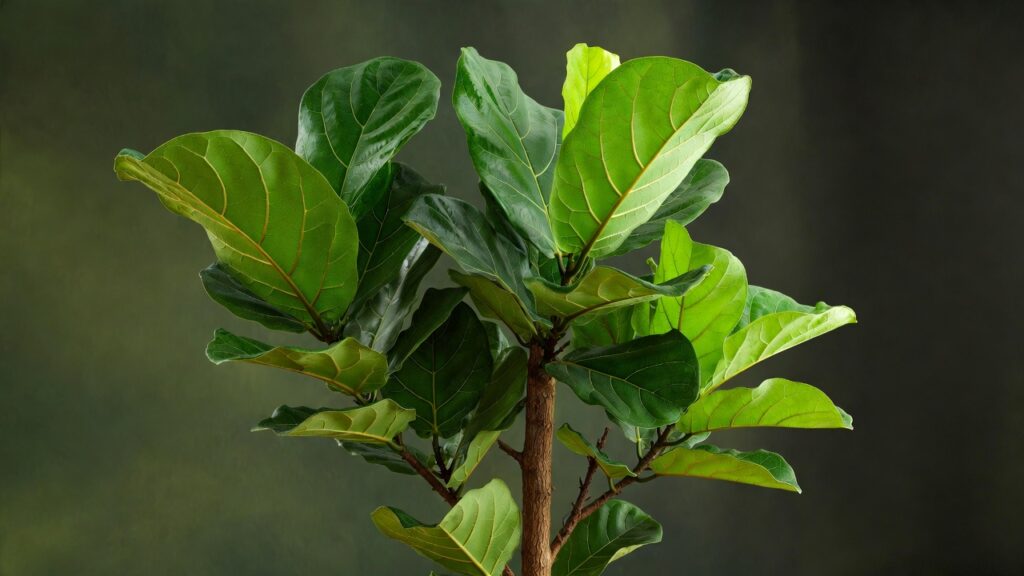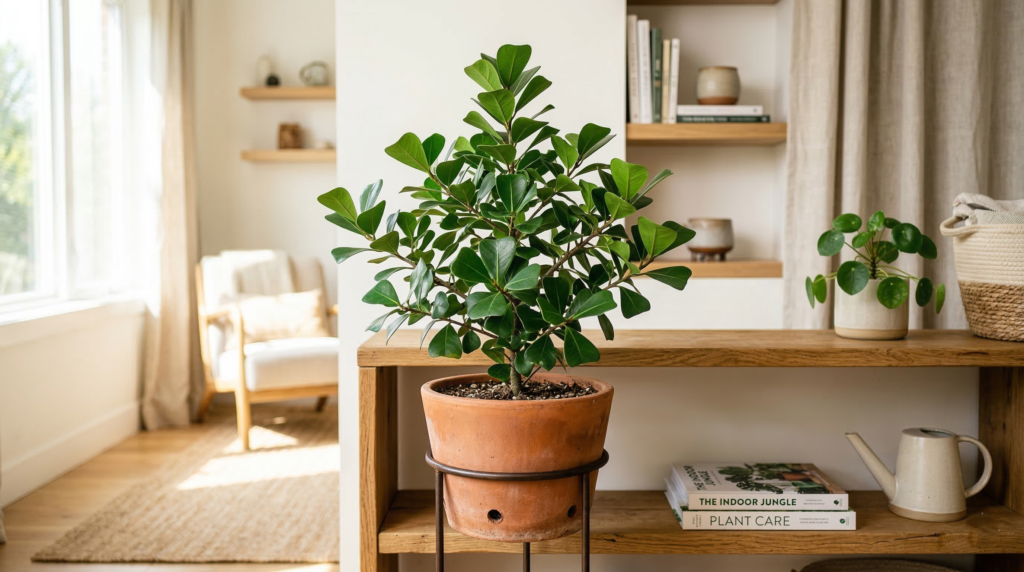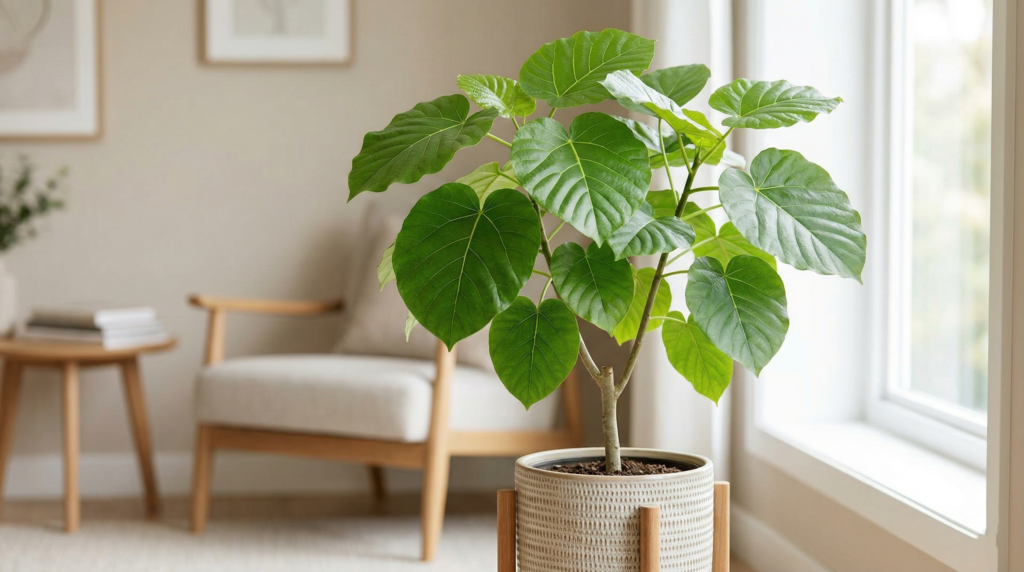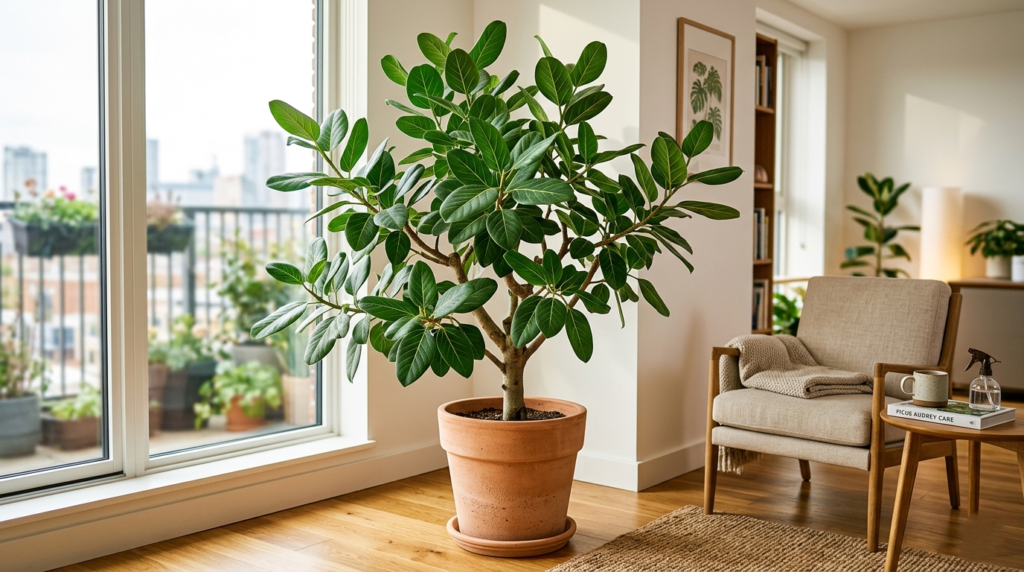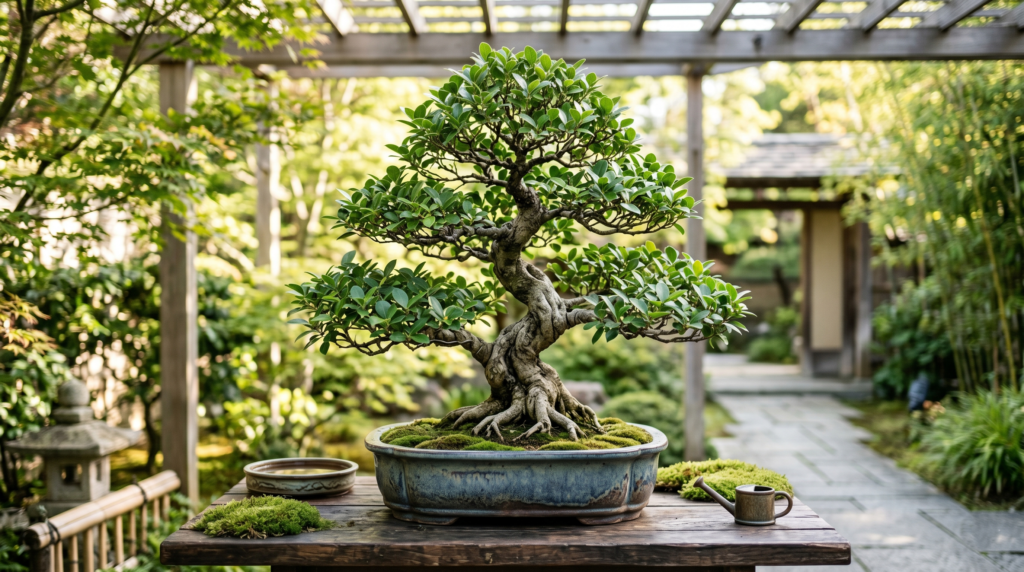
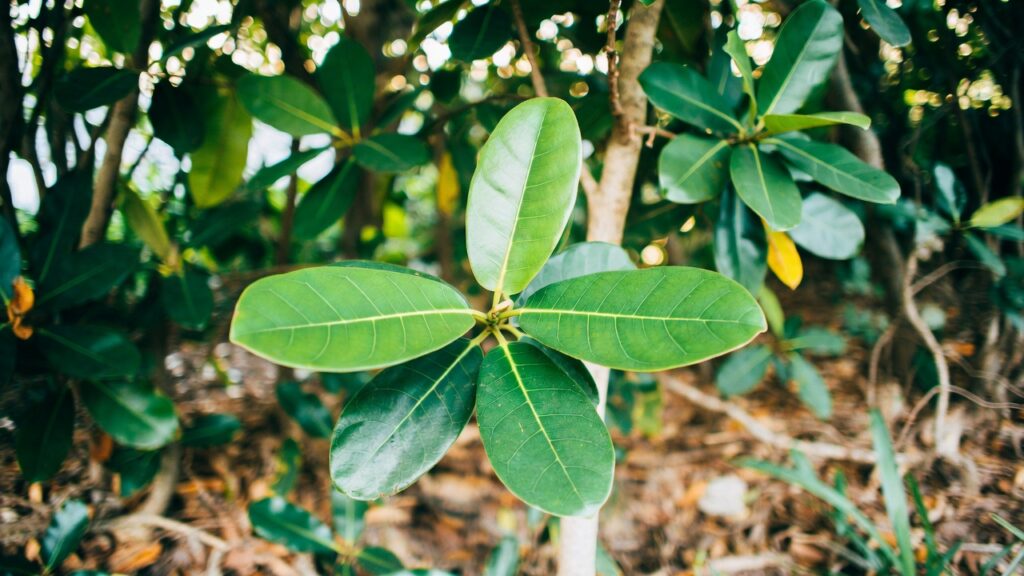
Indoor plants are more than just decorative items — they’re nature’s way of transforming our living spaces into serene, refreshing environments. Among the most popular indoor plants is the Ficus Pandurata, known for its unique, glossy, violin-shaped leaves and striking presence. This beautiful plant not only adds a touch of elegance to any room, but it also purifies the air and thrives with minimal effort.
If you’ve been looking to introduce a touch of nature into your home, the Ficus Pandurata might be the perfect plant for you. But just like any plant, it requires proper care to thrive. Whether you’re a seasoned plant parent or a beginner, this ultimate guide will walk you through everything you need to know to ensure your Ficus Pandurata flourishes in your home.
Table of Contents
ToggleWhat is Ficus Pandurata?
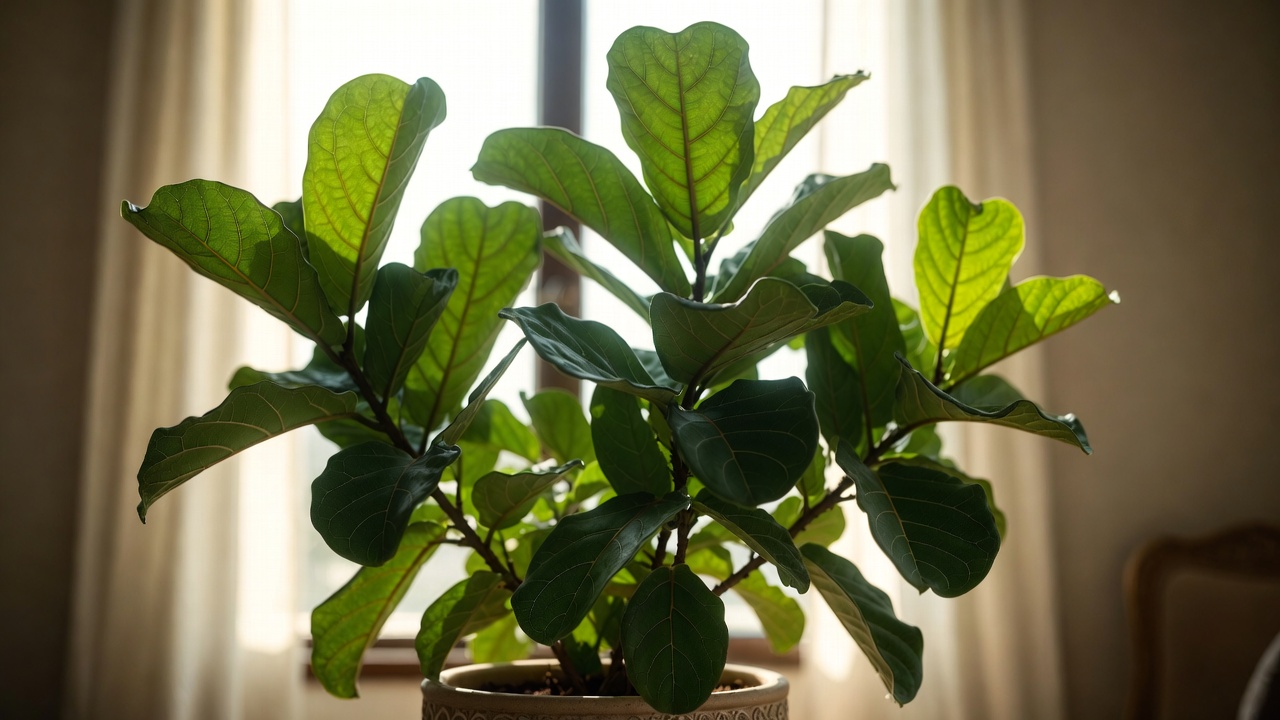
Ficus Pandurata, also known as the fiddle-leaf fig or rubber plant, is a variety of ficus that originates from tropical Asia. Its name “Pandurata” refers to its distinct violin or fiddle-shaped leaves, which make it stand out among other indoor plants. This plant typically grows in warm, humid environments, making it perfect for indoor spaces with bright indirect light.
The Ficus Pandurata has gained popularity in the interior design world due to its elegant foliage and upright growth habit. It’s known for its ability to purify the air, making it not only an aesthetic choice but also a functional one for those seeking a healthier indoor environment. Whether placed in the corner of your living room or near a window, it serves as a striking focal point in any room.
Why Choose Ficus Pandurata for Your Home?
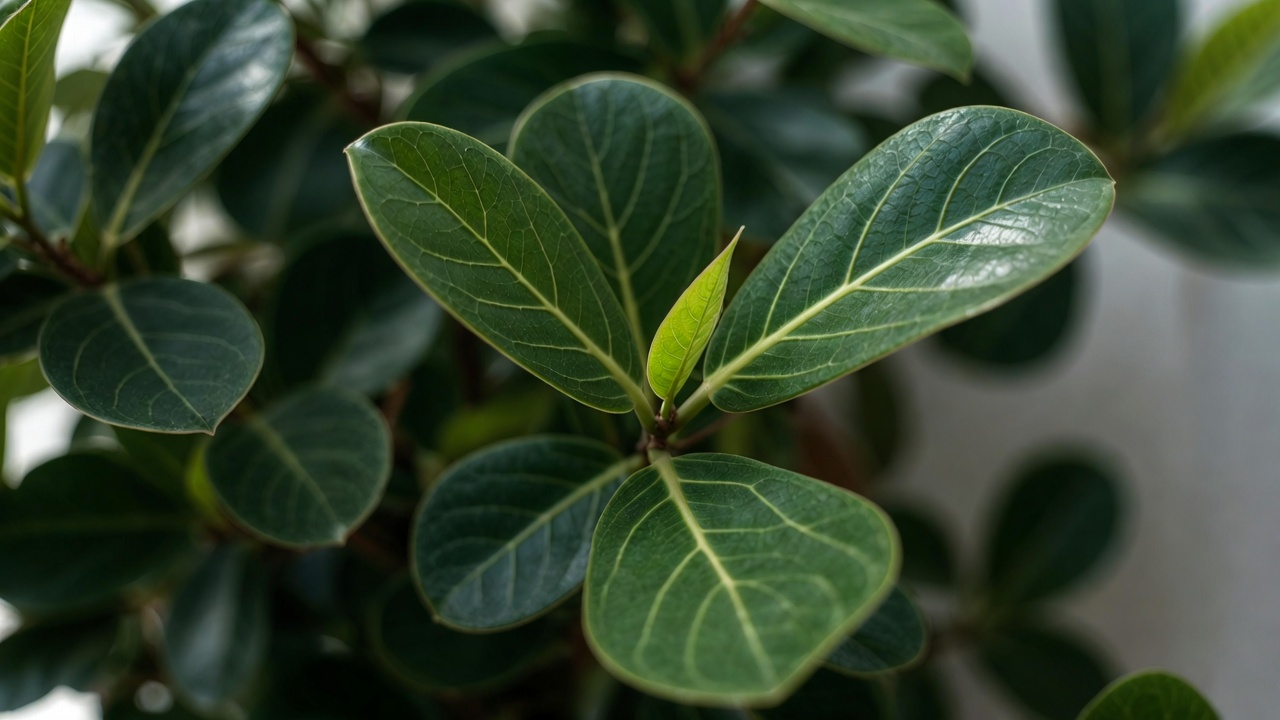
There are countless indoor plants to choose from, so why should you consider adding a Ficus Pandurata to your space? Here are just a few reasons:
-
Low Maintenance: Compared to other indoor plants, Ficus Pandurata is relatively low-maintenance. It doesn’t require constant attention, making it an ideal choice for busy homeowners or those new to plant care.
-
Air-Purifying Qualities: Like many other Ficus varieties, Ficus Pandurata is a natural air purifier. It absorbs toxins such as formaldehyde, making it beneficial for both your health and your home’s atmosphere.
-
Striking Appearance: The plant’s large, dark green, violin-shaped leaves bring a tropical feel to your home. It can easily be the statement piece in a room or complement other plants in a collection.
-
Adaptability: The Ficus Pandurata thrives in a wide range of indoor environments. Whether your space is filled with natural light or only receives minimal daylight, this plant can adapt with proper care.
Optimal Growing Conditions for Ficus Pandurata
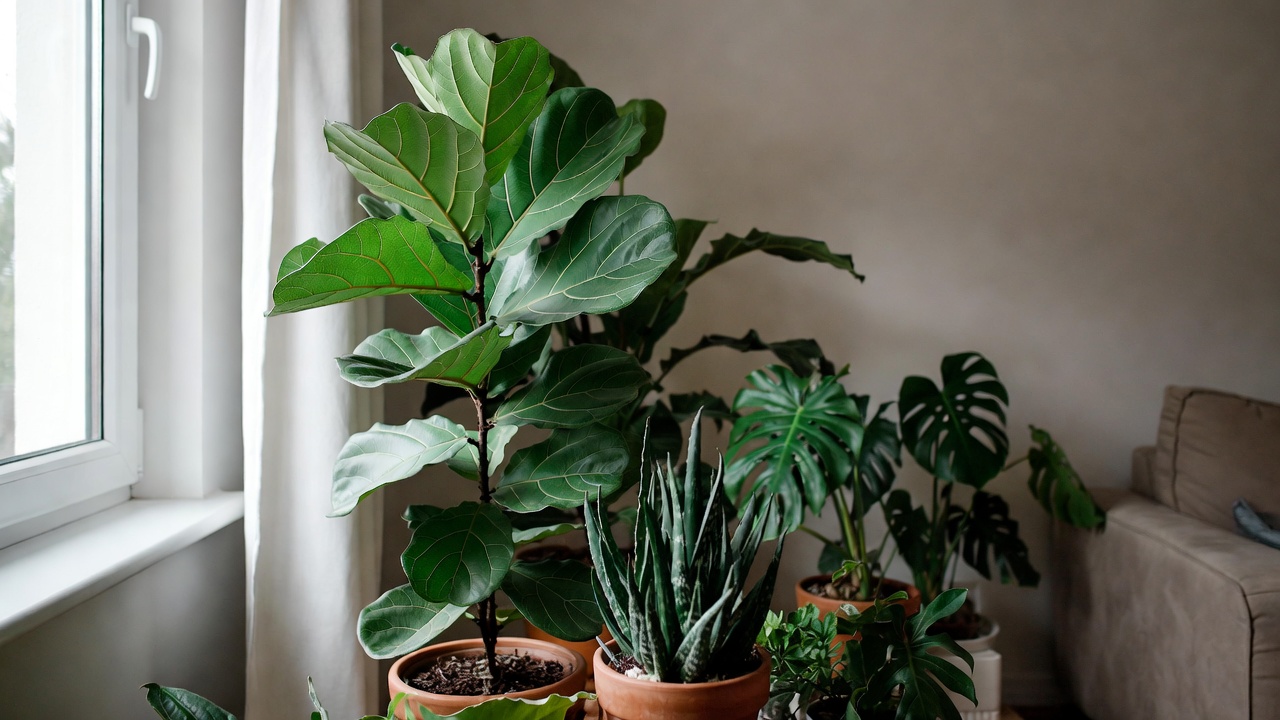
Understanding the ideal conditions for your Ficus Pandurata is key to ensuring its health and longevity. Here’s a breakdown of what your plant needs to thrive:
Light Requirements:
One of the most important factors for growing a healthy Ficus Pandurata is light. This plant loves bright, indirect sunlight, but it can tolerate moderate light conditions as well. However, keep in mind that too much direct sunlight can scorch the leaves, while too little light will stunt its growth.
Tips for Proper Lighting:
-
Place your Ficus Pandurata near a window that gets plenty of natural light, but avoid direct sunlight for long periods.
-
If your home has low light, consider using grow lights to supplement natural sunlight.
Temperature and Humidity Needs:
The Ficus Pandurata thrives in warm, humid conditions. Ideally, it should be kept at temperatures between 65°F (18°C) and 75°F (24°C).
Tips for Managing Temperature and Humidity:
-
Keep your plant away from drafts or air conditioning vents, as sudden temperature changes can stress the plant.
-
To maintain optimal humidity, especially during dry winter months, you can increase humidity by placing a humidifier nearby or grouping plants together.
Soil and Potting:
Proper soil and potting are crucial for the Ficus Pandurata to flourish. This plant prefers well-draining soil that allows the roots to breathe and prevents waterlogging.
Tips for Potting and Soil:
-
Use a high-quality, well-draining potting mix that contains perlite or sand to ensure good drainage.
-
Select a pot that is one size larger than the current root ball of your Ficus Pandurata to allow for growth, but not so large that it retains excess moisture.
Repotting Your Ficus Pandurata:
As your Ficus Pandurata grows, it will need to be repotted to give its roots more space to expand. Typically, you should repot your plant every 1-2 years or when you notice it outgrowing its pot.
Caring for Ficus Pandurata: The Step-by-Step Guide
Once you’ve set your Ficus Pandurata in the right environment, it’s time to focus on the care routine that will keep it thriving. Here’s a detailed guide to maintaining your plant.
Watering Ficus Pandurata: Finding the Right Balance
Watering is one of the most common challenges plant owners face. Ficus Pandurata prefers moderate watering and does not tolerate being overwatered.
Watering Tips:
-
Water your plant when the top 1-2 inches of soil feel dry to the touch.
-
Be sure to use a pot with proper drainage to avoid water sitting at the bottom, which can cause root rot.
-
During the winter months, reduce watering as the plant’s growth slows down.
Fertilizing Ficus Pandurata for Healthy Growth
Fertilizing helps promote healthy growth, especially during the growing season (spring and summer). You can use a balanced, water-soluble fertilizer.
Fertilizing Tips:
-
Fertilize once a month during the active growing season, using half-strength fertilizer to avoid overfeeding.
-
Reduce or eliminate fertilizing in the fall and winter months when the plant enters dormancy.
Pruning and Maintenance
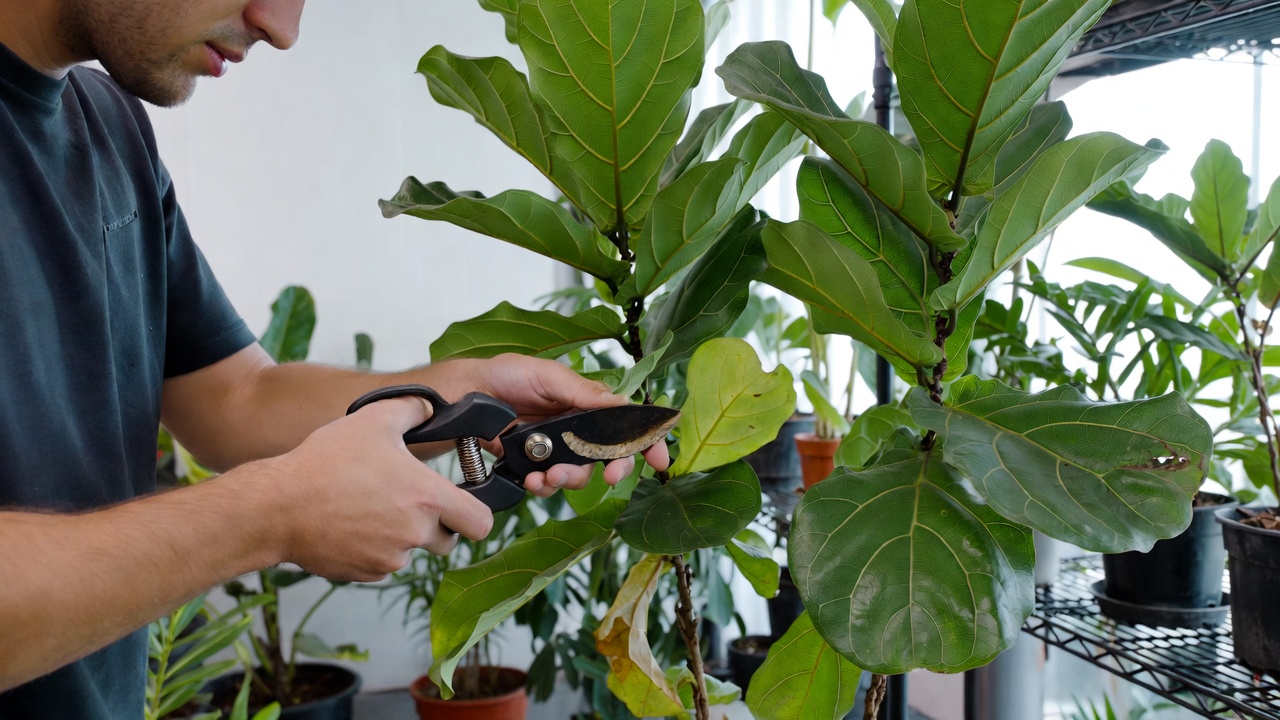
Pruning your Ficus Pandurata helps keep it in shape and encourages fuller growth.
Pruning Tips:
-
Regularly remove dead or yellowing leaves to maintain a tidy appearance.
-
If your plant becomes leggy or overgrown, trim the stems to encourage bushier growth.
Troubleshooting Common Problems
Even with the best care, Ficus Pandurata can occasionally face issues. Here are some common problems and how to address them.
Yellowing Leaves:
Yellowing leaves are one of the most common issues, often caused by overwatering or poor drainage.
Solution:
-
Check the soil moisture and ensure that the plant isn’t sitting in water.
-
Move your plant to a location with more indirect light if it’s not getting enough.
Leaf Drop:
If your plant is dropping leaves, it may be due to changes in temperature or lighting conditions.
Solution:
-
Avoid placing your plant in drafty areas or near heat sources, as temperature fluctuations can stress it out.
-
Ensure your plant is getting the right amount of light.
Brown Leaf Tips:
Brown leaf tips can indicate that the plant isn’t receiving enough humidity or that you’re underwatering it.
Solution:
-
Increase the humidity around your plant by placing a humidity tray beneath the pot or using a humidifier.
-
Ensure that the soil is consistently moist but not soggy.
Advanced Tips for Ficus Pandurata Care
Once you’ve mastered the basics of caring for your Ficus Pandurata, here are a few advanced tips to take your plant care to the next level.
How to Propagate Ficus Pandurata
If you want to grow more plants or share your Ficus Pandurata with friends, propagation is a great option. The easiest way to propagate is through stem cuttings.
Propagation Steps:
-
Take a healthy stem cutting with a few leaves attached.
-
Place the cutting in water or a moist potting mix until roots form.
-
Once roots have developed, plant it in a new pot with fresh soil.
Dealing with Pests and Diseases
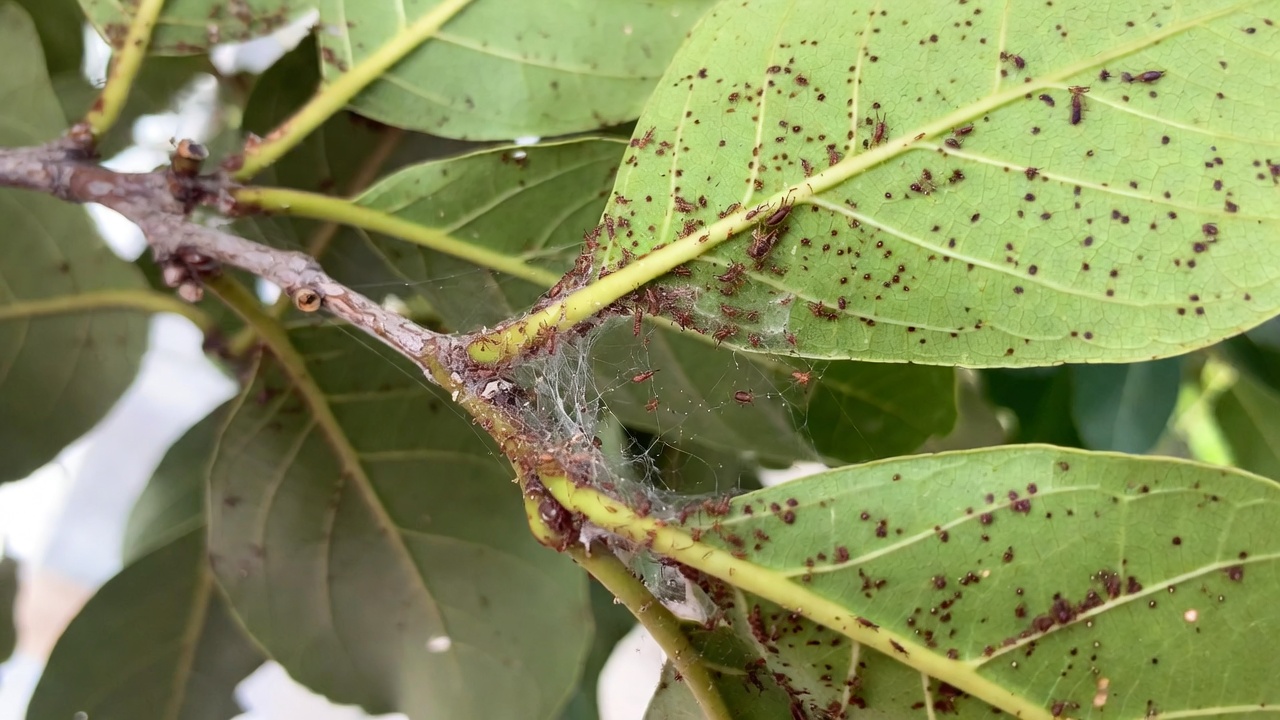
Like any indoor plant, Ficus Pandurata can fall victim to pests and diseases. However, with proper care and attention, these issues can be easily prevented or treated.
Common Pests:
-
Spider Mites: These tiny pests can cause the leaves to appear speckled or dusty. They thrive in dry conditions, so if you notice tiny webs on the plant, it may be infested.
Solution: Spray the leaves with a mixture of water and mild soap. You can also use neem oil or insecticidal soap for a more natural approach.
-
Aphids: Aphids suck the sap from leaves and stems, causing stunted growth. They often leave behind a sticky residue.
Solution: Spray the plant with water or insecticidal soap to dislodge aphids. Regularly inspect the plant for any new signs of infestation.
-
Scale Insects: These pests appear as small, round, brown or black bumps on the leaves or stems.
Solution: Remove scale insects manually using a soft brush, then wipe the affected areas with rubbing alcohol to prevent further spread.
Common Diseases:
-
Root Rot: This occurs when the plant is overwatered or if the pot doesn’t have good drainage.
Solution: If root rot occurs, remove the affected roots and repot the plant into fresh soil with a new, properly draining pot. Be sure to adjust your watering schedule to prevent further issues.
-
Leaf Spot Disease: Caused by fungi or bacteria, this disease appears as dark, water-soaked spots on the leaves.
Solution: Remove infected leaves immediately and ensure that the plant isn’t being watered from above. Keep the leaves dry to prevent the spread of the disease.
Improving Aesthetics: Styling Ficus Pandurata in Your Home
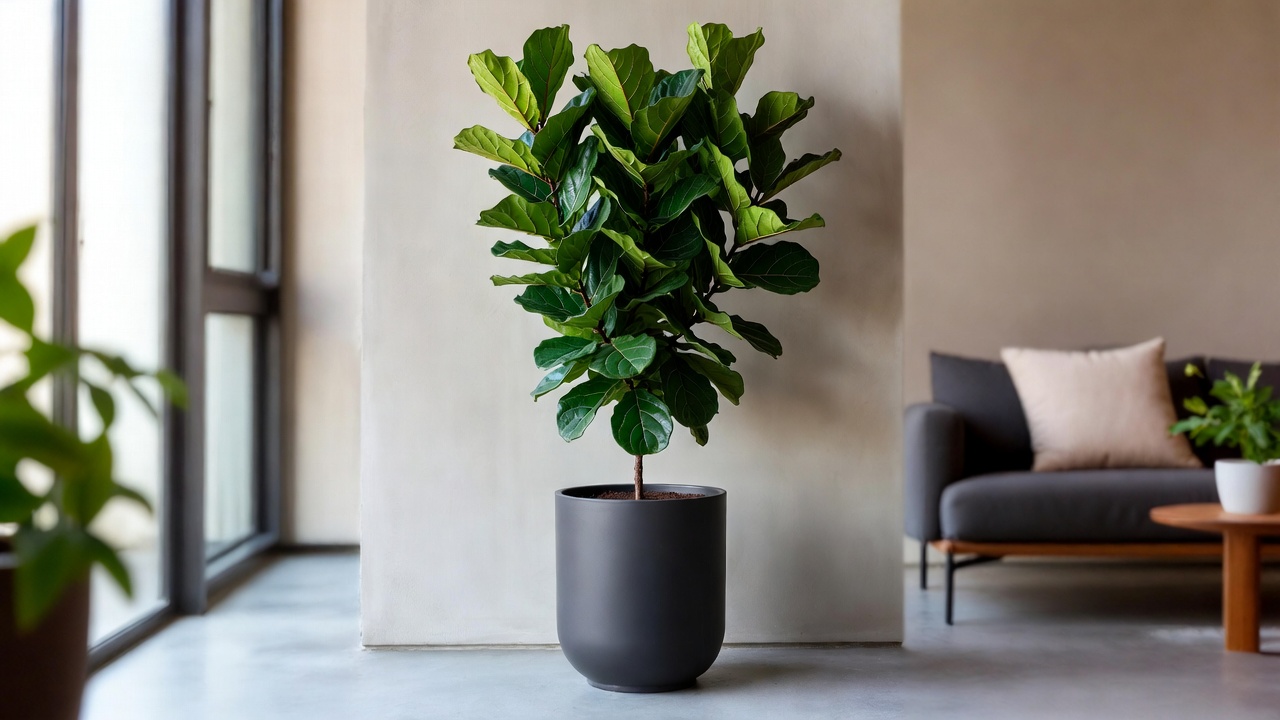
Once your Ficus Pandurata is well-cared for, it’s time to think about how to showcase its beauty in your home. Here are some styling tips to make your plant a focal point:
Best Interior Design Styles for Ficus Pandurata
The Ficus Pandurata’s bold, dramatic foliage can complement various design styles:
-
Modern and Minimalist: The plant’s simple, elegant look fits perfectly with minimalist decor, where it can serve as a statement piece.
-
Tropical or Bohemian: Grouping multiple plants together with similar foliage creates a lush, jungle-inspired vibe in the home.
-
Industrial: Its large, dark green leaves contrast beautifully with the raw textures of an industrial-style interior, like exposed brick and metal furnishings.
Creating a Plant Display
To create a stunning plant display:
-
Use decorative pots that match your home’s theme — ceramic or concrete pots work great for a modern aesthetic.
-
Position the plant near windows where it can receive indirect sunlight, but avoid placing it directly in front of a window, where sunlight may scorch the leaves.
-
Pair your Ficus Pandurata with other indoor plants that have complementary sizes and shapes to create balance.
Ficus Pandurata Care Myths Debunked
There are plenty of myths and misconceptions surrounding the care of Ficus Pandurata. Let’s take a look at some of the most common myths and clarify them:
Myth 1: “Ficus Pandurata Needs Constant Watering”
Many people think that Ficus Pandurata needs to be watered frequently, but in reality, overwatering is more harmful than underwatering.
The Truth: This plant prefers its soil to dry out slightly between waterings. Always check the moisture level of the soil before watering.
Myth 2: “Ficus Pandurata Doesn’t Need Pruning”
While Ficus Pandurata can grow tall and leggy, many plant owners assume it doesn’t need regular pruning.
The Truth: Pruning is essential for maintaining the shape and health of your plant. Regularly remove dead leaves and stems to promote healthier growth.
Myth 3: “Ficus Pandurata Can’t Survive in Low Light”
It’s often said that this plant needs a lot of light, but that doesn’t mean it won’t survive in low light conditions.
The Truth: Ficus Pandurata can tolerate lower light levels, but its growth may slow down. Bright, indirect light will allow it to thrive and produce lush, full foliage.
Frequently Asked Questions (FAQs)
Here are some common questions about Ficus Pandurata and their answers:
How do I fix a leggy Ficus Pandurata?
If your plant is becoming leggy (long, thin stems with sparse leaves), it may not be getting enough light. Move it to a brighter location with indirect light and prune the stems to encourage new growth.
Can I move my Ficus Pandurata from one room to another?
Yes, but make sure the new location has similar light and temperature conditions. If you move it suddenly to a much brighter or darker spot, the plant may go into shock, causing leaf drop.
Why are the leaves of my Ficus Pandurata turning yellow?
Yellow leaves are usually a sign of overwatering. Check the soil moisture and ensure your plant isn’t sitting in water. It could also be a sign of low light or a nutrient deficiency.
Is it safe to have Ficus Pandurata around pets?
While Ficus Pandurata is generally safe, it’s always a good idea to keep it out of reach of pets. The plant contains latex, which may cause irritation if ingested.
How do I know when it’s time to repot my Ficus Pandurata?
If the roots are growing out of the drainage holes or if the plant is becoming top-heavy and unstable, it’s time to repot. Typically, you should repot every 1-2 years.
Conclusion: Keeping Your Ficus Pandurata Thriving for Years
In summary, caring for a Ficus Pandurata doesn’t have to be complicated. By providing the right light, water, soil, and attention to temperature and humidity, you can enjoy this stunning plant for years to come. With the tips and guidance outlined in this article, you’ll be well on your way to growing a thriving Ficus Pandurata in your home.
By following these expert-backed tips, you’ll not only ensure your plant stays healthy but also create an indoor oasis with this beautiful and versatile plant. So go ahead, add a Ficus Pandurata to your home, and watch it flourish!