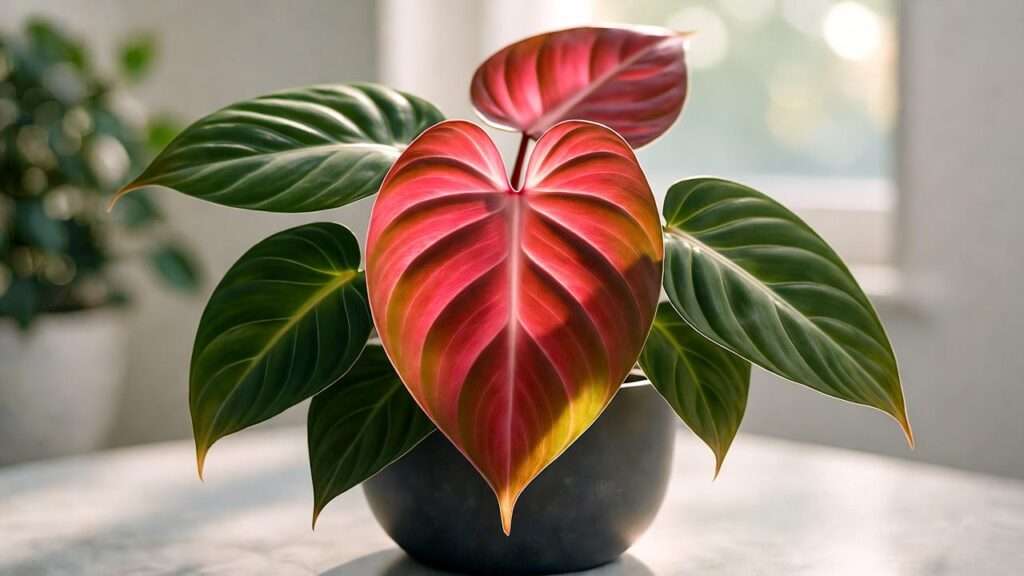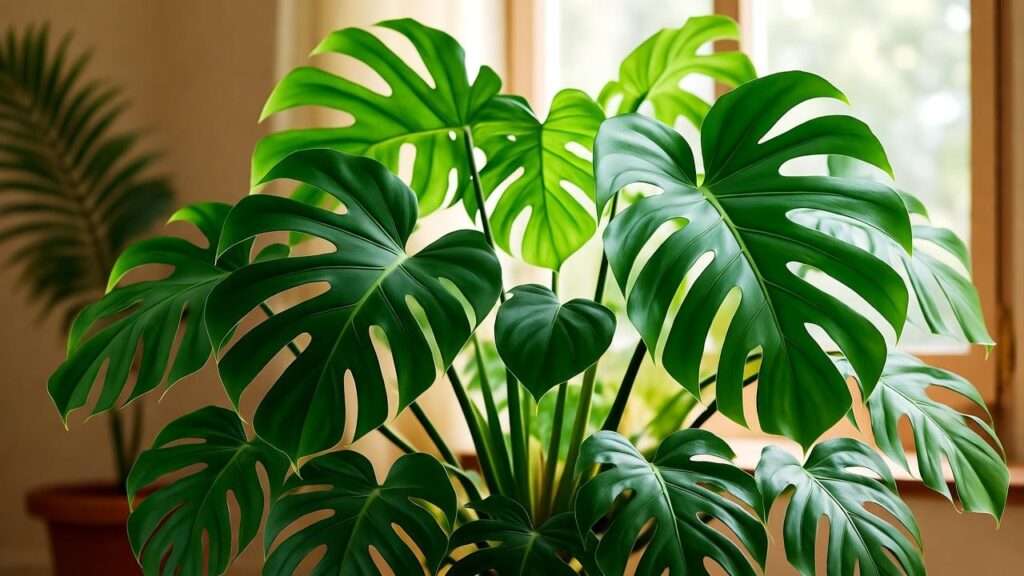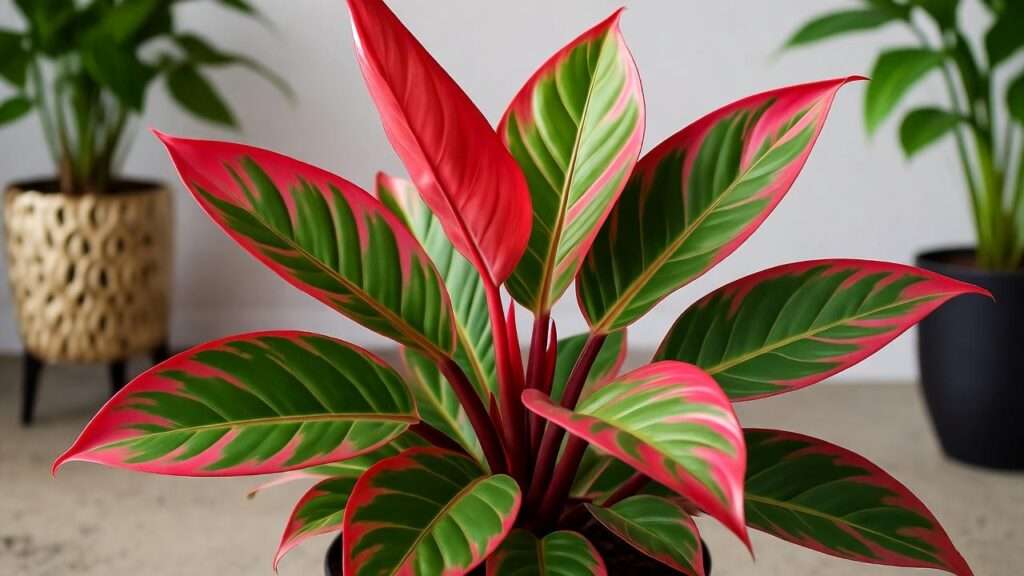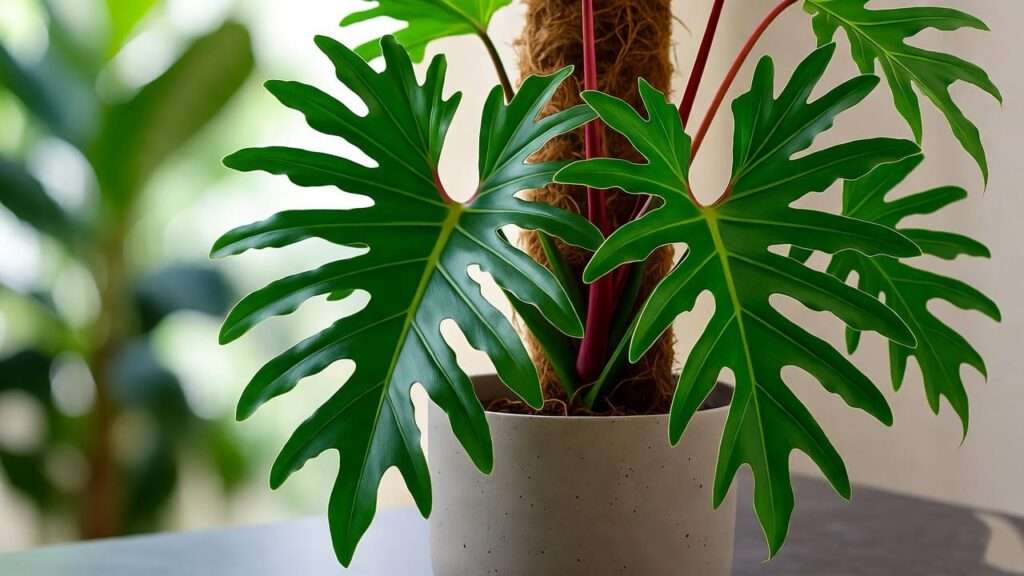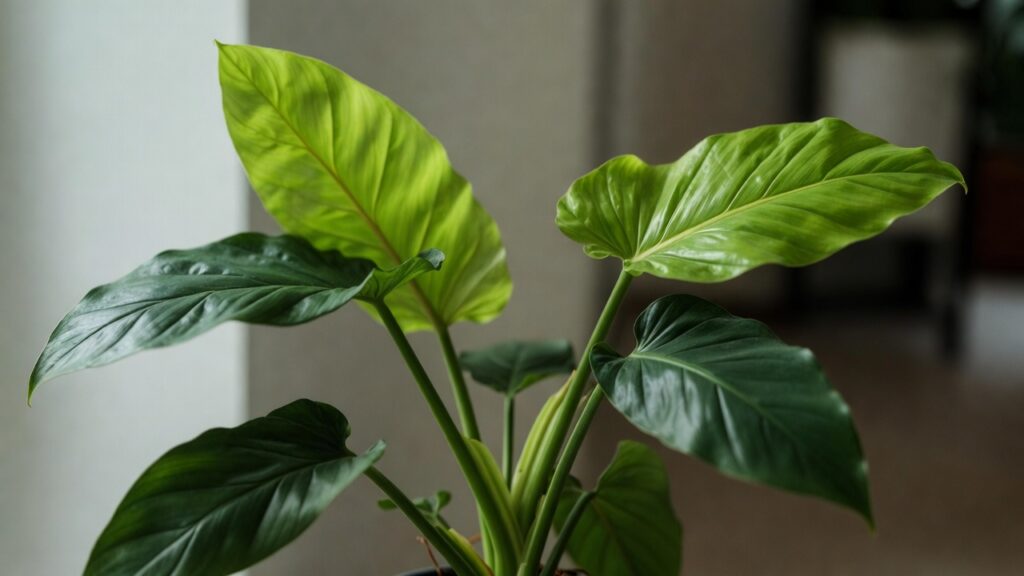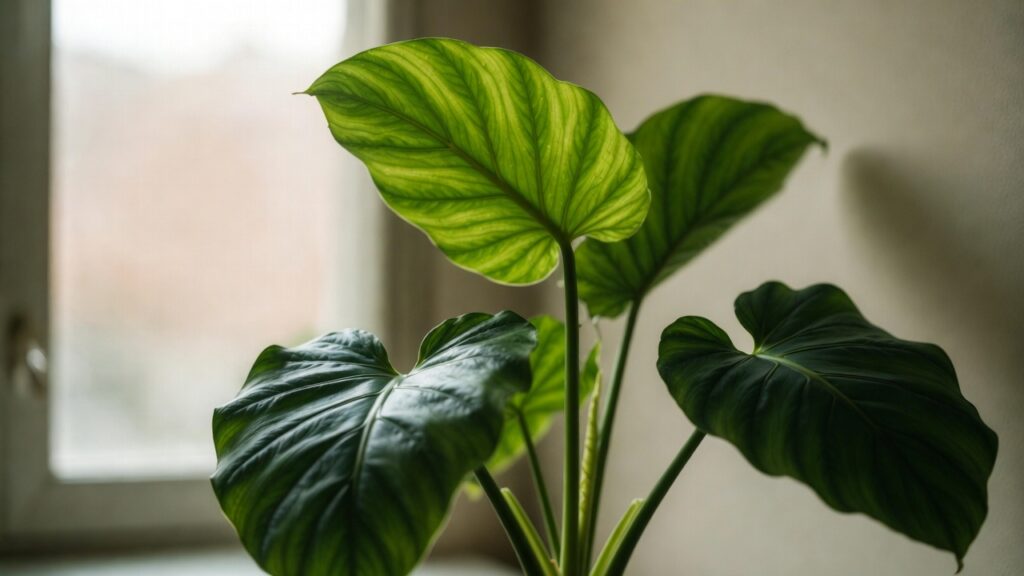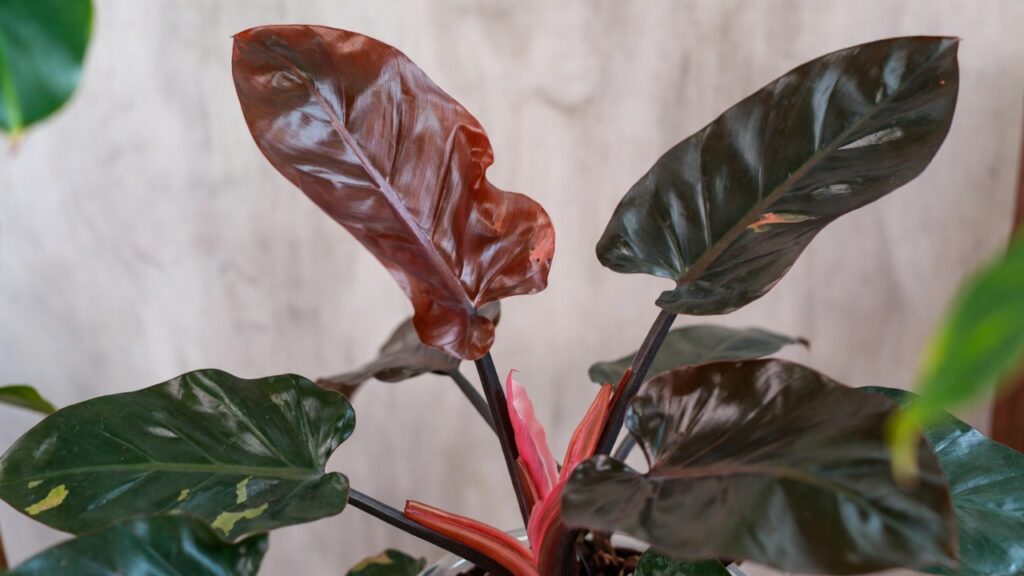
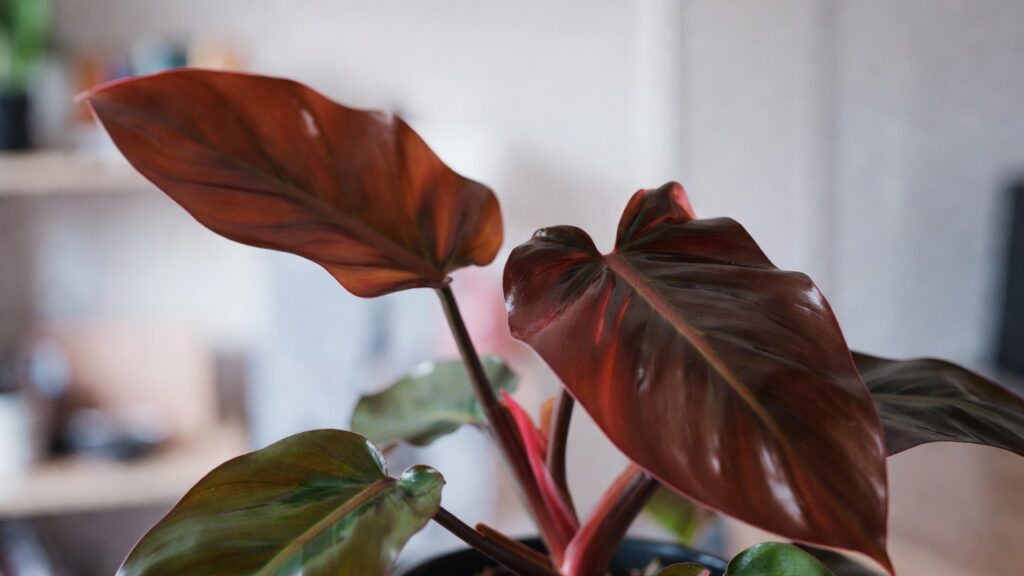
Indoor plants can instantly transform a living space—but few plants combine dramatic beauty, fast growth, and relatively easy care like the philodendron red emerald. With its glossy green leaves and striking red stems, this tropical climber can quickly become the centerpiece of any indoor plant collection.
However, many plant owners buy a Red Emerald only to find that their plant stops growing, develops yellow leaves, or looks leggy and unhealthy. The truth is, while this plant is fairly forgiving, it still requires the right balance of light, water, humidity, and soil to thrive indoors.
In this expert guide, you’ll learn exactly how to care for philodendron red emerald, including the best lighting conditions, watering schedule, soil mix, and growth-boosting techniques. Whether you’re a beginner or an experienced plant enthusiast, this comprehensive guide will help you grow a larger, healthier, and more vibrant plant.
Table of Contents
ToggleWhat Is Philodendron Red Emerald?
Plant Overview
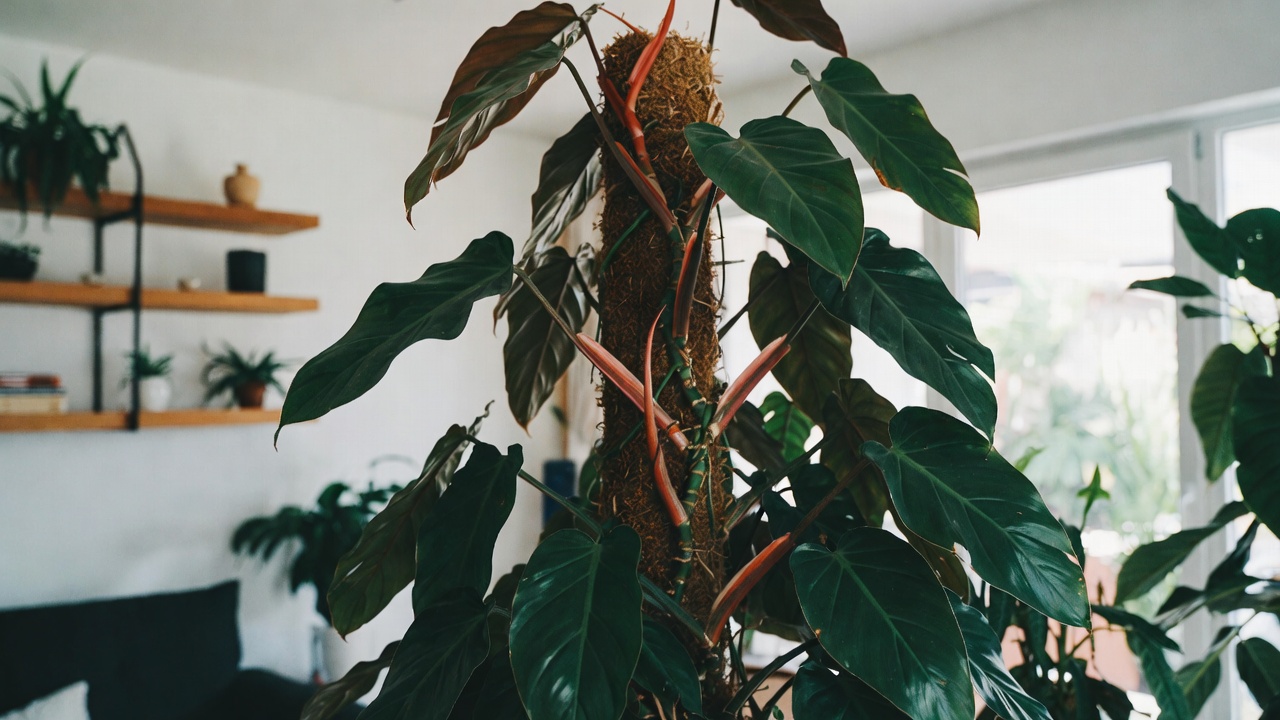
The Philodendron Red Emerald is a climbing tropical houseplant known for its deep green foliage and distinctive red stems. Its scientific classification places it within the Araceae family, which includes many popular indoor plants.
Basic Plant Information
-
Scientific name: Philodendron erubescens ‘Red Emerald’
-
Plant family: Araceae
-
Native habitat: Tropical rainforests of Central and South America
-
Growth habit: Climbing vine
-
Leaf shape: Large, glossy, heart-shaped leaves
In its natural rainforest environment, this plant grows vertically along trees, using aerial roots to climb toward light.
When grown indoors, providing a moss pole or trellis allows the plant to mimic its natural climbing behavior, leading to larger leaves and faster growth.
Why It’s Popular as an Indoor Plant
The philodendron red emerald has become increasingly popular among houseplant lovers for several reasons:
1. Stunning Visual Appeal
The plant’s bright red stems contrast beautifully with its deep green foliage, creating a bold tropical look.
2. Fast Growth
Under proper conditions, Red Emerald can grow several feet per year, making it ideal for filling vertical space indoors.
3. Beginner-Friendly Care
Compared to many tropical plants, this philodendron is relatively low maintenance and adaptable.
4. Excellent Climbing Plant
With proper support, it becomes a dramatic vertical indoor plant that enhances any room.
Philodendron Red Emerald vs Similar Philodendrons
Many plant owners confuse Red Emerald with other philodendron varieties. Here’s how it compares to some common lookalikes.
Red Emerald vs Imperial Red
Philodendron Imperial Red
-
Compact growth
-
Self-heading (non-climbing)
-
Short stems
Philodendron Red Emerald
-
Climbing vine
-
Long stems
-
Larger leaves with vertical growth
Red Emerald vs Rojo Congo
Rojo Congo
-
Bushy growth
-
Thick upright leaves
-
Slow-growing
Red Emerald
-
Faster growth
-
Climbing habit
-
Long, elegant vines
Understanding these differences helps ensure you provide the correct care and support system for your plant.
Quick Philodendron Red Emerald Care Summary
If you want a quick overview before diving into the details, here’s a simple care guide.
| Care Factor | Ideal Condition |
|---|---|
| Light | Bright indirect sunlight |
| Water | Water when top 2 inches of soil dry |
| Humidity | 60–80% preferred |
| Temperature | 65–85°F (18–29°C) |
| Soil | Well-draining aroid soil mix |
| Growth Habit | Climbing vine |
While the plant is adaptable, maintaining these conditions will maximize growth and plant health.
Light Requirements for Philodendron Red Emerald
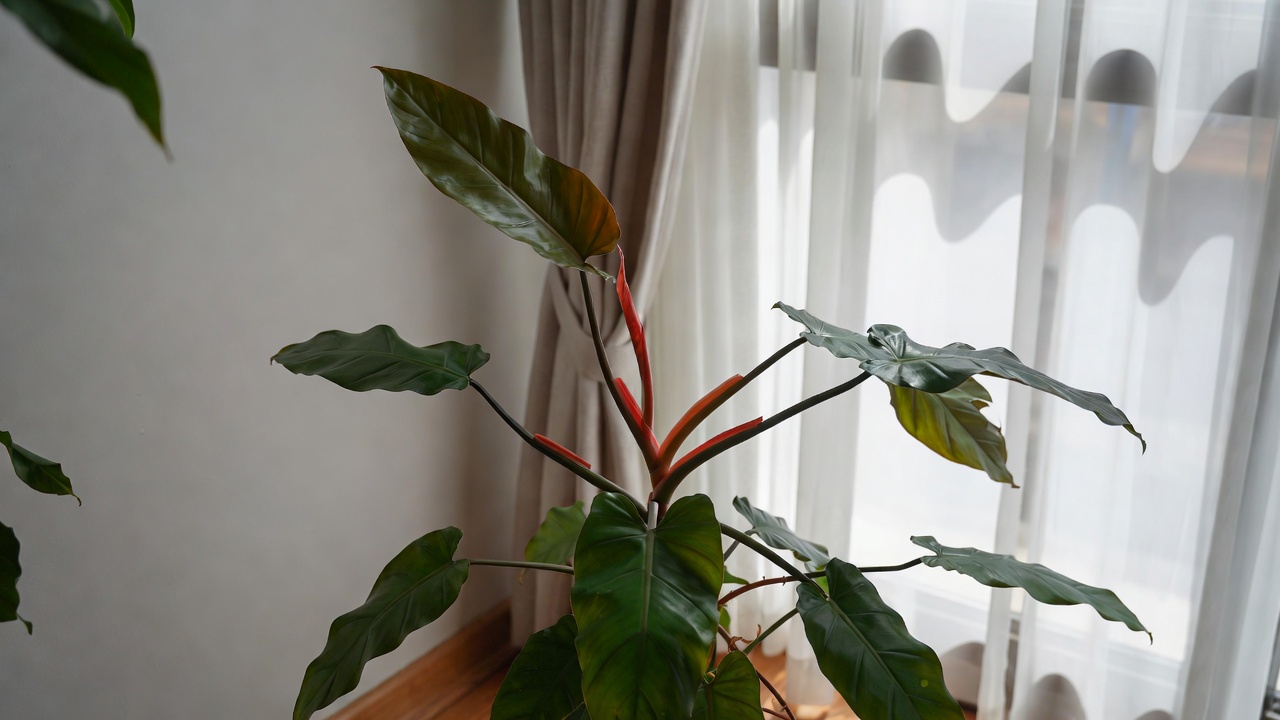
Proper lighting is one of the most important factors in growing a healthy philodendron red emerald.
Ideal Light Conditions
The plant thrives best in bright, indirect light.
Good indoor locations include:
-
Near an east-facing window
-
A few feet from a south-facing window with sheer curtains
-
Bright rooms with filtered sunlight
Indirect light allows the plant to photosynthesize effectively without damaging the leaves.
Signs Your Plant Needs More Light
If your plant isn’t receiving enough light, you may notice:
-
Leggy or stretched stems
-
Smaller leaves
-
Slow or stagnant growth
-
Wide spacing between nodes
Moving the plant closer to a window usually solves this issue.
Signs of Too Much Light
While philodendrons enjoy bright light, direct sunlight can damage their leaves.
Watch for these symptoms:
-
Pale or faded leaves
-
Brown patches
-
Leaf scorching
If this occurs, move the plant slightly away from the window or add light filtering curtains.
Best Indoor Placement
Ideal spots for Red Emerald include:
-
Living rooms with large windows
-
Home offices with bright ambient light
Using a grow light during winter can also maintain strong growth when daylight hours are shorter.
How to Water Philodendron Red Emerald Properly

Overwatering is the most common reason philodendron plants decline indoors. Understanding the correct watering routine is essential.
The Correct Watering Method
Instead of following a strict schedule, use the soil dryness method.
Steps:
-
Check the top 2 inches of soil.
-
If it feels dry, it’s time to water.
-
Water thoroughly until excess drains from the bottom.
This ensures the entire root system receives moisture.
How Often to Water
Watering frequency depends on environmental conditions.
Typical schedule
-
Spring & Summer: Every 5–7 days
-
Fall & Winter: Every 10–14 days
Factors like humidity, pot size, and light exposure will affect how quickly soil dries.
Signs of Overwatering
Too much water can suffocate roots and cause root rot.
Common symptoms include:
-
Yellowing leaves
-
Soft stems
-
Mushy roots
-
Persistent wet soil
If you notice these signs, allow the soil to dry out before watering again.
Signs of Underwatering
While philodendrons tolerate occasional dryness, prolonged underwatering causes stress.
Symptoms include:
-
Drooping leaves
-
Brown leaf edges
-
Dry soil pulling away from the pot
Consistent watering helps maintain steady plant growth.
Best Soil Mix for Philodendron Red Emerald
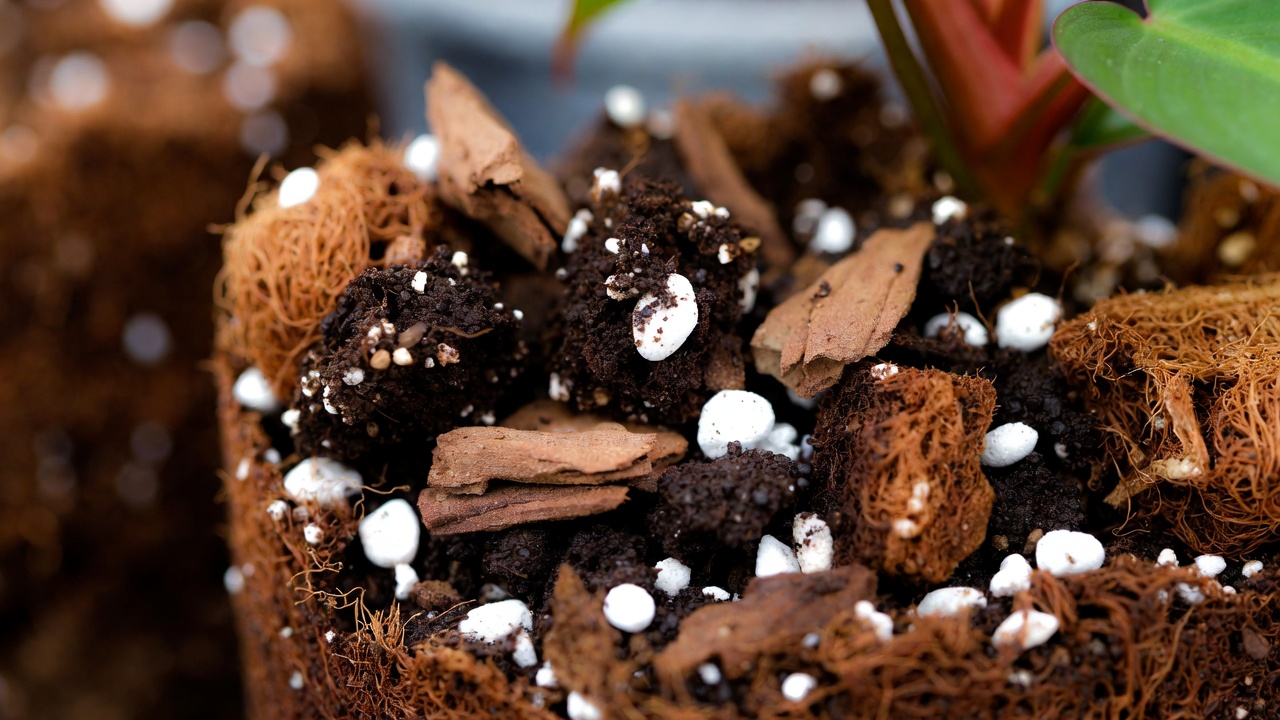
Because this plant naturally grows in loose rainforest soil, the right potting mix is essential.
Why Soil Drainage Matters
Dense soil traps water and can lead to:
-
Root rot
-
Poor oxygen circulation
-
Slow growth
A well-draining mix allows roots to breathe and expand properly.
Ideal Aroid Soil Recipe
Many plant experts recommend a chunky aroid mix.
A balanced mixture includes:
-
40% potting soil
-
30% orchid bark
-
20% perlite
-
10% coco coir
This combination retains moisture while still draining efficiently.
Store-Bought Soil Options
If you prefer convenience, look for:
-
Aroid potting mix
-
Indoor tropical plant soil
-
Philodendron-specific mixes
These typically contain bark, perlite, and organic material for optimal drainage.
Temperature and Humidity Requirements
Because philodendron red emerald originates from tropical rainforests, it thrives in warm, humid conditions.
Ideal Temperature Range
The best temperature range is:
65°F – 85°F (18°C – 29°C)
Avoid placing the plant near:
-
Cold drafts
-
Air conditioning vents
-
Heating units
Sudden temperature changes can stress the plant.
Humidity Needs
Although the plant adapts to typical household humidity, it grows best when humidity levels reach:
60%–80%
Higher humidity encourages:
-
Larger leaves
-
Faster growth
-
Healthier aerial roots
How to Increase Humidity
If indoor air is dry, try these solutions:
1. Use a Humidifier
The most effective method for maintaining consistent humidity.
2. Pebble Tray Method
Place a tray with water and pebbles beneath the plant pot.
3. Group Plants Together
Clusters of plants naturally increase humidity.
4. Occasional Misting
Light misting can help, though it’s not a long-term solution.
Fertilizing for Faster Growth
Proper feeding significantly boosts the growth of philodendron red emerald.
Best Fertilizers for Philodendrons
Use a balanced liquid fertilizer such as:
-
10-10-10
-
20-20-20
-
Organic houseplant fertilizer
These provide essential nutrients like:
-
Nitrogen
-
Phosphorus
-
Potassium
Fertilizing Schedule
Feed your plant during its active growth period.
Recommended schedule
-
Spring and Summer: Every 4 weeks
-
Fall and Winter: Every 6–8 weeks
Overfertilizing can cause salt buildup and leaf burn, so always dilute according to instructions.
Signs of Nutrient Deficiency
If your plant lacks nutrients, you may notice:
-
Pale or yellowing leaves
-
Weak stems
-
Slower growth
Regular feeding keeps the plant vigorous and healthy.
Supporting Climbing Growth (Moss Poles & Trellises)
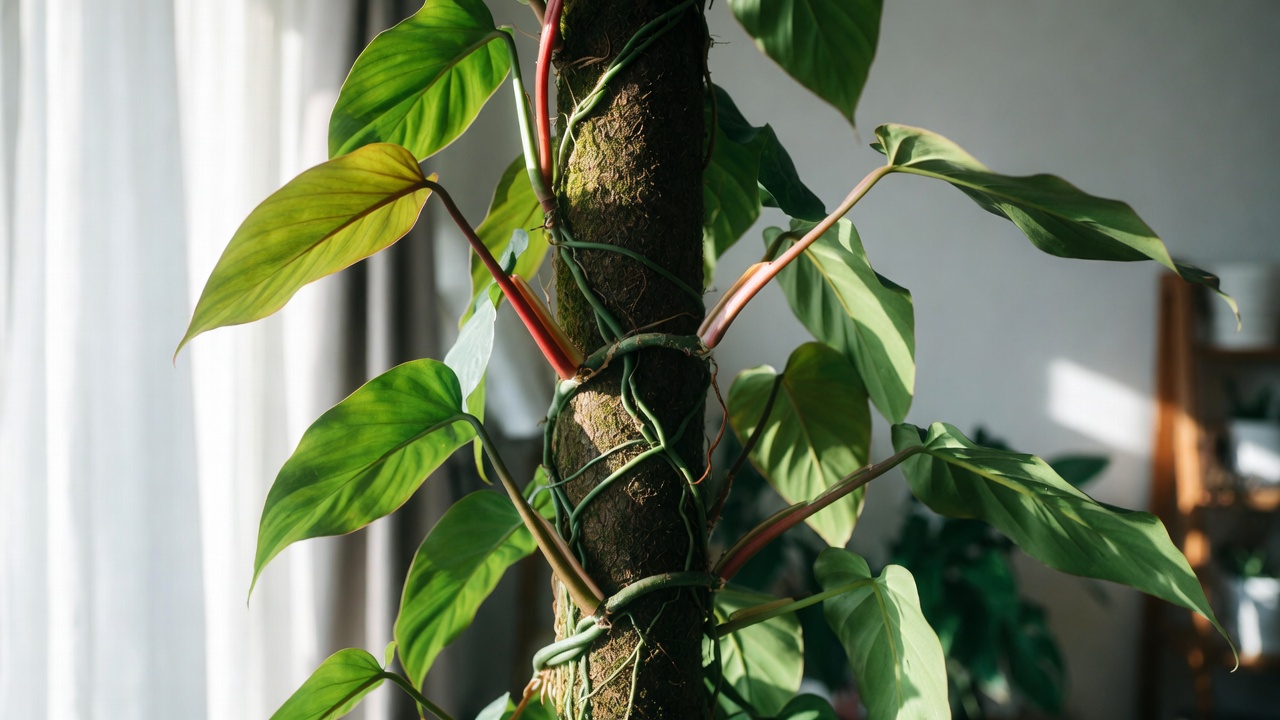
One of the best ways to enhance your plant’s appearance is by encouraging vertical growth.
Why This Plant Loves to Climb
In its natural environment, philodendron red emerald climbs trees and forest structures to reach sunlight.
Without support indoors, the plant often becomes leggy and sprawling.
Best Support Options
Moss Pole
Provides moisture and allows aerial roots to attach.
Coco Coir Pole
A durable and widely available alternative.
Trellis
Ideal for decorative plant displays.
Benefits of Vertical Growth
Providing a climbing structure results in:
-
Larger leaves
-
Stronger stems
-
Healthier root development
-
A more dramatic indoor plant display
How to Propagate Philodendron Red Emerald
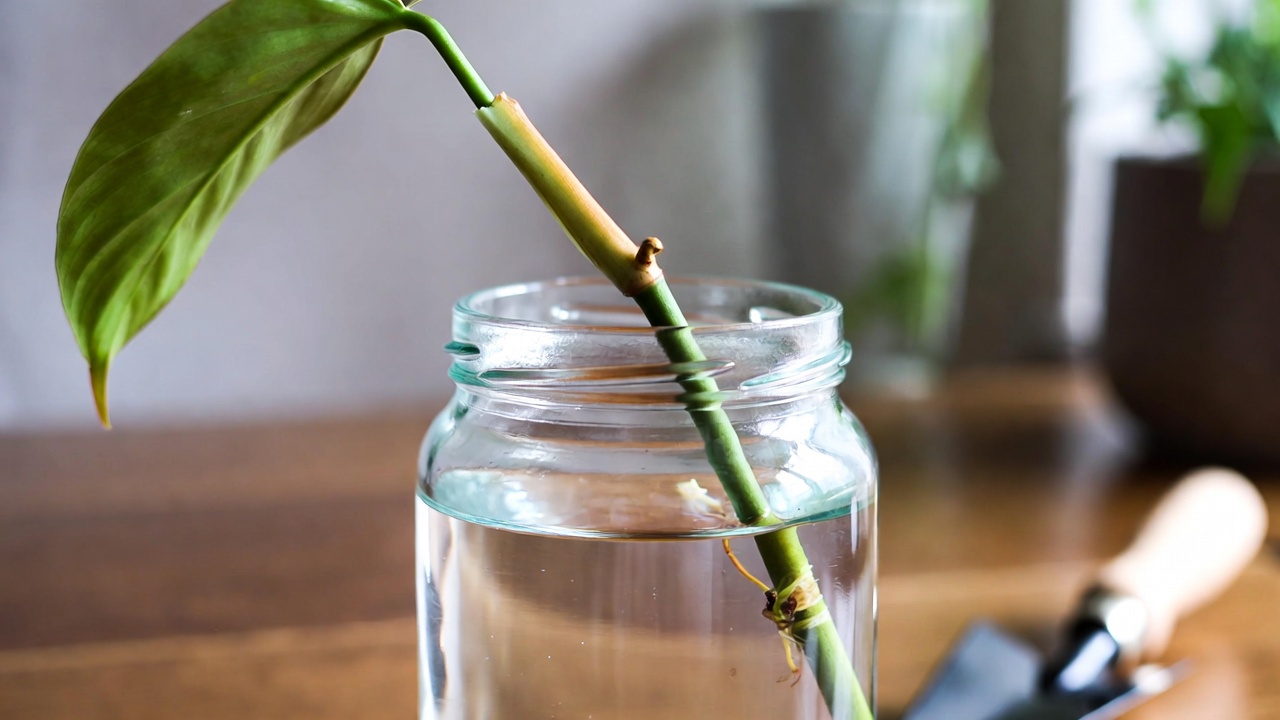
One of the most rewarding aspects of growing philodendron red emerald is how easily it can be propagated. With a simple stem cutting, you can grow new plants for your home or share them with fellow plant lovers.
Propagation is best done during the active growing season (spring or summer) when the plant has the most energy to produce new roots.
Propagation by Stem Cuttings
Stem cuttings are the most reliable method for propagating philodendron plants.
Step-by-Step Propagation Guide
-
Choose a healthy stem with at least 2–3 leaves.
-
Locate a node (the small bump where roots and leaves grow).
-
Using sterilized scissors or pruning shears, cut just below the node.
-
Remove the lowest leaf to expose the node.
-
Place the cutting in water or moist soil.
-
Keep the cutting in bright indirect light.
Within a few weeks, new roots will begin forming.
Water Propagation vs Soil Propagation
Both propagation methods work well, but each has advantages.
Water Propagation
Pros:
-
Easy to monitor root growth
-
Lower risk of early root rot
-
Great for beginners
Cons:
-
Roots must adjust when moved to soil
Soil Propagation
Pros:
-
Roots adapt immediately to soil
-
Less transplant shock
Cons:
-
Harder to monitor root development
Most beginners prefer water propagation first, then transferring to soil once roots reach about 2–3 inches long.
How Long Propagation Takes
Propagation timing depends on temperature, humidity, and light.
Typical timeline:
-
Root development: 2–4 weeks
-
Transplant ready: 4–6 weeks
-
New leaf growth: 6–8 weeks
Patience is key—avoid disturbing the cutting while roots are forming.
Common Problems and How to Fix Them
Even though philodendron red emerald is considered low maintenance, certain issues can still occur. Fortunately, most plant problems can be quickly corrected once identified.
Yellow Leaves
Yellow leaves are one of the most common concerns among philodendron owners.
Possible Causes
-
Overwatering
-
Poor soil drainage
-
Lack of sunlight
-
Nutrient deficiency
How to Fix It
-
Check soil moisture before watering
-
Improve soil drainage
-
Move the plant to brighter indirect light
-
Fertilize during the growing season
Occasional yellow leaves are normal as the plant sheds older foliage.
Brown Leaf Tips
Brown or crispy leaf edges usually indicate environmental stress.
Common Causes
-
Low humidity
-
Underwatering
-
Mineral buildup from tap water
Solutions
-
Increase humidity levels
-
Water consistently
-
Use filtered or distilled water occasionally
Maintaining stable humidity often resolves this problem quickly.
Slow Growth
If your philodendron red emerald isn’t growing, the plant may be lacking essential conditions.
Possible Reasons
-
Insufficient light
-
Lack of fertilizer
-
Root-bound pot
-
Cooler temperatures
Growth Solutions
-
Move the plant closer to a light source
-
Fertilize monthly during the growing season
-
Repot if roots are crowded
-
Maintain warm indoor temperatures
Once conditions improve, growth typically resumes quickly.
Common Pests That Affect Philodendrons
Although relatively pest-resistant, Red Emerald plants can occasionally attract houseplant pests.
Most Common Pests
-
Spider mites
-
Mealybugs
-
Aphids
-
Fungus gnats
Natural Pest Control Methods
-
Spray leaves with neem oil solution
-
Use insecticidal soap
-
Wipe leaves with diluted rubbing alcohol
-
Isolate affected plants to prevent spreading
Regularly inspecting leaves—especially the undersides—helps catch infestations early.
Repotting Philodendron Red Emerald
Repotting ensures your plant has enough space for root expansion and continued growth.
When to Repot
Most philodendrons need repotting every 1–2 years.
Signs it’s time to repot include:
-
Roots growing through drainage holes
-
Soil drying out too quickly
-
Slower plant growth
-
Roots circling the pot
Repotting is best done in spring, when the plant enters its active growth phase.
Choosing the Right Pot Size
When repotting, choose a container that is 1–2 inches larger than the current pot.
Avoid oversized pots, as excess soil can hold too much moisture and increase the risk of root rot.
Step-by-Step Repotting Guide
-
Water the plant lightly a day before repotting.
-
Gently remove the plant from its current pot.
-
Loosen tightly packed roots.
-
Add fresh well-draining aroid soil mix to the new pot.
-
Place the plant and fill remaining space with soil.
-
Water thoroughly to settle the soil.
After repotting, allow the plant a few weeks to adjust before fertilizing again.
Styling Philodendron Red Emerald in Indoor Spaces
Beyond its easy care, philodendron red emerald is an excellent decorative plant that adds tropical elegance to indoor spaces.
Best Rooms for This Plant
This plant thrives in bright, comfortable indoor environments such as:
-
Living rooms
-
Home offices
-
Bedrooms
-
Indoor plant corners
-
Sunrooms
The plant’s climbing nature makes it ideal for vertical plant displays.
Decorative Pot Ideas
Choosing the right container can elevate the plant’s appearance.
Popular options include:
-
Ceramic planters for a modern aesthetic
-
Minimalist white pots for clean interiors
-
Natural clay pots for earthy plant styling
-
Hanging planters for trailing vines
Combining Red Emerald with other tropical houseplants creates a lush indoor jungle effect.
Expert Tips to Make Philodendron Red Emerald Grow Faster
If you want your plant to grow larger leaves and longer vines, follow these expert strategies.
1. Use a Moss Pole
Climbing support encourages the plant to develop larger, mature leaves.
2. Maintain Consistent Humidity
Higher humidity mimics tropical conditions and promotes faster growth.
3. Provide Bright Indirect Light
Strong lighting is the number one factor influencing growth speed.
4. Use Chunky Aroid Soil
Well-aerated soil improves root health and prevents waterlogging.
5. Rotate the Plant Regularly
Rotating the pot every few weeks ensures even growth and balanced foliage.
6. Clean the Leaves
Dust on leaves can block sunlight and reduce photosynthesis.
Gently wipe leaves with a soft damp cloth every few weeks.
Philodendron Red Emerald Toxicity (Pet Safety)
Like most philodendrons, Red Emerald contains calcium oxalate crystals, which can be toxic if ingested.
Toxicity Risks
The plant is considered toxic to pets and humans if eaten.
Possible symptoms include:
-
Mouth irritation
-
Swelling of lips or tongue
-
Vomiting in pets
-
Difficulty swallowing
Pet Safety Tips
If you have pets or small children:
-
Place the plant out of reach
-
Use hanging planters or tall plant stands
-
Monitor pets around houseplants
While ingestion is uncommon, prevention is always best.
Frequently Asked Questions
How fast does philodendron red emerald grow?
Under ideal conditions, this plant can grow several feet per year, especially when supported by a moss pole.
Is philodendron red emerald rare?
No, it’s not considered rare, but it remains highly desirable among houseplant collectors due to its striking appearance.
Can philodendron red emerald grow in low light?
It can survive in low light, but growth will slow significantly. Bright indirect light produces the best results.
Should I mist my philodendron red emerald?
Occasional misting can help temporarily increase humidity, but using a humidifier or pebble tray is more effective.
Why are my leaves turning yellow?
Yellow leaves usually result from:
-
Overwatering
-
Poor drainage
-
Insufficient light
Adjusting watering and lighting typically resolves the issue.
Final Thoughts
The philodendron red emerald is one of the most rewarding tropical houseplants you can grow indoors. Its glossy foliage, striking red stems, and climbing growth habit make it a stunning addition to any indoor plant collection.
By providing the right balance of bright indirect light, consistent watering, well-draining soil, and moderate humidity, you can enjoy a plant that grows vigorously and remains healthy for years.
With proper care—and a sturdy moss pole—your philodendron can eventually develop large, dramatic leaves and lush climbing vines, turning it into a true focal point of your indoor jungle.
Whether you’re a beginner or a seasoned plant enthusiast, mastering the care of this beautiful philodendron will help you create a thriving indoor plant environment that feels vibrant, natural, and alive.