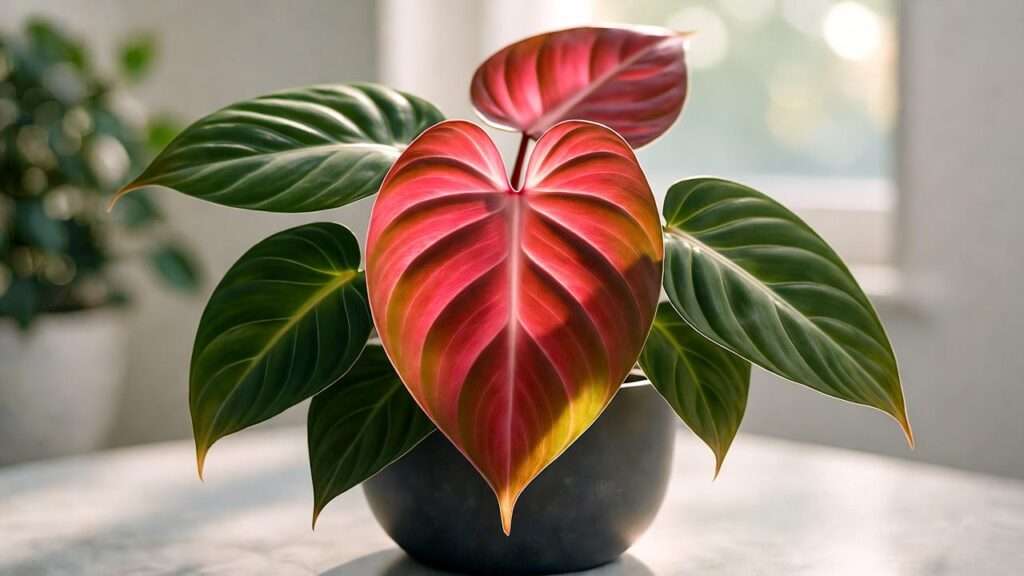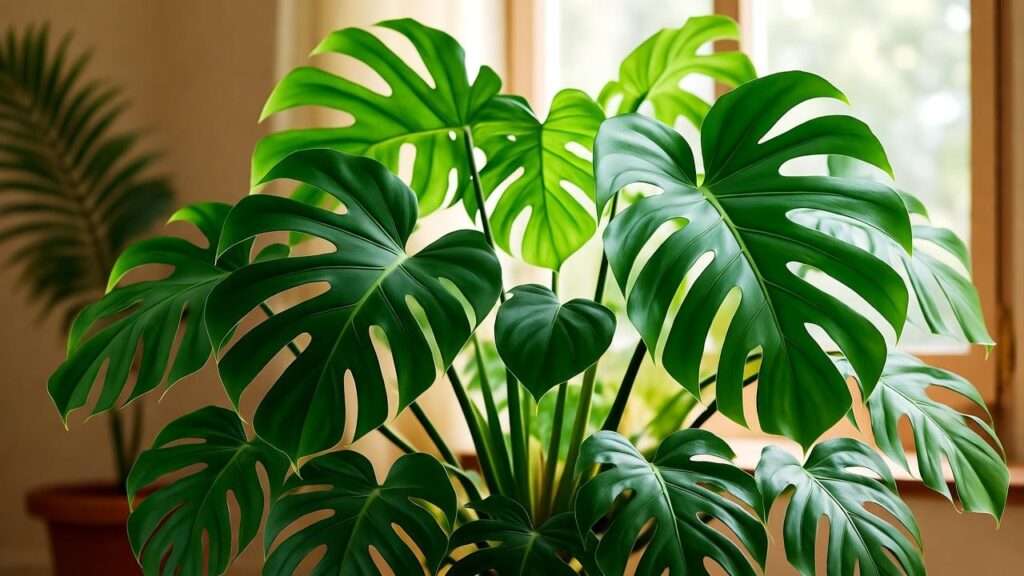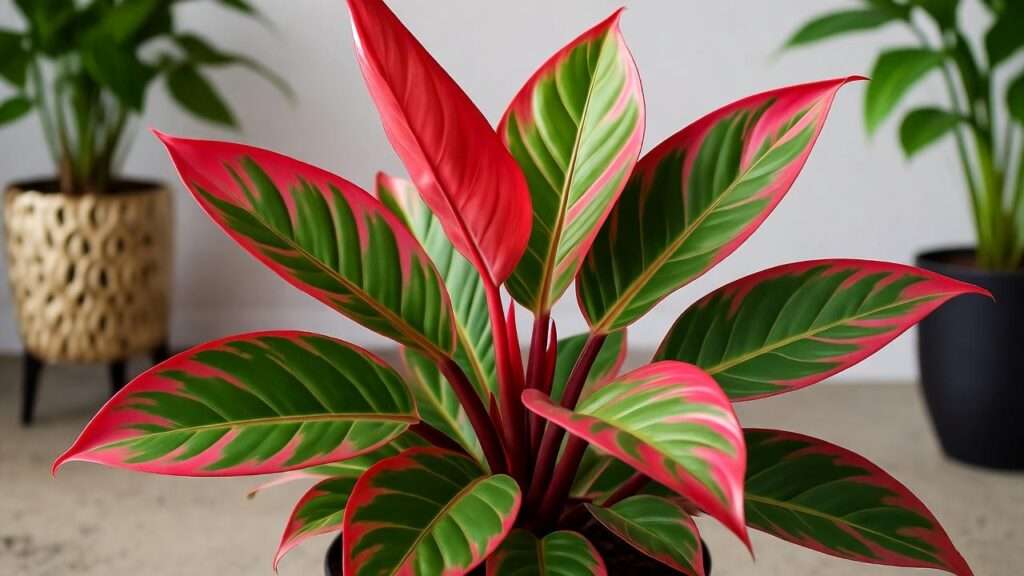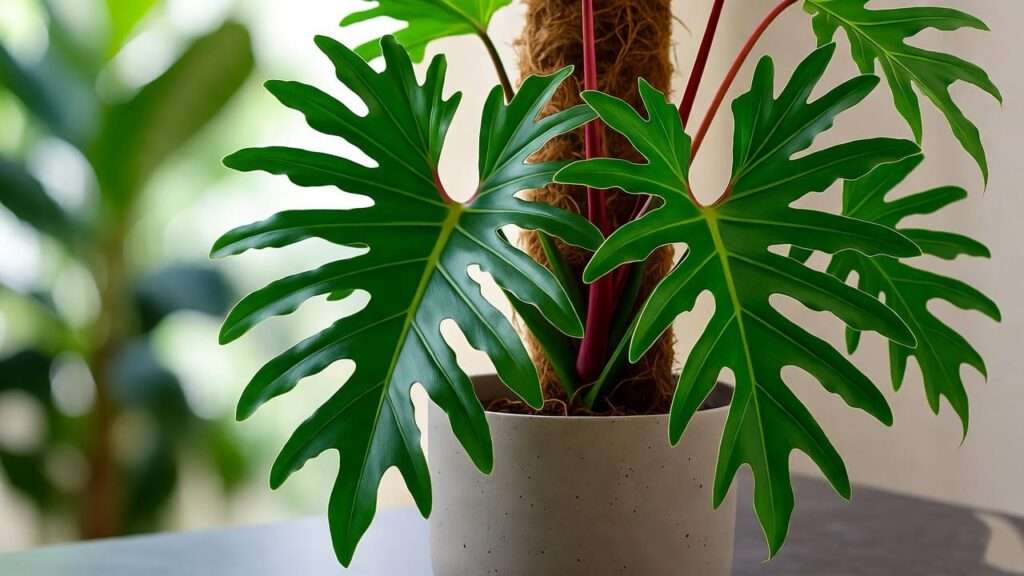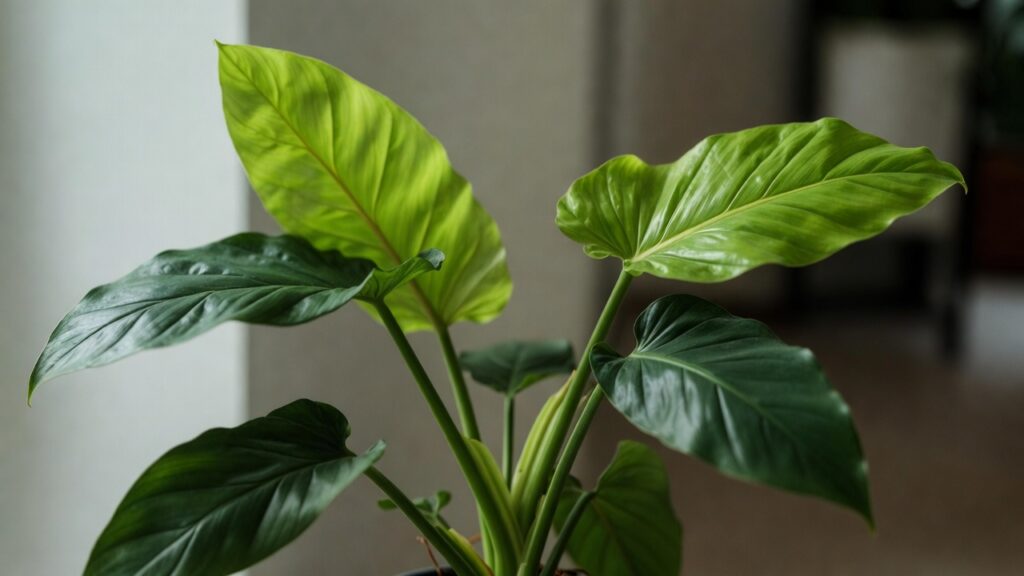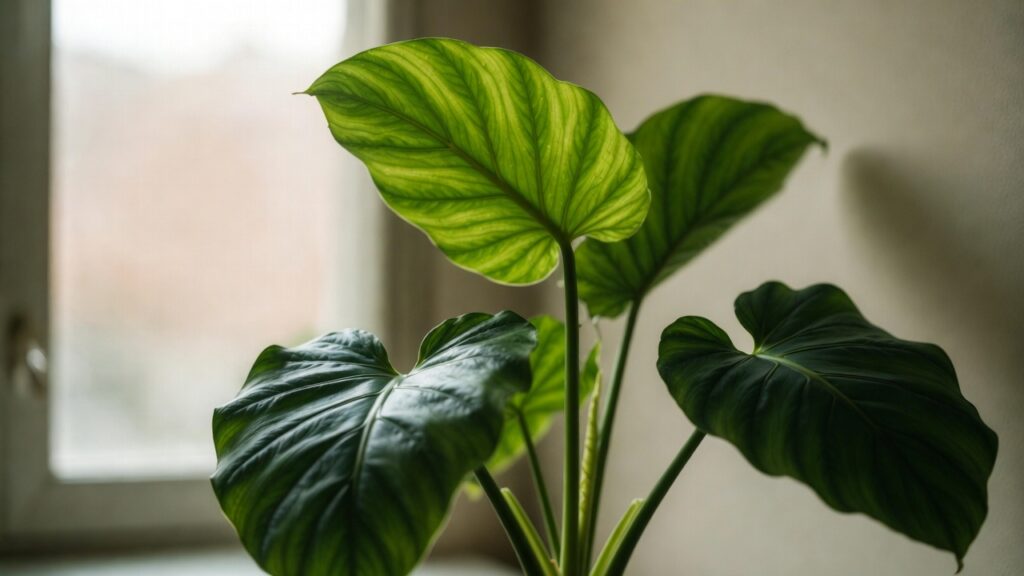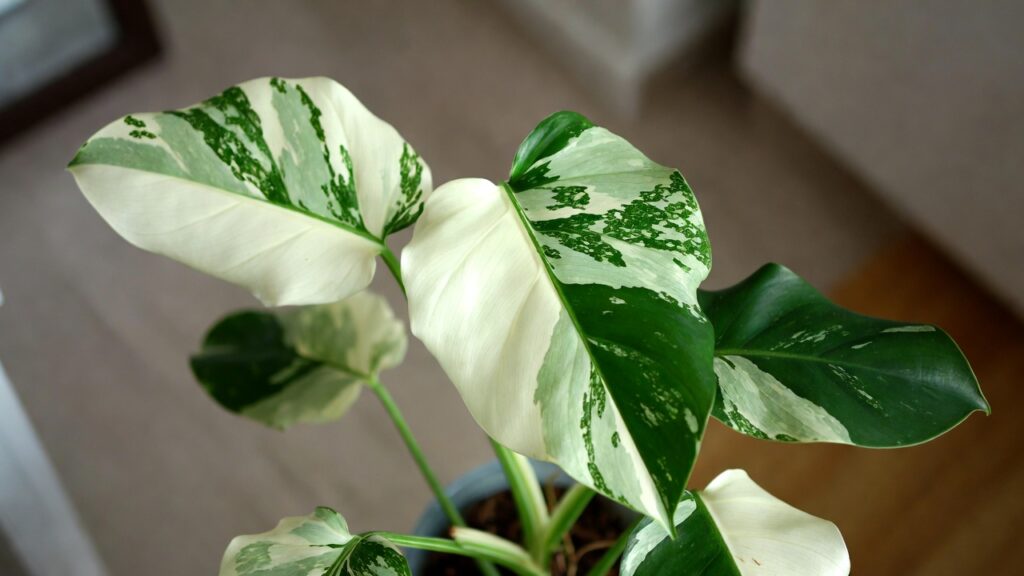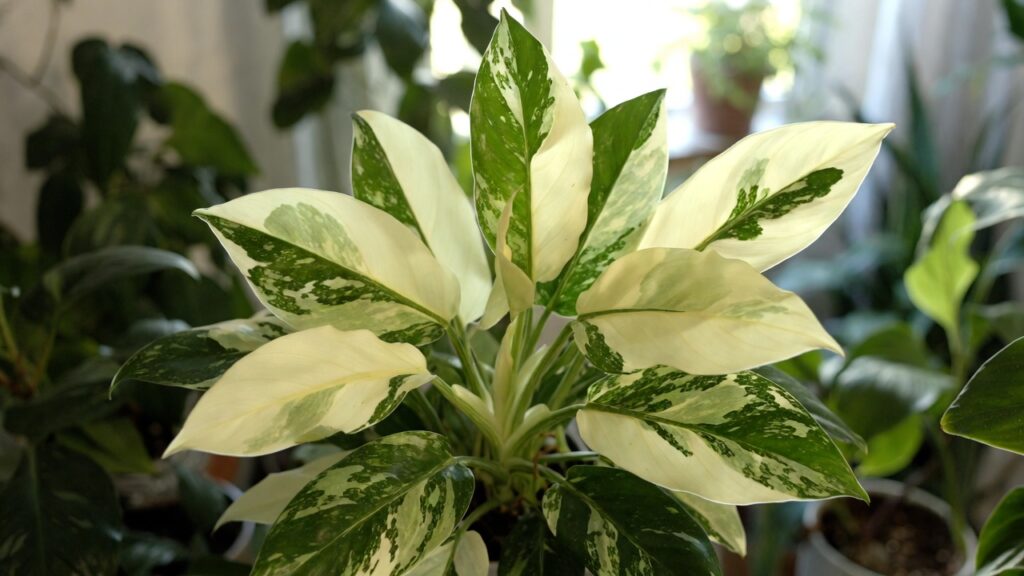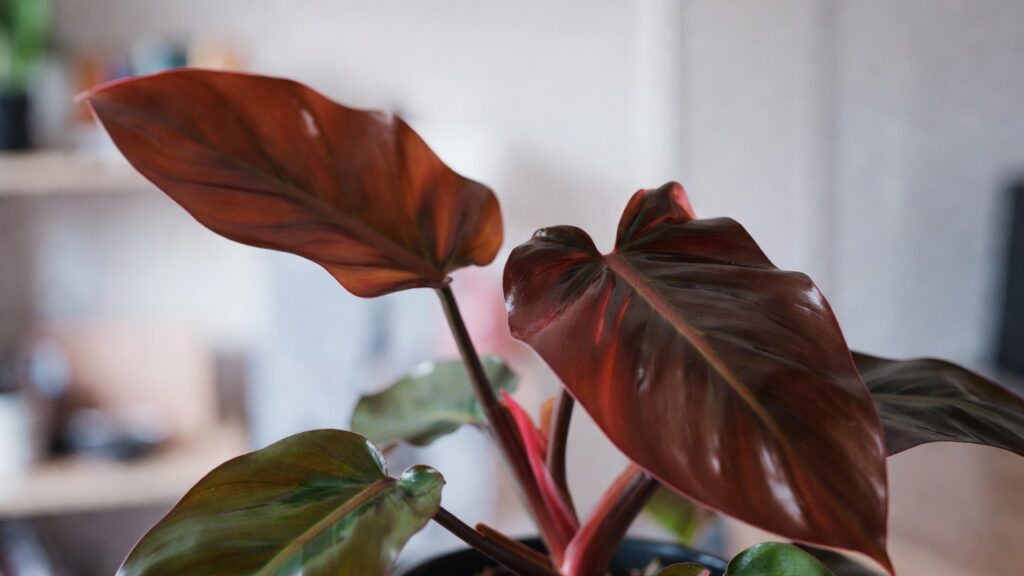
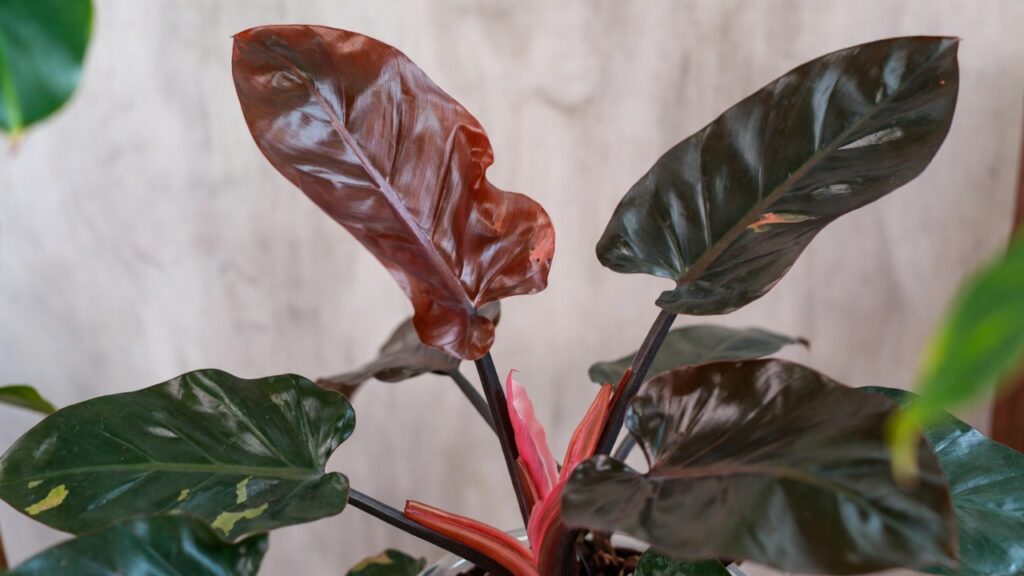
Few houseplants make a statement quite like the philodendron red congo. With its bold burgundy stems, glossy green leaves, and upright tropical structure, this plant instantly transforms any indoor space into a lush jungle corner. It’s one of those rare houseplants that looks exotic and dramatic—but is surprisingly easy to care for when you understand its needs.
However, many indoor plant owners struggle with issues like yellowing leaves, slow growth, or drooping foliage because they’re unsure about the correct watering schedule, lighting conditions, or soil type. Without proper care, even a resilient tropical plant like this can lose its vibrant beauty.
This complete Philodendron Red Congo care guide will walk you through everything you need to know—from light and watering to soil, humidity, propagation, and common problems. Whether you’re a beginner plant parent or an experienced indoor gardener, you’ll learn expert-backed tips to help your plant grow healthy, vibrant, and lush for years.
What Is a Philodendron Red Congo?

The Philodendron Red Congo is a stunning tropical houseplant known for its dramatic foliage and strong upright growth. Unlike climbing philodendrons that require support, this variety grows in a self-heading form, meaning it stands upright and forms a dense, bushy structure.
Plant Overview
-
Botanical Name: Philodendron ‘Rojo Congo’ or Philodendron ‘Red Congo’
-
Plant Family: Araceae
-
Plant Type: Tropical evergreen houseplant
-
Growth Habit: Self-heading (upright)
-
Native Origin: Hybrid cultivar derived from tropical philodendron species
Unlike vining philodendrons such as the heartleaf philodendron, the Red Congo grows into a compact, architectural plant that can become a focal point in any room.
Key Characteristics
The Philodendron Red Congo is prized for several distinctive features:
-
Large, glossy, oval-shaped leaves
-
Deep red to burgundy stems
-
Thick, sturdy petioles
-
Upright growth structure
-
Lush tropical appearance
New leaves often emerge with a reddish tint, gradually turning deep green as they mature. This color transition adds visual interest and makes the plant especially attractive for interior décor.
Why Philodendron Red Congo Is Popular for Indoor Spaces
There are several reasons plant lovers choose this variety for their homes:
Low Maintenance: It adapts well to typical indoor conditions.
Striking Appearance: The rich red stems and glossy leaves create a bold tropical look.
Air-Purifying Benefits: Like many philodendrons, it helps improve indoor air quality.
Compact Yet Dramatic: It grows upright rather than sprawling, making it ideal for apartments or offices.
Because of its resilience and beauty, the Red Congo is often recommended as one of the best philodendrons for beginners.
Quick Philodendron Red Congo Care Summary (At-a-Glance)
Before diving into detailed care instructions, here’s a quick overview of the plant’s essential needs.
| Care Factor | Ideal Conditions |
|---|---|
| Light | Bright, indirect sunlight |
| Water | When top 1–2 inches of soil are dry |
| Soil | Well-draining, airy potting mix |
| Temperature | 65–85°F (18–29°C) |
| Humidity | Moderate to high humidity |
| Fertilizer | Balanced liquid fertilizer during growing season |
| Growth Rate | Moderate |
| Mature Size | 2–4 feet tall indoors |
| Toxicity | Toxic to pets and humans if ingested |
This quick guide helps plant owners quickly identify whether their care routine is aligned with the plant’s needs.
Ideal Light Conditions for Philodendron Red Congo

Lighting is one of the most important factors affecting the health and growth of your plant.
Best Light for Healthy Growth
The Philodendron Red Congo thrives in bright, indirect light. This mimics the filtered sunlight it would receive beneath the canopy of tropical forests.
Ideal lighting conditions include:
-
Near an east-facing window
-
A few feet away from a south-facing window
-
Bright rooms with filtered sunlight
Indirect light encourages strong leaf growth, vibrant color, and steady development.
Why Direct Sunlight Can Be Harmful
While the plant loves bright conditions, direct sunlight can damage the leaves.
Signs of too much sunlight include:
-
Brown leaf edges
-
Sunburn spots
-
Faded leaf color
If your plant receives strong afternoon sun, consider using sheer curtains to filter the light.
Can Philodendron Red Congo Grow in Low Light?
Yes, the plant can tolerate lower light conditions—but growth will slow down.
In low light, you may notice:
-
Smaller leaves
-
Slower growth
-
Leggy or stretched appearance
If your home lacks natural light, using a full-spectrum grow light can help maintain healthy growth.
Watering Philodendron Red Congo the Right Way

Improper watering is one of the most common reasons houseplants struggle.
How Often Should You Water?
Instead of watering on a strict schedule, check the soil moisture first.
A good rule is to water when the top 1–2 inches of soil feel dry.
Typical watering frequency:
-
Spring/Summer: every 7–10 days
-
Fall/Winter: every 10–14 days
However, environmental factors like temperature, humidity, and pot size will influence how often watering is needed.
Signs of Overwatering
Overwatering is the most common issue with philodendrons.
Watch for these symptoms:
-
Yellowing leaves
-
Mushy stems
-
Foul-smelling soil
-
Root rot
Always ensure the pot has drainage holes to prevent excess water accumulation.
Signs of Underwatering
While Red Congo is forgiving, prolonged dryness can cause stress.
Common signs include:
-
Drooping leaves
-
Dry or crispy edges
-
Soil pulling away from the pot
Best Watering Technique
For healthy roots:
-
Water thoroughly until water drains from the bottom.
-
Empty the saucer to prevent standing water.
-
Allow the top layer of soil to dry before watering again.
This deep watering method encourages strong root development.
Best Soil Mix for Philodendron Red Congo

Philodendrons naturally grow in loose, organic forest soil. Replicating this environment indoors is key to success.
Why Well-Draining Soil Is Essential
Dense soil traps moisture around the roots, which can lead to root rot and fungal diseases.
An ideal soil mix should:
-
Retain moisture without becoming soggy
-
Allow good airflow to the roots
-
Drain excess water quickly
Ideal Soil Mix Recipe
A well-balanced DIY mix might include:
-
40% quality potting soil
-
30% orchid bark
-
20% perlite
-
10% coco coir
This combination creates an airy, well-draining substrate perfect for tropical plants.
Store-Bought Soil Options
If you prefer convenience, look for:
-
Aroid soil mix
-
Indoor tropical plant soil
-
Philodendron or monstera mix
Adding extra perlite or bark can further improve drainage.
Temperature and Humidity Requirements
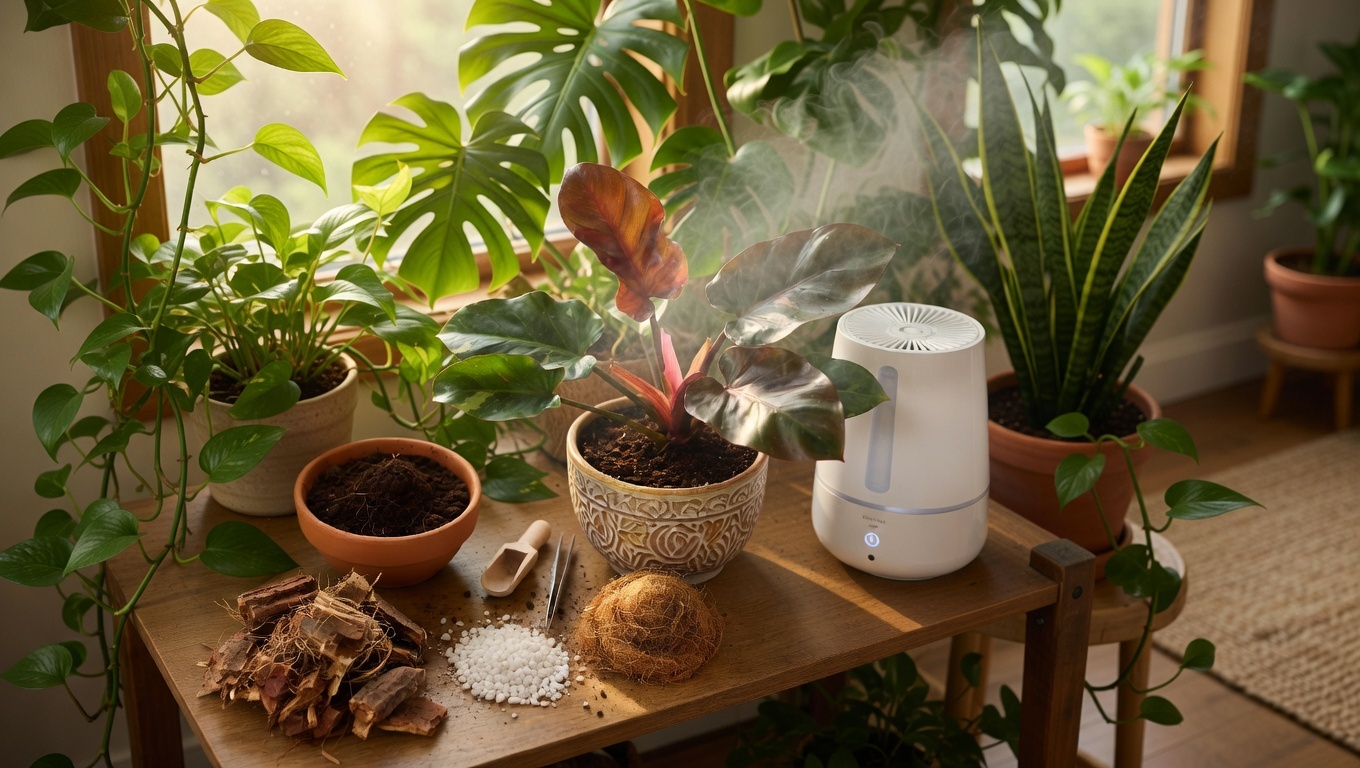
Because the Red Congo is a tropical plant, it thrives in warm, humid environments.
Ideal Temperature Range
The plant prefers temperatures between:
65°F – 85°F (18°C – 29°C)
Avoid exposure to:
-
Cold drafts
-
Air conditioner vents
-
Temperatures below 55°F (13°C)
Cold stress can damage leaves and stunt growth.
Humidity Needs
Philodendron Red Congo enjoys moderate to high humidity.
Ideal humidity levels:
50–70% humidity
Low humidity may cause:
-
Brown leaf edges
-
Slower growth
-
Dull leaves
Ways to Increase Humidity Indoors
You can boost humidity using several simple methods:
-
Place a humidifier near the plant
-
Use a pebble tray with water
-
Group plants together
-
Mist occasionally (though humidity solutions are more effective)
Creating a humid microclimate helps replicate the plant’s native tropical habitat.
Fertilizing Philodendron Red Congo for Faster Growth
Like most indoor plants, Red Congo benefits from occasional feeding during its active growing season.
Best Fertilizers to Use
Choose a balanced liquid fertilizer, such as:
-
10-10-10
-
20-20-20
Organic options like worm castings or seaweed fertilizer can also support healthy growth.
Fertilizing Schedule
-
Spring & Summer: once every 4–6 weeks
-
Fall & Winter: reduce or stop fertilizing
Overfertilizing can cause salt buildup and leaf burn, so always dilute fertilizers according to instructions.
Signs of Nutrient Deficiency
Your plant may need feeding if you notice:
-
Pale leaves
-
Slower growth
-
Smaller new leaves
Providing proper nutrients supports lush foliage and stronger stems.
Repotting Philodendron Red Congo
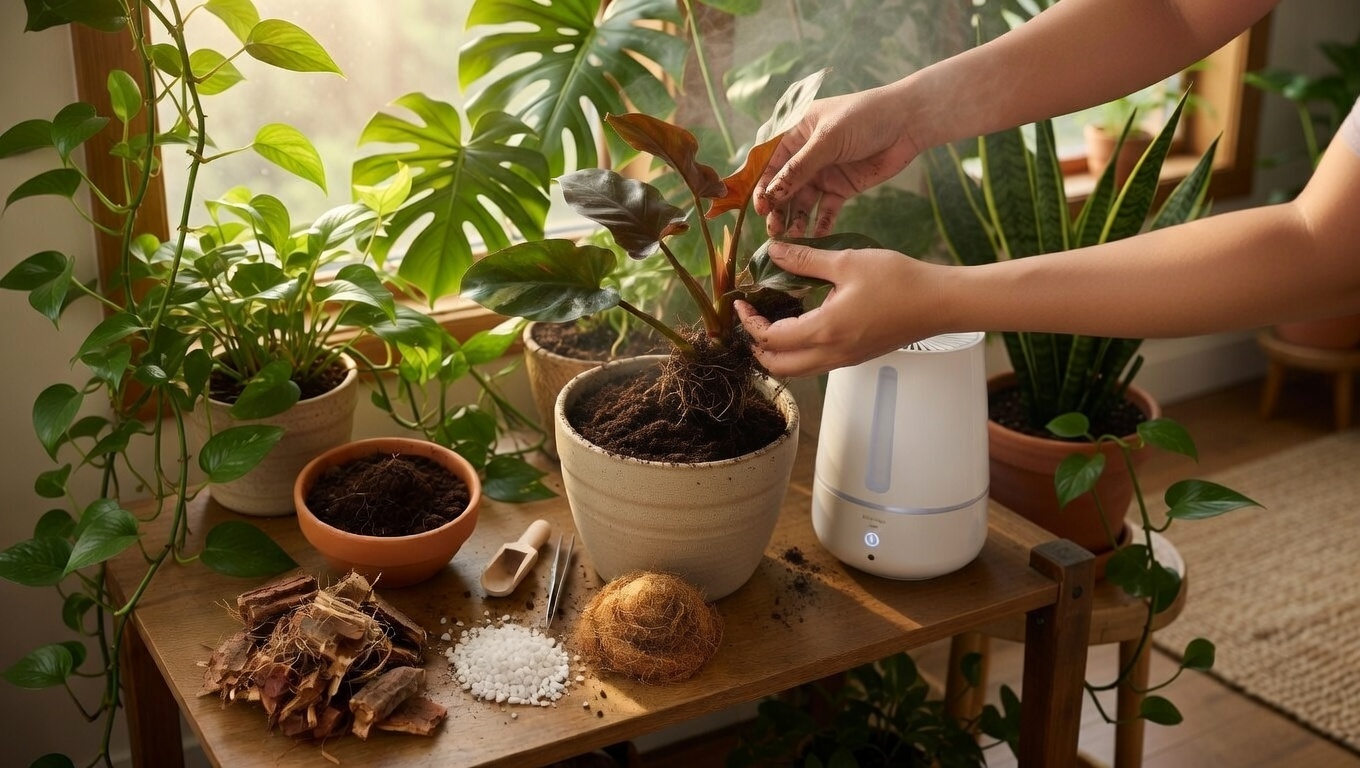
Repotting helps maintain healthy root growth and prevents overcrowding.
When to Repot
Most plants need repotting every 1–2 years.
Signs it’s time to repot include:
-
Roots growing from drainage holes
-
Soil drying out very quickly
-
Stunted growth
Choosing the Right Pot
Select a pot that is 1–2 inches larger than the current one.
Good pot options include:
-
Terracotta pots (better airflow)
-
Plastic pots (retain moisture)
-
Ceramic decorative planters with drainage
Step-by-Step Repotting Guide
-
Water the plant lightly before repotting.
-
Remove the plant gently from the pot.
-
Loosen compacted roots.
-
Add fresh soil mix to the new pot.
-
Place the plant and fill around with soil.
-
Water thoroughly.
Repotting refreshes nutrients and gives roots space to expand.
How to Propagate Philodendron Red Congo
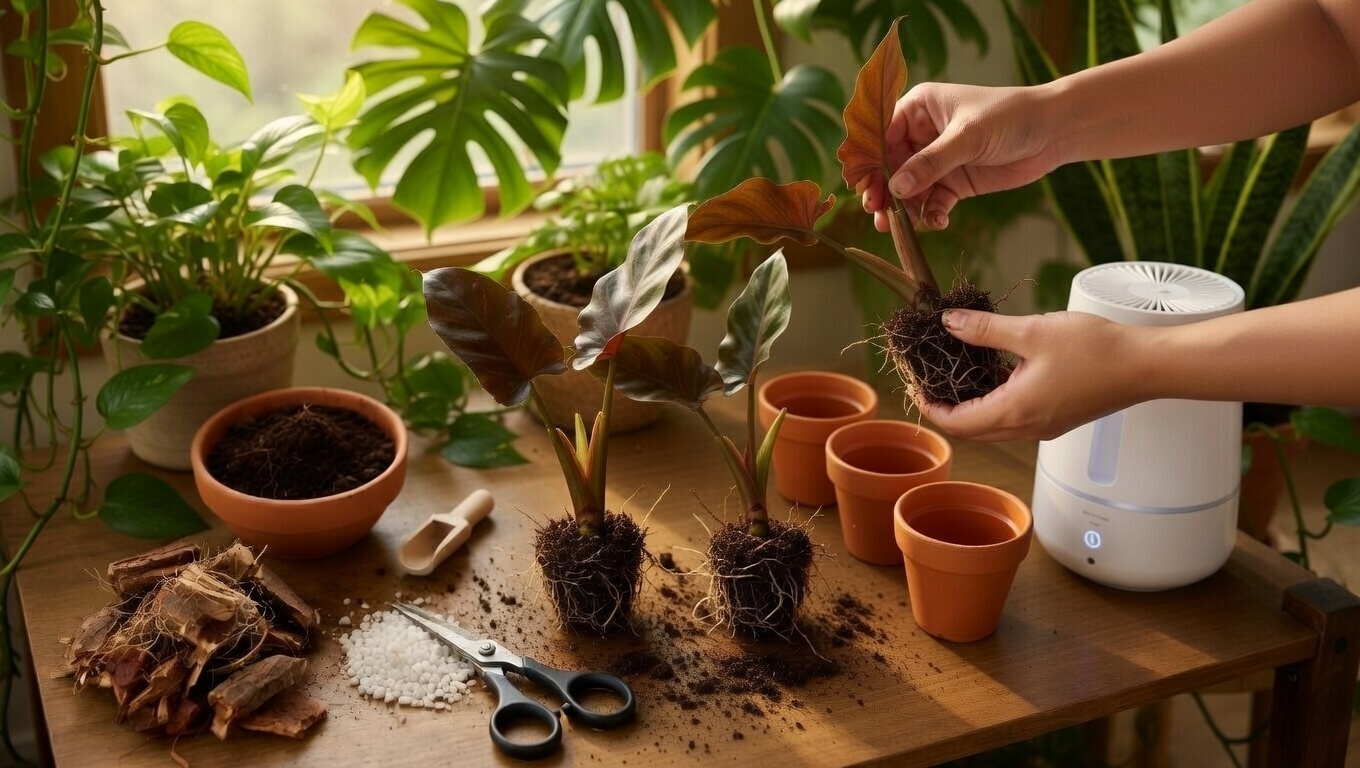
Propagation is an excellent way to multiply your plant collection or share plants with friends. While some philodendrons propagate easily from cuttings, the Philodendron Red Congo behaves slightly differently because it is a self-heading philodendron rather than a climbing one.
Can Red Congo Be Propagated Easily?
Unlike vining philodendrons, Red Congo plants do not produce long stems with multiple nodes. This means propagation can be a bit more challenging, but it is still possible with the right method.
The most successful propagation methods include:
-
Division
-
Stem cuttings with nodes (if available)
Propagation by Division (Most Reliable Method)
Division works best when the plant has produced multiple growth points or offsets.
Step-by-step process:
-
Remove the plant from its pot carefully.
-
Gently shake away excess soil from the roots.
-
Identify separate root clusters or plant sections.
-
Use a clean, sterilized knife to divide the plant.
-
Ensure each section has both roots and leaves.
-
Plant each division into a new pot with fresh soil.
-
Water lightly and place in bright indirect light.
Within a few weeks, the divided plants will begin to establish themselves.
Propagation Using Stem Cuttings
This method is less common but possible if a stem node is present.
Steps include:
-
Identify a stem section with a node.
-
Cut just below the node using sterilized scissors.
-
Place the cutting in water or moist soil.
-
Keep it in warm, humid conditions.
-
Wait for roots to develop over several weeks.
Using a rooting hormone can improve success rates.
Tips for Successful Propagation
-
Always use sterilized cutting tools
-
Maintain high humidity
-
Provide warm temperatures
-
Avoid direct sunlight during early rooting
Patience is important—propagation can take several weeks before noticeable growth appears.
Common Philodendron Red Congo Problems and Solutions
Even hardy houseplants can develop issues if environmental conditions aren’t ideal. Fortunately, most problems are easy to diagnose and fix.
Yellow Leaves
Yellowing leaves are one of the most common concerns for plant owners.
Possible causes include:
-
Overwatering
-
Poor drainage
-
Root rot
-
Natural aging of older leaves
Solution:
-
Check soil moisture before watering
-
Improve drainage
-
Remove damaged leaves
Brown Leaf Tips
Brown edges typically indicate environmental stress.
Common causes:
-
Low humidity
-
Underwatering
-
Salt buildup from fertilizer
Solution:
-
Increase humidity
-
Adjust watering routine
-
Flush soil occasionally with clean water
Drooping Leaves
Drooping foliage may indicate:
-
Underwatering
-
Temperature stress
-
Root damage
Solution:
Check soil moisture and ensure the plant is in a stable, warm environment.
Slow Growth
If your Red Congo isn’t growing much, the likely reasons include:
-
Insufficient light
-
Lack of nutrients
-
Cold temperatures
Improving lighting and fertilizing during the growing season usually resolves the issue.
Root Rot
Root rot occurs when roots remain wet for long periods.
Symptoms include:
-
Mushy roots
-
Yellow leaves
-
Foul-smelling soil
Solution:
-
Remove the plant from the pot.
-
Trim infected roots.
-
Repot in fresh, well-draining soil.
Preventing overwatering is the best defense against root rot.
Common Pests That Affect Philodendron Red Congo
Although relatively pest-resistant, the plant can occasionally attract insects.
Spider Mites
These tiny pests thrive in dry environments.
Symptoms:
-
Fine webbing
-
Speckled leaf discoloration
Mealybugs
Mealybugs appear as white cotton-like clusters on leaves and stems.
Scale Insects
Scale pests attach themselves to stems and feed on plant sap.
Natural Pest Treatment Methods
If pests appear, act quickly using natural solutions.
Effective treatments include:
-
Neem oil spray
-
Insecticidal soap
-
Rubbing alcohol on cotton swabs
Regularly inspecting leaves helps prevent infestations from spreading.
Pruning and Maintenance Tips
Pruning helps keep your Philodendron Red Congo looking healthy and well-shaped.
When to Prune
Pruning is best done during the growing season (spring and summer).
Remove:
-
Yellow leaves
-
Damaged foliage
-
Diseased stems
How to Maintain Shape
Because Red Congo grows upright, it rarely needs heavy pruning.
However, removing old leaves helps redirect energy to new growth.
Cleaning Leaves for Better Growth
Dust buildup can block light and reduce photosynthesis.
To clean the leaves:
-
Use a damp cloth.
-
Gently wipe both sides of the leaves.
-
Avoid harsh leaf shine products.
Clean leaves help maintain the plant’s natural glossy appearance.
Styling Philodendron Red Congo in Your Home
Beyond plant care, Red Congo is also a beautiful design element in interior spaces.
Best Interior Design Placements
Ideal spots include:
-
Living room corners
-
Entryways
-
Home offices
-
Bedroom plant stands
The plant’s upright structure makes it perfect for filling empty vertical spaces.
Pot and Planter Ideas
Stylish containers can enhance the plant’s visual impact.
Popular options include:
-
Matte ceramic planters
-
Woven baskets
-
Minimalist concrete pots
Choose containers that complement your home décor style.
Pairing With Other Indoor Plants
Red Congo pairs beautifully with other tropical houseplants, such as:
-
Monstera
-
Snake plant
-
Peace lily
-
Calathea
Mixing plants of different heights and textures creates a lush indoor jungle effect.
Is Philodendron Red Congo Toxic to Pets?
Yes, Philodendron Red Congo is toxic if ingested.
Like other plants in the Araceae family, it contains calcium oxalate crystals, which can cause irritation.
Symptoms of ingestion may include:
-
Mouth irritation
-
Swelling
-
Drooling
-
Vomiting
For safety:
-
Keep plants out of reach of pets and children
-
Place them on shelves or plant stands
-
Consider pet-safe plants if animals frequently chew plants
Always contact a veterinarian if a pet consumes any part of the plant.
Expert Tips to Keep Philodendron Red Congo Thriving
After years of growing tropical houseplants, these simple strategies consistently produce healthier plants.
Rotate the Plant Regularly
Turning the plant every few weeks encourages even growth and prevents leaning.
Avoid Overwatering
Most plant problems stem from excess moisture rather than drought.
Use Breathable Pots
Terracotta containers allow better air circulation around the roots.
Monitor Seasonal Changes
Plants grow faster in spring and summer, meaning they require:
-
More water
-
More nutrients
-
Brighter light
Inspect Leaves Frequently
Early detection of pests or diseases makes treatment much easier.
Small preventive habits often make the biggest difference in plant health.
Philodendron Red Congo vs Other Philodendrons
Many indoor gardeners confuse Red Congo with similar varieties.
Red Congo vs Imperial Red
| Feature | Red Congo | Imperial Red |
|---|---|---|
| Growth habit | Upright self-heading | Upright |
| Leaf color | Dark green with red stems | More reddish leaves |
| Mature size | Larger | Slightly smaller |
Red Congo vs Rojo Congo
The terms Red Congo and Rojo Congo are often used interchangeably, though they may refer to slightly different hybrid cultivars.
Both share:
-
Thick stems
-
Upright growth
-
Large tropical leaves
For most indoor growers, their care requirements are essentially identical.
Frequently Asked Questions
How big does a Philodendron Red Congo get?
Indoors, the plant typically grows 2–4 feet tall and wide, depending on care conditions and pot size.
Is Philodendron Red Congo easy to care for?
Yes. It is considered a beginner-friendly houseplant because it tolerates average indoor conditions and requires minimal maintenance.
Why are my Philodendron Red Congo leaves turning yellow?
Yellow leaves usually indicate overwatering or poor drainage. Allow the soil to dry slightly between watering.
How fast does Red Congo grow?
The plant has a moderate growth rate, producing new leaves regularly during spring and summer.
Can Philodendron Red Congo grow in low light?
Yes, it can tolerate low light, but bright indirect light promotes healthier growth and larger leaves.
Conclusion
The Philodendron Red Congo is one of the most striking and rewarding houseplants you can grow indoors. With its glossy leaves, dramatic red stems, and upright growth habit, it effortlessly adds a tropical touch to any room.
Fortunately, caring for this plant doesn’t require complicated routines. By providing bright indirect light, well-draining soil, moderate watering, and occasional feeding, you can keep your plant thriving year-round.
Remember the key principles:
-
Avoid overwatering
-
Provide bright filtered light
-
Maintain warm temperatures
-
Use well-draining soil
With proper care, your Philodendron Red Congo can grow into a lush, statement plant that enhances your indoor space for many years.
Whether you’re a beginner or a seasoned plant enthusiast, this beautiful tropical species proves that growing impressive indoor plants can be both simple and incredibly rewarding. 🌿