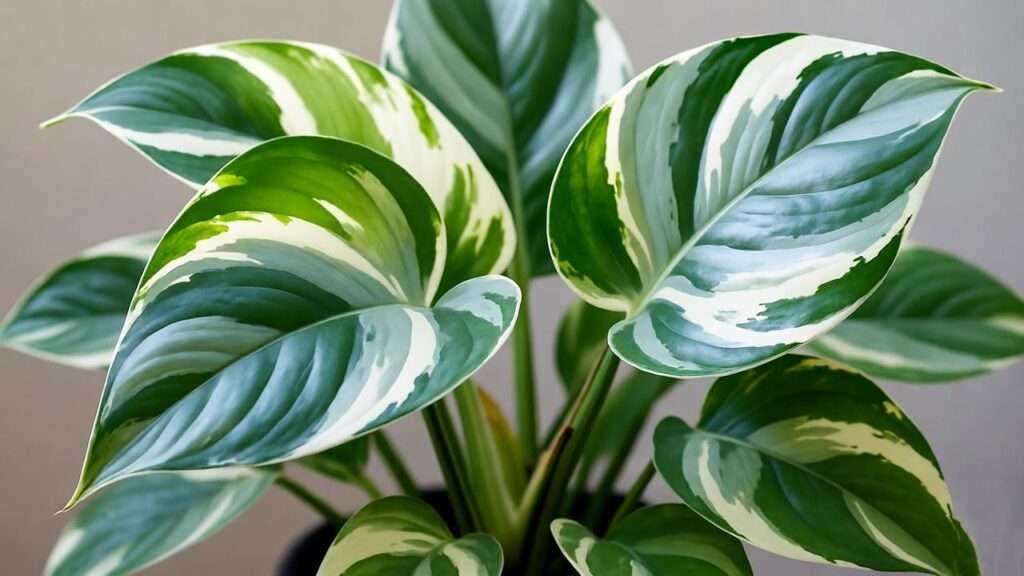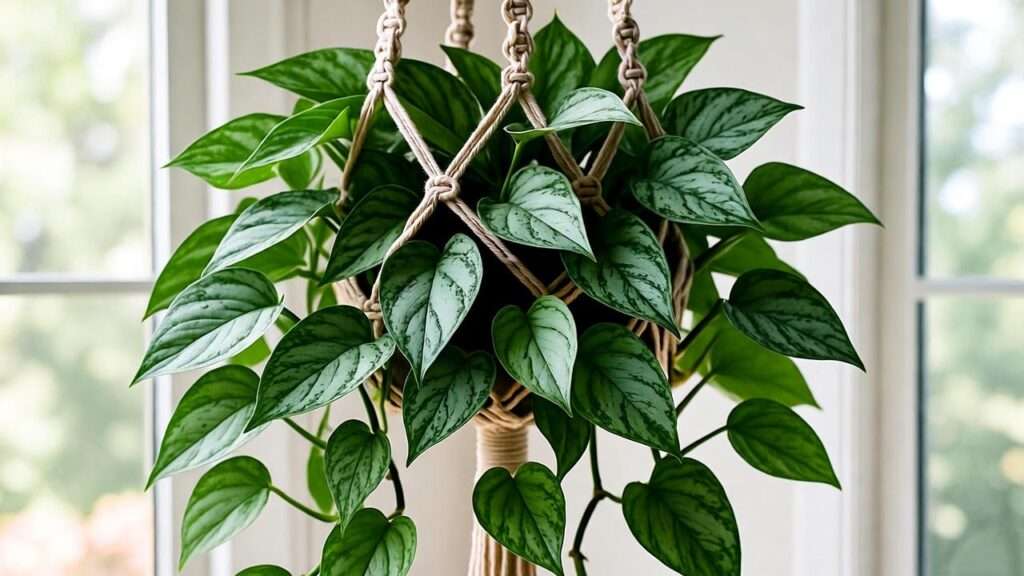
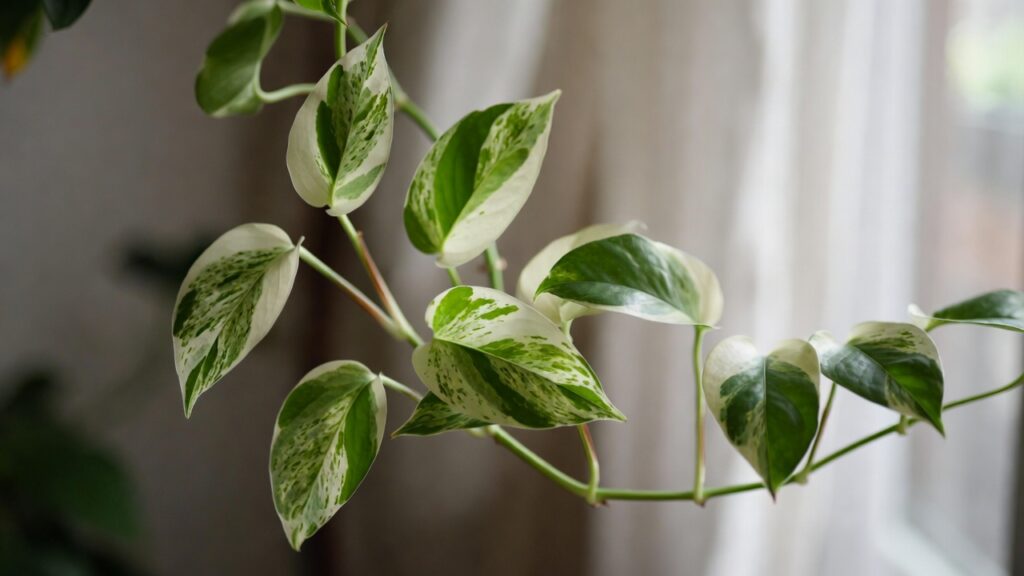
There’s something undeniably captivating about a plant whose leaves look like they’ve been dusted with snow. The striking white marbling, the elegant trailing vines, the way it instantly brightens a room — pothos snow queen is one of the most visually stunning houseplants you can grow indoors.
But here’s the truth many plant owners discover too late: while Snow Queen is related to hardy pothos varieties, its heavy variegation makes it more sensitive to light, watering mistakes, and nutrient imbalances.
If your Snow Queen is losing its white color, turning yellow, growing leggy, or simply not thriving, this complete expert guide will walk you through exactly what to do. Based on horticultural principles and real-world indoor growing experience, this article will help you maintain vibrant variegation, prevent common problems, and grow a lush, healthy plant with confidence.
What Is Pothos Snow Queen?Botanical Background
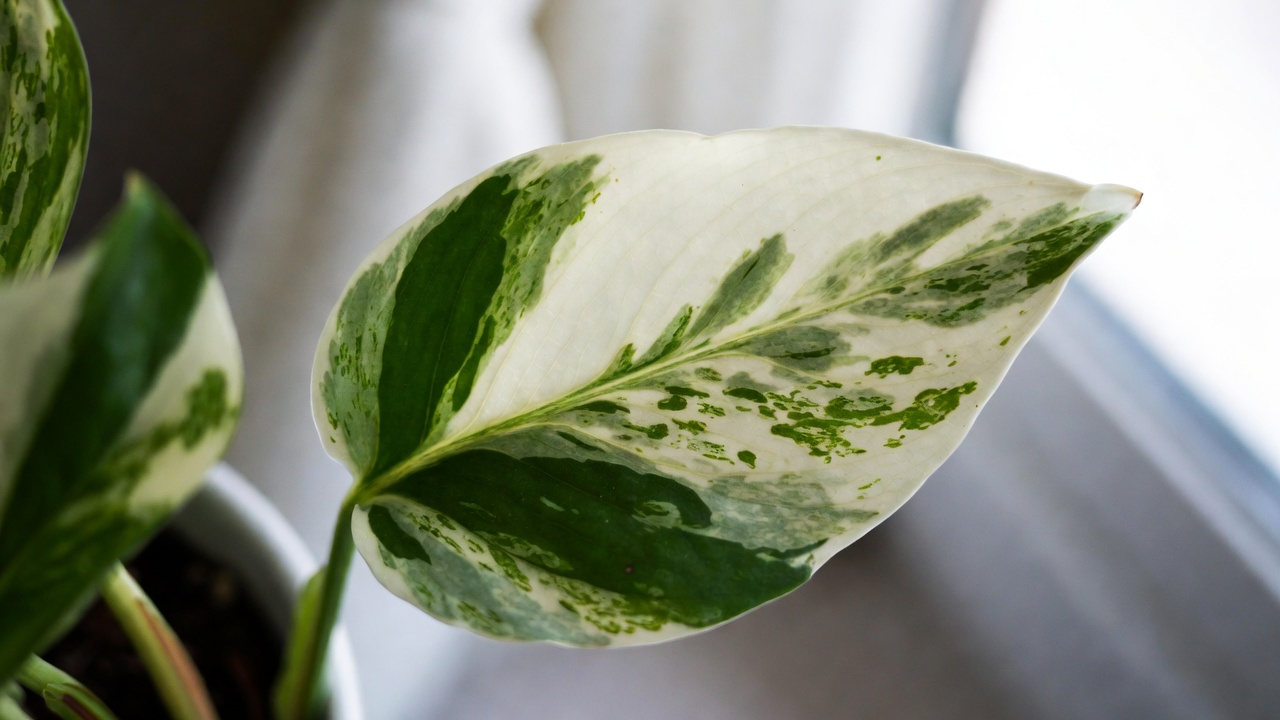
Pothos Snow Queen is a highly variegated cultivar of Epipremnum aureum, a tropical evergreen vine in the Araceae family. Native to the Solomon Islands, Epipremnum aureum naturally climbs trees in warm, humid rainforest environments.
Snow Queen is a cultivated variety selected for its:
- Heavy white variegation
- Slower, more compact growth
- Decorative trailing habit
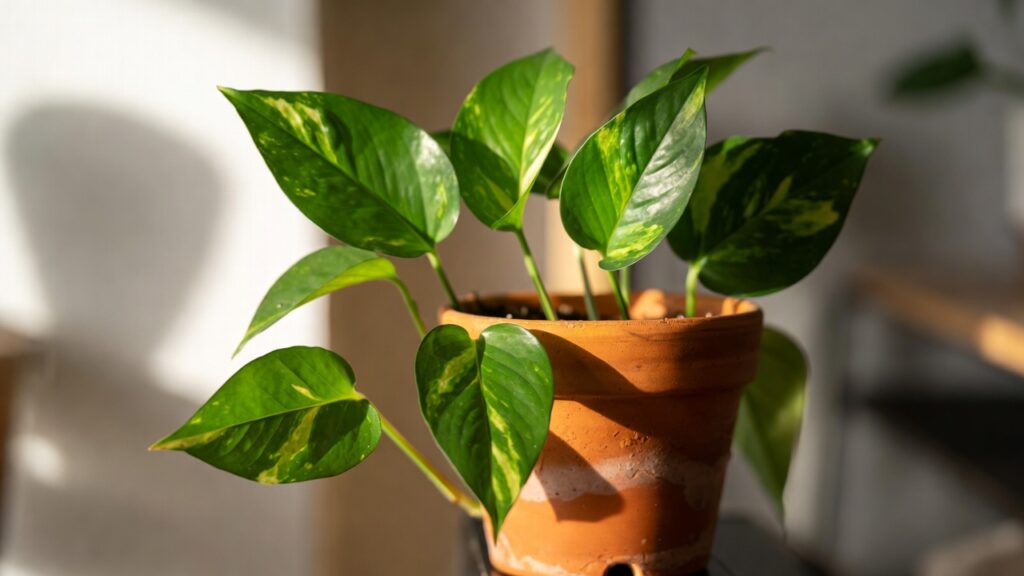
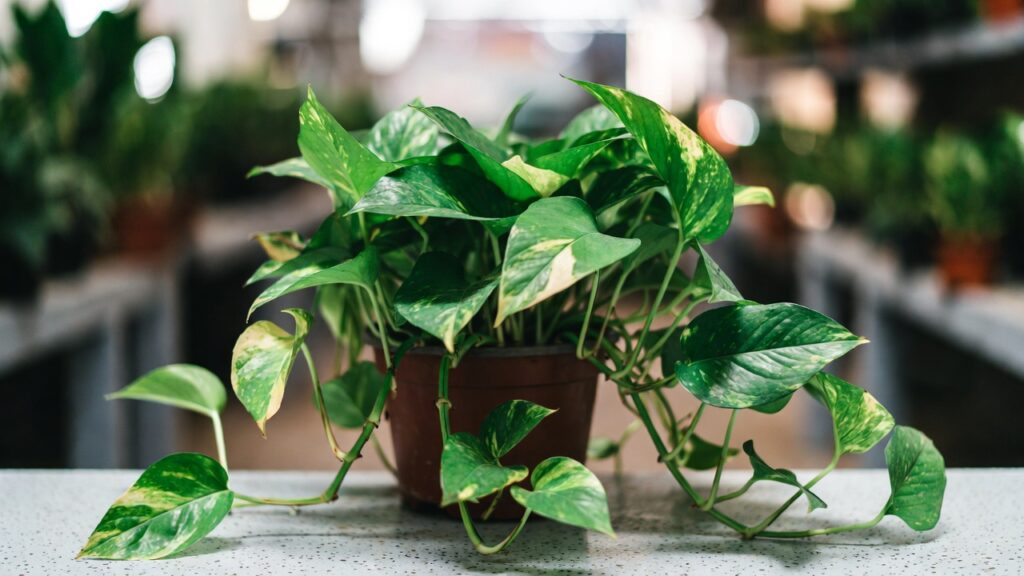
Unlike the standard Golden Pothos, Snow Queen has significantly less chlorophyll due to its creamy-white leaf sectors. This makes it slightly less vigorous — and more dependent on proper lighting.
Snow Queen vs. Marble Queen: Key Differences
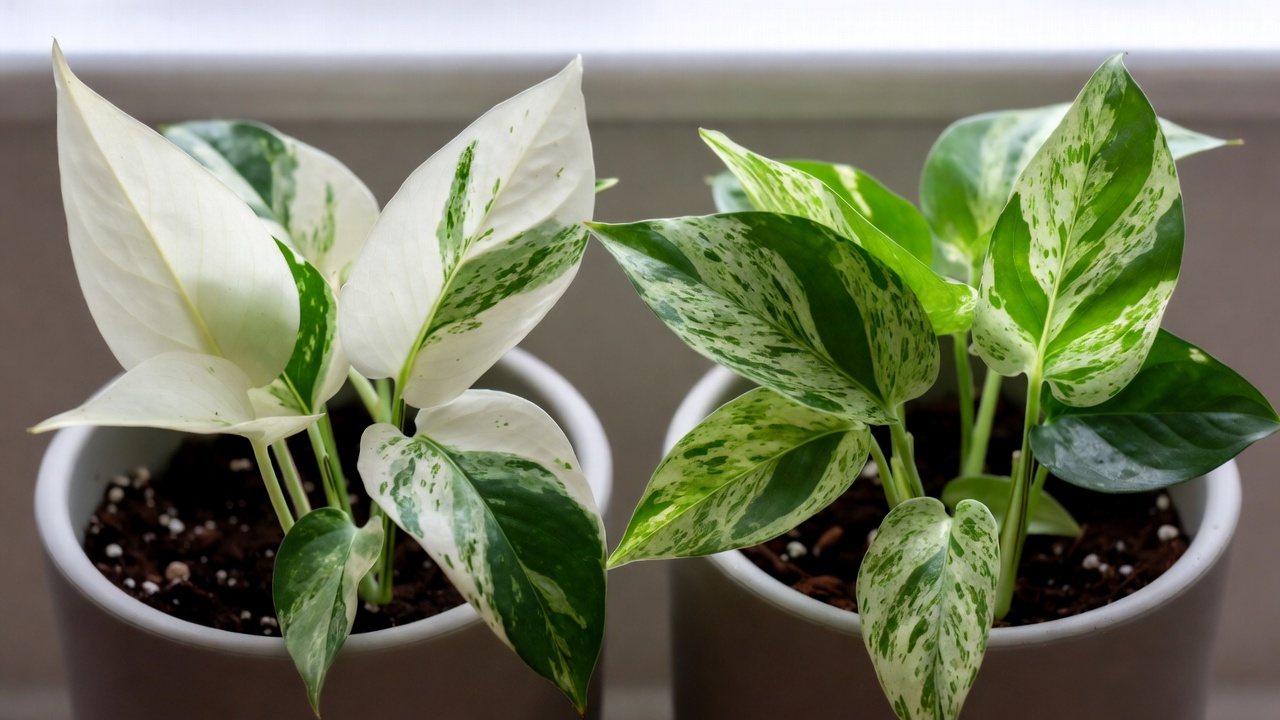
These two are often confused. Here’s how to tell them apart:
| Feature | Snow Queen | Marble Queen |
|---|---|---|
| Variegation | More white than green | More balanced marbling |
| Growth Rate | Slower | Moderate |
| Light Sensitivity | Higher | Moderate |
| Maintenance | Slightly more demanding | Beginner-friendly |
If your plant appears almost white with green speckles, it’s likely Snow Queen. If the marbling looks evenly mixed, it’s probably Marble Queen.
Why Indoor Plant Collectors Love It
Snow Queen is prized for:
- Brightening low-contrast interiors
- Elevating minimalist decor
- Thriving in containers and hanging baskets
- Adaptability to indoor environments
While often described as “easy,” its care must be slightly more intentional than standard pothos varieties to preserve its dramatic coloring.
Ideal Growing Conditions for Pothos Snow Queen Indoors
Creating the right environment is the foundation of long-term success.
Light Requirements (The #1 Factor for Variegation)
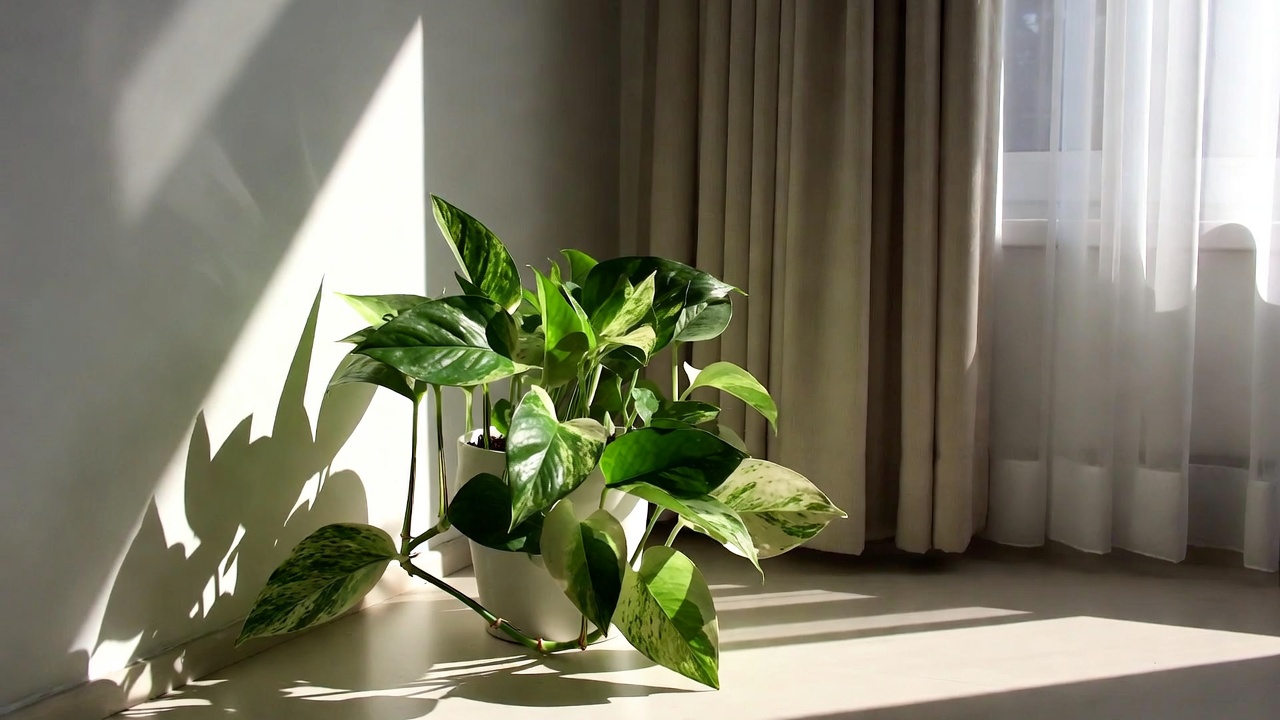
Because Snow Queen has less chlorophyll, it requires bright, indirect light to maintain its white coloring.
Ideal placement:
- East-facing window
- North-facing window with bright exposure
- South or west window filtered with sheer curtains
If light is insufficient:
- Leaves turn more green
- Growth becomes leggy
- Variegation fades
If light is too intense:
- White sections may scorch
- Brown patches appear
Pro Tip (Experience-Based Insight):
If you can comfortably read a book without artificial lighting during the day in that spot, your Snow Queen likely has enough light.
Grow lights can supplement darker homes. Choose a full-spectrum LED grow light placed 12–18 inches above the plant.
Watering Schedule (Avoiding Root Rot & Stress)
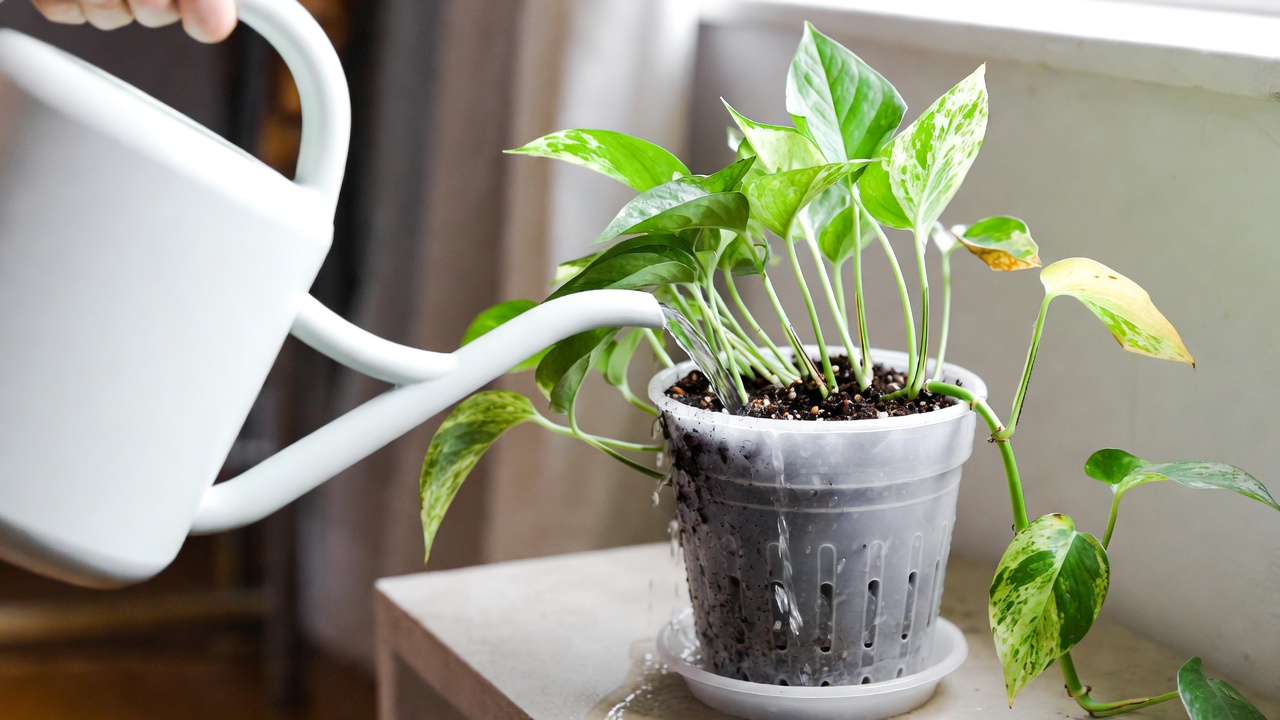
Overwatering is the most common reason Snow Queen declines indoors.
Best practice:
- Allow the top 1–2 inches of soil to dry out
- Water thoroughly until drainage occurs
- Never let the plant sit in standing water
Signs of Overwatering:
- Yellow leaves
- Mushy stems
- Persistent wet soil
- Fungus gnats
Signs of Underwatering:
- Drooping leaves
- Crispy brown edges
- Soil pulling away from pot edges
Seasonal Adjustment:
- Water more frequently in spring and summer
- Reduce watering in fall and winter
Consistency is more important than frequency.
Best Soil Mix for Healthy Roots
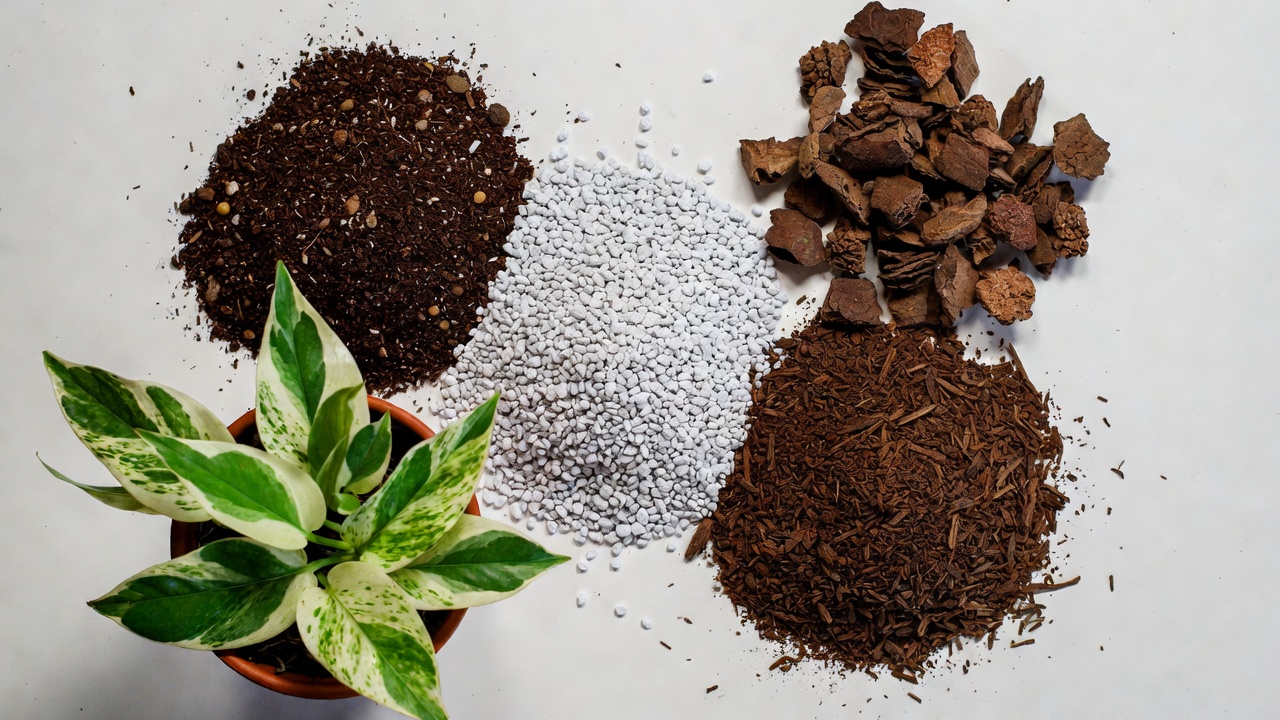
Snow Queen requires a well-draining, aerated potting mix.
Recommended DIY blend:
- 2 parts high-quality indoor potting soil
- 1 part perlite
- 1 part orchid bark or coco chips
This combination:
- Prevents compaction
- Encourages oxygen flow to roots
- Reduces risk of root rot
Avoid heavy garden soil or moisture-retaining mixes designed for ferns.
Temperature & Humidity Needs
Snow Queen thrives in:
- Temperatures between 65–85°F (18–29°C)
- Moderate humidity (40–60%)
It tolerates average indoor humidity, but growth improves with slight increases.
To boost humidity:
- Use a humidifier
- Group plants together
- Place on a pebble tray
Avoid cold drafts and sudden temperature drops below 55°F.
How to Maintain Bright White Variegation
The defining feature of pothos snow queen is its dramatic white coloration. Protecting it requires understanding plant physiology.
Why Variegation Fades
- Insufficient Light – The plant compensates by producing more green chlorophyll.
- Excess Nitrogen Fertilizer – Encourages greener growth.
- Genetic Reversion – Some stems naturally revert to more stable green forms.
How to Encourage Strong Variegation
- Provide consistent bright indirect light
- Rotate plant weekly for even exposure
- Use balanced fertilizer at half strength
- Prune overly green stems early
If a vine produces solid green leaves, trim it back to the last variegated node. This redirects energy into maintaining white marbling.
What to Do If Your Snow Queen Reverts
- Identify fully green stems.
- Trace back to a variegated leaf node.
- Prune just above that node.
- Increase light exposure slightly.
Prompt action prevents permanent loss of variegation.
Fertilizing Pothos Snow Queen the Right Way
Because of its reduced chlorophyll, Snow Queen benefits from measured feeding.
Best Fertilizer Type
Use:
- Balanced liquid fertilizer (10-10-10 or 20-20-20)
- Diluted to half strength
Avoid high-nitrogen lawn-style fertilizers.
Feeding Schedule
- Spring/Summer: Every 4–6 weeks
- Fall/Winter: Reduce or pause feeding
Overfeeding causes:
- Leaf tip burn
- Salt buildup in soil
- Weak, leggy growth
Flush soil with distilled water every few months to prevent mineral accumulation.
Pruning, Training & Styling
Pruning is essential for fullness and long-term aesthetics.
How to Prune for Fuller Growth
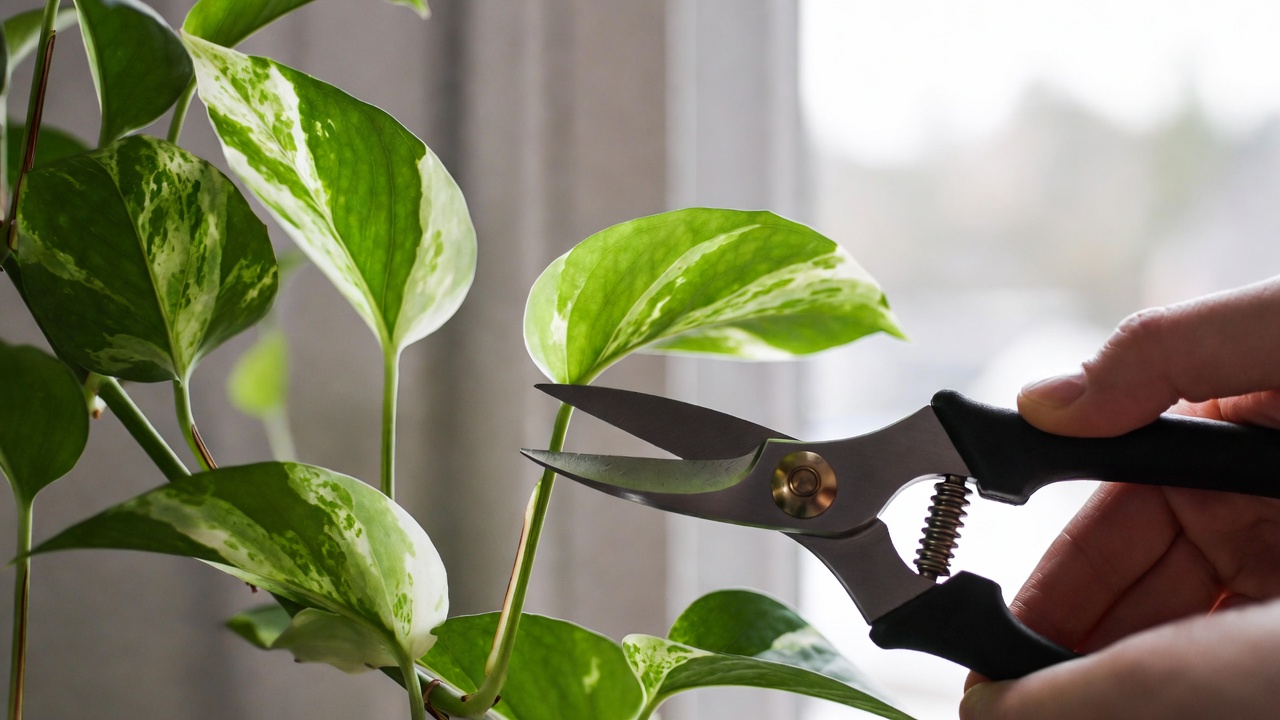
- Cut just above a node
- Remove long, leggy vines
- Encourage side branching
Each cut stimulates new growth points.
Trailing vs. Climbing
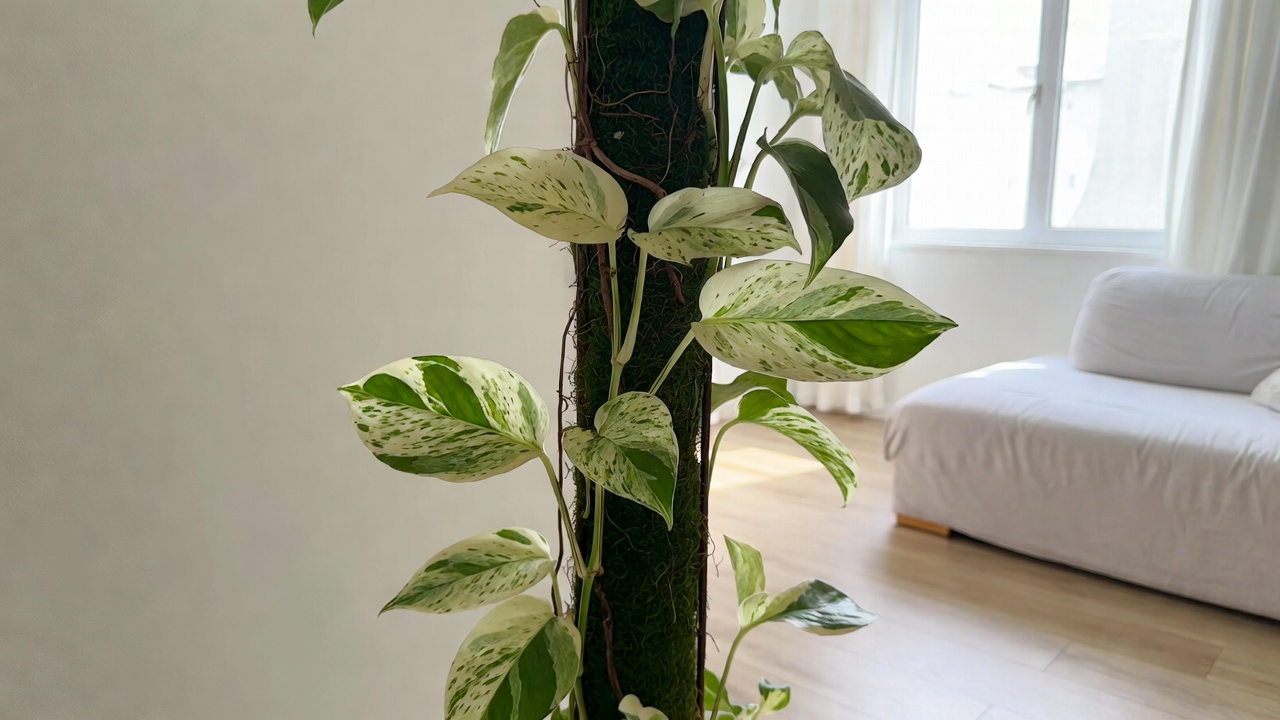
Snow Queen can:
- Trail elegantly from hanging baskets
- Climb moss poles for larger leaves
Climbing encourages slightly larger foliage due to increased support and aerial root engagement.
Leaf Maintenance
Dust reduces photosynthesis. Gently wipe leaves with:
- Damp microfiber cloth
- Room-temperature water
Avoid leaf shine products.
Common Problems and How to Fix Them
Even well-cared-for plants encounter issues. Early diagnosis is critical.
Yellow Leaves
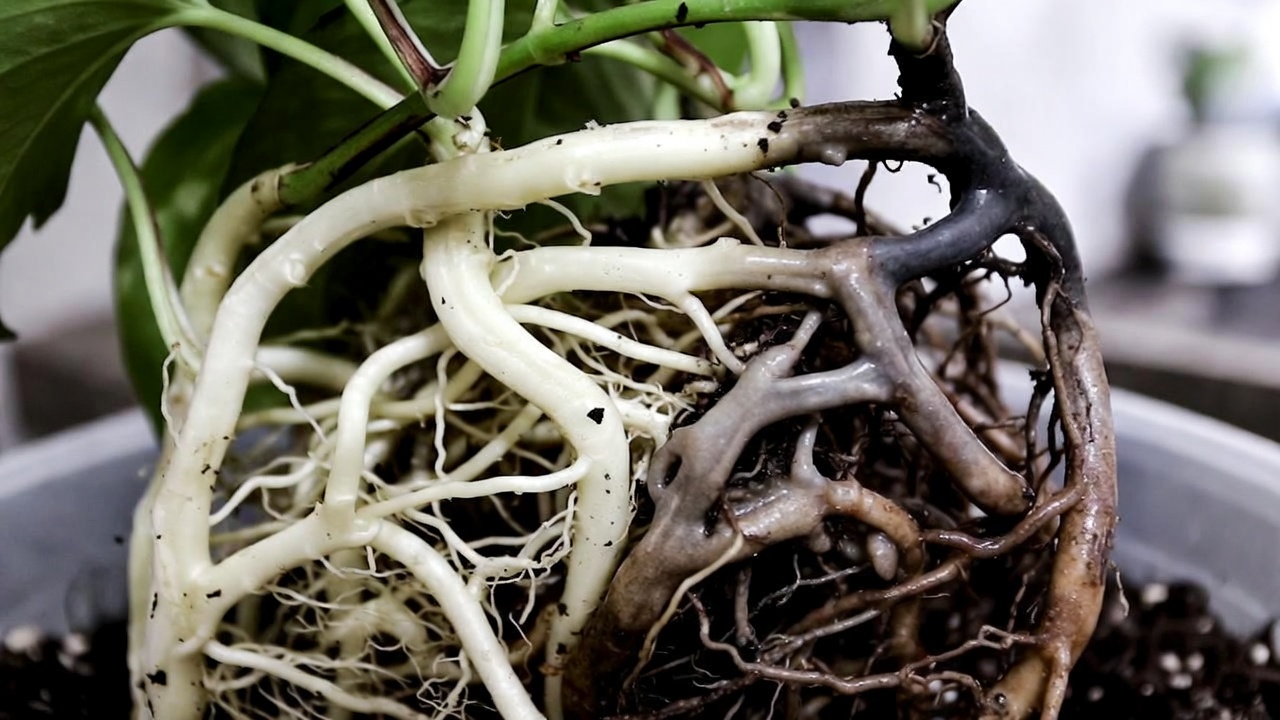
Most common causes:
- Overwatering
- Root rot
- Natural aging (lower leaves)
Solution:
- Check soil moisture
- Inspect roots if necessary
- Adjust watering schedule
Brown Tips
Caused by:
- Low humidity
- Salt buildup
- Inconsistent watering
Solution:
- Improve watering consistency
- Flush soil
- Increase ambient humidity slightly
Leggy Growth
Indicates insufficient light.
Move plant closer to light source and prune back stretched vines.
Pests
Watch for:
- Spider mites
- Mealybugs
- Fungus gnats
Treatment:
- Neem oil spray
- Insecticidal soap
- Improved air circulation
Inspect leaves (especially undersides) weekly.
Repotting Guide
Snow Queen prefers slightly snug roots but not severe root-binding.
When to Repot
- Roots circling bottom
- Water draining too quickly
- Growth slowing in active season
Typically every 1–2 years.
Step-by-Step Repotting
- Choose pot 1–2 inches larger.
- Prepare fresh, aerated soil mix.
- Gently loosen roots.
- Replant at same depth.
- Water thoroughly.
Avoid fertilizing for 2–3 weeks after repotting.
How to Propagate Pothos Snow Queen Successfully
Propagation allows you to expand your collection or rejuvenate leggy vines.
Water Propagation Method
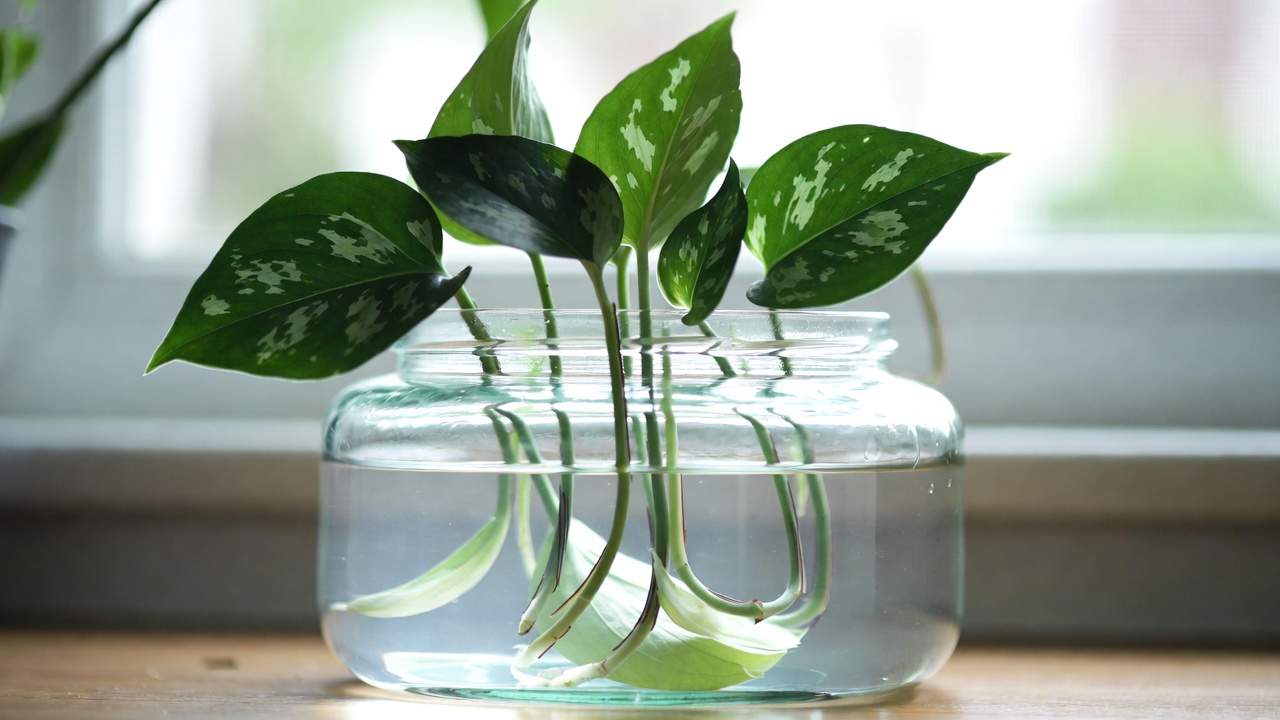
- Cut below a node with at least one leaf.
- Place node in water.
- Change water every 5–7 days.
- Roots develop within 2–4 weeks.
Transfer to soil once roots reach 2 inches.
Soil Propagation Method
Plant cutting directly in moist soil.
Pros:
- Stronger root adaptation
Cons:
- Harder to monitor rot
Common Propagation Mistakes
- Cutting without a node
- Letting leaves sit in water
- Overwatering newly planted cuttings
Is Pothos Snow Queen Toxic?
Like other Epipremnum aureum varieties, Snow Queen contains calcium oxalate crystals.
It is toxic if ingested by:
- Cats
- Dogs
- Small children
Keep out of reach and wash hands after pruning.
Expert Indoor Care Tips (From Experience)
- Rotate weekly for balanced growth
- Adjust watering in winter months
- Avoid placing near heating vents
- Prune early rather than late
- Monitor light changes seasonally
Snow Queen rewards consistency.
Frequently Asked Questions
How fast does pothos snow queen grow?
Moderate to slow compared to other pothos varieties due to high variegation.
Can it survive in low light?
It may survive, but variegation will fade significantly.
Why are white leaves turning brown?
Usually sun scorch or inconsistent watering.
Does it need a moss pole?
Not required, but climbing can improve leaf size.
How often should I water it?
When the top 1–2 inches of soil are dry.
Final Thoughts: Is Pothos Snow Queen Right for Your Home?
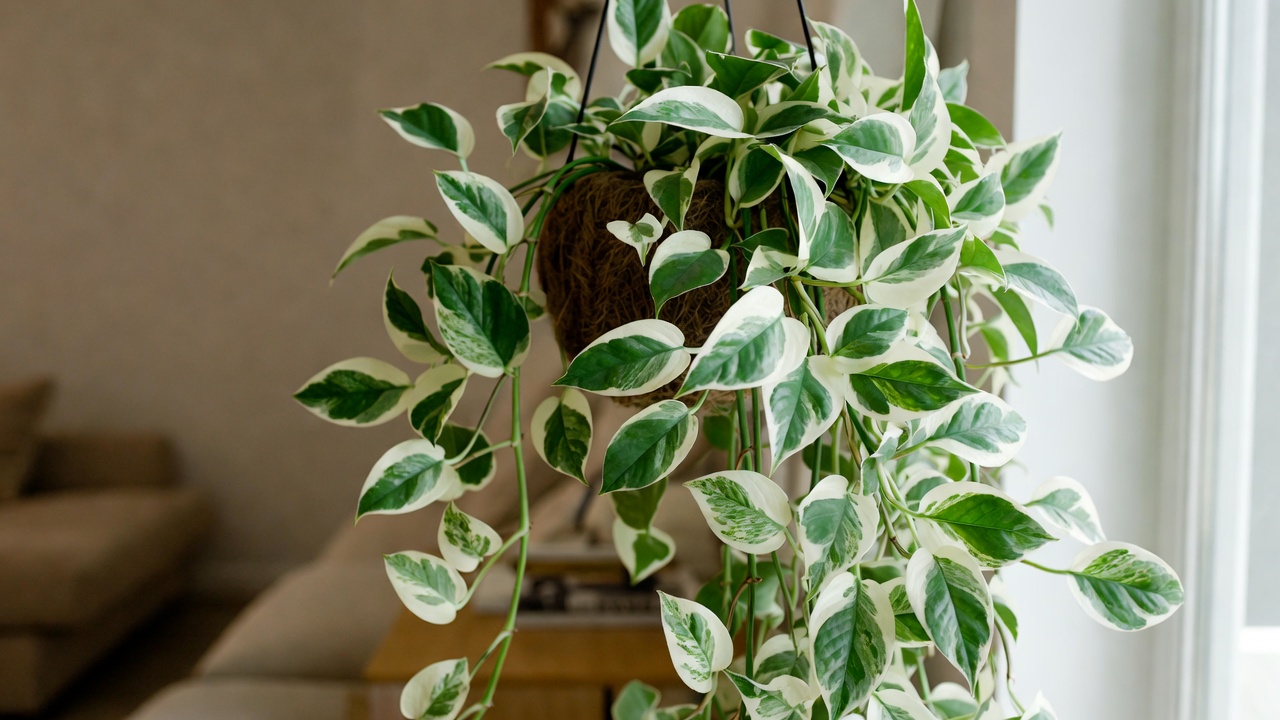
If you want a dramatic, elegant indoor vine that elevates your space and you’re willing to provide bright indirect light and mindful watering, pothos snow queen is an excellent choice.
It’s not difficult — just slightly more intentional than standard pothos.
With proper care, you’ll enjoy cascading white-and-green foliage that remains vibrant year-round.