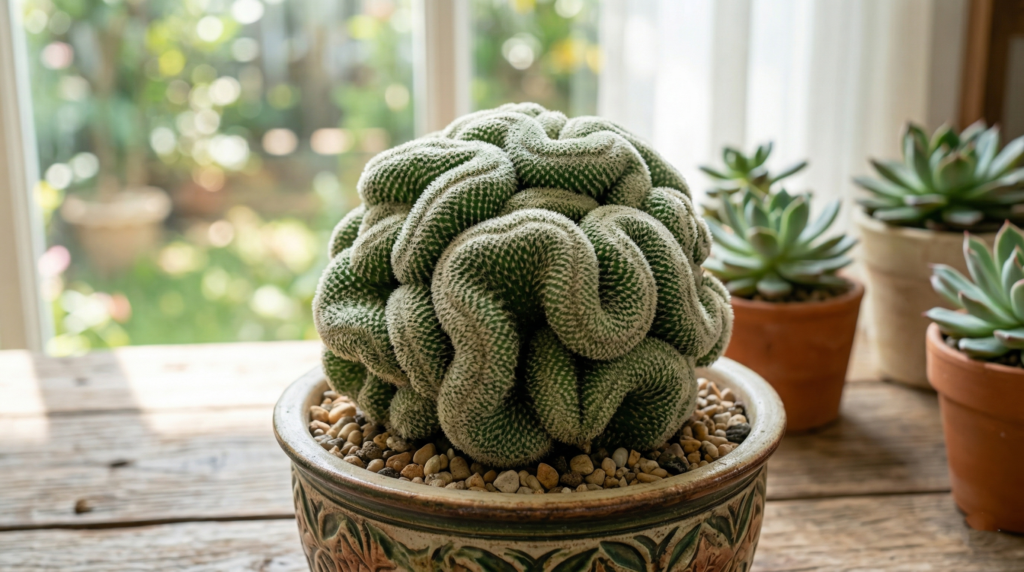
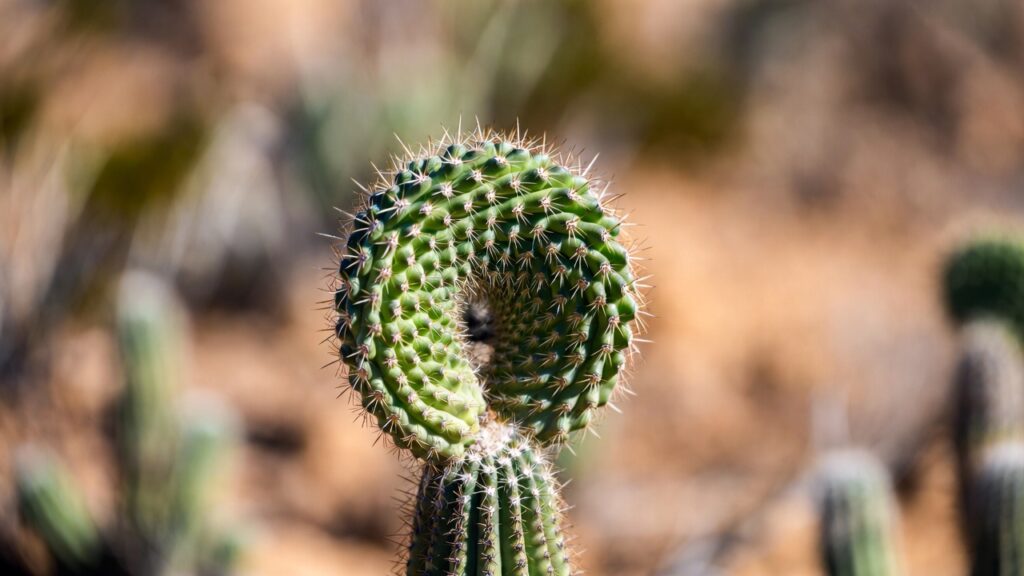
Few indoor plants stop people mid-sentence the way a spiral cactus does. With its hypnotic, twisting ribs that seem almost mathematically perfect, it looks more like a living sculpture than a houseplant. But here’s what most plant owners don’t realize: that iconic spiral shape is surprisingly easy to lose if you don’t understand how this cactus truly grows.
If you’ve recently brought one home — or you’re thinking about it — you’re likely wondering:
- How much light does it really need?
- Why is it stretching or leaning?
- How do you prevent root rot?
- Can you keep the spiral tight and symmetrical indoors?
In this complete expert guide, I’ll walk you through everything you need to know to grow, shape, and maintain a thriving spiral cactus indoors — based on horticultural principles, real-world indoor growing experience, and proven cactus care techniques.
Whether you’re a beginner or an experienced indoor plant enthusiast, this guide will help you avoid costly mistakes and keep your plant healthy for years.
What Is a Spiral Cactus?
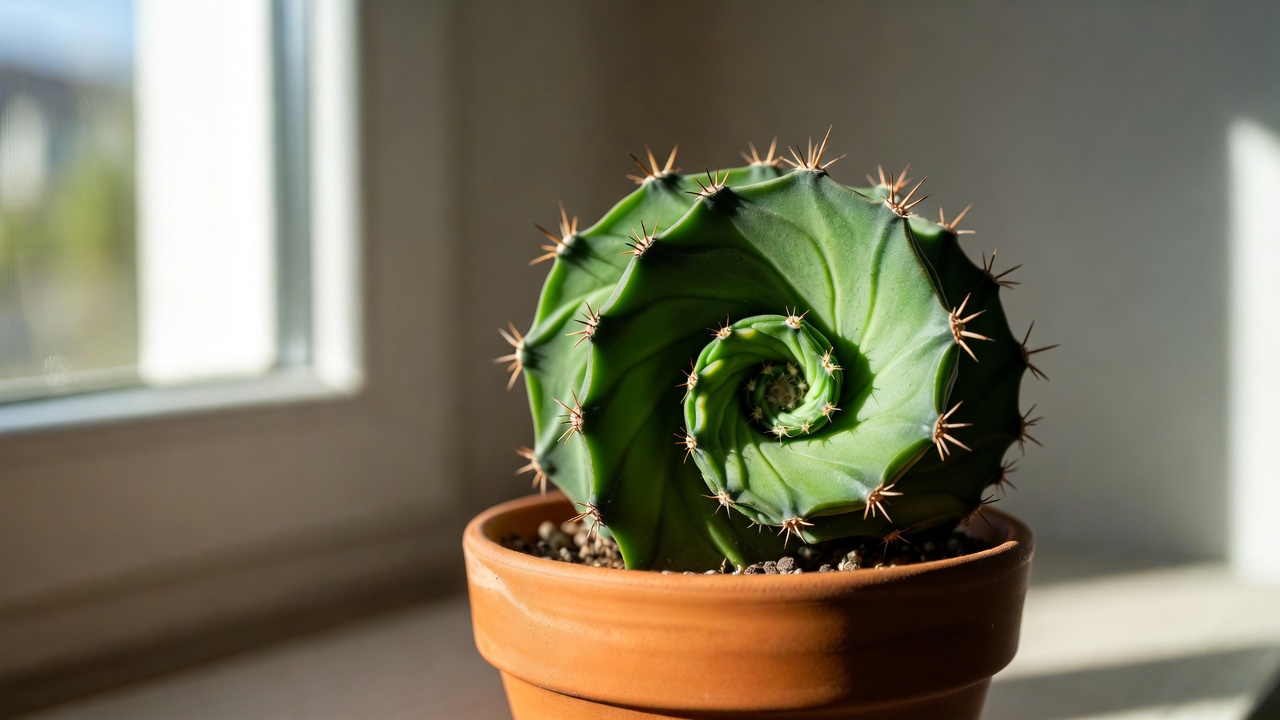
Before diving into care, it’s crucial to understand what you’re growing.
Botanical Background
Most spiral cacti sold in nurseries are a cultivar of
Cereus forbesii, commonly referred to as Cereus forbesii ‘Spiralis’.
This plant originates from South America, where it grows in warm, arid environments with intense sunlight and excellent drainage. The spiral form is a natural genetic mutation that causes the ribs to twist as the plant matures.
Unlike many novelty plants, the spiral isn’t artificially trained — it’s built into the plant’s growth pattern.
Spiral Cactus vs. Twisted Euphorbia (Common Confusion)
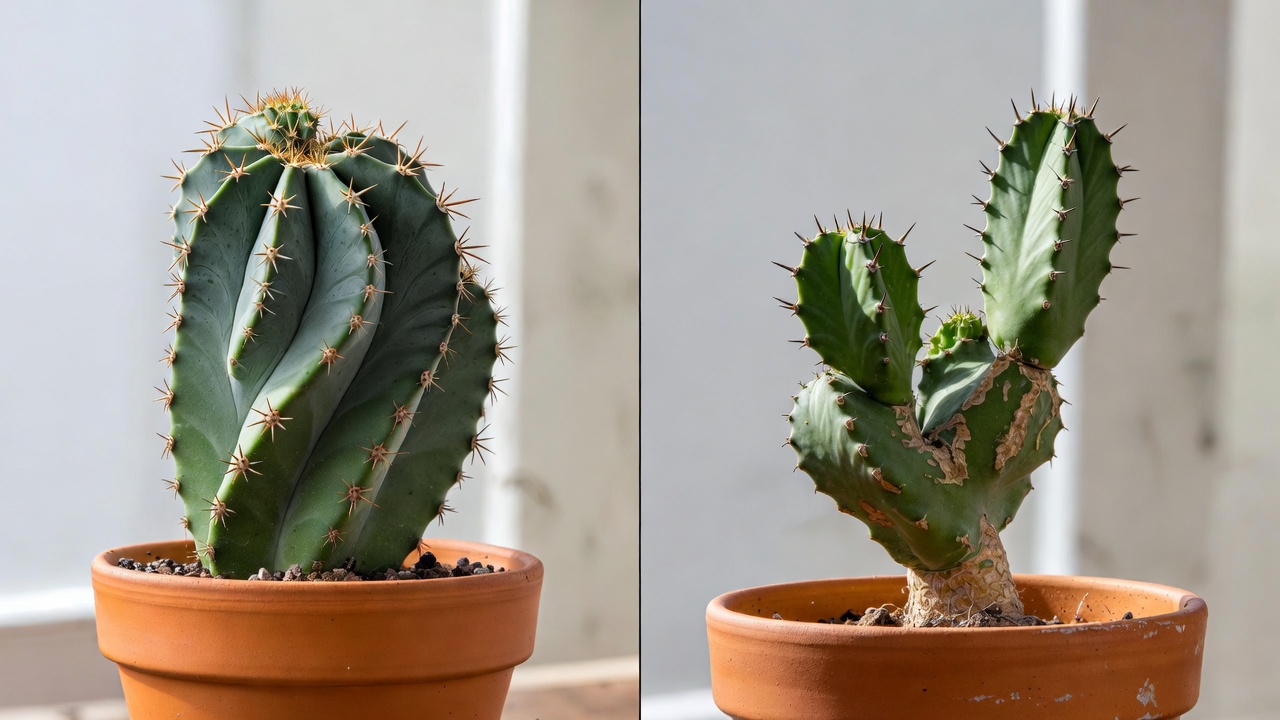
One of the biggest beginner mistakes is confusing spiral cactus with certain twisted Euphorbia species.
Here’s how they differ:
| Feature | Spiral Cactus | Twisted Euphorbia |
|---|---|---|
| Botanical family | Cactaceae | Euphorbiaceae |
| Sap | Clear | Milky (toxic latex) |
| Spines | True cactus spines | Small paired thorns |
| Care needs | True cactus care | Slightly different watering sensitivity |
Misidentification often leads to overwatering or incorrect light placement — which can quickly damage your plant.
Is Spiral Cactus Rare?
Spiral cactus is considered a specialty cultivar, but it’s not extremely rare. Pricing varies depending on:
- Height
- Tightness of spiral
- Root health
- Nursery source
When buying, look for:
- Firm base (no softness)
- Even green coloration
- No black or mushy spots
- Upright growth
Is a Spiral Cactus Right for Your Home?
Ideal Indoor Environment
Spiral cactus thrives indoors if you can provide:
- Bright light (preferably direct sun)
- Warm temperatures (65–85°F / 18–29°C)
- Excellent drainage
- Low to moderate humidity
If you have a south- or west-facing window, you’re in excellent shape.
Who Should Grow It?
This plant is ideal for:
- Apartment dwellers with strong natural light
- Minimalist décor lovers
- Low-maintenance plant owners
- Busy professionals
It may not be suitable for:
- Very low-light homes
- Overwaterers
- Cold, drafty rooms
Spiral Cactus Light Requirements (The #1 Factor in Maintaining the Spiral Shape)
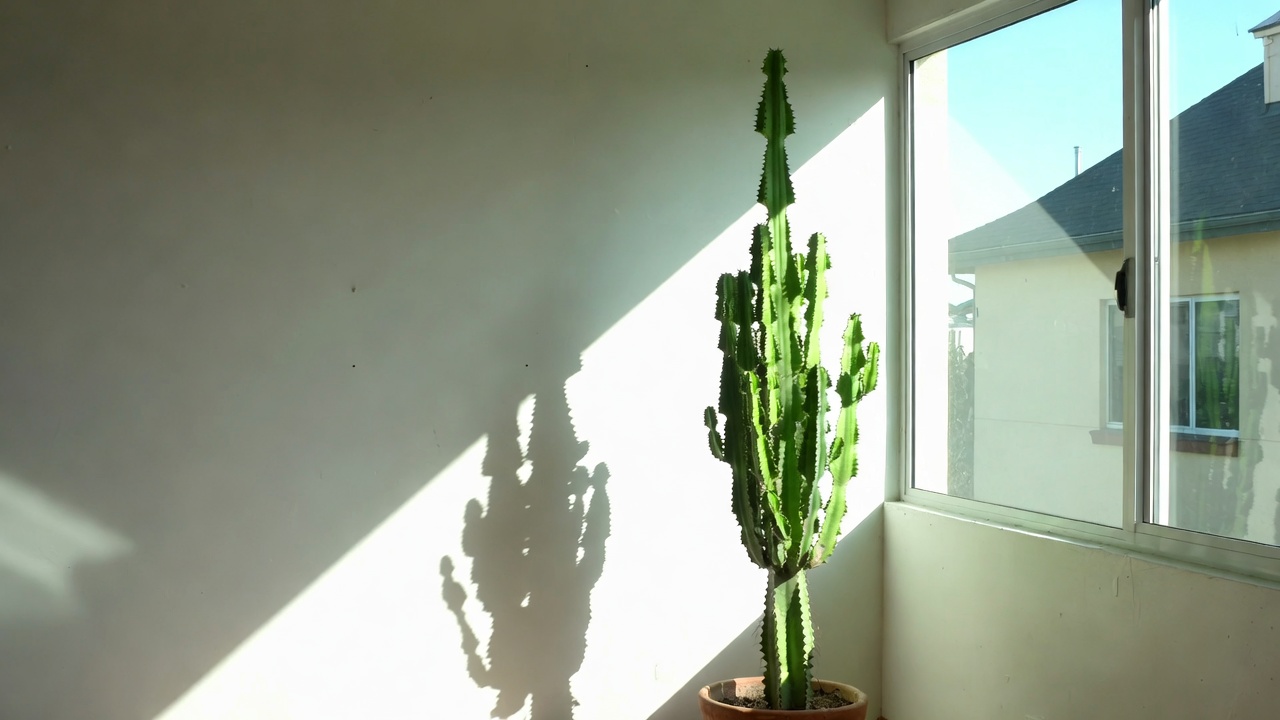
If there’s one secret to success with spiral cactus, it’s this:
Light determines whether the spiral stays tight or stretches into a distorted column.
How Much Light Does a Spiral Cactus Need?
Indoors, it requires:
- At least 6–8 hours of bright light daily
- Preferably 3–5 hours of direct sun
- A south-facing window for optimal shape retention
In insufficient light, the plant will etiolate (stretch), causing the spiral to loosen and distort permanently.
Signs of Insufficient Light
Watch for:
- Rapid vertical growth
- Wider spacing between ribs
- Leaning toward the light source
- Pale or washed-out color
Etiolation cannot be reversed — prevention is essential.
Can You Use Grow Lights?
Absolutely. In fact, for many indoor growers, grow lights are the difference between success and disappointment.
Use:
- Full-spectrum LED grow lights
- 12–14 hours daily
- Positioned 6–12 inches above the plant
Grow lights are especially helpful in winter or in north-facing homes.
How to Water a Spiral Cactus Properly (Preventing Root Rot)
Overwatering is the #1 killer of spiral cactus.
The Soak-and-Dry Method
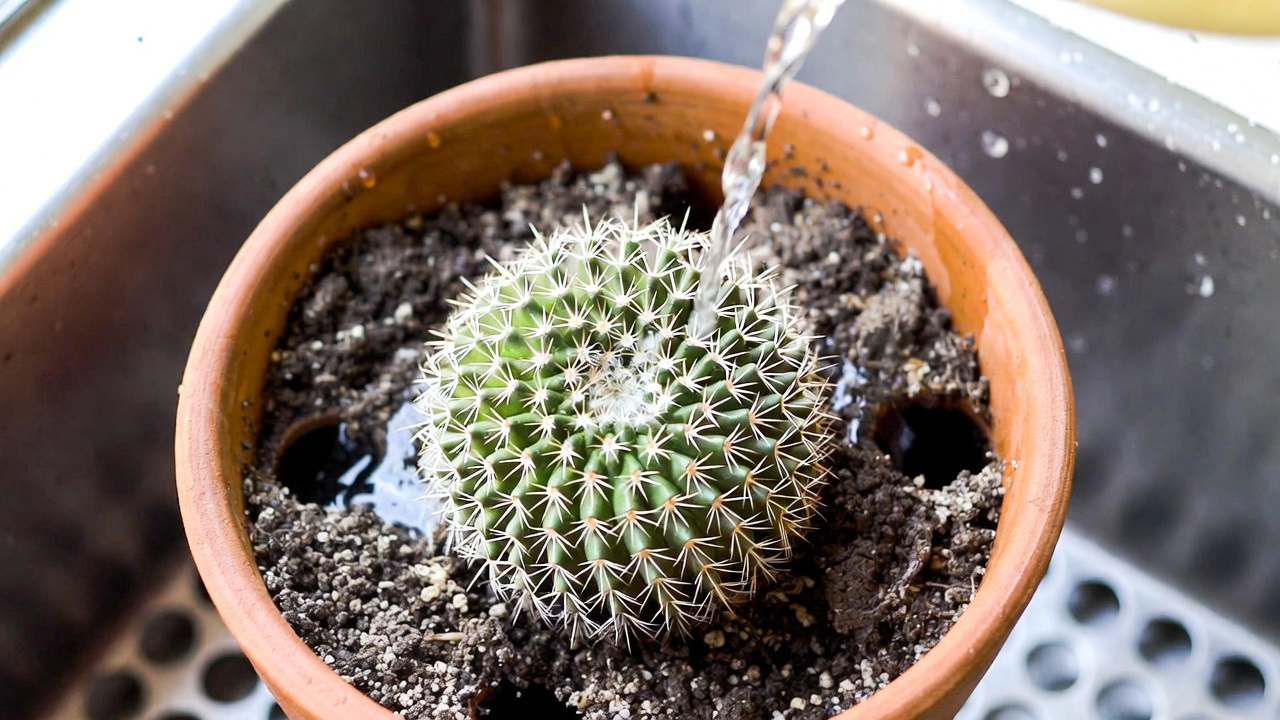
Follow this proven cactus watering approach:
- Water thoroughly until drainage holes run freely.
- Allow soil to dry completely.
- Do not water again until fully dry — even deep in the pot.
Frequency varies:
- Spring/Summer: Every 2–3 weeks
- Fall/Winter: Every 4–6 weeks (sometimes less)
Overwatering Symptoms
- Soft or mushy base
- Yellowing tissue
- Black spots
- Foul smell from soil
If caught early, you can unpot the plant, trim rotten roots, let it dry for several days, and repot in fresh soil.
Underwatering Signs
- Slight wrinkling
- Minor shrinkage
- Slower growth
Cacti tolerate underwatering far better than overwatering.
Best Soil and Pot for Spiral Cactus
Ideal Soil Mix
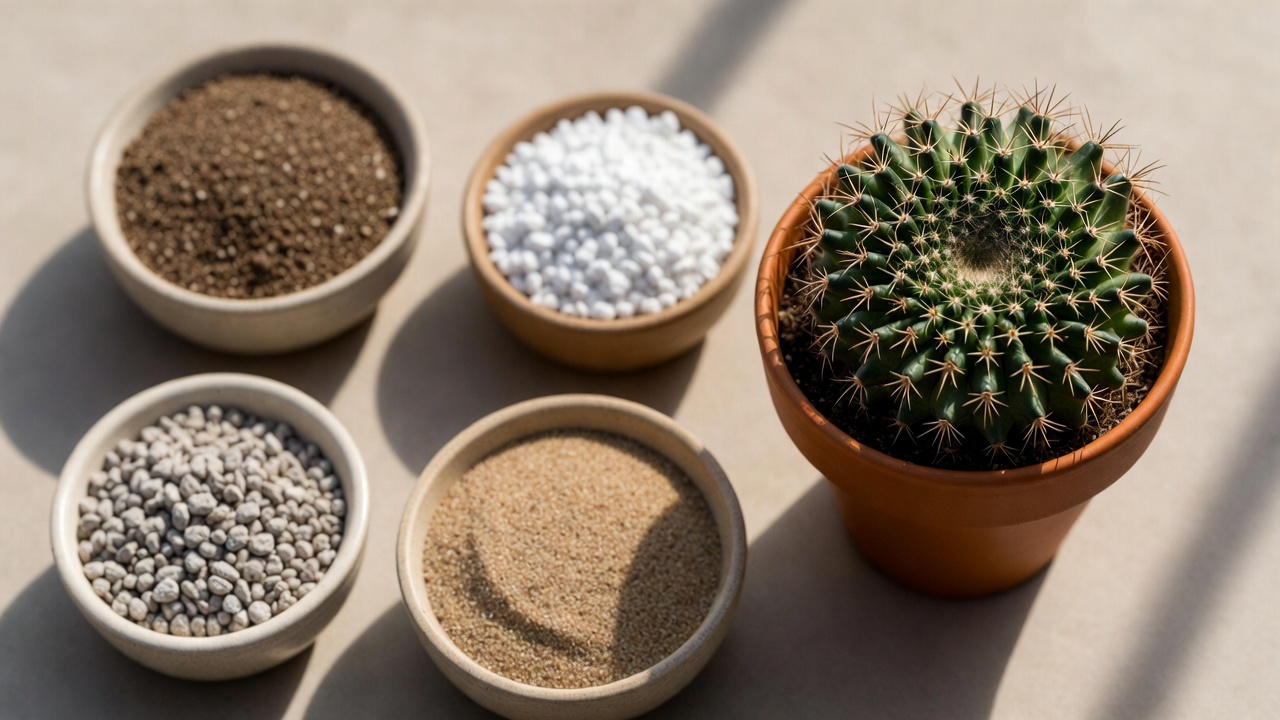
Your spiral cactus needs fast-draining soil. Use:
- Commercial cactus mix
- Add 30–50% perlite or pumice
- Optional: coarse sand for added drainage
Avoid dense, moisture-retaining potting soil.
Choosing the Right Pot
Best options:
- Terracotta (breathable, reduces rot risk)
- Always with drainage holes
- Only 1–2 inches wider than root ball
Oversized pots retain excess moisture.
When to Repot
Repot every 2–3 years or when:
- Roots emerge from drainage holes
- Growth slows significantly
- Soil compacts heavily
Repot during active growing season (spring).
Temperature and Humidity Needs
Spiral cactus prefers:
- 65–85°F (18–29°C)
- Never below 50°F (10°C)
- Low to average household humidity
Avoid cold drafts near windows in winter.
Fertilizing Spiral Cactus for Strong Growth
Cacti are light feeders.
When to Fertilize
- Once monthly during spring and summer
- Do not fertilize in winter dormancy
Best Fertilizer Type
- Low-nitrogen cactus fertilizer (5-10-10 ratio works well)
- Dilute to half strength
Over-fertilizing causes weak, elongated growth.
How to Maintain the Perfect Spiral Shape
Why Spiral Cactus Loses Its Shape
Common causes:
- Insufficient light
- Uneven light exposure
- Stress from repotting
- Sudden environmental shifts
Rotate for Even Growth
Rotate ¼ turn every 1–2 weeks to prevent leaning.
Can You Train the Spiral?
No. The spiral is genetic. You cannot manually twist it.
Proper light simply preserves the natural pattern.
Common Spiral Cactus Problems and Solutions
Root Rot
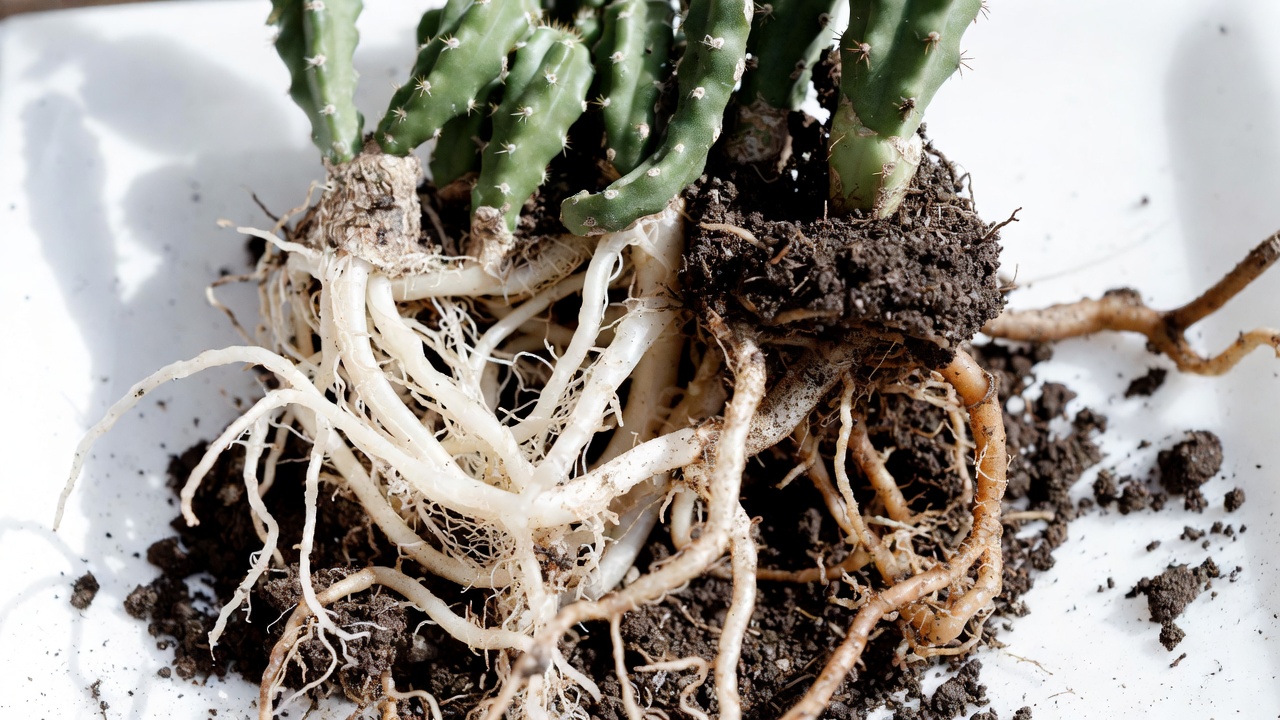
Cause: Overwatering + poor drainage
Solution: Immediate unpotting, trimming, drying, repotting
Sunburn
Cause: Sudden exposure to harsh sunlight
Solution: Gradual acclimation over 7–10 days
Pests
Watch for:
- Mealybugs
- Spider mites
Treat with:
- Isopropyl alcohol swabs
- Neem oil
- Insecticidal soap
Isolate affected plants immediately.
How Fast Does Spiral Cactus Grow?
Indoors, expect:
- 6–12 inches per year in optimal conditions
- Slower growth in low light
Outdoor growth in warm climates may be faster.
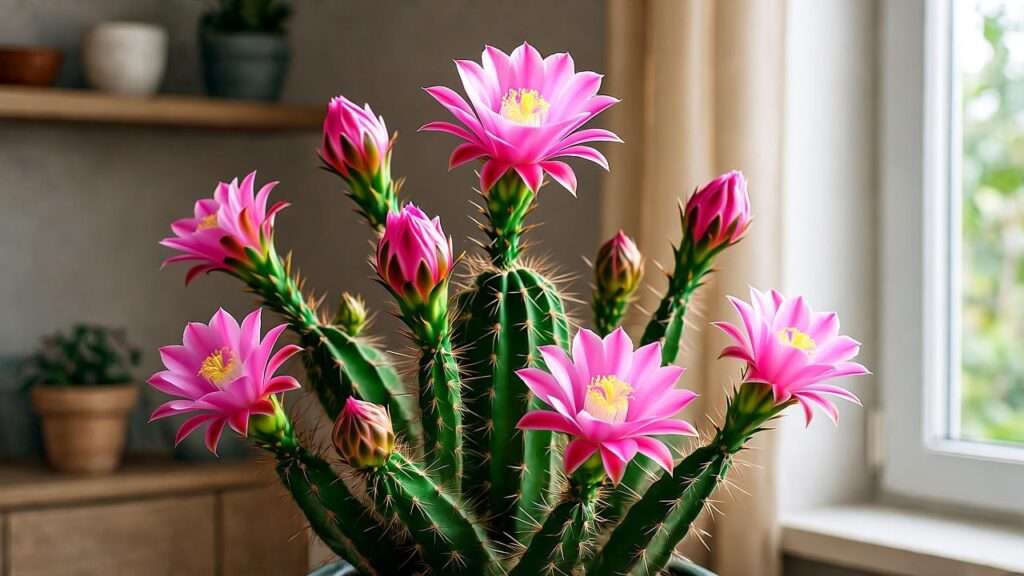
Will It Flower Indoors?
Flowering is rare indoors but possible with:
- Mature plant (several years old)
- Intense light
- Stable warm conditions
Flowers are typically large and white, blooming at night.
How to Propagate Spiral Cactus
Can You Propagate the Spiral Form?
Yes — but the spiral mutation may not always be preserved in cuttings.
Step-by-Step Propagation
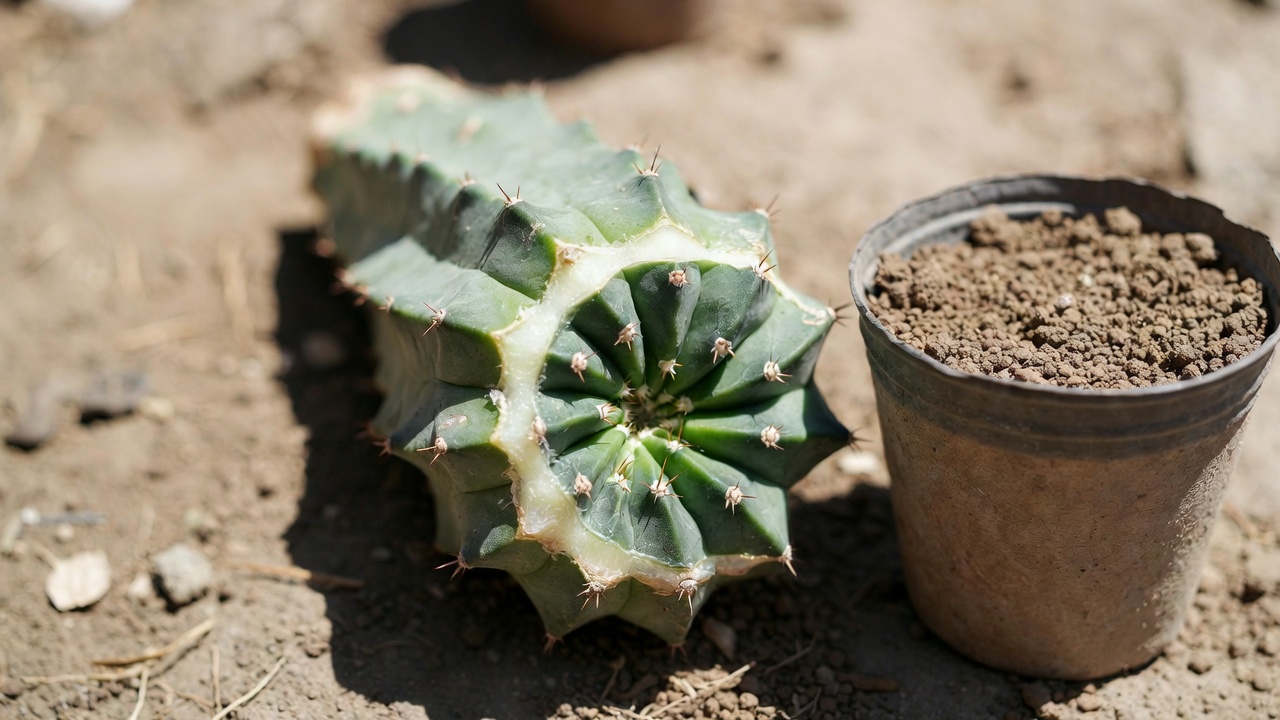
- Cut a healthy section with sterilized knife.
- Allow to callus for 5–10 days.
- Place in dry cactus mix.
- Wait 2–4 weeks for root development.
- Begin light watering.
Styling and Display Ideas
Spiral cactus makes a statement in:
- Modern interiors
- Scandinavian décor
- Minimalist offices
Pair with:
- Other columnar cacti
- Sculptural succulents
- Neutral ceramic planters
Use top dressing (white gravel) for added visual contrast.
Spiral Cactus Care Calendar
Spring
- Increase watering
- Begin fertilizing
- Repot if needed
Summer
- Maximize light
- Water every 2–3 weeks
Fall
- Gradually reduce watering
Winter
- Minimal watering
- Maintain bright light
- No fertilizer
Frequently Asked Questions
Why is my spiral cactus turning yellow?
Usually overwatering or poor drainage.
Why is it growing straight?
Insufficient light causing etiolation.
Is spiral cactus toxic to pets?
True cacti are generally non-toxic, but spines can cause injury.
How long does it live?
With proper care, decades.
Expert Tips for Long-Term Success
- Always prioritize drainage over aesthetics.
- Underwater rather than overwater.
- Invest in strong lighting.
- Inspect monthly for pests.
- Avoid frequent relocation.
Conclusion: Your Spiral Cactus Can Thrive for Years
The spiral cactus is not difficult — it’s simply misunderstood.
Provide strong light, proper drainage, minimal watering, and patience, and this architectural beauty will reward you with steady, sculptural growth for decades.
Treat it like the desert plant it truly is — and it will thrive indoors as a living piece of art.