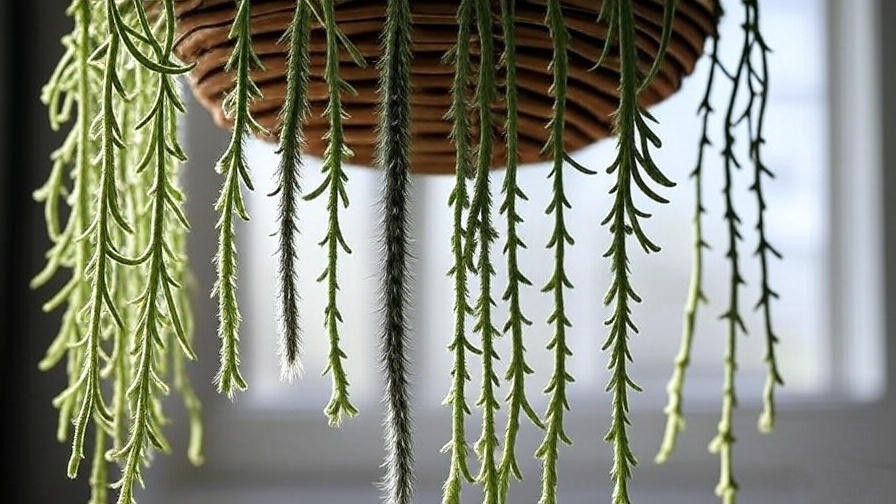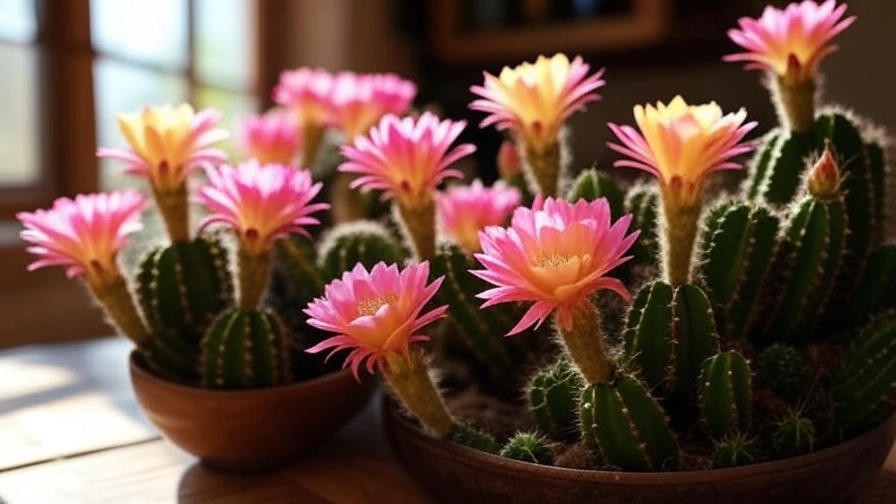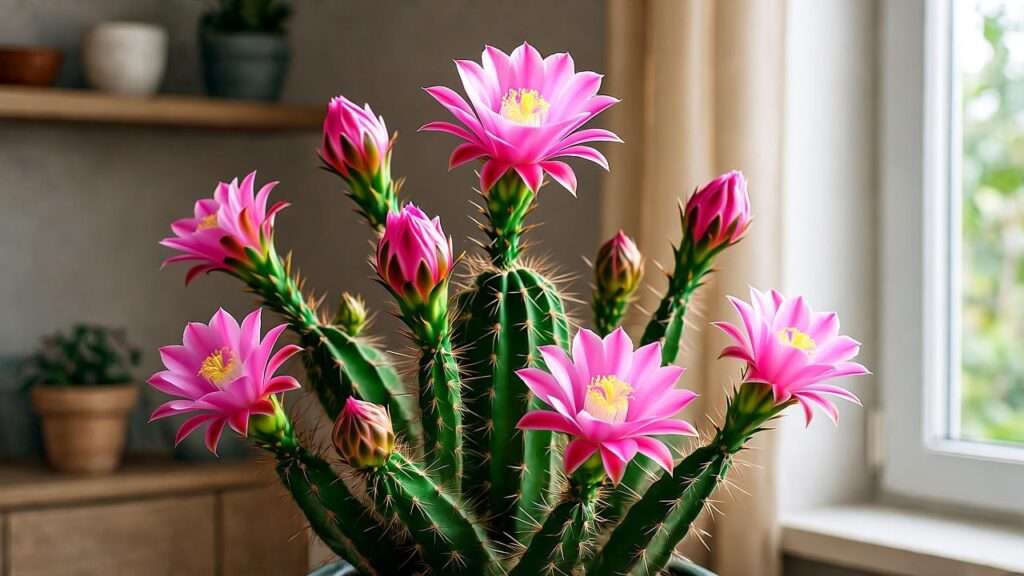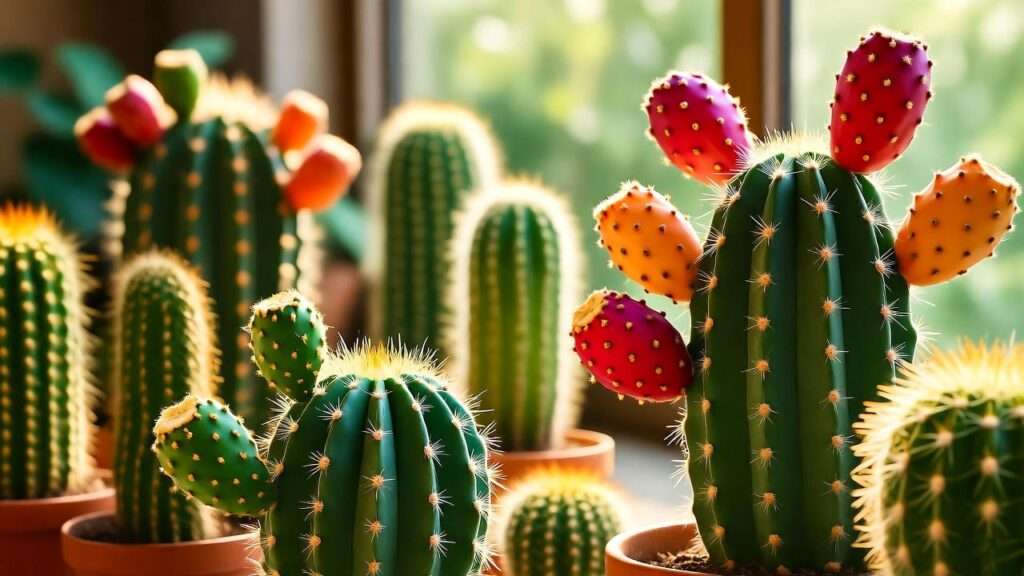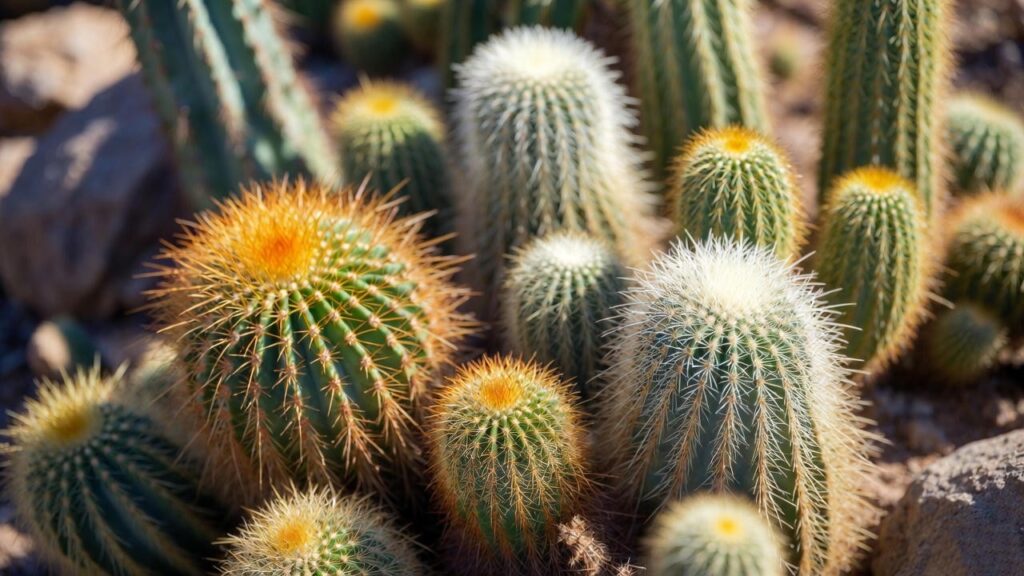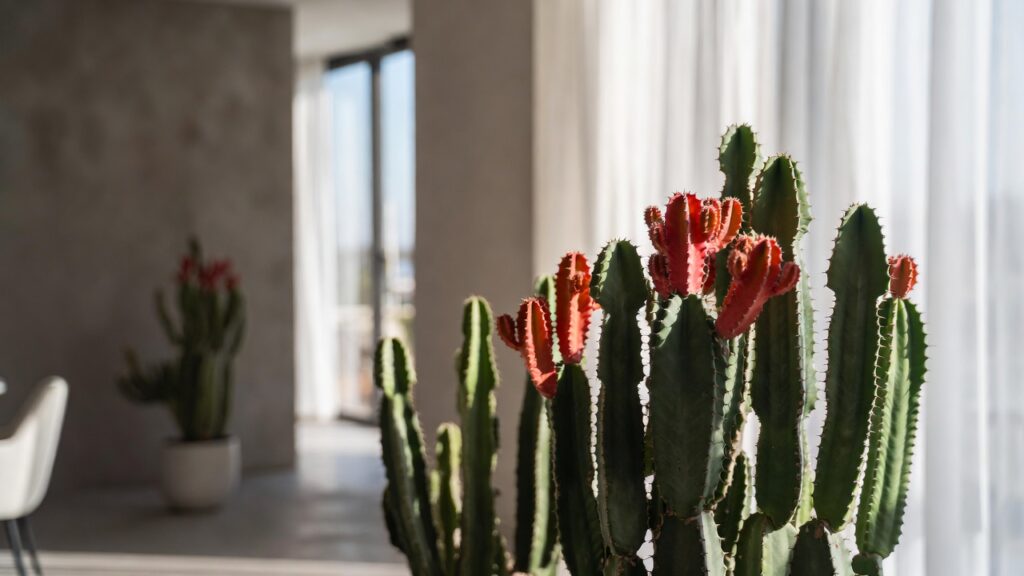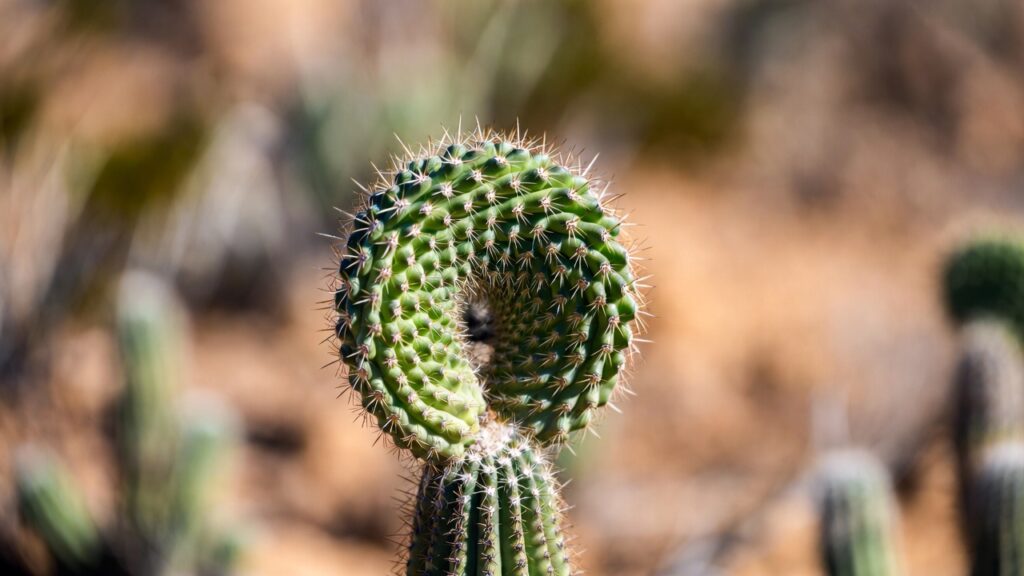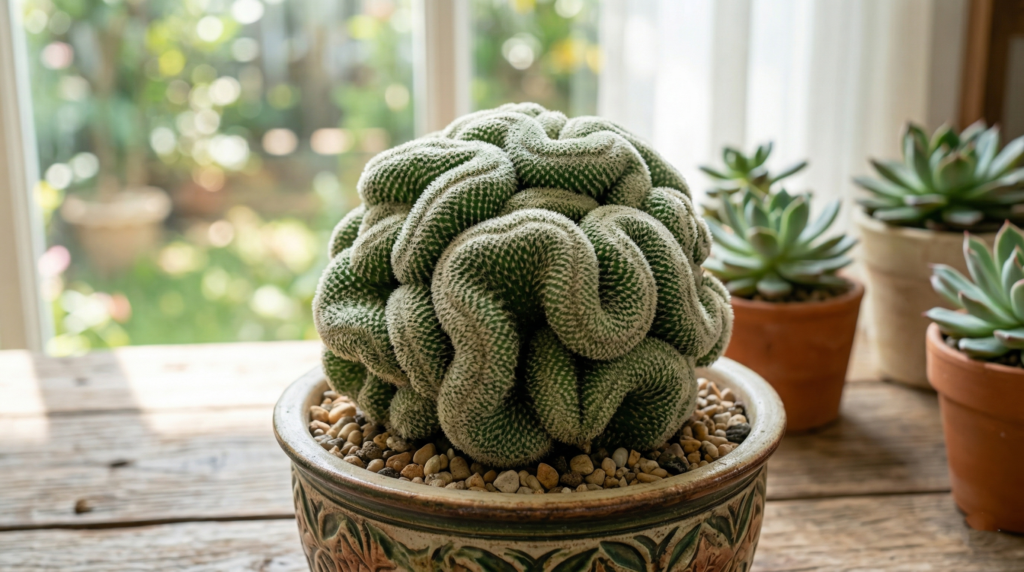
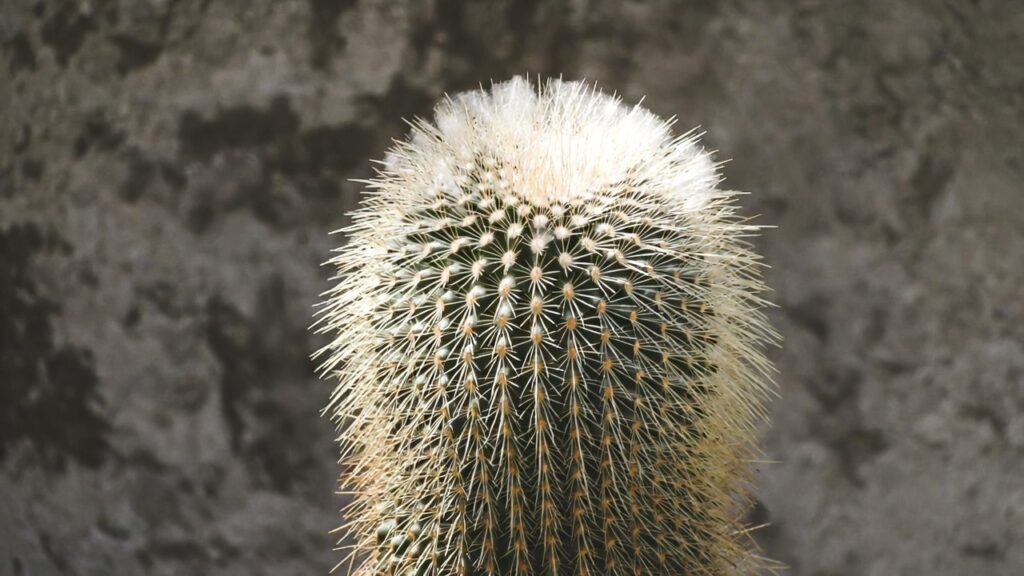
You love the sculptural beauty of cacti—but you don’t love the idea of painful spines, hidden glochids, or worrying about curious pets and kids. The good news? A cuddly cactus (Cereus jamacaru) might be exactly what you’re looking for. These soft-looking, fuzzy, or minimally spined varieties bring all the charm of desert plants into your home—without the constant fear of getting pricked.
In this comprehensive guide, I’ll walk you through everything you need to know about choosing, growing, styling, and safely caring for a cuddly cactus indoors. Whether you’re a beginner plant parent, a pet owner, or simply want a low-maintenance indoor plant that won’t fight back, this article will help you make confident, informed decisions.
What Is a Cuddly Cactus?
The term cuddly cactus isn’t a scientific classification—it’s a popular phrase used to describe cactus varieties that appear soft, fuzzy, compact, or relatively safe compared to traditional sharp-spined desert cacti.
Are There Really Soft Cacti?
Yes—and no.
Some cacti develop:
- Hair-like spines
- Dense white fuzz
- Minimal or very short spines
- Smooth, nearly spineless surfaces
However, visual softness doesn’t always equal touch safety. For example, some fuzzy cacti contain glochids—tiny, hair-like barbed spines that detach easily and irritate skin.
As someone who has grown indoor succulents and cacti for years, I always recommend treating even “cuddly” varieties with gentle respect. Many are safer—but none are truly plush toys.
Why Cuddly Cactus Is Trending in Indoor Plant Decor
The rise in interest around cuddly cactus plants is driven by several indoor plant trends:
- 🌿 Minimalist and Scandinavian interiors
- 🌿 Small-space apartment living
- 🌿 Pet-friendly houseplants
- 🌿 Low-maintenance greenery
- 🌿 Biophilic design (bringing nature indoors)
Plant lovers want sculptural, drought-tolerant plants without the aggressive aesthetic of sharp desert spines. Fuzzy and rounded cacti provide that balance beautifully.
7 Best Cuddly Cactus Varieties for Indoor Spaces
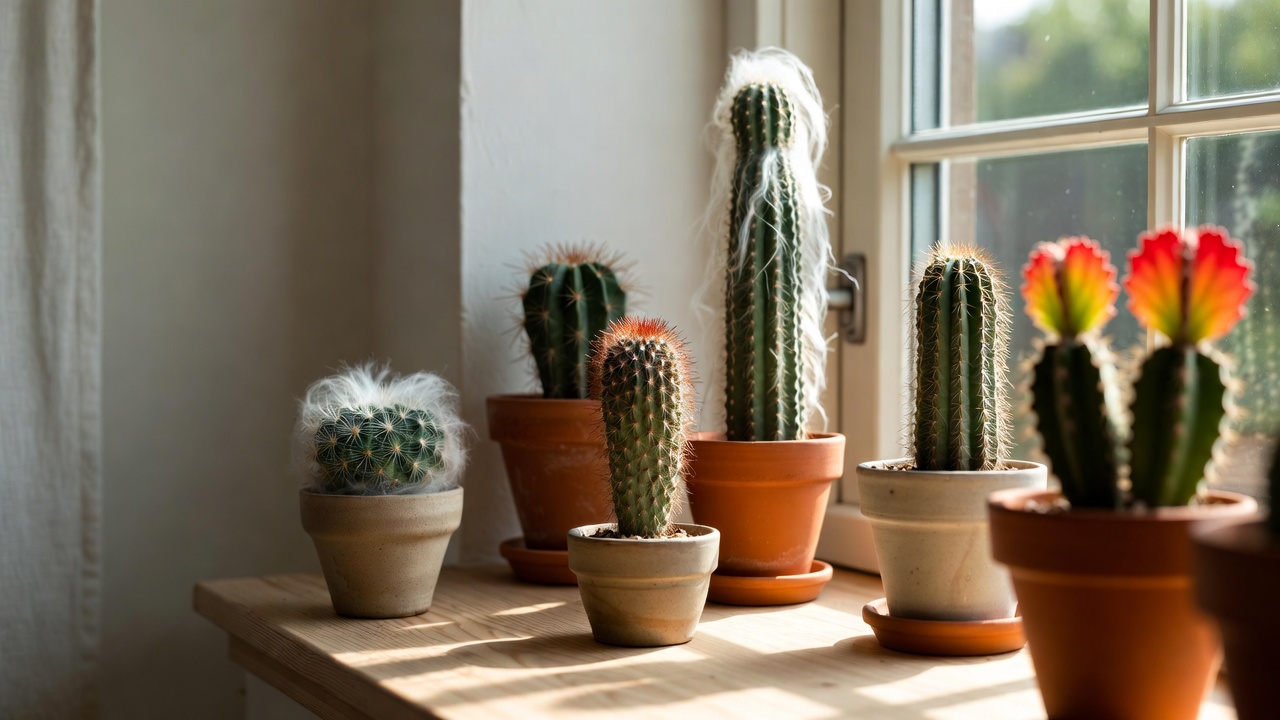
Below are expert-recommended varieties that balance safety, beauty, and ease of care.
1. Old Lady Cactus (Mammillaria hahniana)
One of the most popular cuddly cactus varieties, the Old Lady Cactus is covered in silky white hairs that give it a soft, cloud-like appearance.
Why it’s great indoors:
- Compact growth (perfect for desks and shelves)
- Produces pink flower crowns
- More forgiving for beginners
Safety level: Relatively safe to brush lightly, but still avoid squeezing.
Light needs: Bright, indirect light or several hours of direct sun.
2. Powder Puff Cactus (Mammillaria bocasana)
True to its name, this cactus resembles a cotton ball dusted in white fuzz.
Why it stands out:
- Dense, soft-looking texture
- Small pink or cream flowers
- Excellent container plant
Caution: Hidden thin spines exist beneath the fuzz—handle gently.
3. Old Man Cactus (Cephalocereus senilis)
With long white “hair,” this tall cactus looks dramatically soft and whimsical.
Ideal for:
- Bright living rooms
- Modern interior design
- Statement plant displays
Expert tip: Ensure excellent drainage—overwatering is the fastest way to damage this species.
4. Bishop’s Cap (Astrophytum myriostigma)
If you want minimal spines, this is one of the safest choices.
Key features:
- Smooth surface
- Geometric shape
- Speckled texture
- Nearly spineless
Perfect for homes with children or pets where physical injury risk is a concern.
5. Thimble Cactus (Mammillaria gracilis)
A small clustering cactus that looks delicate and decorative.
Why beginners love it:
- Fast offsets (produces baby plants)
- Compact size
- Easy propagation
6. Moon Cactus (Gymnocalycium mihanovichii)
Recognizable by its bright red, yellow, or orange top, this cactus is grafted onto a green rootstock.
Why it works:
- Minimal spine threat
- Compact and decorative
- Great gift plant
7. Bunny Ear Cactus (Opuntia microdasys) — Handle With Care
This one looks irresistibly soft—but beware.
It has glochids (tiny hair-like spines) that detach easily and irritate skin. It’s visually cuddly—but not truly touch-friendly.
Are Cuddly Cactus Plants Safe for Pets and Kids?
This is one of the biggest reasons people search for a cuddly cactus.
Toxicity vs. Physical Injury
Most cacti are non-toxic to cats and dogs, but that doesn’t mean they’re harmless. The risk usually comes from:
- Spines
- Glochids
- Digestive irritation if ingested
Always verify pet safety with trusted horticultural databases and veterinary resources before purchasing.
Smart Placement Strategies
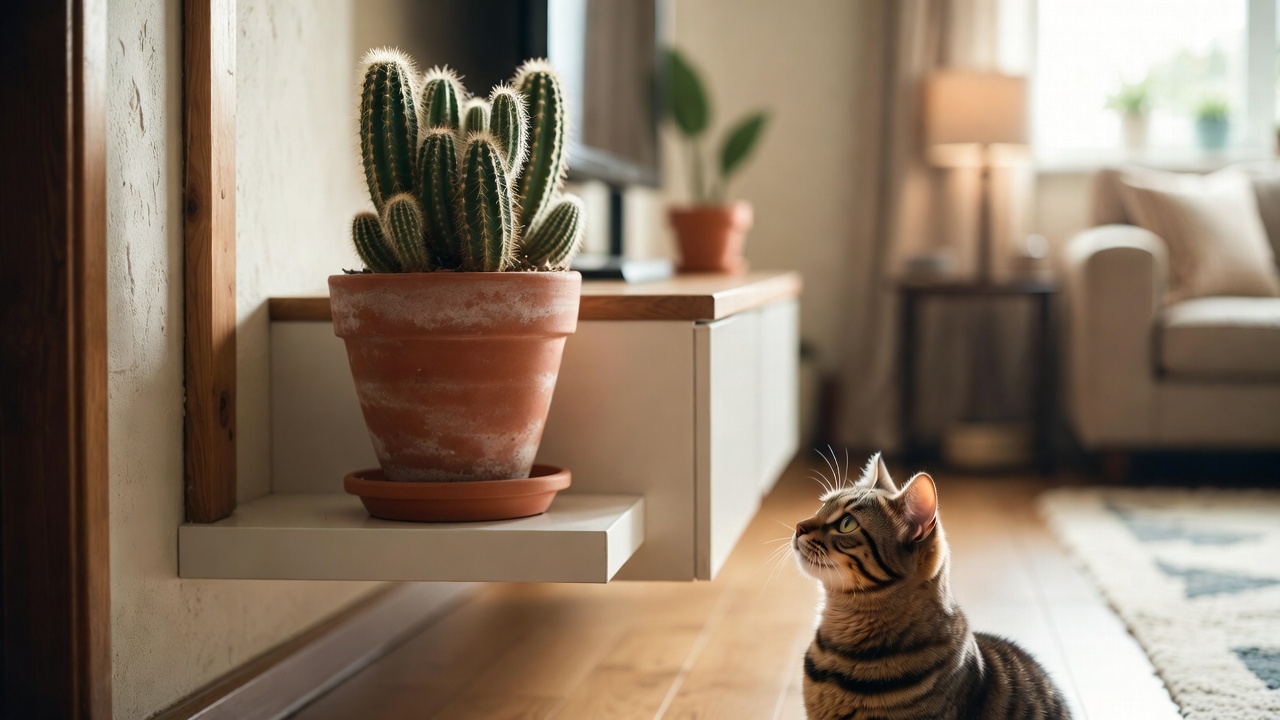
If you share your home with pets or small children:
- Use elevated shelves
- Place in hanging planters
- Choose smooth, spineless varieties
- Avoid high-traffic areas
What to Do If You Get Pricked
- Remove visible spines with tweezers.
- Use adhesive tape for tiny glochids.
- Clean the area with soap and water.
- Monitor for redness or irritation.
How to Care for a Cuddly Cactus Indoors (Expert Guide)
Cuddly cacti may look soft—but their care requirements remain true to desert plants.
Light Requirements
Most cuddly cactus varieties require:
- 4–6 hours of bright light daily
- South- or west-facing windows
- Supplemental grow lights in low-light homes
Insufficient light leads to etiolation (stretching and weak growth).
Watering: The Soak-and-Dry Method
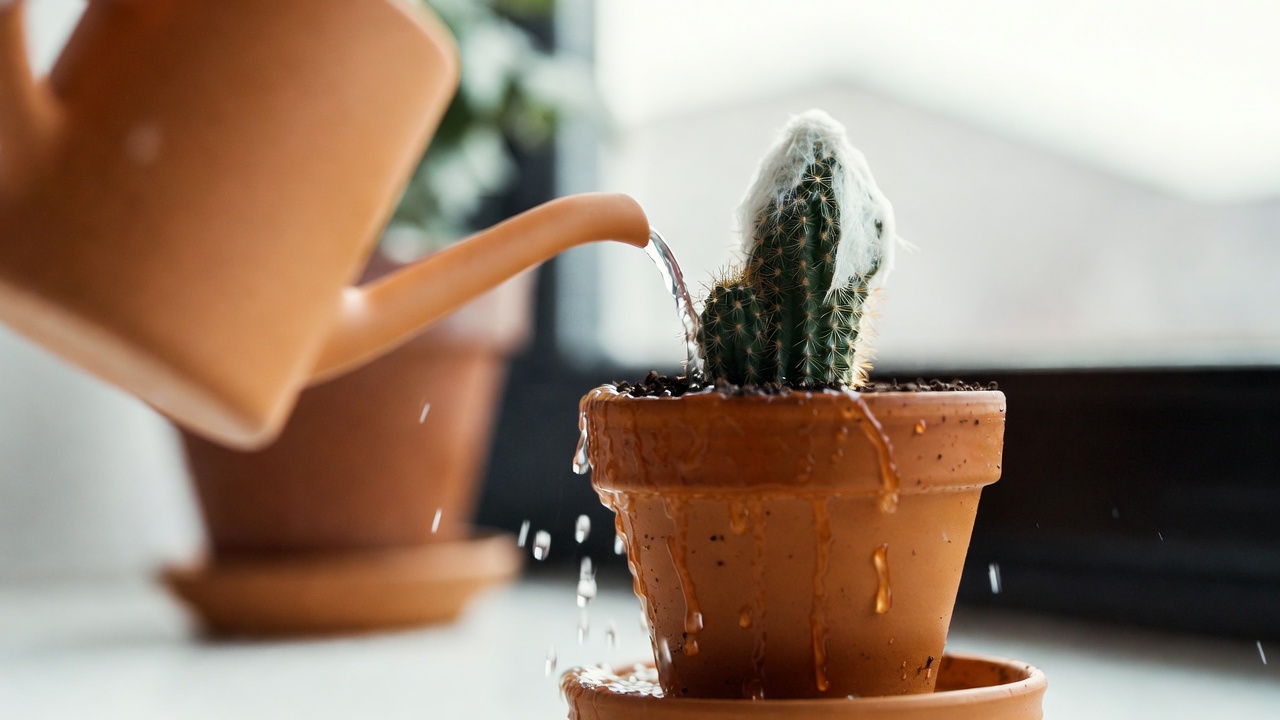
Overwatering kills more indoor cacti than anything else.
Best practice:
- Allow soil to dry completely.
- Water thoroughly until drainage runs out.
- Empty the saucer.
- Wait until fully dry again.
Seasonal adjustments:
- Spring/Summer: Every 2–3 weeks
- Fall/Winter: Every 4–6 weeks (or less)
Soil & Potting Mix
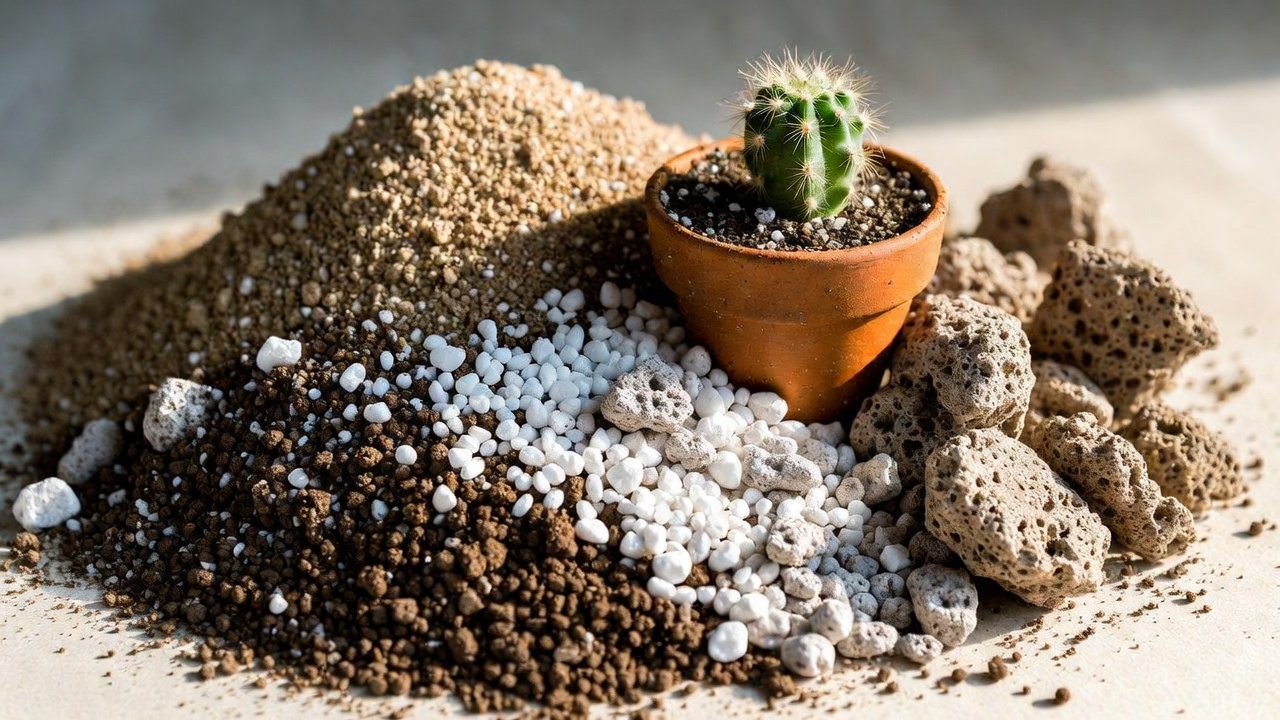
Use:
- Well-draining cactus mix
- Added perlite or pumice
- Terracotta pots with drainage holes
Avoid heavy, moisture-retaining potting soil.
Temperature & Humidity
- Ideal range: 65–80°F (18–27°C)
- Avoid cold drafts
- Low humidity is perfectly fine
Fertilizing
- Use diluted cactus fertilizer
- Feed once monthly in growing season
- Avoid fertilizing in winter dormancy
Repotting Without Injury
Even cuddly varieties should be handled carefully.
Use:
- Thick gloves
- Folded newspaper
- Silicone kitchen tongs
Repot every 2–3 years or when root-bound.
Common Problems and How to Fix Them
Mushy or Yellowing Cactus
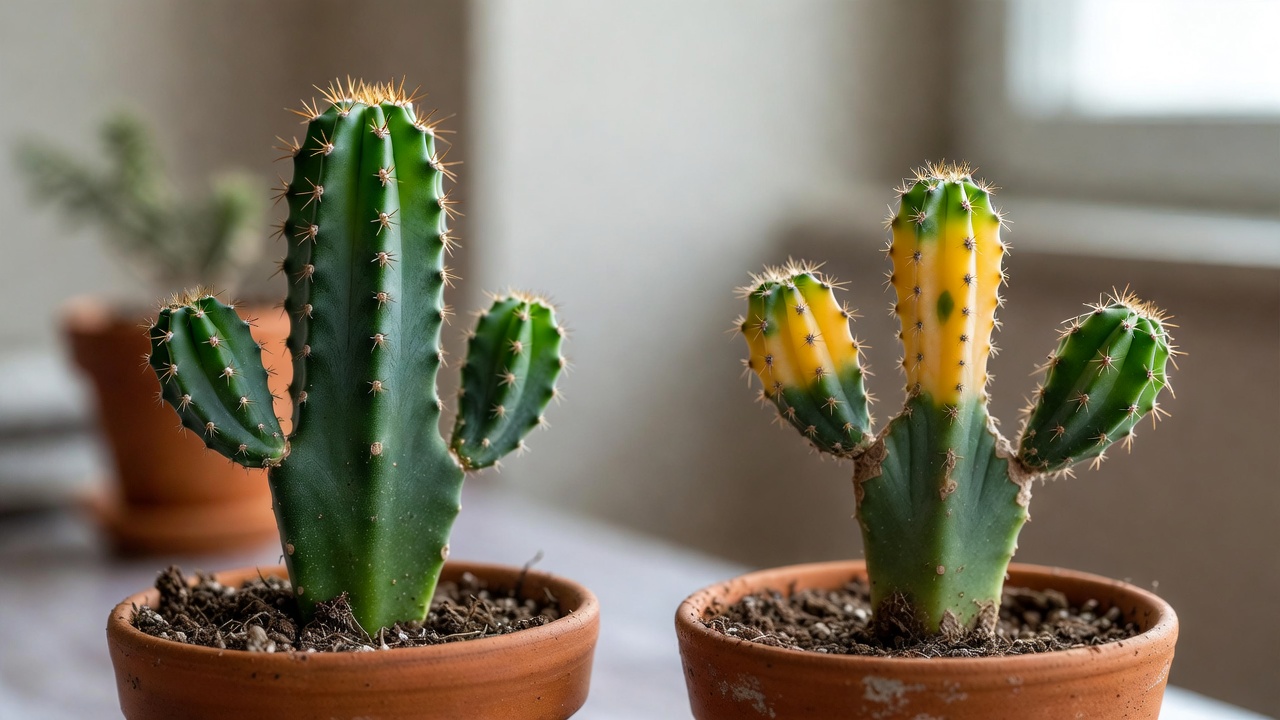
Likely root rot.
Solution:
- Remove from soil
- Trim rotted roots
- Repot in dry, fresh mix
- Wait a week before watering
Wrinkled or Shriveled Cactus
Usually underwatering.
Give a deep watering and monitor recovery.
Pests on Fuzzy Cacti
Watch for:
- Mealybugs
- Spider mites
Use:
- Isopropyl alcohol on cotton swab
- Neem oil spray
- Good air circulation
Styling a Cuddly Cactus in Modern Interiors
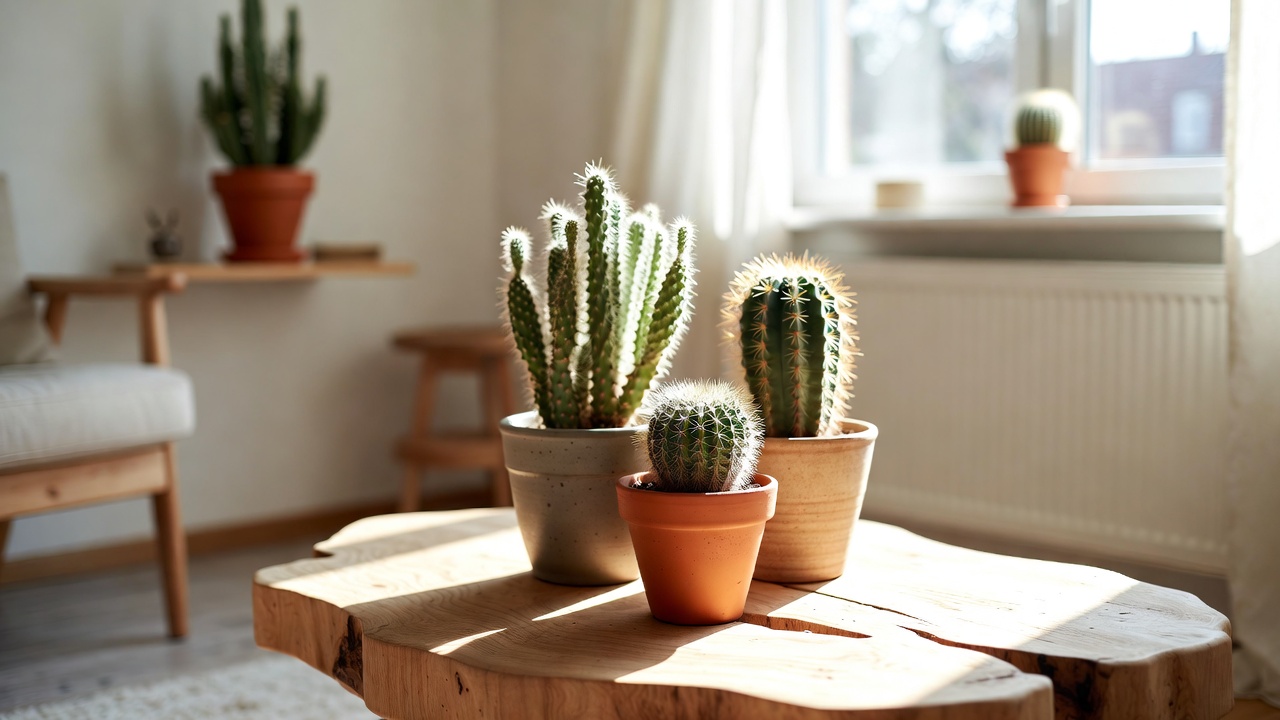
Cuddly cactus plants shine in:
- Scandinavian decor (neutral ceramics)
- Boho plant corners
- Minimalist floating shelves
- Small apartment desks
Pair with:
- Snake plants
- Haworthia
- Trailing succulents
Beginner Mistakes to Avoid
- Overwatering
- Using pots without drainage
- Assuming fuzzy = safe
- Placing in dark corners
- Ignoring dormancy cycles
Cuddly Cactus vs. Other Indoor Succulents
| Feature | Cuddly Cactus | Aloe Vera | Haworthia |
|---|---|---|---|
| Water Needs | Very Low | Low | Low |
| Spine Risk | Minimal–Moderate | None | None |
| Light Needs | High | Bright | Moderate |
| Pet Safety | Generally non-toxic | Mildly toxic | Safe |
FAQs About Cuddly Cactus
Is a cuddly cactus really safe to touch?
Some are safer than others, but none should be squeezed or handled casually.
Can I keep one in a bedroom?
Yes—if the room receives bright natural light.
How often should I water it?
Only when soil is fully dry.
Are cuddly cactus plants toxic to cats?
Most are non-toxic but may cause minor irritation.
Expert Buying Guide
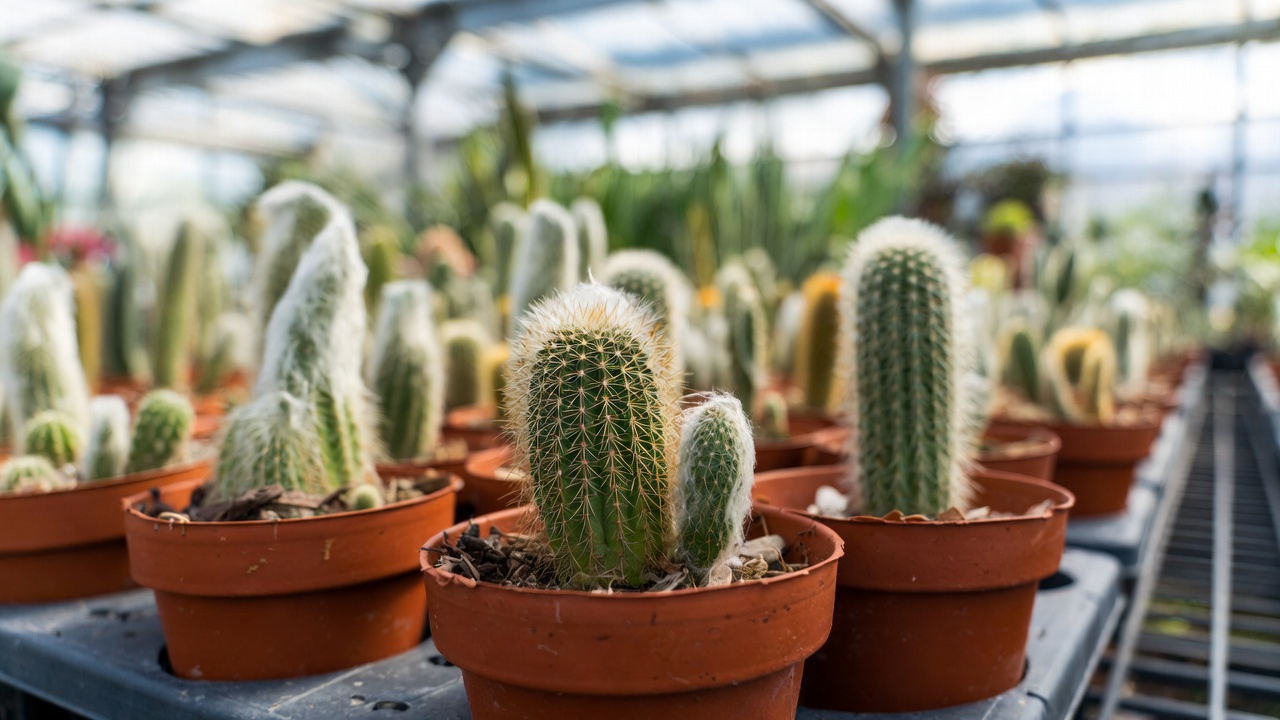
When selecting a cuddly cactus:
✔ Firm structure
✔ No mushy spots
✔ No visible pests
✔ Healthy root system
✔ Well-draining soil
Avoid plants with discoloration, soft stems, or white cottony buildup.
Final Thoughts: Is a Cuddly Cactus Right for You?
A cuddly cactus offers the best of both worlds—sculptural beauty with reduced risk. For apartment dwellers, beginners, and pet-conscious plant lovers, these soft-looking desert plants are an excellent addition to an indoor garden.
With proper light, careful watering, and smart placement, your cuddly cactus can thrive for years—adding texture, personality, and low-maintenance greenery to your space.