Have you ever planted a garden with high hopes—only to end up with yellow leaves, stunted growth, or vegetables that barely produce? You water consistently, add fertilizer, and follow every tip… yet your plants still struggle. The problem often isn’t your effort—it’s your soil.
If you’re searching for the best 10 soil test kit, you’re already ahead of most gardeners. Testing your soil is the single smartest step you can take before planting, fertilizing, or adjusting pH levels. Without accurate data about your soil’s nutrients and acidity, you’re essentially guessing—and guessing can waste time, money, and an entire growing season.
Why Soil Testing Matters
Soil is a living system. The balance of pH, nitrogen (N), phosphorus (P), and potassium (K) directly affects how well plants absorb nutrients. Even if nutrients are present, the wrong pH can “lock them out,” leaving plants underfed. Tests show home kits span from simple pH strips to full N-P-K analyzers and lab-grade probes—each serving different needs and budgets.
- Low nitrogen → pale leaves, poor growth.
- Low phosphorus → weak flowering/fruiting.
- Wrong pH → nutrients inaccessible to roots.
What This Guide Covers
In this guide to the best 10 soil test kit options available today you’ll find:
- A mobile-friendly comparison table for quick scanning
- Detailed reviews for each top product (features, price range, pros & cons)
- Real Amazon ratings & user impressions summarized for decision clarity
- A buyer’s guide that explains accuracy, types of kits, and who each kit is best for
- Step-by-step testing instructions and a practical FAQ
How We Selected the Top 10
We analyzed Amazon bestseller lists, manufacturer pages, and aggregated customer feedback to prioritize accuracy, usability, and value. Notable sources reviewed include Amazon’s soil test kit best-seller listings, LaMotte product pages, Bluelab meters, and well-rated digital NPK testers.
Soil Test Kit Buying Guide (Before You Buy)
Before you click “Add to Cart,” here’s what to know so you pick the right type of kit for your needs.
What Soil Testing Actually Measures
- pH (acidity/alkalinity) — crucial for nutrient availability.
- N, P, K (macronutrients) — indicate fertilizer needs.
- Moisture — useful for irrigation decisions.
- EC/Conductivity and Temperature — often included in advanced digital meters for hydroponics or precise nutrient work.
Types of Soil Test Kits
- DIY chemical kits (liquid reagents or tablets): Bottle reagents produce color changes interpreted against charts. Good for N-P-K and pH at low cost.
- Test strips: Quick pH checks with limited resolution — inexpensive and portable.
- Analog probe meters: Insert probe into soil for immediate pH/moisture reading; easy but can drift.
- Digital meters (single or multi-function): Provide numeric readouts (pH, moisture, temp, EC); more accurate when properly calibrated.
- Mail-in / lab kits: Most accurate and detailed (micronutrients, organic matter), but costlier and slower.
Key Features to Compare
- Accuracy & repeatability (does it give consistent readings?)
- Parameter coverage (pH only vs. N-P-K, moisture, EC)
- Ease of use (clear instructions, number of steps)
- Number of tests included (how many samples before buying again)
- Calibration & maintenance (for digital probes)
- Price — balance upfront cost vs. long-term value
Who Needs What
- Beginners & casual gardeners: Simple pH + moisture kits or strips.
- Vegetable growers & hobby farmers: 4-in-1 NPK + pH kits or a reliable digital pH + NPK tester.
- Lawns & landscapers: Quick multi-point tests for large areas (cheap multi-test kits or probe meters).
- Precision growers & pros: Lab analysis or premium digital meters (Bluelab/Agricultural grade).
Comparison Table — Quick Scan (Mobile-Friendly: 3 Columns)
| Product (short) | Price Range | Best For / Quick Strength |
|---|---|---|
| LaMotte NPK + pH Kit (liquid) | $105.99 | Professional-style multi-parameter liquid kit — accuracy & lab-style results |
| Bluelab pH Pen (digital probe) | Best digital pH accuracy & durability — pros & greenhouse growers | |
| Kelway pH/Moisture Probe (analog) | $1,227.48 | Rugged, no calibration required — quick field checks |
| Rapitest / Luster Leaf (basic chemical kit) | $18.40 | Beginner favorite — easy NPK & pH tests |
| Environmental Concepts 1663 (liquid kit) | $30.67 | Solid mid-range liquid kit — good balance accuracy/value |
|
LaMotte Soil Texture Test Kit |
$104.50 | Fast, cheap multi-parameter checks — good for home gardeners |
| Premium 40-test Kit (multiple brands / Amazon’s Choice) | $24.99 | Good value: multiple tests, clear instructions |
| Digital 7-in-1 NPK + pH Meter (digital) | $26.33 | All-in-one digital monitoring — convenience & versatility |
| Mail-in Lab Kits (MySoil / regional labs) | Most accurate, detailed fertilizer recommendations | |
|
Basic pH Test Strips (Bulk Pack) |
$16.97 | Tests sand/silt/clay fractions and texture — important for drainage plans |
In-Depth Reviews of the Best 10 Soil Test Kits
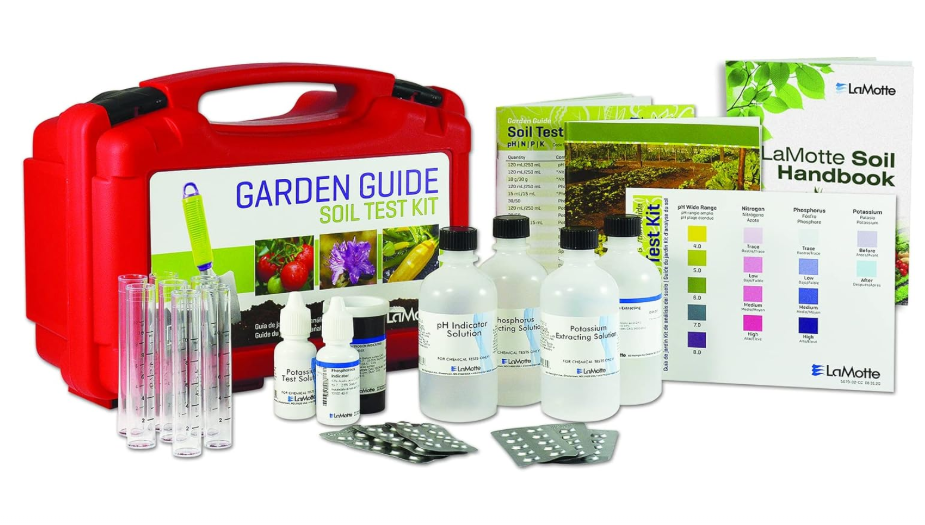
1) LaMotte Multi-Parameter Soil Test Kit — Liquid Reagent (Model: EL / 5679-01 family)
Product description:
LaMotte is a long-standing brand in soil testing and lab supplies. Their garden/turf kits use liquid reagents and colorimetric charts to measure soil pH and macronutrients (N, P, K) with lab-style procedures. These kits include glassware, reagents, and often an interpretive guide that links test results to recommended lime/fertilizer applications. LaMotte’s educational and professional kits are widely used by extension agents and schools.
Price range: $105.99
Key features & benefits:
- Laboratory-style liquid reagents for more nuanced results than strip kits.
- Multiple tests included (often 15–50 tests per nutrient depending on kit).
- Color card charts and handbook to interpret nutrient levels and lime/fertilizer recommendations.
- Durable components and repeatable procedure — good for many tests over seasons.
Pros:
- Higher analytic fidelity than strip kits.
- Comprehensive manual helps with interpretation.
- Good for educators, serious gardeners, small farms.
Cons:
- More steps and glassware — slightly steeper learning curve.
- Longer setup and test time per sample than quick strips.
- Pricier than basic kits.
Amazon ratings & reviews (summary):
LaMotte kits historically earn high marks for thoroughness and educational value. Reviewers praise clarity of instructions and range of tests; some note reagent shelf life and careful storage needs.
Why it’s a good choice:
If you want lab-style insight at home — more precise nutrient ranges and interpretive guidance — LaMotte is a top choice. It’s especially valuable if you plan to test multiple beds repeatedly and want actionable fertilizer/lime recommendations.
Ideal use case / who should buy it:
Hobby farmers, extension educators, serious vegetable growers, and anyone who wants deeper analysis without sending samples to a commercial lab.
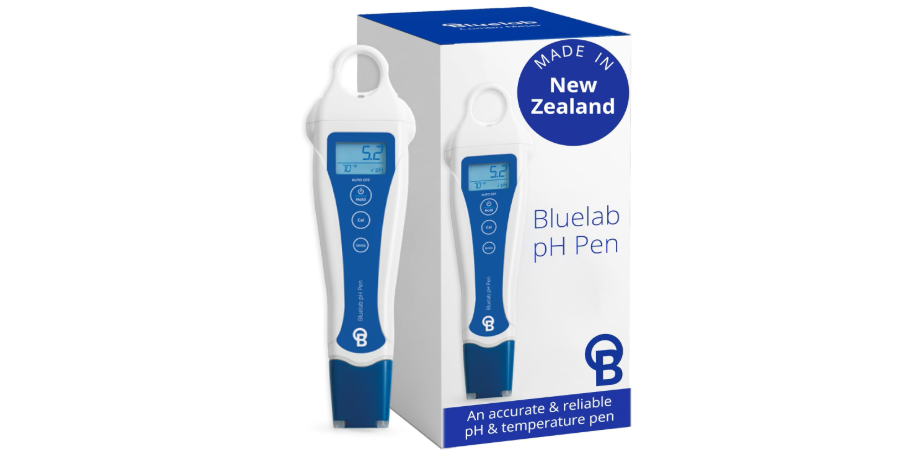
2) Bluelab pH Pen (Digital Soil pH Meter)
Product description:
The Bluelab pH Pen is a rugged, digital soil/solution pH meter with automatic temperature compensation, replaceable double-junction probe (for soil and media), and easy calibration. Bluelab is known for greenhouse and hydroponic monitoring equipment. The pen design is handheld and built for repeatable, accurate pH readings in the field and greenhouse.
Price range:
Key features & benefits:
- Digital numeric readout with ±0.1 pH accuracy (when calibrated).
- Auto temperature compensation improves accuracy across conditions.
- Replaceable, robust probe; designed for nutrient solution and soil.
- Durable housing; portable for greenhouse/field.
Pros:
- Fast, reliable pH readings — no color matching.
- Minimal reagents; long-term convenience for frequent testers.
- Trusted brand in commercial growing circles.
Cons:
- Higher upfront cost than strips or chemical kits.
- Requires calibration solutions and occasional maintenance (cleaning/calibration).
- Does not test N/P/K unless bundled with other meters.
Amazon ratings & reviews (summary):
Users praise its accuracy and build quality; common notes include good battery life and the importance of proper calibration and storage of the probe. Used by both hobbyists and professionals.
Why it’s a good choice:
If pH is your primary concern (e.g., for blueberries, hydrangeas, or acid-loving plants), or you need frequent pH checks in greenhouse setups, a Bluelab pen delivers accuracy and repeatability.
Ideal use case / who should buy it:
Greenhouse growers, hydroponic users, or serious gardeners who need reliable pH monitoring without the mess of reagents.
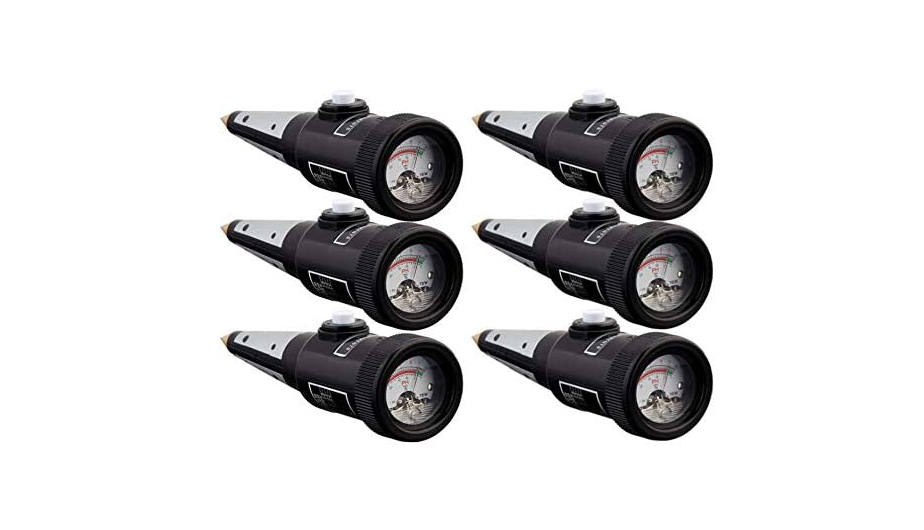
3) Kelway Soil pH and Moisture Meter (Analog Probe)
Product description:
Kelway’s analog pH and moisture probes are rugged, no-battery tools that give immediate readings by inserting the probe into soil. They are simple, portable, and commonly used for field checks where speed matters more than lab-grade precision. Several Kelway models exist (acid test gel kits and HB-2 probe versions).
Price range: $1,227.48
Key features & benefits:
- No power required; instant reading.
- Measures pH (usually 3.5–8) and moisture (0–100% depending on model).
- Minimal maintenance: occasional film replacement or cleaning.
- Cheap and easy to deploy across many sites.
Pros:
- Inexpensive and durable — great for many quick checks.
- No reagents, batteries, or calibration hassles.
- Good for large properties that need many spot checks.
Cons:
- Analog accuracy is limited vs. digital probes or lab tests.
- Probe tip care needed (conditioning films on some models).
- Not ideal for precise fertilizer program decisions.
Amazon ratings & reviews (summary):
Kelway probes are often listed among top selling, entry-level meters; users like the instant results and value. Some reviewers recommend cross-checking with a lab or digital meter for critical decisions.
Why it’s a good choice:
Best when you need many quick checks across a landscape and want to spot pockets of acidity or dryness without spending on multiple digital probes.
Ideal use case / who should buy it:
Large gardens, landscapers, lawn care pros, and gardeners on a budget who prioritize speed and coverage.
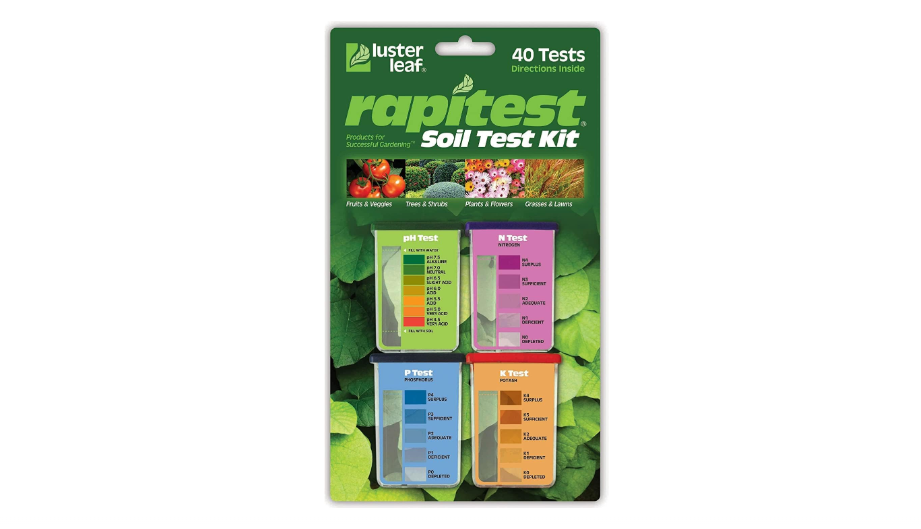
4) Rapitest / Luster Leaf Soil Test Kit (Beginner Chemical Kit)
Product description:
Rapitest (Luster Leaf) kits are popular entry-level kits that use color-matched reagents to test pH and basic N-P-K levels. They’re designed for home gardeners and include a number of tests per kit, plastic test tubes, and easy instructions. Rapitest models include the 1601 and digital variants. These kits frequently appear in Amazon’s best-seller lists for soil test kits.
Price range: $18.40
Key features & benefits:
- Affordable multi-parameter testing (pH, nitrogen, phosphorus, potassium).
- Clear step-by-step instructions; color chart comparison.
- Good number of tests included (varies by kit model).
- Widely available and often listed as Amazon favorites.
Pros:
- Very budget-friendly and easy to learn.
- Great starter kit to identify major nutrient deficits.
- Lightweight — no calibration required.
Cons:
- Color matching is subjective and less precise.
- Reagents can expire; results are semi-quantitative.
- Not a substitute for lab testing when precise ppm values are required.
Amazon ratings & reviews (summary):
Consistently positive for beginner usability and value; critical reviews focus on color matching accuracy and reagent lifespan. Many gardeners report that Rapitest helped them avoid over-fertilizing.
Why it’s a good choice:
If you’re new to soil testing or want an inexpensive way to identify major nutrient imbalances and pH issues before buying amendments, Rapitest is a sensible first purchase.
Ideal use case / who should buy it:
New gardeners, homeowners testing small vegetable beds or flower gardens, and anyone wanting a low-cost way to start testing.
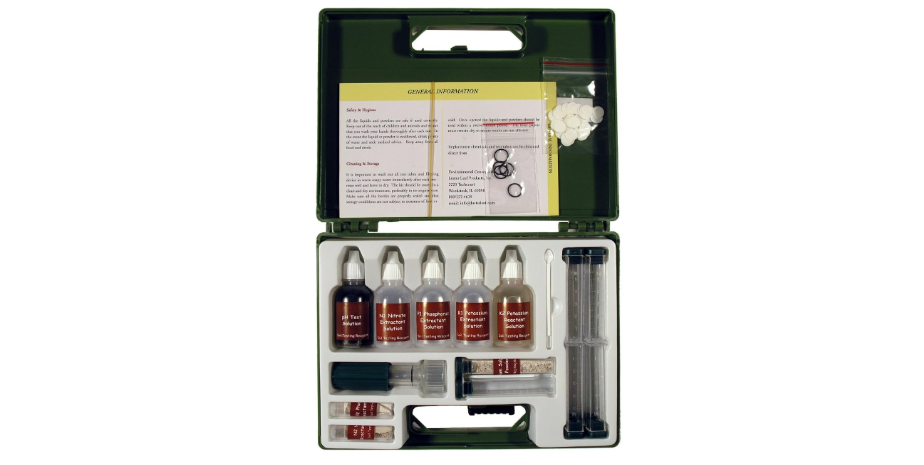
5) Environmental Concepts 1663 Professional Soil Test Kit (Liquid Chemical Kit)
Product description:
The Environmental Concepts 1663 kit is a mid-range liquid reagent soil test kit designed to measure pH and N-P-K levels using color comparison methods. It’s often positioned between beginner kits like Rapitest and premium lab-style kits like LaMotte, offering improved durability and a higher test count at a more accessible price point.
Price range: $30.67
Key features & benefits:
-
Tests for pH, Nitrogen, Phosphorus, and Potassium
-
Typically includes 40–80 tests depending on nutrient
-
Sturdy reusable test chamber and reagent bottles
-
Color-coded comparison charts for interpretation
-
Designed for repeated seasonal testing
Pros:
-
Better build quality than entry-level kits
-
Good number of tests for the price
-
Suitable for multiple beds or lawn areas
Cons:
-
Still relies on color interpretation (subjective)
-
Slightly more time-consuming than strip kits
-
Requires careful storage of reagents
Amazon ratings & reviews (summary):
Users frequently highlight its value for money and decent consistency. Many reviewers state it’s more reliable than cheaper chemical kits while still affordable. Some mention color differentiation can be subtle in low-light conditions.
Why it’s a good choice:
This is a strong middle-ground option for gardeners who want more durability and repeat testing capability without jumping to a premium professional kit.
Ideal use case / who should buy it:
Homeowners maintaining vegetable gardens, raised beds, and lawns who test soil multiple times per year.
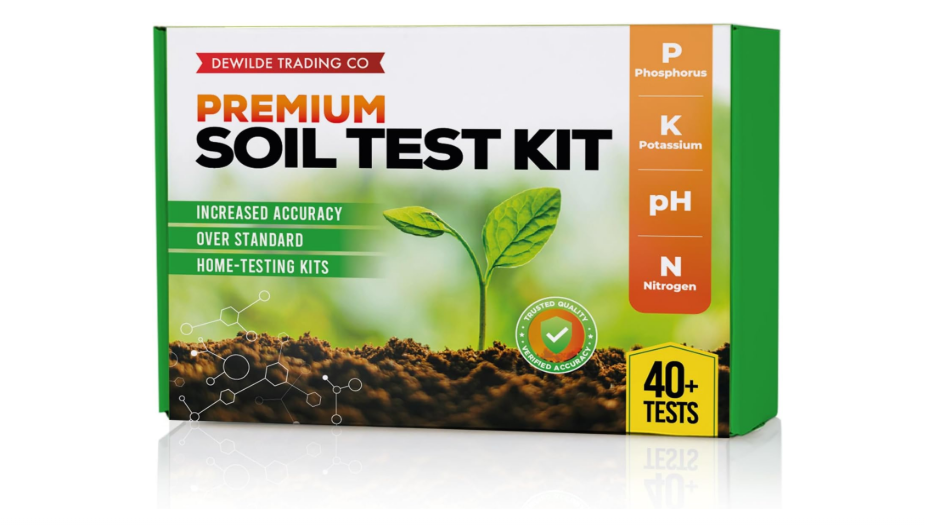
6) Premium 40-Test Soil Test Kit (Amazon’s Choice Multi-Test Kit)
Product description:
Several “Amazon’s Choice” premium soil test kits include around 40 total tests for pH and macronutrients. These kits are designed for ease of use, with clear instructions and pre-measured capsules or strips to reduce user error.
Price range: $24.99
Key features & benefits:
-
Typically 10 tests per nutrient + pH
-
Pre-measured capsules or tablets
-
Beginner-friendly instruction manual
-
Compact and lightweight
Pros:
-
Excellent value per test
-
Easy for first-time users
-
Minimal setup
Cons:
-
Semi-quantitative results
-
Not as accurate as lab or digital meters
-
Limited lifespan of chemical components
Amazon ratings & reviews (summary):
Highly rated for affordability and convenience. Many buyers appreciate how simple it is to diagnose common nutrient deficiencies before fertilizing.
Why it’s a good choice:
If you want a low-risk, affordable starting point and enough tests to cover an entire growing season, this type of kit offers excellent value.
Ideal use case / who should buy it:
Beginner gardeners, small backyard growers, or anyone testing soil for the first time.
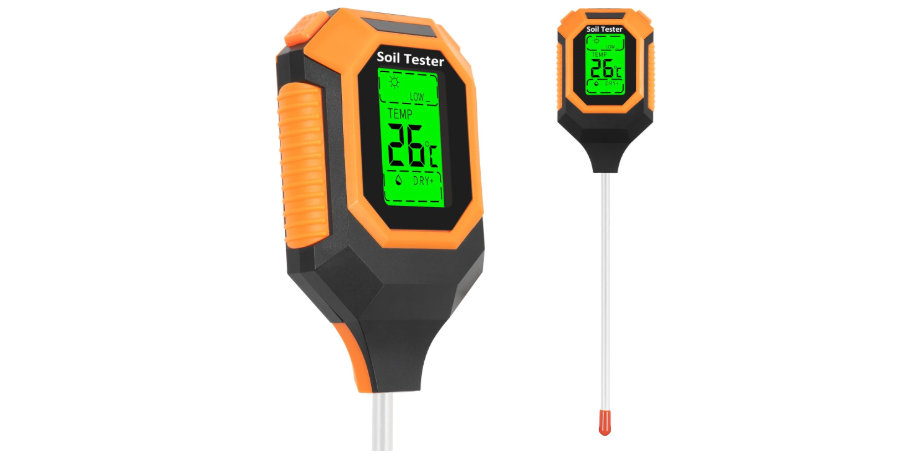
7) 4-in-1 Digital Soil Test Meter (pH + NPK + Moisture + Temp)
Product description:
Modern 4-in-1 digital soil testers combine pH measurement with nitrogen, phosphorus, potassium analysis, moisture levels, and sometimes temperature readings. These all-in-one meters provide instant digital readings and are designed for convenience.
Price range: $26.33
Key features & benefits:
-
Digital LCD display
-
Measures pH, NPK, moisture, and temperature
-
Rechargeable or battery-powered
-
Quick insertion probe for real-time readings
Pros:
-
All-in-one functionality
-
No color interpretation
-
Fast readings
Cons:
-
Accuracy can vary by brand
-
Requires battery power
-
Must be cleaned and stored properly
Amazon ratings & reviews (summary):
Popular among hobby growers due to convenience. Some users praise versatility, while others note that calibration and soil preparation (moist soil contact) significantly affect accuracy.
Why it’s a good choice:
If convenience and speed are your priorities, and you want multiple parameters in one tool, a digital 4-in-1 meter simplifies testing dramatically.
Ideal use case / who should buy it:
Vegetable gardeners, indoor plant enthusiasts, greenhouse users.
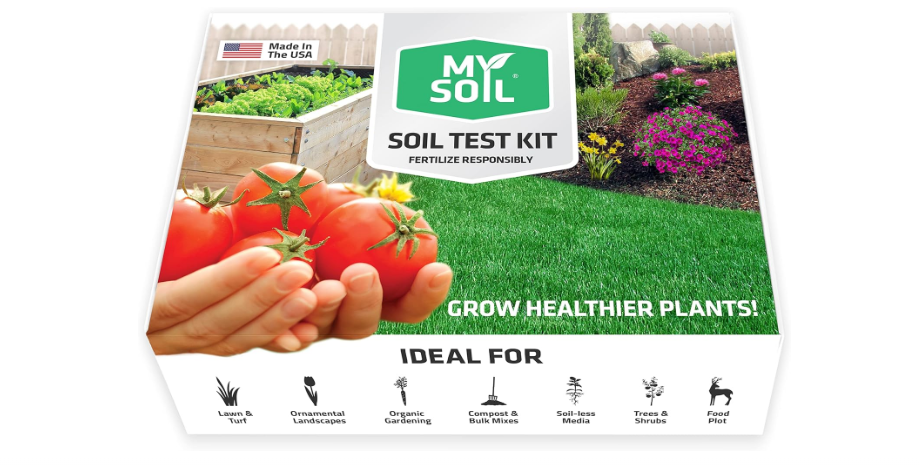
8) Mail-In Lab Soil Test Kit (Professional Analysis)
Product description:
Mail-in lab soil test kits (such as those offered by regional soil labs or brands like MySoil) provide the most comprehensive and accurate analysis. You collect a soil sample and mail it to a certified lab, which analyzes macro and micronutrients, organic matter, and pH.
Price range:
Key features & benefits:
-
Professional laboratory analysis
-
Detailed nutrient breakdown (often 10+ parameters)
-
Customized fertilizer recommendations
-
Digital report access
Pros:
-
Highest accuracy available
-
Detailed amendment guidance
-
Ideal for serious growers
Cons:
-
Longer turnaround time
-
More expensive per test
-
Not instant results
Amazon ratings & reviews (summary):
Highly praised for clarity of reports and actionable fertilizer recommendations. Many gardeners report improved crop yields after following lab guidance.
Why it’s a good choice:
If you want maximum precision and are serious about optimizing soil health, lab testing is unmatched.
Ideal use case / who should buy it:
Serious vegetable growers, farmers, orchard owners, and anyone troubleshooting persistent soil problems.
9) LaMotte Soil Texture Test Kit
Product description:
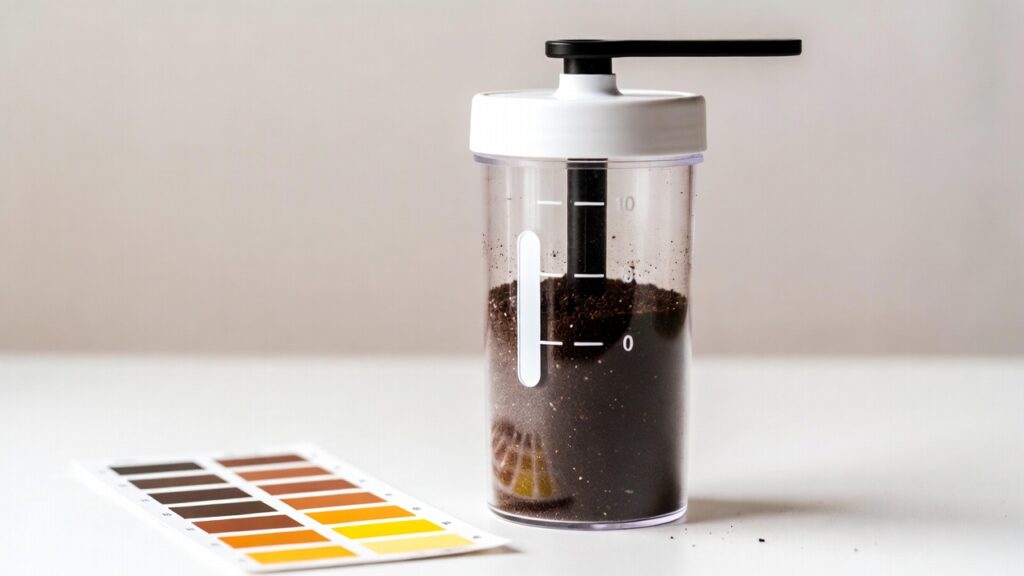
Beyond nutrients, soil texture (sand, silt, clay ratio) affects drainage and root health. The LaMotte texture kit helps determine soil composition, which influences irrigation planning and fertilizer strategy.
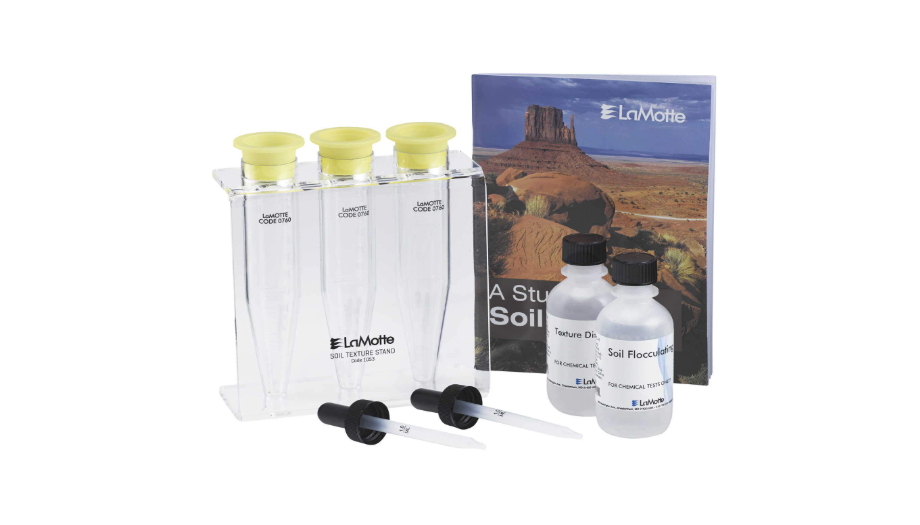
Price range: $104.50
Key features & benefits:
-
Identifies sand, silt, clay proportions
-
Supports drainage and amendment planning
-
Simple sedimentation-based test
Pros:
-
Inexpensive
-
Adds deeper understanding of soil structure
-
Useful complement to nutrient testing
Cons:
-
Does not measure nutrients
-
Additional test alongside NPK kits
Amazon ratings & reviews (summary):
Praised for educational value and helping gardeners understand drainage issues.
Why it’s a good choice:
Knowing soil texture helps prevent overwatering and compaction issues.
Ideal use case:
Gardeners improving drainage, raised bed builders, landscapers.
10) Basic pH Test Strips (Bulk Pack)
Product description:
pH test strips are the fastest and most affordable way to measure soil acidity. You mix soil with distilled water and dip the strip to compare color.
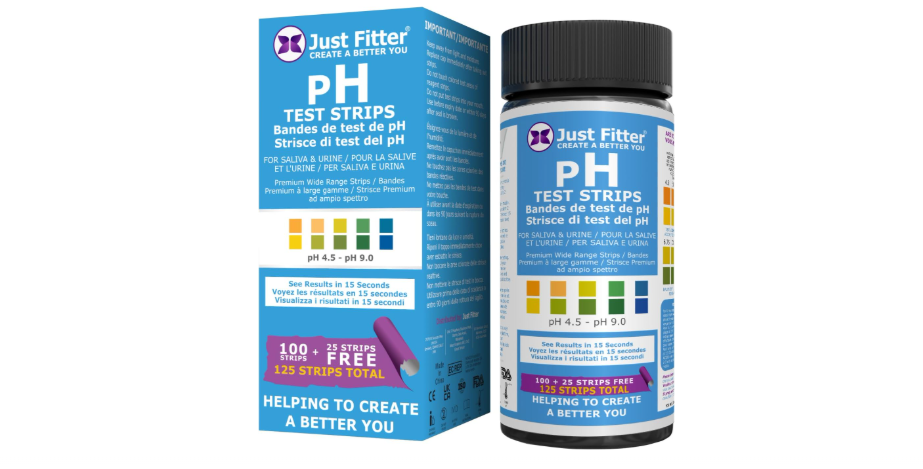
Price range: $16.97
Key features & benefits:
-
Fast results (under 1 minute)
-
Bulk packs available
-
Extremely portable
Pros:
-
Cheapest testing method
-
Great for quick screening
-
No equipment required
Cons:
-
Only tests pH
-
Less precise than digital meters
-
Requires careful color comparison
Amazon ratings & reviews (summary):
Popular for convenience and low price; often used as a quick double-check before more detailed testing.
Why it’s a good choice:
If pH is your primary concern and you want ultra-budget testing, strips are ideal.
Ideal use case:
Container gardeners, quick lawn spot checks.
How to Use a Soil Test Kit (Step-by-Step)
-
Collect Soil Samples Properly
-
Dig 4–6 inches deep (deeper for lawns).
-
Collect samples from multiple spots and mix together.
-
-
Remove Debris
-
Remove rocks, roots, and organic debris.
-
-
Follow Kit Instructions Precisely
-
Use distilled water when required.
-
Measure soil and reagents accurately.
-
-
Interpret Results Carefully
-
Compare with chart or digital reading.
-
Cross-reference recommended pH ranges for your crops.
-
-
Apply Amendments Gradually
-
Avoid over-fertilizing.
-
Retest after 4–6 weeks if making major changes.
-
Final Verdict: Which Soil Test Kit Should You Choose?
-
Best Overall Accuracy: Mail-In Lab Kit
-
Best Digital Option: Bluelab pH Pen
-
Best Value Beginner Kit: Rapitest
-
Best Budget Option: pH Test Strips
-
Best All-in-One Convenience: 4-in-1 Digital Meter
If you’re serious about maximizing plant health, investing in one of the best 10 soil test kit options above will save you money on fertilizers and prevent guesswork.