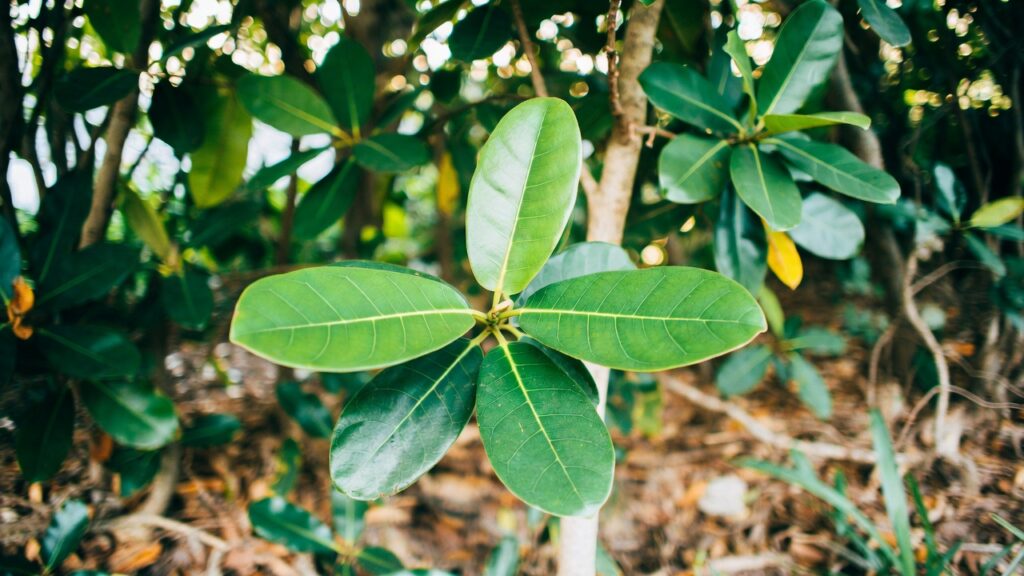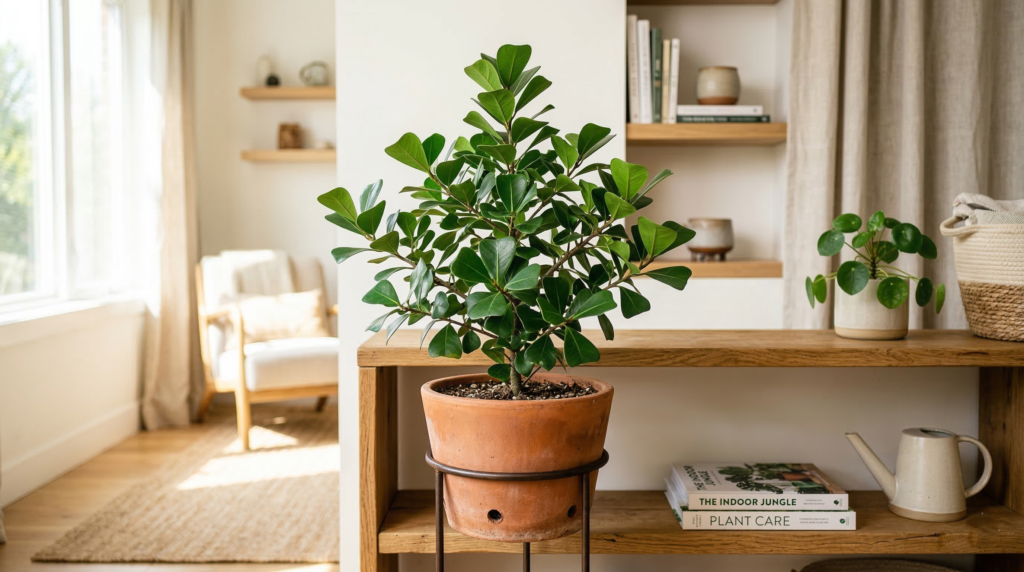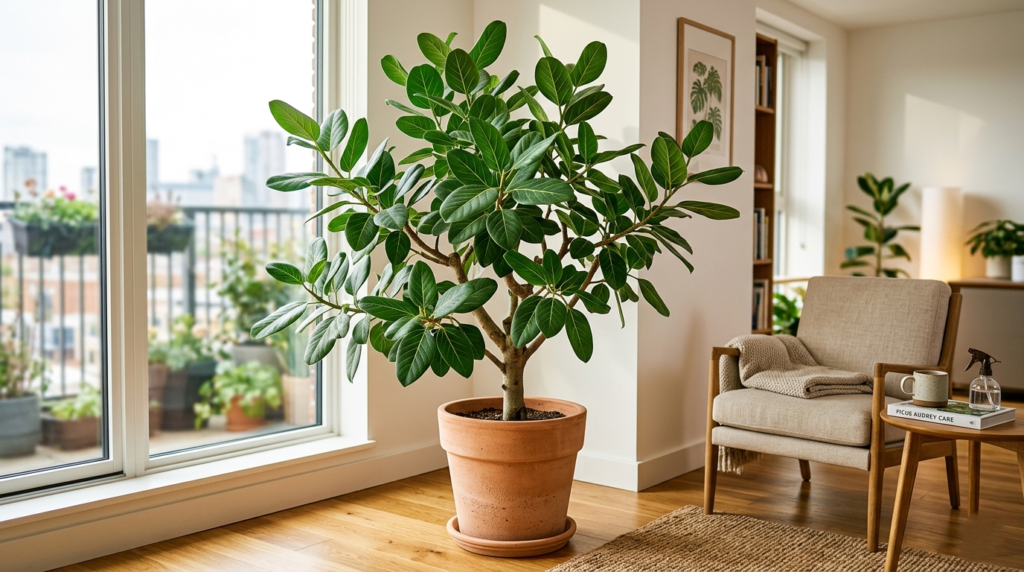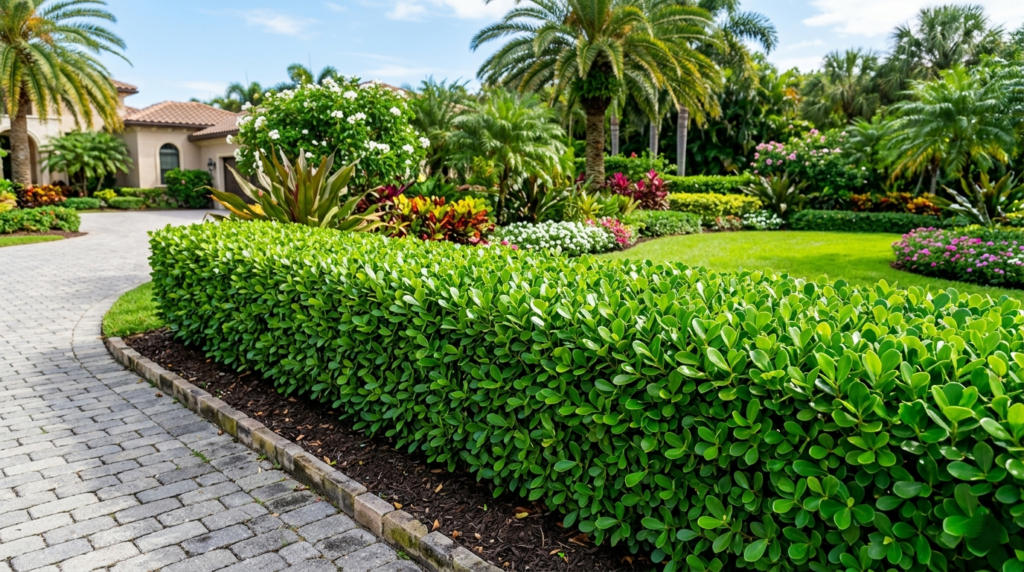
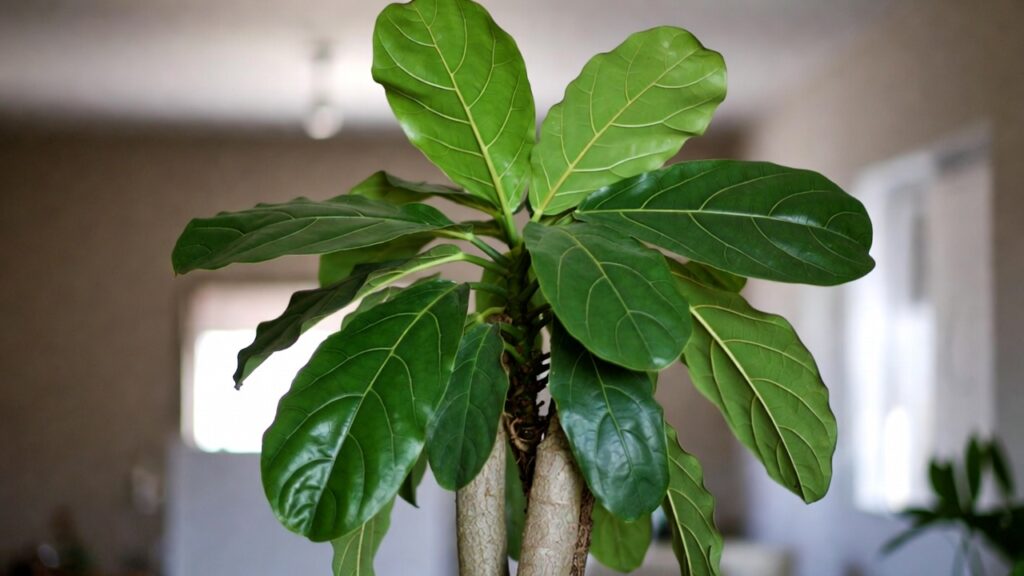
There’s a reason some indoor plants quietly outlast every trend: they simply work. If you’re searching for a polished, evergreen houseplant that stays compact, tolerates pruning, and doesn’t demand constant attention, green island ficus might be exactly what your space needs. With its glossy, deep-green leaves and naturally rounded growth habit, this hardy variety delivers structure and elegance without the drama associated with other ficus species.
But here’s the truth—while green island ficus is considered low-maintenance, improper watering, poor light placement, and compacted soil can quickly lead to yellowing leaves, leaf drop, or stalled growth. The good news? When you understand its natural growth patterns and environmental preferences, this plant becomes one of the most reliable indoor shrubs you can grow.
In this comprehensive guide, I’ll walk you through everything you need to know—from light and watering to pruning, propagation, troubleshooting, and seasonal care—so your plant doesn’t just survive indoors, but truly thrives year-round.
What Is Green Island Ficus?
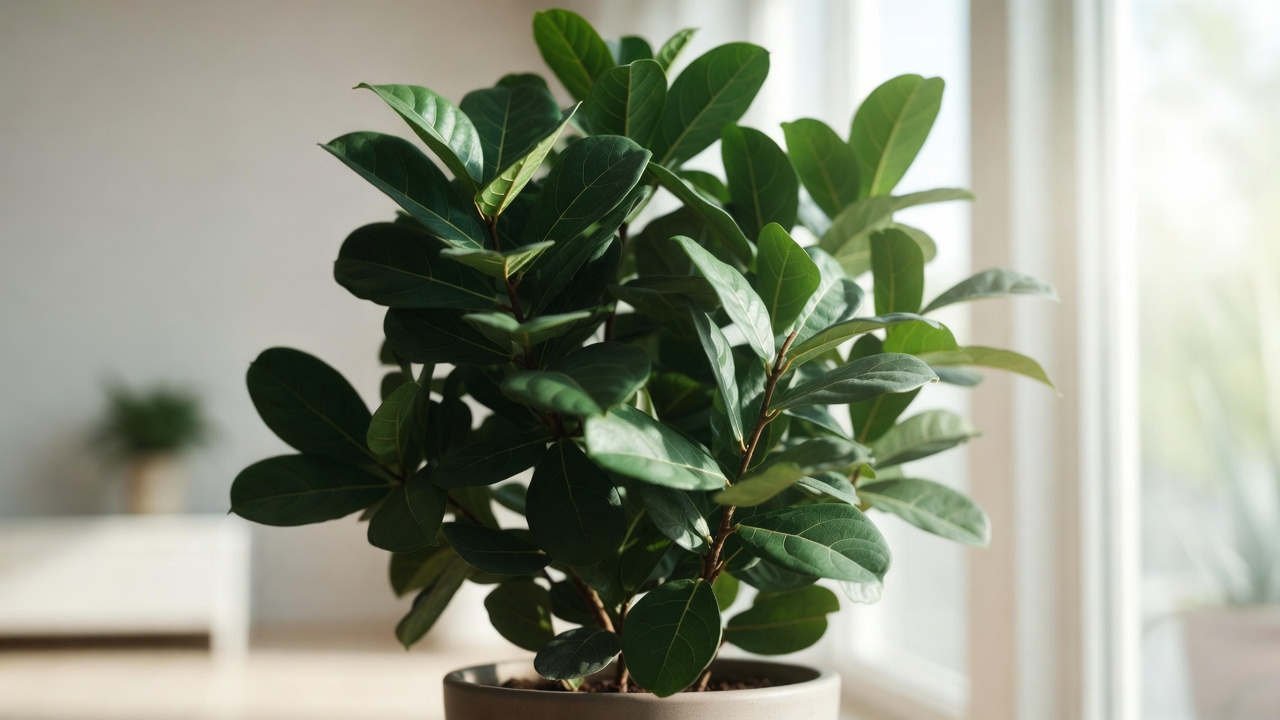
Botanical name: Ficus microcarpa ‘Green Island’
Common names: Green Island Ficus, Ficus Green Island
Plant type: Evergreen tropical shrub
Growth habit: Dense, compact, rounded
Mature indoor size: 2–4 feet tall (can be maintained smaller with pruning)
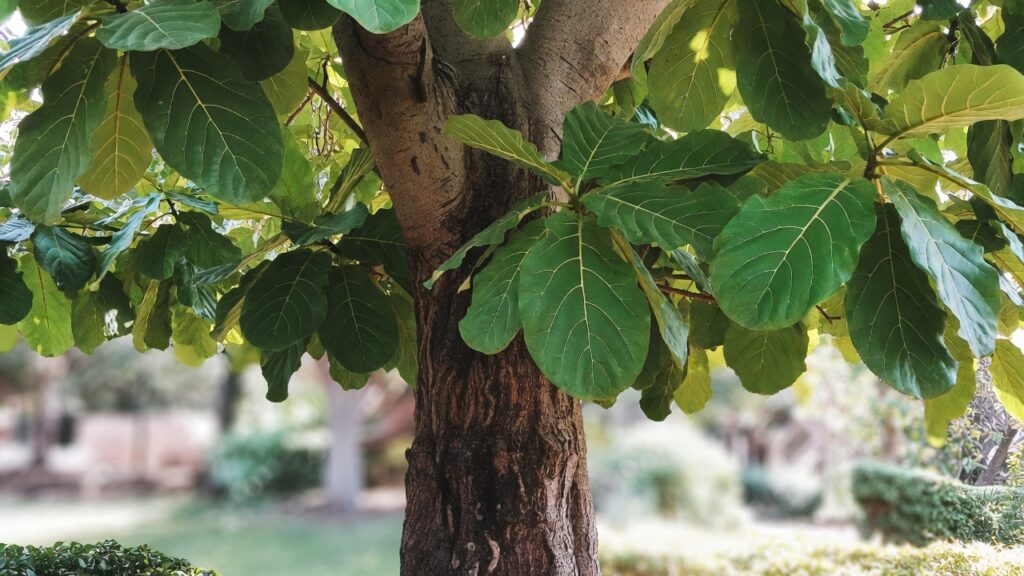
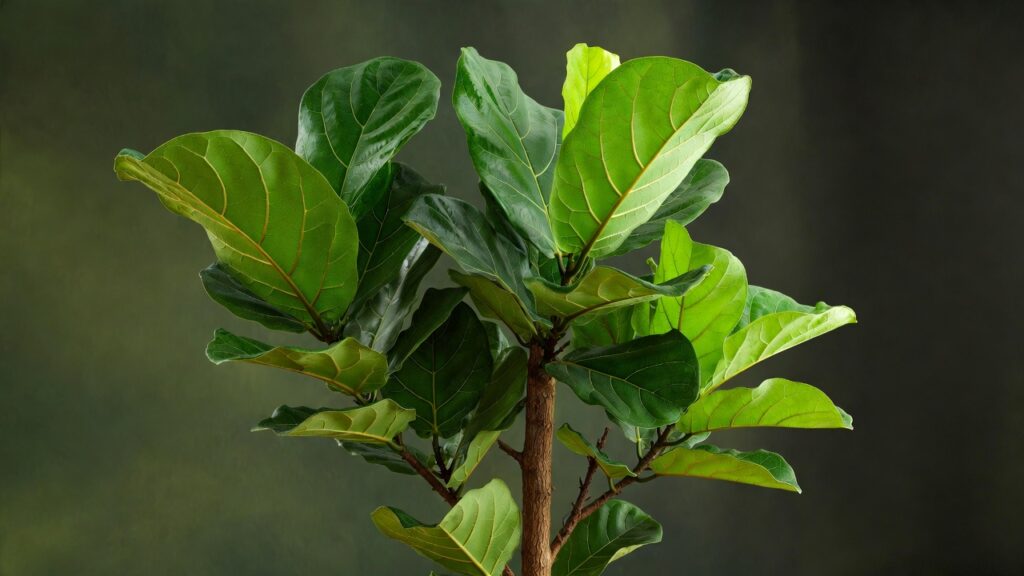
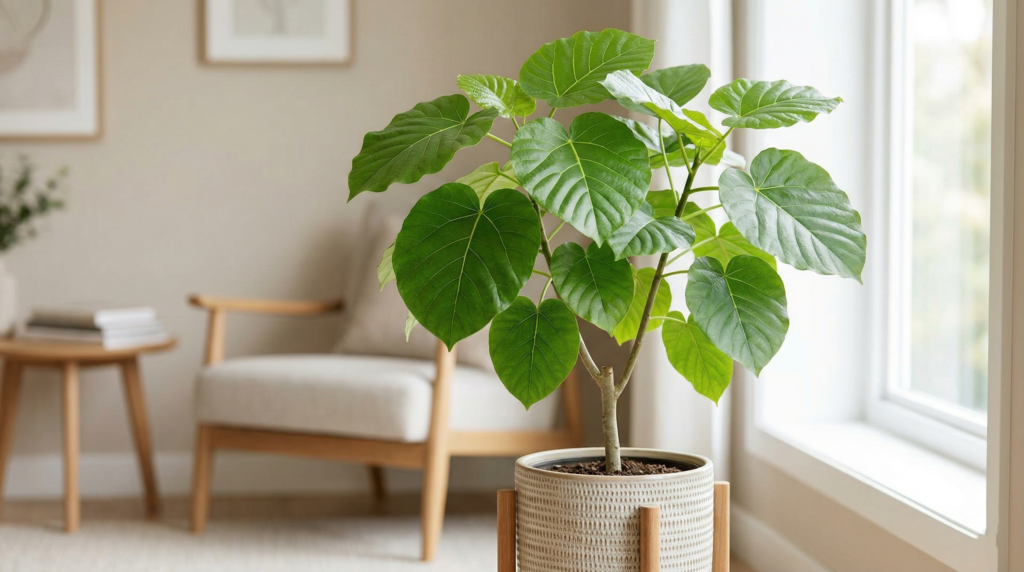
Green island ficus is a cultivar of Ficus microcarpa, a tropical species native to Southeast Asia and parts of the Pacific. Unlike taller, more temperamental relatives such as fiddle leaf fig (Ficus lyrata) or weeping fig (Ficus benjamina), this variety stays naturally compact and responds exceptionally well to pruning.
Why It’s Popular as an Indoor Plant
- Thick, glossy foliage that maintains year-round color
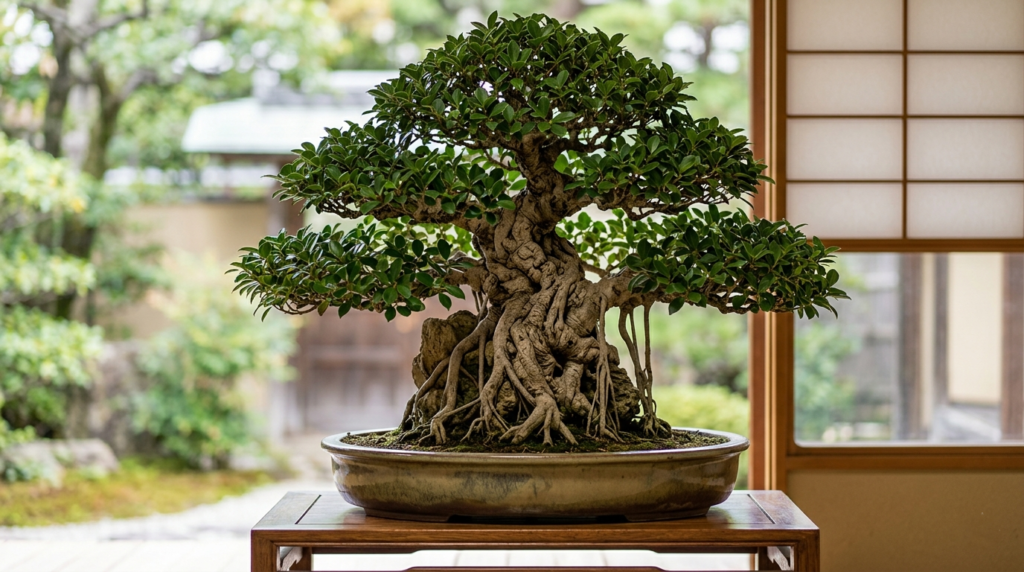
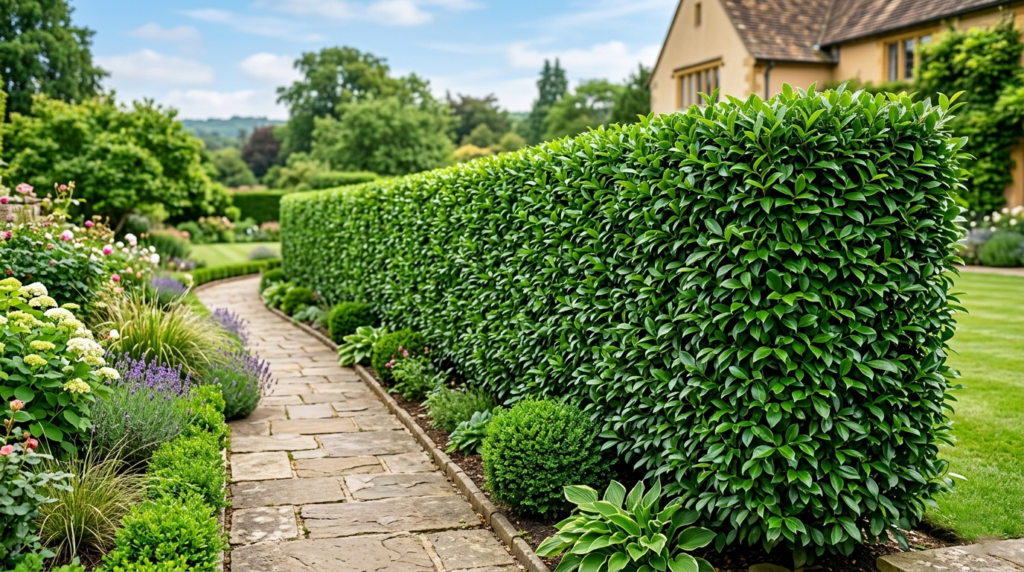
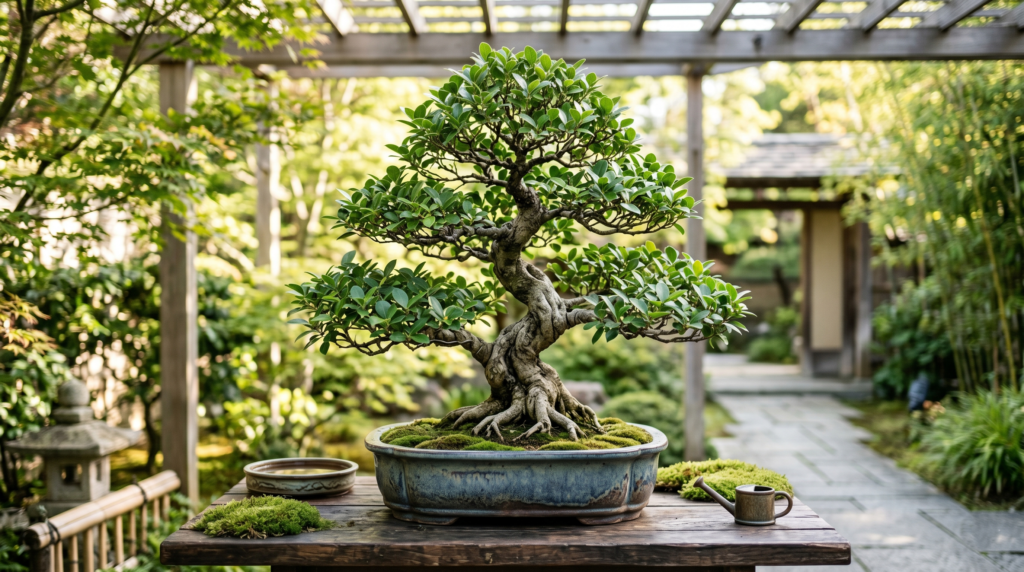
- Tolerates shaping and trimming (great for bonsai or topiary)
- Adaptable to moderate indoor lighting
- Drought-tolerant once established
- Clean, architectural look for modern interiors
Green Island Ficus vs. Other Ficus Varieties
| Feature | Green Island Ficus | Fiddle Leaf Fig | Weeping Fig |
|---|---|---|---|
| Maintenance Level | Low–Moderate | High | Moderate |
| Leaf Drop Sensitivity | Low | High | High |
| Growth Habit | Compact & Dense | Upright & Tall | Airy & Arching |
| Best For | Beginners & Bonsai | Statement Plants | Bright Rooms |
If you’ve struggled with leaf drop in other ficus varieties, green island ficus is typically far more forgiving.
Ideal Growing Conditions for Green Island Ficus Indoors
Understanding its natural habitat helps you recreate optimal indoor conditions. In the wild, Ficus microcarpa grows in warm, bright environments with good airflow and well-draining soil.
Light Requirements (The #1 Growth Factor)
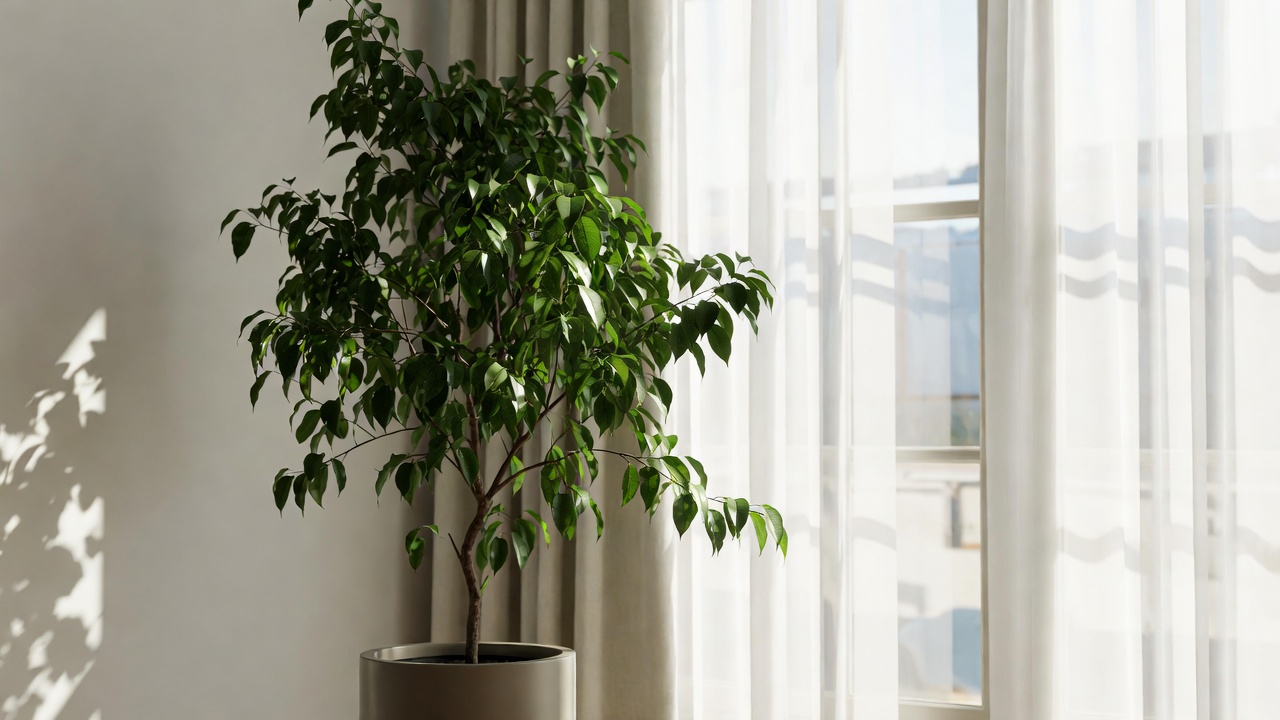
Light is the most important factor in preventing common problems.
Ideal Light:
Bright, indirect light for 6–8 hours per day.
Tolerates:
Medium light conditions.
Avoid:
Prolonged low light (causes sparse growth)
Harsh direct afternoon sun (can scorch leaves)
Best Placement Indoors
- Near an east-facing window
- A few feet back from a south-facing window
- Bright office spaces with filtered light
Signs of Too Little Light:
- Leggy growth
- Smaller leaves
- Slower growth rate
Signs of Too Much Direct Sun:
- Leaf scorch
- Faded patches
- Crispy edges
Pro Tip: Rotate the plant every 2–3 weeks to promote even growth.
Temperature and Humidity Needs
Green island ficus thrives in typical indoor temperatures.
Ideal Temperature Range:
65–85°F (18–29°C)
Avoid:
- Cold drafts
- Temperatures below 55°F
- Sudden fluctuations
Humidity
While it tolerates average indoor humidity (40–50%), it appreciates slightly higher humidity in winter when heating systems dry the air.
Ways to boost humidity if needed:
- Pebble tray
- Grouping plants together
- Occasional misting (not excessive)
How to Water Green Island Ficus Correctly
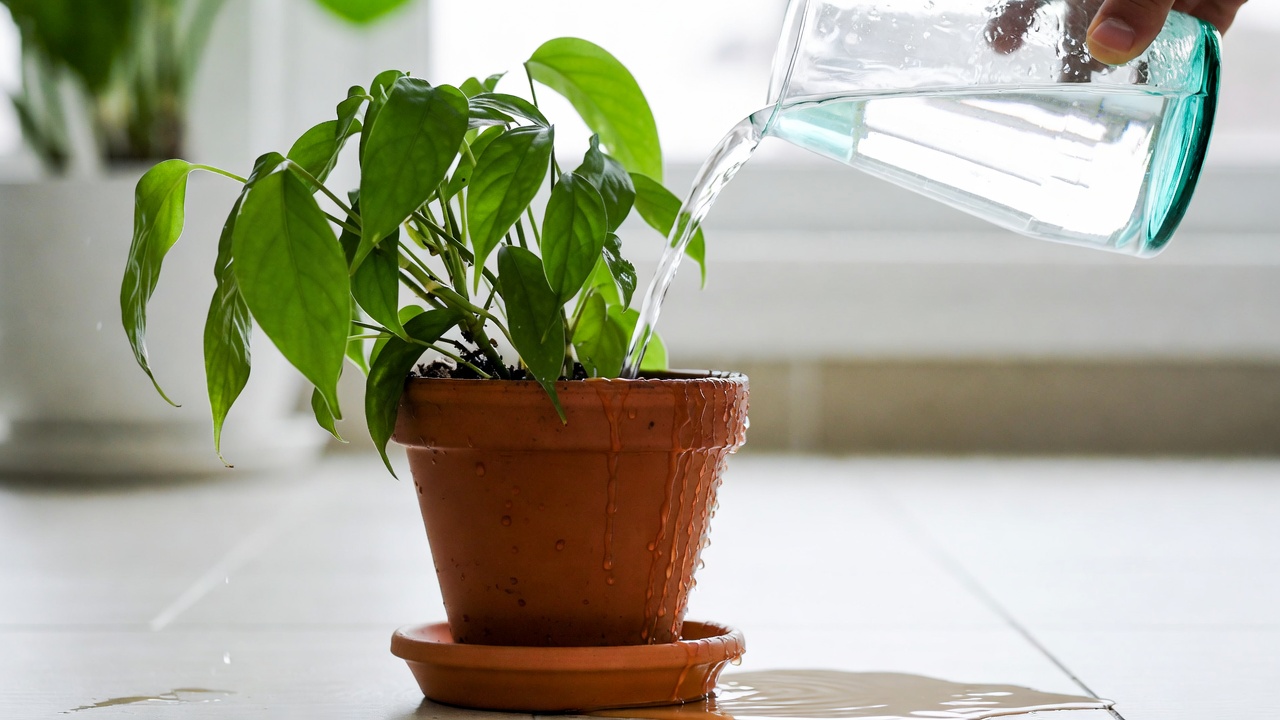
Overwatering is the #1 cause of issues with green island ficus.
The Right Watering Schedule
Instead of watering on a strict calendar schedule, follow this method:
- Insert your finger 1–2 inches into the soil.
- If the top layer feels dry, it’s time to water.
- Water thoroughly until excess drains from the bottom.
General Frequency:
- Spring/Summer: Every 7–10 days
- Fall/Winter: Every 10–14 days
But always adjust based on:
- Light levels
- Pot size
- Indoor climate
Signs of Overwatering vs. Underwatering
Overwatering Symptoms:
- Yellow leaves
- Mushy stems
- Persistent wet soil
- Root rot smell
Underwatering Symptoms:
- Dry, crispy leaf edges
- Drooping foliage
- Soil pulling away from pot edges
Consistency matters more than frequency.
Best Water Practices
- Always use pots with drainage holes.
- Empty saucers after watering.
- Avoid letting the plant sit in standing water.
- Room-temperature water is ideal.
Filtered water is beneficial if your tap water is heavily chlorinated.
Best Soil and Potting Mix for Healthy Roots
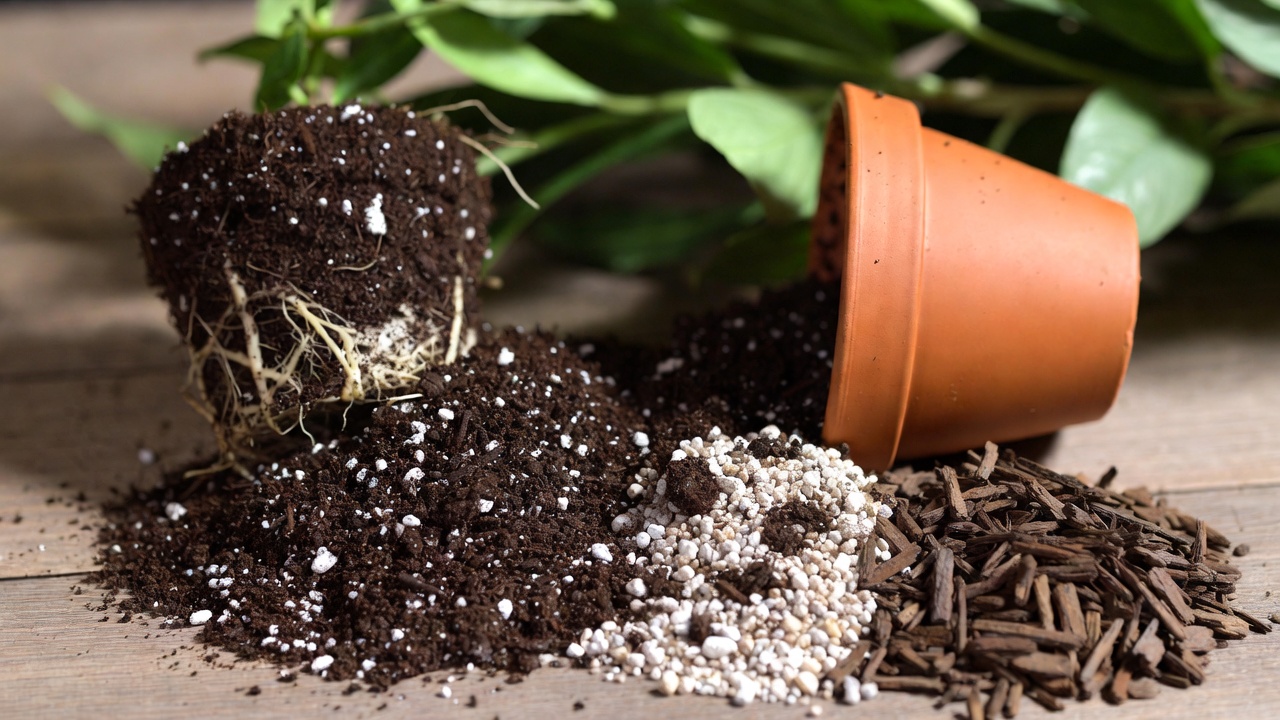
Root health determines foliage health.
Ideal Soil Composition
Green island ficus prefers well-draining, aerated soil.
Recommended mix:
- 2 parts high-quality potting soil
- 1 part perlite
- 1 part pine bark or orchid bark
This prevents compaction and improves airflow around roots.
Avoid dense, moisture-retentive soils that stay soggy.
Choosing the Right Pot
Terracotta Pots:
- Improve airflow
- Dry out faster
- Ideal for overwaterers
Plastic Pots:
- Retain moisture longer
- Lighter and more affordable
Always choose a pot 1–2 inches larger than the current root ball when repotting.
When and How to Repot
Repot every 2–3 years or when:
- Roots circle the pot
- Water runs straight through quickly
- Growth slows significantly
Repotting Steps:
- Water the plant lightly beforehand.
- Gently remove from the pot.
- Loosen compacted roots.
- Place in fresh soil mix.
- Water thoroughly.
Allow a week for recovery before fertilizing.
Fertilizing Green Island Ficus for Lush Growth
Proper nutrition enhances leaf density and color.
Best Fertilizer Type
Use a balanced liquid fertilizer such as:
- 10-10-10
- 20-20-20
Organic options:
- Fish emulsion
- Seaweed extract
Fertilizing Schedule
- Spring & Summer: Every 4–6 weeks
- Fall: Reduce feeding
- Winter: Pause fertilizing
Over-fertilizing can cause salt buildup and leaf burn.
Signs of Nutrient Deficiency
- Pale leaves
- Slow growth
- Weak stems
Flush the soil occasionally to prevent mineral buildup.
Pruning and Shaping for a Dense, Compact Plant
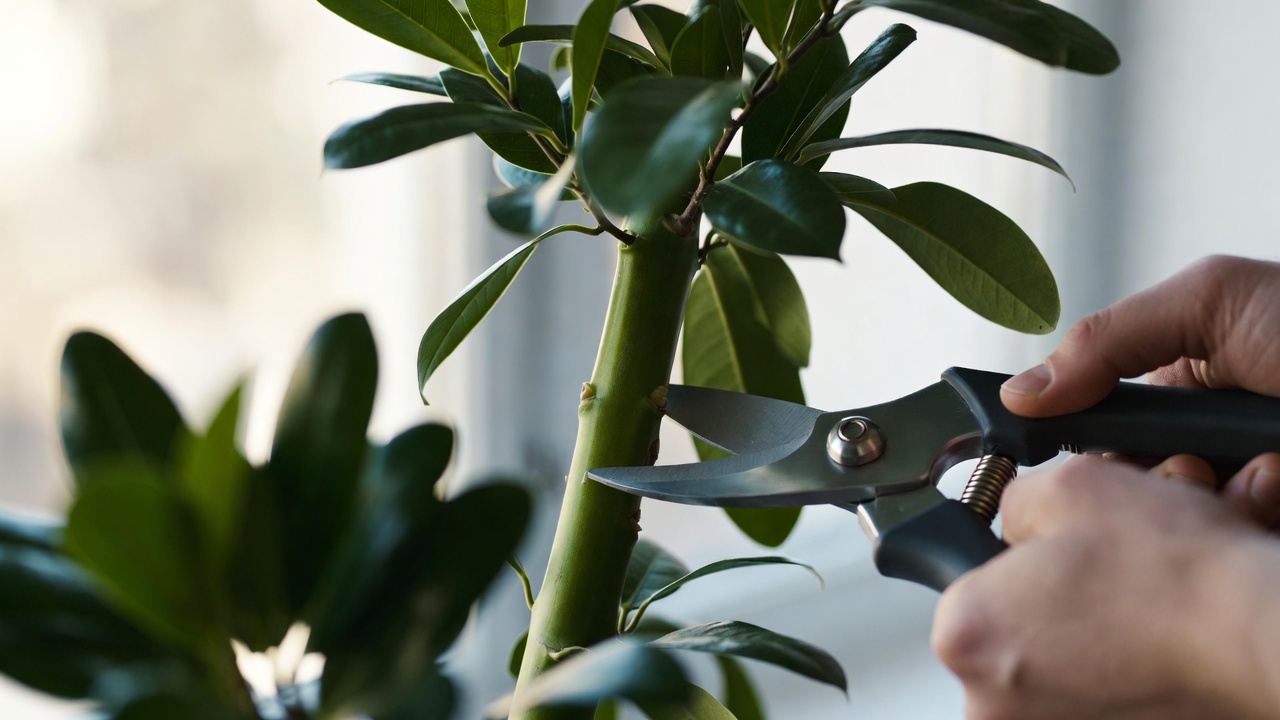
Green island ficus responds exceptionally well to pruning.
When to Prune
Best time:
- Early spring
- Mid-summer (light shaping)
Avoid heavy pruning in winter.
How to Prune Properly
- Use sterilized pruning shears.
- Cut just above a leaf node.
- Remove dead or crossing branches.
Regular pruning encourages bushier growth.
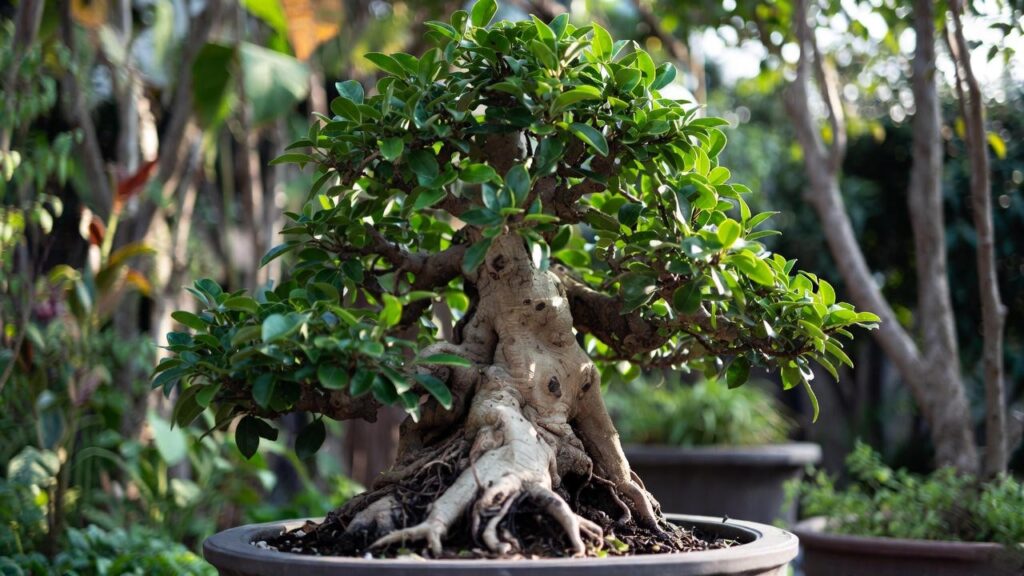
Bonsai and Topiary Potential
Because of its small leaves and compact growth, green island ficus is highly valued in bonsai cultivation.
For shaping:
- Prune frequently
- Wire gently (avoid damaging bark)
- Maintain consistent light exposure
Common Problems and How to Fix Them
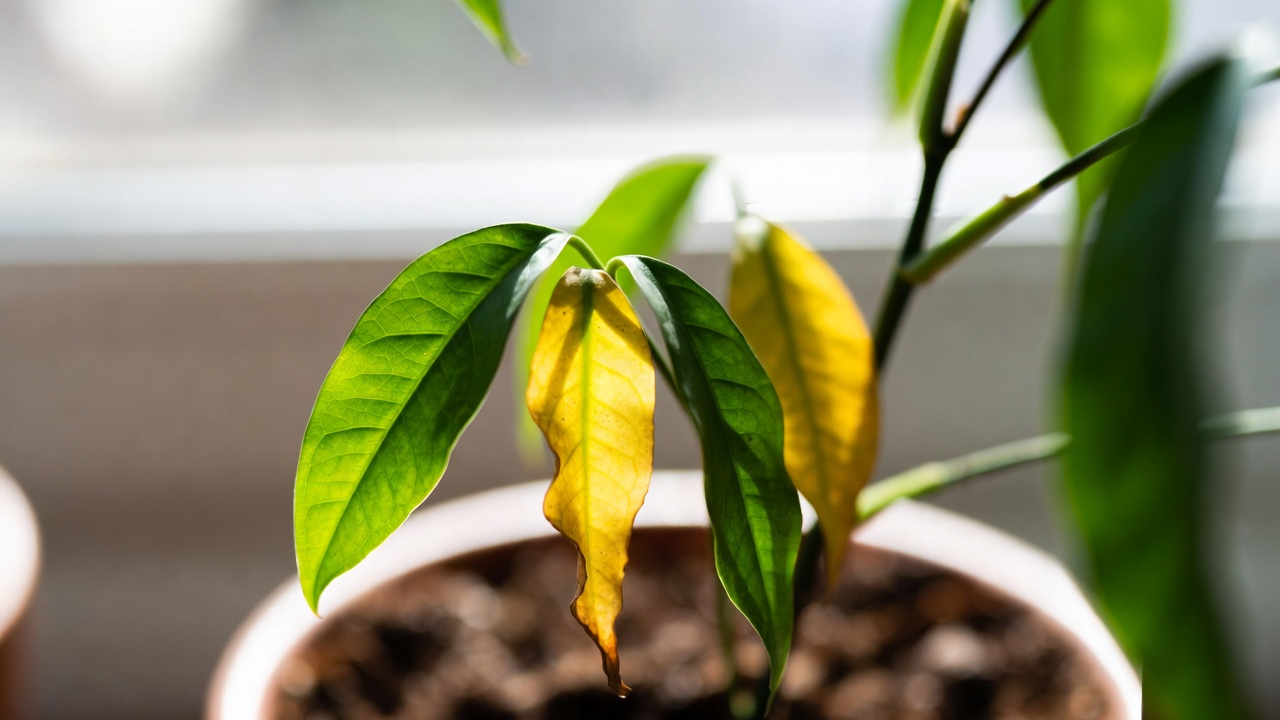
Even resilient plants encounter stress.
Leaf Drop
Often caused by:
- Sudden light change
- Draft exposure
- Overwatering
Solution:
Stabilize environment and adjust watering practices.
Yellow Leaves
Potential causes:
- Root rot
- Poor drainage
- Nutrient imbalance
Check soil moisture before adjusting care.
Pest Issues
Watch for:
- Spider mites
- Mealybugs
- Scale insects
Treatment:
- Neem oil spray
- Insecticidal soap
- Manual removal with cotton swab and alcohol
Inspect leaves monthly as preventative care.
Root Rot
Symptoms:
- Mushy roots
- Foul smell
- Drooping despite wet soil
If detected:
- Remove plant from pot.
- Trim affected roots.
- Repot in fresh, well-draining mix.
Propagating Green Island Ficus
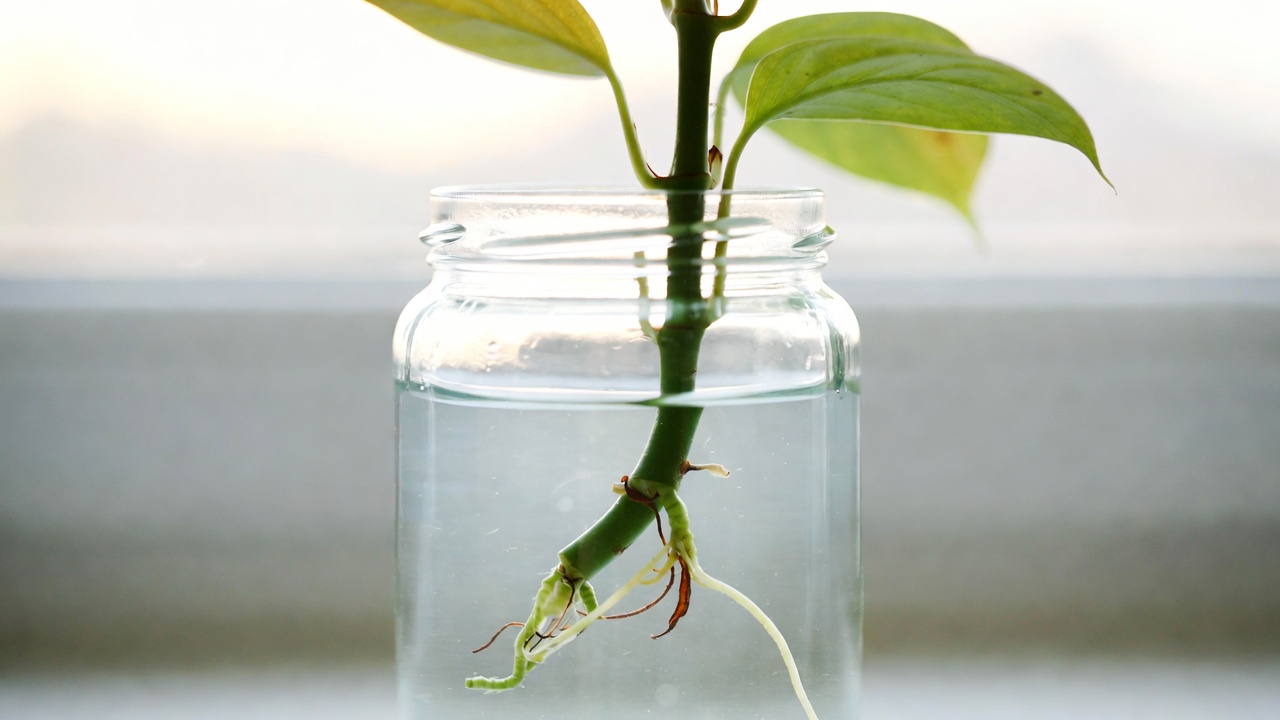
Propagation is straightforward and rewarding.
Stem Cutting Method
- Take a 4–6 inch cutting below a node.
- Remove lower leaves.
- Dip in rooting hormone (optional).
- Place in moist soil or water.
- Keep in bright, indirect light.
Roots typically develop within 3–6 weeks.
Styling and Interior Design Ideas
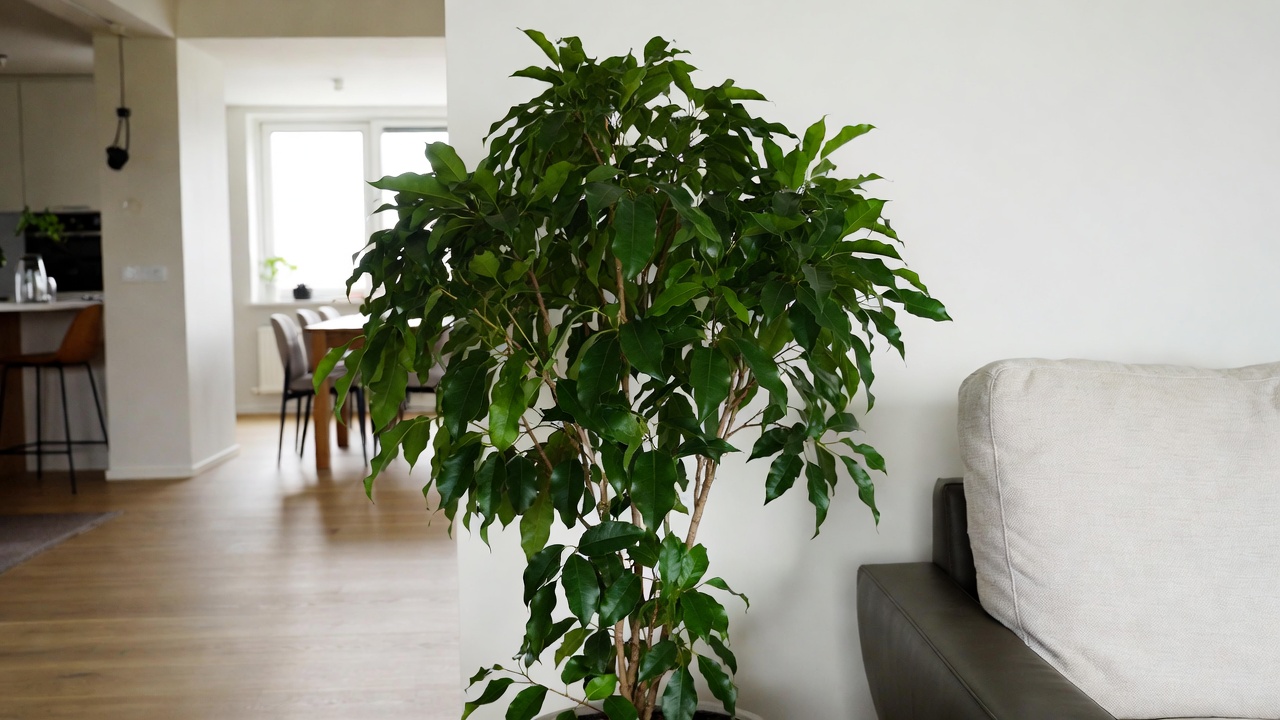
Green island ficus adds structure to interiors.
Best Rooms
- Living rooms
- Home offices
- Entryways
- Bright bathrooms
Container Styling
- Minimal ceramic planters
- Neutral-toned pots
- Raised plant stands for visual height
Pair With:
- Snake plant
- ZZ plant
- Pothos
Choose companions with similar light requirements.
Seasonal Care Guide
Spring & Summer
- Increase watering frequency
- Fertilize regularly
- Prune for shape
Fall & Winter
- Reduce watering
- Stop fertilizing
- Move closer to light source if needed
Avoid cold drafts near windows.
Is Green Island Ficus Toxic to Pets?
Like most ficus varieties, it contains sap that can be mildly toxic if ingested.
Symptoms may include:
- Mild stomach irritation
- Drooling in pets
Place out of reach of curious pets and children.
Frequently Asked Questions
How fast does green island ficus grow indoors?
Moderate growth rate under bright light. Expect steady growth during spring and summer.
Can it tolerate low light?
It survives in medium light but grows best in bright, indirect light.
Why is my plant dropping leaves?
Sudden environmental changes or watering inconsistencies are the most common triggers.
Does it need pruning?
Yes. Regular trimming maintains density and prevents legginess.
Expert Tips for a Thriving Plant
- Don’t oversize the pot.
- Prioritize light before adjusting watering.
- Maintain consistent placement.
- Avoid drastic environmental changes.
- Observe leaf texture and color as early indicators of stress.
Conclusion: Your Blueprint for Success
Green island ficus stands out as one of the most adaptable and visually refined indoor shrubs available today. When provided with bright indirect light, controlled watering, and well-draining soil, it rewards you with dense, glossy foliage and reliable year-round structure.
Whether you’re a beginner looking for a forgiving houseplant or an enthusiast interested in bonsai shaping, this plant offers versatility without unnecessary difficulty.
Master the fundamentals outlined in this guide, and your green island ficus won’t just survive indoors—it will thrive.