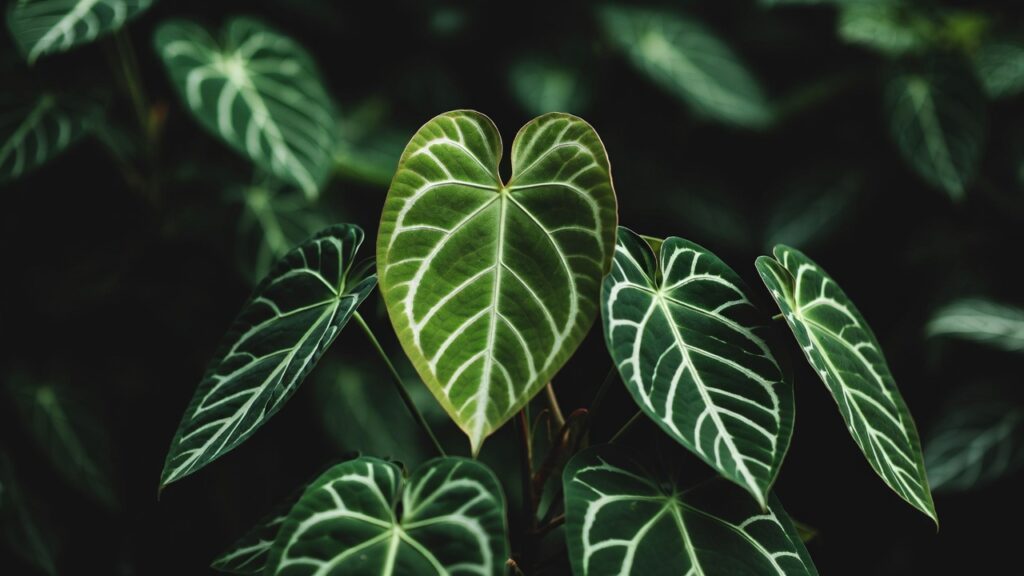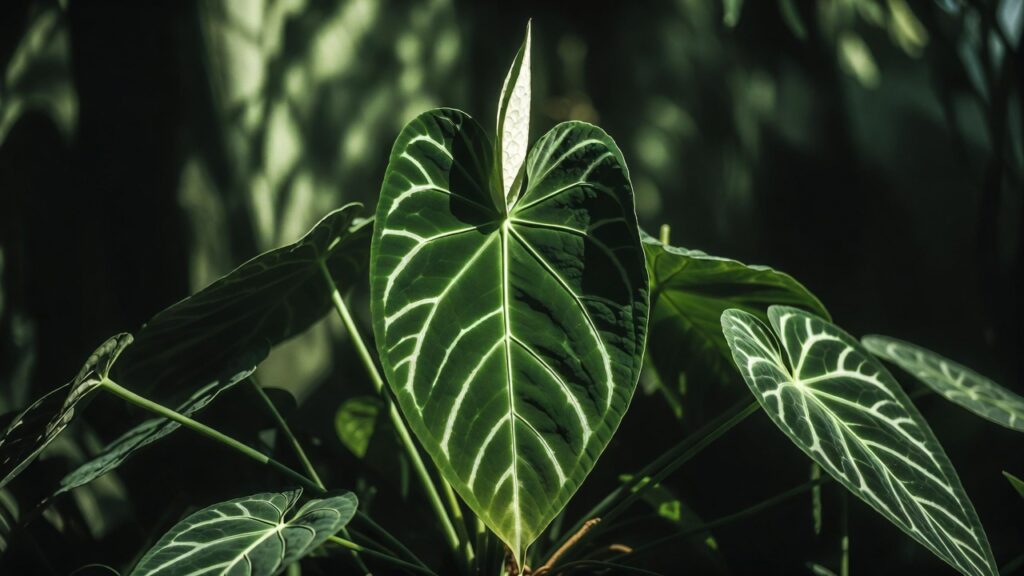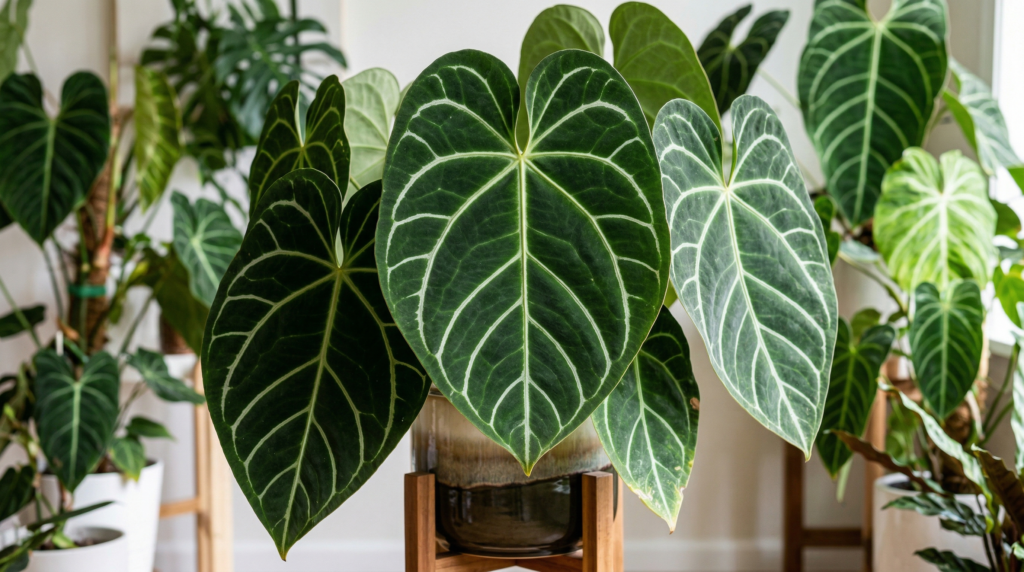
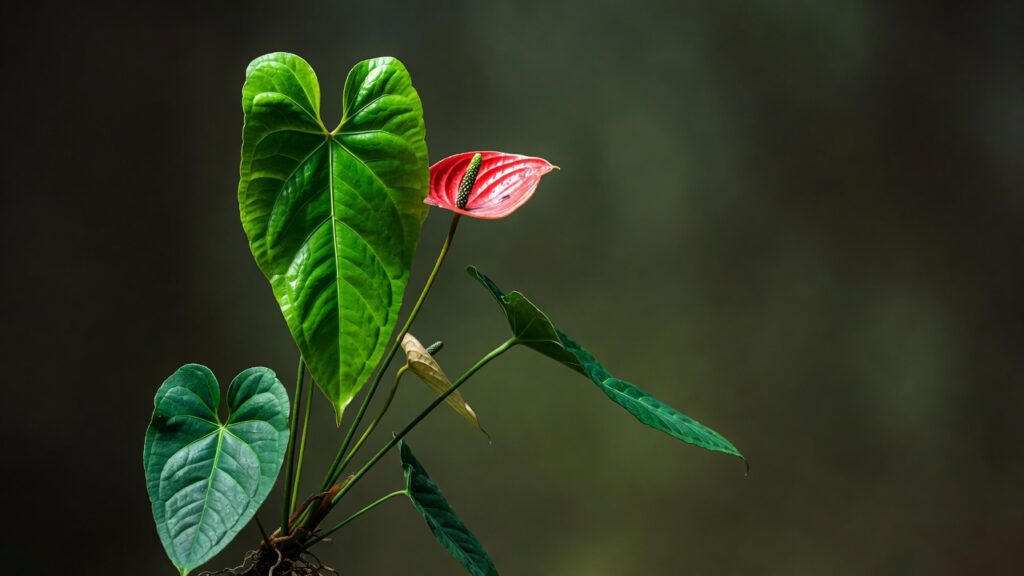
Few houseplants command attention like a mature Anthurium veitchii. With its dramatically long, deeply corrugated leaves cascading like green velvet ribbons, it’s no wonder this species is called the “King Anthurium.” But here’s the hard truth: many indoor growers struggle with yellow leaves, stalled growth, or disappointing small foliage.
If your Anthurium veitchii isn’t thriving the way you expected, you’re not alone — and you’re not failing. In almost every case, the issue comes down to one thing: not replicating its native rainforest conditions closely enough indoors.
In this comprehensive care guide, I’ll walk you through exactly how to grow a healthy, thriving King Anthurium indoors — based on horticultural principles, epiphytic plant biology, and real-world indoor growing experience. We’ll cover lighting, watering, humidity, soil, fertilizing, troubleshooting yellow leaves, and advanced techniques for encouraging those massive statement leaves.
By the end, you’ll know precisely what your plant needs — and how to give it that consistently.
Understanding Anthurium Veitchii (King Anthurium)
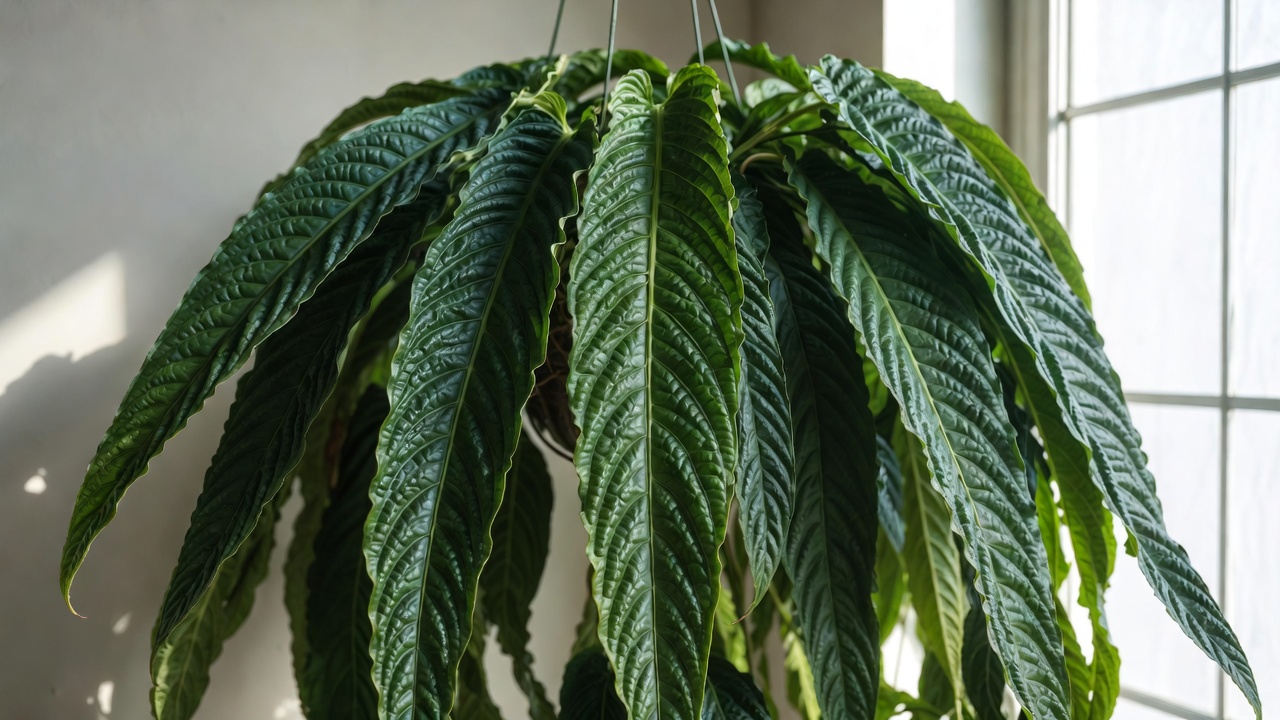
What Is Anthurium Veitchii?
Anthurium veitchii is a tropical aroid native to the rainforests of Colombia. Unlike terrestrial houseplants, it grows primarily as an epiphyte, meaning it naturally attaches to trees rather than rooting in dense soil.
Key characteristics:
- Long, pendant leaves that can exceed 4–6 feet in ideal conditions
- Deep, quilted (corrugated) leaf texture
- Thick, velvety foliage
- Slow but steady growth pattern
In its natural habitat, Anthurium veitchii grows in:
- Bright, filtered canopy light
- Constant airflow
- High humidity (often 70–90%)
- Loose organic debris rather than compact soil
Understanding this native environment is the foundation of successful indoor care.
Why Anthurium Veitchii Can Be Challenging Indoors
King Anthurium is not difficult — but it is specific.
Common indoor challenges include:
- Low humidity in climate-controlled homes
- Overwatering in dense potting soil
- Insufficient indirect light
- Poor airflow around roots
Because it’s often expensive and highly sought after, mistakes feel costly. But once you understand how it functions biologically, it becomes far more predictable.
Growth Pattern and Realistic Expectations
One mistake I often see is unrealistic expectations. Juvenile plants:
- Produce shorter leaves
- Grow more slowly
- May lack dramatic corrugation at first
As the plant matures, each successive leaf becomes:
- Longer
- More textured
- More deeply ribbed
Indoors, with excellent care, expect:
- 2–4 new leaves per year
- Gradual increase in leaf length
- Significant improvement after 2–3 years of stable conditions
Patience is essential — this is a collector’s plant, not a fast-growing filler plant.
The 6 Essentials of Anthurium Veitchii Care
1. Light Requirements (The #1 Growth Factor)
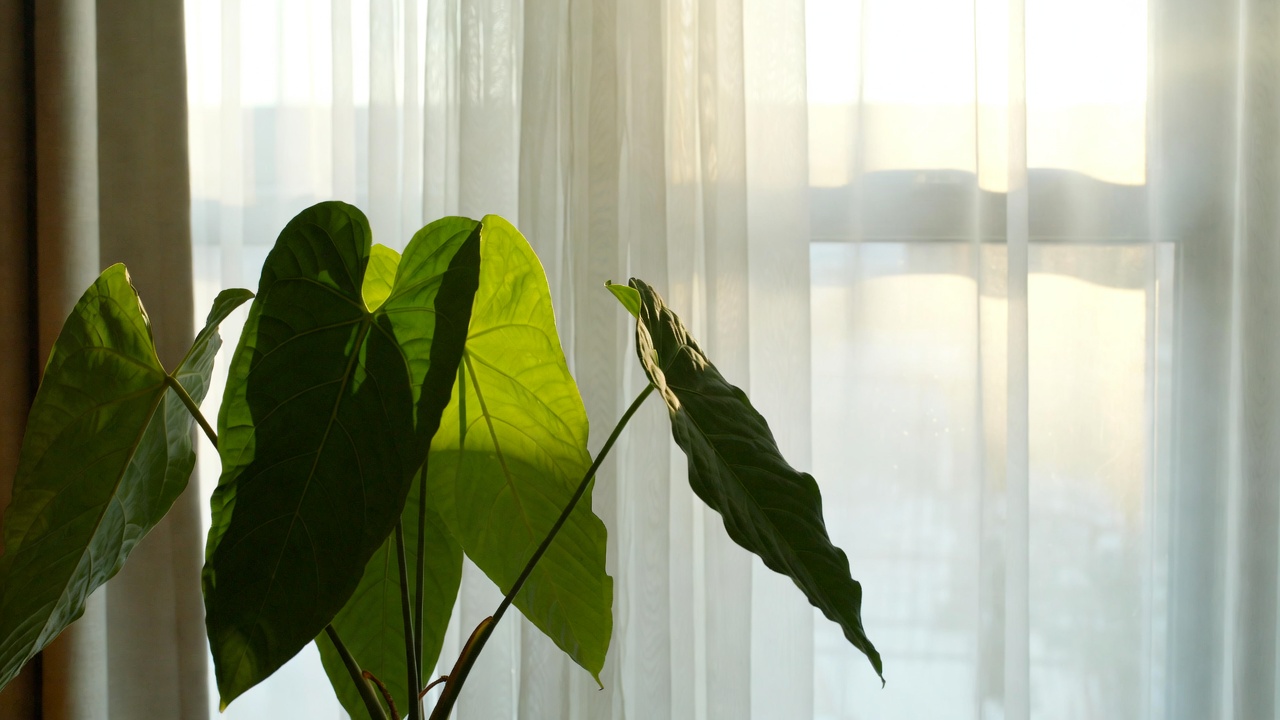
If your Anthurium veitchii is producing small leaves or not growing at all, light is usually the culprit.
Ideal Lighting Conditions
- Bright, indirect light
- No harsh direct midday sun
- Gentle morning sun is acceptable
Think of light similar to what a plant would receive under a rainforest canopy: bright but diffused.
Best Indoor Placement
- Near an east-facing window
- A few feet back from a south-facing window with sheer curtains
- In a bright room supplemented by a grow light
If using grow lights, aim for moderate intensity — roughly 100–200 PPFD for consistent growth.
Signs of Insufficient Light
- Smaller leaves than previous growth
- Pale or washed-out color
- Slowed growth over months
Signs of Too Much Light
- Leaf bleaching
- Crispy patches
- Burn spots
2. Watering: Preventing Yellow Leaves and Root Rot
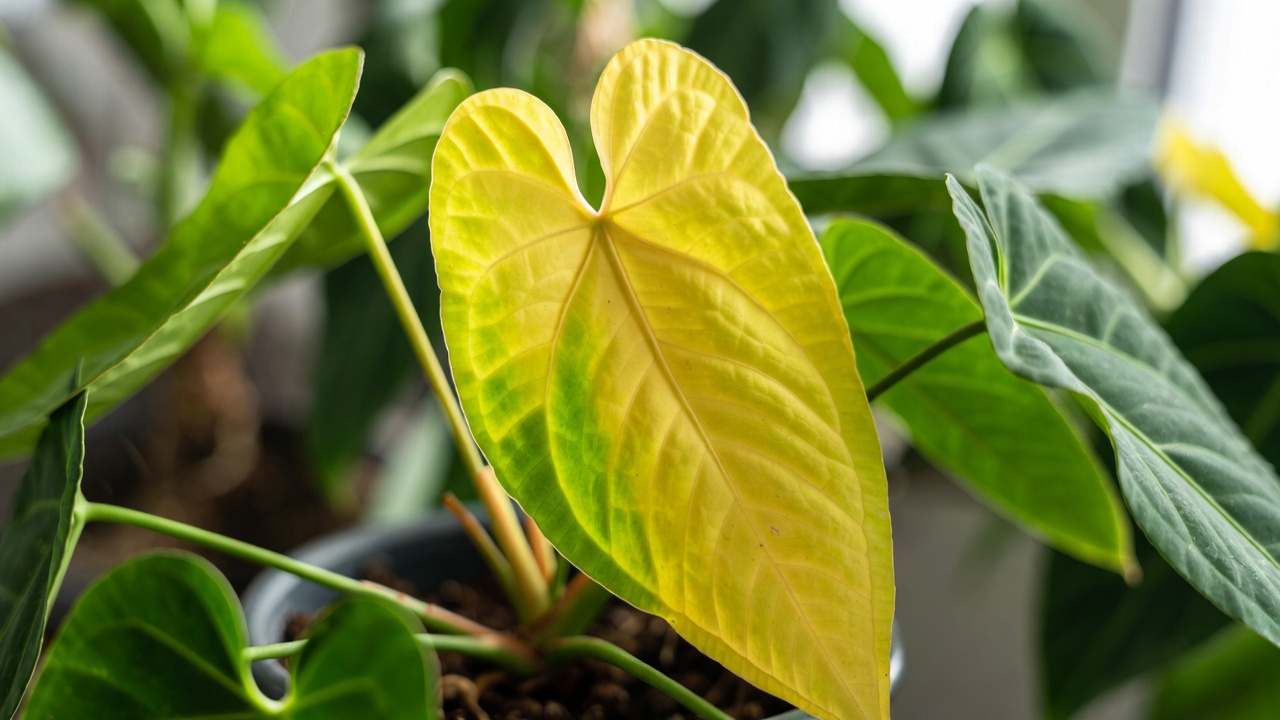
Overwatering is the most common reason Anthurium veitchii develops yellow leaves.
Understanding Epiphytic Roots
Unlike typical houseplants, epiphytic roots:
- Need oxygen
- Dislike sitting in dense, soggy soil
- Thrive in airy substrates
This means your watering approach must prioritize drainage and airflow.
How Often to Water
Instead of following a schedule, use this rule:
General guidelines:
- Spring/Summer: Every 5–7 days (depending on humidity and light)
- Fall/Winter: Every 10–14 days
But always check the substrate — not the calendar.
Signs of Overwatering
- Yellowing lower leaves
- Mushy stems
- Foul soil smell
- Soft, brown roots
Signs of Underwatering
- Slight leaf droop
- Crispy edges
- Extremely dry substrate pulling from pot edges
Why Yellow Leaves Happen
If your Anthurium veitchii leaves are turning yellow, evaluate:
- Soil drainage
- Pot size (too large retains excess moisture)
- Root health
- Fertilizer salt buildup
In 80% of cases, improving drainage solves the problem.
3. Humidity: The Secret to Huge Leaves
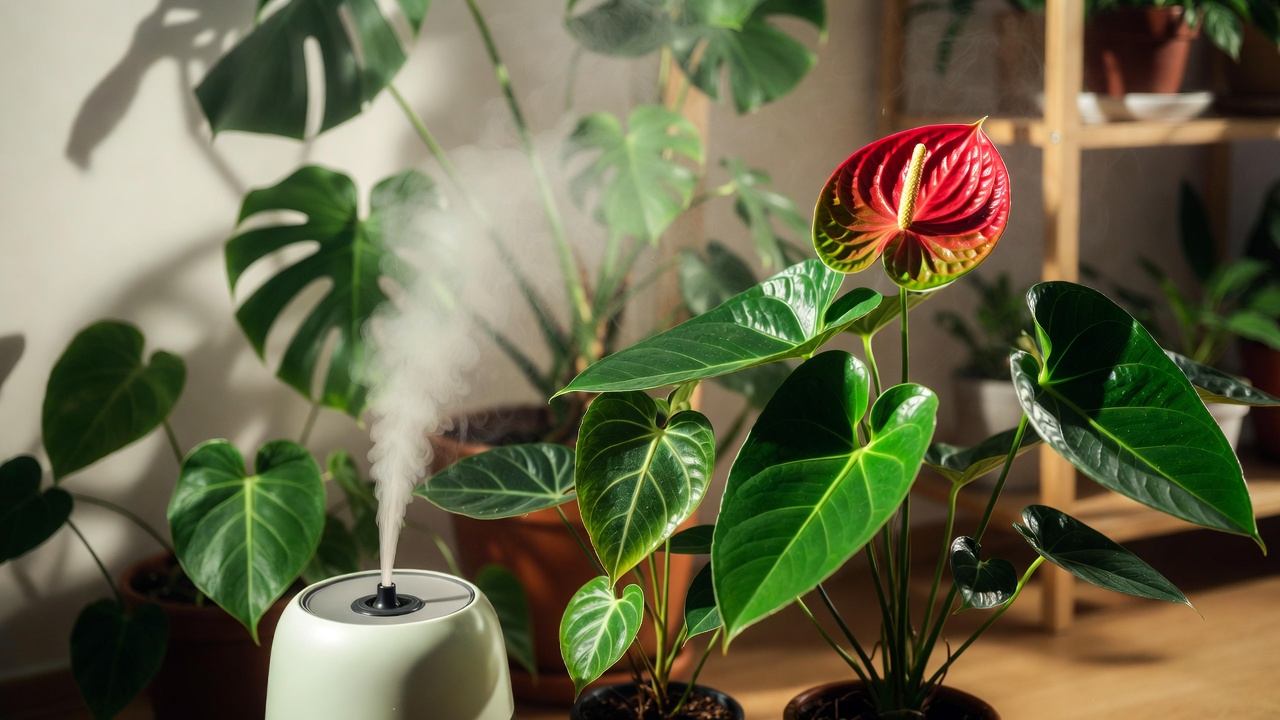
Humidity directly affects leaf size, texture, and overall vigor.
Ideal Humidity Range
- 60–80% for optimal growth
- Below 50% often causes brown tips
If your indoor humidity is 35–45% (common in heated homes), growth will slow significantly.
How to Increase Humidity Effectively
Most effective methods:
- Room humidifier (best long-term solution)
- Growing in a plant cabinet
- Grouping tropical plants together
Less effective methods:
- Pebble trays (minimal measurable impact)
- Occasional misting (temporary boost only)
Preventing Fungal Problems
High humidity without airflow invites fungal issues. Balance humidity with:
- Gentle air circulation
- Avoiding wet leaves overnight
- Proper spacing between plants
Airflow is just as important as humidity.
4. Best Soil Mix for Anthurium Veitchii
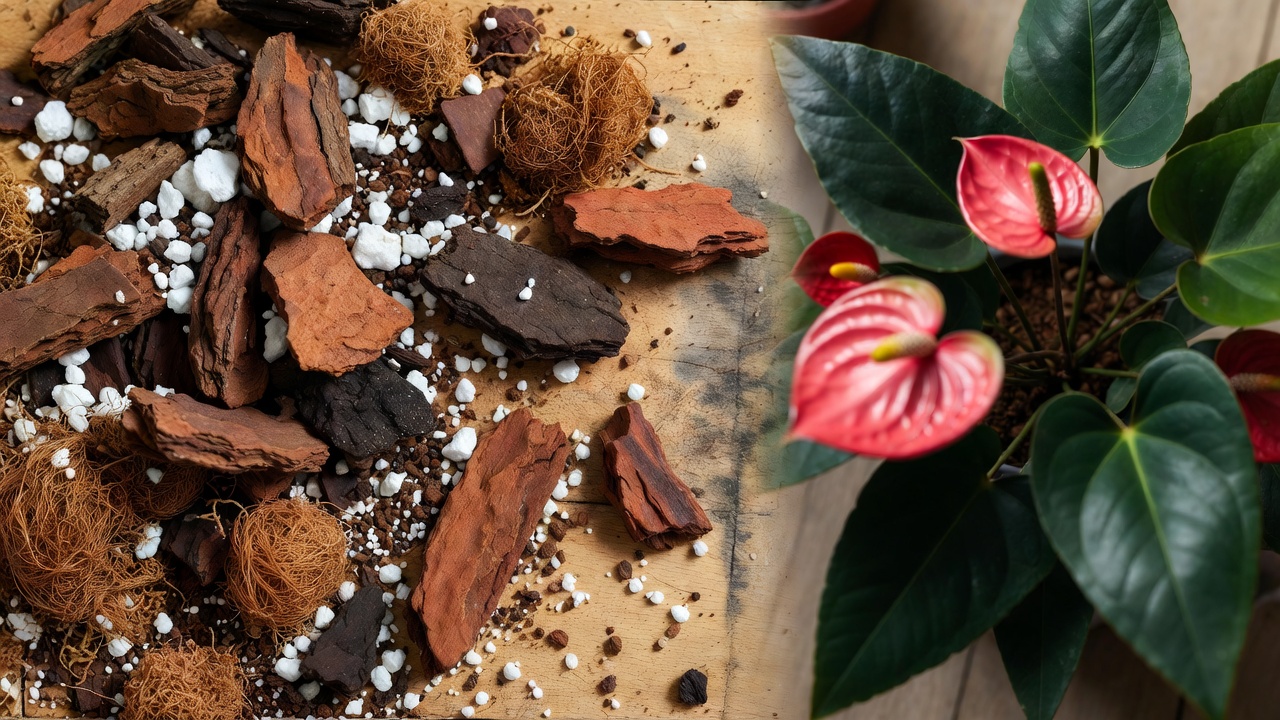
Standard potting soil is too dense for this species.
Remember: in nature, this plant grows in loose organic matter, not compacted earth.
Ideal Soil Characteristics
- Chunky
- Fast-draining
- Moisture-retentive but airy
- Rich in organic material
DIY Anthurium Veitchii Soil Recipe
A reliable mix:
- 40% orchid bark
- 20% perlite
- 20% coco chips
- 20% sphagnum moss
This blend:
- Retains moisture
- Allows airflow
- Prevents root suffocation
When to Repot
Repot every 1–2 years or when:
- Roots circle the pot heavily
- Soil breaks down and compacts
- Water drains too slowly
Always choose a pot only 1–2 inches larger than the previous one.
5. Fertilizing for Strong, Consistent Growth
Anthurium veitchii is not a heavy feeder — but it does benefit from consistent nutrition.
Best Fertilizer Type
- Balanced liquid fertilizer (e.g., 10-10-10 or 20-20-20)
- Diluted to half strength
Feeding Schedule
- Every 4 weeks during spring and summer
- Reduce in fall
- Minimal feeding in winter
Signs of Overfertilization
- Brown leaf tips
- Salt crust on soil surface
- Stunted new growth
Flush soil every few months to prevent salt buildup.
6. Temperature and Airflow
Ideal Temperature Range
- 65–80°F (18–27°C)
Below 60°F can cause stress and slowed growth.
Importance of Air Circulation
In rainforest environments, air is constantly moving.
Benefits of airflow:
- Prevents fungal disease
- Strengthens plant tissue
- Improves gas exchange at roots
A small oscillating fan in the room can dramatically improve plant health.
How to Fix Common Anthurium Veitchii Problems
Yellow Leaves: A Step-by-Step Diagnosis
- Check soil moisture.
- Inspect roots for rot.
- Evaluate light levels.
- Consider fertilizer history.
If roots are brown and mushy:
- Trim affected roots
- Repot in fresh, airy mix
- Reduce watering frequency
Slow or Stunted Growth
Common causes:
- Insufficient light
- Low humidity
- Rootbound plant
- Nutrient deficiency
Increase light first — it’s the most common solution.
Brown Leaf Tips
Usually caused by:
- Low humidity
- Salt accumulation
- Inconsistent watering
Raising humidity to 60% often resolves this within a few growth cycles.
Drooping or Soft Leaves
Possible causes:
- Root damage
- Sudden temperature drop
- Transplant shock
Always inspect roots if drooping persists after watering.
Repotting Anthurium Veitchii Without Shock
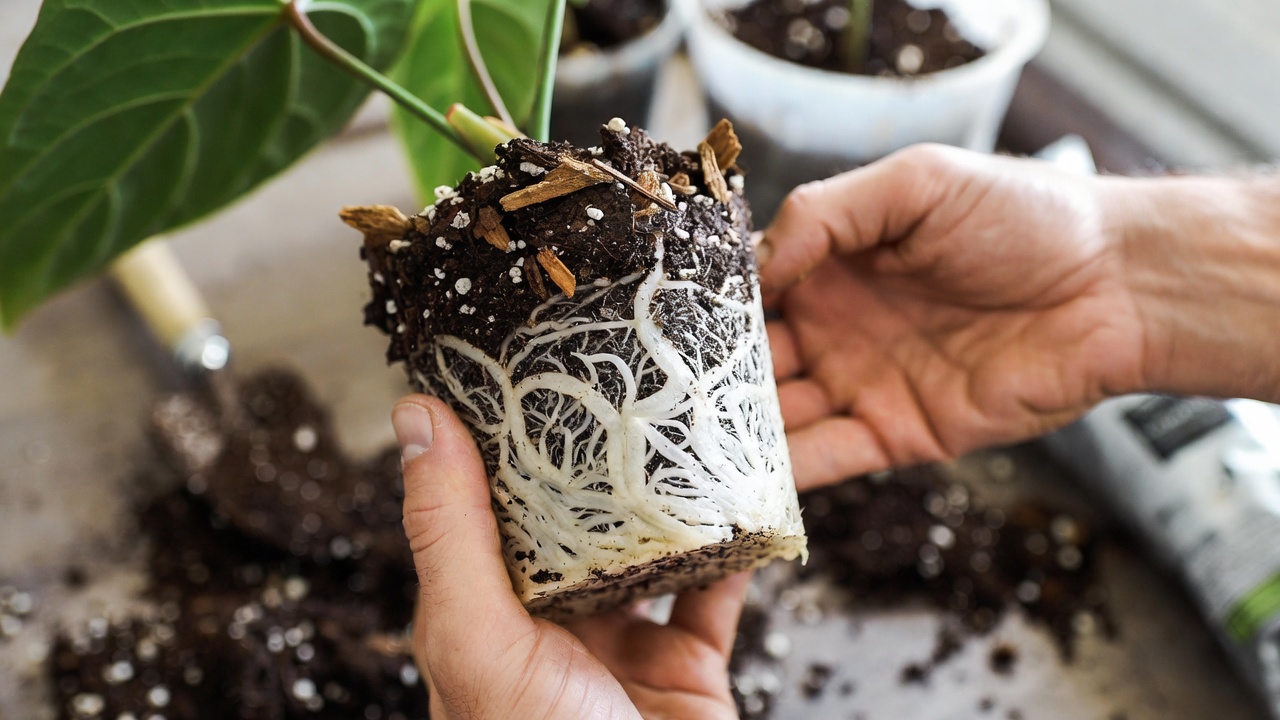
When to Repot
- Roots growing through drainage holes
- Soil compaction
- Slowed growth despite good care
Step-by-Step Repotting
- Prepare fresh chunky mix.
- Gently remove plant.
- Inspect and trim damaged roots.
- Place in slightly larger pot.
- Water lightly.
- Keep in stable light and humidity for 2–3 weeks.
Avoid fertilizing immediately after repotting.
Propagation: Can You Propagate Anthurium Veitchii?
Yes — through division.
Steps:
- Only divide mature plants with multiple growth points.
- Ensure each division has healthy roots.
- Maintain high humidity during recovery.
Seed propagation is rare and slow indoors.
Advanced Tips for Massive, Dramatic Leaves
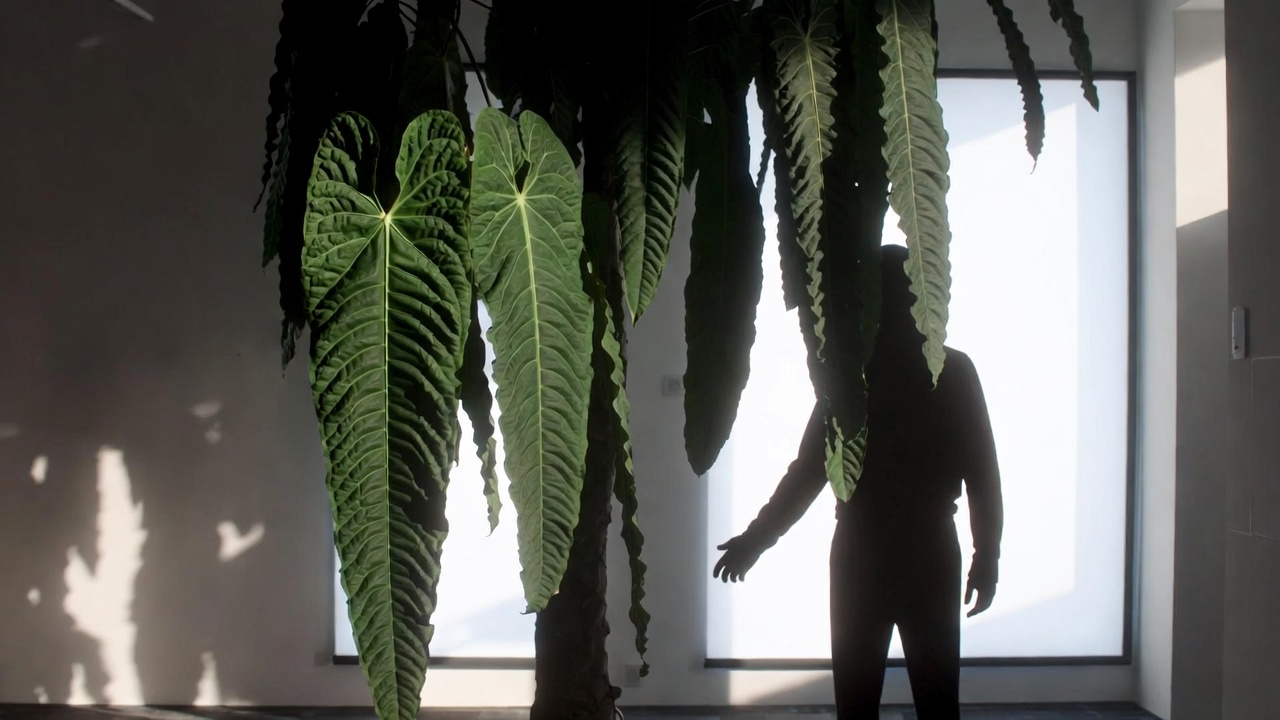
If your goal is giant foliage:
- Maximize indirect light
- Maintain 70% humidity
- Use consistent feeding
- Avoid frequent environmental changes
- Support leaves to prevent creasing
Mounted growing is possible but requires advanced humidity control.
Is Anthurium Veitchii Right for You?
Best suited for:
- Intermediate plant enthusiasts
- Collectors of rare aroids
- Growers willing to optimize humidity
Not ideal for:
- Very low-light homes
- Extremely dry climates without humidification
Quick Care Summary
| Factor | Recommendation |
|---|---|
| Light | Bright, indirect |
| Water | Slightly moist, never soggy |
| Humidity | 60–80% |
| Soil | Chunky, airy aroid mix |
| Temperature | 65–80°F |
| Fertilizer | Monthly during growing season |
| Difficulty | Moderate |
Frequently Asked Questions
How fast does Anthurium veitchii grow?
Slow to moderate. Expect a few new leaves per year indoors.
Why are my Anthurium veitchii leaves yellowing?
Usually overwatering or poor drainage.
Does Anthurium veitchii need high humidity?
Yes — growth improves significantly above 60%.
How big does it get indoors?
Typically 3–4 feet in leaf length under excellent conditions.
Is it toxic to pets?
Like most aroids, it contains calcium oxalate crystals and should be kept away from pets.
Final Thoughts: Growing a Thriving King Anthurium
Success with Anthurium veitchii comes down to three pillars:
- Bright indirect light
- Airy, well-draining substrate
- Consistent humidity and airflow
When you replicate its rainforest conditions indoors, this plant transforms from frustrating to extraordinary.
Give it stability, patience, and proper care — and your King Anthurium will reward you with some of the most breathtaking foliage in the indoor plant world.