Your cactus looks alive—but is it actually thriving?
Many indoor plant owners assume that cacti are “set-it-and-forget-it” plants that survive indefinitely on neglect. While cacti are famously hardy, this misconception is one of the biggest reasons indoor cacti fail to grow, flower, or maintain long-term health. The truth is simple but often overlooked: indoor cacti need proper nutrition, and that’s where cactus fertilizer becomes essential.
Within the first year indoors, most potted cacti exhaust the limited nutrients in their soil. Without replenishment, growth stalls, color fades, roots weaken, and flowering becomes unlikely. The right cactus fertilizer—used correctly—can reverse these problems and dramatically improve your plant’s health without risking overfeeding.
In this comprehensive guide, you’ll learn exactly when, how, and what to use when fertilizing indoor cacti. This article is based on horticultural best practices, real-world indoor growing experience, and proven plant care principles—so you can fertilize with confidence, not guesswork.
What Is Cactus Fertilizer and Why It Matters for Indoor Plants
Cactus fertilizer is a specialized plant fertilizer formulated to meet the unique nutritional needs of cacti and succulents. Unlike typical houseplants, cacti evolved in nutrient-poor environments where excess nitrogen can cause weak, unnatural growth.
Why Indoor Cacti Are Different From Outdoor Cacti
In nature, cacti:
-
Grow slowly in mineral-rich but nutrient-scarce soil
-
Receive nutrients gradually from decomposing organic matter
-
Experience natural seasonal cycles that regulate growth
Indoors, however:
-
Pots contain limited soil volume
-
Nutrients are quickly depleted through watering
-
Growth depends entirely on what you provide
This makes cactus fertilizer not optional but necessary for long-term indoor cactus care.
Essential Nutrients Cacti Actually Need
Understanding nutrients helps you choose the right fertilizer instead of relying on marketing claims.
Nitrogen (N): Controlled Growth
-
Supports new tissue development
-
Too much causes stretching and weak stems
-
Must be kept low for indoor cacti
Phosphorus (P): Roots and Flowers
-
Encourages strong root systems
-
Essential for blooming
-
Especially important for flowering cacti
Potassium (K): Overall Health
-
Improves disease resistance
-
Helps regulate water balance
-
Supports stress tolerance in indoor conditions
Micronutrients: Small but Critical
-
Calcium, magnesium, iron, zinc, and manganese
-
Prevent deformities and discoloration
-
Often missing in depleted potting soil
A balanced cactus fertilizer delivers controlled macronutrients plus trace elements—without overwhelming the plant.
Signs Your Indoor Cactus Needs Fertilizer
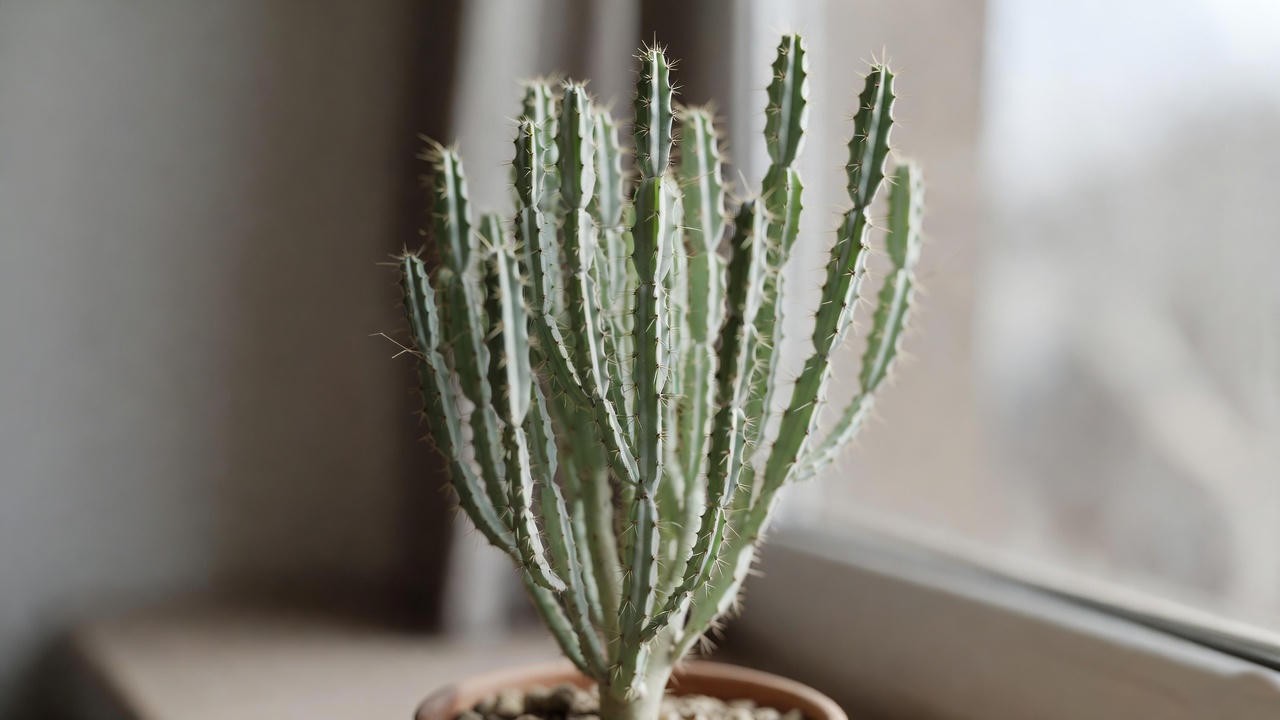
Cacti rarely fail overnight. Nutrient deficiencies develop slowly, making them easy to miss unless you know what to look for.
Common Signs of Nutrient Deficiency
-
Stunted or no growth during spring and summer
-
Pale green or yellowing color
-
Thin pads or weak segments
-
Reduced spine production
-
Failure to flower year after year
-
Shrinking or wrinkling despite proper watering
These symptoms are especially common in cacti that haven’t been repotted or fertilized for over a year.
When Fertilizer Is Not the Problem
Not every struggling cactus needs fertilizer. Misdiagnosis leads to overfeeding, which is far more dangerous.
Fertilizer is not the solution if:
-
The cactus is dormant (late fall to winter)
-
Light levels are insufficient
-
Roots are damaged by overwatering
-
The plant was recently repotted in fresh soil
An expert approach always evaluates light, water, temperature, and soil before adding nutrients.
Types of Cactus Fertilizer (Pros, Cons, and Best Uses)
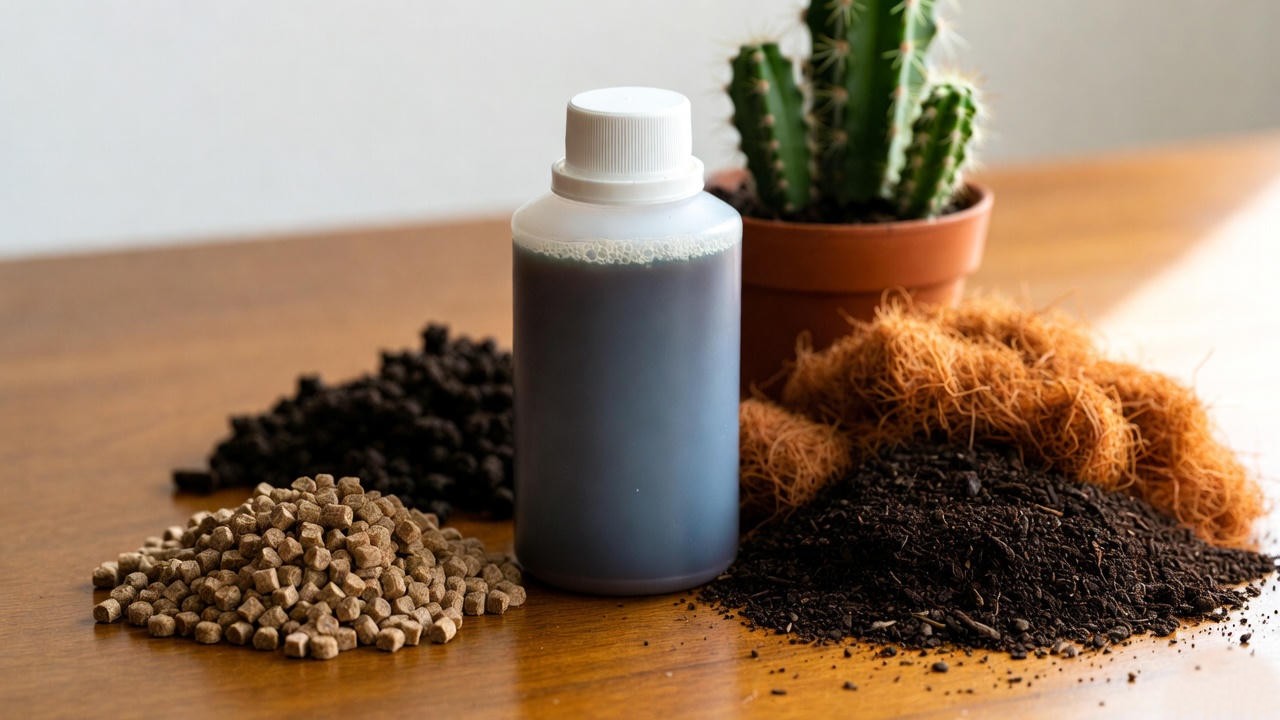
Choosing the right cactus fertilizer depends on your experience level, plant type, and growing environment.
Liquid Cactus Fertilizer
Best choice for most indoor growers
Pros
-
Easy to dilute precisely
-
Fast nutrient absorption
-
Allows full control over feeding strength
-
Ideal for container-grown cacti
Cons
-
Requires regular application
-
Overuse can happen if instructions are ignored
Granular and Slow-Release Fertilizers
Pros
-
Long-lasting nutrient supply
-
Convenient for busy plant owners
Cons
-
Hard to control dosage in small pots
-
Risk of salt buildup
-
Can burn roots indoors
These are better suited for outdoor or large container cacti rather than windowsill plants.
Organic vs Synthetic Cactus Fertilizers
Organic Options
-
Worm castings
-
Fish emulsion (highly diluted)
-
Compost teas (used sparingly)
Benefits:
-
Gentle nutrient release
-
Improves soil biology
Drawbacks:
-
Less precise nutrient ratios
-
Can smell or attract pests indoors
Synthetic Fertilizers
-
Precise NPK control
-
Clean and predictable results
-
Preferred by professional growers for indoor plants
Best NPK Ratio for Cactus Fertilizer (What Experts Recommend)
One of the most searched questions about cactus fertilizer is NPK ratios—and for good reason.
Ideal NPK Ratios for Indoor Cacti
-
5-10-5
-
10-10-10 (diluted)
-
2-7-7
-
1-7-6
The key principle:
👉 Lower nitrogen, balanced phosphorus and potassium
High nitrogen fertilizers encourage fast, weak growth that is prone to rot and collapse.
Fertilizer Needs by Cactus Category
Desert Cacti
-
Prefer very low nitrogen
-
Thrive with infrequent feeding
-
Examples: barrel cactus, golden cactus, saguaro (juveniles)
Jungle (Epiphytic) Cacti
-
Slightly higher nutrient needs
-
Benefit from more frequent feeding
-
Examples: Christmas cactus, Easter cactus, orchid cactus
Seedlings vs Mature Cacti
-
Seedlings require gentle, diluted feeding
-
Mature cacti need less frequent but consistent nutrition
When to Fertilize Indoor Cactus (Seasonal Guide)
Timing is just as important as fertilizer type.
Spring and Summer: Active Growth Phase
-
Fertilize once per month
-
Use diluted liquid cactus fertilizer
-
Water first, then fertilize
Signs fertilization is working:
-
New growth appears
-
Color deepens
-
Pads or stems thicken naturally
Fall and Winter: Dormancy Period
For most cacti:
-
Stop fertilizing completely
-
Growth slows or stops
-
Roots absorb nutrients poorly
Fertilizing during dormancy can cause:
-
Root burn
-
Salt buildup
-
Weak, distorted growth
Exception: Tropical cacti kept in warm, bright indoor conditions may need very light feeding.
How to Fertilize a Cactus Correctly (Step-by-Step)
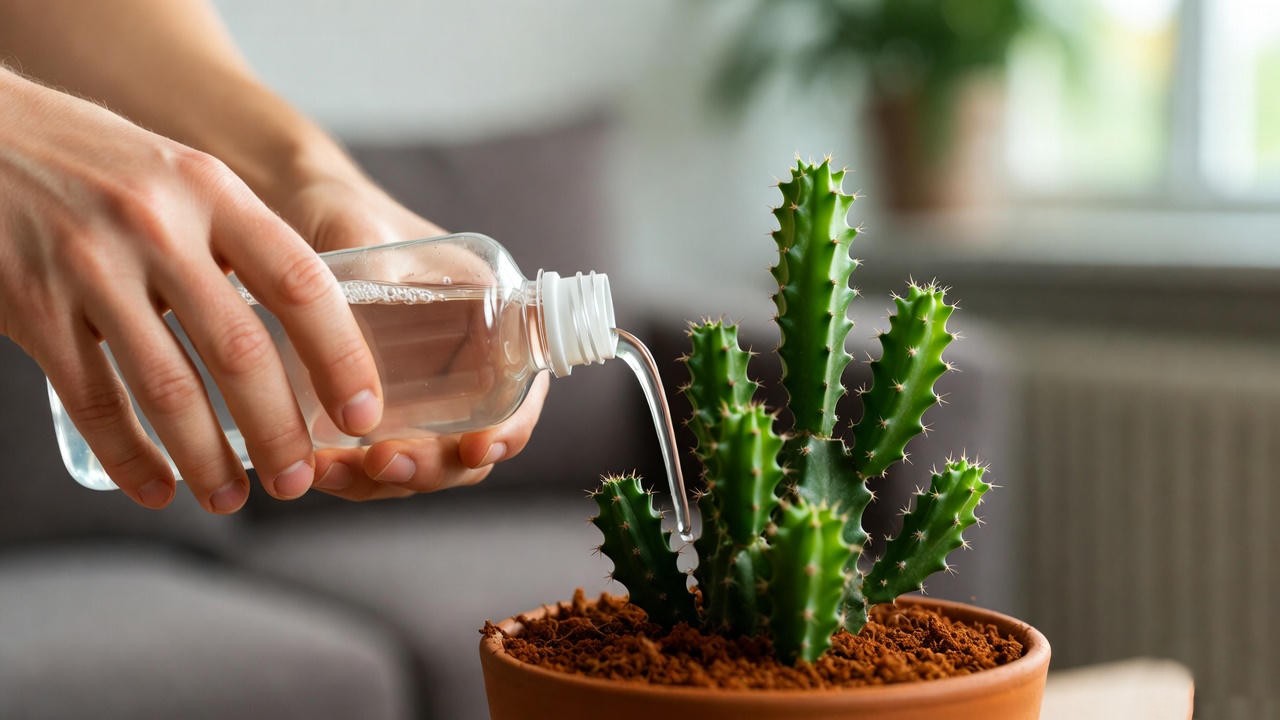
This step-by-step method reflects professional indoor growing practices.
-
Water the cactus first
Never fertilize dry soil—this prevents root burn. -
Dilute the fertilizer properly
Use ½ to ¼ the recommended strength. -
Apply evenly to the soil
Avoid contact with the cactus body. -
Allow excess water to drain
Never let the pot sit in runoff. -
Resume normal care
Observe the plant over the next 2–4 weeks.
Common Fertilizing Mistakes That Kill Cacti
-
Using full-strength fertilizer
-
Fertilizing too often
-
Feeding during dormancy
-
Applying fertilizer to stressed or dehydrated plants
Cactus Fertilizer for Flowering and Bloom Promotion
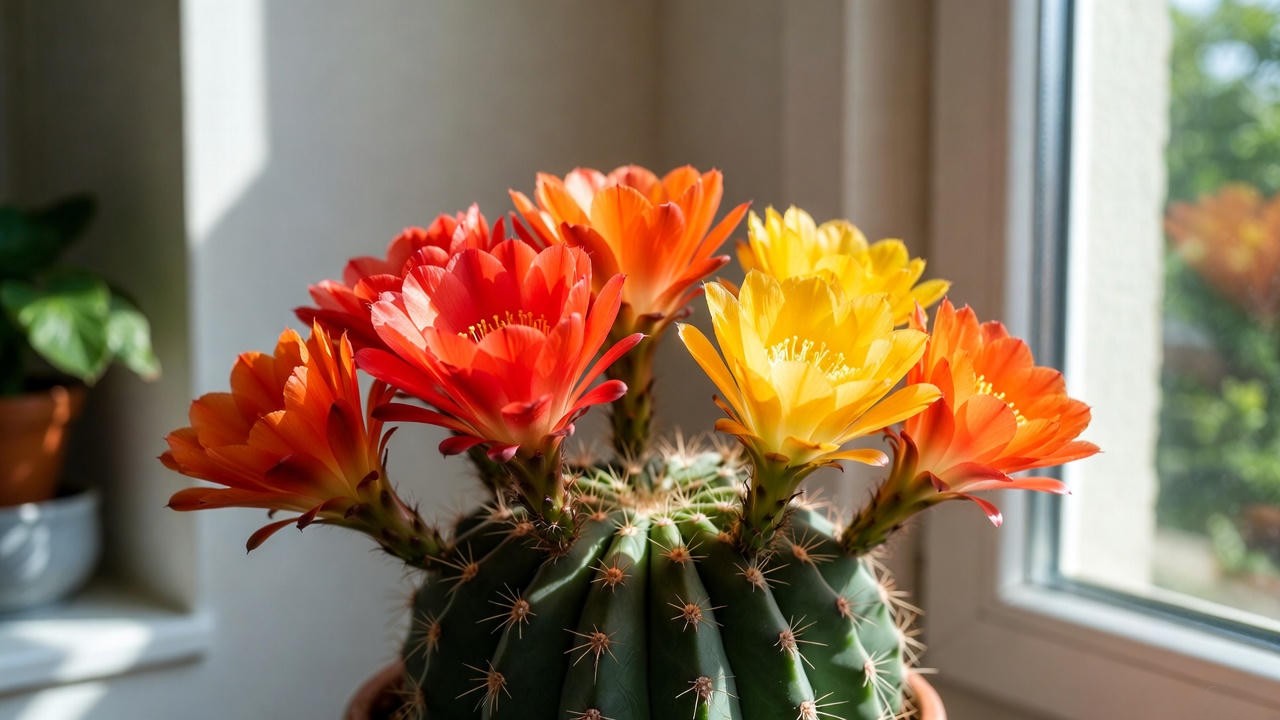
Many indoor cacti fail to bloom—not because they “can’t,” but because they’re missing key conditions.
Fertilizer plays a supporting role, not a standalone solution.
Key factors for flowering:
-
Correct light intensity
-
Proper temperature cycles
-
Balanced phosphorus levels
-
Seasonal rest period
A phosphorus-rich cactus fertilizer during the growing season helps support bud formation, especially in mature plants.
Special Considerations for Flowering Indoor Cactus
Christmas and Holiday Cacti
-
Prefer slightly higher nutrient availability
-
Respond well to monthly feeding during active growth
-
Require darkness cycles to trigger blooms
Homemade and DIY Cactus Fertilizer (Safe or Risky?)
DIY cactus fertilizer is popular online—but not always safe.
Common DIY Options Reviewed
-
Diluted worm tea (safe, mild)
-
Fish emulsion (only heavily diluted)
-
Compost tea (limited indoor use)
DIY Fertilizers to Avoid
-
Coffee grounds (acid imbalance)
-
Eggshell water (ineffective calcium delivery)
-
Banana water (encourages pests)
Expert recommendation: Use DIY fertilizers only if you understand nutrient balance. Otherwise, stick to commercial cactus fertilizer.
Repotting, Soil, and Fertilizer: How They Work Together
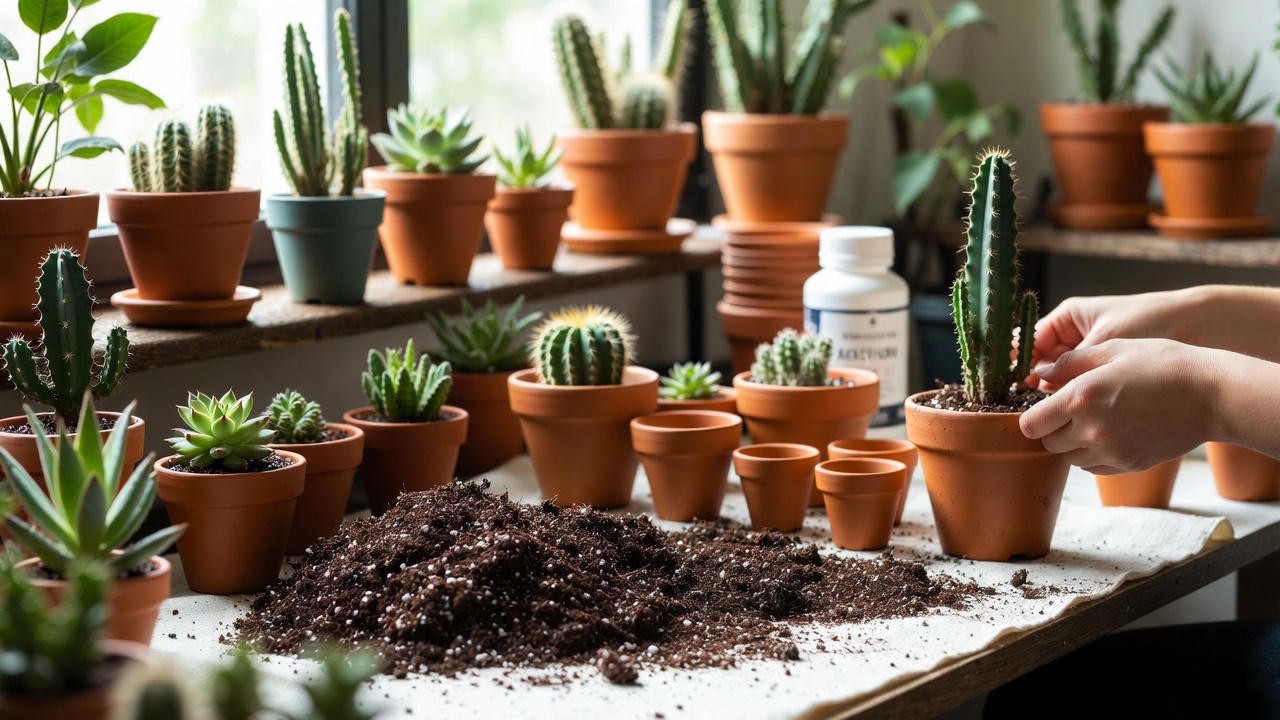
Fertilizer cannot fix poor soil.
Healthy indoor cacti require:
-
Fast-draining cactus soil mix
-
Mineral components (perlite, pumice, sand)
-
Repotting every 2–3 years
Fresh soil often provides enough nutrients for several months—delay fertilizing after repotting.
Expert Tips for Long-Term Indoor Cactus Health
-
Less fertilizer is better than more
-
Match feeding to light levels
-
Observe growth patterns instead of rigid schedules
-
Keep a simple care log
-
Flush soil occasionally to prevent salt buildup
Frequently Asked Questions About Cactus Fertilizer
Do indoor cacti really need fertilizer?
Yes. Indoor pots lack natural nutrient replenishment.
Can I use regular houseplant fertilizer on cacti?
Only if diluted significantly and used sparingly.
How often should I fertilize a cactus indoors?
Once per month during active growth.
What happens if I overfertilize a cactus?
Root burn, salt buildup, weak growth, and rot.
Is cactus fertilizer safe for succulents?
Yes—most succulents have similar nutrient needs.
Should I fertilize newly repotted cacti?
No. Wait at least 4–6 weeks.
Final Thoughts: Choosing the Right Cactus Fertilizer With Confidence
Cactus fertilizer is not about forcing growth—it’s about supporting natural, healthy development in an artificial indoor environment. When used correctly, it strengthens roots, improves color, and increases the likelihood of flowering without compromising plant health.
With the guidance in this article, you can fertilize your indoor cactus confidently, avoid common mistakes, and enjoy a healthier, longer-living plant.