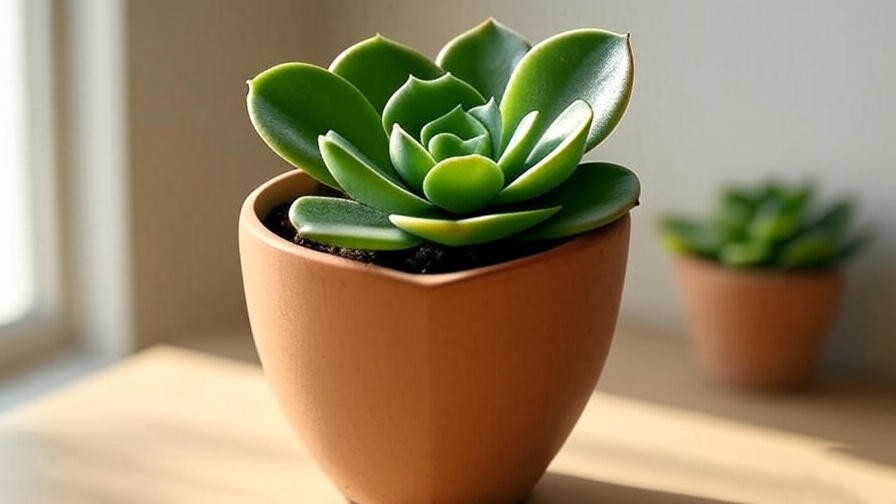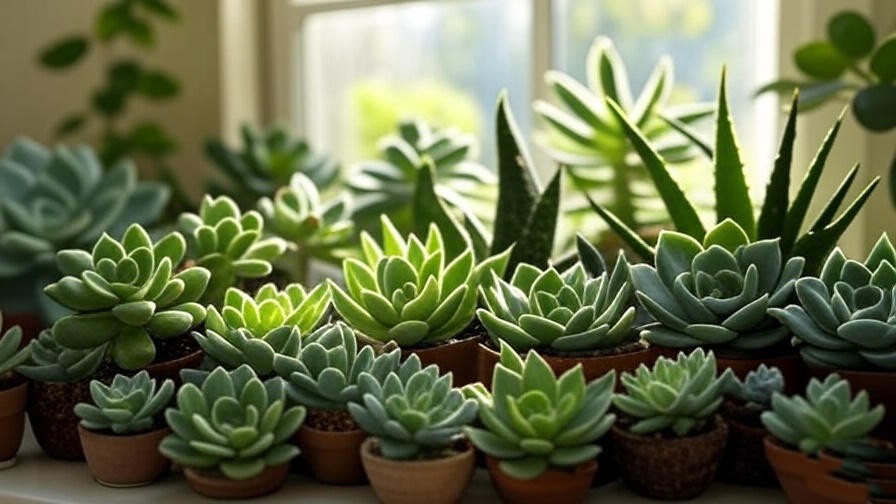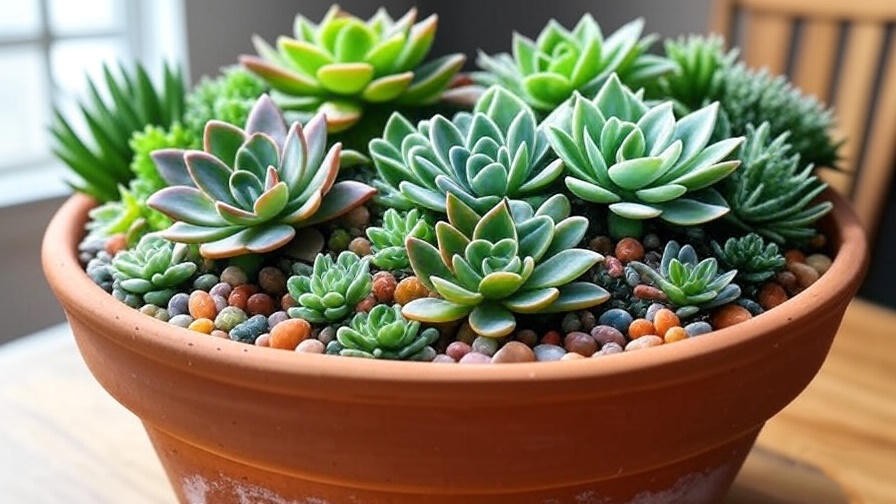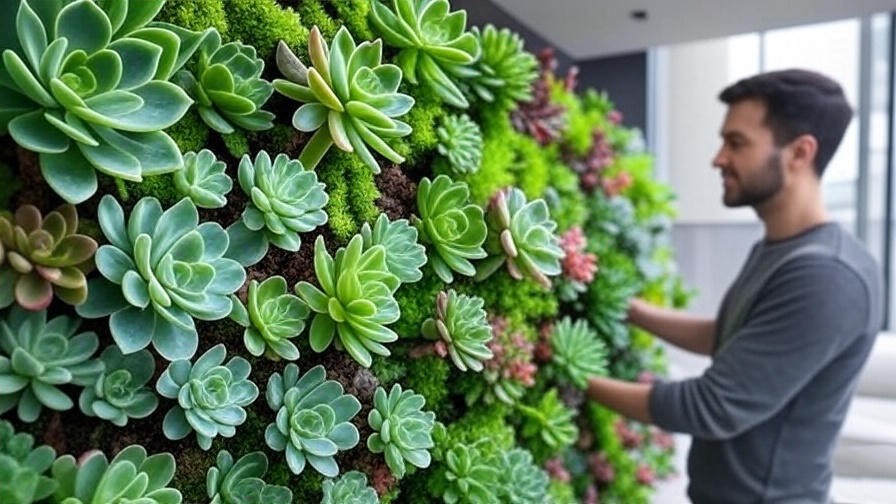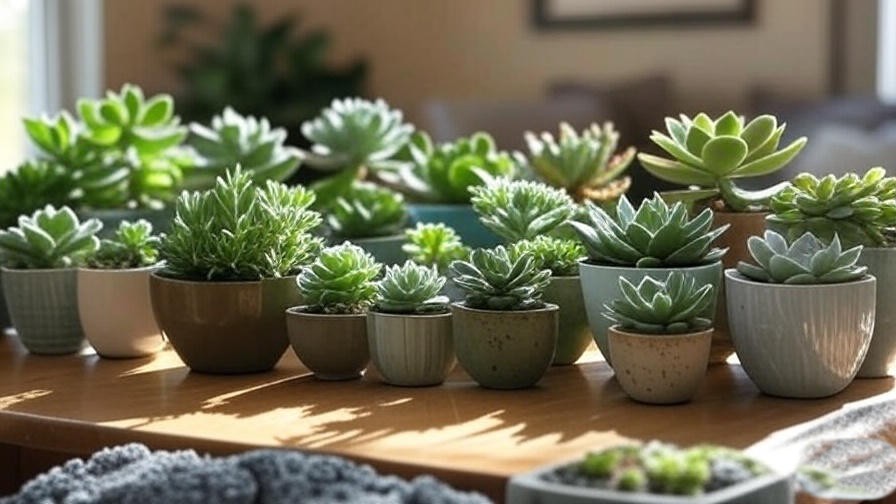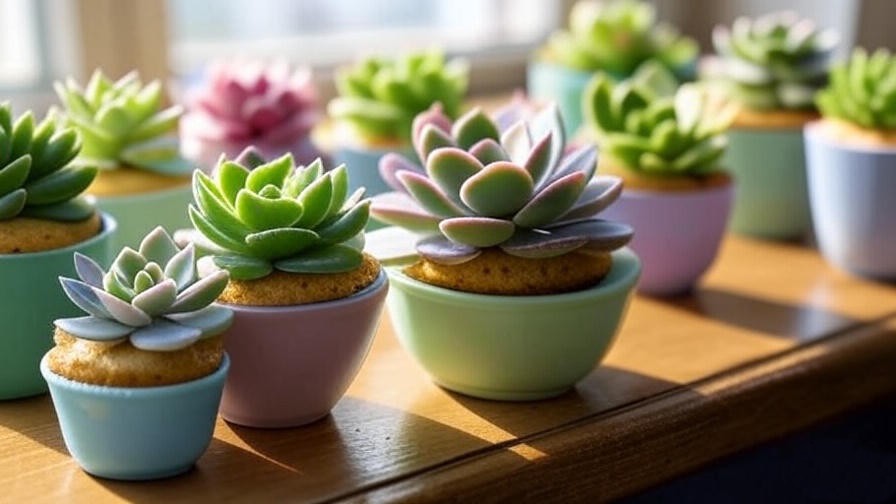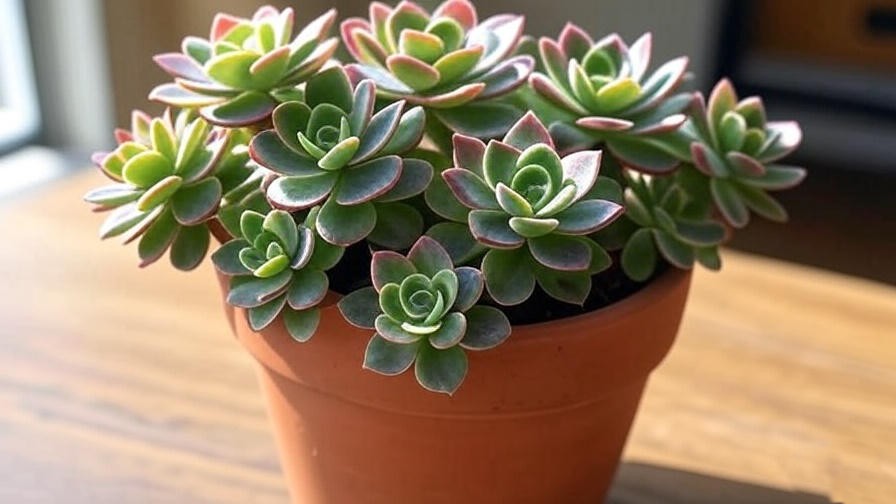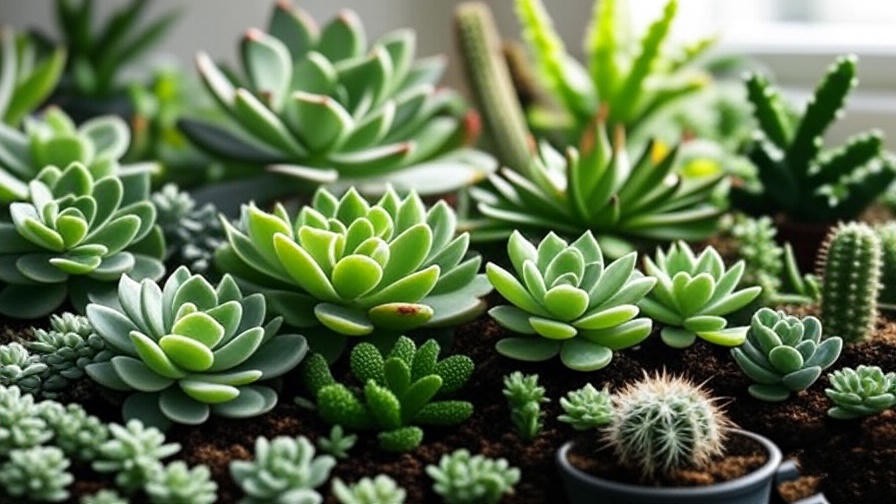
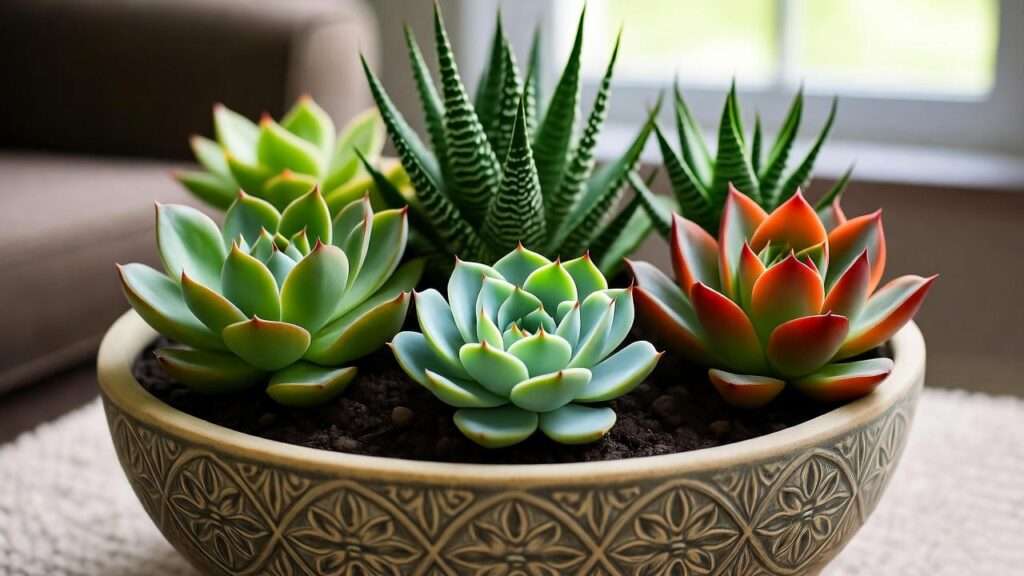
Imagine a vibrant succulent bowl bursting with jewel-toned rosettes, nestled in a chic ceramic dish on your coffee table, instantly elevating your home’s ambiance. Whether you’re a busy professional craving low-maintenance greenery or a plant enthusiast seeking a creative project, a succulent bowl is the perfect way to bring nature indoors. These compact, eye-catching arrangements are not only stunning but also forgiving, thriving with minimal care. In this comprehensive guide, crafted with insights from years of indoor plant expertise, we’ll walk you through creating and maintaining a thriving succulent bowl. From choosing the right container to troubleshooting common issues, you’ll gain practical, expert-backed tips to craft a display that’s both beautiful and sustainable.
What Is a Succulent Bowl and Why Choose One?
Defining the Succulent Bowl
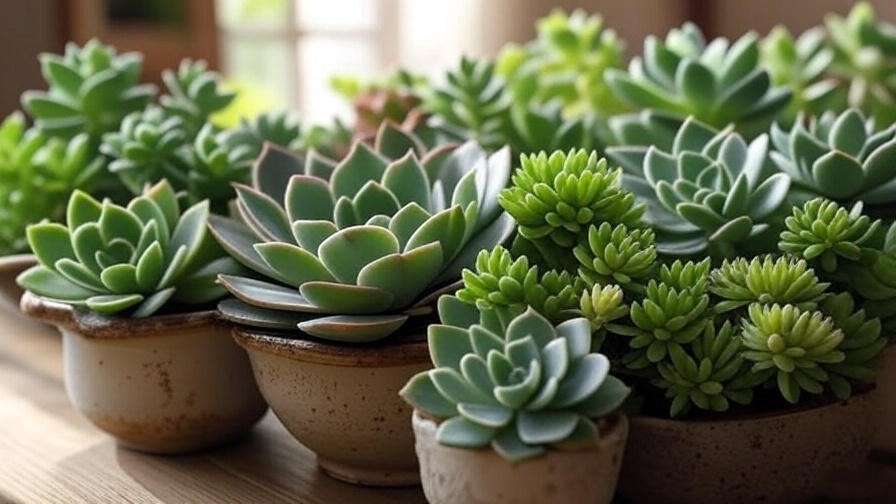
A succulent bowl is a shallow container filled with a curated selection of succulents—those fleshy, water-storing plants known for their resilience and striking forms. Unlike traditional potted plants, succulent bowls are designed for visual impact, combining various species to create a miniature garden. Perfect for tabletops, windowsills, or office desks, they’re a versatile addition to any indoor space. Their shallow depth accommodates the compact root systems of succulents, making them ideal for small apartments or cozy corners.
Benefits of Succulent Bowls for Indoor Spaces
Succulent bowls are a favorite among indoor plant lovers for several reasons:
- Low Maintenance: Succulents require infrequent watering, making them perfect for beginners or those with busy schedules.
- Aesthetic Versatility: With endless shapes, textures, and colors, they add a modern, artistic touch to any decor.
- Space-Efficient: Their compact size fits perfectly in small spaces, from studio apartments to office cubicles.
- Stress Relief: Studies, like those from the University of Reading, show that indoor plants can reduce stress and boost mood, and succulent bowls deliver this benefit with minimal effort.
Choosing the Perfect Succulent Bowl

Selecting the Right Container
The foundation of a great succulent bowl is the container. Here’s what to consider:
- Material: Ceramic bowls offer a polished look, while terracotta provides breathability. Glass adds elegance but requires careful watering to avoid root rot. Wooden containers can work if lined properly.
- Size and Shape: Opt for a shallow bowl (2-4 inches deep) to suit succulent roots. Round or oval shapes are popular, but rectangular trays can create a modern look.
- Drainage: Drainage holes are ideal to prevent water buildup. If your bowl lacks holes, add a layer of pebbles or activated charcoal to manage excess moisture.
Tip: A 10-12 inch diameter bowl is a great starting size for beginners, offering enough space for 5-7 small succulents.
Picking the Best Succulents
Choosing the right succulents ensures a cohesive and thriving display. Consider these factors:
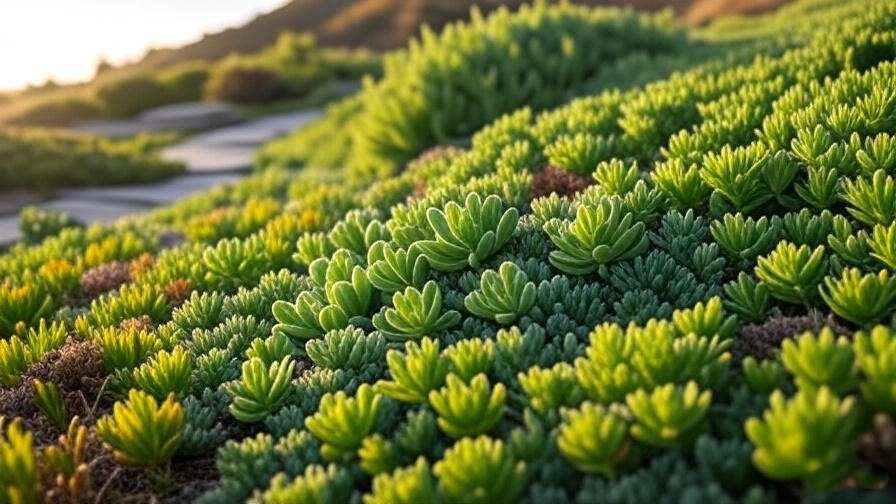
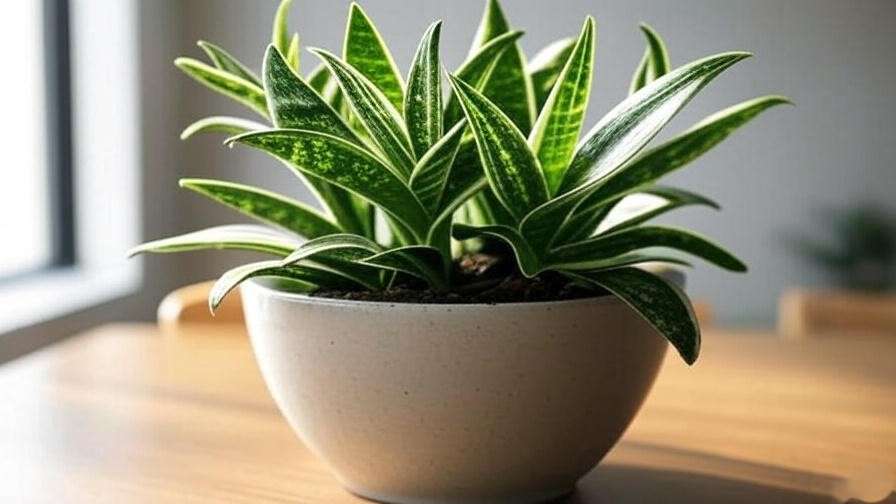
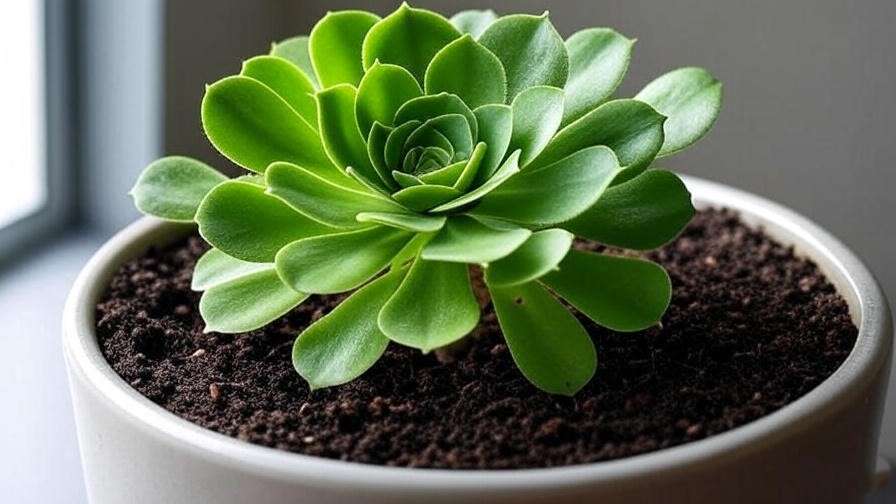
- Varieties: Popular choices include Echeveria (rosette-shaped, vibrant colors), Haworthia (compact, translucent leaves), Sedum (trailing or clustered growth), and Aloe (bold, spiky forms).
- Textures and Colors: Mix rosettes with trailing or spiky varieties for visual interest. Combine green, purple, and blue hues for a dynamic look.
- Compatibility: Select succulents with similar needs—most prefer bright, indirect light and infrequent watering.
| Succulent Type | Growth Rate | Light Needs | Water Frequency | Unique Feature |
|---|---|---|---|---|
| Echeveria | Moderate | Bright, indirect | Every 10-14 days | Rosette shape |
| Haworthia | Slow | Low to bright | Every 14-21 days | Translucent leaves |
| Sedum | Fast | Bright, indirect | Every 10-14 days | Trailing growth |
| Aloe | Moderate | Bright, direct | Every 14-21 days | Medicinal properties |
| Sempervivum | Slow | Bright, indirect | Every 10-14 days | Cold-hardy |
| Crassula | Moderate | Bright, indirect | Every 10-14 days | Jade-like leaves |
Step-by-Step Guide to Creating Your Succulent Bowl

Step 1: Gathering Your Supplies
Before you start, gather these essentials:
- Container: A shallow bowl with or without drainage holes.
- Succulents: 5-7 plants for a balanced arrangement.
- Soil: Cactus or succulent potting mix blended with perlite or coarse sand (2:1 ratio for drainage).
- Decorative Elements: Pebbles, moss, or small crystals for aesthetic flair.
- Tools: Trowel, gloves, and a small brush for cleaning.
Pro Tip: Purchase soil and succulents from reputable nurseries or online retailers like Mountain Crest Gardens for quality assurance.
Step 2: Preparing the Container
- Clean the Bowl: Wash and dry the container to remove dust or bacteria.
- Add Drainage Layer: Place a 1-inch layer of pebbles or activated charcoal at the bottom to manage moisture, especially in non-draining bowls.
- Fill with Soil: Add a 2-3 inch layer of succulent potting mix, leaving room for plants.
Step 3: Arranging Your Succulents
Creating a visually appealing arrangement requires planning:
- Focal Point: Place a larger or more vibrant succulent (e.g., Echeveria ‘Lola’) in the center or slightly off-center.
- Height Variation: Add taller or trailing succulents (e.g., Sedum morganianum) around the edges.
- Color Balance: Alternate colors (e.g., green Haworthia with purple Echeveria) for contrast.
- Planting: Dig small holes, place roots gently, and secure with soil. Avoid overcrowding—leave 1-2 inches between plants.
Step 4: Adding Decorative Elements
Enhance your bowl with these touches:
- Toppers: Sprinkle pebbles, river rocks, or colored glass for texture.
- Natural Accents: Add preserved moss or small driftwood pieces for a rustic vibe.
- Balance: Ensure decorations don’t overwhelm the plants or block light.
Example: A coastal-themed succulent bowl might feature white pebbles, blue-tinted Echeveria, and a small seashell accent.
Caring for Your Succulent Bowl
Watering the Right Way
Succulents thrive on minimal water, but precision is key:
- Method: Use the soak-and-dry approach—water thoroughly until it drains (or absorbs in non-draining bowls), then let the soil dry completely.
- Frequency: Water every 10-14 days, adjusting based on climate and humidity.
- Signs to Watch:
- Overwatering: Yellowing, mushy leaves.
- Underwatering: Wrinkled, shriveled leaves.
Expert Tip: Use a narrow-spout watering can or spray bottle to target the soil, avoiding water on leaves.
Light and Temperature Needs
- Light: Most succulents need 6-8 hours of bright, indirect sunlight daily. A south- or west-facing windowsill is ideal.
- Low-Light Solutions: If natural light is limited, use a full-spectrum grow light (10-12 hours daily).
- Temperature: Maintain 60-80°F (15-27°C). Protect from drafts or extreme heat.
Maintenance Tips
- Pruning: Remove dead or yellowing leaves with clean scissors to prevent rot.
- Rotation: Rotate the bowl every 1-2 weeks for even light exposure.
- Repotting: Refresh soil or repot every 1-2 years to maintain nutrient levels.
Troubleshooting Common Succulent Bowl Problems

Overwatering Issues
Overwatering is the top cause of succulent failure:
- Symptoms: Soft, mushy stems or yellowing leaves.
- Solutions: Reduce watering frequency, ensure proper drainage, and remove affected plants to prevent rot spread.
Pest and Disease Management
- Common Pests: Mealybugs (white, cottony spots), aphids, or spider mites.
- Solutions: Wipe with a cotton swab dipped in 70% isopropyl alcohol or apply neem oil weekly until pests are gone.
- Prevention: Inspect new plants before adding them to your bowl.
Leggy or Stretched Succulents
- Cause: Insufficient light causes succulents to stretch toward light sources.
- Fixes: Move to a brighter location or supplement with a grow light. Trim leggy stems and propagate cuttings.
Checklist:
- Yellow leaves? Check watering habits.
- Stretching plants? Increase light exposure.
- White spots? Inspect for pests immediately.
Creative Ideas to Elevate Your Succulent Bowl

Themed Designs
Transform your succulent bowl into a work of art by embracing a theme that reflects your style or the season. Here are a few ideas to inspire you:
- Desert Oasis: Use sand-colored pebbles, a mix of Echeveria and Aloe, and a small cactus for a rugged, arid look. Add a tiny clay pot as a focal point for authenticity.
- Coastal Vibe: Pair pale blue Echeveria with white seashells and driftwood. Use light-colored gravel to mimic sandy beaches.
- Minimalist Monochrome: Choose succulents in shades of green (Haworthia or Sedum) and place them in a sleek, white ceramic bowl for a clean, modern aesthetic.
- Holiday Cheer: For festive seasons, incorporate red and green succulents like Crassula ovata (Jade Plant) with tiny ornaments or fairy lights for a Christmas-inspired display.
Example: For a winter-themed succulent bowl, combine Sempervivum (cold-hardy hens and chicks) with white pebbles and a dusting of faux snow for a cozy, seasonal centerpiece.
Pairing with Other Indoor Plants
While succulents shine on their own, pairing them with compatible plants can enhance your display:
- Air Plants: Their wispy, low-maintenance nature complements succulents without competing for space.
- Small Cacti: A single dwarf cactus, like Echinopsis, adds height and texture without overwhelming the bowl.
- Avoid Incompatible Plants: Steer clear of high-water plants like ferns or calatheas, as they’ll disrupt the dry conditions succulents need.
Displaying Your Succulent Bowl
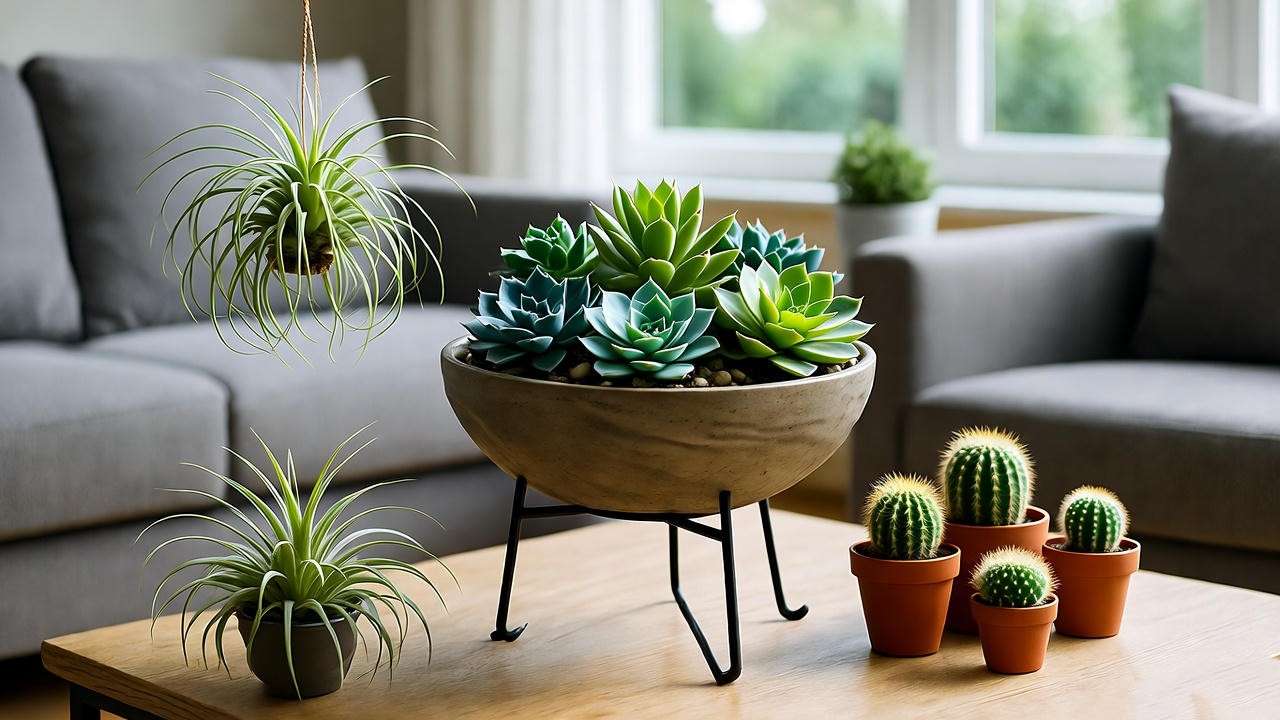
The right placement can make your succulent bowl a showstopper:
- Coffee Tables: Position centrally for a bold statement or off to one side with books and candles for a curated look.
- Windowsills: Ideal for maximizing natural light while showcasing vibrant colors.
- Shelves: Use a decorative stand or tray to elevate the bowl and add dimension to your space.
- Lighting Accents: Place near a soft LED lamp to highlight textures at night.
Sustainable Practices for Succulent Bowl Care

Eco-Friendly Container Choices
Sustainability starts with your container choice:
- Upcycled Materials: Repurpose vintage bowls, thrifted ceramics, or even cracked teacups for a unique, eco-conscious look.
- Recycled Options: Look for containers made from recycled glass or reclaimed wood at local markets or sustainable retailers.
- DIY Ideas: Create a bowl from hypertufa (a lightweight, porous material) for a rustic, eco-friendly vibe.
Expert Insight: According to a 2023 study by the Royal Horticultural Society, using upcycled containers reduces the environmental footprint of indoor gardening by up to 30%.
Propagating Succulents
Propagation is a rewarding, sustainable way to expand your succulent collection:
- From Leaves: Gently twist a healthy leaf from the stem, let it callous for 1-2 days, and place on moist soil. Roots will form within 2-4 weeks.
- From Cuttings: Snip a healthy stem, let it dry for a day, and plant in well-draining soil.
- Benefits: Propagation is cost-effective, reduces the need to buy new plants, and fosters a deeper connection to your garden.
Tip: Use propagated succulents to create mini bowls as thoughtful, eco-friendly gifts.
Water Conservation
Succulents are naturally water-efficient, but you can take it further:
- Collect Rainwater: Use a small container to gather rainwater for watering, reducing tap water use.
- Reuse Excess Water: If your bowl has drainage, collect runoff in a tray and reuse it for other drought-tolerant plants.
- Minimal Watering: Stick to the soak-and-dry method to avoid waste.
Fact: Succulents use up to 80% less water than traditional houseplants, making them a top choice for eco-conscious gardeners, per the University of California’s agriculture extension.
FAQs About Succulent Bowls
Q1: How often should I water my succulent bowl?
A: Water every 10-14 days using the soak-and-dry method. Ensure the soil is completely dry before watering again to prevent root rot.
Q2: Can I use a bowl without drainage holes?
A: Yes, but add a layer of pebbles or activated charcoal to manage moisture. Water sparingly to avoid buildup.
Q3: What’s the best soil mix for succulent bowls?
A: Use a cactus or succulent potting mix with perlite or coarse sand (2:1 ratio) for optimal drainage and aeration.
Q4: Why are my succulents dying despite proper care?
A: Common culprits include overwatering, insufficient light, or pests. Check for mushy leaves (overwatering), stretching (low light), or white spots (pests) and adjust care accordingly.
Q5: How do I propagate succulents from my bowl?
A: Remove a healthy leaf or stem, let it callous for 1-2 days, and place on moist soil. Keep in bright, indirect light until roots form.
Conclusion
Creating a stunning succulent bowl is a delightful way to bring low-maintenance greenery into your home. With their vibrant colors, unique textures, and forgiving nature, succulent bowls offer endless possibilities for creativity and style. Whether you’re crafting a desert-inspired masterpiece or a minimalist display, this guide has equipped you with expert tips to design, care for, and troubleshoot your arrangement. Start your succulent bowl journey today, and share your creations with fellow plant lovers in online communities or social media. For ongoing support, consider joining a local plant club or exploring resources from trusted sources like the Royal Horticultural Society.