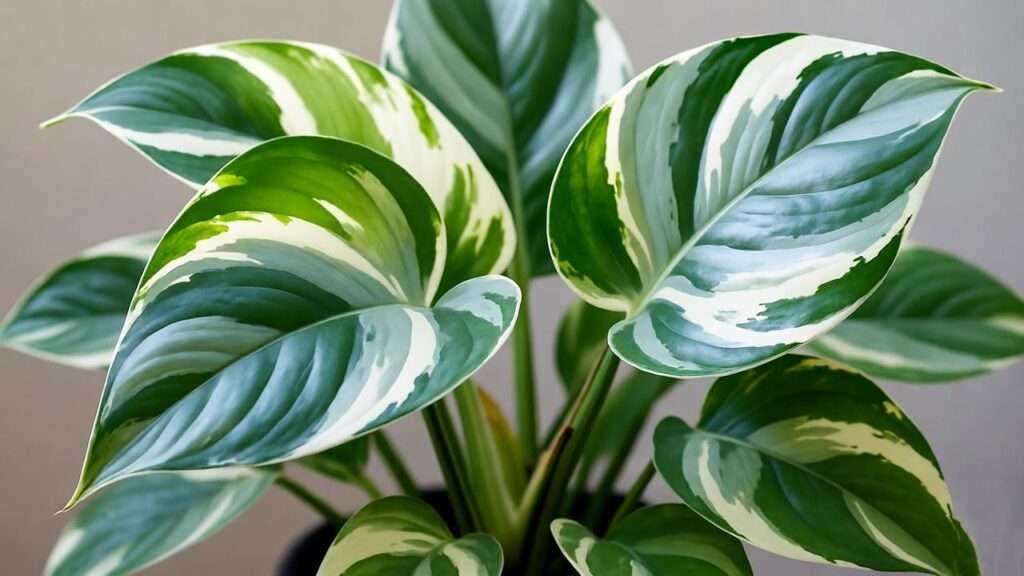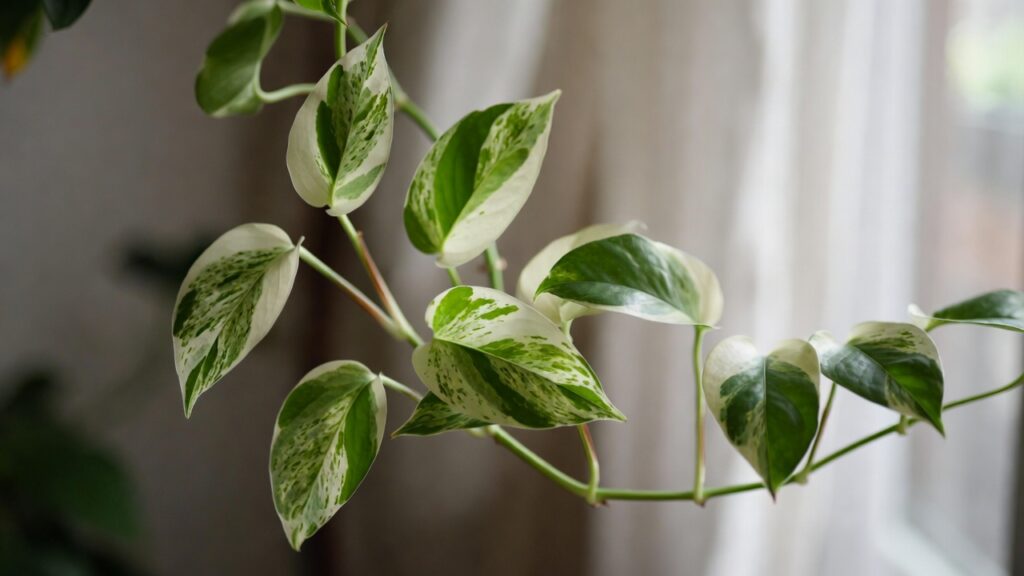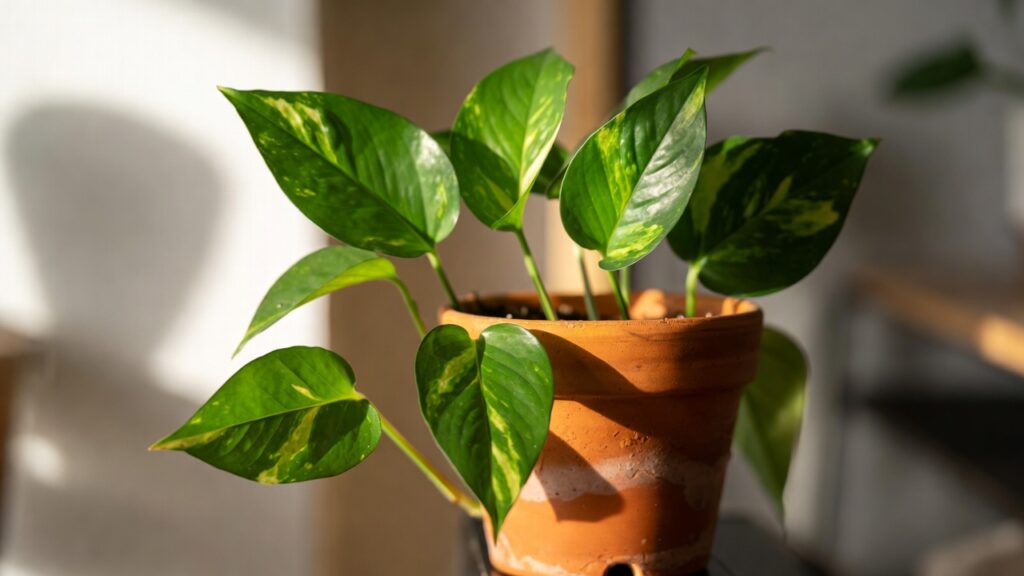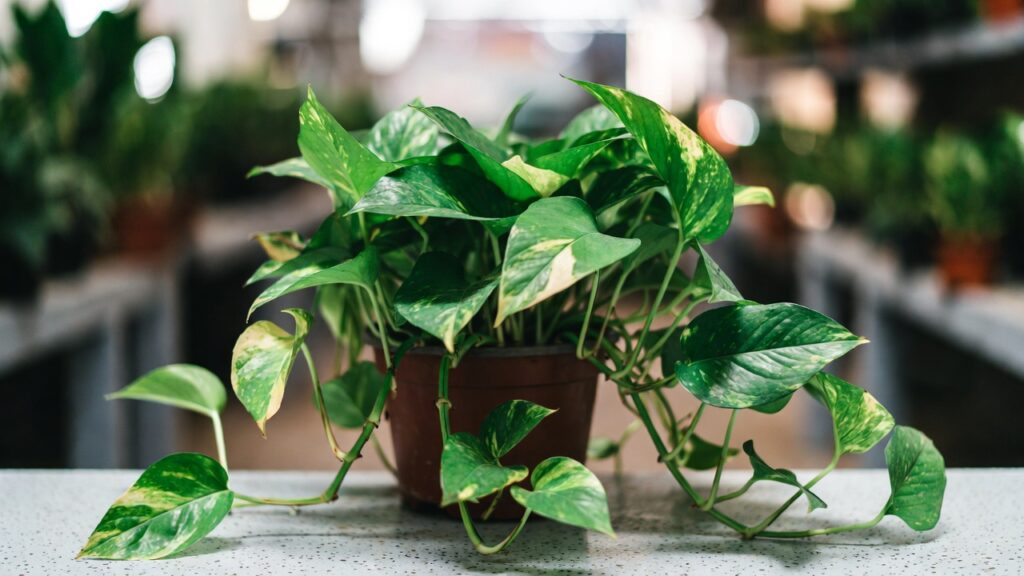
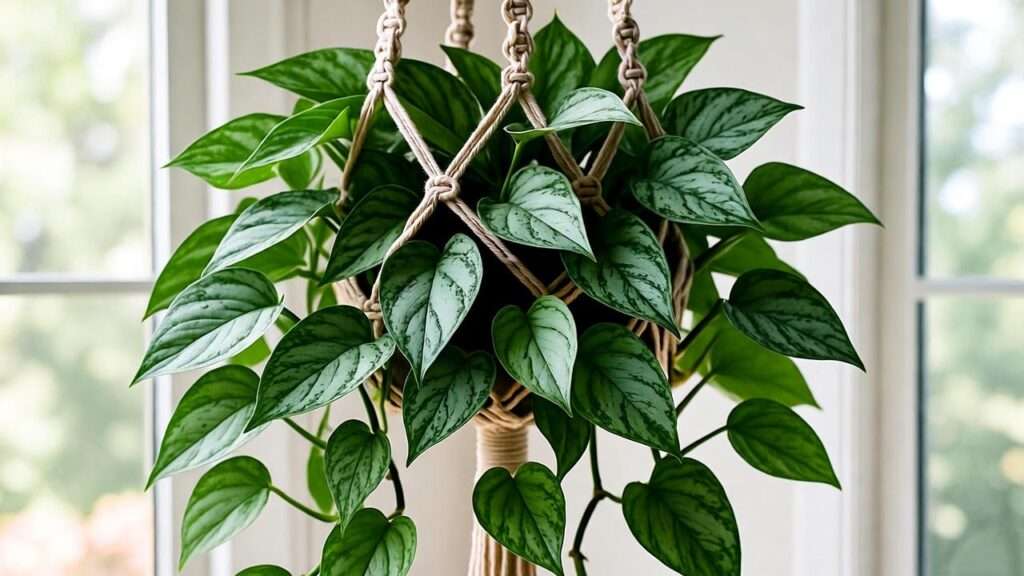
Imagine walking into your living room, greeted by the lush, silvery-green vines of a silver pothos cascading from a shelf, instantly elevating your space with its vibrant, heart-shaped leaves. Now, picture the disappointment when those leaves start yellowing or drooping, leaving you wondering where you went wrong. The silver pothos, or Scindapsus pictus, is a beloved indoor plant, cherished for its striking variegation and low-maintenance charm. Whether you’re a seasoned plant parent or a beginner, keeping this beauty thriving can feel tricky without the right know-how. In this comprehensive guide, I’ll share seven expert-backed tips to ensure your silver pothos flourishes, drawing on my 12 years as a horticulturist specializing in indoor plants. From lighting to propagation, you’ll learn everything needed to transform your silver pothos into a stunning, healthy centerpiece for your home.
Understanding the Silver Pothos
What Makes the Silver Pothos Special?
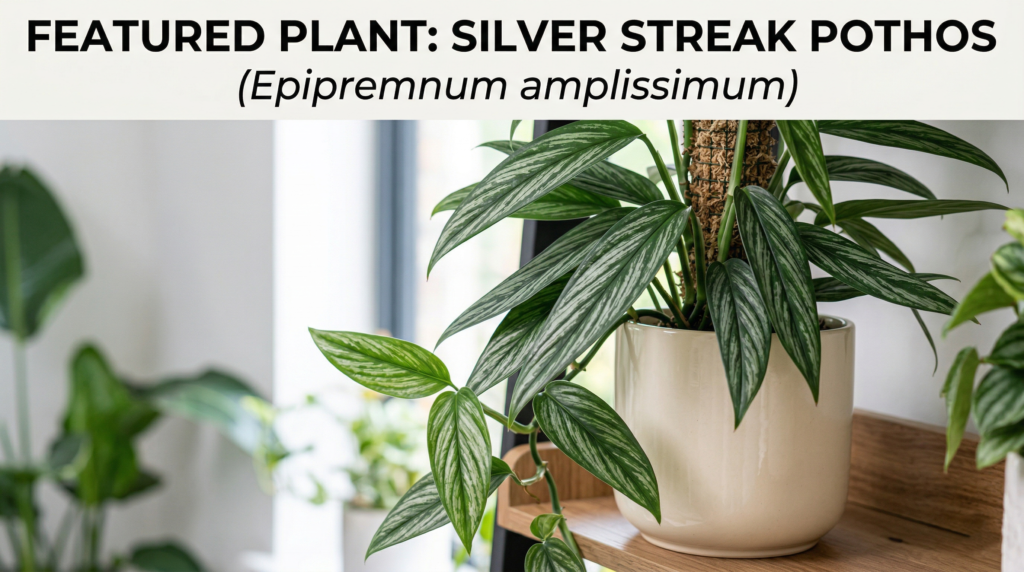
The silver pothos, scientifically known as Scindapsus pictus, is a tropical vining plant native to Southeast Asia, celebrated for its heart-shaped leaves adorned with silvery-gray variegation. Unlike its cousin, the golden pothos, the silver pothos boasts a unique, almost velvety texture and intricate patterns that make it a standout in any indoor space. Popular varieties like ‘Argyraeus’, with smaller, silver-splashed leaves, and ‘Exotica’, with larger, bolder variegation, offer options for every aesthetic. As a botanist who’s cultivated countless houseplants, I’ve seen the silver pothos become a staple in homes and offices, thanks to its adaptability and visual appeal.
Its popularity isn’t just about looks. The silver pothos aligns perfectly with the growing trend of biophilic design, which emphasizes bringing nature indoors to boost well-being. Its trailing vines add a touch of elegance to shelves, hanging baskets, or even vertical gardens, making it a favorite among interior designers and plant enthusiasts alike.
Why Choose a Silver Pothos for Your Home?
The silver pothos is a dream for beginners and busy plant owners. It’s forgiving, thrives in a range of conditions, and requires minimal fuss. According to NASA’s Clean Air Study, pothos plants, including Scindapsus pictus, help remove indoor air pollutants like benzene and formaldehyde, improving air quality. This makes it a practical choice for urban dwellers or anyone seeking a healthier home environment. Plus, its versatility—whether trailing from a high shelf or climbing a moss pole—makes it a perfect fit for any decor style, from minimalist to bohemian.
Tip 1 – Provide the Right Light
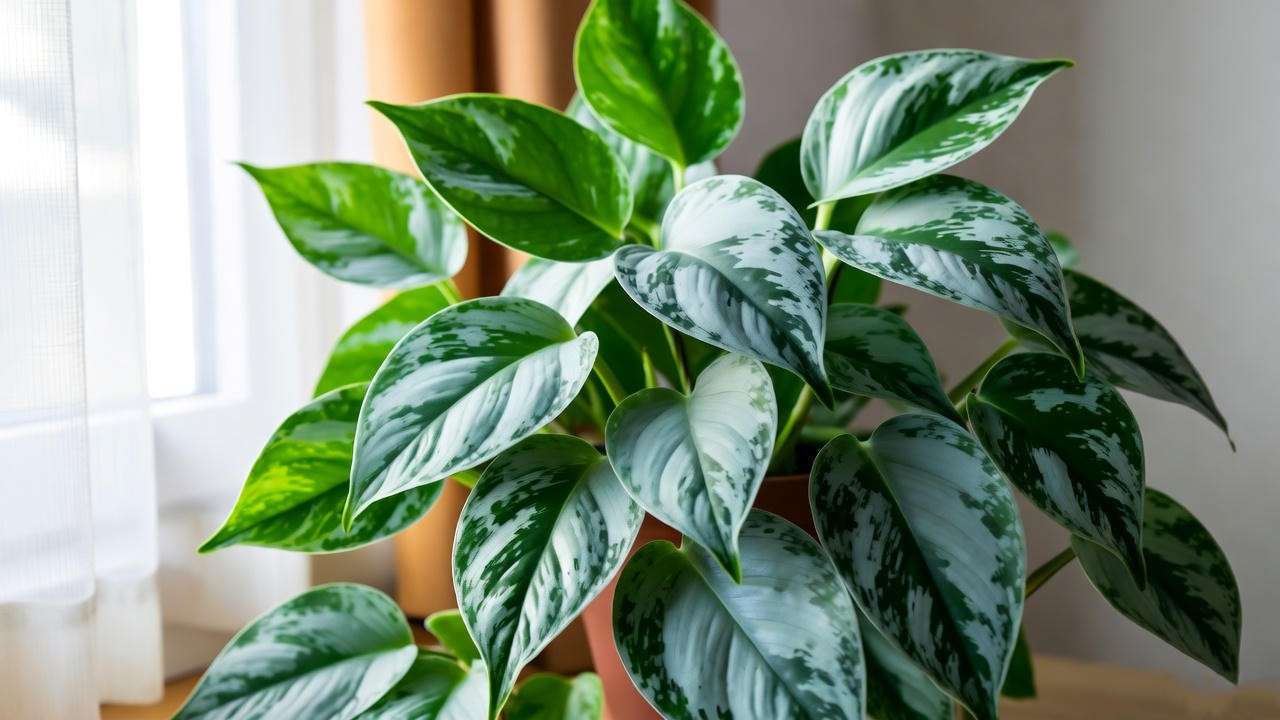
Mastering Light Conditions for Your Silver Pothos
Light is the cornerstone of a thriving silver pothos. This plant loves bright, indirect light, which enhances its silvery variegation and promotes healthy growth. Place it near an east-facing window where it gets gentle morning sun or a few feet from a south- or west-facing window with filtered light (think sheer curtains). Too much direct sunlight can scorch the leaves, leaving unsightly brown spots, while too little light causes leggy growth and faded variegation.
In my experience working with indoor plants, I’ve found that silver pothos can tolerate lower light better than many houseplants, but “tolerate” doesn’t mean “thrive.” For optimal health, aim for bright, indirect light to mimic its natural rainforest habitat.
Practical Lighting Solutions
To nail the perfect lighting, position your silver pothos 3–6 feet from a window with filtered light. If your space lacks natural light, consider a full-spectrum LED grow light (I recommend the GE Grow Light LED for its affordability and effectiveness). Set the light to run for 10–12 hours daily, mimicking natural daylight. A pro tip: Rotate your plant every couple of weeks to ensure all sides get even light exposure, preventing lopsided growth. If you notice stretched stems or smaller leaves, it’s a sign your plant needs more light—adjust its placement promptly.
Tip 2 – Water Wisely
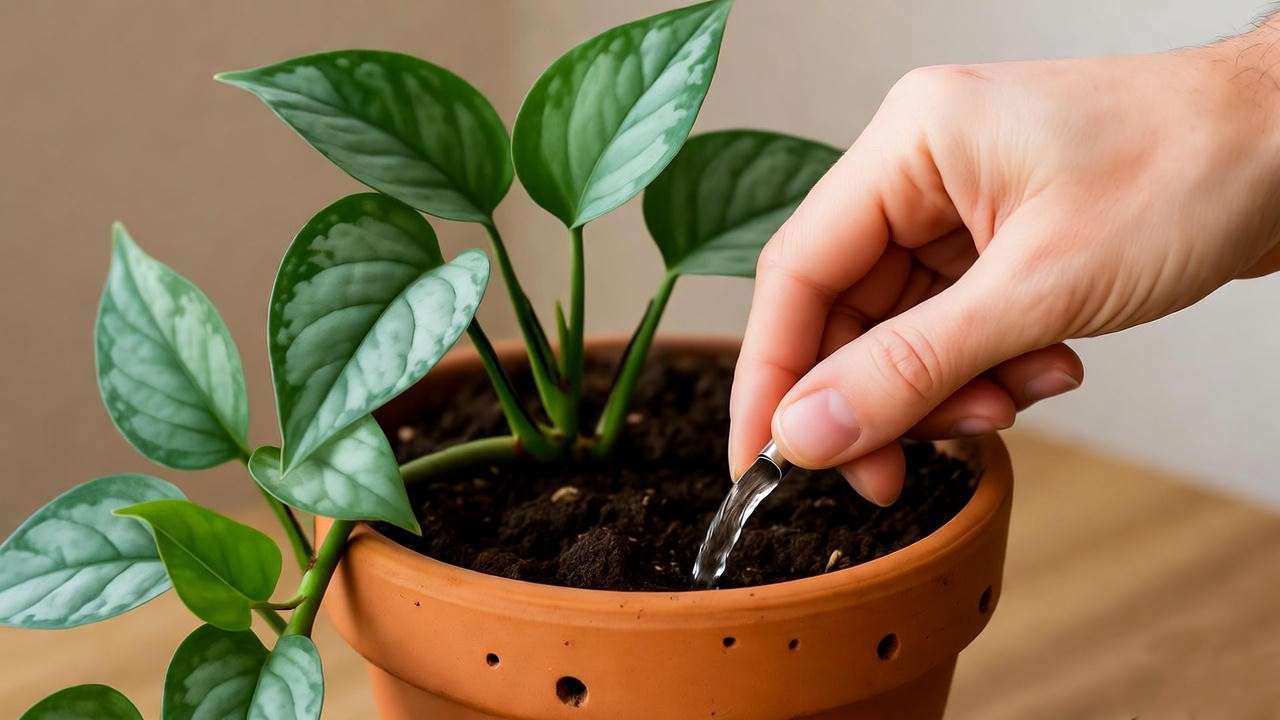
Perfecting Your Watering Routine
Watering is where many silver pothos owners stumble. The golden rule: Let the top inch of soil dry out before watering again. Overwatering is the leading cause of issues like yellowing leaves or root rot, while underwatering leads to drooping, crispy foliage. Use a well-draining potting mix to prevent water from pooling at the roots—a lesson I learned early in my career when I lost a prized pothos to soggy soil.
Check soil moisture by sticking your finger an inch into the soil or using a moisture meter for precision. In most homes, watering every 1–2 weeks during spring and summer is sufficient, with less frequent watering in fall and winter when growth slows.
Watering Best Practices
Here’s a simple watering routine:
- Check the soil: If the top inch feels dry, it’s time to water.
- Water thoroughly until excess drains from the pot’s drainage holes.
- Empty the saucer to avoid root rot.
- Adjust based on season: Water less in winter due to lower light and slower growth.
For consistency, I recommend using a watering can with a narrow spout for even distribution. If you’re unsure, err on the side of underwatering—silver pothos are more forgiving of drought than excess moisture.
Tip 3 – Optimize Soil and Potting
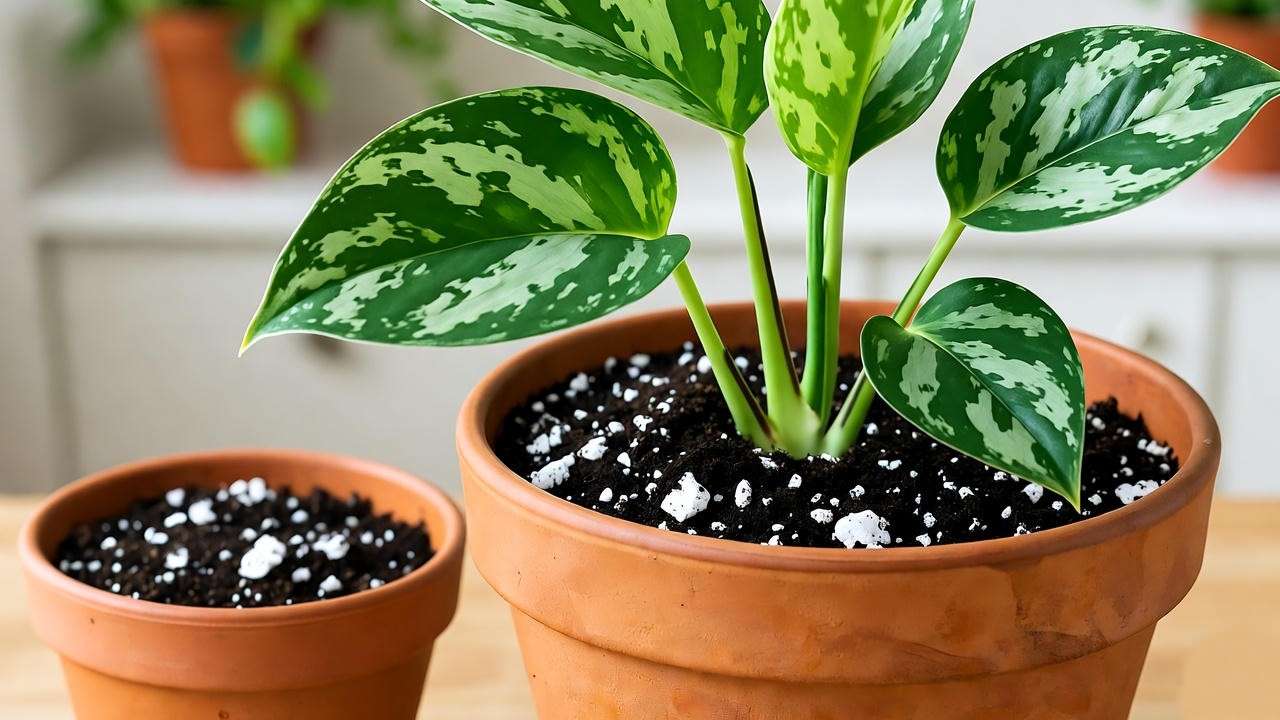
Choosing the Best Soil and Pot
A well-draining potting mix is non-negotiable for silver pothos. I recommend a blend of 2 parts potting soil, 1 part perlite, and 1 part orchid bark to ensure aeration and drainage. This mix mimics the loose, organic-rich soil of the plant’s native environment. Avoid heavy, water-retaining soils, which can suffocate roots.
Choose a pot with drainage holes to prevent water buildup. Terracotta pots are great for wicking away excess moisture, though plastic or ceramic work if drainage is adequate. Repot every 1–2 years or when roots start circling the pot’s bottom, typically a sign the plant is root-bound.
Repotting Made Easy
Repotting keeps your silver pothos healthy and encourages growth. Here’s how to do it:
- Choose a pot 1–2 inches larger in diameter than the current one.
- Gently remove the plant, shaking off old soil and inspecting roots for rot.
- Place in the new pot with fresh potting mix, ensuring the root ball sits at the same depth.
- Water lightly and place in indirect light to recover.
A caution: Avoid oversized pots, as they retain too much moisture, increasing the risk of root rot. Repotting in spring, when the plant is actively growing, minimizes stress.
Tip 4 – Maintain Ideal Humidity and Temperature
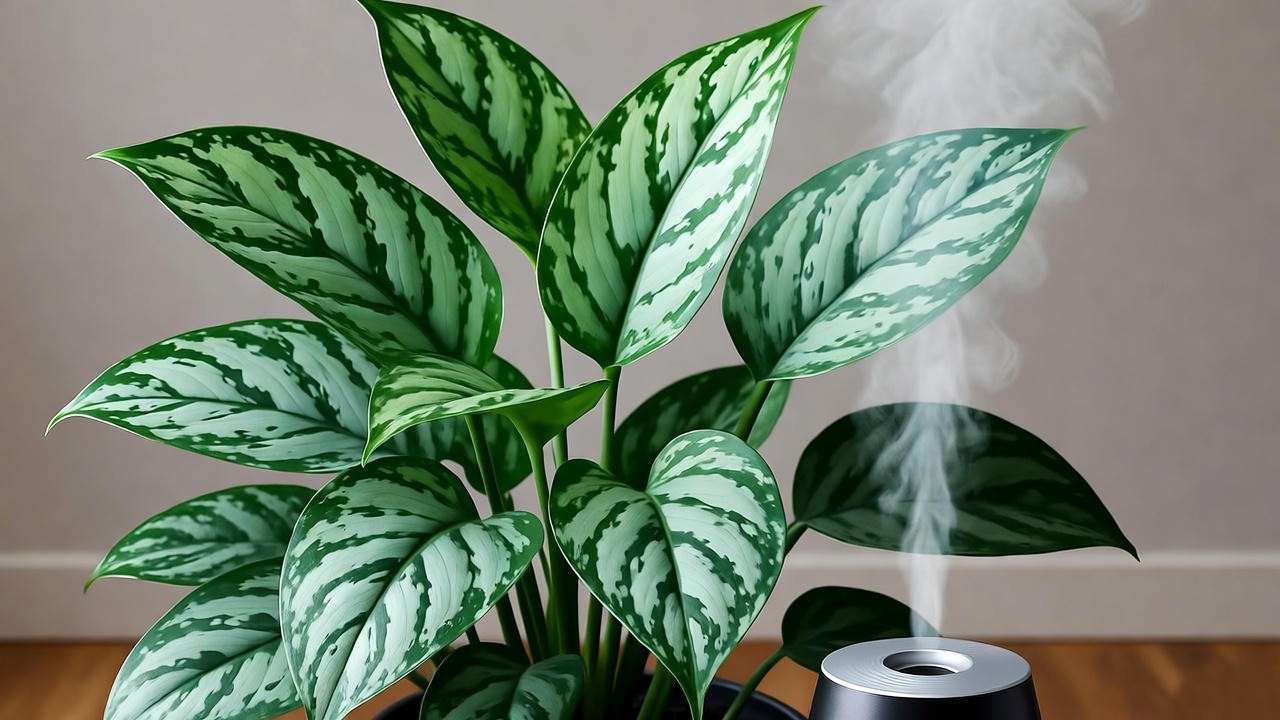
Creating a Pothos-Friendly Environment
Silver pothos thrives in humidity levels of 50–70%, reflecting its tropical origins. Most homes average 30–50% humidity, so you may need to boost it, especially in dry climates or winter months. Ideal temperatures range from 65–85°F (18–29°C). Avoid placing your plant near drafts, air conditioning vents, or heaters, which can cause stress and leaf drop.
In my years advising plant owners, I’ve found that humidity is often overlooked but critical for vibrant foliage. Higher humidity not only supports growth but also enhances the plant’s silvery variegation, as noted in studies from botanical journals.
Humidity Hacks for Indoor Spaces
Boost humidity with these budget-friendly tricks:
- Place a pebble tray filled with water beneath the pot (ensure the pot doesn’t sit in water).
- Group plants together to create a microclimate.
- Use a humidifier, especially in winter (the Levoit Classic 300S is a reliable choice).
- Mist sparingly—once or twice a week—to avoid fungal issues.
For temperature, keep your silver pothos away from cold windows or hot radiators. A stable environment ensures consistent growth and prevents leaf damage.
Tip 5 – Fertilize for Growth
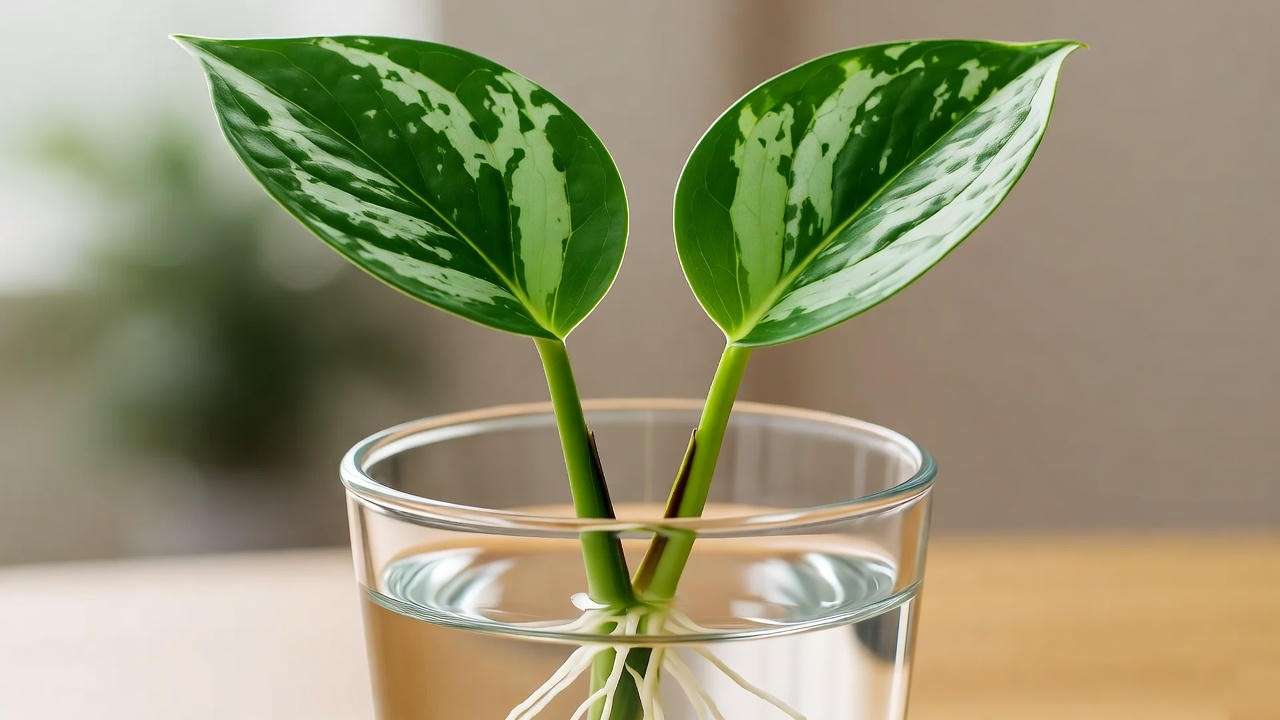
Feeding Your Silver Pothos
Fertilizing your silver pothos provides the nutrients it needs to produce lush, vibrant foliage. A balanced, water-soluble fertilizer, such as a 20-20-20 formula, works best when applied monthly during the growing season (spring and summer). Dilute the fertilizer to half-strength to avoid burning the roots, a mistake I’ve seen many new plant owners make. In fall and winter, when growth naturally slows, skip fertilizing to prevent nutrient buildup, which can harm the plant.
As a horticulturist, I’ve experimented with various fertilizers and found that organic options, like fish emulsion or seaweed extract, are excellent for eco-conscious plant parents looking to promote steady growth without synthetic chemicals.
Fertilizing Do’s and Don’ts
Follow this fertilizing schedule for optimal results:
- Apply fertilizer every 4–6 weeks from March to August.
- Dilute to half the recommended strength (e.g., 1 tsp per gallon of water for a 20-20-20 fertilizer).
- Water the plant lightly before fertilizing to reduce root stress.
- Rinse the soil with plain water every few months to prevent salt buildup.
Do: Use a balanced fertilizer to support foliage and root health.
Don’t: Over-fertilize, as this can cause leaf tip burn or yellowing. If you notice white crusts on the soil surface, it’s a sign of excess salts—flush the soil thoroughly with water.
A pro tip: If you’re unsure about fertilizing, less is more. Silver pothos can thrive with minimal feeding, especially in nutrient-rich potting mixes.
Tip 6 – Prune and Propagate for Health and Beauty
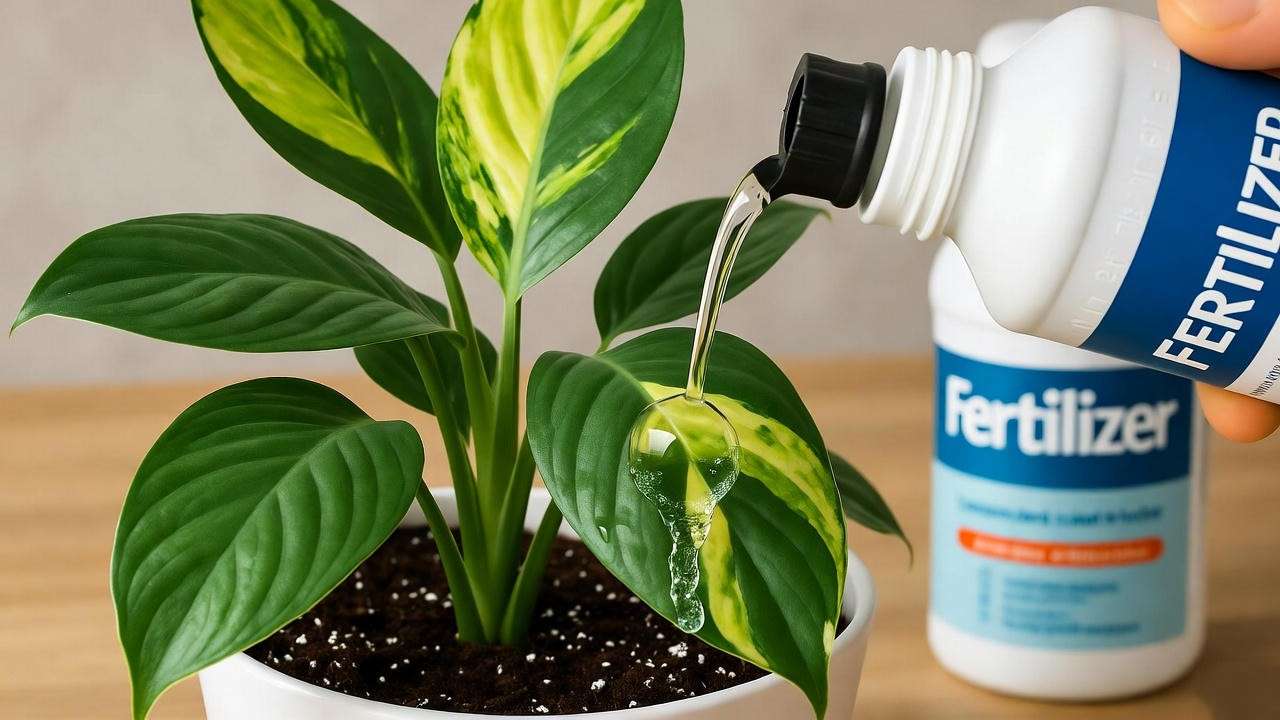
Pruning and Propagating Your Silver Pothos
Regular pruning keeps your silver pothos looking full and encourages bushier growth. By trimming leggy stems, you stimulate new growth points, resulting in a denser, more attractive plant. Pruning also allows you to propagate cuttings, letting you expand your collection or share plants with friends. In my years of propagating houseplants, I’ve found silver pothos to be one of the easiest plants to multiply, making it a rewarding project for beginners and experts alike.
Use clean, sharp scissors to cut just above a node (the point where a leaf meets the stem). Remove any yellow or damaged leaves to maintain plant health and aesthetics.
Step-by-Step Propagation Guide
Propagation is a fun, cost-effective way to grow new silver pothos plants. Here’s how to do it in water, the most beginner-friendly method:
- Select a healthy stem with at least 3–4 nodes and a few leaves.
- Cut a 4–6 inch section just below a node using sterilized scissors.
- Place the cutting in a glass of water, ensuring nodes are submerged but leaves stay dry.
- Change the water every 3–5 days and place in bright, indirect light.
- Once roots grow 2 inches long (usually 2–4 weeks), transfer to a pot with well-draining soil.
Alternatively, you can propagate directly in soil by placing the cutting in moist potting mix and keeping it consistently damp (but not soggy) until roots develop. For faster results, dip the cut end in rooting hormone before planting, though this is optional for silver pothos due to its vigorous rooting ability.
A pro tip: Group multiple cuttings in one pot for a fuller look right from the start.
Tip 7 – Troubleshoot Common Issues
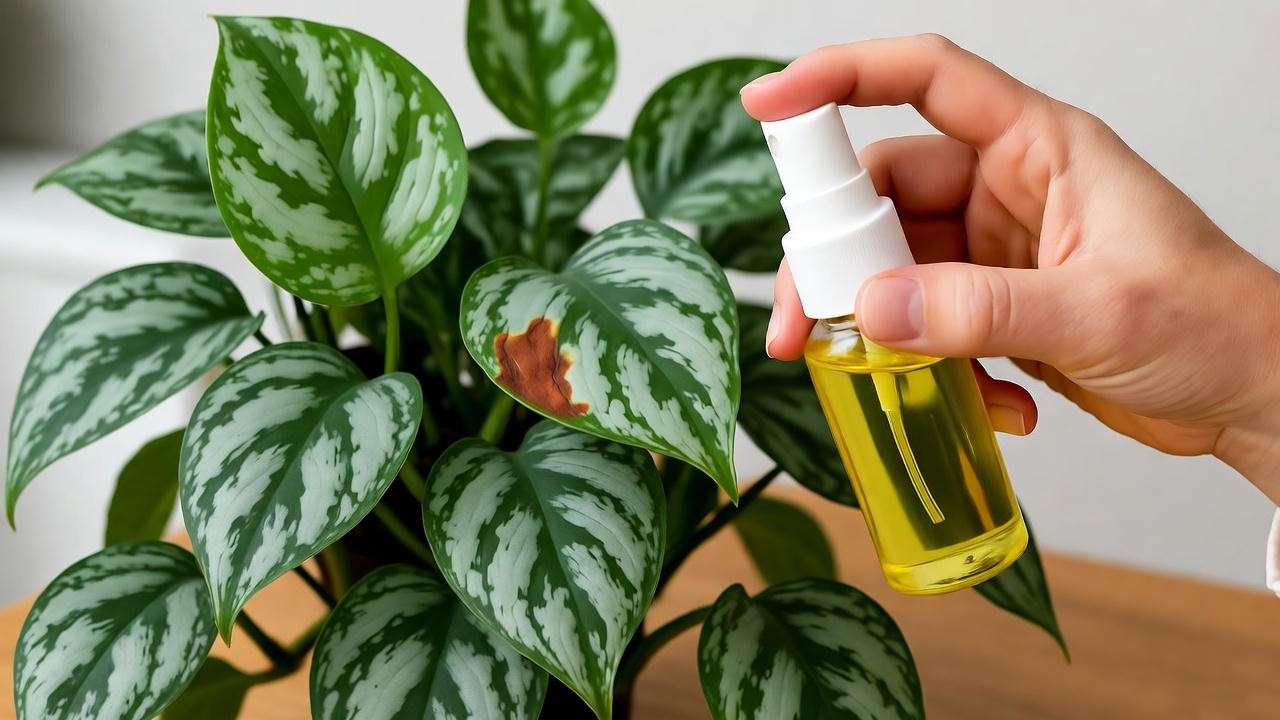
Solving Silver Pothos Problems
Even with proper care, silver pothos can face issues like yellow leaves, brown spots, or pests. Understanding the causes and solutions ensures your plant stays healthy. Here are the most common problems and how to address them:
- Yellow Leaves: Often caused by overwatering or poor drainage. Check the soil and reduce watering frequency. Ensure the pot has drainage holes.
- Brown Spots: Typically due to low humidity, direct sunlight, or inconsistent watering. Increase humidity with a pebble tray and move the plant to indirect light.
- Leggy Growth: Indicates insufficient light. Relocate to a brighter spot or use a grow light.
- Pests: Spider mites, mealybugs, or scale can occasionally affect silver pothos, especially in dry conditions.
Regular inspection is key. I recommend checking your plant weekly for early signs of trouble, a habit that’s saved many of my own plants over the years.
Pest Control for Silver Pothos
Pests are rare but can occur, especially in dry or crowded plant setups. Spider mites, tiny web-spinning pests, and mealybugs, which look like white cottony spots, are the most common culprits. Here’s how to handle them:
- Isolate the affected plant to prevent spread.
- Wipe leaves with a damp cloth to remove pests.
- Spray with a solution of neem oil (1 tsp per quart of water) or insecticidal soap, applied every 5–7 days until pests are gone.
- Increase humidity to deter future infestations, as pests thrive in dry conditions.
A preventative tip: Wipe leaves monthly with a damp cloth to remove dust, which improves photosynthesis and discourages pests. If you suspect severe infestations, consult a local extension service for tailored advice.
Styling Your Silver Pothos
Elevating Your Space with Silver Pothos
Beyond its care needs, the silver pothos is a design superstar. Its trailing vines and silvery foliage make it a versatile addition to any room. Display it in a hanging basket to let its vines cascade, train it up a moss pole for a vertical statement, or let it trail across a bookshelf for a touch of greenery. Pairing it with other low-maintenance plants like snake plants or ZZ plants creates a lush, indoor jungle vibe.
In my work with interior designers, I’ve seen silver pothos transform spaces, from cozy apartments to modern offices, aligning with the biophilic design trend that’s taken 2025 by storm.
Inspiring Display Ideas
Here are some creative ways to showcase your silver pothos:
- Hanging Planters: Use macramé hangers or ceramic pots for a boho-chic look.
- Living Wall: Combine multiple pothos plants on a trellis for a green focal point.
- Shelf Styling: Let vines trail over the edge of high shelves for a cascading effect.
- Minimalist Decor: Place in a sleek, white ceramic pot to complement modern interiors.
Choose pots that match your aesthetic—terracotta for earthy vibes, glazed ceramic for a pop of color. For inspiration, check out trending plant styling ideas on platforms like Pinterest or Instagram, where silver pothos often steals the show.
FAQs
Frequently Asked Questions About Silver Pothos Care
Is silver pothos safe for pets?
Silver pothos is mildly toxic to cats and dogs if ingested, causing mouth irritation or digestive upset. Keep it out of reach, such as in a hanging planter or on a high shelf, and contact a veterinarian if ingestion occurs.
How fast does silver pothos grow?
With proper care, silver pothos grows 6–12 inches per year. Growth is fastest in bright, indirect light with regular fertilizing during spring and summer.
Can silver pothos survive in low light?
It can tolerate low light but may lose variegation and grow slowly. For best results, provide bright, indirect light or supplement with a grow light.
Why are my silver pothos leaves losing variegation?
Faded variegation often stems from insufficient light or nutrient deficiencies. Move the plant to a brighter spot and fertilize monthly during the growing season.
How do I revive a wilting silver pothos?
Check for overwatering (soggy soil) or underwatering (dry soil). Adjust watering, ensure proper drainage, and place in bright, indirect light. Trim damaged leaves to encourage recovery.
Conclusion
Caring for a silver pothos is a rewarding journey that blends science, creativity, and a touch of patience. By following these seven essential tips—providing the right light, watering wisely, optimizing soil, maintaining humidity, fertilizing appropriately, pruning and propagating, and troubleshooting issues—you’ll ensure your Scindapsus pictus thrives for years. Its silvery foliage and easygoing nature make it a perfect companion for any home, whether you’re a novice or a seasoned plant parent.
Experiment with styling your silver pothos to suit your space, and don’t hesitate to propagate cuttings to share the love. Have questions or success stories? Drop a comment below or explore our other plant care guides for more tips. As a horticulturist with over a decade of experience, I can assure you that with these strategies, your silver pothos will not only survive but become a stunning centerpiece in your indoor oasis.